

P2172 on 2011-2016 Chevrolet Cruze: High Airflow Causes and Fixes
On the 1.4L Turbo Cruze, this code almost always means there is a major vacuum leak from a failed PCV system. The two most common culprits are a ruptured diaphragm in the valve cover or a missing check valve inside the intake manifold. On the 1.8L, it indicates a general vacuum leak. Expect to spend $50-$400 on parts depending on the failure.
- For the 1.4L Turbo engine, P2172 is almost certainly a vacuum leak from the PCV system.
- Always check for BOTH a torn valve cover diaphragm AND a missing intake manifold check valve. Fixing one without the other can lead to repeat failures.
- A simple visual and auditory inspection can often diagnose the problem in minutes without special tools.
- If your vehicle is a 2015-2016 model, check with a Chevrolet dealer to see if the valve cover replacement is covered under the special warranty extension before starting a repair.
- The 1.8L engine does not share the same complex PCV design; for that engine, P2172 points to more traditional vacuum leaks.
What's Unique About the 2011-2016 Chevrolet Cruze

The first-generation Chevrolet Cruze with the 1.4L Turbo engine has a notoriously failure-prone Positive Crankcase Ventilation (PCV) system. Unlike many cars with a simple, replaceable PCV valve, the Cruze's system is integrated into the valve cover and the intake manifold. Two key components, a rubber diaphragm in the valve cover and an internal check valve in the intake manifold, commonly fail. The intake check valve often fails first, allowing boost pressure into the crankcase, which then over-pressurizes the system and ruptures the valve cover diaphragm, creating the exact type of massive vacuum leak that triggers P2172. This issue is so widespread that GM issued a special warranty extension for the valve cover on certain model years.
Generation note: The 2011-2016 model years primarily cover the first generation of the Chevrolet Cruze. However, an all-new second generation was introduced in 2016. A 'Cruze Limited' model was also sold in 2016, which was a carryover of the first-generation body style. The information here is specific to the first-generation (2011-2015) and 2016 'Cruze Limited' models.
Symptoms You May Notice
- Check Engine Light is on
- Rough, unstable, or high idle
- Loud hissing or sucking noise from the engine bay, especially near the top of the engine. 🎬 Watch: Diagnosing the common PCV hissing noise and rough idle.
- Engine stalling, especially at idle or when coming to a stop
- Reduced engine power or 'limp mode'
- Increased oil consumption
- Oil leaks from seals and gaskets (like the crankshaft seal) due to crankcase pressure.
- Strong vacuum on the oil fill cap, making it difficult to remove while the engine is running.
- Replacing only the valve cover when the intake manifold check valve has also failed. The new valve cover diaphragm will likely fail again quickly due to the unaddressed crankcase pressure from the missing check valve.
- Replacing the throttle body or MAF sensor before checking for the common PCV system vacuum leaks.
- On the 1.8L engine, assuming the intake manifold check valve is the issue. The 1.8L engine does not have this component; its PCV system is different.
Most Likely Causes

- Ruptured PCV Diaphragm in Valve Cover (1.4L Turbo) 🔴 High Probability The rubber diaphragm is a known weak point that tears over time, creating a direct path for unmetered air to enter the intake manifold. This is often a symptom of a failed intake manifold check valve. GM acknowledged this with a special coverage program for some model years.
How to confirm: With the engine running, listen for a distinct hissing sound from the valve cover. Place your finger over the small vent hole on the top of the circular PCV regulator portion of the valve cover. If you feel strong suction, the diaphragm is torn. Another test is to try removing the oil cap with the engine running; if strong vacuum holds it down, the diaphragm has failed.
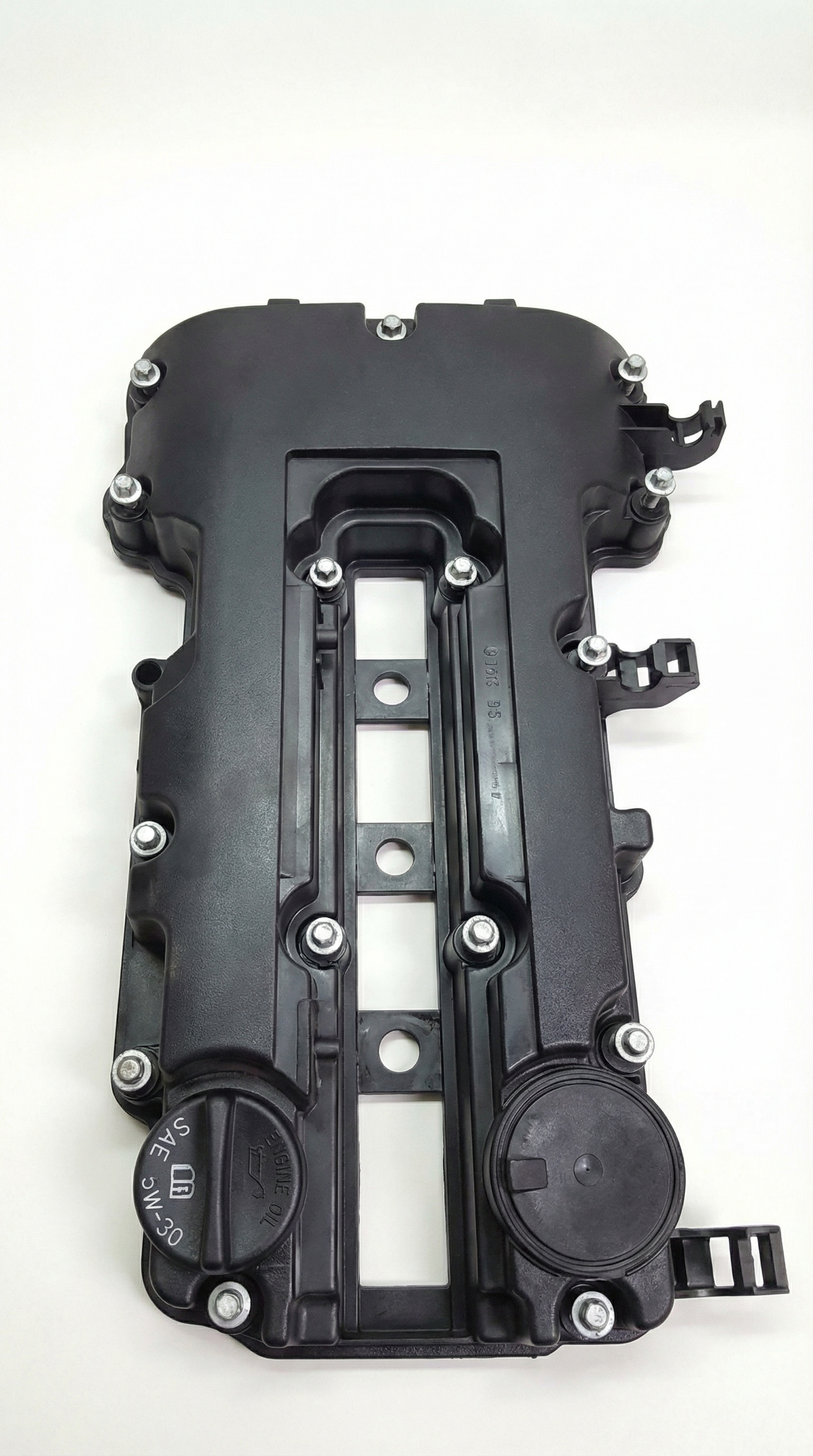
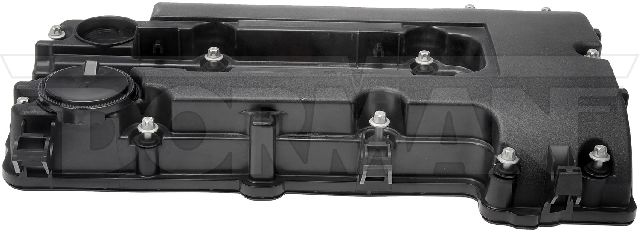
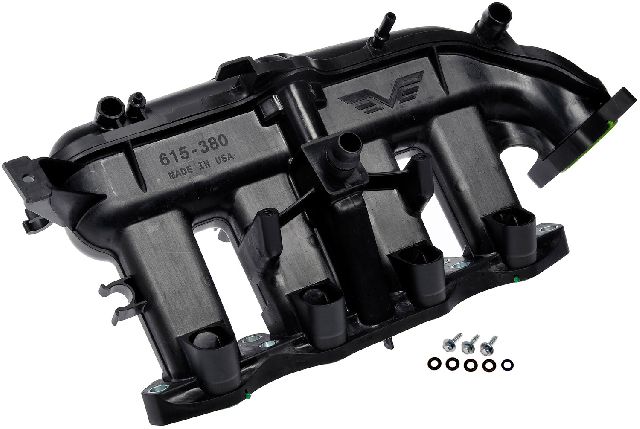
Typical fix: Replace the entire valve cover assembly. The diaphragm is not sold separately. 🎬 See this step-by-step guide to replacing the valve cover. The OEM part is GM 25198877 (superceded by 25209141). Dorman offers an aftermarket version (615-380).
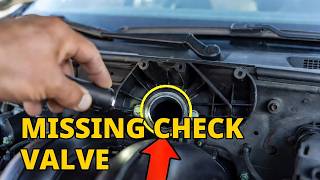
Est. part cost: $50-$150 - Missing/Failed PCV Check Valve in Intake Manifold (1.4L Turbo) 🔴 High Probability A small, orange rubber check valve inside the intake manifold can degrade, break apart, and get ingested by the engine. This leaves an open port, causing a massive vacuum leak and allowing boost pressure into the crankcase, which often leads to the valve cover diaphragm failing as well. This is frequently the root cause of the entire problem.
How to confirm: Disconnect the PCV tube from the driver's side of the intake manifold. Shine a light into the port. You should see a small, orange 'nipple'. If the port is empty and you just see a hole, the valve is gone.
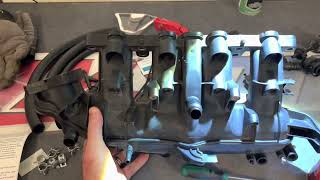
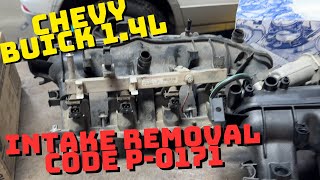
Typical fix: The official repair is to replace the entire intake manifold (GM Part # 55573171). Dorman offers an improved manifold (615-380). 🎬 Watch: How to replace the intake manifold to fix the PCV. A popular, less expensive alternative is to install an aftermarket external check valve kit, such as the one from CruzeKits.com, which bypasses the failed internal one without requiring manifold removal.
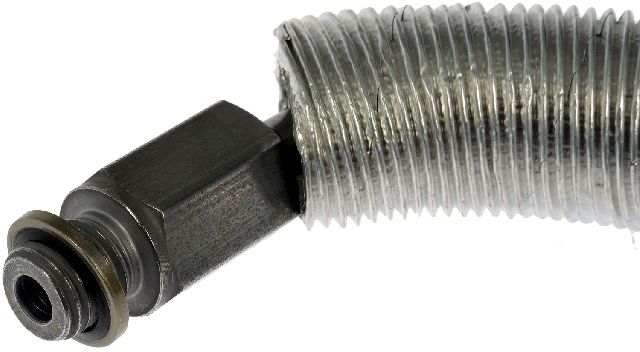
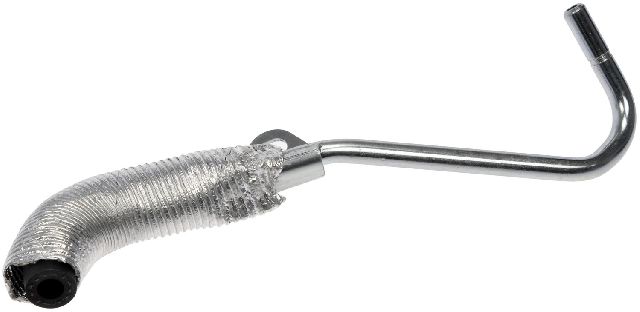
Est. part cost: $150-$400 for a new manifold, or ~$75 for a bypass kit. - Other Vacuum Leaks (All Engines) 🟡 Medium Probability Hoses and gaskets become brittle with age and heat cycles. The corrugated PCV hose that runs from the intake to the turbo inlet is particularly prone to cracking.
How to confirm: Perform a smoke test. Introduce smoke into the intake system and look for smoke escaping from cracked hoses (especially PCV lines), bad gaskets (throttle body, intake manifold), or other seals.
Typical fix: Replace the leaking hose or gasket.
Est. part cost: $10-$100 - Dirty or Failing Throttle Body ⚪ Low Probability
How to confirm: Remove the intake duct and inspect the throttle body and plate for heavy carbon buildup that could prevent the plate from closing properly. Test the throttle position sensor with a scan tool to ensure its readings are smooth and accurate.
Typical fix: Clean the throttle body thoroughly with throttle body cleaner. If the sensor is faulty, the entire throttle body assembly usually needs to be replaced.
Est. part cost: $10 for cleaner, $150-$300 for a new throttle body.
Rare But Worth Checking
- Failed Mass Airflow (MAF) Sensor: While possible, a MAF sensor failure will typically set other codes like P0101 or P1101. It's unlikely to be the root cause if only P2172 is present, and on the 1.4L Cruze, these codes almost always point back to the PCV system failure.
Diagnosis Steps

- Scan for any other fault codes. Codes like P0171, P1101, or P0106 strongly point towards a major vacuum leak in the PCV system on the 1.4L engine.
- With the engine running, listen for an obvious hissing or whistling sound. On the 1.4L Turbo, pay close attention to the top of the valve cover, specifically the round cap.
- For the 1.4L Turbo, perform the 'finger test': carefully place your finger over the small vent hole on the PCV regulator on the valve cover. Strong suction confirms a torn diaphragm.
- For the 1.4L Turbo, perform the 'oil cap test': with the engine idling, try to remove the oil filler cap. If it is held on by very strong vacuum, the valve cover diaphragm is ruptured.
- CRITICAL STEP for 1.4L Turbo: Disconnect the PCV hose from the intake manifold and visually inspect the port for the presence of the orange check valve. Use a flashlight. If it is missing, the intake manifold has failed internally and must be replaced or bypassed.
- If the PCV system checks out, perform a smoke test on the intake system to identify any other sources of vacuum leaks, such as cracked hoses (especially the corrugated PCV tube) or bad gaskets.
- Inspect the air intake tube between the air filter box and the throttle body for any cracks or loose connections.
- Inspect and clean the throttle body and MAF sensor as a final step if no vacuum leaks are found.
Parts You'll Likely Need

- Engine Valve Cover (1.4L Turbo)
(OEM #25198877, 25209141 (latest))— This is the most common symptomatic fix. The integrated PCV diaphragm tears, causing a massive vacuum leak. The entire cover must be replaced.
Trusted brands: ACDelco (GM Genuine), Dorman (P/N: 615-380)
OEM price range: $80-$150
Aftermarket price range: $50-$100 - Intake Manifold (1.4L Turbo)
(OEM #55573171, 25200449 (latest))— Replaced when the internal PCV check valve fails and is ingested by the engine. This is the root cause of many recurring PCV issues.
Trusted brands: ACDelco (GM Genuine), Dorman (P/N: 615-380, redesigned to prevent failure)
OEM price range: $250-$400
Aftermarket price range: $150-$250 - PCV Bypass Kit (1.4L Turbo) — An aftermarket solution to avoid replacing the entire intake manifold when the internal check valve fails. It creates a new, external, and often serviceable check valve.
Trusted brands: CruzeKits.com (V3.4+ PCV Fix Kit), ZZPerformance
Aftermarket price range: $75-$90
Related Codes That Often Appear With This One
- P0171 — System Too Lean. This code is often set alongside P2172 because the large vacuum leak allows too much unmetered air into the engine, creating a lean air/fuel mixture.
- P1101 — MAF Sensor Out of Self-Test Range. The ECM sees airflow readings from the MAF sensor that are inconsistent with what it expects based on throttle position and engine speed, a direct result of the vacuum leak. This is a very common companion code.
- P0507 — Idle Air Control System RPM Higher Than Expected. The extra air from the vacuum leak forces the engine's idle speed to increase beyond the target range.
- P0106 — Manifold Absolute Pressure (MAP) System Performance. The erratic vacuum levels caused by the PCV leak can cause the MAP sensor readings to be out of the expected range.
Technical Service Bulletins (TSBs) & Recalls
- NHTSA ID: 10163733 / GM Special Coverage N152062250 - Acknowledges the cracking diaphragm in the PCV pressure regulator valve (part of the camshaft cover) on 2015-2016 1.4L Cruze vehicles and extends the warranty for this specific repair.
Platform-Specific Known Issues
- Special Coverage Program N152062250 (also referenced as TSB 10163733): GM issued a warranty extension for the PCV valve cover on some 2011-2016 Cruze models to 10 years or 120,000 miles due to the high failure rate of the internal diaphragm. This is not a recall, but a program to cover the repair cost if the specific condition occurs within the time/mileage limit. Owners should check with a GM dealer with their VIN.
Mechanic-Grade Diagnostic Values
- Mass Airflow (MAF) Sensor Reading at Idle (1.4L) — expected: 2 to 7 g/s, typically around 4.4 g/s on a warm engine.. Failure: A reading significantly higher or lower, or one that doesn't rise smoothly with RPM, can indicate a sensor issue or a massive vacuum leak skewing the reading.
- Mass Airflow (MAF) Sensor Reading at 2500 RPM (1.4L) — expected: 15 to 25 g/s.. Failure: Failure to reach this range under acceleration can point to a faulty MAF sensor or a significant restriction in the intake.
- Long Term Fuel Trim (LTFT) — expected: Ideally between -10% and +10%.. Failure: With the P2172 vacuum leak, expect to see LTFT values pegged high (e.g., +25% or more) as the ECM tries to add fuel to compensate for the unmetered air.
Scan Tool Commands That Help
- GDS2 / High-End Bidirectional Scanner: Throttle Body Idle Air Flow Compensation Reset — After cleaning or replacing the throttle body, this function resets the learned idle airflow values in the ECM, which is necessary for the engine to idle correctly.
- GDS2 / High-End Bidirectional Scanner: Fuel Trim Reset — After fixing the vacuum leak (e.g., replacing the valve cover and/or intake manifold), this command should be used to clear the long-term fuel trim values. This forces the ECM to relearn the fuel mixture from a neutral baseline, leading to a faster return to normal operation.
Wiring & Ground Locations
- G103 — On the left front shock tower in the engine compartment.. This is a primary ground for the Engine Control Module (ECM). A loose or corroded connection here can cause unstable sensor reference voltages, leading to erratic readings from the MAF, MAP, and throttle position sensors, potentially triggering false codes.
- G105 — Located at the left front corner of the engine compartment, often near the underhood fuse block.. This is another critical ground for the ECM and other engine-related components. Ensuring it is clean and tight is a key step in diagnosing any electronic fault code.
Real Owner Repair Stories
- Reddit user on r/cruze (Unknown year Gen 1 Cruze 1.4L Turbo) — Persistent codes P0106, P0107, P1101, P0171. Car made a 'slam noise', shook, and died, but restarted.
❌ Tried (didn't work) Not specified, user was asking for diagnostic help.
✅ What actually fixed it The community immediately identified the symptoms as the classic 1.4L PCV system failure. The confirmed fix is to replace both the valve cover (to fix the ruptured diaphragm) and address the failed intake manifold check valve, either by replacing the manifold or installing an aftermarket bypass kit.
OEM Part Supersession History
25198877→25209141— GM updated the part. The new part number is the current OEM replacement for the 1.4L Turbo valve cover.55573171→25200449— GM updated the part number for the intake manifold.55573746→25198874, which was then superseded by 25198877.— Early part number for the camshaft/valve cover that has been replaced multiple times.
Model Year Variations Within This Range
- 2011-2016: While the fundamental PCV design flaw exists across the first generation, GM issued Special Coverage N182202781 for the valve cover on certain model years/VINs, extending the warranty. Owners should check with a dealer as this could result in a no-cost repair. The eligibility and terms of this coverage have been updated over time.
Diagnostic Flowchart
Other Known Issues on This Vehicle
Issues unrelated to this code that are worth knowing about as an owner of this generation:
- Coolant System Leaks 🔴 High — Very common, often starting around 80,000-100,000 miles. Failures include the water outlet (thermostat housing), coolant reservoir tank cracking, and various hoses.
- Automatic Transmission Failure 🔴 High — Common in early model years (2011-2012), with complaints of shifting issues, rattling, and complete failure.
- Oil Leaks from Seals 🟠 Medium — Crankshaft seals and oil cooler lines are known to leak. These can be exacerbated by the excess crankcase pressure from a failing PCV system.
- Water Pump Failure 🟠 Medium — The water pump has a notable failure rate, often leading to coolant leaks and overheating.
- Negative Battery Cable/Terminal Issues 🟡 Low — A known issue with the negative battery terminal can cause intermittent electrical problems, including no-start conditions. GM issued TSB PIT5212 for this. (Ref: TSB PIT5175, PIT5212)
Used vs. New Parts: Buying Guide for This Vehicle
When a used part is the smart pick: For this specific P2172 failure on the 1.4L Turbo, buying used core components like the valve cover or intake manifold is strongly discouraged. The failure is due to wear and design defects in the original parts, and a used part is likely to have the same issue or fail shortly after installation.
Donor-vehicle mileage cap: roughly under 20000 miles for the part to have meaningful remaining life.
What to inspect on the donor part:
- If considering a used throttle body, check for scoring on the bore and ensure the electrical connector pins are clean and straight.
- For any used part, verify the part number matches the required OEM number for your vehicle's VIN.
- Avoid any plastic parts that appear brittle, discolored from heat, or have hairline cracks.
OEM-only on this vehicle (don't cheap out):
- Sensors (MAF, MAP): While not the common cause, if a sensor is needed, OEM or direct OEM-supplier (like Bosch) is highly recommended. Aftermarket sensors for this vehicle are known to cause performance issues or fail prematurely.
Aftermarket brands forum-validated for this vehicle:
- Intake Manifold: Dorman (P/N: 615-380) offers a redesigned intake manifold that includes a retaining pin for the check valve to prevent the common failure.
- PCV Bypass Kit: CruzeKits.com is a widely-known and validated aftermarket solution that provides a durable, external check valve to bypass the failed internal one, preventing the need for intake manifold replacement.
- Valve Cover: ACDelco (GM's own brand) is the safest bet. While some Dorman valve covers are acceptable, some owners report issues with cheaper, no-name aftermarket valve covers failing quickly.
Brands owners have reported issues with on this vehicle:
- Unbranded/generic valve covers and intake manifolds from online marketplaces are a significant gamble and have a high failure rate. One owner reported a cheap knockoff valve cover failed within a week.
- Some users have reported long-term issues with the Dorman intake manifold, suggesting the OEM part may be a better choice despite the original flaw if not using a bypass kit.
Real Owner Stories
Aggregated from forums and TSBs cited above. Mileages and costs reflect what owners reported in those sources.
2012 Chevrolet Cruze 1.4L Turbo
Symptoms: The car had a rough idle and the Check Engine Light was on with multiple codes, including lean and airflow faults.
What fixed it: Diagnosis confirmed the cause was a ruptured valve cover diaphragm, which was triggered by a failed check valve inside the intake manifold. The fix required replacing the valve cover and installing a bypass kit for the intake manifold check valve.
Source hint: ScannerDanner Forum: 2012 Chevy Cruze (1.4L Turbo) Rough Idle/Multiple Codes
2015 Chevrolet Cruze 1.4L Turbo — ~95000 miles
Symptoms: Check Engine Light came on, accompanied by a distinct hissing noise from the top of the engine and an unstable, rough idle.
What fixed it: The dealer diagnosed a cracked diaphragm in the PCV pressure regulator, which is part of the valve cover. The entire valve cover assembly was replaced under GM's Special Coverage Program N152062250.
Source hint: GM Special Coverage N152062250
2013 Chevrolet Cruze 1.4L Turbo
Symptoms: Heard a loud whistling or sucking sound from the engine bay. The car was running rough and the Check Engine Light was on.
What fixed it: A forum discussion identified the root cause as the small orange check valve in the intake manifold failing, which then caused the diaphragm in the valve cover to rupture, creating the vacuum leak and whistling sound. Both the valve cover and the intake manifold's check valve function had to be restored.
Source hint: Reddit r/cruze: Signs of PCV failure and/or needed valve cover gasket replacement?
2014 Chevrolet Cruze 1.4L Turbo
Symptoms: The Check Engine Light was on with codes P0171, P1101, and P2172. The engine idled poorly and sometimes stalled.
What fixed it: The problem was traced to the common PCV system failure sequence: the internal intake manifold check valve disintegrated, which then caused the valve cover diaphragm to tear from crankcase pressure. The fix involved replacing the valve cover and installing an external check valve kit to bypass the faulty internal one.
Source hint: CruzeTalk Forum: 2011-2016 Cruze 1.4 PCV Valve Cover/Intake Manifold Issues
Related OBD-II Codes
Frequently Asked Questions
Is the failed PCV valve cover on my 2014 Cruze 1.4L covered by a recall?
My mechanic says the hissing is from the valve cover. Why do I need to check the intake manifold too?
How can I quickly check if the PCV diaphragm in my valve cover is torn?
The dealer wants to replace my entire intake manifold for a tiny check valve. Is there a cheaper fix?
What are the correct part numbers for the valve cover and intake manifold on my 1.4L Cruze?
I've checked the valve cover and intake manifold, but I still have a P2172 code. What else could it be?
Helpful Videos
Used OEM Parts in Stock
New Aftermarket Parts Available


The information in this article is provided for general reference and educational purposes only. Vehicle specifications, procedures, and part compatibility can vary by production date, trim level, and region. Always consult your vehicle's factory service manual and verify part numbers before purchasing or performing repairs. Safety-critical components such as airbags, seat belts, and braking systems should be installed by a qualified professional.
- Chevrolet Cruze:
- 🎬 Helpful Videos
- 🛍️ Shop This Part
- What's Unique About the 2011-2016 Chevrolet Cruze
- Symptoms You May Notice
- Most Likely Causes
- Rare But Worth Checking
- Diagnosis Steps
- Parts You'll Likely Need
- Related Codes That Often Appear With This One
- Technical Service Bulletins (TSBs) & Recalls
- Platform-Specific Known Issues
- Mechanic-Grade Diagnostic Values
- Scan Tool Commands That Help
- Wiring & Ground Locations
- Real Owner Repair Stories
- OEM Part Supersession History
- Model Year Variations Within This Range
- Diagnostic Flowchart
- Other Known Issues on This Vehicle
- Used vs. New Parts: Buying Guide for This Vehicle
- Real Owner Stories
- 2012 Chevrolet Cruze 1.4L Turbo
- 2015 Chevrolet Cruze 1.4L Turbo — ~95000 miles
- 2013 Chevrolet Cruze 1.4L Turbo
- 2014 Chevrolet Cruze 1.4L Turbo
- Related OBD-II Codes
- Frequently Asked Questions
- 🎟️ Get 5% Off