

P2096 on 2004-2011 Mazda RX-8: Post-Catalyst Lean Condition Causes and Fixes
P2096 on a Mazda RX-8 usually indicates an exhaust leak between the two oxygen sensors, a failing rear O2 sensor, or a clogged catalytic converter. Start by inspecting the exhaust system for leaks, as this is a common and inexpensive fix. Also consider a dirty MAF or failing front O2 sensor, as these are frequently cited issues in owner forums.
- P2096 on an RX-8 means the exhaust is too lean after the catalytic converter.
- The most likely cause is a simple exhaust leak. Thoroughly inspect the exhaust system before buying any parts.
- If there are no leaks, the next most likely culprits are a bad rear O2 sensor or a failing catalytic converter.
- Always maintain the RX-8's ignition system (plugs, coils, wires) to protect the life of the catalytic converter.
- If you also have a P0171 code, focus your search on vacuum leaks or fuel delivery issues.
What's Unique About the 2004-2011 Mazda RX-8
The Mazda RX-8's 13B-MSP rotary engine has unique characteristics that can lead to P2096. Rotary engines naturally run hotter and consume oil as part of their normal operation, which can shorten the life of the catalytic converter and oxygen sensors. A failing catalytic converter is a very common issue on the RX-8 and can directly cause this code. Furthermore, a weak ignition system (coils, plugs, wires) is a frequent maintenance item on the RX-8 that can cause incomplete combustion, leading to excess oxygen in the exhaust and triggering a lean code. Owners often find this code is caused by issues that would be less common on piston engines, such as a failing front O2 sensor causing a rear O2 code, or contamination from an over-oiled air filter.
Generation note: This guide covers both the Series 1 (2004-2008) and Series 2 (2009-2011) Mazda RX-8. While the fundamental causes are similar, the S2 models have a revised engine with an extra oil injector, different engine management, and improved reliability, though they are not immune to these issues. Part numbers for sensors and exhaust components will differ between generations.
Symptoms You May Notice
- Check Engine Light (CEL) is on
- Reduced fuel economy
- Hesitation or lack of power, especially under acceleration
- Rough idle, sometimes stalling after a long drive or when accessories like A/C are on
- A glowing red-hot catalytic converter in severe cases
- In many cases, no noticeable symptoms other than the CEL
- Immediately replacing the rear O2 sensor without checking for exhaust leaks first. An exhaust leak will cause the new sensor to read lean as well, and the code will return.
- Replacing the rear O2 sensor when the front O2 sensor is actually the cause of the problem.
- Installing an O2 sensor spacer or 'simulator' to try and trick the sensor. This often does not work for a lean code and can make diagnosis more difficult.
Most Likely Causes
- Exhaust Leak 🔴 High Probability Gaskets and exhaust components can degrade from the high heat of the rotary engine. A leak between the front and rear O2 sensors allows outside air into the exhaust stream, which the rear O2 sensor reads as a lean condition. The exhaust manifold-to-engine gasket is a very common failure point.
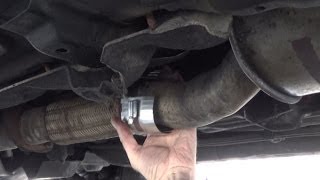
How to confirm: Visually inspect the exhaust manifold, gaskets, and pipes for cracks or black soot trails. A smoke test is the most effective way to pinpoint a leak. You may also hear a ticking or hissing sound that gets louder with RPM.
Typical fix: Replace the leaking gasket or repair/replace the cracked exhaust component.
Est. part cost: $20-$100 - Failing Rear Oxygen (O2) Sensor 🟡 Medium Probability The high exhaust temperatures of the rotary engine can degrade O2 sensors over time, causing them to send inaccurate (in this case, false lean) signals to the PCM. They can also become contaminated by oil/fuel deposits or silicone from an over-oiled air filter.
How to confirm: Use a scan tool to monitor the voltage of the rear O2 sensor. A healthy sensor on a warm engine should show a relatively steady voltage, typically between 0.5V and 0.8V. If it's stuck low (e.g., below 0.2V) or mimics the rapidly fluctuating front O2 sensor, it's likely faulty. Sometimes, simply removing and cleaning the sensor can resolve the issue if it's contaminated.
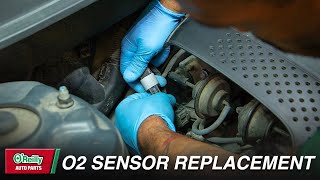
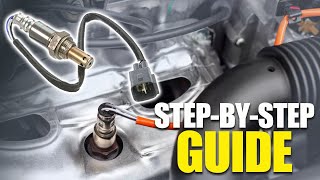
Typical fix: Replace the rear (downstream) oxygen sensor.
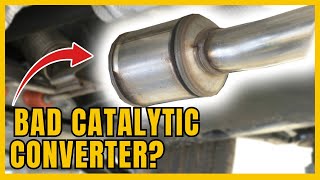
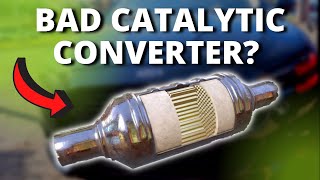
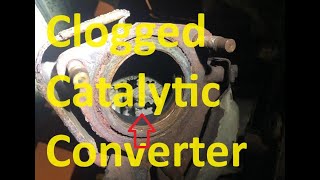
Est. part cost: $80-$200 - Clogged or Failing Catalytic Converter 🟡 Medium Probability This is a well-known failure point on the RX-8. A clogged or damaged catalyst can disrupt exhaust flow and pressure, leading to incorrect readings by the rear O2 sensor. Failure is often accelerated by persistent misfires from a weak ignition system, which dumps raw fuel into the hot converter.
How to confirm: Check for a significant temperature difference between the inlet and outlet of the converter using an infrared thermometer (outlet should be noticeably hotter). A rattling noise from the exhaust, a sulfur smell, or a severe loss of power can also indicate a failed cat. In extreme cases, the converter may glow red hot.
Typical fix: Replace the catalytic converter. Ensure any underlying ignition issues are fixed first to prevent repeat failure.
Est. part cost: $500-$1500 - Intake System Vacuum Leak ⚪ Low Probability Intake gaskets and the plastic/rubber vacuum hoses can become brittle and crack over time, allowing unmetered air to enter the engine. This creates a true lean condition that is detected by both O2 sensors.
How to confirm: With the engine running, spray brake cleaner or a propane torch (unlit) around intake manifold gaskets and vacuum lines. A change in engine RPM indicates a leak. A smoke test is more precise. Check the MAF reading at idle; a value below 4.5 g/s can indicate a vacuum leak is present.
Typical fix: Replace the leaking hose or gasket.
Est. part cost: $10-$50 - Weak Ignition System ⚪ Low Probability Spark plugs, wires, and ignition coils are critical maintenance items on the RX-8. Weak spark leads to incomplete combustion, dumping unburnt air and fuel into the exhaust. This excess oxygen can be interpreted as a lean condition by the O2 sensors, and will also destroy the catalytic converter over time.
How to confirm: Inspect spark plugs for wear or fouling. Test ignition coils for proper function. This is often diagnosed after other causes are ruled out, or if the car also has misfire codes (P0300, P0301, P0302).
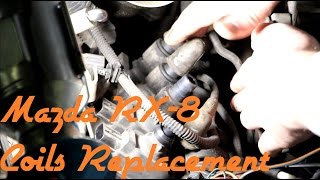
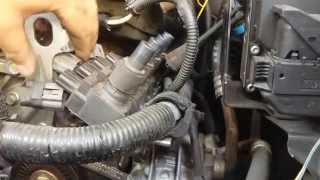
Typical fix: Replace spark plugs, ignition coils, and wires as a set. 🎬 Watch this step-by-step guide to replacing RX-8 ignition coils and plugs
Est. part cost: $200-$400
Rare But Worth Checking
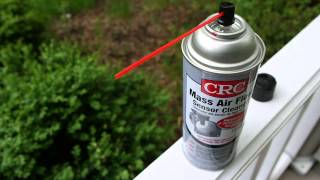
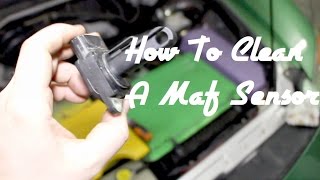
- Dirty or Failing Mass Airflow (MAF) Sensor: A dirty MAF sensor can under-report the amount of air entering the engine, causing the PCM to inject too little fuel. This is a common issue discussed in forums, sometimes caused by over-oiled aftermarket air filters. Cleaning the MAF sensor with a dedicated cleaner is a simple and inexpensive diagnostic step 🎬 See how to properly clean the RX-8 MAF sensor that has solved the problem for some owners.
- Failing Front Oxygen (O2) Sensor: Counterintuitively, a failing front O2 sensor can cause a P2096 code. If the front sensor is biased and incorrectly tells the PCM the mixture is rich, the PCM will lean out the fuel trim. The rear O2 sensor then correctly reports this lean condition, setting the P2096 code. This is a common misdiagnosis point.
- Fuel System Issues: A weak fuel pump or clogged fuel injectors can cause a genuine lean condition. This is less common but possible, especially on higher-mileage vehicles. Checking fuel trims can help diagnose this; a high positive fuel trim under load points towards a fuel delivery problem.
- PCM Software: While Mazda has issued TSBs for other models to update PCM software for false P2096 codes, this is not a widely documented solution for the RX-8. It should only be considered after all mechanical and sensor issues have been ruled out by a dealer or specialist with access to Mazda's software tools.
Diagnosis Steps
- Read Freeze Frame Data: Note the engine conditions (RPM, load, temperature) when the code was set.
- Check for Other Codes: Address any other codes first, especially for misfires (P030x), MAF sensor (P010x), or front O2 sensor (P0171), as they are likely the root cause.
- Inspect for Exhaust Leaks: Carefully inspect the entire exhaust system from the engine to the rear O2 sensor. Pay close attention to the manifold-to-engine gasket and the catalyst flanges. A smoke test is the most reliable method.
- Inspect for Vacuum Leaks: Check all vacuum hoses connected to the intake manifold for cracks or disconnection. A smoke test is best, but you can also cautiously spray carb cleaner around gasket areas while listening for a change in engine idle.
- Analyze Sensor Data: Use a live data scanner. Check Long Term Fuel Trim (LTFT) at idle and under load; it should be within +/-8%. Observe the rear O2 sensor voltage; it should be relatively stable (typically 0.5V - 0.8V) on a warm engine with a healthy cat. If it's stuck below 0.4V, it's reading lean. Check the MAF sensor reading at warm idle; it should be 4.5-5.5 g/s.
- Clean the MAF Sensor: As a simple, low-cost step, remove and clean the MAF sensor using dedicated MAF sensor cleaner. Do not touch the sensor wires.
- Inspect Ignition System: If the car has over
Parts You'll Likely Need
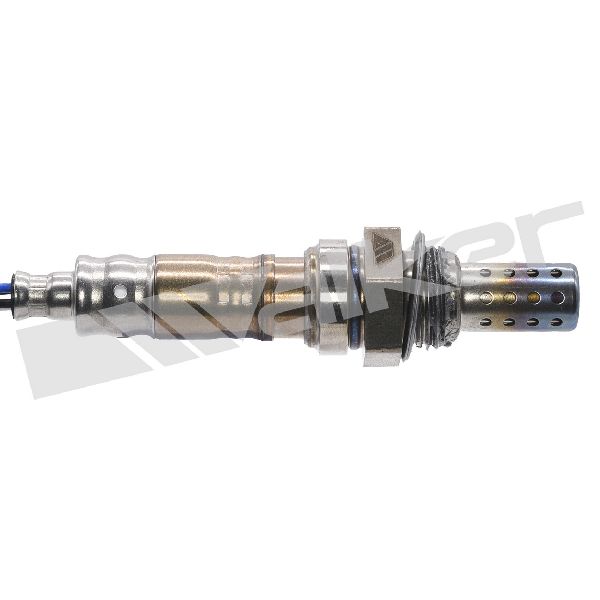
- Rear Oxygen Sensor
(OEM #S1 (04-08): N3H2-18-861C; S2 (09-11): N3R1-18-861)— The sensor itself can fail and send false lean readings. It's a common failure point after exhaust leaks are ruled out.
Trusted brands: Denso, NGK/NTK
OEM price range: $180-$250
Aftermarket price range: $80-$150 - Exhaust Manifold Gasket
(OEM #N3H1-13-465A (for S1 models, verify for your specific year))— This gasket is a very common source of exhaust leaks that trigger P2096.
Trusted brands: Mazda OE, Fel-Pro
OEM price range: $30-$50
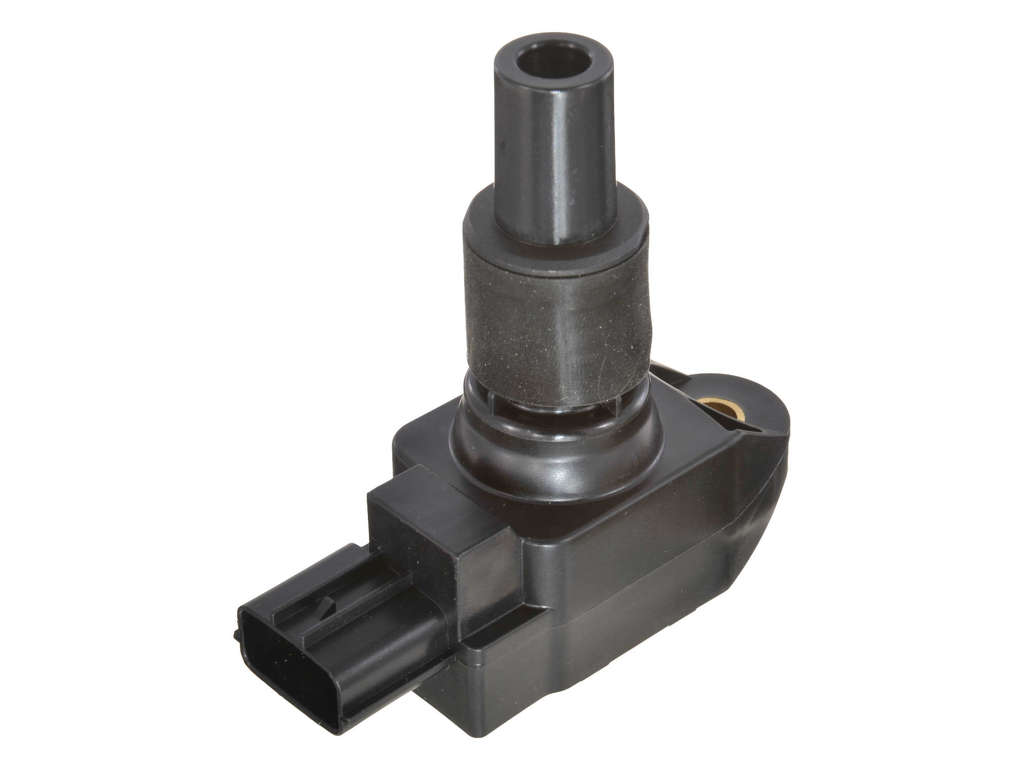
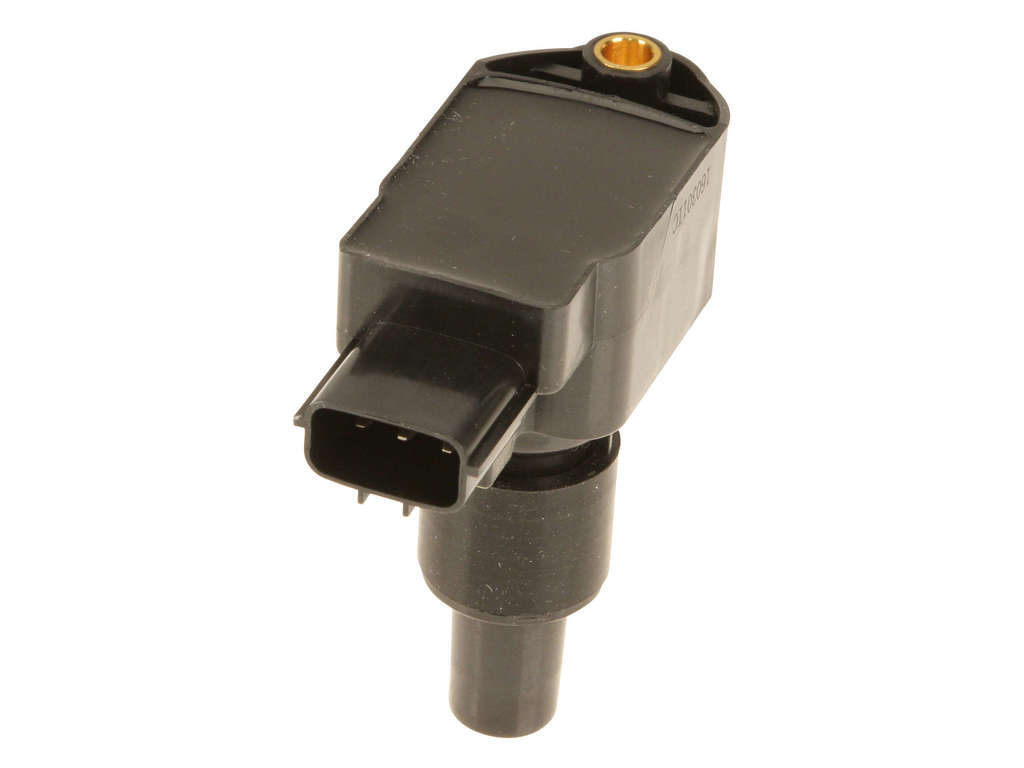
Aftermarket price range: $15-$30 - Ignition Coil Set
(OEM #N3H1-18-100C (x4))— Weak ignition coils are a chronic issue leading to misfires, which can cause P2096 and cat failure. They are often replaced as a preventative measure or when diagnosing this code.
Trusted brands: Mazda OE, NGK, Standard Motor Products
OEM price range: $80-$100 per coil
Aftermarket price range: $40-$70 per coil
Related Codes That Often Appear With This One
- P0171 — P0171 is 'System Too Lean (Bank 1)', detected by the *front* O2 sensor. Seeing both codes together strongly suggests a true lean condition affecting the whole engine, such as a large vacuum leak, a dirty MAF sensor, or a fuel delivery problem.
- P0420 — P0420 is 'Catalyst System Efficiency Below Threshold'. If the catalytic converter is failing, it can trigger both P0420 due to inefficiency and P2096 due to altered exhaust flow and incorrect oxygen readings.
- P0300, P0301, P0302 — These are misfire codes (random, front rotor, rear rotor). A weak ignition system is a root cause of misfires. The unburnt oxygen from misfires can trigger P2096 and will quickly destroy the catalytic converter.
Technical Service Bulletins (TSBs) & Recalls
- Note: No specific TSBs for the RX-8 and code P2096 were found. However, Mazda has issued multiple TSBs for other models (CX-5, CX-7, Mazda3) for this exact code, often pointing to a PCM software logic issue that requires an update. This establishes a precedent for it being a potential, though rare, cause on the RX-8 after mechanical faults are ruled out.
Platform-Specific Known Issues
- Owner Experience: Over-oiled K&N Filter and Dirty O2 Sensor: An owner on RX8Club.com chased a P2096 code on their 2005 RX-8. After a shop incorrectly installed an O2 spacer which didn't help, the owner discovered the car had a K&N air filter. Suspecting over-oiling had contaminated downstream sensors, they replaced the K&N with a paper filter, removed the rear O2 sensor, and cleaned it thoroughly with compressed air. A significant amount of black residue was blown out of the sensor. After reinstalling the cleaned sensor and cleaning the MAF, the code was resolved and did not return for over 200 miles.
- Diagnostic Tip: Check MAF Rate and Fuel Trims: On Reddit and RX8Club forums, experienced owners advise checking Long Term Fuel Trim (LTFT) and MAF sensor readings to diagnose P2096, especially when paired with P0171. A healthy, warm, idling RX-8 should have an LTFT between -8% and +8% and a MAF rate of 4.5-5.5 g/s. An LTFT greater than +8% suggests a vacuum leak, and a value over +20% indicates a significant issue that will trigger a lean code.
- The Role of the Front O2 Sensor: Forum discussions highlight that a failing *front* O2 sensor can cause a P2096 code without triggering its own specific fault code. A failing front sensor can get stuck in a rich or lean state, causing the PCM to make incorrect fuel adjustments, which are then flagged as a problem by the rear O2 sensor. If the front O2 sensor is old (over 50k-60k miles), it's a prime suspect.
Mechanic-Grade Diagnostic Values
- Fuel Pressure — expected: approx. 392 kPa (56.8 psi). Failure: Significantly lower pressure indicates a weak fuel pump or clogged filter.
- Long Term Fuel Trim (LTFT) — expected: -10% to +10%. Failure: A sustained positive value above +10% confirms the engine is compensating for a lean condition.
- Front O2 Sensor Voltage (PID value) — expected: Should only show positive values during acceleration.. Failure: If any negative values appear while accelerating, the sensor has likely failed and may be the hidden cause of the P2096 code.
Scan Tool Commands That Help
- Autel, Foxwell, or similar OBD-II Scanner: Live Data Stream Analysis — Use to monitor long-term and short-term fuel trims, as well as the real-time voltage of both front and rear oxygen sensors. This is critical for determining if the lean condition is real (high fuel trims) or perceived (faulty rear O2 sensor).
Wiring & Ground Locations
- Rear O2 Sensor Connector — Mounted on the side of the transmission housing.. This connector is a common point for inspection. A damaged connector or wiring harness can interrupt the signal from the sensor to the PCM, causing false codes.
- Rear O2 Sensor Wiring (2004 Manual as example) — Harness leading from the rear O2 sensor to the main vehicle harness.. Knowing the wire colors is essential for testing or replacing a sensor where the original connector has been cut. For a 2004 MT: Y=Signal, BR=Sensor Ground, W/R=Heater 12V, R=Heater Ground.
- Main Engine/Chassis Grounds — Key locations include: two grounds on the crossmember under the airbox/battery, a ground from the lower intake manifold to the chassis, and two grounds from the main harness to the passenger side chassis (near strut mount and washer bottle).. Poor grounding for the PCM or sensors can cause erratic voltage readings, leading to incorrect fuel trim calculations and false lean codes. Cleaning these points is a crucial step in advanced diagnosis.
Real Owner Repair Stories
- RX8Club.com user post (2005 Mazda RX-8, Manual Transmission, with aftermarket OBX headers) — Persistent P2096 code after purchase.
❌ Tried (didn't work) Mechanic installed an O2 sensor spacer (did not fix)., Owner relocated the front O2 sensor bung to a more appropriate location (helped but did not fix)., Checked wiring resistance between rear O2 sensor and PCM (showed 0 ohms, was not the problem).
✅ What actually fixed it The owner discovered an over-oiled K&N air filter. The fix was to replace the oiled filter with a standard paper filter and thoroughly clean the contaminated rear O2 sensor with compressed air to remove oil residue. The code did not return.
"I Checked Everything" — The Actual Cause
- In one documented case, the root cause was not an exhaust or vacuum leak, but an over-oiled aftermarket air filter contaminating the rear oxygen sensor, causing it to read incorrectly. A smoke test would not have identified this issue.
- A failing *front* oxygen sensor can be the hidden cause. If the front sensor incorrectly reads rich, the PCM will command a leaner mixture. The (correctly functioning) rear sensor then detects this lean state and triggers P2096. Diagnosis often incorrectly focuses on the rear sensor or exhaust leaks.
When the Usual Fixes Don't Work
- While exhaust leaks and faulty rear O2 sensors are the most common causes, a significant number of owners have fixed P2096 only after addressing less obvious issues. One owner on RX8Club.com chased the code until they replaced an oiled aftermarket air filter and cleaned the oil contamination off the rear O2 sensor, which finally solved the problem. Another common, counter-intuitive fix is replacing the *front* O2 sensor, which, when faulty, can cause the computer to lean out the fuel mixture excessively, triggering the code at the rear sensor. These cases highlight the need to look beyond the most common causes if initial repairs fail.
OEM Part Supersession History
N3H3-18-861B-9U→N/A— Part specific to model configuration.
Heads up: This is the REAR oxygen sensor for MANUAL transmission Series 1 models ONLY.N3H2-18-861C-9U→N/A— Part specific to model configuration.
Heads up: This is the REAR oxygen sensor for ALL AUTOMATIC transmission models (Series 1 and 2).N3R1-18-861→N/A— Part specific to model configuration.
Heads up: This is the REAR oxygen sensor for MANUAL transmission Series 2 models ONLY.
Model Year Variations Within This Range
- 2004-2008 (Series 1) vs 2009-2011 (Series 2): The cat-back exhaust systems are NOT interchangeable without modification. The exhaust tip outlets are positioned higher on the S1 bumper. Installing an S2 exhaust on an S1 will cause the tips to hang too low, and an S1 exhaust on an S2 will cause the tips to hit the bumper. Hanger locations also differ.
- 2004-2011: As detailed in the part history, the rear oxygen sensor part numbers are different between Series 1 Manual, Series 2 Manual, and all Automatic models. Using the wrong sensor can lead to incorrect readings and persistent codes.
Diagnostic Flowchart
Other Known Issues on This Vehicle
Issues unrelated to this code that are worth knowing about as an owner of this generation:
- Premature Engine Failure (Low Compression) 🔴 High — Common, especially on Series 1 (2004-2008) models. Can occur under 100,000 miles. Caused by wear on apex seals, side seals, and rotor housings, often accelerated by insufficient oiling, carbon buildup, or ignition issues. (Ref: Mazda extended the engine core warranty for S1 models to 8 years/100,000 miles, but this has since expired.)
- Ignition System Failure (Coils, Plugs, Wires) 🟠 Medium — Very common maintenance item. Coils, plugs, and wires should be considered wear items and replaced every 30,000-40,000 miles. Weak ignition leads to misfires, which accelerates catalytic converter failure and can cause engine damage.
- Engine Flooding 🟡 Low — Common user-induced issue. Occurs if the engine is shut off before it has fully warmed up (during its cold-start enrichment cycle). Excess fuel is left in the combustion chambers, preventing the spark plugs from firing.
- Catalytic Converter Failure 🔴 High — Extremely common, often a consequence of ignition system failure. Unburnt fuel from misfires enters the exhaust and overheats the catalyst, causing it to melt or clog. A clogged cat can cause significant power loss and backpressure, leading to engine damage.
- Hot Start Difficulty 🟠 Medium — A classic symptom of low engine compression. When hot, internal clearances increase, and if seals are worn, the engine can't build enough pressure to restart. A weak starter motor can exacerbate this issue.
Used vs. New Parts: Buying Guide for This Vehicle
When a used part is the smart pick: For non-wear items like exhaust piping (if free of rust or cracks), intake components, or brackets. Avoid used electronic sensors, catalytic converters, or ignition components.
Donor-vehicle mileage cap: roughly under 60000 miles for the part to have meaningful remaining life.
What to inspect on the donor part:
- Check exhaust parts for excessive rust, cracks at welds, or rattling, which indicates internal failure of a cat or muffler.
- Inspect the donor car's coolant reservoir; if it is brown, mucky, or empty, it suggests overheating and poor maintenance, making all engine-related parts suspect.
- Avoid parts from a donor car that shows signs of engine failure or has low compression.
- For S1 vs S2 parts, verify the donor vehicle's model year to ensure exhaust component compatibility.
OEM-only on this vehicle (don't cheap out):
- Catalytic Converter: This is critical. The rotary engine's high exhaust gas temperatures will quickly destroy most standard aftermarket catalytic converters. Forum consensus strongly recommends using only the Mazda OEM part to avoid repeat failures and potential engine damage from a clog.
- Ignition Coils: While some aftermarket options exist, OEM coils are proven to provide the strong, reliable spark necessary for complete combustion and to prevent catalyst damage.
Aftermarket brands forum-validated for this vehicle:
- O2 Sensors: Denso and NGK/NTK are often the original equipment manufacturers and are highly recommended. Bosch is also a widely used and reliable direct-fit alternative.
- Catalytic Converter: If OEM is not an option, high-performance brands like Magnaflow or HKS are more likely to withstand the heat than generic parts-store brands, but may still have a shorter lifespan than OEM.
Brands owners have reported issues with on this vehicle:
- Generic 'Direct-Fit' or 'Universal' Catalytic Converters: Brands like Catco, Davico, or inexpensive store brands are frequently reported to fail within a few hundred miles on an RX-8 due to the extreme exhaust heat melting the internal substrate.
Real Owner Stories
Aggregated from forums and TSBs cited above. Mileages and costs reflect what owners reported in those sources.
2005 Mazda RX-8 1.3L Rotary
Symptoms: Chasing a P2096 code; discovered the car had a K&N air filter and suspected sensor contamination.
What fixed it: Replaced the K&N with a paper filter, removed the rear O2 sensor and cleaned it with compressed air (blowing out black residue), and cleaned the MAF sensor.
Source hint: RX8Club.com thread titled 'Engine Code P2096 Resolved Issue'
2004-2008 Mazda RX-8 (Series 1) — ~100000 miles
Symptoms: P2096 paired with P0171; lean condition suspected.
What fixed it: Diagnosed by checking Long Term Fuel Trim (LTFT) and MAF sensor readings (looking for values outside the 4.5-5.5 g/s range).
Source hint: Reddit and RX8Club forums diagnostic tips
Related OBD-II Codes
Frequently Asked Questions
Is there a specific TSB for the P2096 code on my 2004-2011 Mazda RX-8?
What should the MAF sensor read at idle on my RX-8 to rule out a vacuum leak?
Can an aftermarket air filter like a K&N cause a P2096 on this vehicle?
What are the normal Long Term Fuel Trim (LTFT) values for a 13B-MSP engine?
Could my front O2 sensor be the problem even if it hasn't thrown a code?
Why is my catalytic converter glowing red hot along with the P2096 code?
Helpful Videos
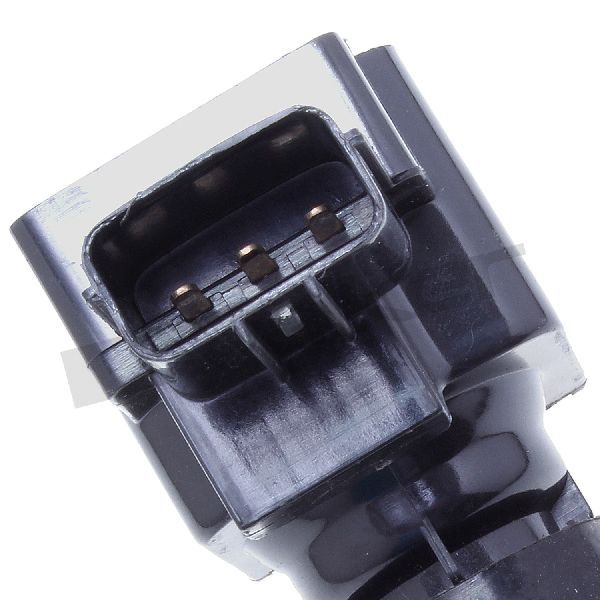
We Have This Part in Stock


The information in this article is provided for general reference and educational purposes only. Vehicle specifications, procedures, and part compatibility can vary by production date, trim level, and region. Always consult your vehicle's factory service manual and verify part numbers before purchasing or performing repairs. Safety-critical components such as airbags, seat belts, and braking systems should be installed by a qualified professional.
- Mazda RX-8:
- 🎬 Helpful Videos
- 🛍️ Shop This Part
- What's Unique About the 2004-2011 Mazda RX-8
- Symptoms You May Notice
- Most Likely Causes
- Rare But Worth Checking
- Diagnosis Steps
- Parts You'll Likely Need
- Related Codes That Often Appear With This One
- Technical Service Bulletins (TSBs) & Recalls
- Platform-Specific Known Issues
- Mechanic-Grade Diagnostic Values
- Scan Tool Commands That Help
- Wiring & Ground Locations
- Real Owner Repair Stories
- "I Checked Everything" — The Actual Cause
- When the Usual Fixes Don't Work
- OEM Part Supersession History
- Model Year Variations Within This Range
- Diagnostic Flowchart
- Other Known Issues on This Vehicle
- Used vs. New Parts: Buying Guide for This Vehicle
- Real Owner Stories
- 2005 Mazda RX-8 1.3L Rotary
- 2004-2008 Mazda RX-8 (Series 1) — ~100000 miles
- Related OBD-II Codes
- Frequently Asked Questions
- 🎟️ Get 5% Off