

P2096 on 2013-2016 Lincoln MKZ 2.0L: Post Catalyst Lean Causes and Fixes
On 2013-2014 MKZ 2.0L models, this code is almost always caused by engine oil leaking from the VVT solenoids and contaminating the oxygen sensor wiring, per TSB 16-0031. For 2015-2016 models, the cause is more likely a standard exhaust leak or a faulty downstream O2 sensor. Before replacing any parts, a visual inspection of the O2 sensor connector for oil is mandatory.
- For a 2013-2014 Lincoln MKZ 2.0L, the first step is to inspect the downstream O2 sensor connector for oil contamination before considering any other repairs.
- The issue is well-documented in TSB 16-0031 and also affects the Ford Fusion and Escape with the same engine.
- For 2015-2016 models, the cause is more likely a standard exhaust leak or a failed O2 sensor.
- If replacing the O2 sensor for any reason, a PCM reset or KOER self-test is a necessary final step.
What's Unique About the 2013-2016 Lincoln MKZ
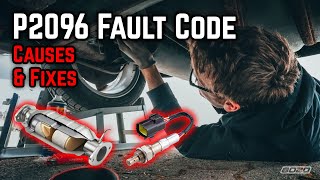
For the 2013-2014 model years specifically, this code is frequently caused by a unique and well-documented issue. Engine oil can leak from the Variable Valve Timing (VVT) solenoids and 'wick' through the engine's wiring harness, eventually contaminating the downstream oxygen sensor's electrical connector. This oil intrusion corrupts the sensor's voltage signal, creating a false lean reading 🎬 Watch: A deep dive into what this code really means. and triggering the P2096 code, even if there are no actual exhaust leaks or sensor faults. This specific problem is outlined in Ford/Lincoln Technical Service Bulletin (TSB) 16-0031, which applies to vehicles built between September 1, 2012, and August 1, 2013.
Symptoms You May Notice
- Check Engine Light illuminated
- Decreased fuel economy
- Rough or unstable idle
- Poor or hesitant acceleration
- Failed emissions test
- Engine may feel like it wants to stall when shifting from Park to Drive
- Replacing the downstream oxygen sensor without first checking the wiring connector for oil contamination on a 2013-2014 model. If oil is present, a new sensor will quickly be ruined or will not fix the problem because the harness itself is compromised.
- Replacing the upstream (pre-catalyst) oxygen sensor, which is not related to this specific post-catalyst code.
- Clearing the code without performing the KOER self-test or resetting PCM adaptations after replacing the O2 sensor, which can cause the code to return immediately.
Most Likely Causes
- Oil Contamination of O2 Sensor Wiring (2013-2014 Models) 🔴 High Probability A known issue documented in TSB 16-0031 where oil migrates from the VVT solenoids through the wiring harness to the downstream O2 sensor connector, corrupting the signal. This issue is also known to affect platform mates like the Ford Fusion and Ford Escape with the same engine and year range.
How to confirm: Visually inspect the electrical connectors for both the VVT solenoids (on top of the engine) and the downstream oxygen sensor for any signs of engine oil. The oil wicking corrupts the sensor's voltage signal, which is why a standard exhaust smoke test will come back clean.
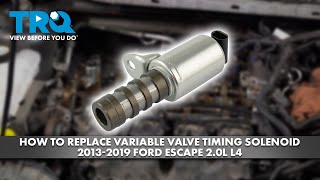
Typical fix: The official TSB repair involves replacing both VVT oil control solenoids, 🎬 See this walkthrough on how to replace the VVT solenoids. the downstream oxygen sensor (Catalyst Monitor Sensor), and the entire engine wiring harness. Some owners attempt to clean the connectors with electrical cleaner as a temporary fix, but the problem usually returns as oil continues to wick through the harness.
Est. part cost: $400-$1400 - Exhaust Leak 🟡 Medium Probability Leaks are common on all vehicles as they age. On turbocharged engines, the flex pipe, turbo flange gaskets, and exhaust manifold gaskets are common failure points that can allow unmetered air to enter the exhaust stream, causing a lean reading.
How to confirm: Listen for hissing or ticking sounds from the exhaust, especially when the engine is cold. A mechanic can perform a smoke test to pinpoint the exact location of the leak.
Typical fix: Repair the leak by replacing the faulty gasket, flex pipe, or cracked exhaust manifold.
Est. part cost: $20-$300 - Faulty Downstream Oxygen Sensor 🟡 Medium Probability Oxygen sensors are wear items that degrade over time, with a typical lifespan of 60,000 to 90,000 miles. This is a more likely cause on 2015-2016 models that are not affected by the oil wicking TSB.
How to confirm: After ruling out oil contamination and exhaust leaks, use a scan tool to monitor the downstream O2 sensor voltage. It should show a steady, stable voltage on a warm engine. If it's fluctuating wildly or stuck low (under 0.2V), the sensor is likely bad.
Typical fix: Replace the downstream (post-catalyst) Bank 1 oxygen sensor. After replacement, it is critical to perform a Key On Engine Running (KOER) self-test or PCM reset procedure to allow the computer to recognize the new sensor and reset fuel trim adaptations.
Est. part cost: $50-$150
Rare But Worth Checking
- Failing Catalytic Converter: While possible, a failing converter is less likely than the other causes. It would typically be accompanied by other symptoms like a rattle from the exhaust, a rotten egg smell, or a glowing red hot converter after a drive, and may set other codes like P0420.
- Engine Vacuum Leak: A significant vacuum leak would allow unmetered air into the engine, but it would usually trigger a P0171 'System Too Lean' code before or alongside the P2096 code.
- Low Fuel Pressure / Clogged Injectors: Issues with the fuel pump, fuel filter, or injectors can cause a lean condition. However, this would typically affect the entire engine and likely trigger other codes in addition to P2096.
Diagnosis Steps
- Check the vehicle's build date. If it is a 2013-2014 model built between September 1, 2012, and August 1, 2013, be highly suspicious of the oil wicking issue described in TSB 16-0031.
- Disconnect the electrical connector for the downstream (post-catalyst) oxygen sensor (HO2S12). Carefully inspect both the harness-side and sensor-side of the connector for any trace of engine oil. Access may be difficult, especially on AWD models where the driveshaft might be in the way.
- Disconnect the electrical connectors for the VVT solenoids on the top of the engine and inspect them for oil. Oil weeping from the solenoids into the connectors is the source of the contamination.
- If oil is found in the O2 sensor connector, the full TSB repair (replacing the harness, solenoids, and sensor) is the correct fix. Cleaning is only a temporary measure.
- If no oil is found, proceed with standard diagnostics. Start the engine when it is cold and listen for any hissing or ticking sounds that would indicate an exhaust leak between the engine and the rear O2 sensor.
- Perform a smoke test on the exhaust system to definitively check for leaks if none are obvious.
- If no leaks are found, use a scan tool (like FORScan for Ford/Lincoln) to observe the live data from the downstream O2 sensor (O2S12). A healthy sensor on a warm engine should show a relatively stable voltage (typically ~0.6-0.8V). If the voltage is stuck low (under 0.2V) or fluctuating rapidly like an upstream sensor, it is likely faulty.
- If you replace the oxygen sensor, you MUST perform a 'Key On Engine Running' (KOER) self-test or use a scan tool to reset the PCM adaptations ('reset learned values' or 'clear adaptations'). Failure to do this can cause the P2096 code to return even with a new, working sensor.
- Only after confirming all the above should you consider rarer causes like catalytic converter or fuel delivery issues.
Parts You'll Likely Need
- Downstream Oxygen Sensor (Catalyst Monitor Sensor)
(OEM #Motorcraft DY-1178 (check VIN for exact fitment))— This is the sensor that triggers the code. It may be faulty on its own (especially on 2015-2016 models) or contaminated by oil (on 2013-2014 models).
Trusted brands: Motorcraft, Bosch, Denso, NTK
OEM price range: $80-$120
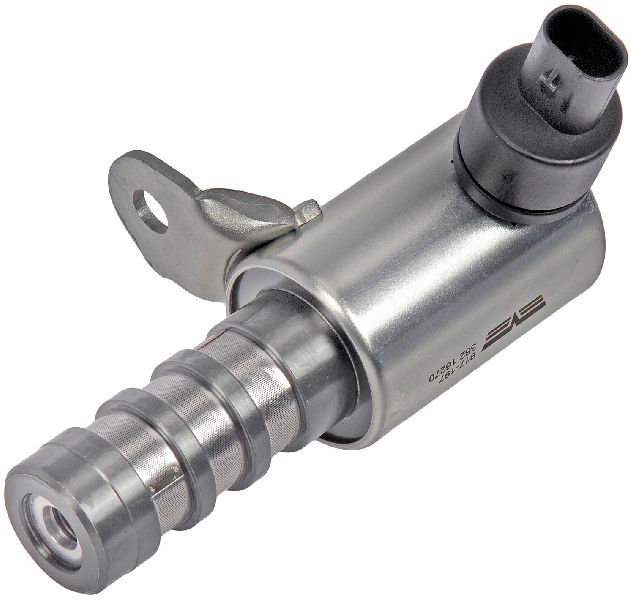
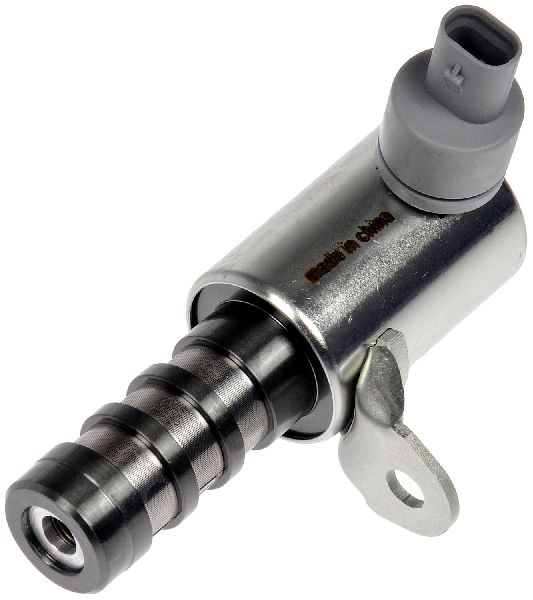
Aftermarket price range: $50-$90 - VVT Oil Control Solenoids
(OEM #Motorcraft BL3Z-6M280-B (Intake) and BL3Z-6M280-A (Exhaust))— On 2013-2014 models, these are the source of the oil leak that contaminates the wiring harness, requiring replacement as part of the TSB 16-0031 fix.
Trusted brands: Motorcraft, Dorman
OEM price range: $40-$70 each
Aftermarket price range: $30-$60 each - Engine Wiring Harness
(OEM #AG9Z-9D930-B (Varies by VIN and options))— Required for the TSB 16-0031 repair on 2013-2014 models if oil has wicked through the wires. This is the most expensive and labor-intensive part of the fix.
Trusted brands: Motorcraft
OEM price range: $600-$1200
Aftermarket price range: Not typically available - Exhaust Flex Pipe or Gaskets — A common source of exhaust leaks that cause this code, especially on 2015-2016 models where the oil wicking issue is not present.
Trusted brands: Walker Exhaust, Fel-Pro
OEM price range: $150-$300
Aftermarket price range: $50-$150
Technical Service Bulletins (TSBs) & Recalls
- TSB 16-0031: Some 2013-2014 MKZ, Fusion, and Escape vehicles with a 2.0L GTDI engine built 9/1/2012 to 8/1/2013 may exhibit an illuminated MIL with DTC P2096 due to engine oil migrating from the VVT oil control solenoids to the catalyst monitor sensor. The fix requires replacing the solenoids, the sensor, and the engine wiring harness.
- Bulletin #TSB160031: This manufacturer record confirms that vehicles with the 2.0L GTDO engine built between 09/01/2012 and 08/01/2013 are susceptible to an illuminated MIL with DTC P2096.
Platform-Specific Known Issues
- TSB 16-0031 documents a specific issue on 2013-2014 models with the 2.0L GTDI engine (built Sept 2012 - Aug 2013) where oil migrates from the VVT solenoids through the engine wiring harness to the downstream oxygen sensor, causing a false P2096 code.
- This oil wicking issue is also prevalent on platform mates like the Ford Fusion, Escape, and Edge with the same 2.0L EcoBoost engine.
Mechanic-Grade Diagnostic Values
- Low-Pressure Fuel System — expected: 380-520 kPa (55-75 psi) with engine running.. Failure: Pressure below this range indicates a potential issue with the in-tank fuel pump or fuel filter.
- High-Pressure Fuel System — expected: 65 to 2,150 psi, depending on engine load.. Failure: This is less likely to be the sole cause of P2096 without other performance symptoms or codes, but pressure that does not respond to load could indicate a failing high-pressure fuel pump (HPFP).
- Short-Term Fuel Trim (STFT) Bank 1 — expected: Fluctuating between -3% and +3% at idle on a warm engine.. Failure: Consistently high positive numbers (e.g., > +10%) indicate the PCM is adding fuel to compensate for a lean condition, supporting the P2096 code.
- Long-Term Fuel Trim (LTFT) Bank 1 — expected: Stable and as close to 0% as possible, ideally within +/- 5%.. Failure: A high positive learned value (e.g., > +10%) confirms a persistent lean condition that the PCM has been compensating for over time.
Scan Tool Commands That Help
- FORScan, Ford IDS, or equivalent professional scan tool: Reset All Adaptations / Clear Transmission Adaptive Tables / Reset PCM Learned Values — This is critical after replacing an oxygen sensor, VVT solenoids, or repairing a major vacuum/exhaust leak. It forces the Powertrain Control Module (PCM) to erase its stored long-term fuel trim adjustments and relearn the parameters from scratch with the new/repaired components.
- N/A - Manual Procedure: Battery Disconnect 'Nuclear' Reset — If a scan tool with the proper reset function is unavailable, a hard reset can be performed. Disconnect the negative battery terminal for at least 30 minutes. Pressing the brake pedal or turning on the headlights with the battery disconnected helps drain residual power from modules. This clears adaptive memory but may also reset clocks, radio presets, and require an idle relearn procedure.
Wiring & Ground Locations
- G102 / G104 / G105 — G102 is located at the left front of the engine compartment. G104 and G105 are located on the right side of the engine compartment.. The oxygen sensor, VVT solenoids, and PCM rely on clean, solid ground connections to function. A corroded or loose ground at these primary engine bay locations can introduce electrical noise or incorrect reference voltage, leading to false sensor readings and phantom codes like P2096.
- Powertrain Control Module (PCM) — Located in the right rear of the engine compartment.. This is the computer that receives the signal from the oxygen sensor. Knowing its location is important for tracing the wiring harness if a full replacement is needed or if checking for harness damage near the module itself.
- HO2S12 Connector — The downstream oxygen sensor connector is located on the exhaust pipe after the catalytic converter. On AWD models, the driveshaft may need to be removed for access.. This is the primary inspection point for oil contamination on 2013-2014 models. The integrity of this connector and its wiring is paramount for a correct sensor signal.
"I Checked Everything" — The Actual Cause
- On 2013-2014 models, it is extremely common for a technician to perform an exhaust smoke test and find no leaks, leading them to suspect a bad O2 sensor. However, the actual cause is often oil contamination in the O2 sensor's electrical connector from the VVT solenoid leak (TSB 16-0031). The oil corrupts the sensor's voltage signal, creating a false lean reading that a smoke test cannot identify. This pattern is the key signature of the TSB issue.
OEM Part Supersession History
BL3Z-9F472-A→Motorcraft DY-1178— Standard part number supersession from Ford base P/N to Motorcraft service P/N.
Heads up: DY-1178 is the correct downstream sensor for this application. Note that this is a 5-wire sensor.
Model Year Variations Within This Range
- 2013-2014: These models use the first-generation 2.0L GTDI engine, which was based on a Mazda L-series design. This engine is susceptible to the VVT solenoid oil wicking issue described in TSB 16-0031.
- 2015-2016: For the 2015 model year, Ford introduced a significantly redesigned second-generation 2.0L EcoBoost engine. This engine features a new block, a cylinder head with an integrated exhaust manifold, and a twin-scroll turbocharger. It shares very few parts with the previous generation and is not known to have the VVT oil wicking problem. For these years, P2096 is more likely caused by traditional issues like exhaust leaks or a failed O2 sensor.
Diagnostic Flowchart
Used vs. New Parts: Buying Guide for This Vehicle
When a used part is the smart pick: For non-electronic exhaust components like a flex pipe or exhaust manifold, a used part from a low-mileage, non-corroded donor vehicle can be a cost-effective option. A used wiring harness is NOT recommended due to the high risk of it having the same oil contamination issue.
Donor-vehicle mileage cap: roughly under 80000 miles for the part to have meaningful remaining life.
What to inspect on the donor part:
- For wiring harnesses: Check the HO2S12 connector interior for any oily residue. Ensure all connector tabs are intact and wires are not brittle.
- For exhaust parts: Look for minimal surface rust, especially at welds and flanges. Avoid parts from regions with heavy road salt use.
- For VVT solenoids: No visible signs of oil leaking from the plastic connector body.
OEM-only on this vehicle (don't cheap out):
- Engine Wiring Harness: Aftermarket versions are generally not available, and a used one is a major gamble. Given the high labor cost, only a new OEM (Motorcraft) harness is recommended for the TSB repair.
- VVT Solenoids: While aftermarket options like Dorman exist, the OEM Motorcraft solenoids are strongly recommended to ensure the oil leak issue is permanently resolved.
Aftermarket brands forum-validated for this vehicle:
- Oxygen Sensors: NTK and Denso are often the original equipment manufacturers for Ford and are considered top-tier replacements. Bosch and Motorcraft are also reliable choices.
Brands owners have reported issues with on this vehicle:
- Some professional technicians report inconsistent performance from certain aftermarket Bosch sensors compared to their OEM-supplied counterparts, though they are a major brand. For a critical code like this, sticking to OEM/OEM-supplier brands is safest.
Real Owner Stories
Aggregated from forums and TSBs cited above. Mileages and costs reflect what owners reported in those sources.
2016 Ford Edge SEL 2.0L EcoBoost
Symptoms: Owner reported an illuminated MIL with DTC P2096.
What fixed it: Diagnosed by another forum member as the likely result of oil migration from the VVT solenoids, an issue documented in TSB 16-0031 for earlier models but known to occur on later models as well.
Source hint: Ford Edge Forum - '2016 Edge SEL 2.0L Ecoboost P2096'
2013-2016 Lincoln MKZ 2.0L GTDI
Symptoms: Vehicle was taken to a dealership for a P2096 code.
What fixed it: The dealership diagnosed the issue as a bad O2 sensor, which is a common repair scenario when oil contamination is not the cause.
Cost: $500-$600
Source hint: Reddit r/MechanicAdvice - 'Came in for a P2096 Code, Got Recommended $3000 in Repairs'
Related OBD-II Codes
Frequently Asked Questions
My Lincoln MKZ is a 2013 model. Is there a known issue that causes the P2096 code?
How can I check for the oil wicking problem mentioned in TSB 16-0031?
I found oil in the O2 sensor connector. Is it okay to just clean it out?
My MKZ is a 2016 model, so the TSB doesn't apply. What are the most likely causes for P2096?
I replaced the downstream oxygen sensor myself, but the Check Engine Light with P2096 came back. What went wrong?
Are other Ford or Lincoln vehicles affected by this same oil contamination issue?
Helpful Videos

![How to Fix P2096 Engine Code in 4 Minutes [2 DIY Methods / Only $9.53]](https://img.youtube.com/vi/-id6j6Bm5Fk/mqdefault.jpg)
Used OEM Parts in Stock

New Aftermarket Parts Available


The information in this article is provided for general reference and educational purposes only. Vehicle specifications, procedures, and part compatibility can vary by production date, trim level, and region. Always consult your vehicle's factory service manual and verify part numbers before purchasing or performing repairs. Safety-critical components such as airbags, seat belts, and braking systems should be installed by a qualified professional.
- Lincoln MKZ:
- 🎬 Helpful Videos
- 🛍️ Shop This Part
- What's Unique About the 2013-2016 Lincoln MKZ
- Symptoms You May Notice
- Most Likely Causes
- Rare But Worth Checking
- Diagnosis Steps
- Parts You'll Likely Need
- Technical Service Bulletins (TSBs) & Recalls
- Platform-Specific Known Issues
- Mechanic-Grade Diagnostic Values
- Scan Tool Commands That Help
- Wiring & Ground Locations
- "I Checked Everything" — The Actual Cause
- OEM Part Supersession History
- Model Year Variations Within This Range
- Diagnostic Flowchart
- Used vs. New Parts: Buying Guide for This Vehicle
- Real Owner Stories
- 2016 Ford Edge SEL 2.0L EcoBoost
- 2013-2016 Lincoln MKZ 2.0L GTDI
- Related OBD-II Codes
- Frequently Asked Questions
- 🎟️ Get 5% Off