

P2002 on 2013-2022 Ford Transit Connect 1.5L Diesel: DPF Efficiency Causes and Fixes
On a Ford Transit Connect with the 1.5L EcoBlue engine, code P2002 is most often caused by a split boost pipe, a clogged fuel vaporiser, or a cracked DPF, not just a clogged one. Before replacing the expensive Diesel Particulate Filter, a thorough diagnosis is critical, starting with checking all charge air hoses for leaks and inspecting the tailpipe for soot.
- P2002 on this van is usually a symptom, not the root problem. The DPF is likely clogged because something else failed.
- Before spending any money, perform a smoke test on the charge air system. A split boost pipe is the most likely culprit.
- Check the tailpipe for black soot. If soot is present, the DPF is cracked and must be replaced.
- Do not perform a forced regeneration until you have confirmed there are no boost leaks, as this can further damage or crack the DPF.
- After replacing any parts, you must use a scan tool to reset the DPF learned values in the engine computer.
What's Unique About the 2013-2022 Ford Transit Connect

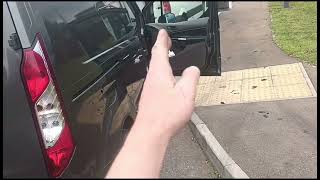
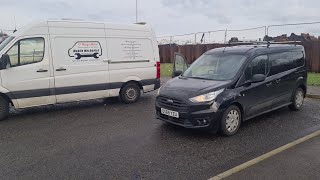
The 1.5L EcoBlue engine, a design shared with Peugeot/Citroën (PSA) where it is known as the 1.5 BlueHDi (DV5R), is known for DPF-related issues that are frequently caused by other components failing. On the Transit Connect, the most common culprits are not the DPF simply being full of ash, but rather upstream issues like split boost pipes or a faulty fuel vaporiser that prevent the DPF from regenerating correctly. A cracked internal DPF substrate is also a very common cause of P2002 specifically. Owners and even garages 🎬 Watch: Diagnostic inspection for the P2002 code often mistakenly replace the DPF or sensors without finding the root cause, leading to the code returning within days.
Generation note: The specified range of 2013-2022 covers the second generation of the Ford Transit Connect (V408 chassis). However, the 1.5L EcoBlue diesel engine was primarily available in facelifted models from approximately 2018 to 2022. This guide is most relevant to these later models.
Symptoms You May Notice

- Check Engine Light is on
- DPF or 'Exhaust filter over limit' warning message on the dashboard.
- Vehicle enters 'limp mode' with significantly reduced engine power and acceleration.
- Increased fuel consumption
- Visible black, thick soot inside the tailpipe (a strong indicator of a cracked or failed DPF).
- White crystalline residue around the AdBlue injector or tailpipe, indicating a leaking injector which can affect the SCR system.
- Replacing the Diesel Particulate Filter (DPF) without diagnosing the root cause. The P2002 code is often a symptom of another problem. If a boost leak, faulty sensor, or failed vaporiser is the true cause, a new DPF will quickly become clogged or the efficiency code will return immediately 🎬 See: Why a new DPF can still fail if the underlying issue isn't fixed.
- Replacing the DPF pressure sensor without checking if its pipes are blocked. A perfectly good sensor will give bad readings if the pipes leading to it are clogged with soot.
Most Likely Causes

- Split or Leaking Boost Pipe/Hose 🔴 High Probability The rubber or plastic hoses that carry pressurized air from the turbo to the engine are a known weak point. They can split, melt, or develop small cracks, often near the throttle body or where they flex with the engine. This leak causes the ECU to miscalculate the air-fuel ratio, leading to over-fueling and excessive soot production that overloads the DPF.
How to confirm: Perform a smoke test on the charge air system. A visual inspection may reveal oil residue around a split in the hose, or a melted section. This issue often sets a companion code, P006A (Correlation Between MAP & Mass Air Flow).
Typical fix: Replace the faulty boost pipe. OEM parts are recommended. Part numbers like AV61-6C646-HB and F1F1-6F073-AC are common replacements.
Est. part cost: $80-$200 - Internally Cracked Diesel Particulate Filter (DPF) 🔴 High Probability The P2002 code specifically points to an 'efficiency' problem, which very often means the filter substrate is cracked or has separated from its metal canister, allowing soot to pass through unfiltered. This can be caused by thermal stress from repeated, aggressive regenerations or upstream issues causing temperature spikes.
How to confirm: The most definitive sign is thick, black soot inside the exhaust tailpipe; a healthy DPF system will have a clean tailpipe. Wiping the inside of the tailpipe with a finger will immediately confirm this. A borescope can also be used to inspect the DPF core internally.
Typical fix: The DPF must be replaced. Using a high-quality OEM or aftermarket brand is recommended. After replacement, the ECU must be reset. Simply cleaning a cracked DPF will not solve the problem.
Est. part cost: $700-$1500 - Faulty or Clogged Fuel Vaporiser 🟡 Medium Probability This component acts like a small fuel injector, spraying diesel into the exhaust ahead of the DPF to generate the high temperatures needed for regeneration. It is prone to clogging with carbon, which prevents regeneration from starting.
How to confirm: A diagnostic scan tool can be used to command the vaporiser to activate while monitoring exhaust gas temperatures (EGTs). If the temperature doesn't rise significantly (towards 600°C), the vaporiser or its fuel supply is likely faulty. Visual inspection may show carbon buildup on the nozzle.
Typical fix: Remove and clean or replace the fuel vaporiser assembly. The Ford OEM part number is often cited as 2309663 or 5312744.
Est. part cost: $100-$250 - Faulty DPF Pressure Sensor or Blocked Hoses 🟡 Medium Probability The sensor that measures DPF backpressure can fail electronically, or the small metal pipes leading to it can become completely blocked with hard-packed soot. The rubber hoses can also perish or split.
How to confirm: With a scan tool, monitor the DPF pressure sensor reading with the engine off (it should be zero or near-zero). If it's stuck on a high reading (e.g., 327 kPa), the sensor is bad. Disconnect the metal pipe leading to the sensor and check if it's blocked by probing with a wire.
Typical fix: Replace the DPF pressure sensor and/or clean out the metal pipes with a piece of wire or a drill bit. The sensor is located on the front of the engine, to the right of the DPF downpipe.
Est. part cost: $50-$100
Rare But Worth Checking
- Stuck EGR Valve: A stuck-open EGR valve can lead to incorrect combustion and excess soot, overloading the DPF over time.
- Driving Style (Short Trips): Consistently driving short distances without allowing the engine to get fully hot prevents the DPF from performing its automatic cleaning cycles (passive or active regeneration). However, this usually leads to a blockage code (P2463) before an efficiency code.
- Faulty Ambient Air Temperature Sensor: A faulty ambient air temp sensor can prevent the ECU from initiating a DPF regeneration, as correct temperature readings are a prerequisite for the cycle to start. This can lead to the DPF becoming overloaded.
Diagnosis Steps
- Read all fault codes from the Powertrain Control Module (PCM). Note any codes that accompany P2002, especially P006A, P2463, or P2453.
- CRITICAL STEP: Inspect the inside of the exhaust tailpipe. Wipe your finger on the inside. If it comes out covered in thick, black soot, the DPF is almost certainly cracked internally and must be replaced. If it's clean, proceed with diagnosis.
- If the tailpipe is clean, the DPF is likely clogged, not cracked. The next step is to find the upstream cause. Perform a smoke test on the entire charge air system, from the turbocharger to the intake manifold. Pay close attention to the rubber hoses, especially the one connecting to the throttle body.
- Using a diagnostic tool (like FORScan), monitor live data for the DPF pressure sensor. With the key on and engine off, it should read 0 kPa. At idle, it should be very low (typically under 10 kPa, though these vans are known for erratic readings). If the reading is stuck high or doesn't change with engine RPM, suspect a faulty sensor or blocked sensor lines.
- Inspect the metal pipes for the DPF pressure sensor. Disconnect them and use a flexible wire (like a brake cable) to ensure they are clear of hardened soot from end to end.
- Test the fuel vaporiser. Use a scan tool to command it on and check for a rise in exhaust temperature. Inspect the nozzle for carbon buildup.
- Check for other related issues. Ensure the ambient air temperature sensor is reading correctly and there are no AdBlue system faults, as these can inhibit regeneration.
- After any repair, the DPF learned values (or 'Reset the Diesel Particulate Filter learned values') must be reset in the ECU using a capable scan tool. A static (forced) regeneration may also be required.
Parts You'll Likely Need

- Charge Air Hose / Boost Pipe
(OEM #AV61-6C646-HB / F1F1-6F073-AC)— This is a very frequent point of failure leading to P2002 on this specific engine. A leak here causes over-sooting of the DPF.
Trusted brands: Motorcraft, Gates, Vaico
OEM price range: $80-$200
Aftermarket price range: $50-$120 - Diesel Particulate Filter (DPF) — Required if the original filter is cracked internally (confirmed by soot in tailpipe) or so full of ash that it cannot be cleaned.
Trusted brands: Motorcraft, BM Catalysts, Walker Exhaust, EuroFlo
OEM price range: $1200-$1800
Aftermarket price range: $700-$1000 - DPF Fuel Vaporiser
(OEM #2309663 / 5312744)— This part clogs and fails, preventing the DPF from getting hot enough to regenerate.
Trusted brands: Motorcraft, Lemark
OEM price range: $150-$250
Aftermarket price range: $90-$170 - DPF Pressure Sensor
(OEM #1876829)— Can fail electronically or give false readings due to blocked pipes, providing false data to the ECU and preventing proper DPF management.
Trusted brands: Motorcraft, Bosch
OEM price range: $50-$100
Aftermarket price range: $30-$70
Related Codes That Often Appear With This One
- P2463 — Indicates 'Diesel Particulate Filter Restriction - Soot Accumulation'. This code means the DPF is heavily clogged. It often appears when regeneration has failed due to an upstream issue, which can eventually lead to P2002 if the problem persists.
- P246C — Indicates 'Diesel Particulate Filter Restriction - Forced Limited Power'. This is set when the blockage is so severe that the ECU has put the vehicle into limp mode to prevent damage.
- P006A — Indicates a correlation error between the MAP sensor and MAF sensor. On this engine, it's a strong indicator of a split boost pipe, which is a primary cause of DPF issues.
- P2453 — Indicates a fault with the 'Diesel Particulate Filter Pressure Sensor A Circuit'. This points directly to a problem with the sensor itself or its wiring/hoses.
Technical Service Bulletins (TSBs) & Recalls
- While no specific TSB for the 1.5L EcoBlue was found, Ford has issued TSB 21-2332 for other Power Stroke engines (3.0L, 3.2L, 6.7L) with P2002, acknowledging that an internally cracked DPF is a known issue requiring replacement. This indicates a pattern of similar failures across Ford's diesel engine lineup.
Platform-Specific Known Issues
- There are widespread reports in owner forums and from specialist mechanics about the frequency of boost pipe failures on the 1.5L EcoBlue engine causing DPF problems.
- The 1.5L EcoBlue engine is a PSA (Peugeot/Citroën) design and has known issues across various manufacturer platforms, including camshaft chain wear and DPF system faults.
Mechanic-Grade Diagnostic Values
- DPF Differential Pressure Sensor Live Data (Key On, Engine Off) — expected: 0 kPa or very close to atmospheric pressure.. Failure: A reading stuck high (e.g., 80 kPa or 327 kPa) indicates a faulty sensor or a short in the wiring.
- DPF Differential Pressure Sensor Live Data (Engine at Idle) — expected: Typically under 10 kPa, but readings on this engine are known to be erratic and jump around.. Failure: A consistently high reading that doesn't correspond to engine load suggests a blockage; a very low or zero reading under load suggests a cracked DPF or sensor pipe issue.
- DPF Differential Pressure Sensor Live Data (Engine at ~3,000 RPM) — expected: 25-60 mbar (2.5-6 kPa) on a healthy, clear DPF. Readings over ~80-100 kPa may indicate a blockage.. Failure: Extremely low pressure (near idle levels) when under load points to a cracked/hollowed DPF. Extremely high pressure indicates a clog.
- DPF Pressure Sensor Connector Voltage — expected: With ignition on and sensor unplugged: Pin 1 (Reference) should have ~5V, Pin 3 (Ground) should have 0V.. Failure: No voltage on the reference pin indicates a wiring issue or PCM fault. Voltage on the ground pin indicates a bad ground.
- Exhaust Gas Temperature During Active Regeneration — expected: Temperatures should rise towards 600°C (1112°F) when regeneration is active.. Failure: Failure to reach this temperature can indicate a faulty fuel vaporiser, faulty EGT sensors, or another issue preventing regeneration.
Scan Tool Commands That Help
- FORScan / Ford IDS: Reset the Diesel Particulate Filter learned values — This is a mandatory step after replacing the DPF or the DPF pressure sensor. It resets the ECU's stored data about soot load and ash accumulation, allowing it to correctly manage the new component.
- FORScan / Ford IDS: DPF Static Regeneration — Used to command a forced regeneration while the vehicle is stationary. This should be used with caution, especially if the root cause of clogging is unknown or if the filter is suspected to be cracked. Certain preconditions must be met (e.g., engine at operating temperature, sufficient fuel level, no relevant DTCs active).
Wiring & Ground Locations
- DPF Pressure Sensor Connector — The sensor is typically mounted on the front of the engine block or on a bracket near the DPF, connected by rubber hoses to metal pipes on the DPF housing.. Testing the 3-pin connector is crucial for diagnosing a faulty sensor vs. a wiring problem. Pin 1 is the 5V reference, Pin 2 is the signal wire back to the PCM, and Pin 3 is the ground. A faulty signal can mimic a bad DPF.
- G104 / G105 (example ground points) — Main engine bay ground points are typically located on the inner wings (fender aprons) or near the battery tray. A key ground strap often runs from the gearbox to the chassis/inner wing area.. A poor engine or sensor ground can cause erratic voltage readings from the DPF pressure sensor and other engine management sensors, leading to incorrect calculations and fault codes.
Real Owner Repair Stories
- Ford Transit Forum user 'Jet777' (2020 1.5L EcoBlue Transit Connect) — P2002 fault code, DPF issues.
❌ Tried (didn't work) Professional DPF cleaning, Replacing the boost hose, Replacing multiple sensors
✅ What actually fixed it The final diagnosis, confirmed with a tailpipe gas analyzer, was a cracked internal DPF. The owner noted that multiple garages ignored the heavy soot in the tailpipe, which was the key symptom. The fix was to replace the entire DPF assembly. - O'Rileys Autos (YouTube) (Ford Transit Connect 1.5L Diesel with persistent P2002) — P2002 code returned within 2-3 days of every attempted repair, including a new DPF fitted by a Ford dealer.
❌ Tried (didn't work) NOx sensors replaced, DPF pressure sensor replaced, New DPF fitted under warranty (fault returned in 3 days), Split boost hose replaced
✅ What actually fixed it The issue was unresolved but diagnosed as a recurring DPF failure (likely cracking or the core separating from the housing), possibly due to extreme sensitivity of the Euro 6 system, which may include a particulate matter sensor at the tailpipe that detects even minute amounts of soot. The mechanic concluded the DPF design was not fit for purpose in some use cases, leading to repeated failures that even new parts couldn't solve long-term.
"I Checked Everything" — The Actual Cause
- In cases of an internally cracked DPF, a smoke test of the charge air (boost pipe) system will come back clean. The engine's air intake system is perfectly sealed, but the P2002 code is triggered because the DPF itself has failed and is allowing exhaust to bypass the filter media internally. The definitive symptom in this scenario is not a boost leak, but thick black soot in the tailpipe.
OEM Part Supersession History
CM5G-9F991-AA (Fuel Vaporizer)→CM5G-9F991-AB— Likely an internal revision to improve reliability or prevent clogging.
Model Year Variations Within This Range
- 2018-2022: The 1.5L EcoBlue engine replaced the older 1.6L TDCi around 2018. While the DPF system functions similarly, later Euro 6 models (approx. 2020+) may have more sensitive emissions monitoring, including the potential use of a particulate matter (soot) sensor in the tailpipe, which can make them more prone to triggering P2002 if any soot gets past a slightly degraded DPF.
Diagnostic Flowchart
Other Known Issues on This Vehicle
Issues unrelated to this code that are worth knowing about as an owner of this generation:
- Timing Belt (Wet Belt) Degradation 🔴 High — Failures can occur as early as 60,000 miles, far short of the original 150,000-mile interval. The issue is exacerbated by oil dilution from failed DPF regenerations. (Ref: No official recall, but Ford has reportedly revised the service interval downwards to 100,000 miles or 6 years.)
- AdBlue System Failures (Pump, Heater, Injector) 🔴 High — Very common, especially on high-mileage commercial vehicles. AdBlue pump failure is the most frequent fault, often occurring after 80,000 miles. Crystallization in cold weather is a major contributor.
- Timing Chain Wear (Between Camshafts) 🟠 Medium — The PSA DV5R engine (which this is) is known for premature wear of the internal 7mm chain that links the camshafts, causing rattling noises. PSA issued a recall and an updated 8mm chain design. (Ref: Stellantis (PSA) has a recall/extended warranty program; Ford's position is less clear but the hardware is the same.)
Used vs. New Parts: Buying Guide for This Vehicle
When a used part is the smart pick: Used parts are generally not recommended for this repair, with the exception of a DPF pressure sensor from a guaranteed low-mileage donor vehicle. Most other components are either wear items or prone to failure, making a used part a significant gamble.
Donor-vehicle mileage cap: roughly under 40000 miles for the part to have meaningful remaining life.
What to inspect on the donor part:
- For a DPF pressure sensor, ensure the donor vehicle was not involved in a fire and that the sensor's plastic housing and connector are free of cracks or damage.
- Verify the part number on the used sensor matches the original part exactly.
OEM-only on this vehicle (don't cheap out):
- Diesel Particulate Filter (DPF): Aftermarket DPFs for this platform have a poor reputation, with many reports of the P2002 code returning within a few hundred miles. The complex calibration of the Ford system is highly sensitive to the exact flow characteristics and material quality of the OEM filter. A used DPF is a major risk as its remaining ash life is unknown and it may already be cracked.
- Boost Hoses: These are rubber/plastic components that degrade with heat and age. A used hose is likely to have similar wear to the failed part and is not a worthwhile saving.
Aftermarket brands forum-validated for this vehicle:
- DPF Pressure Sensor: NTK (a brand of NGK) is a reputable OEM supplier for these types of sensors and is a reliable alternative to Ford-branded parts.
Brands owners have reported issues with on this vehicle:
- Generic/Unbranded DPFs: Many forum and video reports cite cheap, unbranded DPFs (often from online marketplaces) failing very quickly. JMJ Automotive is one brand mentioned in a forum post where the P2002 code returned after 300km.
Real Owner Stories
Aggregated from forums and TSBs cited above. Mileages and costs reflect what owners reported in those sources.
2019 Ford Transit Connect 1.5L EcoBlue
Symptoms: P2002 code with DTC light on. The owner replaced the DPF pressure sensor, but the fault returned shortly after.
What fixed it: Diagnosis suggested checking for a cracked DPF (soot in tailpipe) or a boost pipe leak as the root cause rather than just the sensor.
Source hint: Ford Transit Forum - P2002 with DTC light On
2020 Ford Transit Connect 1.5L EcoBlue
Symptoms: P2002 code triggered. Diagnostic scan showed the DPF pressure sensor was stuck at a high reading even when the engine was not running.
What fixed it: Replacement of the failed DPF pressure sensor.
Source hint: Ford Transit Forum - Transit connect 2020 exhaust pressure quesition
2013-2022 Ford Transit Connect 1.5L EcoBlue
Symptoms: P2002 efficiency code. Technician found heavy, thick black soot inside the tailpipe during a visual inspection.
What fixed it: Replacement of the internally cracked Diesel Particulate Filter (DPF).
Source hint: YouTube - O'Rileys Autos - Ford Transit Connect 1.5 P2002 Diagnostic Inspection
2013-2022 Ford Transit Connect 1.5L EcoBlue
Symptoms: P2002-00 fault code caused by a lack of pressure differential sensing.
What fixed it: Clearing a completely blocked metal pipe leading to the DPF pressure sensor using a brake cable to remove hardened soot.
Source hint: YouTube - Ford Transit p2002-00 fault code easy fix
Related OBD-II Codes
Frequently Asked Questions
Is there a Ford TSB for the P2002 code on my Transit Connect 1.5L EcoBlue?
How can I tell if my 1.5L EcoBlue DPF is actually cracked or just clogged?
What specific boost pipes are known to fail on the Transit Connect 1.5L?
My DPF pressure sensor is reading 327 kPa with the engine off. Is this normal?
Can I just clean the DPF to fix the P2002 efficiency code?
What part number should I look for if my fuel vaporiser is clogged?
Helpful Videos
We Have This Part in Stock


The information in this article is provided for general reference and educational purposes only. Vehicle specifications, procedures, and part compatibility can vary by production date, trim level, and region. Always consult your vehicle's factory service manual and verify part numbers before purchasing or performing repairs. Safety-critical components such as airbags, seat belts, and braking systems should be installed by a qualified professional.
- Ford Transit Connect:
- 🎬 Helpful Videos
- 🛍️ Shop This Part
- What's Unique About the 2013-2022 Ford Transit Connect
- Symptoms You May Notice
- Most Likely Causes
- Rare But Worth Checking
- Diagnosis Steps
- Parts You'll Likely Need
- Related Codes That Often Appear With This One
- Technical Service Bulletins (TSBs) & Recalls
- Platform-Specific Known Issues
- Mechanic-Grade Diagnostic Values
- Scan Tool Commands That Help
- Wiring & Ground Locations
- Real Owner Repair Stories
- "I Checked Everything" — The Actual Cause
- OEM Part Supersession History
- Model Year Variations Within This Range
- Diagnostic Flowchart
- Other Known Issues on This Vehicle
- Used vs. New Parts: Buying Guide for This Vehicle
- Real Owner Stories
- 2019 Ford Transit Connect 1.5L EcoBlue
- 2020 Ford Transit Connect 1.5L EcoBlue
- 2013-2022 Ford Transit Connect 1.5L EcoBlue
- 2013-2022 Ford Transit Connect 1.5L EcoBlue
- Related OBD-II Codes
- Frequently Asked Questions
- 🎟️ Get 5% Off