

P1889 on 2015-2019 Ford Transit 3.2L Diesel: Oil Pressure Pump Performance Explained
On a 2015-2019 Ford Transit with the 3.2L Power Stroke engine, code P1889 indicates a problem with the variable displacement oil pump's performance. The most common causes are a faulty oil pressure control solenoid or a bad oil pressure sensor, both of which are relatively inexpensive parts. This code is specific to the oiling system on this platform and should not be confused with P1889 on other Ford vehicles, where it can relate to AWD systems.
- P1889 on the 3.2L Transit is an oil pressure performance code, most often caused by a faulty sensor or control solenoid.
- It is a critical code; do not drive the vehicle until it is diagnosed to avoid severe engine damage.
- This engine uses a timing chain, so it is not affected by the 'wet belt' failures seen on other Ford engines.
- Diagnosis requires comparing scan tool data with a mechanical pressure gauge to differentiate between a sensor fault and a true pressure problem.
What's Unique About the 2015-2019 Ford Transit
Unlike some other Ford engines, the 3.2L Power Stroke I-5 uses a timing chain, not a 'wet belt'. Therefore, it is not prone to the specific, widely-known issue of belt material degrading and clogging the oil pump pickup. For this engine, code P1889 almost always points to a problem with the electronic controls for the variable oil pressure system—specifically the control solenoid or the pressure sensor—rather than a physical blockage from a disintegrating belt. It is also important to note that while P1889 means 'Oil Pressure Pump Performance' on the 3.2L Transit, on other Ford platforms like the Freestyle or Five Hundred, the same code can refer to an 'AWD Malfunction', making vehicle-specific context crucial.
Symptoms You May Notice
- Check Engine Light is on
- Low Oil Pressure warning light illuminates on the dashboard
- Engine goes into 'limp mode' with reduced power
- Unusual engine noise, such as ticking, clattering, or knocking
- Engine running rough or stalling
- Replacing the entire oil pump when the issue was the much cheaper and more accessible control solenoid or sensor.
- Assuming the cause is a 'wet belt' failure, which applies to the 2.0L EcoBlue engine, not the 3.2L Power Stroke.
- Confusing the code's meaning with its use on other Ford platforms, where P1889 can indicate an AWD system fault.
Most Likely Causes
- Faulty Oil Pressure Control Solenoid 🔴 High Probability This solenoid is an active electronic component that cycles continuously to regulate the variable pump's output, making it a common wear item. It is located on the oil pump itself, inside the oil pan.
How to confirm: A technician can use a diagnostic scan tool to command the solenoid on and off while monitoring oil pressure with a mechanical gauge to see if it responds correctly. The solenoid's resistance and wiring can also be checked.
Typical fix: Replacement of the oil pressure control solenoid. This requires removing the oil pan to access the oil pump.
Est. part cost: $50-$120 - Faulty Engine Oil Pressure Sensor 🟡 Medium Probability Sensors can fail by either leaking internally or sending inaccurate electrical signals back to the PCM. An internal diaphragm can rupture, allowing oil to seep past and cause a bad reading. This can trick the computer into thinking there is a performance problem when pressure is normal.
How to confirm: Compare the sensor's reading on a scan tool to a reading from a trusted mechanical oil pressure gauge. If the readings differ significantly, the sensor is bad. A visual inspection may also reveal oil leaking from the sensor's electrical connector.
Typical fix: Replacement of the engine oil pressure sensor. It is located on the oil filter housing/cooler assembly.
Est. part cost: $25-$60 - Low or Incorrect Engine Oil 🟡 Medium Probability The variable pressure system is sensitive to oil viscosity and level. The 3.2L Power Stroke has a large 12-quart oil capacity, and running it low can starve the pump. Using the wrong oil weight can also prevent the pump from achieving the commanded pressure.
How to confirm: Check the oil level on the dipstick and verify that the oil in the engine is the correct grade as specified by Ford for the 3.2L Power Stroke (SAE 5W-40 is preferred).
Typical fix: Perform an oil and filter change with the correct specification oil (e.g., Motorcraft SAE 5W-40 Synthetic Blend meeting Ford specs).
Est. part cost: $80-$150 - Wiring or Connector Damage ⚪ Low Probability Engine bay heat and vibrations can cause wiring to become brittle or connectors to corrode, especially for sensors and solenoids located on the engine block. The harness to the oil pressure sensor or the internal harness to the control solenoid can be damaged.
How to confirm: Visually inspect the wiring harness and connectors for the oil pressure sensor and control solenoid for any signs of damage, corrosion, or loose pins.
Typical fix: Repair the damaged section of the wiring harness or replace the connector pigtail.
Est. part cost: $15-$50
Rare But Worth Checking
- Clogged Oil Pump Pickup Screen: While not prone to wet belt failure, the pickup screen can still become clogged with engine sludge from extended oil change intervals or other internal debris (like silicone from previous repairs), starving the pump of oil.
- Failing Mechanical Oil Pump: Although the electronic controls are more likely to fail, the pump itself can wear out mechanically over time. This is usually the last thing to suspect after all electronic causes have been ruled out.
Diagnosis Steps
- Verify the oil level is correct and the oil is in good condition and of the proper grade (SAE 5W-40 recommended).
- Scan the PCM for any other stored trouble codes. P06DD is often seen with P1889 and points to the control circuit.
- Connect a mechanical oil pressure gauge to the engine to measure the actual oil pressure. The port is typically on the oil filter housing.
- Start the engine and let it warm up. Check pressure at idle (should be ~15 PSI) and at 2,000-2,500 RPM (should be ~44 PSI or higher).
- Compare the mechanical gauge reading to the oil pressure value reported by the sensor on a live data scan tool. If they don't match, the sensor is likely faulty.
- If the pressure is genuinely low or doesn't respond to changes in engine RPM, use the scan tool's bidirectional controls to command the oil pressure control solenoid while watching the mechanical gauge. No change in pressure indicates a faulty solenoid or its wiring.
- Inspect the external wiring and connector for the oil pressure sensor for any visible damage, corrosion, or oil contamination.
- If the solenoid is suspected, the oil pan must be removed for further inspection of the solenoid, its wiring, and the oil pump pickup screen for blockages.
- If the pickup screen is clear and all other components are verified to be working, the oil pump itself may have a mechanical fault.
Parts You'll Likely Need
- Engine Oil Pressure Control Solenoid
(OEM #BK2Q-6C887-AA)— This is the actuator that directly controls the variable oil pump's output and is a common failure point for this code. It is located inside the oil pan.
Trusted brands: Motorcraft, Dorman
OEM price range: $70-$120
Aftermarket price range: $40-$80 - Engine Oil Pressure Sensor
(OEM #BK2Z-9278-A (supercedes 3S7Z9278B))— This sensor reports pressure to the PCM. A false reading from an internal leak or electronic failure is a frequent cause of performance-related oil pressure codes.
Trusted brands: Motorcraft, Bosch, Standard Motor Products (SMP)
OEM price range: $35-$60
Aftermarket price range: $20-$40
Related Codes That Often Appear With This One
- P06DD - Engine Oil Pressure Control Circuit Stuck Off
Technical Service Bulletins (TSBs) & Recalls
- SSM 47020 - Some 2015-2018 Transit vehicles equipped with a 3.2L engine may exhibit an engine oil leak from the rear crankshaft seal. While not directly related to P1889, it indicates a known area for oil leaks on this engine.
Mechanic-Grade Diagnostic Values
- Engine Oil Pressure (Hot Idle, 750-850 RPM) — expected: 1.2 - 2.0 bar (17.4 - 29 PSI). Failure: Pressure below 1.0 bar (14.5 PSI) at hot idle.
- Engine Oil Pressure (2000 RPM, Hot) — expected: 2.5 - 3.5 bar (36.2 - 50.7 PSI). Failure: Pressure does not rise with RPM or is unstable.
- Engine Oil Pressure (3000 RPM, Hot) — expected: 3.5 - 4.5 bar (50.7 - 65.2 PSI). Failure: Pressure plateaus or fails to increase proportionally with engine speed.
Scan Tool Commands That Help
- Ford IDS (Integrated Diagnostic Software): Powertrain -> Engine -> DataLogger — To monitor live PID data for Commanded vs. Actual oil pressure to see if the sensor readings are plausible and if the system is responding to PCM commands.
- Ford IDS (Integrated Diagnostic Software): Powertrain -> Engine -> Active Commands — To perform a bidirectional test, commanding the oil pressure control solenoid to specific duty cycles while observing the actual pressure on a mechanical gauge. This directly tests the solenoid's function.
- FORScan: PID Data Section -> PCM Module — A cost-effective alternative to IDS for reading live data PIDs like Engine Oil Pressure, Engine Oil Temperature, and RPM to diagnose performance issues.
Wiring & Ground Locations
- GP2 — Engine Bay, Left Hand Side (LHS). This is a main power ground point in the engine bay. A poor connection here could affect various engine sensors and actuators, including the PCM's ability to correctly read or control the oil pressure system.
- GP7 / GP8 — Engine Bay, Right Hand Side (RHS). These are additional miscellaneous power ground points in the engine bay. Verifying these grounds are clean and tight is a crucial step in diagnosing any electronic fault code.
- Oil Pressure Sensor Connector — On the oil filter housing assembly.. This connector is a common point of failure. Oil can leak through a failed sensor diaphragm and contaminate the connector pins, causing a poor signal and triggering P1889.
OEM Part Supersession History
1S7Z-9278-AA→BE8Z-9278-A— Part revision and consolidation across multiple vehicle platforms.
Heads up: The OEM part number for the Transit 3.2L is BK2Z-9278-A. While BE8Z-9278-A is a common Ford pressure switch, using the vehicle-specific part is critical as pressure ratings and threads can differ.3S7Z-9278-B→BK2Z-9278-A— Updated part design for the Transit platform.
Model Year Variations Within This Range
- 2020+: Starting in the 2020 model year, the 3.2L Power Stroke was discontinued for the North American market and replaced with a 2.0L EcoBlue Bi-Turbo diesel and a 3.5L EcoBoost V6 as the primary engine options. Therefore, this P1889 guidance is not applicable to 2020+ Transits.
Diagnostic Flowchart
Other Known Issues on This Vehicle
Issues unrelated to this code that are worth knowing about as an owner of this generation:
- Internal EGR Cooler Leak 🔴 High — Common issue, can occur at various mileages. Leads to coolant loss, white exhaust smoke, and potential engine overheating. (Ref: Customer Satisfaction Program 21M03 extends warranty coverage for this part. The revised part number is CK4Z-9U433-B.)
- DPF Soot Accumulation / Clogging 🟠 Medium — More frequent on vehicles used for short trips or low-speed applications where passive regeneration cannot occur. (Ref: TSB 19-2061 describes enabling Operator Commanded Regeneration (OCR) to help owners in these situations clear the DPF.)
- Turbocharger Failure 🔴 High — Can occur at higher mileages. Symptoms include loss of power, whistling noises, and excessive blue/black exhaust smoke.
- Crankcase Ventilation (CCV) Sensor Fault 🟡 Low — Common enough that Ford issued a customer satisfaction program. The sensor can incorrectly report a fault. (Ref: Customer Satisfaction Program 23N01 involves replacing the CCV hose assembly with a new design that removes the sensor and updating PCM software.)
- Transmission Problems 🟠 Medium — Some owners report issues like delayed shifts, slipping, or harsh engagement with the 6R80 transmission.
- Rear Crankshaft Seal Oil Leak 🟠 Medium — A known potential leak point on the 3.2L engine. (Ref: TSB SSM 47020 addresses this specific issue.)
Used vs. New Parts: Buying Guide for This Vehicle
When a used part is the smart pick: For this repair, using used parts is generally not recommended. The primary failure components are electronic sensors and solenoids which are wear items with a finite lifespan. The cost savings of a used part are minimal compared to the labor involved, especially for the oil pressure control solenoid which requires removing the oil pan.
Donor-vehicle mileage cap: roughly under 50000 miles for the part to have meaningful remaining life.
What to inspect on the donor part:
- For a sensor, ensure the connector pins are clean, straight, and free of any oil residue or corrosion.
- Ask for the donor vehicle's VIN to check for any history of related engine problems.
- Avoid parts from vehicles that show signs of sludge or poor maintenance.
OEM-only on this vehicle (don't cheap out):
- Engine Oil Pressure Control Solenoid
- Engine Oil Pressure Sensor
Aftermarket brands forum-validated for this vehicle:
- Bosch (often the OEM supplier)
- Standard Motor Products (SMP)
Brands owners have reported issues with on this vehicle:
- No-name, unbranded parts from online marketplaces. The reliability of these critical sensors is not worth the risk of premature failure, which could lead to misdiagnosis or actual engine damage.
Real Owner Stories
Aggregated from forums and TSBs cited above. Mileages and costs reflect what owners reported in those sources.
2015-2018 Ford Transit 3.2L Power Stroke
Symptoms: Oil pressure light issues and oil found leaking into the electrical connector.
What fixed it: Replacement of the oil pressure sensor/switch on the oil filter housing.
Source hint: fordtransitusaforum.com: Multiple threads discuss oil pressure light issues
2016 Ford Transit 3.2L Power Stroke
Symptoms: Engine experiencing coolant loss.
What fixed it: Replacement of the EGR cooler using revised part number CK4Z-9U433-B.
Source hint: dieseltechniciansociety.com: A technician discussion regarding a 2016 Transit
Related OBD-II Codes
Frequently Asked Questions
Is there a TSB for the oil leak I'm seeing on my 2017 Transit 3.2L Power Stroke?
My 3.2L Transit is losing coolant and running rough; could this be related to the P1889 code?
What type of oil should I use in my 2015-2019 Transit 3.2L to avoid variable pump issues?
I have a fault for the Crankcase Ventilation (CCV) sensor; is there a recall for this?
Where is the oil pressure sensor located on the 3.2L Power Stroke engine?
Can I use a used oil pressure control solenoid to save money on the P1889 repair?
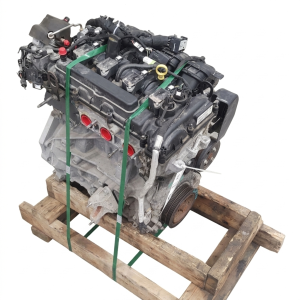
Used OEM Parts in Stock

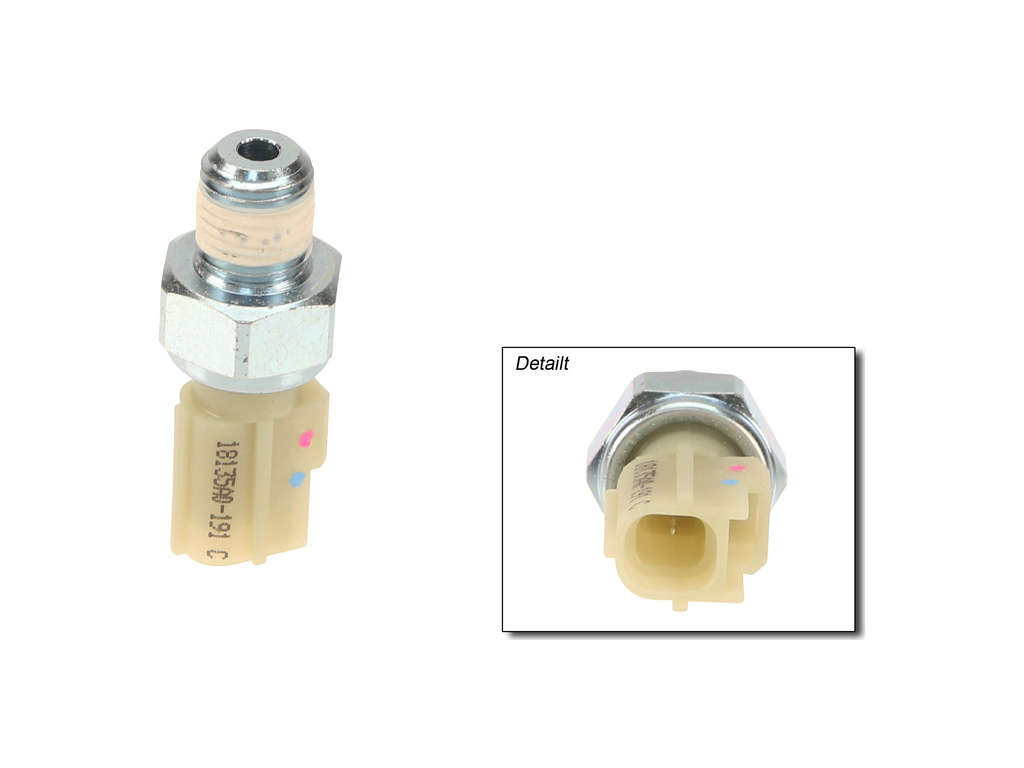
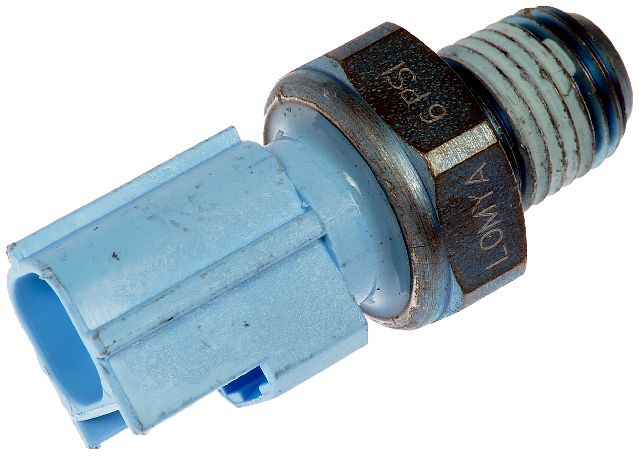
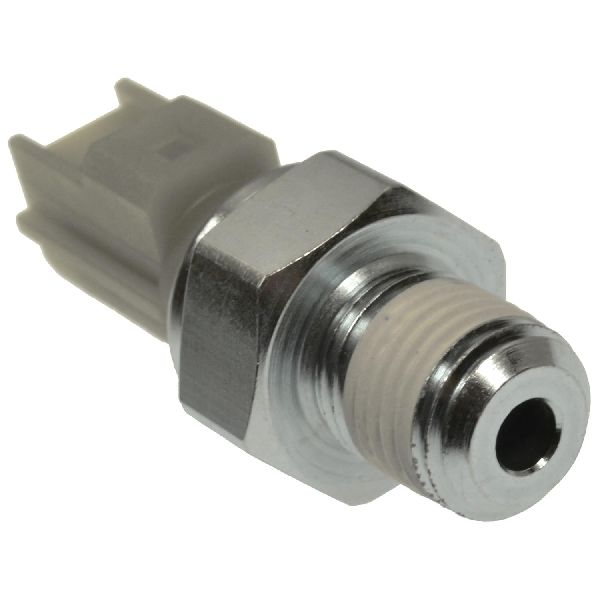
New Aftermarket Parts Available


The information in this article is provided for general reference and educational purposes only. Vehicle specifications, procedures, and part compatibility can vary by production date, trim level, and region. Always consult your vehicle's factory service manual and verify part numbers before purchasing or performing repairs. Safety-critical components such as airbags, seat belts, and braking systems should be installed by a qualified professional.
- Ford Transit:
- 🛍️ Shop This Part
- What's Unique About the 2015-2019 Ford Transit
- Symptoms You May Notice
- Most Likely Causes
- Rare But Worth Checking
- Diagnosis Steps
- Parts You'll Likely Need
- Related Codes That Often Appear With This One
- Technical Service Bulletins (TSBs) & Recalls
- Mechanic-Grade Diagnostic Values
- Scan Tool Commands That Help
- Wiring & Ground Locations
- OEM Part Supersession History
- Model Year Variations Within This Range
- Diagnostic Flowchart
- Other Known Issues on This Vehicle
- Used vs. New Parts: Buying Guide for This Vehicle
- Real Owner Stories
- 2015-2018 Ford Transit 3.2L Power Stroke
- 2016 Ford Transit 3.2L Power Stroke
- Related OBD-II Codes
- Frequently Asked Questions
- 🎟️ Get 5% Off