

P1738 on 1999-2003 Acura TL: 2nd Clutch Pressure Switch Failure Causes and Fixes
On a 1999-2003 Acura TL, code P1738 almost always points to a failed 2nd clutch transmission fluid pressure switch. This is a very common and inexpensive fix, often costing under $60 for the part and is accessible for DIY repair. It is rarely a sign of the catastrophic transmission failure this model is known for.
- P1738 on a 1999-2003 TL specifically means there's a problem with the 2nd clutch pressure switch circuit.
- Do not assume the transmission is failing; the most likely cause is a cheap and easy-to-replace external sensor.
- Common symptoms include a Check Engine Light and a flashing 'D' light on the dashboard.
- The correct OEM part number is 28600-P7W-013, which replaces the older 28600-P7W-003.
- Using only Honda/Acura DW-1 transmission fluid is critical for the health of this transmission.
- Many owners proactively replace the 3rd and 4th gear pressure switches at the same time as the 2nd gear switch.
What's Unique About the 1999-2003 Acura TL
The 1999-2003 Acura TL uses a 4-speed (1999 model) or 5-speed (2000-2003 models) automatic transmission that is notoriously prone to complete failure. While many owners fear the worst when a transmission code appears, P1738 is one of the most common, well-documented, and fortunately, least severe issues. It's almost always caused by the external pressure switch itself failing, rather than an internal transmission problem. This makes it a frequent and straightforward repair for this specific generation of Acura TL.
Symptoms You May Notice
- Check Engine Light is on
- Flashing 'D' or 'D5' light on the dashboard
- Harsh or delayed shifts, particularly involving 2nd gear
- Transmission may feel like it's slipping or hesitating
- In some cases, the transmission may go into 'limp mode', getting stuck in one gear
- Engine RPMs climb unusually high before shifting
- Replacing the entire transmission. While these transmissions are known for failures, P1738 by itself rarely indicates a catastrophic internal problem. Always start with the inexpensive pressure switch first.
Most Likely Causes
- Failed 2nd Clutch Pressure Switch 🔴 High Probability The pressure switches used on this transmission generation have a very high failure rate due to age, heat cycles, and internal wear of the mechanical contacts.
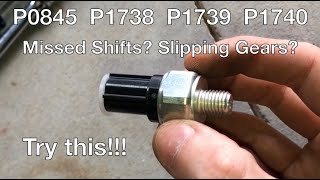
How to confirm: The switch is located on the top of the transmission case, often near the center of the car under the throttle body area. A multimeter can be used to test for battery voltage at the connector's Blue/Black wire with the key on. A simpler method is to clear the codes and see if P1738 returns quickly. Given the low cost of the part and extremely high failure rate, direct replacement is the most common and efficient diagnostic step. 🎬 Watch: A quick walkthrough of the P1738 diagnostic process.
Typical fix: Replace the 2nd clutch pressure switch and its corresponding sealing washer. The switch requires a 22mm deep socket or wrench for removal. Clear the trouble codes after installation.
Est. part cost: $30-$70 - Low or Degraded Transmission Fluid 🟡 Medium Probability These transmissions are extremely sensitive to fluid level and condition. Old, burnt, or low fluid can cause erratic hydraulic pressure, triggering the sensor. Using non-OEM fluid can also cause issues.
How to confirm: Check the transmission fluid dipstick with the engine warm and turned OFF, on a level surface. The fluid should be within the cross-hatch marks, red in color, and not smell burnt.
Typical fix: Perform a 3-quart drain-and-fill using only Honda/Acura DW-1 ATF. A series of 3 drain-and-fills (a "3x3" flush) is often recommended for neglected fluid, but a power flush is strongly discouraged.
Est. part cost: $40-$80 - Wiring or Connector Issue ⚪ Low Probability
How to confirm: Visually inspect the wiring harness and the single-wire connector going to the 2nd clutch pressure switch. Look for any signs of corrosion, damage, or loose pins. The wiring is located in a hot, tight area and can become brittle. Check for battery voltage at the Blue/Black wire in the connector to confirm power from the PCM.
Typical fix: Repair the damaged section of wire or clean/replace the electrical connector.
Est. part cost: $5-$25
Rare But Worth Checking
- Faulty Powertrain Control Module (PCM): This is extremely rare. The PCM should only be considered after all other possibilities, including the switch, fluid, and wiring, have been definitively ruled out.
- Internal Transmission Hydraulic Circuit Blockage: It is possible, though uncommon for this specific code, that a passage leading to the pressure switch is blocked with debris from a failing transmission. If replacing the switch and verifying the wiring does not fix the code, a more serious internal issue may be present.
Diagnosis Steps
- Read the codes with an OBD-II scanner to confirm P1738 and any other related codes like P0700.
- Check the transmission fluid level and condition. The engine should be fully warmed up, then turned off for the check. The vehicle must be on a level surface.
- If the fluid is low or very dirty, perform a drain-and-fill with approximately 3 quarts of Honda DW-1 ATF. Clear the codes and drive to see if the code returns.
- If the code returns, locate the 2nd clutch pressure switch on the top of the transmission housing. It is a single-wire sensor with a grey or blue connector, often located under the throttle body and intake air boot.
- Disconnect the electrical connector. Inspect the connector and wiring for any visible damage or corrosion. With the ignition ON, use a multimeter to check for battery voltage at the Blue/Black wire in the harness-side connector. Lack of voltage points to a wiring issue or a problem with the PCM.
- Replace the 2nd clutch pressure switch. You will need a 22mm deep socket or wrench. 🎬 See how to replace the clutch oil pressure switch. Ensure you also replace the metal sealing washer that comes with the new switch.
- Torque the new switch to the specified value (typically around 14 ft-lbs or 20 N·m).
- Reconnect the electrical connector, clear the trouble codes, and perform a test drive to ensure the check engine light and flashing 'D' light do not return and that shifting feels normal.
Parts You'll Likely Need
- A/T Clutch Pressure Switch (2nd Gear)
(OEM #28600-P7W-013 (supersedes 28600-P7W-003))— This is the direct cause of code P1738 in over 95% of cases on this vehicle. The original part number was superseded by an updated version.
Trusted brands: Acura (OEM), Standard Motor Products (Intermotor), NTK/NGK
OEM price range: $50-$70
Aftermarket price range: $25-$45 - Honda/Acura DW-1 Automatic Transmission Fluid
(OEM #08200-9008)— Correct fluid is critical for the health of this specific transmission. A drain-and-fill (approx. 3 quarts) is recommended during the repair or as a diagnostic step.
Trusted brands: Honda (OEM)
OEM price range: $10-$15 per quart
Related Codes That Often Appear With This One
- P0700 — P0700 is a generic code that simply means the Transmission Control Module (TCM) has stored a fault. It acts as a 'gateway' code and will almost always be present alongside a more specific transmission code like P1738.
- P1739 — This code points to a failure of the 3rd clutch pressure switch. These switches are of similar design and age, and it is very common for them to fail around the same time. Many owners and mechanics recommend replacing all accessible pressure switches (2nd, 3rd, and 4th gears) simultaneously as preventative maintenance. 🎬 Watch: How to locate and swap both pressure switches.
- P0401 — This code for 'EGR Insufficient Flow' is also extremely common on this engine due to carbon buildup in the intake manifold ports. It is an unrelated issue but frequently occurs on the same vehicle.
Technical Service Bulletins (TSBs) & Recalls
- While no TSB is specifically for P1738, Acura issued TSB 02-027 related to the automatic transmission warranty extension and recall due to internal failures. This highlights the known sensitivity of the transmission.
Platform-Specific Known Issues
- The automatic transmissions in the 1999-2003 Acura TL are known for a high rate of failure, which led to a class-action lawsuit and an extended warranty from Acura. While P1738 is a minor issue, it's important for owners to be diligent with transmission maintenance, including regular fluid changes with the correct OEM fluid, to prolong the life of the unit.
- Many owners on forums proactively replace the 2nd, 3rd, and 4th gear pressure switches at the same time to prevent future codes, as they all have a similar failure rate.
Mechanic-Grade Diagnostic Values
- Voltage at the 2nd clutch pressure switch connector (harness side) — expected: Battery voltage (approx. 12V). Failure: No voltage or significantly low voltage indicates an open in the wire between the PCM and the switch, or a faulty PCM.
Scan Tool Commands That Help
- Honda HDS (or equivalent advanced scanner): A/T Data List Monitoring — While test driving, monitor the '2nd Pressure Switch' status in the live data list. It should change from OFF to ON when the transmission shifts into 2nd gear. If it doesn't change, it confirms a fault in the switch or its circuit.
Wiring & Ground Locations
- 2nd Clutch Pressure Switch Connector Wire — On the single-wire connector for the 2nd clutch pressure switch, located on top of the transmission housing.. The wire is Blue/Black (BLU/BLK). This is the specific wire that should be tested for battery voltage when diagnosing a circuit fault.
- G101 — A primary ground point located on the left side of the engine/transmission housing.. A poor ground at G101 can cause a variety of sensor and module communication errors, including phantom transmission codes. It should be checked for corrosion and tightness if electrical issues are suspected.
- Transmission to Body Ground — A ground strap that connects from the transmission case to the chassis, often at a bolt on the bottom portion of the battery tray.. Similar to G101, a corroded or loose main transmission ground can cause erratic electrical behavior and trigger fault codes. This is a critical connection to inspect.
Real Owner Repair Stories
- AcuraZine Forum Thread 'P0700 + P1738 two years after transmission rebuilt' (1999 Acura TL) — Check Engine Light blinking 10x on start, codes P0700 and P1738 stored. No other noticeable driving issues.
❌ Tried (didn't work) The owner was concerned about the recently rebuilt transmission having an internal failure.
✅ What actually fixed it The community consensus was that the issue was not an internal transmission failure, but a failure of the inexpensive, external 2nd clutch pressure switch. The recommended fix was to test the switch's circuit and, most likely, simply replace the switch located on top of the transmission.
When the Usual Fixes Don't Work
- If replacing the 2nd clutch pressure switch with a new, OEM part does not resolve the P1738 code, the next step is not to suspect the transmission internally, but to perform a rigorous electrical diagnosis. This involves checking for battery voltage at the switch connector's Blue/Black wire. If voltage is absent, the fault lies in the wiring harness between the switch and the PCM, or in a poor ground connection like G101. Only after the entire electrical circuit is proven to be intact should a faulty PCM be considered.
OEM Part Supersession History
28600-P7W-003→28600-P7W-013— The original switches had a high failure rate. The superseding part is an updated, more durable design from the manufacturer.
Heads up: None found. The new part is a direct replacement for the old one.
Model Year Variations Within This Range
- 1999: The 1999 model uses a 4-speed automatic transmission. Code P1738 specifically relates to the 2nd gear pressure switch on this transmission.
- 2000-2003: These models use a 5-speed automatic transmission. While they also have pressure switches, the specific codes and locations for other gears (3rd, 4th) are different from the 1999 model. For example, on the 5-speed, the 3rd and 4th gear switches are typically located behind a cover in the driver's side wheel well, whereas the 2nd gear switch remains on top of the transmission housing.
Diagnostic Flowchart
Other Known Issues on This Vehicle
Issues unrelated to this code that are worth knowing about as an owner of this generation:
- Catastrophic Automatic Transmission Failure 🔴 High — Extremely common, especially on 2000-2003 5-speed models. Many failed before 100,000 miles. The 1999 4-speed is considered more durable but still a weak point. (Ref: Honda/Acura issued an extended warranty to 7 years or 100,000 miles and a recall for some models due to heat buildup causing gear failure.)
- Clogged EGR Ports 🟠 Medium — Very common, typically occurs after 60,000-80,000 miles, causing rough idle and code P0401. (Ref: Honda extended the warranty for EGR issues to 8 years/80,000 miles on many V6 models of this era.)
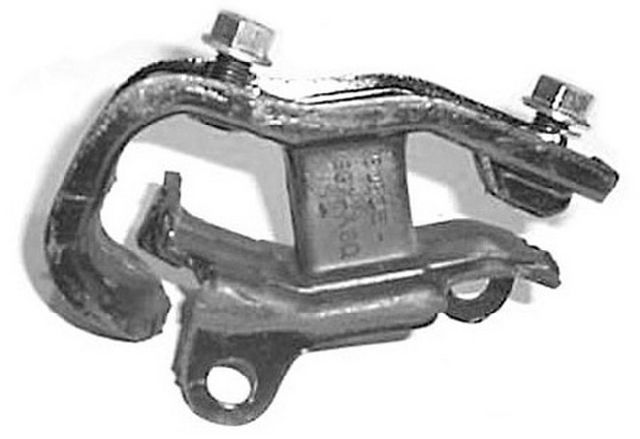
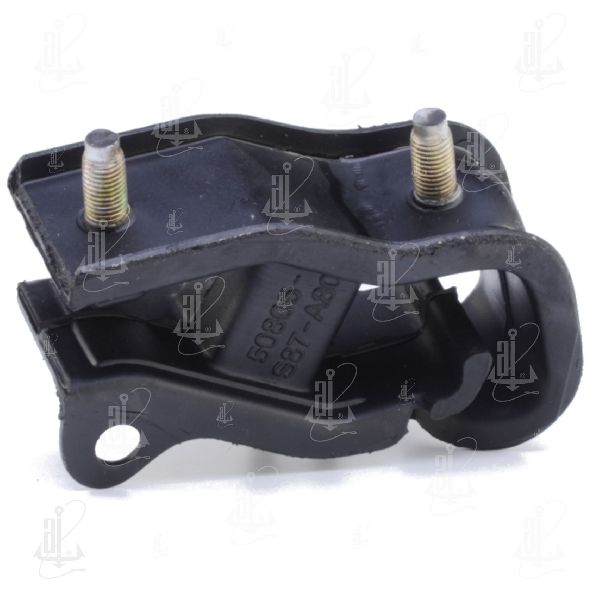
- Failed Engine Mounts 🟠 Medium — Common failure item, particularly the hydraulic front and side mounts. Leads to excessive engine vibration at idle and while driving.
- Cracked Dashboard 🟡 Low — Common for the dashboard to develop cracks, often starting around the passenger airbag area.
Used vs. New Parts: Buying Guide for This Vehicle
When a used part is the smart pick: For this specific repair, using a used part from a junkyard is NOT recommended. The pressure switch is a known high-failure component due to internal wear and heat cycles. A used switch has an unknown history and is likely to fail soon, if it works at all.
What to inspect on the donor part:
- Not applicable as used parts are not advised.
OEM-only on this vehicle (don't cheap out):
- A/T Clutch Pressure Switch. Forum and Reddit communities strongly advise against using aftermarket switches for this repair. Many users report aftermarket parts being dead-on-arrival or failing within a very short period, causing the code to return.
Aftermarket brands forum-validated for this vehicle:
- While OEM is heavily preferred, some users have had success with high-quality aftermarket brands like Standard Motor Products (Intermotor) or NTK. However, the consensus is that the risk of failure is higher than with a genuine Acura part.
Brands owners have reported issues with on this vehicle:
- Unbranded or 'white-box' parts from online marketplaces like Amazon or eBay are frequently cited as being problematic and should be avoided.
Real Owner Stories
Aggregated from forums and TSBs cited above. Mileages and costs reflect what owners reported in those sources.
Acura TL
Symptoms: The owner experienced codes P0700 and P1738 two years after the transmission had been rebuilt.
What fixed it: Forum members identified the 2nd pressure switch as the culprit, confirming it was an external part and not a sign of another internal transmission failure.
Source hint: AcuraZine.com: Thread 'P0700 + P1738 two years after transmission rebuilt'
Honda Accord V6
Symptoms: Codes P0700 and P1738 appeared immediately after a transmission rebuild.
What fixed it: The consensus was that the 2nd gear switch was likely overlooked or faulty during the rebuild and needed to be replaced.
Source hint: Honda-Tech.com: Thread 'New Trans Give me P0700 & P1738'
Acura TL
Symptoms: A new owner reported having both a P1738 and a P0401 code.
What fixed it: The community confirmed that the P1738 code was for the external 2nd clutch pressure switch and was not an internal transmission problem.
Source hint: AcuraZine.com: Thread 'CODE----P 1738 and P 0401'
Honda/Acura V6
Symptoms: General discussion about poor shift quality and preventing eventual clutch pack failure.
What fixed it: The recommendation from the forum was to proactively replace the transmission pressure switches as a preventative measure against poor shift quality and future failures.
Source hint: BobIsTheOilGuy.com: 'Acura TL transmission pressure switches'
Related OBD-II Codes
Frequently Asked Questions
Is the P1738 code a sign that my Acura TL's transmission is about to fail completely?
My 'D' light is flashing along with the Check Engine Light. Is this related to P1738?
Where is the 2nd clutch pressure switch located on my 1999-2003 Acura TL?
What kind of transmission fluid should I use if it's low?
Since these pressure switches fail often, should I replace the 3rd and 4th gear switches at the same time as the 2nd?
I also have a P0401 code. Are these two problems related?
Helpful Videos

We Have This Part in Stock



The information in this article is provided for general reference and educational purposes only. Vehicle specifications, procedures, and part compatibility can vary by production date, trim level, and region. Always consult your vehicle's factory service manual and verify part numbers before purchasing or performing repairs. Safety-critical components such as airbags, seat belts, and braking systems should be installed by a qualified professional.
- Acura TL:
- 🎬 Helpful Videos
- 🛍️ Shop This Part
- What's Unique About the 1999-2003 Acura TL
- Symptoms You May Notice
- Most Likely Causes
- Rare But Worth Checking
- Diagnosis Steps
- Parts You'll Likely Need
- Related Codes That Often Appear With This One
- Technical Service Bulletins (TSBs) & Recalls
- Platform-Specific Known Issues
- Mechanic-Grade Diagnostic Values
- Scan Tool Commands That Help
- Wiring & Ground Locations
- Real Owner Repair Stories
- When the Usual Fixes Don't Work
- OEM Part Supersession History
- Model Year Variations Within This Range
- Diagnostic Flowchart
- Other Known Issues on This Vehicle
- Used vs. New Parts: Buying Guide for This Vehicle
- Real Owner Stories
- Acura TL
- Honda Accord V6
- Acura TL
- Honda/Acura V6
- Related OBD-II Codes
- Frequently Asked Questions
- 🎟️ Get 5% Off