

P1715 on 2007-2017 Jeep Compass: Transmission Input Speed Sensor Causes and Fixes
On a 2007-2017 Jeep Compass, especially models with the Jatco JF011E CVT automatic transmission, P1715 most often points to a failed internal Transmission Input Speed Sensor. This is a complex repair requiring removal of the transmission's valve body, with shop costs ranging from $450 to $800. This is a common failure on this transmission.
- P1715 on a Jeep Compass almost always means a problem with the transmission input speed sensor, especially on 2007-2016 models with the CVT.
- Due to conflicting data, confirm you are experiencing transmission symptoms (limp mode, bad shifting) before proceeding with this diagnosis.
- This is not a DIY-friendly repair. The sensor is located inside the transmission and requires removing the valve body.
- Always use the correct specification of transmission fluid (CVTF+4 for the CVT) when performing this repair.
- Before replacing the sensor, have a professional verify the wiring and check for any available TCM software updates.
What's Unique About the 2007-2017 Jeep Compass
The first-generation Jeep Compass (MK, 2007-2017) and its platform mates, the Jeep Patriot and Dodge Caliber, primarily used a Continuously Variable Transmission (CVT) made by Jatco, model JF011E. This same CVT was used in many Nissan and Mitsubishi vehicles that are also known for setting codes related to speed sensor failure. On these specific transmissions, the input (turbine) and output speed sensors are located internally on the valve body, making their replacement much more complex than on transmissions with external sensors. Later Compass models and the second generation (MP, 2017+) use different 6-speed or 9-speed conventional automatic transmissions, which have different designs and sensor locations.
Generation note: The 2007-2017 range covers the first generation (MK) and the first model year of the second generation (MP). The MK generation (2007-2017) primarily used a Jatco JF011E CVT or a 6-speed automatic (PowerTech 6F24). The P1715 code is most commonly associated with the CVT models. The second-generation (MP) began in 2017 and uses different 6-speed (Aisin) and 9-speed (ZF) automatic transmissions, where this specific code is less common.
Symptoms You May Notice
- Check Engine Light is on
- Transmission warning light may be illuminated
- Vehicle enters 'limp mode' (stuck in a high gear ratio, poor acceleration)
- Harsh, erratic, or delayed gear shifting
- Engine RPMs are unusually high before the transmission shifts
- Cruise control is inoperative
- Shuttering or shaking while stopped in gear
- Replacing the Output Speed Sensor only, when the input sensor is the cause (they are typically replaced together as a harness).
- Condemning the entire transmission without first diagnosing the specific sensor and its circuit. This sensor failure is common and repairable.
- Replacing the valve body when only the sensor harness is needed (though some shops prefer to replace the entire remanufactured valve body which includes new sensors and solenoids).
Most Likely Causes
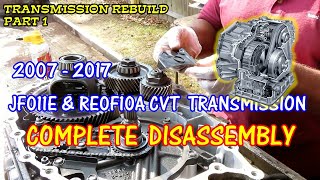
- Faulty Transmission Input Speed Sensor 🔴 High Probability The sensor is located inside the transmission on the valve body, exposed to heat and potentially contaminated fluid, leading to electronic failure over time. This is a well-documented failure pattern for the Jatco JF011E CVT. 🎬 Watch this step-by-step disassembly of a JF011E CVT transmission
How to confirm: A diagnostic scan tool can monitor the input speed sensor data stream. If the reading is erratic, zero, or doesn't change with engine RPM while in gear, the sensor is likely bad. This test should be done by a professional.
Typical fix: Replace the input and output speed sensors, which are often sold as a single harness assembly for the JF011E. This requires draining the transmission, removing the oil pan, and removing the valve body to access the sensor harness.
Est. part cost: $60-$150 for the sensor harness assembly - Worn or Contaminated Transmission Fluid 🟡 Medium Probability The Jatco CVT is highly sensitive to fluid condition. Old, broken-down fluid can cause operational issues, and metallic particles from wear can interfere with the magnetic speed sensors, causing erratic readings.
How to confirm: Check the transmission fluid condition. On CVT models, this is a complex procedure without a traditional dipstick and should be done by a shop. Dark, burnt-smelling fluid, or fluid with visible metal shavings, indicates a problem. A fluid change alone rarely fixes a persistent P1715.
Typical fix: Perform a complete transmission fluid drain and fill using the correct specification fluid (Mopar CVTF+4 or equivalent). If the fluid is very dirty, the sensor will almost certainly need replacement as well.
Est. part cost: $100-$200 - Damaged Wiring or Connectors ⚪ Low Probability While the sensor is internal, the main external wiring harness leading to the transmission can be damaged by road debris, heat from the exhaust, or corrosion at the main plug.
How to confirm: Visually inspect the main transmission wiring harness connector for corrosion, pushed-out pins, or damage. Test for continuity and voltage at the connector pins for the input speed sensor circuit.
Typical fix: Repair the damaged section of the wiring harness or clean/replace the main connector.
Est. part cost: $20-$100
Rare But Worth Checking
- Faulty Transmission Control Module (TCM) or Powertrain Control Module (PCM): This is rare and should only be considered after the sensor and wiring have been proven to be good. A module failure can mimic a sensor failure by not correctly interpreting the sensor's signal. Sometimes a software update (flash) can resolve these issues.
- Worn Valve Body or Failed Stepper Motor: The stepper motor on the valve body controls ratio changes. If it fails or sticks, the TCM may interpret the resulting incorrect ratio as a speed sensor fault, setting a P1715 or related code. Wear in the valve body bores can also cause pressure losses that lead to ratio errors.
Diagnosis Steps
- Verify the code with a quality OBD-II scanner capable of reading TCM codes. Note all accompanying codes.
- Check the transmission fluid level and condition. This is difficult on CVT models and may require a professional. Note that low or dirty fluid can cause symptoms but rarely fixes a persistent P1715 code on its own.
- Use an advanced scan tool to monitor the live data from the Input Speed Sensor (ISS) and Output Speed Sensor (OSS).
- Compare the ISS reading to the engine RPM. In gear, they should be closely related. If the ISS signal is zero, erratic, or does not change, the problem is likely the sensor or its circuit.
- Inspect the external transmission wiring harness for any visible damage, corrosion, or loose connections at the main plug.
- If the external wiring appears good and the sensor signal is faulty, the problem is internal to the transmission. The next step is to replace the sensor harness.
- If replacing the sensor harness does not resolve the issue, test the circuit at the TCM connector to rule out a wiring break between the main plug and the TCM. If the circuit is good, the TCM itself may be faulty, but this is rare.
Parts You'll Likely Need
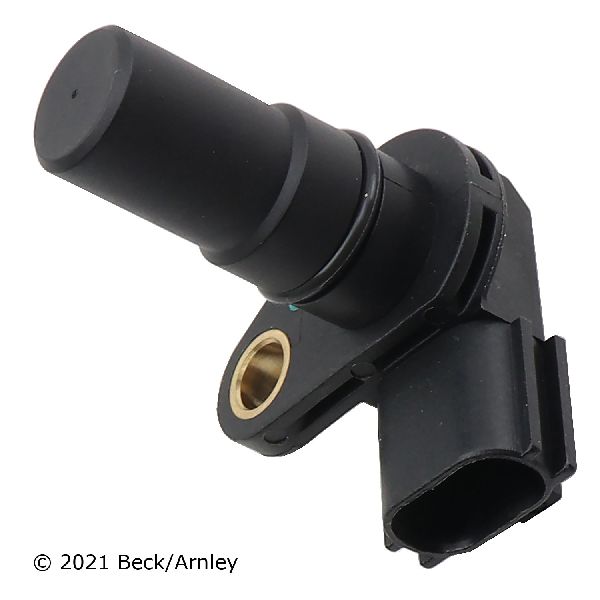
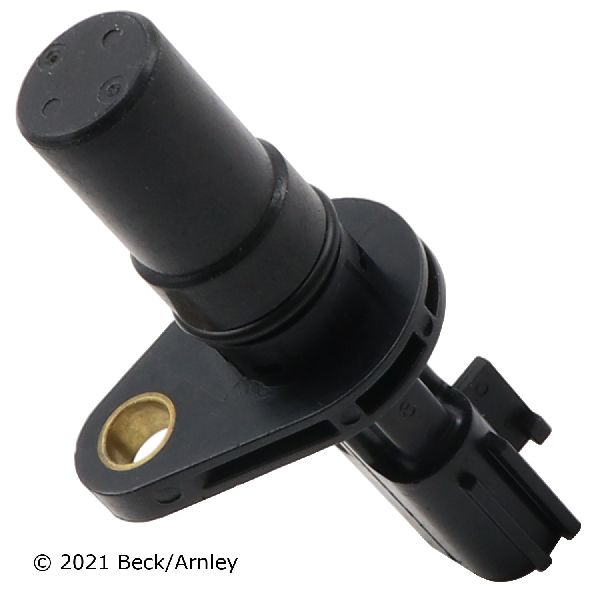
- Transmission Speed Sensor (Input/Output Harness)
(OEM #Mopar does not typically sell this separately for the CVT; requires valve body purchase. Aftermarket is available.)— This is the most common component to fail. For the Jatco JF011E, the input and output sensors are integrated into one harness that mounts on the valve body.
Trusted brands: YaoPei, Standard Motor Products, NTK, Rostra
OEM price range: N/A (Part of Valve Body)
Aftermarket price range: $60-$150 - CVT Transmission Fluid (CVTF+4)
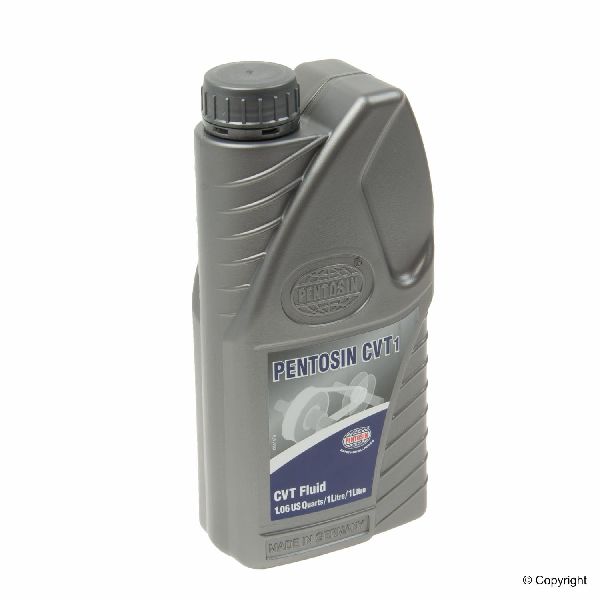
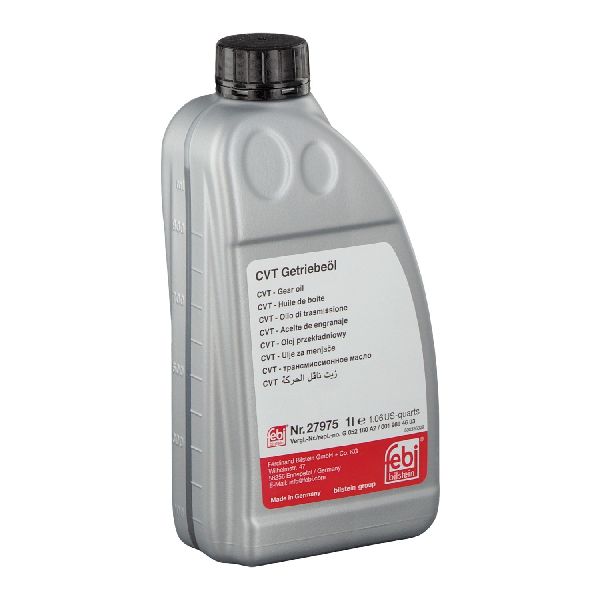
(OEM #Mopar CVTF+4)— The transmission fluid must be drained to replace the sensor and should be replaced with the correct OEM-specification fluid. Typically requires 6-8 quarts for a drain and fill.
Trusted brands: Mopar, Valvoline CVT, Idemitsu CVTF Type N
OEM price range: $25-$35 per quart
Aftermarket price range: $15-$25 per quart - Transmission Oil Pan Gasket — The oil pan must be removed and the gasket should always be replaced to prevent leaks. Some pans use RTV sealant instead of a pre-formed gasket.
Trusted brands: Fel-Pro, Mahle
OEM price range: $25-$50
Aftermarket price range: $15-$30
Related Codes That Often Appear With This One
- P0720 — This code relates to the Output Speed Sensor circuit. 🎬 Watch: Causes and fixes for input speed sensor circuit codes It frequently appears alongside P1715 because on the JF011E CVT, the input and output sensors are part of the same internal wiring harness and often fail around the same time.
- P0730 — This code means 'Incorrect Gear Ratio'. The TCM sets this code when the input speed and output speed do not match the expected ratio. A faulty P1715 sensor provides bad data, directly causing the TCM to detect a ratio error.
- P0717 — This code is for 'Input/Turbine Speed Sensor Circuit No Signal'. It is a more direct indicator of a complete sensor failure and is often seen with P1715.
- P1777 — This code points to a fault with the stepper motor circuit on the valve body. A failing stepper motor can cause ratio errors that the TCM might misinterpret as a speed sensor issue, or it may fail concurrently with the sensors.
Technical Service Bulletins (TSBs) & Recalls
- 21-011-15: Addresses incorrect transmission fluid levels on 2014-2015 models with the 6-speed automatic transmission, which can cause performance issues. While not directly for P1715/CVT, it highlights the importance of correct fluid levels.
- 21-018-17 REV. C: This TSB for the later 2017+ MP Compass with the 9-speed transmission involves reprogramming the TCM to fix a host of DTC
Platform-Specific Known Issues
- Owner Repair Experience on JeepCompass.com: A user on the 'jeepcompass.com' forums with a 2011 Compass reported getting codes P1715 and P0720. The vehicle would go into limp mode. After confirming the fluid level was correct, they had a transmission shop replace the internal input and output speed sensors. The repair involved dropping the pan and valve body and cost approximately $750, which successfully resolved the issue.
Mechanic-Grade Diagnostic Values
- Jatco JF011E Stepper Motor Winding Resistance — expected: Approximately 15 Ohms between the center tap (pin 2 or 5) and the outer pins (1, 3, 4, 6), and 30 Ohms between the outer pins (1-3 and 4-6).. Failure: Readings outside of this range by more than 5 ohms suggest a faulty stepper motor, which can cause ratio codes that mimic speed sensor failures.
- Secondary Pressure Sensor Signal Voltage (Live Data) — expected: Signal ranges from approximately 0.5 volts (0 psi) to 4.5 volts (870 psi).. Failure: A signal that is stuck, erratic, or does not correspond to commanded pressures indicates a potential issue with the sensor, wiring, or the valve body itself.
Hidden / Shadow Codes Worth Checking
- P167A: Calibration Mismatch. This code can appear after replacing a TCM or the entire CVT assembly if the module is not properly initialized to the vehicle's VIN and configuration. (see via A dealer-level scan tool like wiTECH is typically required to see and address this code.)
Scan Tool Commands That Help
- wiTECH or equivalent high-end scanner: TCM Initialization — This function is required after replacing the CVT controller (TCM) or the entire valve body assembly. It programs the new module with the vehicle's specific configuration (VIN, etc.). Failure to perform this can result in a P167A code and a no-shift condition.
- wiTECH or equivalent high-end scanner: Clear All DTCs — After performing the TCM initialization, this command is used to erase any erroneous fault codes that may have been set during the programming process.
Wiring & Ground Locations
- PCM Connector C1 (Gray) — The Powertrain Control Module (PCM) is typically located in the engine bay. Connector C1 is one of the main harness connectors plugging into it.. Pin 52, 53, and 72 are critical ground connections for the PCM. A poor ground at these locations can cause a wide range of erratic electronic issues, including faulty sensor readings and communication problems with the TCM.
- Main Chassis/Engine Ground Straps — Key ground straps are located from the battery negative terminal to the chassis, and from the engine block to the chassis (often near a motor mount).. A corroded or broken main ground strap can create unstable voltage throughout the vehicle's electrical system, potentially causing the sensitive TCM and its sensors to malfunction and report false codes.
Real Owner Repair Stories
- Reddit user on r/JeepPatriot (Jeep Patriot (sister vehicle with same JF011E CVT)) — Check engine light with code P1715, erratic shifting, and vehicle entering limp mode.
✅ What actually fixed it The issue was confirmed to be the transmission input speed sensor or its circuit. The recommended fix is to replace the sensor, which is located inside the transmission.
Diagnostic Flowchart
Other Known Issues on This Vehicle
Issues unrelated to this code that are worth knowing about as an owner of this generation:
- Front and Rear Subframe/Crossmember Corrosion 🔴 High — Very common on vehicles operated in salt-belt states, often becoming severe after 5-8 years. Can lead to steering instability and component separation. (Ref: FCA extended the warranty to 10 years for this issue (Warranty Extension X69 / TSB 23-007-17), but many owners discovered the problem after the period expired.)
- CVT Overheating and Whining 🔴 High — Commonly reported around 70,000 miles, especially in high ambient temperatures or during high-speed driving. Can cause sudden loss of power.
- Electronic Throttle Body Failure 🟠 Medium — Can occur at various mileages (e.g., 60,000-70,000 miles), causing the vehicle to enter limp mode with the Electronic Throttle Control (ETC) 'lightning bolt' warning light illuminated.
- Water Leaks into Cabin (Sunroof/Roof Ditch) 🟡 Low — Commonly reported, with water appearing through the dome light or headliner. Often caused by clogged sunroof drains or poor seam sealing. (Ref: TSB #23-035-15 was released to address the sunroof trough replacement.)
- Suspension Component Failure (Control Arms, Ball Joints) 🟠 Medium — Premature failure of front control arm bushings and ball joints is widely reported, often starting around 50,000-60,000 miles, causing clunking noises and alignment issues.
Used vs. New Parts: Buying Guide for This Vehicle
When a used part is the smart pick: A complete, used valve body assembly from a low-mileage donor vehicle can be a cost-effective alternative to buying a new one from the dealer, as it includes the solenoids, stepper motor, and the speed sensor harness that is the most common point of failure.
Donor-vehicle mileage cap: roughly under 80000 miles for the part to have meaningful remaining life.
What to inspect on the donor part:
- Verify the donor vehicle's mileage if possible.
- Ask the dismantler about the condition of the transmission fluid if they know (was it dark/burnt?).
- Inspect the electrical connector pins on the used valve body for any corrosion or damage before purchase.
OEM-only on this vehicle (don't cheap out):
- Transmission Fluid: While some aftermarket fluids claim compatibility, using Mopar CVTF+4 is the safest choice to ensure proper CVT performance and longevity. The JF011E is known to be sensitive to fluid type.
Aftermarket brands forum-validated for this vehicle:
- Rostra: Rostra is a well-known manufacturer of aftermarket transmission electronics, and their speed sensor harnesses are a common choice for this repair.
Real Owner Stories
Aggregated from forums and TSBs cited above. Mileages and costs reflect what owners reported in those sources.
2011 Jeep Compass
Symptoms: The vehicle would go into limp mode and threw codes P1715 and P0720.
What fixed it: A transmission shop replaced the internal input and output speed sensors by dropping the pan and valve body.
Cost: $750-$750
Source hint: jeepcompass.com forums
2007-2017 Jeep Patriot (MK)
Symptoms: The vehicle entered limp mode due to a problem with the transmission input speed sensor or its circuit.
What fixed it: Replacement of the internal speed sensor which required valve body removal.
Source hint: r/JeepPatriot
Related OBD-II Codes
Frequently Asked Questions
Does TSB 21-011-15 apply to my P1715 code on a CVT Jeep Compass?
Is there a warranty extension for the subframe corrosion mentioned in the known issues?
Can I check the CVT fluid myself to see if it's causing the P1715 code?
Does TSB 21-018-17 REV. C fix the P1715 code on my 2011 Compass?
Is the P1715 code common on other vehicles besides the Jeep Compass?
Can I just replace the sensor, or do I need a whole new transmission?
Helpful Videos
Used OEM Parts in Stock

New Aftermarket Parts Available

The information in this article is provided for general reference and educational purposes only. Vehicle specifications, procedures, and part compatibility can vary by production date, trim level, and region. Always consult your vehicle's factory service manual and verify part numbers before purchasing or performing repairs. Safety-critical components such as airbags, seat belts, and braking systems should be installed by a qualified professional.
- Jeep Compass:
- 🎬 Helpful Videos
- 🛍️ Shop This Part
- What's Unique About the 2007-2017 Jeep Compass
- Symptoms You May Notice
- Most Likely Causes
- Rare But Worth Checking
- Diagnosis Steps
- Parts You'll Likely Need
- Related Codes That Often Appear With This One
- Technical Service Bulletins (TSBs) & Recalls
- Platform-Specific Known Issues
- Mechanic-Grade Diagnostic Values
- Hidden / Shadow Codes Worth Checking
- Scan Tool Commands That Help
- Wiring & Ground Locations
- Real Owner Repair Stories
- Diagnostic Flowchart
- Other Known Issues on This Vehicle
- Used vs. New Parts: Buying Guide for This Vehicle
- Real Owner Stories
- 2011 Jeep Compass
- 2007-2017 Jeep Patriot (MK)
- Related OBD-II Codes
- Frequently Asked Questions
- 🎟️ Get 5% Off