

P1682 on 2008-2012 Chevrolet Malibu: Ignition Circuit Fault Causes and Fixes
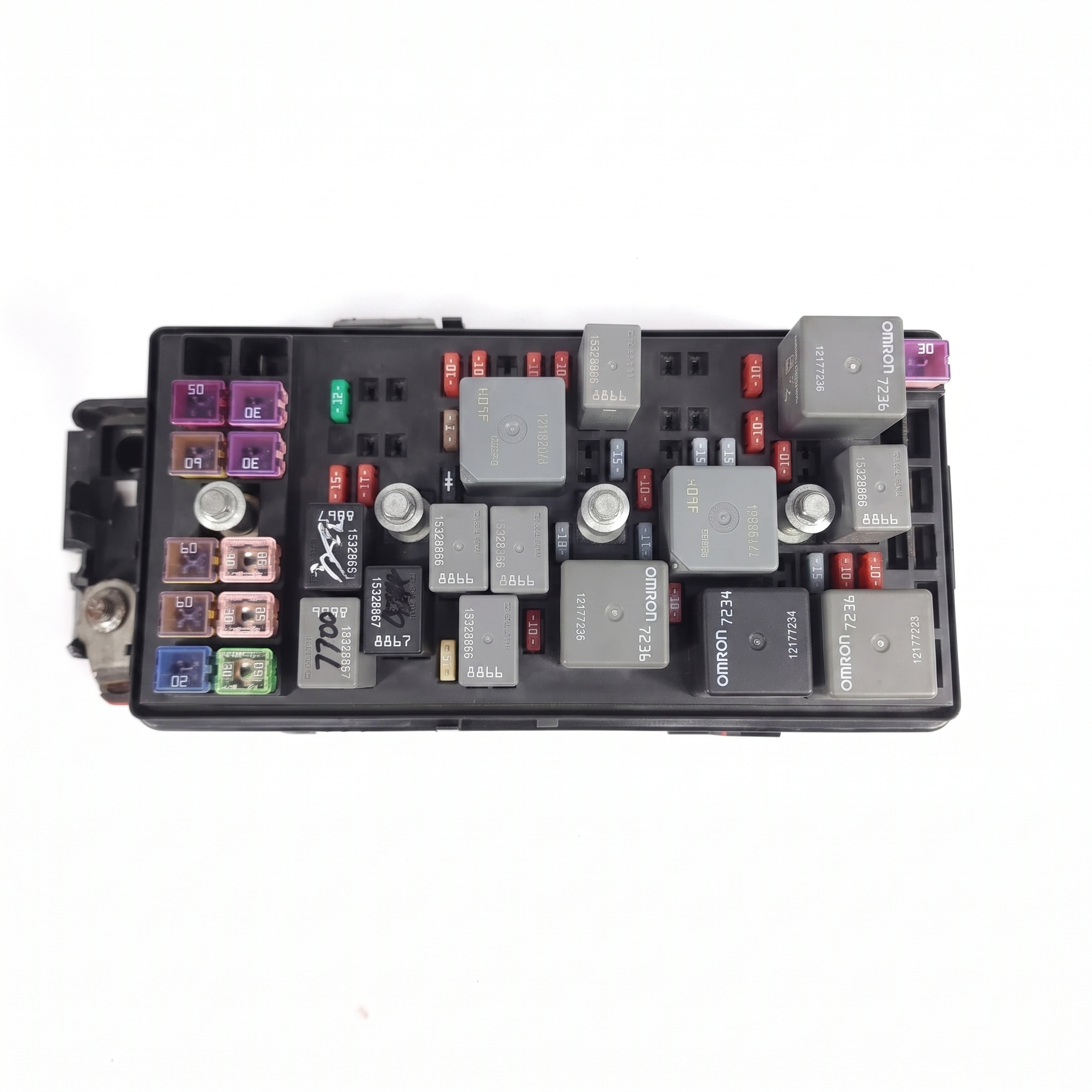
For a 2008-2012 Malibu, code P1682 is most often caused by a faulty underhood fuse block or a bad ignition relay. Symptoms include a 'no-start' or 'crank-no-start' condition, often with a 'Reduced Engine Power' message. Swapping the ignition relay is a cheap first step, but replacing the fuse block is a common, well-documented repair for this issue due to internal connection failures.
- P1682 on a 2008-2012 Malibu means the ECM sees a voltage difference between its two main power sources.
- The most common symptoms are a no-start or crank-no-start condition.
- Before replacing expensive parts, always check fuses and swap the ignition/powertrain relay with a known good one.
- The underhood fuse block is a very common point of failure for this code on this car. Wiggling fuses to see if it affects the problem is a valid diagnostic step.
- Always check for secure connections at the ECM before concluding any component is bad.
What's Unique About the 2008-2012 Chevrolet Malibu

On this generation of Malibu and its platform mates (Saturn Aura, Pontiac G6), the P1682 code is very frequently 🎬 Watch: A quick overview of P1682 on the Malibu 2.4L. traced back to internal faults within the underhood fuse block. Owners and technicians report that poor terminal connections, fretting corrosion, or cracked copper traces inside the multi-layered fuse block cause the voltage discrepancy between the two ignition circuits monitored by the ECM. This is a well-documented pattern on GM Epsilon platform vehicles from this era that use this type of fuse block, making the fuse block the primary suspect over the ignition switch itself.
Symptoms You May Notice

- Engine will not crank (no-start)
- Engine cranks but will not start
- Engine continues to run after turning the key off
- Reduced Engine Power message on the dashboard
- Check Engine Light is illuminated
- Engine runs rough, shakes, or stalls, especially when warm
- Other warning lights, such as Traction Control or ABS, may illuminate
- Scan tool has no communication with the ECM
- Replacing the throttle body. While throttle-related issues can occur, they are often a symptom of the P1682 voltage discrepancy, not the root cause.
- Replacing the ECM prematurely. The ECM is often the victim of bad inputs from a faulty fuse block or wiring, not the cause of the problem.
- Replacing the battery. While a weak battery can cause various electrical issues, P1682 points to a specific discrepancy between two powered circuits that a simple battery replacement won't fix.
- Replacing the ignition switch. On this specific platform, the underhood fuse block is a much more common point of failure for this code than the ignition switch.
Most Likely Causes

- Faulty Underhood Fuse Block 🔴 High Probability The fuse block on this platform is known to develop poor internal connections, cracked solder joints, and corrosion over time, leading to voltage drops on critical circuits. Heat cycles can cause internal cracks to open up, making the problem intermittent and more common on hot days or after the engine has been running.
How to confirm: With the engine running (if possible), gently wiggle the ECM, IGN, and RUN/CRNK relays and related fuses. If this action causes the engine to stall or symptoms to change, the fuse block is almost certainly faulty. A voltage drop test across the input and output of the RUN/CRNK relay socket is a more definitive test. If there is voltage at the fuse but not at the ECM pin for that circuit, the fuse block is the likely culprit.
Typical fix: Replacement of the underhood fuse block assembly. Some advanced DIYers have successfully disassembled the fuse block and soldered jumper wires to repair the broken internal traces.
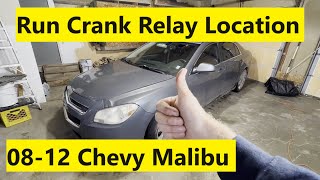
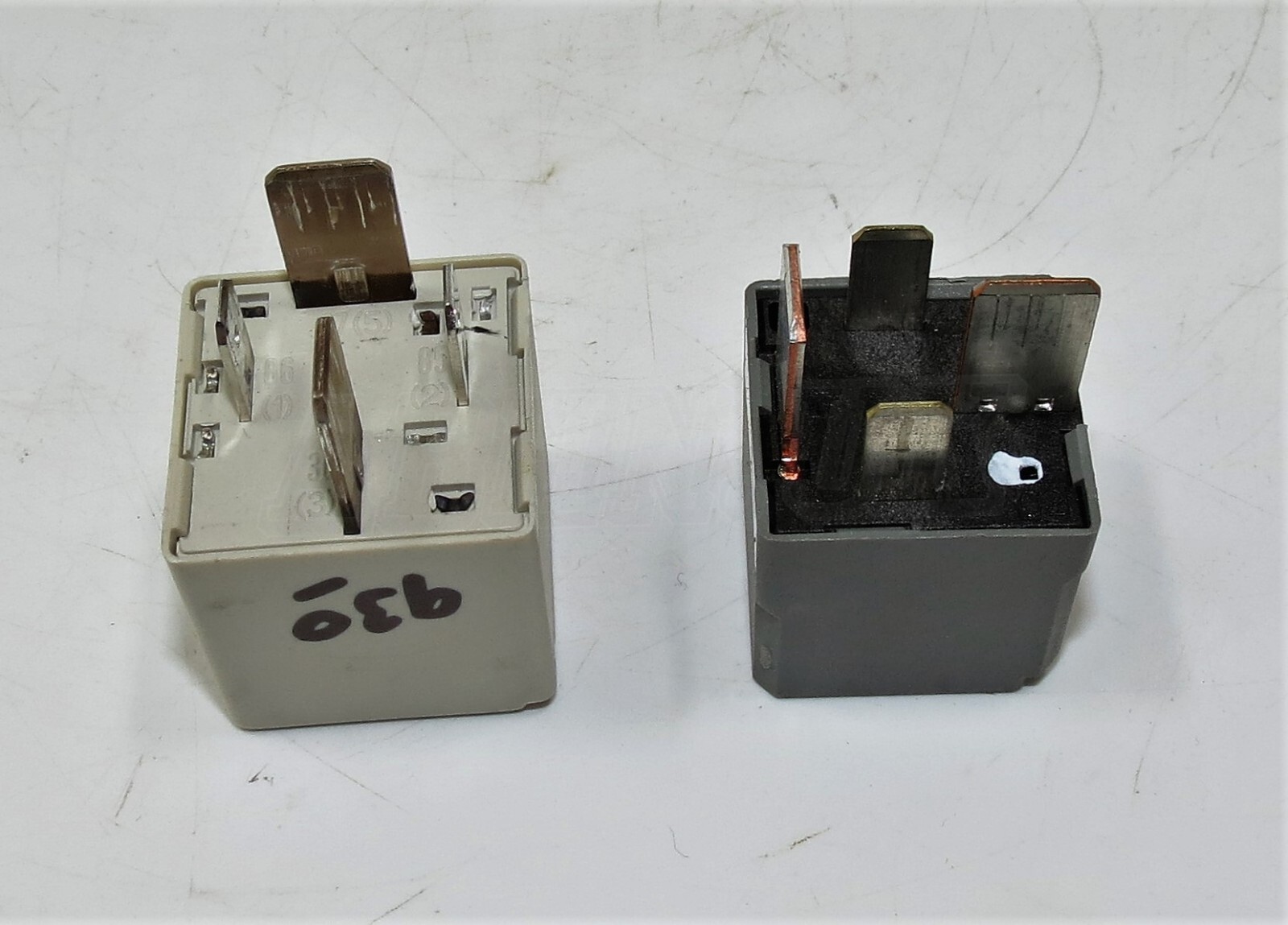
Est. part cost: $150-$350 - Faulty Run/Crank Relay 🟡 Medium Probability Relays are electromechanical switches that wear out over time. Given the vehicle's age, relay failure is common and is the simplest component to check. 🎬 See this video to find your Run Crank relay location.
How to confirm: Swap the suspect relay (often labeled 'RUN/CRNK') with an identical known-good relay from a non-critical circuit (like the horn or rear defroster) in the fuse box. If the problem is resolved, the relay is bad. Also inspect the female terminals in the fuse block where the relay plugs in; spread or corroded terminals can cause a poor connection even with a good relay.
Typical fix: Replace the faulty relay. Ensure the new relay is fully seated into clean terminals.
Est. part cost: $10-$30 - Wiring Harness Issue 🟡 Medium Probability Vibrations, heat, and age can cause wires to break or chafe. Poor connections at the ECM connectors (X1 and X2) have also been reported. In some cases, a ground wire may be improperly installed or corroded, causing widespread electrical issues.
How to confirm: Visually inspect the wiring harness between the ignition switch, fuse block, and ECM. Check for secure connections at the ECM connectors. A multimeter is needed to check for continuity and shorts in the specific ignition circuit wires (e.g., from fuse #2 and #16 to the ECM pins). A resistance of 5 ohms or greater in the circuit can be enough to set the DTC.
Typical fix: Repair the damaged section of the wiring harness or clean and secure the connector. Ensure all grounds are clean and tight.
Est. part cost: $5-$50 - Faulty Ignition Switch ⚪ Low Probability While less common for this specific code on this platform compared to the fuse block, the ignition switch is a mechanical part that can wear out, causing intermittent electrical contacts.
How to confirm: Use a multimeter to test the voltage output on the different terminals of the ignition switch in each key position (ACC, ON, CRANK). Compare readings to the vehicle's wiring diagram. This is often done after other, more common causes are ruled out.
Typical fix: Replace the ignition switch assembly.
Est. part cost: $40-$100
Rare But Worth Checking
- Faulty Engine Control Module (ECM): This is rare and should only be considered after all other possibilities (wiring, fuse block, relays) have been definitively ruled out. An ECM failure often presents with other communication codes (U-codes) or a complete lack of communication with a scan tool.
Diagnosis Steps

- Check for other codes. If codes like P0685, P0689, or U-codes are present, diagnose them first as they are related to the power supply circuit.
- Swap the 'Run/Crank' relay with a known-good, identical relay from another system (e.g., horn). If the car starts and runs normally, the relay was the issue. This is the easiest and cheapest first step.
- If symptoms persist, inspect the female terminals for the relay in the fuse block. Ensure they are clean and tight. Use a small tool to gently bend them for better contact if they appear spread apart.
- With the key ON, gently wiggle the relays and fuses in the underhood fuse block, particularly the Run/Crank and Powertrain relays. If this causes any change in symptoms (e.g., engine stalls, dash lights flicker), the fuse block itself is highly suspect.
- Using a multimeter, check for battery voltage at the specific fuses for the two ignition circuits. For the 2.4L engine, this is often fuses #2 and #16 in the underhood block.
- If the fuses have power, the next step is to check for voltage at the corresponding pins at the ECM connector. You will need a wiring diagram. For a 2009 3.6L, one signal is at ECM connector X1, pin 19. For a 2008 2.4L, both signals may go to the X1 connector. If voltage is present at the fuse but missing or low at the ECM pin, the fault lies in the wiring or, most likely, the internal traces of the fuse block.
- Perform a voltage drop test on the main ECM ground circuits. With the key on, probe each ground pin at the ECM harness while the negative meter lead is connected to the negative battery post. A reading greater than 0.3V indicates a poor ground connection.
- Inspect the main connectors (X1, X2) at the ECM for any signs of corrosion, damage, or pins that are not fully seated.
- If all wiring and power sources check out, the final step would be to test the ignition switch itself, though this is the least likely cause on this platform.
Parts You'll Likely Need
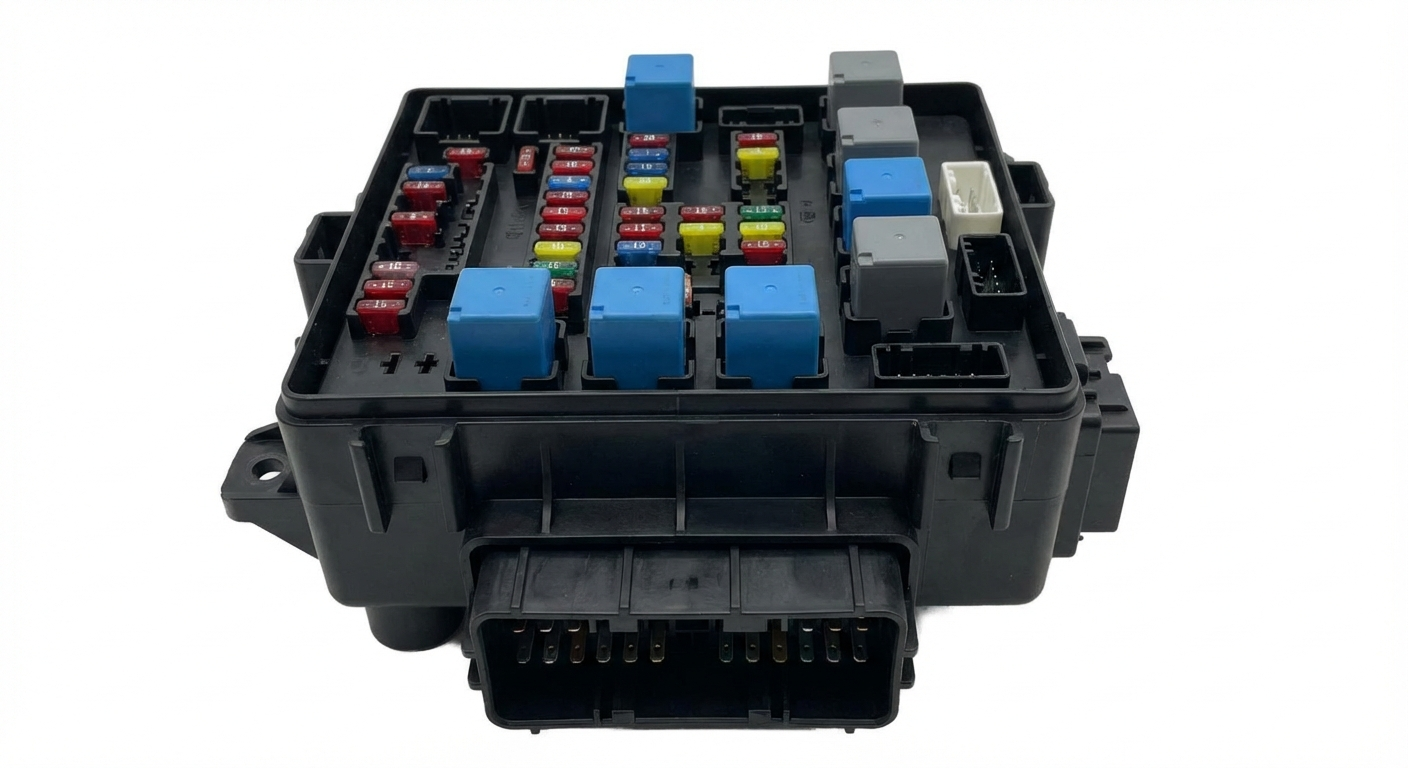
- Underhood Fuse Block
(OEM #20822695 (Verify by VIN and options like fog lamps))— This is the most common failure point for this code on this specific vehicle due to internal connection issues.
Trusted brands: ACDelco (GM Genuine), Dorman (e.g., 601-700)
OEM price range: $250-$415
Aftermarket price range: $150-$250 - Powertrain / Run-Crank Relay
(OEM #19115081, 13500114 (supersedes 19115080))— A common and inexpensive failure item that can cause the voltage discrepancy. It's the first part to swap in diagnosis.
Trusted brands: ACDelco, Bosch, Standard Motor Products
OEM price range: $15-$30
Aftermarket price range: $10-$20
Related Codes That Often Appear With This One
- P0685 — This code relates to the ECM/PCM Power Relay Control Circuit, which is directly involved in one of the two circuits monitored for P1682.
- P0689 — This code indicates a low voltage condition in the ECM/PCM Power Relay Sense Circuit, pointing to the same group of potential power supply issues, often within the fuse block.
- U0100 — Lost Communication With ECM. This can occur if the faulty fuse block or wiring issue is severe enough to cause the ECM to lose power entirely.
Technical Service Bulletins (TSBs) & Recalls
- While no specific TSB number for P1682 on the Malibu was found, GM has issued numerous bulletins for similar no-start/stalling conditions related to the underhood fuse block on other models. For example, TSB 07-08-47-004 addresses fuse block corrosion on GMT900 trucks, and PIC5492D discusses P1682 on various models, often pointing towards fuse block/terminal inspection.
- Manufacturer Bulletin #PIP5729 notes that technicians may find DTC P1682 (Ignition 1 Switch Circuit 2) active or stored in history, potentially alongside P0101, P0689, P16A7, or P16BC.
Platform-Specific Known Issues
- Owner experience with 2008 Malibu 2.4L: A video from a 2008 Malibu owner with a 2.4L engine identified fuses #2 and #16 in the underhood fuse block as the sources for the two ignition signals. He demonstrated testing the voltage at the ECM pins and concluded the fuse box was bad because voltage was present at the fuses but not consistently at the ECM.
- Professional Diagnosis of a 2009 Malibu No-Crank: A diagnostic video for a 2009 Malibu with a no-crank condition found that a previous mechanic had misplaced a main ground wire onto the starter post instead of its proper grounding stud, causing communication and power issues.
Mechanic-Grade Diagnostic Values
- Voltage difference between 'Ignition 1 Voltage' and 'EC Ignition Relay Feedback' scan tool PIDs — expected: Less than 2.0 volts.. Failure: A difference greater than 2.0 volts for more than 2 seconds (on a 2009 Malibu) will set the code.
- Voltage at relay socket pin 30 (Power Input) — expected: Constant battery voltage (~12.6V) at all times.. Failure: No voltage indicates a problem with the fuse or power supply wire to the fuse block.
- Voltage at relay socket pin 86 (Control/Trigger) — expected: Battery voltage (~12V) only when the ignition key is in the ON or CRANK position.. Failure: No voltage indicates a fault in the ignition switch or control circuit feeding the relay.
- Voltage drop on ECM ground circuits — expected: 0.1 volts or less.. Failure: A reading greater than 0.3 volts indicates excessive resistance from corrosion or a faulty wire/connection.
- Resistance of a relay control coil (across pins 85 and 86) — expected: 50 to 150 ohms.. Failure: An 'OL' (Over Limit) reading indicates an open coil; a very low reading indicates a shorted coil.
Scan Tool Commands That Help
- GDS2 / Tech2: Data Display: 'Ignition 1 Voltage' and 'EC Ignition Relay Feedback' — This is the primary diagnostic step. Observe both parameters with the key on, engine off. A discrepancy between the two voltage readings points directly to the fault circuit. The 'EC Ignition Relay Feedback' corresponds to the powertrain relay circuit.
Wiring & Ground Locations
- Underhood Fuse Block Fuses — In the underhood fuse block, on the driver's side of the engine bay.. For the 2.4L engine, fuses #2 and #16 are often the two fuses supplying the ignition signals to the ECM. Checking for power here is a primary step.
- ECM Connector X1 — The larger of the two main connectors at the Engine Control Module.. This connector contains the input pins for the ignition voltage signals. For a 2009 3.6L, the Run/Crank signal is at pin 19. For some 2.4L engines, both ignition signals are located in this connector, making it a key test point.
- G105 / G107 — Common GM ground points located on the engine block or cylinder head.. A poor engine ground can cause a voltage potential difference between various components, leading the ECM to incorrectly perceive a fault between its power feeds. While not specific to P1682, checking major grounds is a fundamental step for unexplained electrical codes.
- Body Control Module (BCM) — Located on the passenger side, often behind or under the glove box area.. The BCM is involved in the ignition switch and power mode logic, sending signals that ultimately control the relays that power the ECM's ignition circuits.
Real Owner Repair Stories
- Reddit user @Slight-Savings-847 (2011 Chevrolet Malibu 2.4L) — Car would enter 'Engine Power Reduced' mode after 20 minutes of driving. Codes P1682, P0106, P0171, P2135 were present.
❌ Tried (didn't work) Replaced MAF sensor, Replaced MAP sensor, Replaced both O2 sensors, Replaced throttle body, Replaced gas pedal
✅ What actually fixed it Replacement of the underhood fuse box. After replacement, the car ran great with no further issues. - YouTube channel 'C&J's Mobile Automotive LLC' (2007 GMC Envoy (similar GM electrical architecture)) — Stalling when warm, no-start, codes P1682 and P0689.
❌ Tried (didn't work) Initial diagnosis pointed towards relays, but swapping them did not fix the issue.
✅ What actually fixed it Disassembled the underhood fuse box and found a cracked copper trace leading to the powertrain relay socket. The trace was repaired by soldering it back together, which resolved all symptoms. - YouTube channel 'Robert Reyes' (2008 Chevrolet Malibu 2.4L) — Engine shaking, code P1682.
❌ Tried (didn't work) Replacing the relay did not solve the problem.
✅ What actually fixed it The problem was confirmed to be the underhood fuse box. The video demonstrates that voltage was correct at the fuses but intermittent at the ECM pins, isolating the fault to the fuse box itself. - NHTSA ODI #11102191 — An owner reported the vehicle would stall while driving at a stop sign or traffic light. A mechanic found code P1682 (Ignition 1, Switch Circuit 2). The Engine Control Module was replaced, but the failure recurred.
- NHTSA ODI #11442437 — A report describes the vehicle leaving the owner on the side of the road multiple times with codes P1682 and C042-00. The owner replaced the ignition relay switch three times, but the issue persisted.
- NHTSA ODI #11712762 — An owner noted that after a fuse box inspection, relay checks, and ignition switch replacement, the P1682 code returned after several months, causing the car to go into limp mode.
- NHTSA ODI #11623165 — A driver reported the vehicle would not accelerate at an intersection; a scan revealed codes P1682 and P2138, suggesting potential issues with the ignition or the accelerator position sensor.
OEM Part Supersession History
19115080→13500114— Standard part update and consolidation by GM.
Model Year Variations Within This Range
- 2008-2012: The underhood fuse block part number (20822695) is often specified for models WITHOUT fog lamps. Vehicles with fog lamps may use a different fuse block assembly. Always verify the part number with the vehicle's VIN.
- 2008-2012: On 2.4L LE5 engines, both ignition voltage signals may be routed to the ECM's X1 connector. On other engines (like the V6 or different Ecotec versions), the signals might be split between the X1 and X2 connectors. A correct wiring diagram for the specific engine is crucial.
Diagnostic Flowchart
Used vs. New Parts: Buying Guide for This Vehicle
When a used part is the smart pick: For this specific P1682 fault, sourcing a used part is generally NOT recommended for the primary culprit, the underhood fuse block. For simple relays, used can be acceptable for temporary testing but new parts are inexpensive.
Donor-vehicle mileage cap: roughly under 50000 miles for the part to have meaningful remaining life.
What to inspect on the donor part:
- For a fuse block, inspect for any signs of heat damage, melting, or corrosion around the relay sockets and on the main connectors underneath.
- Check that the donor vehicle is from a dry climate to minimize the risk of internal corrosion.
- Ensure the plastic housing is not brittle or cracked from excessive heat cycles.
OEM-only on this vehicle (don't cheap out):
- Underhood Fuse Block: Due to the high failure rate from internal manufacturing defects (cracked traces), an aftermarket part may not be an improvement, and a used part likely has the same latent issue. A new OEM part is the most reliable fix.
Aftermarket brands forum-validated for this vehicle:
- Bosch, Standard Motor Products (for relays)
Brands owners have reported issues with on this vehicle:
- Unknown/unbranded fuse blocks. While Dorman offers a replacement, owner feedback is mixed; OEM is a safer bet for a component this critical.
Real Owner Stories
Aggregated from forums and TSBs cited above. Mileages and costs reflect what owners reported in those sources.
2010 Chevrolet Malibu 2.4L
Symptoms: A year-long battle with a persistent P1682 code.
What fixed it: The issue was not resolved after a dealer replaced the gas pedal, throttle body, ECM, and battery. The forum consensus pointed to the underhood fuse block as the likely unresolved cause.
Source hint: chevyhhr.net - 'Dtc p1682'
2009 Saturn Aura 2.4L
Symptoms: Rough idle and 'reduced power' message on the dashboard, along with code P1682.
What fixed it: After replacing numerous parts including the ECM, the issue remained unresolved. The forum consensus pointed to a faulty underhood fuse box as the probable cause.
Source hint: saturnfans.com - 'engine power loss, code P1682'
2008 Chevrolet Malibu 2.4L
Symptoms: Diagnosing P1682 after finding voltage was present at fuses #2 and #16 but was not consistently reaching the ECM pins.
What fixed it: The owner concluded the underhood fuse box was faulty due to an internal break in the circuit.
Source hint: Owner experience with 2008 Malibu 2.4L
2009 Chevrolet Malibu
Symptoms: A no-crank condition with scan tool communication and power issues.
What fixed it: A previous mechanic had misplaced a main ground wire onto the starter post; moving it to its proper grounding stud resolved the issue.
Source hint: Professional Diagnosis of a 2009 Malibu No-Crank
2006 Pontiac G6
Symptoms: The vehicle would intermittently not crank, or would fail to shut off after the key was turned to the off position.
What fixed it: The source describes these as common symptoms of P1682 on the GM Epsilon platform, strongly pointing to a faulty fuse block, but does not state the final repair for this specific car.
Source hint: iATN - 'P1682 Diagnostic Trouble Code Discussion'
Related OBD-II Codes
Frequently Asked Questions
My 2009 Malibu won't crank. Could a misplaced ground wire cause a P1682 code?
I have a 2.4L Malibu. Which specific fuses should I check for code P1682?
Is there a specific GM Technical Service Bulletin (TSB) for P1682 on my Malibu?
My mechanic wants to replace the ECM on my 2010 Malibu for P1682. Is this the right fix?
The engine on my Malibu keeps running after I turn the key off. Is this a symptom of P1682?
How can I quickly test the Run/Crank relay on my Malibu without any special tools?
Helpful Videos
We Have This Part in Stock




The information in this article is provided for general reference and educational purposes only. Vehicle specifications, procedures, and part compatibility can vary by production date, trim level, and region. Always consult your vehicle's factory service manual and verify part numbers before purchasing or performing repairs. Safety-critical components such as airbags, seat belts, and braking systems should be installed by a qualified professional.
- Chevrolet Malibu:
- 🎬 Helpful Videos
- 🛍️ Shop This Part
- What's Unique About the 2008-2012 Chevrolet Malibu
- Symptoms You May Notice
- Most Likely Causes
- Rare But Worth Checking
- Diagnosis Steps
- Parts You'll Likely Need
- Related Codes That Often Appear With This One
- Technical Service Bulletins (TSBs) & Recalls
- Platform-Specific Known Issues
- Mechanic-Grade Diagnostic Values
- Scan Tool Commands That Help
- Wiring & Ground Locations
- Real Owner Repair Stories
- OEM Part Supersession History
- Model Year Variations Within This Range
- Diagnostic Flowchart
- Used vs. New Parts: Buying Guide for This Vehicle
- Real Owner Stories
- 2010 Chevrolet Malibu 2.4L
- 2009 Saturn Aura 2.4L
- 2008 Chevrolet Malibu 2.4L
- 2009 Chevrolet Malibu
- 2006 Pontiac G6
- Related OBD-II Codes
- Frequently Asked Questions
- 🎟️ Get 5% Off