

P1607 on 2011-2016 Hyundai Elantra: Electronic Throttle Communication Error Causes and Fixes
On the 2011-2016 Elantra, P1607 indicates a communication failure between the engine computer (ECM) and the Electronic Throttle System (ETS). The most common fixes are cleaning the throttle body or replacing the entire electronic throttle body assembly. This is a specific, known issue and should not be misdiagnosed as a general PCM failure.
- P1607 on a 2011-2016 Elantra is a specific error pointing to a communication problem with the Electronic Throttle System (ETS).
- Do not immediately suspect a bad engine computer (ECM); the problem is almost always the throttle body itself or its wiring.
- The first and cheapest step is to thoroughly clean the throttle body and perform a relearn procedure, as advised by Hyundai's own TSB 13-FL-002.
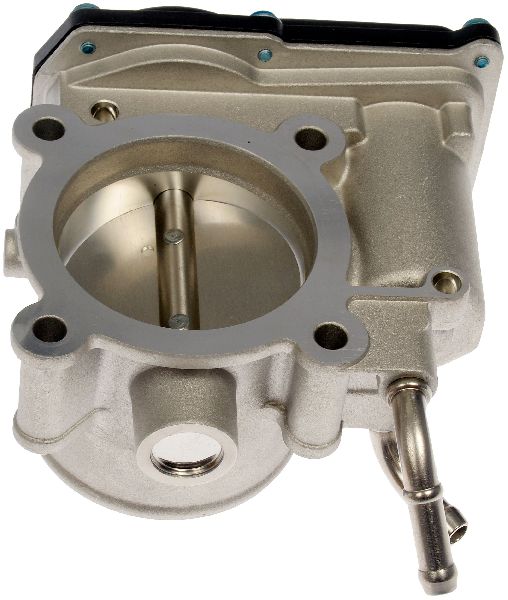
- If cleaning doesn't work, replacing the entire electronic throttle body assembly (OEM Part # 35100-2E000) is the most likely fix.
- After cleaning or replacing the throttle body, you MUST perform a simple, tool-free relearn procedure to prevent idle issues.
What's Unique About the 2011-2016 Hyundai Elantra
Unlike generic P1607 definitions that might point to a vague internal computer fault, on Hyundai vehicles, P1607 specifically targets the communication link to the electronic throttle. The Nu 1.8L engine, like many modern engines, uses an Electronic Throttle Body (ETB) that is prone to carbon buildup and eventual electronic failure. Hyundai even issued a Technical Service Bulletin (TSB 13-FL-002) advising technicians to clean the throttle body before replacing it for issues like rough idle or stalling.
Symptoms You May Notice
- Check Engine Light is on
- Engine enters 'limp mode' (reduced power, sluggish acceleration)
- Rough, unstable, or high idle
- Engine stalling, especially at idle or when coming to a stop
- Delayed or poor throttle response
- Hesitation during acceleration
- Replacing the accelerator pedal position (APP) sensor. While the APP sensor is part of the drive-by-wire system, P1607 points to a communication issue with the throttle body, not the pedal sensor.
- Assuming the main computer (ECM) is bad first. The issue is almost always with the throttle body or its wiring, as confirmed by numerous owner experiences and even Hyundai's own service bulletins.
Most Likely Causes
- Dirty or Carbon-Fouled Throttle Body 🔴 High Probability Over time, carbon and oil vapor from the PCV system can build up inside the throttle body, restricting the movement of the throttle plate, especially at idle. This is a well-documented issue.
How to confirm: Remove the air intake hose from the throttle body and visually inspect for a ring of black carbon buildup around the throttle plate and bore. The plate may feel sticky or slow to move by hand (with ignition off).
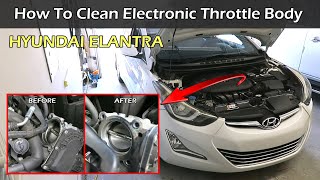
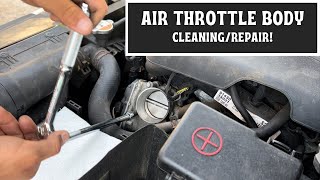
Typical fix: Clean the throttle body thoroughly with a dedicated throttle body cleaner and a soft cloth or brush. 🎬 Watch: A step-by-step guide to cleaning your electronic throttle body. A throttle relearn procedure must be performed after cleaning.
Est. part cost: $5-$15 (for cleaner) - Failed Electronic Throttle Body Assembly 🟡 Medium Probability The internal electronic motor or the throttle position sensor (which is integrated into the assembly) can fail with age and heat cycles. This is a known issue on this platform if cleaning does not resolve the symptoms.
How to confirm: If cleaning the throttle body does not resolve the issue and the wiring is confirmed to be good, the throttle body assembly itself is the likely point of failure. This is often a process of elimination after cleaning.
Typical fix: Replace the entire electronic throttle body assembly. A throttle relearn procedure is required after installation.
Est. part cost: $150-$300 - Wiring Harness or Connector Issue ⚪ Low Probability While less common, damage from engine heat, vibration, or improper servicing can cause issues. Rodents have also been known to chew on the soy-based wiring insulation used in this era of Hyundai vehicles.
How to confirm: Inspect the wiring harness and connector at the electronic throttle body for any signs of damage, corrosion, or loose pins. Check for continuity and proper voltage at the connector with a multimeter, referencing a service manual for pinouts.
Typical fix: Repair the damaged section of wiring or clean/replace the connector.
Est. part cost: $10-$50
Rare But Worth Checking
- Faulty Powertrain Control Module (PCM/ECM): This is the least likely cause. The PCM should only be considered for replacement after all other possibilities (throttle body, wiring, connectors) have been exhaustively tested and ruled out. Generic definitions for P1607 often point to PCM failure, but for this specific Hyundai application, it is rarely the root cause.
Diagnosis Steps
- Confirm P1607 is the primary code stored using an OBD-II scanner.
- Disconnect the negative battery terminal.
- Remove the engine cover and air intake duct from the throttle body.
- Thoroughly clean the throttle plate and bore using throttle body cleaner and a soft rag. Gently open the plate with your finger to clean the edges. Do not spray aggressively into the electronic components.
- Reassemble the intake duct and reconnect the battery.
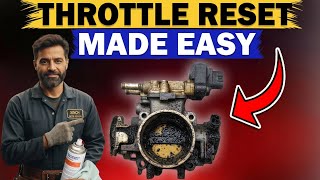
- Perform the throttle relearn procedure: Turn the ignition to the 'ON' position (do not start the engine) for at least 10-15 seconds. Then, turn the ignition 'OFF' for at least 10-15 seconds. The ECU has now relearned the closed position. 🎬 Watch: Quick methods to reset your throttle position sensor. You can now start the vehicle.
- Clear the code and test drive the vehicle. If the code and symptoms return, proceed to the next step.
- Inspect the throttle body electrical connector for corrosion, damage, or loose pins. Check the wiring harness for any visible damage.
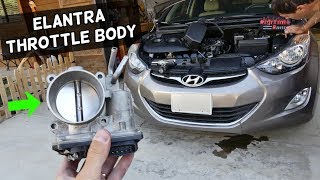
- If cleaning fails and the wiring appears intact, the most probable cause is a faulty electronic throttle body. Replace the throttle body assembly, ensuring you use a new gasket. 🎬 See this walkthrough on how to replace the throttle body assembly.
- Perform the throttle relearn procedure again after replacement.
Parts You'll Likely Need
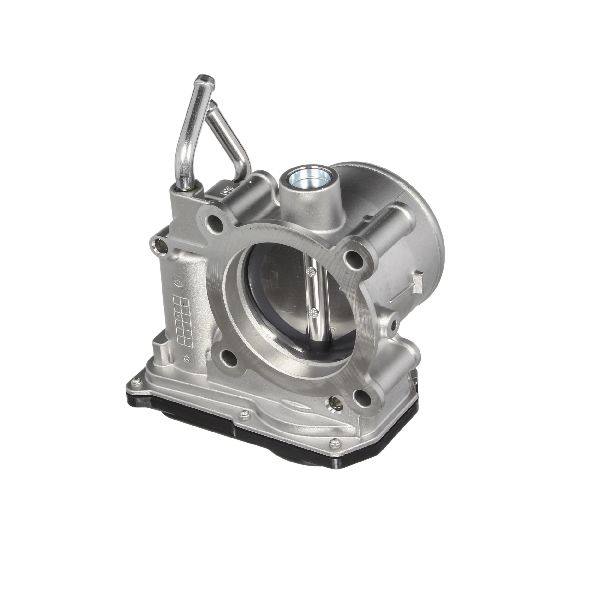
- Electronic Throttle Body Assembly
(OEM #35100-2E000)— This is the most common part to fail when cleaning does not resolve the P1607 code and associated symptoms. This part number is confirmed to fit the 2011-2016 Elantra with the 1.8L MPI engine.
Trusted brands: Hyundai (OEM), Bosch, Cardone, Standard Motor Products
OEM price range: $250-$350
Aftermarket price range: $150-$250 - Throttle Body Cleaner — This is required for the first and most common diagnostic/repair step, which is cleaning the carbon buildup from the throttle plate, as recommended by Hyundai TSB 13-FL-002.
Trusted brands: CRC, Berryman, WD-40 Specialist
Aftermarket price range: $5-$15
Technical Service Bulletins (TSBs) & Recalls
- TSB 13-FL-002: This Technical Service Bulletin provides a detailed procedure for cleaning the Electronic Throttle Control (ETC) throttle body on various Hyundai models, including the Elantra. It explicitly states that the throttle body should be cleaned before being replaced when diagnosing conditions like rough idle or stalling.
Platform-Specific Known Issues
- A user on a Hyundai forum reported their 2013 Elantra went into limp mode with P1607. After cleaning the throttle body with no success, they replaced the entire assembly (Part No. 35100-2E000), which completely resolved the issue.
- Multiple YouTube videos demonstrate the cleaning procedure specifically for the 2011-2016 Elantra, highlighting how common carbon buildup is and showing the exact steps for removal and cleaning.
Mechanic-Grade Diagnostic Values
- TPS1 Signal Voltage (KOEO, closed throttle) — expected: ~0.5V - 0.7V. Failure: Voltage is near 0V, at 5V, or does not change smoothly when the throttle is opened.
- TPS2 Signal Voltage (KOEO, closed throttle) — expected: ~4.5V. Failure: Voltage is significantly different or does not change smoothly and inversely to TPS1 when the throttle is opened.
- Throttle Body Connector 5V Reference — expected: 4.8V - 5.2V. Failure: Voltage is low or absent, indicating a wiring issue or a problem with the PCM's 5V reference circuit.
- Throttle Body Connector Ground Pin Resistance — expected: < 1.0 Ω (measured to chassis ground). Failure: High resistance indicates a poor ground connection, which can cause erratic sensor readings.
Scan Tool Commands That Help
- Manual Procedure (No Tool): Throttle Position Relearn — Required after cleaning or replacing the throttle body to reset the learned closed-throttle position. Turn ignition to 'ON' (engine off) for 10-15 seconds, then turn 'OFF' for 10-15 seconds. The ECU relearns the new idle position.
- Hyundai GDS (or equivalent professional scanner): Reset Adaptive Values / Throttle Body Adaptation — This is the dealership/shop method to perform the same function as the manual relearn. It's used after throttle body replacement to ensure the PCM's learned values are reset and calibrated to the new part.
Wiring & Ground Locations
- Electronic Throttle Body Connector (6-pin) — Connected directly to the electronic throttle body, between the air intake hose and the intake manifold.. This is the single connection point for all signals and power related to the throttle body. A bad connection here is a primary cause of communication errors. The pinout is: Pin 1 (Motor +), Pin 2 (Motor -), Pin 3 (TPS2 Signal), Pin 4 (Sensor Ground), Pin 5 (TPS1 Signal), Pin 6 (5V Reference).
- GC602 — A primary ground point for the Powertrain Control Module (PCM).. A poor ground at this location can cause erratic voltage readings and communication faults across multiple systems controlled by the PCM, potentially triggering a false P1607.
- GM01 / GM02 — GM01 is located at the left top of the dash panel; GM02 is at the right center of the dash.. These are major body and module ground points. While less direct than the PCM ground, a fault at one of these locations can introduce electrical noise and intermittent communication issues throughout the vehicle.
- PCM/ECM Location — Located in the left rear of the engine compartment.. Knowing the physical location is necessary for inspecting the main PCM connectors and tracing the harness back from the throttle body.
OEM Part Supersession History
35100-2E000→No supersession found.— The original part number appears to be stable and covers the entire 2011-2016 model range and beyond for the specified engines.
Model Year Variations Within This Range
- 2014-2016: A mid-cycle facelift was introduced for the 2014 model year, which included minor cosmetic updates and a slight de-rating of the 1.8L engine from 148hp to 145hp. However, the electronic throttle body part number (35100-2E000) and the P1607 fault condition remained consistent for the 1.8L engine across the entire 2011-2016 range.
Diagnostic Flowchart
Other Known Issues on This Vehicle
Issues unrelated to this code that are worth knowing about as an owner of this generation:
- Engine Ticking / Piston Slap 🔴 High — Widespread issue, often noticeable on cold starts. Can lead to engine block damage or failure. A class-action lawsuit was settled regarding this issue. (Ref: Warranty Extension Program (TXXK) and related TSBs (22-EM-007H, 22-EM-009H) were issued to address inspection and long block replacement for qualifying vehicles.)
- Worn Steering Coupler 🟠 Medium — Very common. Owners report a clicking or 'thud' noise in the steering column when turning the wheel. (Ref: Hyundai extended the warranty for the MDPS (Motor Driven Power Steering) coupler to 10 years/100,000 miles. See TSB 17-ST-002.)
- Timing Chain Guide Failure 🔴 High — Can occur as the vehicle ages. The plastic guides become brittle and break, causing chain slap, rattling noises, and potentially allowing the chain to jump timing, resulting in a no-start condition. (Ref: No specific recall, but often diagnosed with codes P0340 or P0016.)
- Premature Alternator Failure 🟡 Low — Some owners report needing to replace the alternator more frequently than expected, sometimes annually.
Used vs. New Parts: Buying Guide for This Vehicle
When a used part is the smart pick: A used throttle body from a junkyard or online seller is a reasonable budget-friendly option for this repair, as the failure is electronic and not always tied to mechanical wear. The cost savings can be significant compared to a new OEM part.
Donor-vehicle mileage cap: roughly under 80000 miles for the part to have meaningful remaining life.
What to inspect on the donor part:
- Source from a vehicle with documented low mileage if possible.
- Visually inspect the throttle bore for excessive carbon buildup; a cleaner part suggests better engine health.
- Ensure the electrical connector pins are straight, clean, and free of corrosion.
- Manually (with ignition off) move the throttle plate; it should move smoothly without binding or sticking.
- Prefer parts from vehicles involved in rear-end collisions, as the engine components are less likely to be damaged.
Aftermarket brands forum-validated for this vehicle:
- Hitachi: Often an OEM supplier for many brands, known for quality electronics.
- Standard Motor Products (SMP): A well-regarded aftermarket brand with a reputation for reliable sensors and electronic components.
Brands owners have reported issues with on this vehicle:
- A1 Cardone: This is a remanufactured part. While it can be a cost-effective option, quality can be inconsistent. It is a viable choice if on a tight budget, but inspect the part carefully upon receipt.
- Unbranded/White-box parts: Avoid extremely cheap, no-name parts from online marketplaces, as their internal electronics and sensor accuracy are highly questionable.
Real Owner Stories
Aggregated from forums and TSBs cited above. Mileages and costs reflect what owners reported in those sources.
2013 Hyundai Elantra 1.8L Nu
Symptoms: The vehicle suddenly entered limp mode with the P1607 code stored.
What fixed it: After an unsuccessful attempt at cleaning the throttle body, the owner replaced the entire assembly (Part No. 35100-2E000), which resolved the issue.
Source hint: vehicle_specific_issues
2011-2016 Hyundai Elantra (MD/UD)
Symptoms: Sudden limp mode and throttle-related error codes.
What fixed it: A thorough cleaning of the throttle body or full replacement of the unit.
Source hint: hyundai-forums.com
Related OBD-II Codes
Frequently Asked Questions
Does TSB 13-FL-002 apply to my 2011-2016 Hyundai Elantra for code P1607?
What is the specific part number for the throttle body if I need to replace it on my 1.8L Nu engine?
Is there a specific procedure I need to follow after cleaning the throttle body to clear the P1607 code?
Can I use a used throttle body from a different Hyundai or Kia model to fix this?
My Elantra has a clicking noise in the steering column; is that related to the P1607 throttle code?
Could my P1607 code be caused by rodents?
Helpful Videos
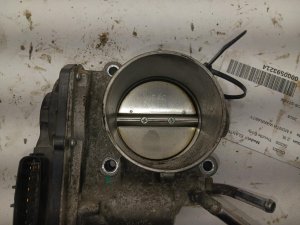
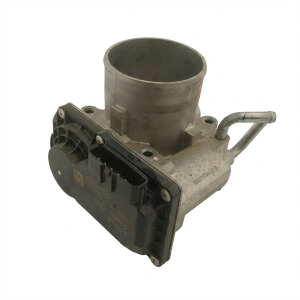
Used OEM Parts in Stock

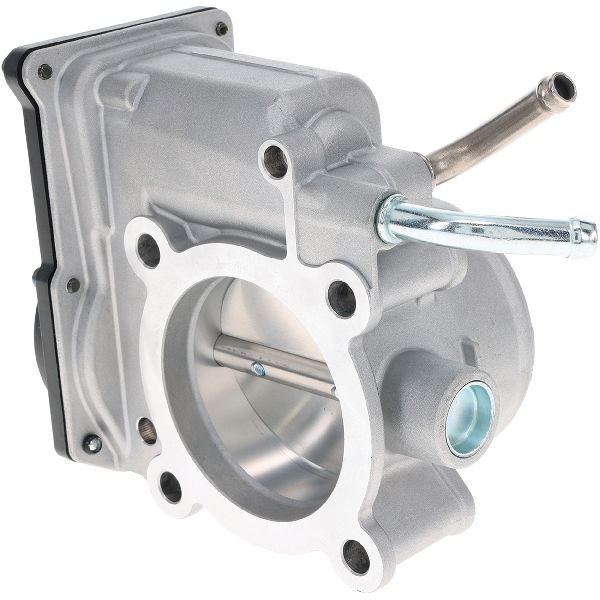
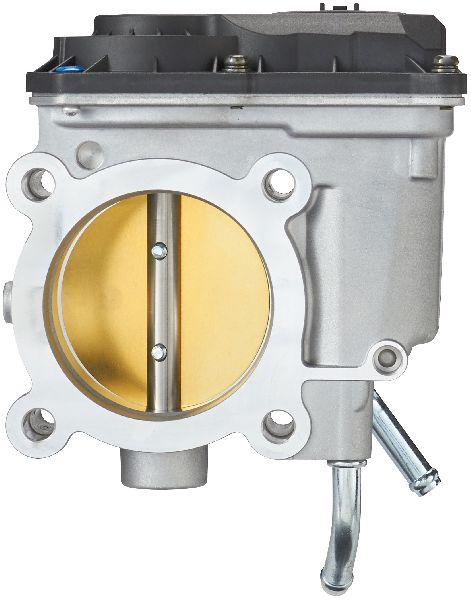
New Aftermarket Parts Available



The information in this article is provided for general reference and educational purposes only. Vehicle specifications, procedures, and part compatibility can vary by production date, trim level, and region. Always consult your vehicle's factory service manual and verify part numbers before purchasing or performing repairs. Safety-critical components such as airbags, seat belts, and braking systems should be installed by a qualified professional.
- Hyundai Elantra:
- 🎬 Helpful Videos
- 🛍️ Shop This Part
- What's Unique About the 2011-2016 Hyundai Elantra
- Symptoms You May Notice
- Most Likely Causes
- Rare But Worth Checking
- Diagnosis Steps
- Parts You'll Likely Need
- Technical Service Bulletins (TSBs) & Recalls
- Platform-Specific Known Issues
- Mechanic-Grade Diagnostic Values
- Scan Tool Commands That Help
- Wiring & Ground Locations
- OEM Part Supersession History
- Model Year Variations Within This Range
- Diagnostic Flowchart
- Other Known Issues on This Vehicle
- Used vs. New Parts: Buying Guide for This Vehicle
- Real Owner Stories
- 2013 Hyundai Elantra 1.8L Nu
- 2011-2016 Hyundai Elantra (MD/UD)
- Related OBD-II Codes
- Frequently Asked Questions
- 🎟️ Get 5% Off