

P1607 on 2008-2014 Dodge Avenger 2.4L: PCM Shutdown Timer Fault Causes and Fixes
On a 2008-2014 Dodge Avenger, code P1607 is most often caused by a weak battery, a faulty PCM power relay, or a software glitch. Before considering an expensive PCM replacement, thoroughly test the battery and charging system and try swapping the PCM power relay. A failing Totally Integrated Power Module (TIPM) is a less common but possible cause.
- Do not rush to replace the PCM; it is rarely the initial problem.
- Start your diagnosis with the simplest and most common issues: the battery and the PCM power relay.
- A professional battery load test is essential; a simple voltage check is not enough.
- If the battery and relay are good, a software update (reflash) from a dealer is the next most likely fix, based on manufacturer TSBs for this engine family.
- Consider the TIPM as a potential cause if other unrelated electrical problems are also occurring.
What's Unique About the 2008-2014 Dodge Avenger

The Dodge Avenger, along with its platform mates like the Chrysler 200 and Dodge Journey, is highly sensitive to battery voltage. Electrical system stability is crucial, and this code is often one of the first signs of a weak battery or poor connection, long before a no-start condition occurs. While Chrysler later issued software updates (reflashes) for this exact code on newer models with the same 2.4L engine family, the issue's root in software or voltage instability is a known characteristic of this platform's electronics, particularly the Totally Integrated Power Module (TIPM).
Symptoms You May Notice
- Check Engine Light (CEL) is on 🎬 Watch this video to understand what causes the P1607 code.
- Hard starting, especially when the engine is cold
- Intermittent no-start condition
- Engine may stall unexpectedly, sometimes when coming to a stop or turning.
- Erratic behavior of other electronic components (e.g., headlights, wipers) if the TIPM is the cause.
- Replacing the PCM without first checking for software updates, a weak battery, or a bad relay.
- Replacing temperature sensors, as the code logic involves them but they are rarely the cause.
Most Likely Causes

- Weak or Failing Battery 🔴 High Probability These vehicles are known to be sensitive to low system voltage, which can disrupt the PCM's shutdown procedures and corrupt its timer logic. A voltage drop during the shutdown sequence is a primary trigger.
How to confirm: Perform a comprehensive battery test using a digital load tester, not just a voltage check. 🎬 Follow this step-by-step guide to fix the P1607 error. A healthy resting battery should be ~12.6V, but it must also hold its voltage under load. Most auto parts stores can perform this test for free. A Spanish-language forum user with a similar Dodge confirmed a new battery resolved the issue even when the old one seemed to hold a charge.
Typical fix: Replace the vehicle's 12V battery. Ensure the new battery meets or exceeds OEM specifications. After replacement, check for parasitic draw that could have prematurely killed the old battery.
Est. part cost: $150-$250 - PCM Software Anomaly 🟡 Medium Probability Chrysler/Dodge released software updates (TSBs) for newer models with similar 2.4L engines to fix this exact code, suggesting the original software logic is prone to this error. TSBs like 18-081-17 for the Dodge Journey and 18-023-16 for the Chrysler 200 specifically list P1607 as being resolved by a PCM reflash.
How to confirm: A Dodge dealership or a qualified shop with a wiTECH or J2534 pass-through device can check if a software update is available for your vehicle's VIN and current PCM calibration.
Typical fix: Update the PCM software (reflash). This is a service performed at a dealership or properly equipped independent shop.
Est. part cost: $100-$250 - Faulty PCM Power Relay 🟡 Medium Probability Relays are mechanical components within the TIPM that can fail over time, causing intermittent power loss to the PCM during its critical shutdown and power-down sequences.
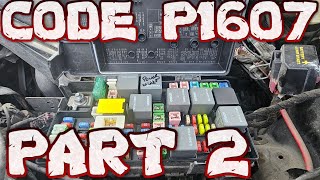
How to confirm: Locate the PCM power relay in the under-hood fuse box (Totally Integrated Power Module or TIPM). Swap it with an identical relay from a non-critical system (like the horn) and see if the code clears and stays away. A YouTube video on a 2010 Dodge Journey with the same 2.4L engine showed this exact fix.
Typical fix: Replace the faulty relay. It's a simple plug-and-play part.
Est. part cost: $10-$30 - Poor Power/Ground Connections ⚪ Low Probability The battery's location in the fender well can make terminals difficult to inspect and clean, potentially leading to corrosion over time. Main chassis and engine grounds can also corrode, causing unstable voltage.
How to confirm: Visually inspect and physically check the battery terminals, main engine/chassis ground straps, and the PCM connectors for looseness, corrosion, or damage. Use a voltmeter to perform a voltage drop test across the main power and ground cables to identify high resistance.
Typical fix: Clean or tighten all corroded or loose connections. Replace damaged battery terminal ends or ground straps.
Est. part cost: $5-$50
Rare But Worth Checking
- Powertrain Control Module (PCM) Hardware Failure: This should be the last consideration after all other causes, especially software, battery, and relay issues, have been definitively ruled out. A PCM is expensive and requires programming.
- Failing Totally Integrated Power Module (TIPM): The TIPM (under-hood fuse box) contains internal relays and circuitry that can fail, causing a host of electrical problems, including intermittent power to the PCM. Symptoms often include other unrelated electrical issues. Repair services exist that can fix a faulty TIPM without needing a full replacement.
Diagnosis Steps
- Read the code with an OBD-II scanner to confirm P1607 is present.
- Perform a full diagnostic test on the battery and charging system. The battery must be load-tested, not just checked for voltage. A resting voltage below 12.4V is a red flag.
- Inspect the battery terminals and main ground connections for cleanliness and tightness. Clean any corrosion found.
- Check for parasitic draw. With the vehicle off for at least 30 minutes, use a multimeter in series with the negative battery cable to check for current draw. A draw over 50mA could indicate a module is not sleeping properly and is draining the battery.
- Locate the PCM power relay in the under-hood fuse box (TIPM). Swap it with an identical relay from a non-critical circuit (e.g., horn) to see if the issue is resolved.
- If the battery, connections, and relay are good, clear the code and perform a drive cycle. If the code returns, the next step is to investigate a PCM software update.
- Contact a Dodge dealership or qualified repair shop with your VIN to determine if a PCM software reflash is available and applicable.
- If the code still persists, begin testing the PCM power and ground circuits for integrity using a multimeter and wiring diagrams, per factory diagnostic procedures. Check for stable voltage at the PCM connectors during on, off, and cranking states.
- If other strange electrical issues are present (wipers, lights, etc.), investigate the TIPM for internal faults.
- Only after all other steps have failed should you consider replacing the Powertrain Control Module.
Parts You'll Likely Need

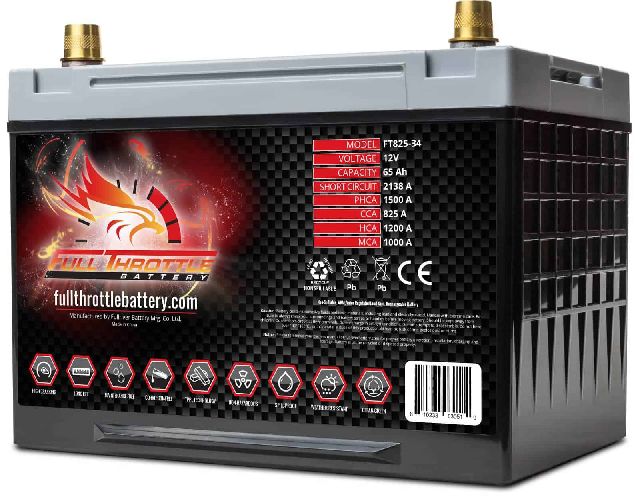
- Automotive Battery — A weak battery is a leading cause of this code on Dodge Avengers due to the platform's sensitivity to low voltage.
Trusted brands: Mopar, Interstate, DieHard
OEM price range: $200-$300
Aftermarket price range: $150-$250 - PCM Power Relay
(OEM #Mopar 56044943AE (or equivalent multi-use relay))— A faulty relay can cause intermittent power to the PCM, triggering this timer rationality fault. It's an inexpensive and common point of failure.
Trusted brands: Mopar, Hella, Standard Motor Products
OEM price range: $20-$40
Aftermarket price range: $10-$20 - Powertrain Control Module (PCM) Software Update — This is not a physical part, but a service. A software glitch is a highly probable cause, and an update is the only fix.
OEM price range: $100-$250
Aftermarket price range: N/A
Related Codes That Often Appear With This One
- P2610 — This code, 'PCM Internal Engine Off Timer Performance', is very similar and points to the same internal timer logic issue within the PCM. TSBs often list both P1607 and P2610 as being fixed by the same software update.
- P0335 — Crankshaft Position Sensor Circuit. This code is also frequently mentioned in the same TSBs for PCM updates, suggesting the software glitch can affect how the PCM interprets critical sensor data.
- U0140 — Lost Communication With Body Control Module. This indicates a broader network communication issue that can stem from the PCM's instability or a faulty TIPM.
Technical Service Bulletins (TSBs) & Recalls

- TSB 18-081-17: While for the 2015 Dodge Journey 2.4L, it specifically lists P1607 as a code to be fixed by a PCM software update, showing a pattern for this engine family.
Platform-Specific Known Issues
- The Totally Integrated Power Module (TIPM), which serves as the main fuse and relay center, is a well-documented point of failure on this generation of Chrysler/Dodge vehicles. Internal corrosion or failing soldered relays can cause intermittent power to various components, including the PCM, leading to codes like P1607 and other bizarre electrical symptoms. Several companies offer repair services for these modules, which is often more cost-effective than a full replacement from the dealer.
Mechanic-Grade Diagnostic Values
- Battery Voltage (Engine Off, Resting) — expected: 12.6V or higher. Failure: Below 12.4V indicates a weak or discharged battery that can cause electronic faults.
- Charging System Voltage (Engine Running) — expected: 13.5V - 14.5V. Failure: Voltage outside this range points to an alternator or voltage regulator issue.
- PCM Power Relay Coil Resistance — expected: Approximately 70-90 Ohms. Failure: A reading of OL (open circuit) or near-zero ohms (short circuit) indicates a faulty relay.
- Ground Connection Voltage Drop (PCM Ground to Negative Battery Terminal) — expected: Less than 50 millivolts (0.050 V). Failure: Voltage drop exceeding 50mV indicates excessive resistance in the ground circuit, requiring cleaning or repair of the ground point.
- PCM Input Voltage (Live Data on Scan Tool) — expected: Must stay within 9V - 16V. Failure: Voltage dropping below 9V, especially during cranking, can corrupt PCM memory and trigger this fault.
Scan Tool Commands That Help
- wiTECH or other J2534 device: Reprogram PCM with latest software — This is the primary fix if the battery and relay are confirmed good, as TSBs for similar platforms indicate a software bug is a common cause for P1607.
Wiring & Ground Locations

- PCM Power Relay — In the under-hood fuse box (TIPM), typically in socket K5.. This relay supplies power to the PCM. Corrosion or failure of this relay will interrupt power during the shutdown sequence, directly causing the P1607 timer fault.
- G300 — Center floor, to the right of the transmission tunnel.. This is a major interior ground point. Poor connection here can cause various intermittent electrical issues inside the cabin.
- G301 — Near the base of the left (driver's side) 'B' pillar.. A key chassis ground point. Verifying it is clean and tight is crucial for overall electrical stability.
- G320 / G321 — On the left side of the engine compartment.. These are primary engine compartment grounds. A poor connection here can directly affect the PCM and other engine management components.
- TIPM Connector C6 — One of the large multi-pin connectors on the bottom of the Totally Integrated Power Module (fuse box).. This connector carries critical power and data signals. Corrosion on the pins of this connector is a known issue and can cause P1607 along with other electrical faults.
Real Owner Repair Stories
- YouTube channel 'Double DDIY' (2010 Dodge Journey SE 2.4L (similar platform and engine)) — Check Engine Light with code P1607, 'PCM shutdown timer'.
❌ Tried (didn't work) The video directly identified the relay as the likely cause after checking the code, bypassing other steps.
✅ What actually fixed it The PCM power relay (K5) in the under-hood fuse box was found to be heavily corroded. Replacing the relay resolved the code.
Model Year Variations Within This Range
- 2011-2013: These model years were included in Chrysler recall N38, which involved a mandatory software flash for the Totally Integrated Power Module (TIPM) to correct issues with active head restraints. While not directly for P1607, it indicates a period of known electrical instability and software revisions for the vehicle's core electrical module.
Diagnostic Flowchart
Used vs. New Parts: Buying Guide for This Vehicle
When a used part is the smart pick: A used PCM Power Relay from a junkyard is a very smart and cost-effective diagnostic step. Since it's a simple swap, you can pull one from a donor vehicle to confirm if it fixes the problem before buying a new part. A complete used TIPM can also be an option, but carries more risk.
Donor-vehicle mileage cap: roughly under 120000 miles for the part to have meaningful remaining life.
What to inspect on the donor part:
- For a relay, check the pins for any signs of green or white corrosion or heat discoloration.
- For a TIPM, inspect the exterior for cracks or water damage. Unplug a few connectors (like C6) and look at the pins on the module itself for any corrosion. Avoid any TIPM that shows signs of water intrusion.
- Check the donor vehicle's CarFax or history if possible to see if it was from a flood-prone region.
OEM-only on this vehicle (don't cheap out):
- Powertrain Control Module (PCM): While used PCMs are available, they are often VIN-locked and require specialized programming to work with your vehicle's keys and options. The cost and complexity of reprogramming often make a professionally refurbished or new OEM unit a more reliable choice.
Aftermarket brands forum-validated for this vehicle:
- For relays: Standard Motor Products (SMP), Hella, Bosch.
- For batteries: Interstate, DieHard, Duralast Gold.
Brands owners have reported issues with on this vehicle:
- Ultra-cheap, no-name relays from online marketplaces can have high failure rates and are not recommended for critical components like the PCM power supply.
Real Owner Stories
Aggregated from forums and TSBs cited above. Mileages and costs reflect what owners reported in those sources.
2011 Dodge Avenger 2.4L
Symptoms: Occasional stutter/stumble while driving and sometimes stalls while idling at a stop. The P1607 code is always present and comes back immediately after being cleared.
What fixed it: The report did not specify the final repair.
Source hint: Reddit r/AskAMechanic
Dodge (platform-mate vehicle)
Symptoms: Check Engine Light with code P1607 was present, even though the old battery appeared to hold a charge.
What fixed it: Replacing the vehicle's 12V battery resolved the code.
Source hint: Foro Dodge (Spanish) - 'MIL Codigo de Averia P1607'
2010 Dodge Journey 2.4L
Symptoms: P1607 code was present, causing starting and running issues.
What fixed it: Swapping the faulty PCM power relay in the TIPM with an identical, known-good relay.
Source hint: YouTube video on a 2010 Dodge Journey 2.4L (cited in article context)
2007 Chrysler Sebring 2.4L
Symptoms: Vehicle had starting problems and a P1607 code.
What fixed it: The final resolution was not specified in the forum thread, but discussion pointed towards checking for parasitic draw or computer issues after confirming the battery and alternator were good.
Source hint: Chrysler Forum - '2007 Sebring 2.4 L starting issues'
Related OBD-II Codes
Frequently Asked Questions
My Avenger's battery seems fine and reads 12.5V. Could it still be the cause of my P1607 code?
I heard the TIPM is a common problem on these cars. Could a bad TIPM cause the P1607 code?
Is there a software update or reflash from Dodge to fix P1607 on my Avenger?
What is the easiest and cheapest thing I can try myself to fix P1607?
My headlights and wipers are acting weird at the same time I got the P1607 code. Are these issues related?
Where are the most important ground connections to check for this code?
Helpful Videos
Used OEM Parts in Stock


New Aftermarket Parts Available

The information in this article is provided for general reference and educational purposes only. Vehicle specifications, procedures, and part compatibility can vary by production date, trim level, and region. Always consult your vehicle's factory service manual and verify part numbers before purchasing or performing repairs. Safety-critical components such as airbags, seat belts, and braking systems should be installed by a qualified professional.
- Dodge Avenger:
- 🎬 Helpful Videos
- 🛍️ Shop This Part
- What's Unique About the 2008-2014 Dodge Avenger
- Symptoms You May Notice
- Most Likely Causes
- Rare But Worth Checking
- Diagnosis Steps
- Parts You'll Likely Need
- Related Codes That Often Appear With This One
- Technical Service Bulletins (TSBs) & Recalls
- Platform-Specific Known Issues
- Mechanic-Grade Diagnostic Values
- Scan Tool Commands That Help
- Wiring & Ground Locations
- Real Owner Repair Stories
- Model Year Variations Within This Range
- Diagnostic Flowchart
- Used vs. New Parts: Buying Guide for This Vehicle
- Real Owner Stories
- 2011 Dodge Avenger 2.4L
- Dodge (platform-mate vehicle)
- 2010 Dodge Journey 2.4L
- 2007 Chrysler Sebring 2.4L
- Related OBD-II Codes
- Frequently Asked Questions
- 🎟️ Get 5% Off