

P1524 on 2012-2016 Mazda 3 SKYACTIV: Understanding Scan Tool Errors and the Real Oil Pressure Issue (P0524)
P1524 is not a valid Mazda code. It's a scan tool error. The actual problem is almost always low oil pressure, which sets code P0524. This is often caused by debris in the oil system, not a bad oil pump. An engine oil flush and oil control valve cleaning may fix it.
- P1524 is the wrong code for your Mazda. Your scan tool is making a mistake.
- The real trouble code is almost certainly P0524, which means 'Engine Oil Pressure Too Low'.
- DO NOT drive the vehicle. Low oil pressure can quickly destroy the engine.
- The most common cause is not a failed oil pump, but debris in the oil system, as per Mazda TSB 01-009/16.
- Start diagnosis by checking the oil level, changing the oil and filter, and attempting the TSB procedure to dislodge debris before replacing expensive parts.
What's Unique About the 2012-2016 Mazda 3
The key issue for this code on a Mazda 3 is one of code confusion. Many generic or multi-brand scan tools incorrectly map a Mazda-specific fault to the P1524 code, which belongs to other carmakers. The actual underlying problem on the SKYACTIV-G engine is typically related to Mazda's official P0524 code. A Technical Service Bulletin (TSB 01-009/16) directly addresses this issue, noting that low oil pressure is often caused by small pieces of debris getting stuck in the oil control valve (OCV) or the oil pump's pressure relief valve, rather than a complete pump failure. This debris interrupts normal oil pressure regulation, which can also lead to related timing codes like P0015.
Generation note: This guide covers the late second-generation (BL, 2012-2013) and early third-generation (BM/BN, 2014-2016) Mazda 3 models equipped with the SKYACTIV-G engine. The underlying issue, as described in Mazda TSB 01-009/16, applies to all SKYACTIV engines in this year range, including those in the Mazda6 and CX-5.
Symptoms You May Notice
- Check Engine Light is on
- Red oil pressure warning light may be on
- Rough or unstable idle
- Engine stalling
- Sluggish acceleration or reduced engine power (limp mode), sometimes limiting RPMs to around 2000.
- Ticking or rattling noises from the top of the engine
- Hesitation or clunking from the automatic transmission as a secondary effect of erratic engine operation
- Searching for fixes related to a Chrysler/Dodge/Jeep P1524 code.
- Replacing the oil pump without first following the TSB procedure to check for debris in the OCV or pressure relief valve.
- Replacing the camshaft position sensor for a P0015 code without addressing the underlying P0524 oil pressure issue first.
Most Likely Causes
- Scan Tool Error / Incorrect Code 🔴 High Probability Generic scan tools often have incomplete or inaccurate libraries for manufacturer-specific codes, leading them to display a known code (like P1524 from Mopar) instead of the correct Mazda-specific one.
How to confirm: Re-scan the vehicle with a professional-grade diagnostic tool or one known to be fully compatible with Mazda. The tool should display P0524, and often P0015 as well.
Typical fix: Confirming the correct code is the first step. The actual fix will target the cause of the real code (P0524).
Est. part cost: $0 - Debris in Oil Control Valve (OCV) or Oil Pump Pressure Relief Valve 🔴 High Probability Mazda TSB 01-009/16 specifically identifies this as a common cause for low oil pressure codes (P0524) on SKYACTIV engines. Small foreign objects, sometimes from manufacturing or previous repairs, can temporarily lodge in these critical components, causing a sudden drop in pressure.
How to confirm: Follow the diagnostic procedure in TSB 01-009/16, which involves revving the engine to dislodge debris and then performing an oil pressure test to see if pressure returns to normal. If pressure remains low, the OCV may need to be removed for inspection and cleaning.
Typical fix: In many cases, the TSB procedure of revving the engine can dislodge the debris. If not, the fix involves removing and cleaning or replacing the Oil Control Valve (OCV). An engine oil and filter change is required. In some cases, the TSB advises cleaning the oil pan and replacing the oil strainer.
Est. part cost: $100-$200 - Low Engine Oil Level or Incorrect Oil 🟡 Medium Probability
How to confirm: Check the engine oil level using the dipstick. Verify that the oil viscosity matches the manufacturer's specification (e.g., 0W-20 for most SKYACTIV-G engines). Low oil level is a frequent and simple cause for P0524.
Typical fix: Top off the oil to the correct level or perform a complete oil and filter change with the correct type of oil.
Est. part cost: $40-$80 - Clogged or Low-Quality Oil Filter ⚪ Low Probability
How to confirm: Inspect the oil filter. If it's a non-reputable brand or appears old/damaged, it could be restricting flow. This is often diagnosed by replacing it as part of an oil change. One owner on a Mazda forum reported that simply replacing a recently-installed filter solved the P0524 code. TSBs for later models specifically ask to verify if an OEM filter is being used.
Typical fix: Replace the oil filter with a high-quality or OEM part and change the engine oil.
Est. part cost: $10-$25
Rare But Worth Checking
- Failing Oil Pump: While possible, the official Mazda TSB suggests that debris in the system is a more frequent cause of these symptoms than outright pump failure. A full oil pressure test across different RPMs is needed to condemn the pump. In some warranty cases on platform mates, dealers have replaced the pump as part of a comprehensive repair.
- Faulty Oil Pressure Sensor/Switch: The sensor itself can fail and send incorrect readings to the ECU. If oil pressure tests normal with a mechanical gauge but the code persists, the sensor becomes a primary suspect. One owner on Reddit suspected an oil-saturated wiring connector to the sensor was the ultimate cause after replacing multiple other parts.
Diagnosis Steps
- Acknowledge that P1524 is not a valid Mazda code. The following steps are for diagnosing the likely underlying code, P0524.
- Verify the code with a different, high-quality scan tool to confirm if P0524 is present.
- DO NOT DRIVE. Check the engine oil level and condition. Top off or change the oil and filter if low, dirty, or incorrect.
- If the code persists, follow the procedure in TSB 01-009/16: With the engine warm, momentarily rev the engine to 4,000 RPM or more, 10 times. This may dislodge debris from the oil control valve or pressure relief valve.
- Clear the codes and test drive the vehicle to see if the light returns.
- If the code returns, perform a manual oil pressure test using a mechanical gauge to verify the actual engine oil pressure. Compare readings to the specifications in the service manual (e.g., at 650, 1,500, and 4,500 RPM).
- If oil pressure is low, suspect debris in the OCV, a clogged oil strainer, or a failing oil pump. Per the TSB, this may require cleaning the oil pan and replacing the oil strainer.
- If oil pressure tests normal, suspect a faulty oil pressure sensor or a wiring issue to the sensor.
Parts You'll Likely Need
- Engine Oil Control Valve (OCV)
(OEM #PE01-14-420A)— This valve is a primary suspect for collecting debris that causes a drop in oil pressure, as documented in Mazda TSB 01-009/16. It is also referred to as a VVT Solenoid.
Trusted brands: Mazda OE, Denso, Dorman
OEM price range: $150-$285
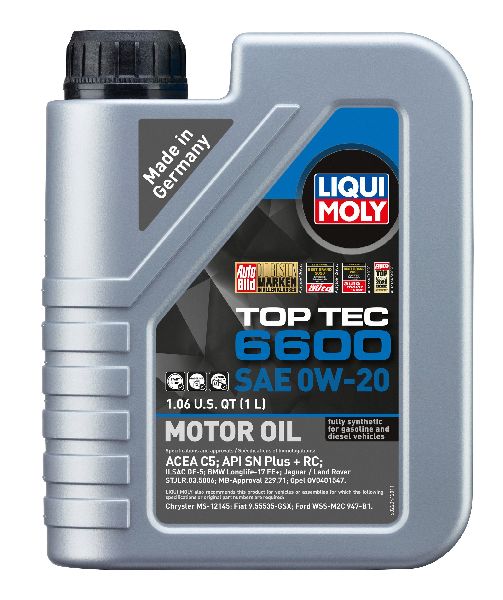
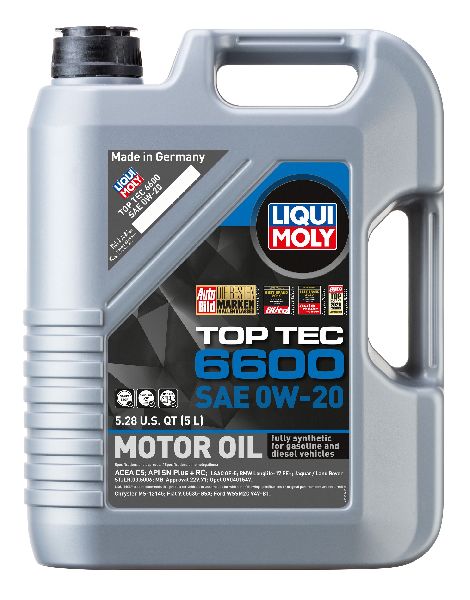
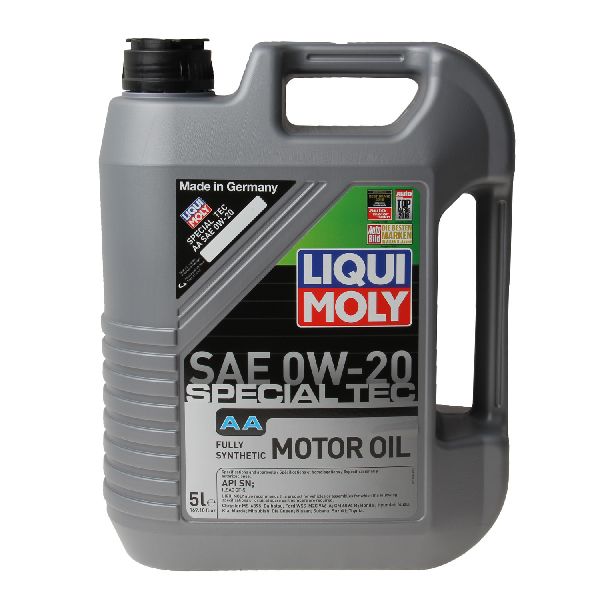
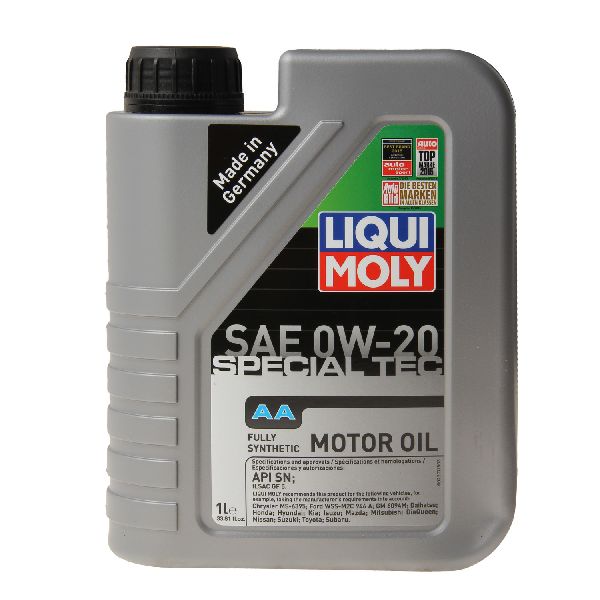
Aftermarket price range: $80-$150 - Engine Oil and Filter — Fresh, correct-viscosity oil and a new filter are essential first steps and are required after any repair involving the lubrication system. A faulty or clogged filter has been reported as a sole cause.
Trusted brands: Mazda OE Filter, Mobil 1, Castrol, Pennzoil
OEM price range: $50-$90
Aftermarket price range: $40-$70 - Engine Oil Pressure Sensor
(OEM #PY8V-18-541B)— If oil pressure is confirmed to be good with a mechanical gauge, the sensor that reports the pressure to the computer is likely faulty.
Trusted brands: Mazda OE, Bosch, Standard Motor Products (SMP)
OEM price range: $60-$100
Aftermarket price range: $30-$60
Related Codes That Often Appear With This One
- P0524 — This is the correct and official Mazda code for 'Engine Oil Pressure Too Low'. P1524 is likely a misinterpretation of this code by the scan tool.
- P0015 — Mazda TSB 01-009/16 lists P0524 and P0015 ('Exhaust CMP Timing Over-Retarded') together. Low oil pressure directly impacts the hydraulic operation of the variable valve timing (VVT) system, causing the camshaft timing to be incorrect.
- P055F — Mentioned in later TSBs for similar oil pressure issues on newer SKYACTIV engines, this code for 'Engine Oil Pressure Malfunction' can also point to the same root causes, like a sticking oil control valve.
Technical Service Bulletins (TSBs) & Recalls
- 01-009/16 - ROUGH IDLE WITH CHECK ENGINE LIGHT ON AND DTC P0015 / P0524. This TSB is central to understanding the actual problem, confirming it applies to 2012-2016 Mazda3 SKYACTIV models and points to debris as the cause.
Platform-Specific Known Issues
- Mazda Technical Service Bulletin 01-009/16 was issued to address a rough idle and Check Engine Light with codes P0524 and/or P0015, caused by debris in the oil system. This is the most likely root cause if a scan tool incorrectly shows P1524.
Mechanic-Grade Diagnostic Values
- Mechanical Engine Oil Pressure — expected: With engine at operating temperature (90°C / 194°F): >7 PSI at 650 RPM; 44-62 PSI at 4,500 RPM.. Failure: Pressure readings below these specifications indicate a mechanical fault (debris, failing pump).
- Exhaust Cam Angle Deviation (Scan Tool) — expected: The difference between the target exhaust valve angle (PID: VT_EX_DES) and the actual angle (PID: VT_EX_ACT) should be less than 5 degrees.. Failure: A difference of more than 5 degrees strongly suggests a faulty Oil Control Valve (OCV).
- Stepped Oil Pressure Control (Scan Tool PID) — expected: Pressure is actively managed. Expect <160 kPa (23 psi) at low speed/load (e.g., below 3500 rpm and 120 Nm) and >320 kPa (46 psi) at higher speeds and loads.. Failure: Pressure that is stuck low or high and does not respond to changes in engine load/speed could indicate a problem with the oil pump or control system.
Hidden / Shadow Codes Worth Checking
- P0524:00 / P0015:00: The ':00' is a Failure Type Code (FTC) that can be seen on professional scan tools. While not a 'hidden' code, it provides a slightly more detailed layer of information than the base P-code alone. For this issue, it simply confirms the general malfunction. (see via Mazda M-MDS or other professional-grade diagnostic scan tools.)
Scan Tool Commands That Help
- Mazda M-MDS or equivalent pro-level scanner: Oil Control Valve (OCV) Actuation Test — To functionally test the OCV solenoid. A technician can command the valve to cycle on and off while listening for an audible click, which helps confirm the solenoid is not seized.
- Mazda M-MDS or equivalent pro-level scanner: Live Data Monitoring (PIDs: OIL_TEMP, VT_EX_DES, VT_EX_ACT) — Essential for following the TSB diagnostic procedure. OIL_TEMP confirms the engine is at operating temperature for the pressure test, and comparing the target vs. actual cam angles is a key step to condemn the OCV.
Wiring & Ground Locations
- G02 — Located on the left side of the engine compartment.. A poor engine ground can cause erratic sensor readings and control module behavior. While not a primary cause for P0524, it should be checked if electrical issues are suspected.
- Oil Pressure Sensor Connector — On the engine block, connected to the oil pressure sensor. It is a single-terminal connector with a single 16-gauge wire.. This connector and its wiring are a potential point of failure. It can become contaminated with oil, leading to poor connections and false P0524 codes even when mechanical pressure is good.
Real Owner Repair Stories
- Reddit user on r/MechanicAdvice (via a platform-mate story) (2018 Mazda CX-5 2.5L (platform-mate with similar engine architecture)) — Intermittent Check Engine Light for low oil pressure, primarily occurring on longer highway drives.
❌ Tried (didn't work) Multiple oil changes, Replacement of the oil pressure sensor
✅ What actually fixed it The final suspected cause, though not definitively confirmed by the original poster, was the replacement of the oil-saturated pigtail connector for the oil pressure sensor. The theory was that the oil-soaked connection was causing an intermittent short or high resistance, triggering the code only after the engine was hot for an extended period.
OEM Part Supersession History
pe0114420→PE01-14-420A— Likely an internal revision to improve reliability or resistance to debris.
Heads up: The newer part number PE01-14-420A should be used for all repairs.PY8V-18-541B→PX9R-18-541— Part revision or change in supplier. The original part is noted as out of production.
Heads up: SH01-18-541 is also listed as an interchangeable or related part number. When replacing, it is critical to verify the latest part number with a Mazda dealer.
Model Year Variations Within This Range
- 2012-2013 vs 2014-2016: The TSB repair procedure for low oil pressure has a subtle difference. For 2012-2013 Mazda3 2.0L models, the procedure calls for cleaning the existing oil strainer if the oil pump is not replaced. For later models (and other SKYACTIV engines), the procedure specifies replacing the oil strainer with a modified part. This suggests a design change to the strainer after the 2013 model year.
Diagnostic Flowchart
Other Known Issues on This Vehicle
Issues unrelated to this code that are worth knowing about as an owner of this generation:
- Infotainment 'Ghost Touch' and Delamination 🟠 Medium — Very common on 2014-2016 models. The touchscreen registers phantom inputs or becomes unresponsive, often due to heat/humidity causing the digitizer to fail. (Ref: Mazda issued a warranty extension (SSPB6) for this issue on certain models, but it may now be expired.)
- Intake Valve Carbon Buildup 🟠 Medium — Inherent to all SKYACTIV-G (Gasoline Direct Injection) engines. Significant buildup can occur after 50,000-60,000 miles, potentially causing misfires (e.g., P0302), rough idle, and reduced performance.
- Automatic Transmission Hesitation/Harsh Shifts 🟡 Low — Some owners of 2012-2016 models report hesitation from a stop or harsh shifting. This can sometimes be addressed with a TCM software update or fluid change. (Ref: Mazda has issued TSBs for related transmission issues, often involving software updates.)
- Clutch Failure (Manual Transmission) 🟠 Medium — More prevalent on 2010-2012 models, some owners have experienced premature clutch wear or failure.
Used vs. New Parts: Buying Guide for This Vehicle
When a used part is the smart pick: For this specific issue, using used parts is generally not recommended for the core components. A used Oil Control Valve (OCV) or oil pump carries a high risk of containing the same debris that caused the original failure. A used oil pressure sensor from a low-mileage donor vehicle could be a viable, low-cost option if trying to diagnose a sensor-specific fault.
Donor-vehicle mileage cap: roughly under 60000 miles for the part to have meaningful remaining life.
What to inspect on the donor part:
- For a sensor, ensure the connector pins are clean, straight, and free of corrosion or oil contamination.
- Check the plastic housing for any cracks or signs of heat damage.
- Avoid any parts from a donor vehicle that shows signs of engine sludge or poor maintenance.
OEM-only on this vehicle (don't cheap out):
- Engine Oil Filter: Multiple sources and later TSBs emphasize using a genuine Mazda filter to ensure correct flow and bypass characteristics.
- Oil Control Valve (OCV): Given its central role in the TSB fix and the sensitivity of the VVT system, using an OEM valve (Mazda or original supplier like Denso) is strongly advised to ensure correct operation and longevity.
Aftermarket brands forum-validated for this vehicle:
- Denso (for Oil Control Valve - often the OEM supplier)
- Bosch (for Oil Pressure Sensor)
- Standard Motor Products / SMP (for Oil Pressure Sensor and connector pigtail)
Brands owners have reported issues with on this vehicle:
- Unbranded or 'white-box' oil filters
- No-name electronic sensors from online marketplaces
Real Owner Stories
Aggregated from forums and TSBs cited above. Mileages and costs reflect what owners reported in those sources.
2019 Mazda CX-3
Symptoms: Check engine light with code P0524. The owner initially replaced the oil pressure switch, but the code returned.
What fixed it: The problem was resolved by replacing the oil filter and eventually performing a full oil change, indicating a contamination or flow restriction issue.
Source hint: Mazda Forum - P0524 code on 2019 CX-3
2018 Mazda CX-5
Symptoms: Check Engine Light (P0524) occurring on a very new vehicle only 3 months old.
What fixed it: The case illustrates that debris-related oil pressure issues can occur even on low-mileage SKYACTIV platforms.
Source hint: Mazdas247 - P0524 Check Engine Light on 3 Month Old 2018 CX-5
2012-2016 Mazda 3 SKYACTIV-G
Symptoms: Rough idle and Check Engine Light on.
What fixed it: Following TSB 01-009/16 by revving the engine to 4,000+ RPM ten times to dislodge debris from the oil control valve or pressure relief valve.
Source hint: TSB 01-009/16
Mazda SKYACTIV-G (Year Unspecified)
Symptoms: Persistent P0524 code returning even after replacing the Oil Control Valve (OCV), oil pressure sensor, and oil pump.
What fixed it: The technician suspected an oil-saturated wiring connector for the pressure sensor was causing an electrical fault.
Source hint: Reddit r/mazda - Looking for Input - P0524 Code Keeps Returning
Related OBD-II Codes
Frequently Asked Questions
Does TSB 01-009/16 apply to my 2015 Mazda 3 with the SKYACTIV-G engine?
Why is my scan tool showing P1524 when that isn't a valid Mazda code?
Can a simple oil filter change fix the low oil pressure warning on my Mazda 3?
What is the 'revving procedure' mentioned in the Mazda service bulletin?
Is the 'Ghost Touch' infotainment issue related to the P1524/P0524 engine code?
Could my rough idle be caused by something other than oil pressure?
Used OEM Parts in Stock

New Aftermarket Parts Available

The information in this article is provided for general reference and educational purposes only. Vehicle specifications, procedures, and part compatibility can vary by production date, trim level, and region. Always consult your vehicle's factory service manual and verify part numbers before purchasing or performing repairs. Safety-critical components such as airbags, seat belts, and braking systems should be installed by a qualified professional.
- Mazda 3:
- 🛍️ Shop This Part
- What's Unique About the 2012-2016 Mazda 3
- Symptoms You May Notice
- Most Likely Causes
- Rare But Worth Checking
- Diagnosis Steps
- Parts You'll Likely Need
- Related Codes That Often Appear With This One
- Technical Service Bulletins (TSBs) & Recalls
- Platform-Specific Known Issues
- Mechanic-Grade Diagnostic Values
- Hidden / Shadow Codes Worth Checking
- Scan Tool Commands That Help
- Wiring & Ground Locations
- Real Owner Repair Stories
- OEM Part Supersession History
- Model Year Variations Within This Range
- Diagnostic Flowchart
- Other Known Issues on This Vehicle
- Used vs. New Parts: Buying Guide for This Vehicle
- Real Owner Stories
- 2019 Mazda CX-3
- 2018 Mazda CX-5
- 2012-2016 Mazda 3 SKYACTIV-G
- Mazda SKYACTIV-G (Year Unspecified)
- Related OBD-II Codes
- Frequently Asked Questions
- 🎟️ Get 5% Off