

P1450 on 2011-2018 Ford Edge: Causes and Fixes for 'Unable to Bleed Up Fuel Tank Vacuum'
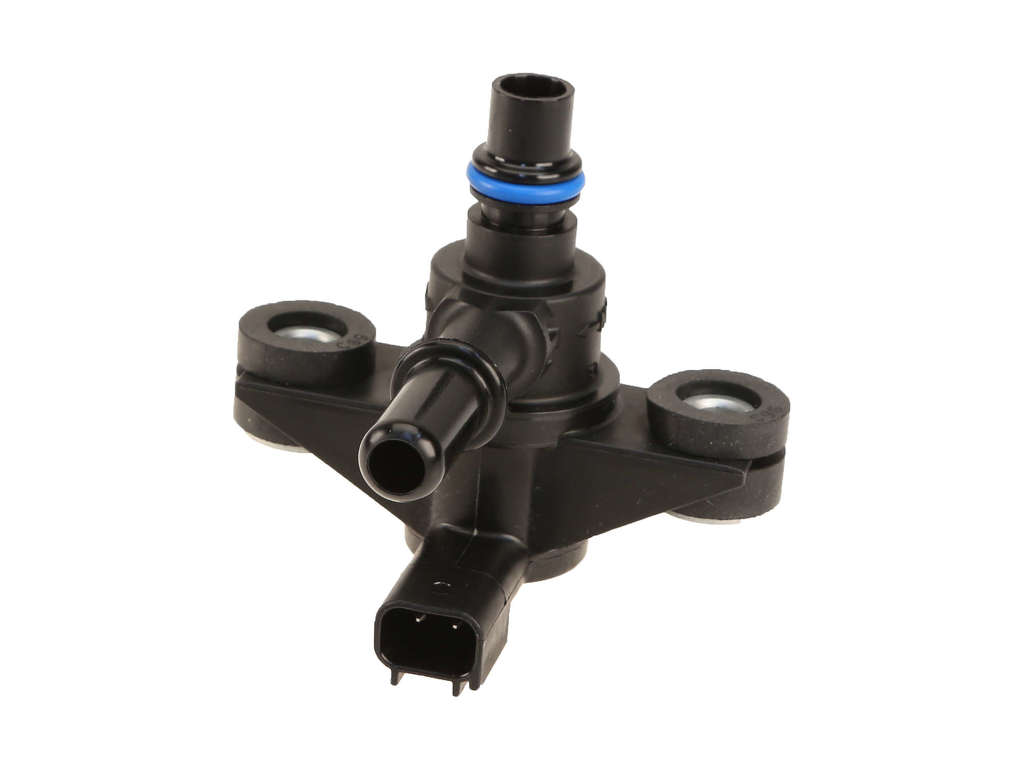
On a 2011-2018 Ford Edge, code P1450 is almost always caused by a faulty canister purge valve located in the engine bay. This part gets stuck open or leaks, causing constant engine vacuum on the fuel tank. Replacing the valve is a simple DIY fix, with the part costing approximately $30-$75. The issue is extremely common across Ford's lineup from this era.
- P1450 on a 2011-2018 Ford Edge almost always points to a faulty canister purge valve in the engine bay.
- The most common symptom, besides the Check Engine Light, is difficulty starting the car immediately after getting gas.
- You can diagnose the problem in minutes with no tools: unplug the purge valve's electrical connector, start the engine, and feel for suction on the valve's port. If vacuum is present, the part has failed.
- This is a very easy and inexpensive DIY repair that typically takes less than 20 minutes and requires only basic hand tools.
What's Unique About the 2011-2018 Ford Edge

The Ford Edge, like many other Ford models from this era (including the Explorer, Fusion, and Focus), is highly prone to this specific code due to a common failure of the canister purge valve. While the code's definition points to a vacuum issue, the root cause is almost never the gas cap or a major leak, but rather this specific valve sticking open. The diagnostic process is straightforward and consistent across the different engines offered in the Edge during this period (2.0L, 2.7L, 3.5L, 3.7L).
Generation note: This guide covers the first generation facelift (2011-2014) and the second generation (2015-2018) of the Ford Edge. The primary cause, the canister purge valve, and its replacement procedure are very similar for all engines across both generations. The part number and specific location may vary slightly between the 2.0L, 2.7L, and 3.5L/3.7L engines, but the function and failure mode are identical.
Symptoms You May Notice

- Check Engine Light is on
- Difficulty starting the engine, especially right after filling the gas tank. 🎬 Watch: See how a faulty valve causes starting issues after refueling.
- Engine may stall or run rough shortly after refueling.
- A 'whoosh' sound of rushing air when opening the gas cap, indicating a vacuum.
- In some cases, no noticeable symptoms other than the Check Engine Light.
- Reduced fuel economy due to un-metered fuel vapors entering the engine.
- Replacing the gas cap. While a loose gas cap can cause other EVAP codes (like P0455 or P0457), it is not the typical cause for P1450, which indicates excessive vacuum, not a large leak.
- Replacing the charcoal canister. The canister itself rarely fails in a way that causes this specific code, unless it has ruptured and sent charcoal beads into the lines, blocking the vent solenoid.
- Using a cheap aftermarket purge valve. Many forum users report that low-quality aftermarket purge valves from online marketplaces fail quickly, sometimes within a month, causing the P1450 code to return. It is highly recommended to use an OEM Motorcraft part.
Most Likely Causes

- Stuck-Open or Leaking Canister Purge Valve 🔴 High Probability This specific part has a very high failure rate across the Ford lineup from this period. The internal diaphragm or mechanism fails, allowing it to leak vacuum when it should be sealed, even when electrically disconnected.
How to confirm: With the engine running, disconnect the electrical connector and the EVAP hose from the purge valve in the engine bay. Place your finger or a vacuum gauge on the port of the valve itself (not the hose). If you feel any suction or see a vacuum reading, the valve is leaking internally and must be replaced. A properly functioning valve is normally closed and should not allow any vacuum to pass when de-energized.
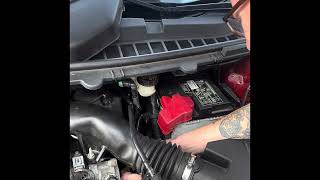
Typical fix: Replace the canister purge valve. It is typically mounted on or near the engine's intake manifold. 🎬 See this walkthrough for testing and replacing the purge valve.
Est. part cost: $30-$75
Rare But Worth Checking
- Blocked Canister Vent Solenoid or Hose: The canister vent solenoid is normally open to allow fresh air in. If it gets stuck closed or the vent hose gets clogged with dirt, debris, or spider webs, the system cannot bleed off vacuum, causing a P1450 code. This is a valid next step if the purge valve has been replaced with a quality OEM part and the code returns.
- Kinked or Collapsed EVAP Hose: A physically damaged or blocked hose between the charcoal canister, purge valve, or fuel tank can trap vacuum. This is worth inspecting, especially if recent work has been performed in the engine bay or under the vehicle.
- Faulty Fuel Tank Pressure (FTP) Sensor: In rare cases, the sensor that measures the tank pressure could provide a false reading to the PCM. This is unlikely and should only be considered after confirming the purge valve and vent path are working correctly. A scan tool showing stable and expected voltage (around 2.4V to 2.8V at rest) can help verify sensor function.
Diagnosis Steps

- Read the code with an OBD-II scanner to confirm P1450 is present.
- Locate the canister purge valve in the engine bay. It's a small black solenoid with an electrical connector and two hoses, often mounted directly to the intake manifold or nearby.
- With the engine off, disconnect the electrical connector from the purge valve.
- Start the engine and let it idle.
- Disconnect the hose that runs from the purge valve towards the fuel tank/charcoal canister. Place your finger over the port 🎬 Watch: A quick video guide on testing for vacuum leaks. on the purge valve itself. If you feel any suction, the valve is stuck open and is faulty. This is the most common failure and confirms the diagnosis.
- If no vacuum is felt, the purge valve is likely good. The next step is to check for a blockage in the vent path. Locate the EVAP canister and vent solenoid near the fuel tank, under the rear of the vehicle.
- Inspect the vent solenoid and its filter/hose for any blockages from dirt, debris, or spider webs.
- If a capable scan tool is available, monitor the Fuel Tank Pressure (FTP) sensor data. With the engine running and purge valve electrically disconnected, the tank pressure should not enter a vacuum. If it does, the purge valve is leaking.
- If the purge valve tests good, use the scan tool to command the vent solenoid closed and use a smoke machine to check for blockages in the vent path.
Parts You'll Likely Need
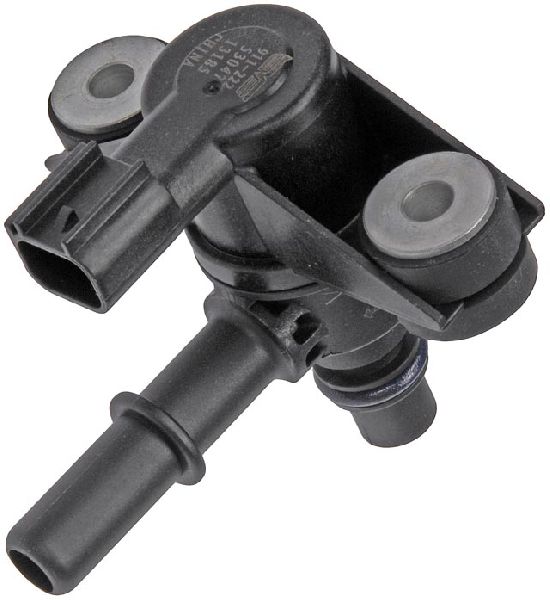
- Canister Purge Valve / Solenoid
(OEM #F2GZ-9D289-A (or superseded by F2GZ-9D289-B) for 2.0L/2.7L; Motorcraft CX-2470 for 3.5L/3.7L)— This is the confirmed, most common failure point for code P1450 on the Ford Edge and similar models. It sticks open, causing a constant vacuum pull on the fuel tank. Using a genuine Motorcraft part is highly recommended as aftermarket versions are known to fail prematurely.
Trusted brands: Motorcraft (Recommended), Bosch, Dorman
OEM price range: $50-$100
Aftermarket price range: $30-$60
Related Codes That Often Appear With This One
- P0456 — A small EVAP leak code can sometimes accompany P1450 if the faulty purge valve is also causing other minor sealing issues during the EVAP test cycle. Ford TSBs and recalls list these codes together as being caused by a faulty CPV.
- P2196 / P2198 — These codes mean 'O2 Sensor Signal Stuck Rich'. A stuck-open purge valve allows un-metered fuel vapors into the intake manifold, causing a rich running condition that the oxygen sensors detect. This combination strongly points to a leaking purge valve. NHTSA ODI #11321324 describes a vehicle experiencing stalling at idle and speeds up to 40 MPH where both P2196 and P1450 were present, requiring a fuel vapor canister purge valve replacement.
- P144A/C — This code relates to a different part of the EVAP system but is often seen in forum posts alongside P1450, suggesting a systemic EVAP issue where the purge valve is the primary culprit.
Technical Service Bulletins (TSBs) & Recalls
- TSB 19-2207 (for Fusion/C-Max/MKZ Hybrid): While not for the Edge, this TSB confirms that P1450 is caused by the canister purge valve and the fix is to replace the valve and update the PCM software. This further corroborates the widespread nature of the issue on Ford platforms.
Platform-Specific Known Issues
- Ford Safety Recall 18S32 (NHTSA 18V-735): While this recall was for 2012-2018 Focus models, it is highly relevant as it addresses the exact same failure mode. Ford acknowledged that a stuck canister purge valve (CPV) could cause P1450, lead to excessive vacuum, deform the fuel tank, cause stalling, and create an inaccurate fuel gauge. The fix involved replacing the CPV and updating the PCM software. This establishes a clear pattern of this part's failure across Ford's lineup.
- Owner Experience with Aftermarket Parts: A recurring theme in owner forums is the failure of non-OEM purge valves. A user on Reddit's r/FordEdge noted their issue with P1450 returned a few weeks after installing a cheap valve from Amazon, and was only resolved after switching to an OEM part. This highlights the importance of using a quality Motorcraft part for this specific repair.
Mechanic-Grade Diagnostic Values
- Fuel Tank Pressure (FTP) Sensor Voltage — expected: 2.4V - 2.8V with Key On, Engine Off (KOEO) at atmospheric pressure.. Failure: A voltage reading significantly lower than 2.4V at KOEO suggests a vacuum is present when it shouldn't be, or the sensor is biased.
- Canister Purge Valve Solenoid Resistance — expected: Approximately 20 to 30 Ohms across the two pins of the solenoid connector.. Failure: A reading that is infinite (open circuit) or very low (short circuit) indicates a failed solenoid coil.
- Leaking Purge Valve Vacuum Test — expected: 0 inHg (inches of mercury) of vacuum at the valve's tank-side port with the engine running and electrical connector unplugged.. Failure: Any vacuum reading, such as the 13 inHg measured in one documented case, confirms the valve is leaking internally and is faulty.
Hidden / Shadow Codes Worth Checking
- P1450-00: This is a sub-code format that may be displayed on advanced or dealer-level scan tools. The '-00' suffix does not typically change the diagnostic procedure for this specific DTC but confirms it's the primary fault without additional failure type information. (see via Professional scan tools like Snap-on Zeus+ or Ford's IDS.)
Scan Tool Commands That Help
- FORScan / Ford IDS / Professional Scan Tools: EVAP System Test or Canister Vent Solenoid ON/OFF Command — This bidirectional command allows a technician to manually close the normally-open vent solenoid. After commanding it closed, if the FTP sensor still doesn't show a vacuum being held (when the purge valve is commanded on) or if it can't be bled off, it helps isolate a blockage or a leak in the vent path itself.
- FORScan / Ford IDS / Professional Scan Tools: Commanded Evaporative Purge (CPV) Percentage — A technician can monitor the commanded purge percentage while observing the FTP sensor. If the FTP sensor shows a vacuum when the commanded purge is 0%, it strongly indicates a mechanically stuck-open purge valve.
Wiring & Ground Locations
- G104 / G105 — Located in the left front of the engine compartment.. These are primary engine compartment ground points. While a bad ground is not a common cause for P1450, a poor ground connection for the PCM or related sensors could cause erratic sensor readings, though this would typically generate other codes as well.
- FTP Sensor Wiring — The Fuel Tank Pressure sensor is located on top of the fuel tank.. For advanced diagnosis, you can test the wiring at the sensor. Check the Brown/Blue wire for the 5-volt reference from the PCM and the White/Violet wire for ground.
Real Owner Repair Stories
- Reddit user on r/FordEdge (2017 Edge Sport, 77k miles) — Check Engine Light with P1450.
❌ Tried (didn't work) The owner had the purge valve assembly replaced at the dealer two years prior. The part failed again.
✅ What actually fixed it The owner replaced the failed valve a second time, but this time used a cheap valve from Amazon and spliced it into the existing hose assembly using fuel line and clamps, costing only $30. This resolved the code, though the long-term reliability of this specific fix is unconfirmed. - Ford Edge Forum user (2017 Edge 2.0L EcoBoost, 75,000 miles) — P1450 code.
❌ Tried (didn't work) Replaced the purge valve with a new part.
✅ What actually fixed it The same P1450 code returned one month after replacing the purge valve. The forum thread suggests the next step is to investigate a blockage in the vent solenoid or lines, as a second, brand-new purge valve failing so quickly is unlikely. The final resolution was not posted, but it highlights that the purge valve is not the *only* possible cause. - NHTSA ODI #11583899 — An owner reported the check engine light appeared with code P1450, defined as "unable to bleed up fuel tank vacuum," and was advised to repair the canister purge valve/solenoid.
- NHTSA ODI #11571470 — An owner experienced a situation where the car would not start due to a bad purge valve, which triggered code P1450.
- NHTSA ODI #11231206 — One owner noted they kept getting code P1450 and had already paid to have a part switched out once, but the issue persisted.
"I Checked Everything" — The Actual Cause
- The P1450 code is for an inability to BLEED vacuum, not for a leak (which would be P0455/P0457). Therefore, a smoke test, which is designed to find leaks, will almost always be clean/pass when P1450 is the only code present. The fault is either a purge valve leaking vacuum *into* the system from the engine, or a vent path that is *blocked*, neither of which a smoke test will identify. Technicians confirm this by bypassing the smoke test and going straight to a vacuum test on the purge valve or checking the vent path for blockages.
When the Usual Fixes Don't Work
- In a notable case on a 2015 Edge, an owner replaced the purge valve but the P1450 code and hard-start-after-fueling symptoms persisted. This indicates that while the purge valve is the most common cause, it is not the only one. The next diagnostic steps in such a case would be to verify the canister vent solenoid is not stuck closed and to inspect the entire vent path from the canister to the atmosphere for any blockages or kinks. NHTSA ODI #11514863 describes a similar scenario where an owner replaced the EVAP canister after receiving code P1450, yet the check engine light returned only a day later.
OEM Part Supersession History
F2GZ-9D289-A→F2GZ-9D289-B— Unspecified, but part supersessions for high-failure items like this often involve material or design improvements to increase durability.AU5Z-9C915-A→AU5Z-9C915-B— Updated part for various Ford models, including some Edge applications. TSB 19-2207 for Fusions/MKZs calls for an even later part, AU5Z-9C915-D, suggesting ongoing revisions.
Heads up: Using the wrong revision may result in incorrect flow rates or solenoid resistance, potentially causing other EVAP codes or failing to resolve P1450.
Model Year Variations Within This Range
- 2015-2018 (Second Generation): The 2.0L and 2.7L EcoBoost engines in the second-gen Edge often use a more complex purge valve assembly that includes multiple hoses and check valves, such as part F2GZ-9D289-B. This is different from the simpler, single valve (like CX-2470) found on the earlier 3.5L/3.7L V6 engines.
- 2011-2014 (First Generation Facelift): Vehicles with the 3.5L and 3.7L V6 engines typically have the purge valve mounted directly on the intake manifold with two simple 8mm bolts, making for a slightly easier replacement than the hose assembly on some EcoBoost models.
Diagnostic Flowchart
Used vs. New Parts: Buying Guide for This Vehicle
When a used part is the smart pick: For this specific P1450 repair, a used part is NOT recommended. The canister purge valve is a known high-failure-rate component across the entire Ford lineup of this era. The risk of getting a used part that has already failed or is near the end of its service life is very high.
What to inspect on the donor part:
- Not applicable, as a used part is not advised for this repair.
OEM-only on this vehicle (don't cheap out):
- Canister Purge Valve / Solenoid
Aftermarket brands forum-validated for this vehicle:
- Bosch (often the OEM supplier)
Brands owners have reported issues with on this vehicle:
- Unbranded, low-cost parts from online marketplaces like Amazon or eBay are frequently reported by owners to fail within weeks or months, causing the P1450 code to return. While Dorman is a common aftermarket brand, multiple forum and Reddit threads strongly advise using only the OEM Motorcraft part for this specific valve to ensure longevity.
Real Owner Stories
Aggregated from forums and TSBs cited above. Mileages and costs reflect what owners reported in those sources.
2017 Ford Edge
Symptoms: Would not start after fueling, check engine light, farting noise from the back of the car, hard idling, shaking when at a stop.
What fixed it: The user was diagnosed with a stuck open purge valve by the dealership.
Source hint: fordedgeforum.com - Thread 'Code P1450 - problem starting after filling up'
2015 Edge
Symptoms: Struggles starting after filling up.
What fixed it: Replaced the purge valve with a cheap Amazon part, had the problem return, and then resolved it by using a genuine OEM part.
Source hint: reddit.com/r/FordEdge - Thread 'Struggles starting after filling up'
2017 Ford Edge 2.0L
Symptoms: Check engine light with P1450 and P0456 codes.
What fixed it: The user was planning to test the purge valve next, implying it's the suspected cause.
Source hint: fordedgeforum.com - Code P1450 - problem starting after filling up
Ford Edge 2.0L EcoBoost
Symptoms: Stalling after fueling and the P1450 code.
What fixed it: Replacing the canister purge valve.
Source hint: fordedgeforum.com - Thread 'Code P1450 - problem starting after filling up'
Related OBD-II Codes
Frequently Asked Questions
I heard about a recall for a stuck purge valve on Fords. Does that apply to my 2011-2018 Edge?
My mechanic wants to replace the canister purge valve. Should I use an OEM part or is an aftermarket one okay for my Edge?
My Edge is hard to start right after I get gas and the check engine light is on. Is this related to P1450?
What is the most likely cause of a P1450 code on my Ford Edge?
I also have a Lincoln MKX with a P1450 code. Is the problem the same as on the Ford Edge?
How can I test the purge valve on my Edge myself to confirm it's the problem?
Helpful Videos



Used OEM Parts in Stock
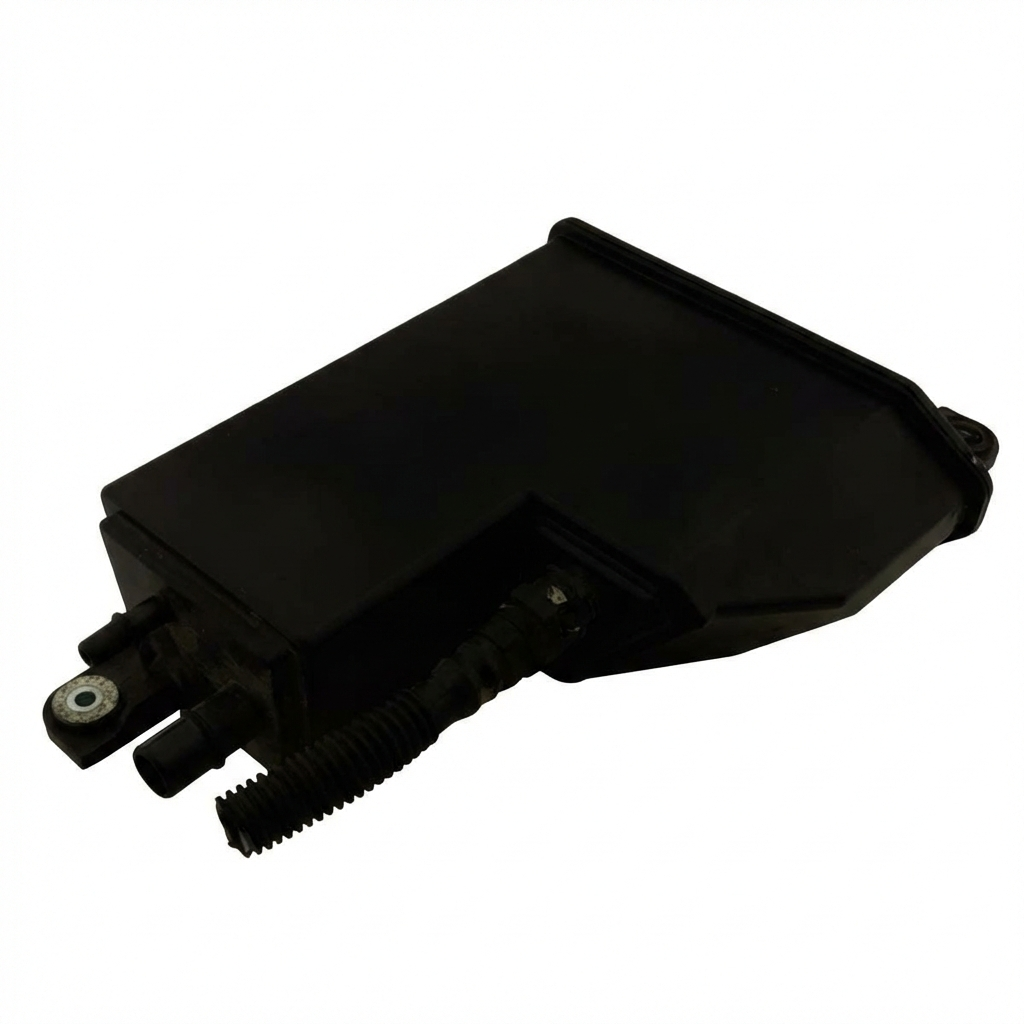
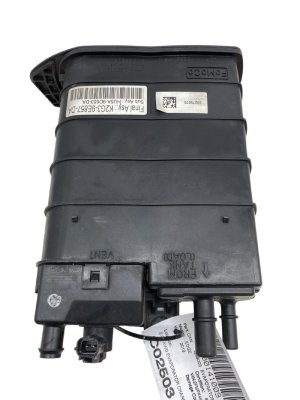
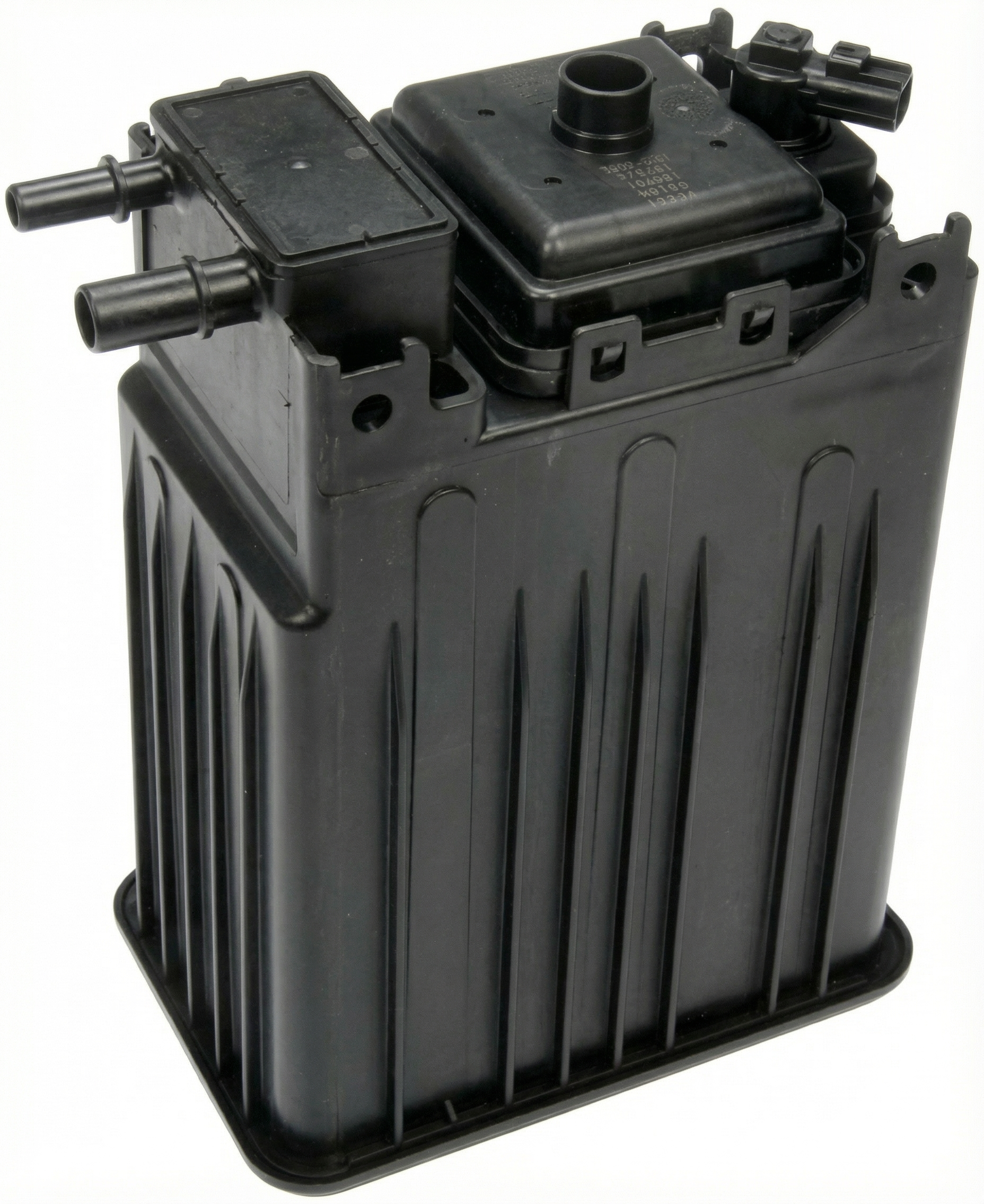
New Aftermarket Parts Available


The information in this article is provided for general reference and educational purposes only. Vehicle specifications, procedures, and part compatibility can vary by production date, trim level, and region. Always consult your vehicle's factory service manual and verify part numbers before purchasing or performing repairs. Safety-critical components such as airbags, seat belts, and braking systems should be installed by a qualified professional.
- Ford Edge:
- 🎬 Helpful Videos
- 🛍️ Shop This Part
- What's Unique About the 2011-2018 Ford Edge
- Symptoms You May Notice
- Most Likely Causes
- Rare But Worth Checking
- Diagnosis Steps
- Parts You'll Likely Need
- Related Codes That Often Appear With This One
- Technical Service Bulletins (TSBs) & Recalls
- Platform-Specific Known Issues
- Mechanic-Grade Diagnostic Values
- Hidden / Shadow Codes Worth Checking
- Scan Tool Commands That Help
- Wiring & Ground Locations
- Real Owner Repair Stories
- "I Checked Everything" — The Actual Cause
- When the Usual Fixes Don't Work
- OEM Part Supersession History
- Model Year Variations Within This Range
- Diagnostic Flowchart
- Used vs. New Parts: Buying Guide for This Vehicle
- Real Owner Stories
- 2017 Ford Edge
- 2015 Edge
- 2017 Ford Edge 2.0L
- Ford Edge 2.0L EcoBoost
- Related OBD-II Codes
- Frequently Asked Questions
- 🎟️ Get 5% Off