

P1440 on 2005-2007 Toyota Sequoia 4.7L V8: Air Injection System Causes and Fixes
P1440 on a 2005-2007 Sequoia indicates a failure in the Secondary Air Injection (SAI) system, almost always caused by a failed air pump sending debris into the air switching valves. This triggers limp mode. The expensive OEM fix (~$2000+) requires replacing both the pump and valves; a cheaper, popular alternative is an aftermarket bypass kit from a company like Hewitt-Tech.
- P1440 on your Sequoia means the Secondary Air Injection (SAI) system has failed, which will put the truck in a power-reducing 'limp mode'.
- The root cause is a failed air pump under the intake manifold that has contaminated the air switching valves with debris and/or moisture.
- A complete, long-term fix requires replacing BOTH the air pump and the air switching valves. Replacing only one part will lead to a repeat failure.
- The repair is labor-intensive and expensive (often $1,500+), as it requires removing the intake manifold.
- If you do not have emissions testing, a much cheaper and widely used alternative is to install an aftermarket electronic bypass kit to disable the system and clear the codes.
What's Unique About the 2005-2007 Toyota Sequoia
The Secondary Air Injection (SAI) system on the 2005 and later 4.7L V8 (2UZ-FE) engine is a widely documented failure point. A design flaw allows the air pump, located under the intake manifold, to ingest moisture, often from the wheel well area, causing its internal foam filter and fan blades to disintegrate. This debris is then forced through the system, contaminating and seizing the air switching valves, leading to a cascade of fault codes like P1440. Toyota acknowledged this systemic issue in Technical Service Bulletin T-SB-0230-12, which covers the Sequoia, Tundra, 4Runner, and Land Cruiser with this engine.
Symptoms You May Notice
- Check Engine Light is on
- VSC and TRAC warning lights are on
- Vehicle enters 'limp mode' with severely reduced engine power and acceleration
- Loud 'vacuum cleaner' or 'leaf blower' noise from the engine on a cold start that lasts for about a minute (indicates the pump is running but may be failing)
- No noise from the pump on a cold start (indicates a completely failed pump, blown fuse, or bad relay)
- Replacing only the Air Switching Valve without replacing the Air Pump. The new valve will quickly fail from debris sent by the still-failing original pump.
- Clearing the codes. This is only a temporary fix; the codes and limp mode will return on the next cold start cycle.
Most Likely Causes
- Failed Secondary Air Injection Pump 🔴 High Probability The pump is prone to ingesting moisture, which causes the internal filter and fan to disintegrate and send debris into the system. This is the root cause of most SAI system failures.
How to confirm: Listen for a loud grinding noise or a complete lack of sound from the pump during the first 60-90 seconds of a cold start. If the valves are being replaced, the pump should be opened and inspected for water damage or disintegrated components. This is the primary failure point.
Typical fix: Replace the Air Pump Assembly. This should always be done in conjunction with replacing the air switching valves to prevent immediate re-contamination of the new valves.
Est. part cost: $400-$800 - Failed Air Switching Valve (Bank 1) 🔴 High Probability The valve becomes clogged with debris from the failing air pump or corrodes from moisture forced into it by the pump, causing it to seize mechanically or fail electrically.
How to confirm: P1440 directly points to a circuit fault with this valve. A definitive test involves using a bi-directional scan tool to command the valve to open and close. Physical inspection after removing the intake manifold will often show black plastic or foam debris.
Typical fix: Replace the Air Switching Valve Assembly. Because this part is located under the intake manifold, the labor is significant. It is highly recommended to replace the air pump at the same time.
Est. part cost: $200-$350
Rare But Worth Checking
- Faulty Air Injection Control Driver: This is the electronic module that controls the pumps and valves. While less common, Toyota updated TSB T-SB-0230-12 Rev1 to include diagnostic steps for this driver, indicating it can be a point of failure.
- Leaking or Clogged Air Hoses: The rubber and metal lines connecting the pump to the valves can crack or become blocked. A visual inspection or smoke test can identify leaks.
Diagnosis Steps
- Confirm P1440 and any other related codes using an OBD-II scanner.
- On a cold start (engine off for 6+ hours), listen for the air pump. It should make a 'vacuum cleaner' sound for 30-90 seconds. A loud grinding noise suggests a failing pump; no sound suggests a dead pump, blown fuse, or bad relay.
- If the vehicle is in limp mode, try a temporary workaround: let the engine warm up for a few minutes, shut it off, and restart it. This may disable limp mode for that drive cycle but will not fix the root problem. This is a common practice shared by owners on forums.
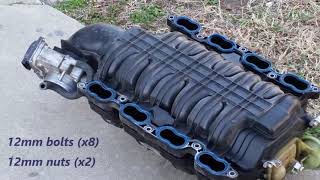
- The definitive repair requires accessing the components under the intake manifold. This is a labor-intensive job, well-documented in DIY videos. 🎬 Watch: Step-by-step guide to replacing the air switching valves.
- Once the intake is removed, inspect the air switching valves and the air lines for black, disintegrated foam or plastic debris.
- If debris is present, it confirms the air pump has failed internally and must be replaced along with the switching valves.
- If no debris is found, test the valve's electrical circuit and mechanical function with a vacuum pump and multimeter.
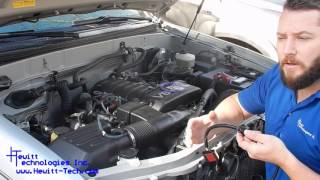
- As an alternative to OEM repair, investigate aftermarket bypass kits (e.g., from Hewitt-Tech) which electronically disable the system. This is a permanent fix for the codes and limp mode but is not legal for on-road use in states with emissions testing. 🎬 See how to install a Gen 1 bypass kit.
Parts You'll Likely Need
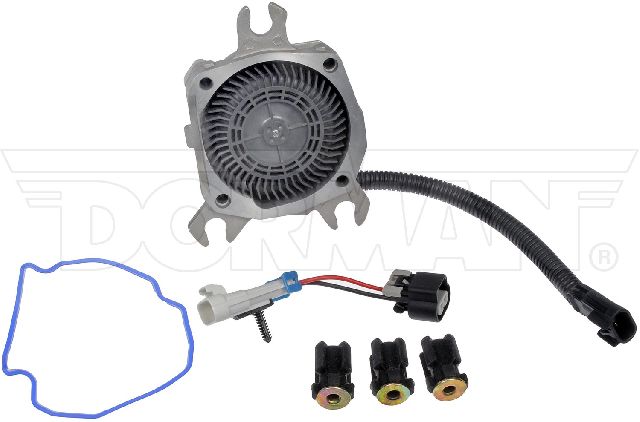
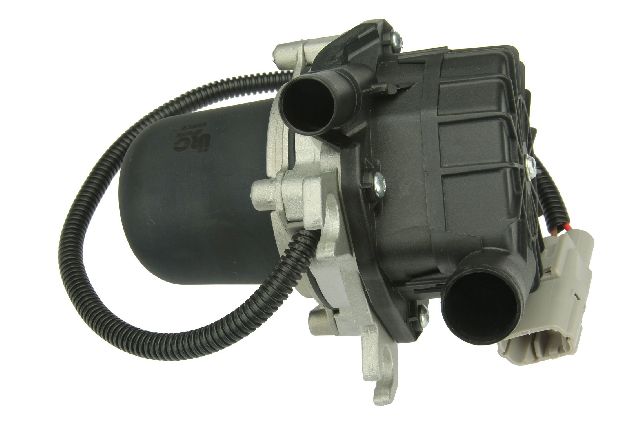
- Air Pump Assembly
(OEM #17600-0F010)— This is the root cause of the problem. It fails from moisture and contaminates the entire system with debris.
Trusted brands: Aisin, Denso, Genuine Toyota
OEM price range: $400-$800
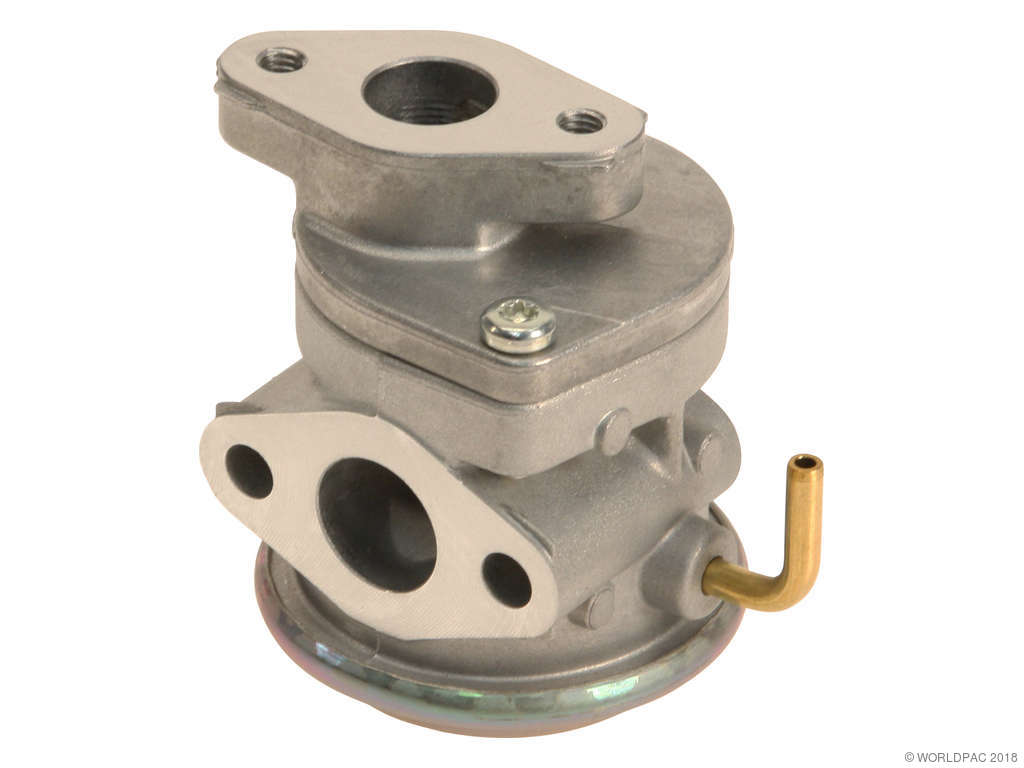
Aftermarket price range: $150-$300 - Air Switching Valve Assembly
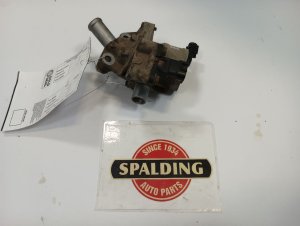
(OEM #25710-50022 (supersedes 25710-50020, 25710-50021))— This is the valve assembly that contains the Bank 1 valve referenced by code P1440. It gets destroyed by debris from the failing air pump. The part number has been updated by Toyota.
Trusted brands: Genuine Toyota, Dorman (P/N: 911-643)
OEM price range: $200-$350
Aftermarket price range: $100-$200 - Secondary Air Injection System Bypass Kit — A popular and cost-effective alternative to a full system replacement. It electronically tricks the ECU, clearing the check engine light and disabling limp mode. This is for off-road use or where emissions testing is not required.
Trusted brands: Hewitt-Tech (Gen 1 and Gen 2 models available) 🎬 Watch: Installing a plug-and-play Hewitt Tech bypass kit.
OEM price range: N/A
Aftermarket price range: $150-$450
Related Codes That Often Appear With This One
- P1443 — This is the same circuit malfunction code but for Bank 2 (driver's side). The failure that causes P1440 often affects both banks.
- P2440, P2441, P2442 — These codes indicate that the air switching valves are mechanically stuck open or closed, which is the physical result of the debris and moisture contamination that also causes the P1440 electrical fault.
- P0418 / P2445 — These codes point directly to a fault with the air pump itself (circuit malfunction or stuck off), confirming the root cause of the system-wide failure.
- C1201 — This code indicates the Vehicle Stability Control (VSC) system has been disabled by the ECM due to the primary engine fault. It is a secondary code triggered by the P1440.
Technical Service Bulletins (TSBs) & Recalls
- T-SB-0230-12 Rev1: Air Injection System MIL 'ON' - This bulletin from Toyota acknowledges the systemic failure of the SAI system due to debris from the air pump and lists P1440 among the related fault codes.
- Bulletin #T-SB-0230-12: This manufacturer bulletin specifically identifies P1440 and P1443 as codes for the Secondary Air Injection System Control Valve Circuit for Bank 1 and Bank 2.
- Bulletin #T-SB-0230-12 Rev: This updated record further documents the relationship between P1440 and other circuit codes like P0412 and P0418 within the gasoline fuel system.
Platform-Specific Known Issues
- This entire failure mode is a well-documented specific issue for 2005+ 2UZ-FE engines, covered by Toyota's TSB T-SB-0230-12 Rev1.
- A previous Warranty Enhancement Program (ZLC) from Toyota covered this repair, but it has since expired for this vehicle year range due to time/mileage limits. Owners on forums frequently discuss having missed the warranty window.
Mechanic-Grade Diagnostic Values
- Air Pump Motor Resistance — expected: 0.4 to 1.0 Ω at 20°C (68°F). Failure: Resistance is outside the specified range.
Scan Tool Commands That Help
- Toyota Techstream: Active Test: "Control the Air Injection System" or "Air Injection Check" — This allows a technician to manually command the air pump and air switching valves to operate independently for short intervals (typically 5 seconds). It is used to verify if the components are responding to commands from the ECM, helping to isolate a failed part from a wiring or control module issue.
Wiring & Ground Locations
- Air Injection Control Driver (AID) — On the driver-side inner fender in the engine bay, mounted to a bracket.. This module is the 'brain' of the SAI system. Its connectors are the central point for checking voltage and continuity from the ECM to the pump and valves when diagnosing circuit codes like P1440.
- Engine Harness Ground (Passenger Side) — On the passenger side of the engine near the firewall, connected to the engine harness near the mass airflow sensor wiring (typically a 10mm bolt).. This ground is part of the main engine harness which includes wiring for the SAI system. A compromised connection here could lead to intermittent or persistent circuit faults.
- Engine Harness Ground (Driver Side) — On the driver's side frame rail, where a wiring harness bracket is mounted (typically a 12mm bolt).. A poor ground connection for the engine harness can cause a variety of incorrect sensor readings and electrical faults, potentially contributing to circuit codes like P1440.
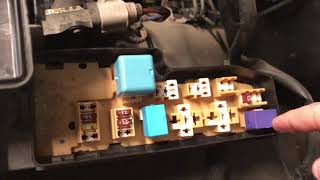
- 10A EFI #2 Fuse — In the engine compartment fuse/relay box.. This fuse supplies power to the secondary air injection system components. If this fuse is blown, the valves will not have power, leading to circuit codes.
Real Owner Repair Stories
- IH8MUD.com forum user 'wilcoxoffroad' (2006 Lexus LX470 (same 4.7L 2UZ-FE engine and SAI system)) — Initially had a P2445 code (pump stuck off). After installing a bypass kit, new codes P1440 and P1443 appeared, with a rough idle and sluggish performance.
❌ Tried (didn't work) Installing a Hewitt-Tech full bypass kit (which led to the new codes)., Replacing the Hewitt-Tech AID module and wire loom., Clearing codes (they returned immediately).
✅ What actually fixed it The issue was multi-faceted. The rough idle was resolved by replacing two bad ignition coils. However, the P1440/P1443 codes persisted. The user worked with Hewitt-Tech support, who suspected that driving for an extended period with the original stuck valve code may have damaged the ECU, indicating that even a bypass kit may not be a simple fix if other underlying issues exist.
OEM Part Supersession History
25710-50020→25710-50021, then 25710-50022— Likely incremental updates to improve durability against moisture and debris contamination from the failing air pump.
Model Year Variations Within This Range
- 2005-2007: The 2005 model year was the first year the 2UZ-FE engine in the Sequoia received VVT-i and the problematic Secondary Air Injection (SAI) system. Models from 2001-2004 do not have this system and are not subject to this specific P1440 failure. There are no significant design changes to the SAI system itself within the 2005-2007 range.
Diagnostic Flowchart
Real Owner Stories
Aggregated from forums and TSBs cited above. Mileages and costs reflect what owners reported in those sources.
2007 Toyota Sequoia SR5 — 125000 miles
Symptoms: Check Engine Light for SAIS failure, needed a new air pump.
What fixed it: Replaced the failed air pump with an aftermarket unit from Amazon and also replaced the Air Injection Control Driver with an OEM booster module upgrade/swap.
Cost: $600-$700
Source hint: Reddit r/toyotasequoia: 'Thinking of buying a 05-07 sequoia and then moving to CA...'
2005 Toyota Sequoia — 145000 miles
Symptoms: SAIS went out.
What fixed it: Determined that a Hewitt bypass kit will not pass a visual inspection in California, requiring an OEM-style repair for compliance.
Source hint: Reddit r/toyotasequoia
2005-2009 Toyota Tundra 4.7L 2UZ-FE
Symptoms: Classic limp mode symptoms with severely reduced engine power.
What fixed it: Cleared the codes to temporarily get out of limp mode while diagnosing the secondary air injection problem.
Source hint: TundraSolutions Forum: 'Truck in limp mode'
2005-2009 Toyota Tundra 4.7L 2UZ-FE
Symptoms: Secondary air injection system failure triggering a related code (P2440).
What fixed it: Installed a Hewitt-Tech SAIS Bypass kit, which provided a reliable, long-term fix that lasted for over 70,000 miles.
Source hint: Reddit r/tundra: 'HT Hewit SAIS Bypass kit'
Related OBD-II Codes
Frequently Asked Questions
Is the P1440 code covered under any Toyota warranty or recall for my 2005-2007 Sequoia?
Does TSB T-SB-0230-12 Rev1 apply to my 2005-2007 Sequoia?
Why does my Sequoia go into 'limp mode' with the VSC and TRAC lights on when P1440 triggers?
Is there a temporary workaround to get my Sequoia out of limp mode?
Can I use a Hewitt-Tech bypass kit to fix P1440 on my Sequoia?
Why is the repair for the air switching valve so expensive on the 4.7L V8?
Helpful Videos
Used OEM Parts in Stock
New Aftermarket Parts Available



The information in this article is provided for general reference and educational purposes only. Vehicle specifications, procedures, and part compatibility can vary by production date, trim level, and region. Always consult your vehicle's factory service manual and verify part numbers before purchasing or performing repairs. Safety-critical components such as airbags, seat belts, and braking systems should be installed by a qualified professional.
- Toyota Sequoia:
- 🎬 Helpful Videos
- 🛍️ Shop This Part
- What's Unique About the 2005-2007 Toyota Sequoia
- Symptoms You May Notice
- Most Likely Causes
- Rare But Worth Checking
- Diagnosis Steps
- Parts You'll Likely Need
- Related Codes That Often Appear With This One
- Technical Service Bulletins (TSBs) & Recalls
- Platform-Specific Known Issues
- Mechanic-Grade Diagnostic Values
- Scan Tool Commands That Help
- Wiring & Ground Locations
- Real Owner Repair Stories
- OEM Part Supersession History
- Model Year Variations Within This Range
- Diagnostic Flowchart
- Real Owner Stories
- 2007 Toyota Sequoia SR5 — 125000 miles
- 2005 Toyota Sequoia — 145000 miles
- 2005-2009 Toyota Tundra 4.7L 2UZ-FE
- 2005-2009 Toyota Tundra 4.7L 2UZ-FE
- Related OBD-II Codes
- Frequently Asked Questions
- 🎟️ Get 5% Off