

P1440 on 2015-2024 Ford Transit: EVAP System Purge Fault Causes and Fixes
On a 2015-2024 Ford Transit, code P1440 most often points to a faulty canister purge valve that is stuck open. This common failure also causes a classic symptom: difficulty starting the engine immediately after refueling. Before replacing the valve, check the gas cap for a tight seal. A new purge valve is typically an affordable and straightforward DIY replacement, located on the top driver's side of the engine.
- P1440 on a Ford Transit points to a fault in the EVAP (emissions) system.
- The most likely cause is a faulty canister purge valve, followed by a loose or bad gas cap.
- Diagnosis should start with the easiest and cheapest fix: checking the gas cap for a tight seal and good condition.
- Replacing the purge valve is a common, relatively easy, and affordable DIY repair.
- If the issue persists, a smoke test is the best method to find hard-to-see leaks in the EVAP hoses.
What's Unique About the 2015-2024 Ford Transit

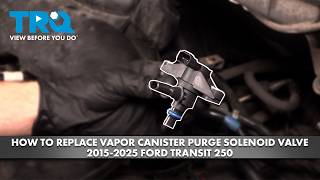
While P1440 can have several causes on any Ford, the canister purge valve is a frequently discussed failure point across many Ford platforms, including the Transit. A detailed repair video for the 2015-2025 Transit 250 shows 🎬 Watch: How to replace the vapor canister purge solenoid valve the purge valve is located on the top driver's side of the engine, underneath the main air inlet tube, making it reasonably accessible. While no specific TSB for P1440 on the Transit was found, a related code, P144C, has a technical service bulletin (TSB 19-2171) for other Ford models concerning loose EVAP vapor lines, indicating a sensitivity in the system. The original article's mention of a TSB about backward purge valve installation on some Transits highlights that the purge valve assembly is a component worth paying close attention to during diagnosis and repair.
Generation note: The 2015-2024 year range covers the first generation (V363) of the full-size Ford Transit in North America. While there have been powertrain updates (3.7L, 3.5L EcoBoost, 3.2L Diesel) and facelifts, the fundamental EVAP system design and the primary cause for this code (faulty purge valve) are consistent across the entire generation.
Symptoms You May Notice
- Check Engine Light is on
- Rough idle, stalling, or difficulty starting immediately after refueling. This is a classic symptom caused by the stuck-open purge valve allowing fuel vapors displaced during filling to flood the engine intake, creating an overly rich mixture.
- Slightly reduced fuel economy
- A faint smell of fuel
- Replacing the fuel tank pressure sensor without proper diagnosis. While a possible cause, it is far less common than a faulty purge valve or a simple gas cap issue.
- Confusing the powertrain code P1440 (EVAP) with the chassis code C1440. On other Ford platforms like the F-150, C1440 is a brake-related code for the ABS pressure transducer and is completely unrelated.
Most Likely Causes

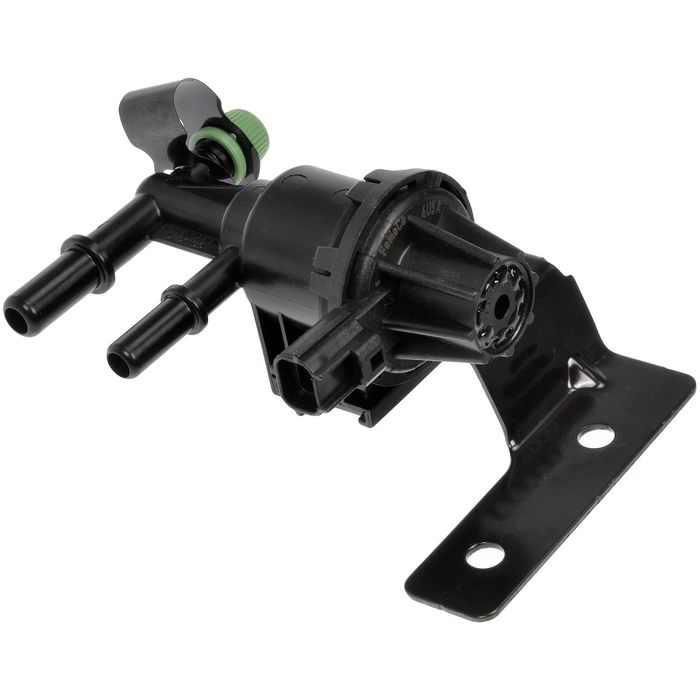
- Faulty Canister Purge Valve/Solenoid (Stuck Open) 🔴 High Probability This is the most cited cause for Ford EVAP codes P1440 and the related P1450. The valve's internal mechanism fails, allowing un-commanded vacuum and fuel vapor flow into the intake manifold.
How to confirm: With the engine off, locate the valve on the top driver's side of the engine. Disconnect the EVAP line leading from the valve to the charcoal canister. Try to blow through the valve (from the canister side port towards the engine side port). If air passes through, the valve is stuck open and is faulty. A running test involves removing the hose from the intake manifold side; if you feel vacuum with the engine idling (after the initial warm-up period), the valve is stuck open. A professional will use a scan tool to command the valve closed and check for vacuum flow, which should be zero.
Typical fix: Replace the canister purge valve. This is a common DIY repair that typically requires removing the air inlet tube for access and unbolting two 8mm bolts.
Est. part cost: $30-$80 - Loose or Defective Gas Cap 🟡 Medium Probability The gas cap is a critical sealing point for the EVAP system. Worn-out seals or simply not tightening the cap until it clicks can cause a vacuum leak that triggers the code. It is recommended to use an OEM replacement cap if needed, as aftermarket caps can sometimes cause sealing issues.
How to confirm: Inspect the gas cap for any visible cracks in the plastic or damage to the rubber O-ring seal. Ensure it is tightened correctly. If the seal looks worn, cracked, or flattened, it should be replaced.
Typical fix: Tighten the existing cap and clear the code. If it returns, replace the gas cap with a high-quality OEM (Motorcraft) or equivalent part.
Est. part cost: $15-$40 - Cracked or Disconnected EVAP Hoses ⚪ Low Probability The plastic and rubber lines that make up the EVAP system can become brittle over time due to heat and age, leading to cracks and vacuum leaks. TSB 19-2171 for other Fords points to loose connections as a known issue.
How to confirm: Visually inspect all accessible EVAP lines between the charcoal canister (under the vehicle near the tank) and the purge valve (in the engine bay). The most definitive way to find a small leak is with a smoke test, which involves feeding low-pressure smoke into the EVAP system's service port and looking for where it escapes.
Typical fix: Replace the cracked or broken section of the hose. Small cracks can sometimes be repaired, but replacement is more reliable.
Est. part cost: $10-$50
Rare But Worth Checking
- Faulty EVAP Canister Vent Solenoid: This valve, located near the charcoal canister under the vehicle, is responsible for sealing the EVAP system during tests. If it fails to close when commanded by the PCM, the system won't be able to hold a vacuum, which can trigger a P1440 code.
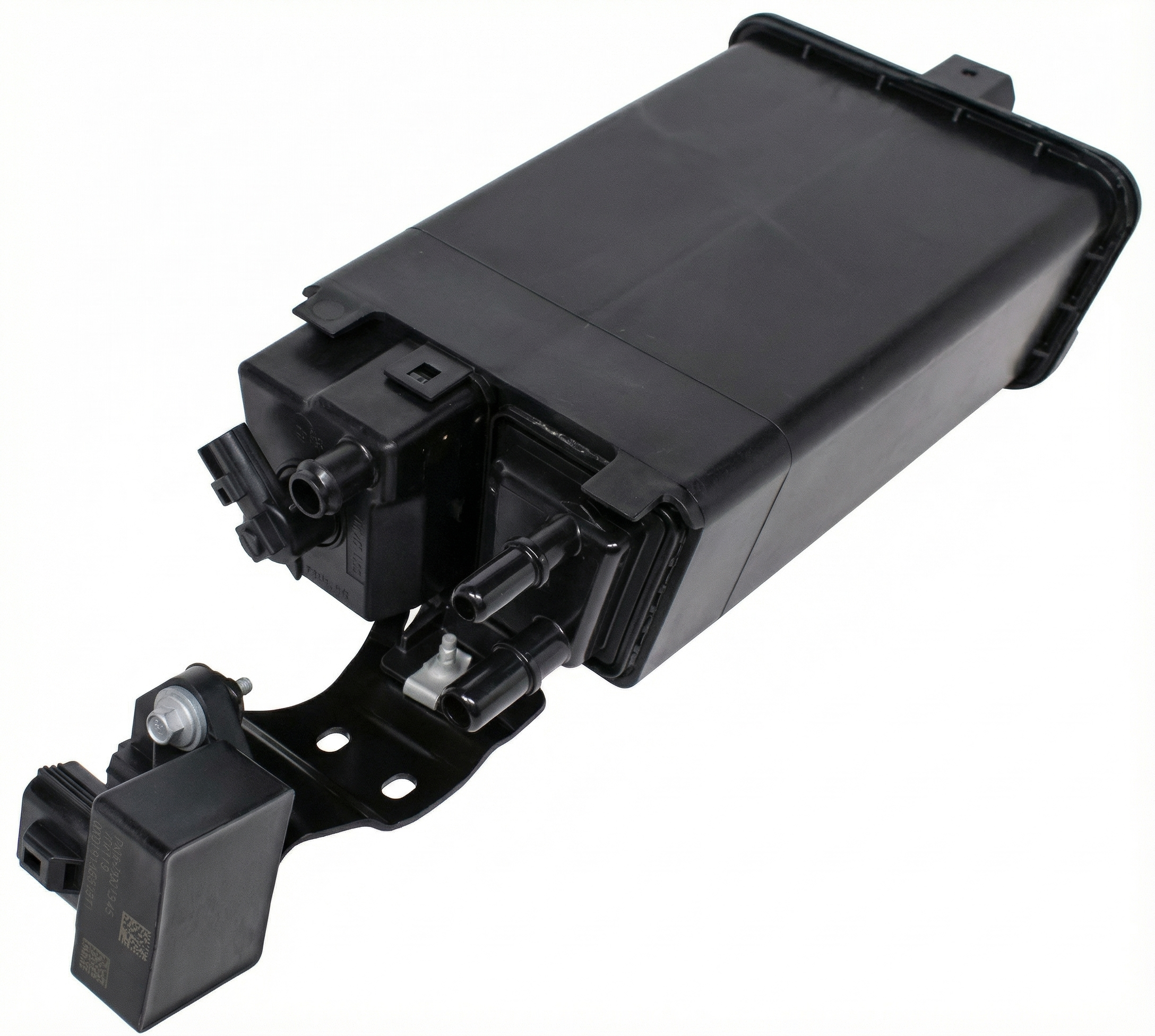
- Defective Charcoal Canister: The canister itself can crack or become saturated with fuel if the gas tank is habitually overfilled ('topped off'). This can lead to blockages or charcoal pellets getting into the EVAP lines, potentially jamming the purge valve open.
- Faulty Fuel Tank Pressure (FTP) Sensor: A faulty FTP sensor can send incorrect data to the PCM, making it think there is a leak when there isn't one. This is less common than component failures like the purge valve.
Diagnosis Steps

- Check the Gas Cap: Ensure the gas cap is tight. Remove it and inspect the rubber seal for cracks or damage. If it looks worn, replace it, clear the code, and drive to see if it returns.
- Visually Inspect EVAP Hoses: Trace the EVAP lines from the engine bay back towards the fuel tank. Look for any obvious cracks, breaks, or disconnected hoses, paying attention to connection points.
- Locate and Test the Canister Purge Valve: The purge valve is on the top driver's side of the engine, under the air intake tube. Disconnect the valve's electrical connector and the canister-side hose. Attempt to blow through the valve. If air passes, it is stuck open and must be replaced.
- Confirm with a Running Test (Optional): Reconnect the electrical plug but leave the intake-side hose off the valve. Start the engine. Carefully check the valve's port for suction/vacuum at idle. There should be none. If vacuum is present, the valve is confirmed faulty.
- Perform a Smoke Test: If the purge valve tests good and the gas cap is fine, the cause is likely a hidden leak. A smoke test is the most effective way to find small cracks in hoses or leaks from the canister or vent solenoid.
- Test the Vent Solenoid: If no leaks are found, the vent solenoid (located near the charcoal canister under the vehicle) should be tested with a scan tool to ensure it is closing correctly when commanded.
Parts You'll Likely Need

- Canister Purge Valve / Solenoid
(OEM #Varies by engine (e.g., Motorcraft CX2695). Must verify with VIN.)— This is the most frequent mechanical failure point for the P1440 code on Ford vehicles. It's a moving part that operates frequently and is prone to sticking open.
Trusted brands: Motorcraft, Bosch, Dorman, TRQ
OEM price range: $50-$100
Aftermarket price range: $30-$80 - Fuel Cap
(OEM #Varies by year. Must verify with VIN.)— A worn seal on the gas cap is a common and simple-to-fix cause for all EVAP system codes.
Trusted brands: Motorcraft, Stant
OEM price range: $25-$40
Aftermarket price range: $15-$30
Related Codes That Often Appear With This One
- P1450 — Indicates an inability of the system to bleed up vacuum. This is Ford's most common code for a stuck-open or stuck-closed purge valve and is functionally very similar to P1440. A fix for P1450 will almost always fix P1440.
- P0456 — Indicates a small EVAP leak. This can be triggered by a purge valve that is not sealing perfectly.
- P0441 — Indicates incorrect purge flow, often caused by the same faulty purge valve that triggers P1440.
- P0455 — Indicates a large EVAP leak. This can appear with P1440 if the purge valve is stuck wide open or a major hose is disconnected.
Technical Service Bulletins (TSBs) & Recalls
- TSB 19-2171: While for 2017-2019 Escape/MKC with codes P04F0/P144C, it notes that loose or partially connected EVAP vapor lines can be a cause, which is a relevant diagnostic consideration for any Ford EVAP code.
Platform-Specific Known Issues
- Purge Valve Location: On the 2015-2024 Ford Transit, the canister purge valve is located on the top, driver's side of the engine bay, situated underneath the large black air intake tube that runs to the throttle body. Access requires removing this tube, which is held by hose clamps. The valve itself is typically secured with two 8mm bolts.
Mechanic-Grade Diagnostic Values
- EVAP Canister Purge Valve Resistance — expected: 30 to 38 ohms (for standard valve) or 2.5 to 6 ohms (for electronic valve). Failure: A reading far outside the specified range indicates an internal electrical fault in the valve.
- EVAP Canister Vent Solenoid Resistance — expected: 48 to 65 ohms. Failure: A reading outside this range suggests the vent solenoid is faulty.
- Fuel Tank Pressure (FTP) Sensor Voltage (Key On, Engine Off) — expected: 2.6 to 2.65 volts. Failure: A significant deviation from this static voltage can indicate a sensor issue or a pre-existing vacuum/pressure problem in the tank. If the voltage drops immediately upon starting the engine, it could indicate a purge valve stuck open.
- Fuel Tank Pressure (FTP) during EVAP Monitor Purge Phase — expected: Approximately -2.0 to -4.0 inches of H2O. Failure: Failure to achieve this slight negative pressure when the purge valve is commanded open can indicate a blockage or faulty valve.
Hidden / Shadow Codes Worth Checking
- Mode 6, Test ID $82 (Ford): Mode 6 data provides raw results from the PCM's self-tests before a full-blown DTC is set. For Ford, specific Test IDs (TID) and Component IDs (CID) relate to the EVAP system. For example, a failing value in the EVAP leak test monitor can indicate a developing problem with a seal or valve even before the P1440 code is triggered. (see via A scan tool with Mode 6 capability, such as FORScan or a professional-grade scanner like Ford's IDS.)
Scan Tool Commands That Help
- Ford IDS (Integrated Diagnostic System): Powertrain > DataLogger > EVAP PIDs (FTP, EVAPPDC) — This function allows a technician to manually command the canister purge valve (solenoid) open by a specific duty cycle (e.g., 200 milliamps) and observe the Fuel Tank Pressure (FTP) sensor reading in real-time. If the valve is commanded open and the FTP voltage doesn't drop, it indicates a blockage. If the FTP voltage drops when the valve is commanded closed (0 amps), it confirms the valve is stuck open.
- Ford IDS (Integrated Diagnostic System): EVAP System Test (Automated) — This is an automated test that commands the vent and purge solenoids to seal the system, pulls a vacuum, and monitors for decay. It can confirm the integrity of the entire system. However, it has preconditions, such as the fuel level being between 15% and 85%.
Wiring & Ground Locations
- G203 (Example) — On a similar platform (Transit Connect), a critical ground point (G203) for the instrument cluster and other modules is located under the plastic trim in the passenger side kick panel area.. While not directly for the purge valve, a poor ground connection at a major body or chassis ground point can cause erratic behavior in various electronic modules and sensors, including the PCM which controls the EVAP system. A bad ground can lead to incorrect sensor readings or improper solenoid operation, potentially triggering false codes.
- PCM Connector — The Powertrain Control Module (PCM) is located under the hood. The purge valve control circuit is a specific pin at the PCM connector.. Diagnostic procedures for circuit faults (like P0443, often seen with P1440) require checking for continuity and shorts between the purge valve connector and the corresponding pin at the PCM. A Ford diagnostic chart specifies measuring resistance of the EVAP canister purge valve circuit between the PCM harness connector pin and the valve's connector.
Real Owner Repair Stories
- Ford Transit Forum user (2013 FWD Transit (Mk7, similar generation principles)) — Black smoke when accelerating.
❌ Tried (didn't work) Initial diagnosis was unclear.
✅ What actually fixed it The user found leaking diesel injector seals (3 out of 4 cylinders were wet). Replacing the seals and copper plugs resolved the issue. While the symptom was smoke and not a P1440, it highlights that fuel system issues can sometimes present with symptoms that overlap with emission system faults.
Diagnostic Flowchart
Used vs. New Parts: Buying Guide for This Vehicle
When a used part is the smart pick: For this repair, sourcing a used OEM (Motorcraft) purge valve from a low-mileage donor vehicle can be a cost-effective and reliable option. Since the failure is mechanical (sticking), a part from a vehicle that was not exhibiting EVAP codes is likely to have significant life remaining. Hoses and canisters can also be sourced used, provided they are inspected for cracks.
Donor-vehicle mileage cap: roughly under 60000 miles for the part to have meaningful remaining life.
What to inspect on the donor part:
- For a purge valve, ensure the electrical connector pins are clean and free of corrosion.
- Check that the plastic housing of the valve and any integrated hoses are not brittle or cracked.
- If possible, perform a simple blow-through test at the junkyard; no air should pass through a de-energized valve.
- For charcoal canisters, inspect for any physical cracks or signs of fuel saturation (wetness or strong fuel smell).
OEM-only on this vehicle (don't cheap out):
- Fuel Cap: While simple, aftermarket gas caps are a frequent cause of EVAP codes due to improper sealing. It is strongly recommended to use an OEM Motorcraft cap to ensure a perfect seal.
Aftermarket brands forum-validated for this vehicle:
- Dorman: Often provides direct replacement EVAP components, including purge valves, that are widely available.
- Bosch: A reputable OEM supplier that also offers aftermarket parts for this system.
Brands owners have reported issues with on this vehicle:
- No-name, unbranded parts from online marketplaces should be avoided, as their internal valve mechanisms may not meet OEM specifications for flow and sealing, leading to persistent or recurring codes.
Related OBD-II Codes
Frequently Asked Questions
Where is the canister purge valve located on my 2015-2024 Ford Transit?
What is the most common reason for a P1440 code on the Ford Transit?
My Transit is hard to start right after I get gas. Is this related to the P1440 code?
How can I test the purge valve myself without a scan tool?
I need to replace my gas cap. Does it matter which brand I buy?
Does TSB 19-2171 apply to my Transit for code P1440?
Helpful Videos
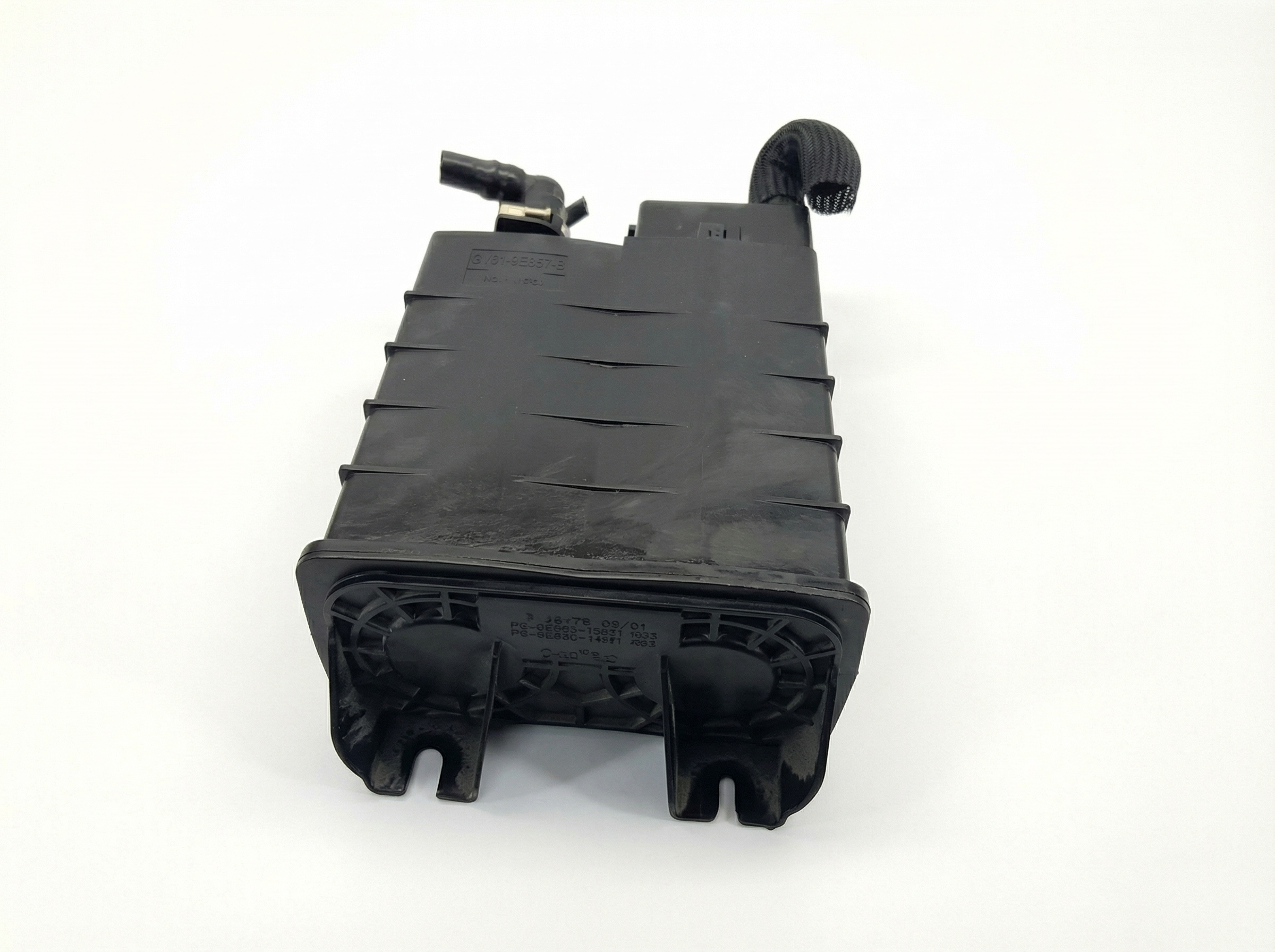
Used OEM Parts in Stock
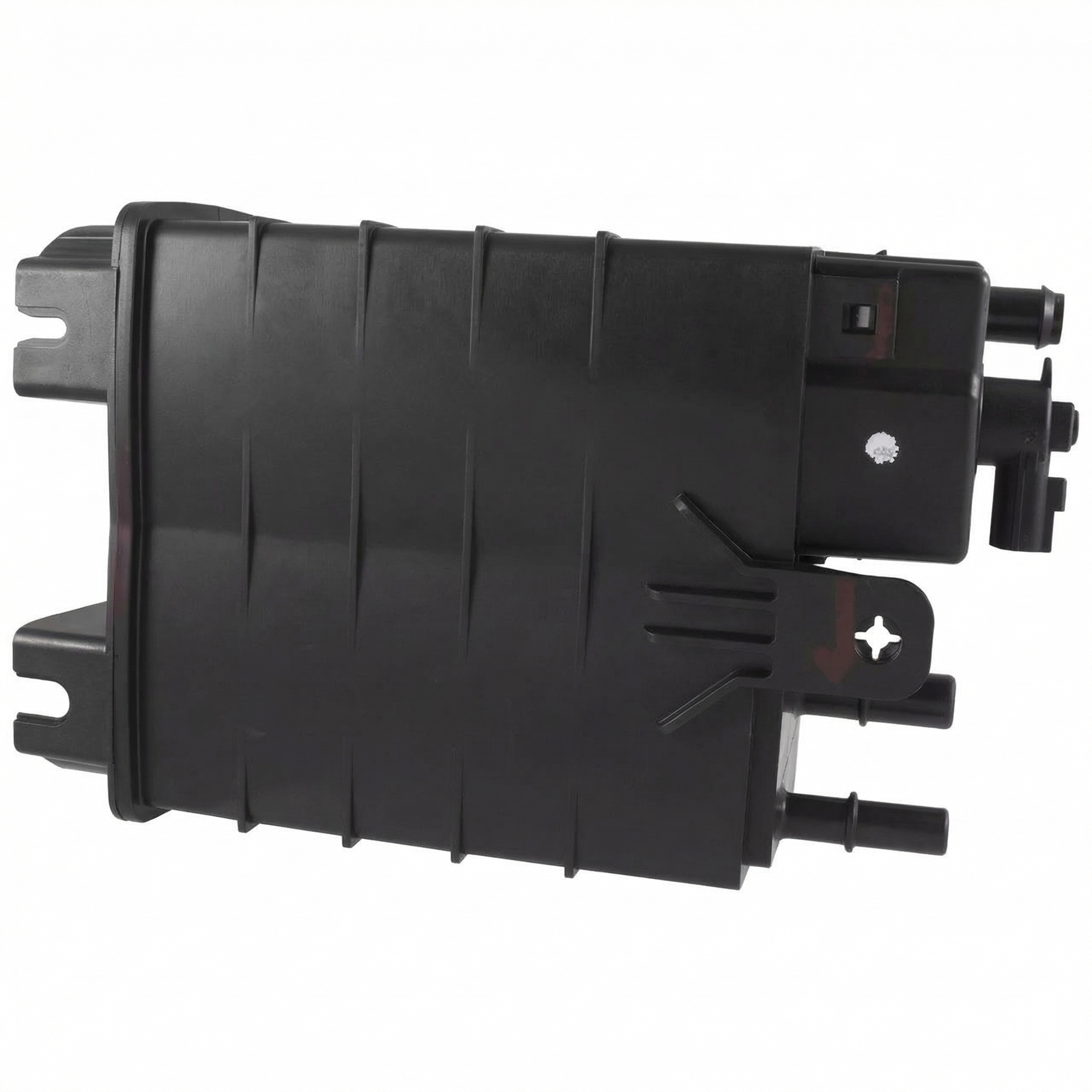
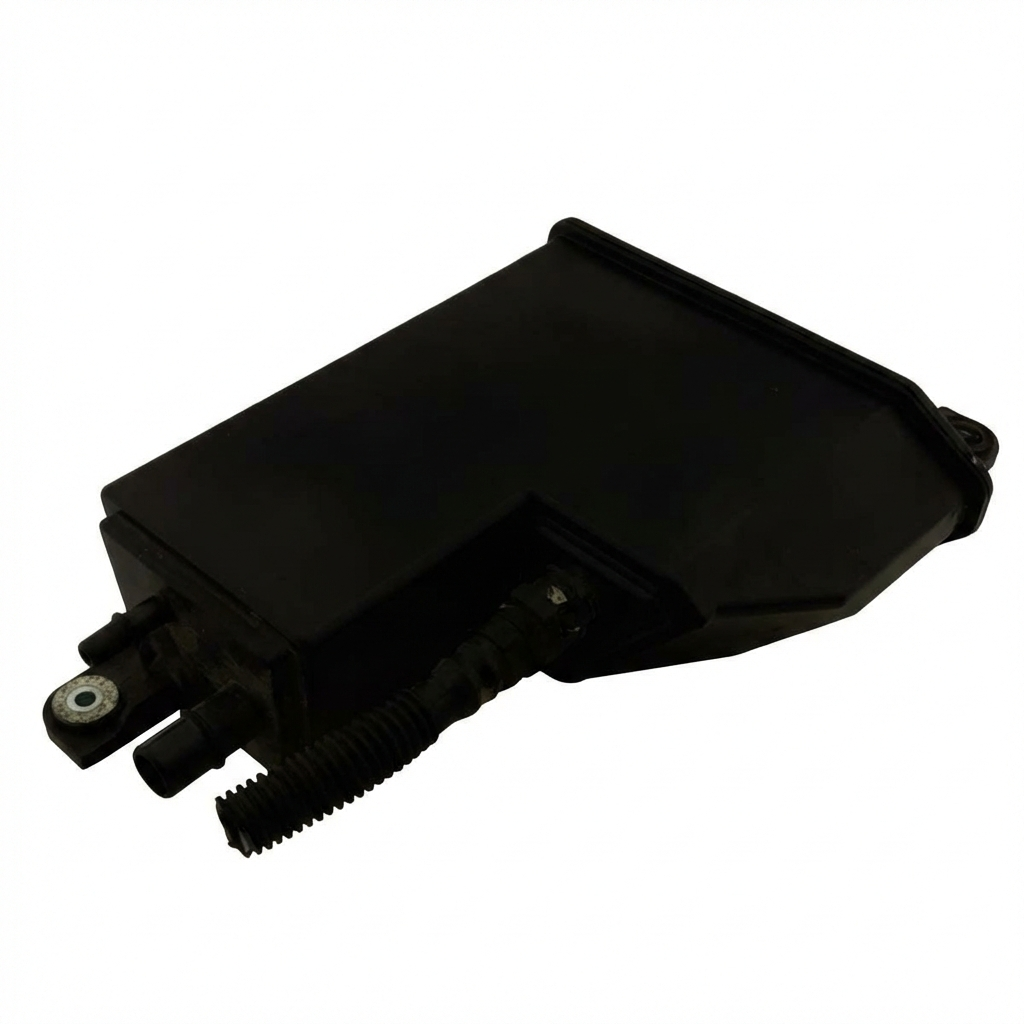
New Aftermarket Parts Available



The information in this article is provided for general reference and educational purposes only. Vehicle specifications, procedures, and part compatibility can vary by production date, trim level, and region. Always consult your vehicle's factory service manual and verify part numbers before purchasing or performing repairs. Safety-critical components such as airbags, seat belts, and braking systems should be installed by a qualified professional.
- Ford Transit:
- 🎬 Helpful Videos
- 🛍️ Shop This Part
- What's Unique About the 2015-2024 Ford Transit
- Symptoms You May Notice
- Most Likely Causes
- Rare But Worth Checking
- Diagnosis Steps
- Parts You'll Likely Need
- Related Codes That Often Appear With This One
- Technical Service Bulletins (TSBs) & Recalls
- Platform-Specific Known Issues
- Mechanic-Grade Diagnostic Values
- Hidden / Shadow Codes Worth Checking
- Scan Tool Commands That Help
- Wiring & Ground Locations
- Real Owner Repair Stories
- Diagnostic Flowchart
- Used vs. New Parts: Buying Guide for This Vehicle
- Related OBD-II Codes
- Frequently Asked Questions
- 🎟️ Get 5% Off