

P1299 on 2015-2022 Ford Escape: Cylinder Head Overheating Causes & Fixes
P1299 means your Escape's engine is dangerously hot and has activated a self-protection 'limp mode'. STOP DRIVING IMMEDIATELY. The cause can be a simple sensor, but on 1.5L and 1.6L EcoBoost models, it's often a sign of a catastrophic internal coolant leak (coolant intrusion) due to a design flaw. Ford acknowledged this with TSBs (like 22-2322) and Customer Satisfaction Program 21N12. Costs range from under $100 for a DIY sensor to over $7,500 for a new engine.
- P1299 is a critical code on a Ford Escape indicating the engine is overheating and has entered a protective limp mode. You must stop the vehicle immediately.
- On 1.5L and 1.6L EcoBoost engines, this code is a very strong indicator of the well-documented internal coolant leak (coolant intrusion) which requires engine replacement.
- Do not simply clear the code or replace the temperature sensor without a thorough diagnosis. An actual overheating condition will destroy the engine if ignored.
- Check for any open recalls or customer satisfaction programs (like 21N12) with a Ford dealer, as the repair for coolant intrusion may be covered.
- Diagnosis involves a cooling system pressure test and a borescope inspection to check for coolant inside the cylinders.
What's Unique About the 2015-2022 Ford ESCAPE

For the 2015-2022 Ford Escape, particularly models with the 1.5L and 1.6L EcoBoost engines, P1299 is an extremely serious code. These engines are known for a specific design flaw in the engine block that allows coolant to leak internally into the cylinders, a condition known as coolant intrusion. This is due to a poor mating surface between the block and cylinder head. This leads to rapid overheating, misfires, and often, complete engine failure. Ford has issued multiple Technical Service Bulletins (TSBs 22-2322, 20-2100) and a customer satisfaction program (21N12) acknowledging this exact issue, which often presents with code P1299 alongside misfire codes (P030x).
Diagnostic Flowchart

Tap your situation to follow the diagnostic path that matches what you're seeing on this vehicle.
Generation note: The 2015-2022 range covers the end of the 3rd generation (2013-2019) and the beginning of the 4th generation (2020-present). The most severe issue, coolant intrusion, is primarily documented for the 1.5L EcoBoost engine in 2017-2019 models (per TSB 22-2322) and the 1.6L EcoBoost in 2013-2016 models. While other engines like the 2.0L EcoBoost and 2.5L can get a P1299 code from general cooling system failures, the 1.5L/1.6L EcoBoost-specific coolant intrusion issues are the most notorious and well-documented.
Symptoms You May Notice

- Engine goes into 'limp mode' with severely reduced power.
- Temperature gauge suddenly goes to maximum 'H'.
- Dashboard warning message like 'Engine Overheated, Stop Safely' or 'Engine Coolant Overtemperature'.
- Cooling fans running on high speed constantly.
- White smoke coming from the exhaust, which is burning coolant.
- Engine running rough or misfiring, especially on startup.
- Check Engine Light is on.
- Noticeable loss of engine coolant with no visible external leaks.
- Gurgling or 'water running' sound inside the cabin after startup.
- Replacing only the CHT sensor without verifying if the engine is actually overheating. If there is a real cooling system problem like coolant intrusion, a new sensor won't fix it and the engine could be severely damaged.
- Topping off coolant without finding the leak. On an EcoBoost Escape, assuming a coolant top-off fixes the problem is dangerous, as it ignores the high probability of a severe internal leak which requires engine replacement.
- Replacing the engine coolant temperature (ECT) sensor instead of the cylinder head temperature (CHT) sensor. These are different sensors and P1299 specifically relates to the CHT reading.
Most Likely Causes
- Internal Coolant Intrusion (1.5L/1.6L EcoBoost) 🔴 High Probability A known design flaw in the engine block allows coolant to leak into the cylinders, often between cylinders 2 and 3. Ford has acknowledged this with TSBs (22-2322, 20-2100) 🎬 Watch: How to diagnose 1.5L EcoBoost coolant loss and misfires. and customer satisfaction program 21N12. Owner complaints and forum discussions frequently cite this failure as the root cause of P1299.
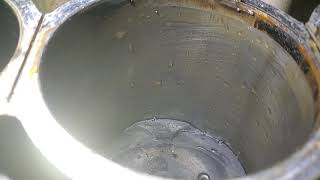
How to confirm: Perform a cooling system pressure test; if pressure drops with no external leak, it's internal. Use a borescope to look for coolant inside the cylinders. 🎬 Watch a mechanic test for coolant intrusion on a 2018 Escape. Spark plugs from affected cylinders may appear 'steam cleaned' or wet.
Typical fix: Requires replacement of the engine short block with a revised part and a new head gasket, as per Ford's TSBs. This is a major engine-out repair.
Est. part cost: $2000-$4000 for a short block assembly. The service kit part number for the 1.5L is DS7Z-6079-G. - Faulty Cylinder Head Temperature (CHT) Sensor or Wiring 🟡 Medium Probability Sensors can fail, sending incorrect high-temperature readings to the PCM even if the engine isn't actually overheating. On the 1.6L EcoBoost, the sensor is held by a clip and O-ring, and can leak coolant into the electrical connector, causing a short. This is a very common point of failure discussed in owner forums.
How to confirm: Use a scan tool to check for erratic CHT readings immediately after a cold start; if it jumps to max temp instantly, the sensor or wiring is likely bad. Compare the sensor reading to the actual engine temperature using an infrared thermometer. Inspect the sensor and connector for corrosion or coolant contamination.
Typical fix: Replace the CHT sensor and clean or repair the connector. The OEM part number is 9L8Z-6G004-E for many Escape models. 🎬 See this walkthrough for replacing the 1.6L CHT sensor.
Est. part cost: $25-$80 for an OEM sensor. - Leaking EGR Cooler 🟡 Medium Probability Ford issued TSB SSM 48345 indicating that a leaking EGR cooler can introduce coolant into the intake and exhaust, causing overheating symptoms and triggering P1299. This is a known failure point that can mimic head gasket failure.
How to confirm: Inspect the EGR system for signs of coolant. A pressure test may reveal coolant loss through the EGR cooler. The diagnosis may require isolating the cooler from the rest of the cooling system to verify the leak.
Typical fix: Replace the EGR cooler and associated gaskets.
Est. part cost: $300-$600 - Low Engine Coolant ⚪ Low Probability This is a general cause for any vehicle, but on this platform, it's crucial to determine *why* the coolant is low. It could be a simple external leak (hose, radiator, water pump) or the first sign of the more serious internal leak. On 1.6L models, a recall (17S09) was issued for a lack of coolant circulation that could crack the cylinder head, necessitating the installation of a coolant level sensor.
How to confirm: Visually check the coolant level in the expansion tank. If low, perform a cooling system pressure test to find the leak. Check all hoses, the radiator, and water pump for visible signs of leakage.
Typical fix: Find and repair the source of the leak (e.g., replace a hose, radiator, or water pump) and refill the system.
Est. part cost: $20-$500 depending on the leaking part.
Rare But Worth Checking
- Damaged Charge Air Cooler (CAC) from Intake Manifold Bolt: TSB 17-0028 describes a specific failure on 1.5L GTDI engines where an intake manifold bolt can back out and physically damage the Charge Air Cooler, leading to coolant loss and triggering P1299 among other codes. The fix involves replacing both the intake manifold and the CAC.
- Stuck Thermostat: A thermostat stuck closed will prevent coolant from circulating to the radiator, causing a genuine and rapid overheat condition.
- Faulty Coolant Level Sensor: On some models, particularly the 1.6L, a faulty coolant level sensor can itself trigger limp mode and codes like U1035 alongside P1299, even if the CHT sensor is good and the coolant level is correct.
Diagnosis Steps

- DO NOT continue to run the engine. Let it cool completely.
- Check the engine coolant level in the expansion tank. If it is low, this is a critical clue.
- Scan the PCM for all stored trouble codes. Note any misfire (P030x), general overheat (P0217), or other related codes like U1035.
- If the engine seems to overheat instantly on a cold start, suspect a faulty CHT sensor or wiring. Inspect the CHT sensor connector for coolant contamination, especially on 1.6L models.
- If coolant is low, perform a cooling system pressure test. Watch the pressure gauge for 15-30 minutes. If the pressure drops and there are no visible external leaks from hoses, the radiator, or water pump, an internal leak is highly likely.
- If an internal leak is suspected (common on 1.5L/1.6L EcoBoost), remove all spark plugs. Inspect them for a 'steam-cleaned' appearance or wetness.
- Use a borescope to look inside each cylinder through the spark plug holes. Look for the presence of liquid coolant or an abnormally clean piston top, which are definitive signs of coolant intrusion.
- If TSB 17-0028 is suspected (1.5L engine), inspect the intake manifold bolts and Charge Air Cooler for damage.
Parts You'll Likely Need
- Engine Short Block Assembly
(OEM #DS7Z-6079-G (1.5L Service Kit))— This is the official Ford-recommended fix for the common coolant intrusion issue on 1.5L EcoBoost engines, as outlined in TSB 22-2322 and customer satisfaction program 21N12.
Trusted brands: Motorcraft
OEM price range: $2500-$4000
Aftermarket price range: $2000-$3500 - Cylinder Head Temperature (CHT) Sensor
(OEM #9L8Z-6G004-E)— A common failure point that can send false overheat signals. On 1.6L engines, it is known to leak coolant into its own connector, causing a short.
Trusted brands: Motorcraft, NGK, Standard Motor Products
OEM price range: $25-$40
Aftermarket price range: $10-$30
Related Codes That Often Appear With This One
- P0217 — Engine Coolant Overtemperature Condition. This is a general overheat code that often accompanies the more specific P1299.
- P1285 — Cylinder Head Over Temperature Sensed. This is another Ford-specific code that is closely related to P1299 and often appears with it.
- P0300, P0301, P0302, P0303, P0304 — Random or specific cylinder misfire codes. These are extremely common when coolant intrudes into the cylinders, fouling the spark plugs and disrupting combustion.
- P0316 — Misfire Detected on Startup. Often triggered by coolant that has leaked into a cylinder while the engine was off.
- U1035 — Lost Communication With Engine Coolant Level Sensor. This code can appear on 1.6L models, sometimes due to a faulty sensor or wiring issue that can also contribute to the P1299 trigger.
Technical Service Bulletins (TSBs) & Recalls

- TSB 22-2322: Supersedes previous TSBs for the 1.5L EcoBoost. Details symptoms (low coolant, white smoke, rough run) and codes (P1299, P030x, etc.) related to coolant intrusion. Mandates replacement of the short block and head gasket.
- Customer Satisfaction Program 21N12: Related to TSB 22-2322, this program provided a no-cost, one-time short block replacement for affected 1.5L engines for 7 years/84,000 miles. It had a final expiration date of Nov 30, 2022 for vehicles outside the initial limits.
- TSB 20-2100: An earlier version of the TSB for the 1.5L coolant intrusion issue, later superseded by 22-2322.
- SSM 48345: Points to a leaking EGR cooler as a possible cause for P1299 and other overheat codes.
- TSB 17-0028: Specific to the 1.5L engine, warns that an intake manifold bolt can back out and damage the Charge Air Cooler, causing coolant loss and P1299.
- Recall 17S09 (for 1.6L): Addresses a risk of engine overheating from lack of coolant circulation which can crack the cylinder head. The fix involves installing a coolant level sensor system.
Platform-Specific Known Issues
- Extremely high probability of coolant intrusion due to a design flaw in the engine block. This is the most likely cause of P1299 if accompanied by coolant loss and/or misfires. Covered by TSB 22-2322 and CSP 21N12.
- Also prone to engine block/head coolant intrusion issues, similar to the 1.5L. Additionally, these engines are known for faulty CHT sensors that leak coolant into the electrical connector, causing false overheat signals. Subject to recall 17S09 for fire risk due to overheating.
- While less common than in the smaller engines, the 2.0L EcoBoost can also suffer from coolant intrusion into the cylinders, as noted in NHTSA communications, which can trigger P1299.
- This naturally aspirated engine is not prone to the EcoBoost-specific coolant intrusion design flaw. A P1299 code on this engine is more likely due to general cooling system failures like a bad CHT sensor, stuck thermostat, or a simple coolant leak from a hose or radiator.
Mechanic-Grade Diagnostic Values
- Cylinder Head Temperature (CHT) Sensor Resistance — expected: Resistance changes with temperature. Approx. 37,000 Ohms at 68°F (20°C); Approx. 2,400 Ohms at 212°F (100°C).. Failure: Extremely high (open circuit) or low (short circuit) resistance regardless of temperature. No change in resistance as the engine warms up.
- Cylinder Head Temperature (CHT) Sensor Voltage (KOEO) — expected: On a cold engine, voltage should be high, typically 3.0-3.7V. As the engine warms, voltage should drop smoothly.. Failure: A reading of ~5V indicates an open circuit or disconnected sensor. A reading near 0V indicates a short to ground. A PID reading greater than 4.6V will set a fault.
Hidden / Shadow Codes Worth Checking
- P030x (e.g., P0301, P0302): While not 'hidden', the presence of specific cylinder misfire codes alongside P1299 is a critical secondary indicator. On 1.5L/1.6L EcoBoost engines, this combination strongly suggests coolant has intruded into that specific cylinder, fouling the spark plug. (see via Any standard OBD-II scanner.)
Scan Tool Commands That Help
- Ford IDS / FORScan: Power Balance Test — This test graphically displays the power contribution of each cylinder. If P1299 is accompanied by misfire codes, running this test can visually confirm which cylinder is weak. A cylinder with coolant intrusion will show a significant and consistent drop in performance, helping to pinpoint the internal leak without immediate disassembly.
- Ford IDS / FORScan: KAM (Keep Alive Memory) Reset — After replacing a component like the CHT sensor or performing a major engine repair, a KAM reset should be performed. This clears the adaptive learning tables in the PCM, forcing it to relearn sensor values and engine operating parameters, which can prevent lingering driveability issues.
Wiring & Ground Locations
- C175B — This is the main, large inline connector for the Powertrain Control Module (PCM), typically located in the engine bay near the firewall or battery.. The CHT sensor wires run directly to this connector. For a 2017 1.5L Escape, the CHT signal and signal return wires are often found at specific pins in this connector. Checking for corrosion, pin fitment, or damage here is a crucial step if a sensor replacement doesn't fix the issue.
- G104 — A common engine block ground point, typically located on the front or side of the cylinder head or engine block.. The CHT sensor, like many other engine sensors, relies on a clean ground path. A loose or corroded G104 ground can cause erratic voltage readings for multiple sensors, including the CHT, leading to false overheating codes like P1299.
Real Owner Repair Stories
- Ford Escape owner forum discussions (2016 Ford Escape 1.6L EcoBoost) — Sudden P1299 code, limp mode, temperature gauge maxed out, but engine didn't seem physically hot.
❌ Tried (didn't work) Initial thought was major engine failure due to the code's reputation.
✅ What actually fixed it The CHT sensor's O-ring had failed, causing coolant to leak and wick into the electrical connector, shorting the sensor's pins. Replacing the CHT sensor, its O-ring, and thoroughly cleaning the connector with electrical cleaner resolved the code. This was misdiagnosed as needing an engine replacement initially. - NHTSA ODI #11581990 (2018 Ford Escape) — Car went into limp mode, P1299 and P0302 (Cylinder 2 Misfire) codes stored.
❌ Tried (didn't work) Initial diagnosis.
✅ What actually fixed it Following Ford's TSB 22-2322, the technician found coolant leaking into cylinder #2. The definitive fix was a complete engine replacement, confirming the known coolant intrusion design flaw. - Reddit r/MechanicAdvice (Ford Escape 2.0L EcoBoost (year not specified)) — P1299 code and genuine overheating condition (steam, high temp gauge).
❌ Tried (didn't work) Checking for coolant intrusion, which is less common on the 2.0L.
✅ What actually fixed it The cause was a simple mechanical failure: the thermostat was stuck closed, preventing coolant circulation. Replacing the thermostat and refilling the coolant resolved the overheating and the P1299 code. This highlights that on non-1.5L/1.6L engines, standard cooling system faults are more likely culprits.
OEM Part Supersession History
e.g., CJ5Z-6010-B (example for early 1.5L blocks)→e.g., DS7Z-6009-J or newer revisions.— The original 1.5L 4-cylinder EcoBoost engine block design had a flaw in the deck surface, with thin walls between coolant passages and the cylinders. The revised short block (engine block assembly) features redesigned, more robust coolant passages to prevent cracks from forming and coolant from leaking into the cylinders.
Heads up: When replacing a failed engine due to coolant intrusion, it is critical to use the latest revised short block from Ford to ensure the fix is permanent. Using an old-stock original design block will likely lead to a repeat failure.
Model Year Variations Within This Range
- 2015-2016: These model years primarily used the 1.6L EcoBoost, which was also known for coolant intrusion issues and was subject to recall 17S09 for potential cylinder head cracking due to a lack of coolant circulation.
- 2017-2019: This range is the primary risk group for the 1.5L 4-cylinder EcoBoost engine with the flawed block design leading to coolant intrusion. TSBs and customer satisfaction programs are heavily focused on these years.
- 2020-2022: Starting in 2020, the Ford Escape switched to an all-new 1.5L 3-cylinder EcoBoost engine (nicknamed 'Dragon'). This is a different engine family from the previous 4-cylinder and is not associated with the same block-deck coolant intrusion flaw, though it has had some reports of other coolant-related issues. Therefore, a P1299 code on a 2020+ model is less likely to be caused by the infamous block defect.
Helpful Videos

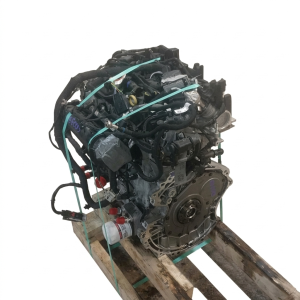
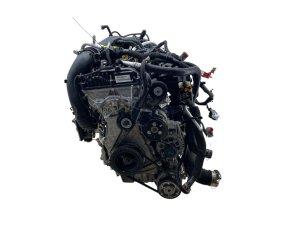
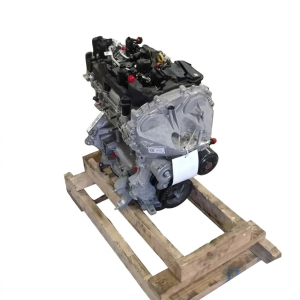
We Have This Part in Stock



The information in this article is provided for general reference and educational purposes only. Vehicle specifications, procedures, and part compatibility can vary by production date, trim level, and region. Always consult your vehicle's factory service manual and verify part numbers before purchasing or performing repairs. Safety-critical components such as airbags, seat belts, and braking systems should be installed by a qualified professional.
- Ford ESCAPE:
- 🎬 Helpful Videos
- 🛍️ Shop This Part
- What's Unique About the 2015-2022 Ford ESCAPE
- Diagnostic Flowchart
- Symptoms You May Notice
- Most Likely Causes
- Rare But Worth Checking
- Diagnosis Steps
- Parts You'll Likely Need
- Related Codes That Often Appear With This One
- Technical Service Bulletins (TSBs) & Recalls
- Platform-Specific Known Issues
- Mechanic-Grade Diagnostic Values
- Hidden / Shadow Codes Worth Checking
- Scan Tool Commands That Help
- Wiring & Ground Locations
- Real Owner Repair Stories
- OEM Part Supersession History
- Model Year Variations Within This Range
- 🎟️ Get 5% Off