

P1101 on 2003-2014 Volvo XC90: MAF Sensor and Airflow Faults, Causes, and Fixes
On a 2003-2014 Volvo XC90, code P1101 is most often caused by a dirty Mass Airflow (MAF) sensor. The most likely fix is cleaning the sensor with a dedicated spray cleaner, which costs about $10-$15 and is an easy DIY job. If cleaning fails, replacement with an OEM Bosch sensor is recommended.
- P1101 on your XC90 almost always points to a problem with the Mass Airflow (MAF) sensor or unmetered air entering the engine.
- Before buying any parts, spend $10 on a can of dedicated MAF sensor cleaner and clean the sensor. This resolves the issue in a majority of cases.
- Thoroughly inspect the air intake hose for cracks and ensure the air filter box is securely closed, as these are common sources of vacuum leaks.
- If the code is accompanied by P0171 or P0174 (lean codes), focus on fixing the P1101 code first; the lean codes are likely a symptom.
- Do not use brake cleaner or carburetor cleaner on the MAF sensor; it will destroy it. Only use a product specifically labeled for cleaning MAF sensors.
What's Unique About the 2003-2014 Volvo XC90
The first-generation Volvo XC90 uses a sensitive MAF system across all its engine variants (2.5T, 3.2L, and 4.4L). While the code's meaning is consistent, the turbocharged 2.5T engine has more potential failure points for vacuum or boost leaks in the charge piping that can trigger this code compared to the naturally aspirated I6 and V8 engines. A leak in the intercooler is a known, though less common, cause. However, the primary cause across all powertrains is very frequently a MAF sensor element contaminated by dirt or oil, making cleaning the first and most effective diagnostic step. Using non-OEM or cheap aftermarket MAF sensors is a known cause of persistent issues; sticking with the OEM Bosch unit is highly recommended by owners.
Symptoms You May Notice
- Check Engine Light illuminated
- Reduced engine power and sluggish acceleration, sometimes described as 'limp mode'
- Hesitation or stumbling when applying the throttle
- Rough or fluctuating idle
- Engine may stall when coming to a stop
- Noticeable decrease in fuel economy
- For turbo models, a 'whoosh' sound followed by a sudden loss of all power if a charge pipe or intercooler fails.
- Replacing the oxygen (O2) sensors. While lean codes (P0171, P0174) can accompany P1101, they are usually a symptom of the airflow issue, not the root cause.
- Replacing the throttle body. A dirty throttle body is a possible but uncommon cause, and it should be cleaned first before considering replacement.
Most Likely Causes
- Dirty or Contaminated Mass Airflow (MAF) Sensor 🔴 High Probability The sensor's delicate hot wire or element can easily be contaminated by fine dirt particles that get past the air filter or oil vapors from the PCV system or an over-oiled aftermarket filter. This is the most common cause across all P2 platform Volvos.
How to confirm: Visually inspect the MAF sensor element, located in the intake tube right after the air filter box, for a film of dirt or grime.
Typical fix: Remove the sensor and clean it thoroughly with a dedicated MAF sensor cleaner spray. Do not touch the internal components. Let it dry completely before reinstalling. 🎬 Watch: Two simple DIY methods to fix the P1101 code.
Est. part cost: $10-$15 for cleaner spray - Vacuum Leak 🟡 Medium Probability With age, rubber and plastic hoses in the intake system can become brittle and crack, allowing unmetered air to enter the engine after the MAF sensor. On the 2.5T, common culprits include the PCV system hoses and turbo intake piping. On the 3.2L, the vacuum pump itself can leak.
How to confirm: Perform a smoke test by introducing smoke into the intake manifold and watching for where it escapes. 🎬 See how to use a smoke machine to find leaks. Also, visually inspect all intake hoses and connections for cracks or loose fittings.
Typical fix: Replace the cracked hose or leaking gasket that is identified during the smoke test.
Est. part cost: $20-$150 depending on the specific hose - Improperly Installed or Clogged Engine Air Filter 🟡 Medium Probability If the air filter housing is not sealed correctly after a filter change, it can allow unmetered air in or cause air turbulence across the MAF sensor, leading to incorrect readings. A severely clogged filter can also restrict airflow and trigger the code.
How to confirm: Inspect the engine air filter for excessive dirt. Ensure the filter and the airbox lid are seated correctly with all clips secured.
Typical fix: Replace the dirty air filter and ensure the airbox is sealed properly.
Est. part cost: $20-$50 - Failed MAF Sensor ⚪ Low Probability While durable, the sensor can fail electronically over time, especially if cleaning does not resolve the issue. Owner forums strongly advise against using inexpensive aftermarket sensors, as they often fail quickly or provide inaccurate readings, causing the code to return. Using the OEM Bosch sensor is the recommended fix.
How to confirm: If cleaning the sensor and confirming there are no vacuum leaks does not fix the code, the sensor itself is the likely culprit. It can be definitively tested by monitoring its output voltage or grams/sec reading with an advanced scan tool.
Typical fix: Replace the MAF sensor, preferably with an OEM Bosch unit.
Est. part cost: $150-$300 for an OEM Bosch sensor
Rare But Worth Checking
- Damaged MAF Sensor Wiring or Connector: The wiring harness leading to the MAF sensor can become brittle or corroded, causing an intermittent or lost signal. Wiggle the connector and wiring with the engine running to see if it affects the idle.
- Leaking Intercooler (2.5T Engine): On turbocharged models, a leak in the intercooler or its connections can allow metered air to escape, creating a discrepancy between expected and measured airflow. This can be diagnosed with a boost leak test or a smoke test. A Volvo owner reported this exact issue causing MAF and O2 sensor codes.
- Faulty Powertrain Control Module (PCM): This is extremely rare. Before condemning the PCM, all other possibilities, including sensor, wiring, and vacuum/boost leaks, must be exhaustively ruled out.
Diagnosis Steps
- Check for other stored trouble codes to get a complete picture of the fault.
- Inspect the engine air filter to ensure it is clean and correctly installed in its housing. Check that the airbox is fully sealed.
- Visually inspect the full intake tract, from the airbox past the MAF sensor to the throttle body, for any obvious cracks, loose clamps, or disconnected hoses.
- Disconnect the electrical connector and remove the two Torx screws holding the MAF sensor in the airbox lid.
- Carefully clean the sensor's internal wires and elements using only dedicated MAF Sensor Cleaner. Do not touch the sensor elements. Let it air dry completely for at least an hour.
- Reinstall the sensor, clear the codes with a scanner, and perform a test drive to see if the code returns.
- If the code reappears, perform a smoke test to definitively check for vacuum leaks anywhere in the intake system. On turbo models, a boost leak test may also be necessary.
- If no vacuum leaks are found, inspect the MAF sensor connector and wiring for corrosion or damage.
- If all other steps fail to resolve the issue, replacement of the MAF sensor with an OEM Bosch unit 🎬 Watch: A simple 5-minute walkthrough for replacing your MAF sensor. is the most likely solution.
Parts You'll Likely Need
- Mass Airflow (MAF) Sensor
(OEM #2.5T: Bosch 0280218088 / Volvo 31342362. 3.2L/4.4L: Bosch 0280218089 / Volvo 31342363.)— This is the primary component related to the P1101 code. It is often replaced if cleaning does not solve the problem. Sticking to the OEM Bosch part is critical for a lasting repair.
Trusted brands: Bosch (OEM), Denso
OEM price range: $150-$300
Aftermarket price range: $50-$120 (Not Recommended) - MAF Sensor Cleaner — This is the first-line defense and most common fix. A contaminated sensor is a very frequent cause of P1101.
Trusted brands: CRC, Liqui Moly
OEM price range: N/A
Aftermarket price range: $10-$15 - Engine Air Filter — A dirty or improperly installed filter can cause airflow issues that trigger this code.
Trusted brands: Mann-Filter, Mahle
OEM price range: $30-$50
Aftermarket price range: $15-$30
Related Codes That Often Appear With This One
- P0171 — This code means 'System Too Lean (Bank 1)'. If the MAF sensor is under-reporting airflow (due to a vacuum leak, for example), the PCM will inject too little fuel, creating a lean condition that is detected by the O2 sensor.
- P0174 — This code means 'System Too Lean (Bank 2)' and applies to the V8 engine. It appears for the same reason as P0171, indicating the lean condition is affecting both cylinder banks.
Platform-Specific Known Issues
- Intercooler Leak on 2.5T: A user on the Volvo Owners Club Forum reported that codes for MAF and O2 sensors were ultimately traced back to a leak in the intercooler, which was allowing metered air to escape. The mechanic identified it by hearing a hissing sound under acceleration.
Mechanic-Grade Diagnostic Values
- MAF Sensor Voltage (Key-On, Engine-Off) — expected: 0.2V to 0.3V. Failure: A reading of 0V or a value significantly outside this range indicates a sensor or wiring issue.
- MAF Sensor Voltage (Key-On, Engine-Running at Idle) — expected: 0.46V to 2.44V. Failure: A voltage reading below 0.46V during the KOER self-test will trigger the P1101 code.
- MAF Sensor Live Data (g/s at idle) — expected: Roughly equal to engine displacement (e.g., a 2.5L engine should read around 2.5 g/s at warm idle with no load).. Failure: A reading significantly higher or lower than the engine's displacement at idle suggests an inaccurate sensor or a vacuum leak.
- MAF Sensor Power Supply (at connector) — expected: Battery Voltage (approx. 12V) on the power supply pin.. Failure: No voltage indicates a problem with the power supply from the relay or a broken wire.
Hidden / Shadow Codes Worth Checking
- ECM-1101: This is the Volvo-specific Diagnostic Trouble Code (DTC) that corresponds to the generic P1101. It may provide more specific fault tracing information within the VIDA software. (see via Volvo's VIDA (Vehicle Information & Diagnostics for Aftersales) software with a DiCE interface tool.)
Scan Tool Commands That Help
- Volvo VIDA with DiCE: Read Vehicle & Fault Trace — This is the dealer-level method to read all modules, view Volvo-specific DTCs like ECM-1101, and access guided diagnostic procedures ('Fault Tracing') which provide step-by-step tests for the specific code.
- Advanced OBD-II Scanner: Live Data Monitoring (MAF g/s, Short/Long Term Fuel Trims) — A key diagnostic step is to unplug the MAF sensor while monitoring fuel trims. If the MAF is faulty and causing a rich or lean condition, unplugging it will force the ECU into a default mode, and the fuel trims should quickly move toward 0%. This strongly indicates the MAF sensor is providing inaccurate data.
Wiring & Ground Locations
- Main Engine Ground Strap — On 2.5T engines, a primary ground strap connects from the top of the engine (near the timing belt cover, held by a 10mm bolt) to the vehicle's chassis.. A corroded or broken engine ground strap can cause a host of electrical issues and erratic sensor readings, including the MAF sensor. The ECU and its sensors rely on a stable ground reference for accurate measurements.
- MAF Sensor Connector (7/17) — The electrical connector on the MAF sensor housing, located directly after the air filter box.. This is the direct connection point for the sensor. A user found a P1101 code was caused by a cut wire in the harness leading to this connector. The specific pins to test are Pin 2 (Power Supply), Pin 4 (Power Supply from ECM), and Pin 5 (Signal to ECM).
Real Owner Repair Stories
- volvoXC.com forum user (2002 Volvo V70 XC (P2 Platform, similar to XC90)) — Car would not run, no airflow reading from MAF sensor.
❌ Tried (didn't work) Replacing the MAF sensor with a new genuine Bosch unit.
✅ What actually fixed it The user discovered a cut wire in the wiring harness between the MAF sensor connector (Pin 2) and a junction point. The cut was located behind the driver's side headlight area. Repairing the wire restored the sensor's function and fixed the issue. - YouTube channel 'DadsGarage Diagnostic Specialist' (Chevrolet (demonstrating a universal P1101 diagnostic principle)) — Check Engine Light with P1101, P0101, and P0172 (Rich condition).
❌ Tried (didn't work) Initial inspection showed fuel trims were highly negative (-29%).
✅ What actually fixed it The problem was an improperly installed aftermarket air filter that was not seated on the intake tube correctly. This caused air turbulence across the MAF sensor, leading to inaccurate (high) readings and a rich fuel mixture. Correctly seating the air filter and intake boot resolved the codes.
"I Checked Everything" — The Actual Cause
- In cases where a smoke test reveals no vacuum leaks, the P1101 code can be caused by a faulty MAF sensor providing incorrect data even without an air leak. A diagnostic technique is to unplug the MAF sensor with the engine running; if long-term fuel trims quickly trend towards zero, it confirms the MAF sensor itself is the source of the incorrect readings, not a leak.
Model Year Variations Within This Range
- 2003-2006 (2.5T) vs 2007-2014 (3.2L/4.4L): The MAF sensor part numbers are different for the early 5-cylinder turbo engines versus the later 6-cylinder and V8 engines. The 2.5T uses Bosch P/N 0280218088, while the 3.2L and 4.4L engines typically use Bosch P/N 0280218089. While the sensors may look similar, their calibration is specific to the engine's airflow characteristics.
Diagnostic Flowchart
Other Known Issues on This Vehicle
Issues unrelated to this code that are worth knowing about as an owner of this generation:
- AWD Angle Gear / Spline Sleeve Failure 🔴 High — Common on all AWD models, especially over 100,000 miles. The splined sleeve connecting the transmission to the angle gear wears out, resulting in a loss of all-wheel drive.
- Central Electronic Module (CEM) Failure 🔴 High — A well-known issue across the P2 platform. Can occur at any mileage, often heat-related. Causes a host of bizarre, intermittent electrical problems like non-starting, gauge cluster failure, and random warning lights.
- PCV System Clogging (2.5T Engine) 🟠 Medium — Common on the 5-cylinder turbo engines, typically every 80,000-100,000 miles. A clogged PCV system builds crankcase pressure, leading to oil leaks from cam and main seals. Can be checked with the 'glove test'.
- Leaking Vacuum Pump (3.2L I6 Engine) 🟠 Medium — A notorious issue on the 3.2L SI6 engine where the seals on the engine-driven vacuum pump fail, causing a significant oil leak onto the side of the engine. Volvo offers a reseal kit. (Ref: Volvo offers a repair kit (Part No. 31401556) to reseal the pump without replacing the entire unit.)
- Balance Shaft Bearing Failure (Early 4.4L V8) 🔴 High — Affects 2005 model year V8 engines. The balance shaft bearing was not sealed and susceptible to failure if water entered the engine, leading to catastrophic engine damage. The issue was corrected for 2006 and later models.
- Front Suspension Wear 🟡 Low — Control arm bushings, spring seats, and tie rods are common wear items on the heavy XC90, often requiring replacement every 70,000-100,000 miles to maintain handling and prevent clunking noises.
Used vs. New Parts: Buying Guide for This Vehicle
When a used part is the smart pick: For this repair, using a used part is generally not recommended for the MAF sensor itself due to its sensitivity and electronic nature. However, used parts are a viable option for mechanical components like the air filter housing, intake hoses, or intercooler if they are confirmed to be free of cracks or damage.
Donor-vehicle mileage cap: roughly under 80000 miles for the part to have meaningful remaining life.
What to inspect on the donor part:
- For intake hoses: Squeeze the hose to check for pliability; avoid any that are hard, brittle, or show visible cracks.
- For an air filter box: Ensure all clips are present and functional, and check that the sealing surfaces are not warped or damaged.
- For a MAF sensor (if you must buy used): Ask for the donor vehicle's mileage and try to get one from a lower-mileage, accident-damaged vehicle rather than one scrapped for engine failure.
OEM-only on this vehicle (don't cheap out):
- Mass Airflow (MAF) Sensor: Owner and technician consensus is extremely strong that only the OEM Bosch sensor should be used. Aftermarket sensors for this platform are notorious for being calibrated incorrectly, failing prematurely, or causing the P1101 code to return.
Aftermarket brands forum-validated for this vehicle:
- Bosch (OEM supplier)
- Denso (Often a reliable alternative if Bosch is unavailable)
Brands owners have reported issues with on this vehicle:
- Unbranded or generic 'white-box' MAF sensors sold on sites like eBay and Amazon. While inexpensive, they are a very common source of repeat failures for this specific code.
Real Owner Stories
Aggregated from forums and TSBs cited above. Mileages and costs reflect what owners reported in those sources.
2003-2014 Volvo XC90 2.5T
Symptoms: The vehicle threw codes for the MAF and O2 sensors. The mechanic noticed a hissing sound specifically during acceleration.
What fixed it: The issue was traced to a leak in the intercooler that was allowing metered air to escape.
Source hint: Volvo Owners Club Forum thread (https://www.volvoforums.org.uk/showthread.php?t=261019)
Related OBD-II Codes
Frequently Asked Questions
I have a 3.2L I6 XC90 with an oil leak near the vacuum pump; could this be related to my P1101 code?
Can I use a cheaper aftermarket MAF sensor to fix the P1101 code on my XC90?
My 2.5T XC90 made a 'whoosh' sound and lost power. Is this a MAF failure?
How can I check if my 2.5T engine's PCV system is causing intake issues?
Is there a specific cleaner I should use for the MAF sensor on my Volvo?
Helpful Videos
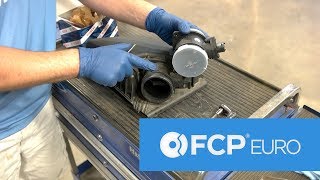
![How to Fix P1101 Engine Code in 3 Minutes [2 DIY Methods / Only $7.47]](https://img.youtube.com/vi/AWGlibhplBc/mqdefault.jpg)

Used OEM Parts in Stock
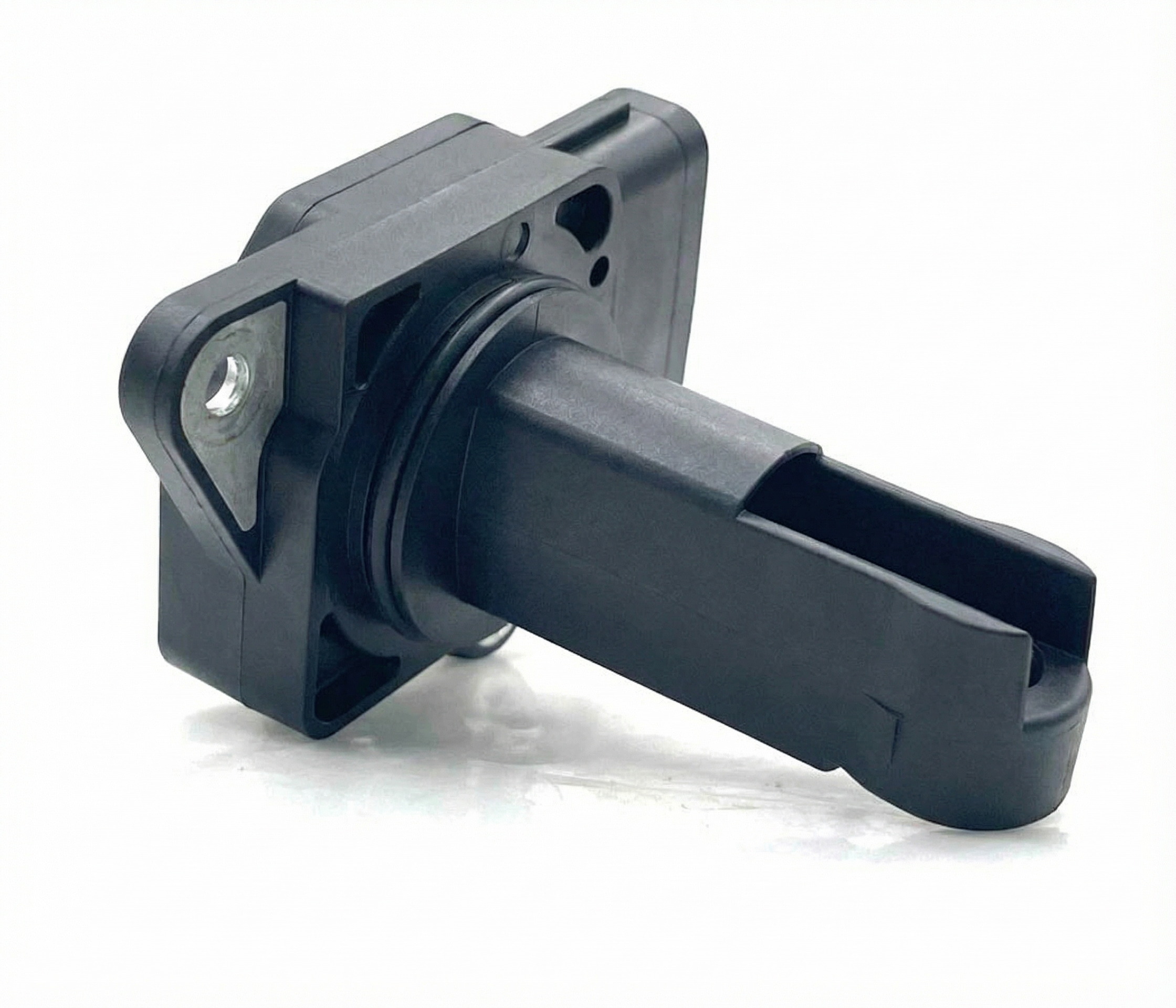
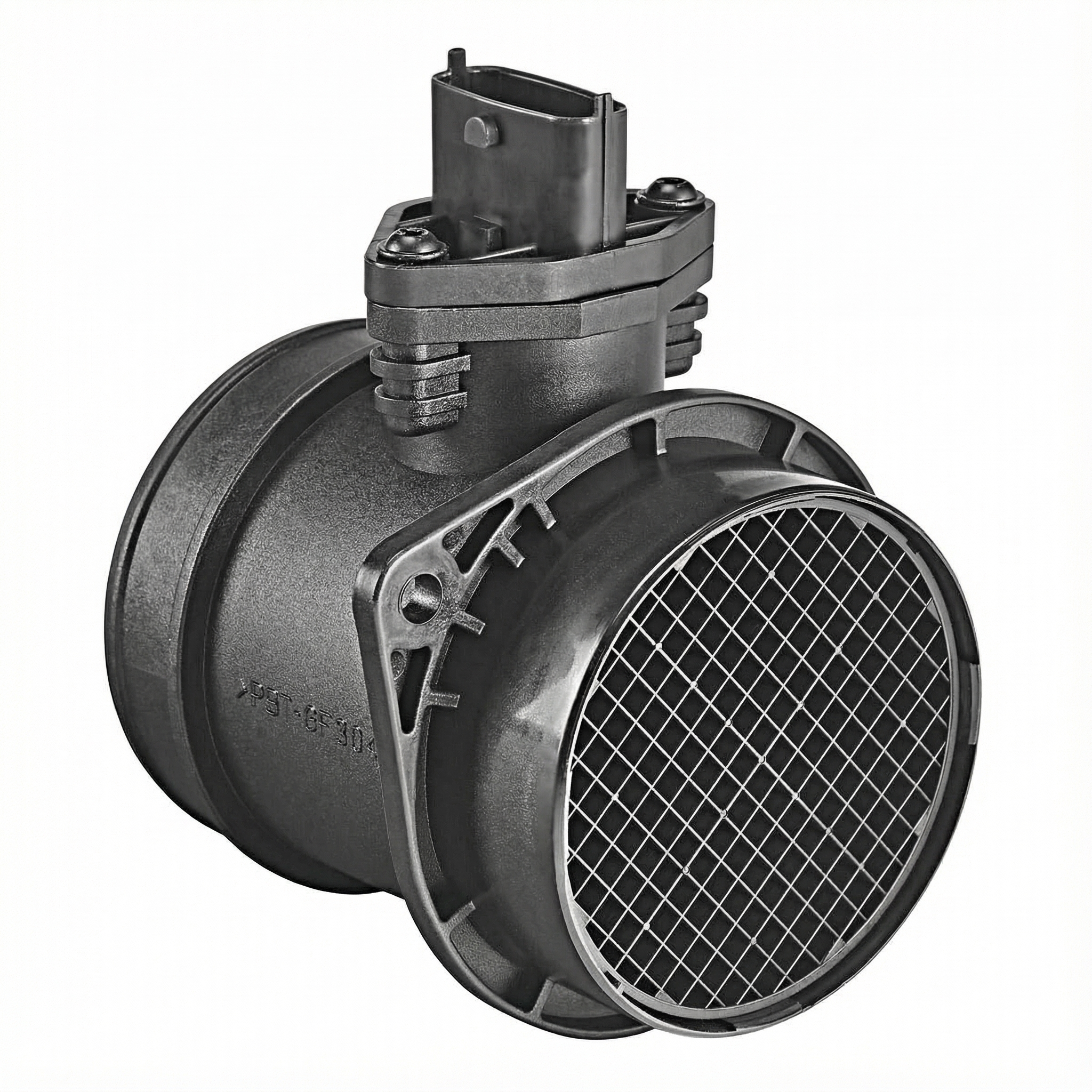
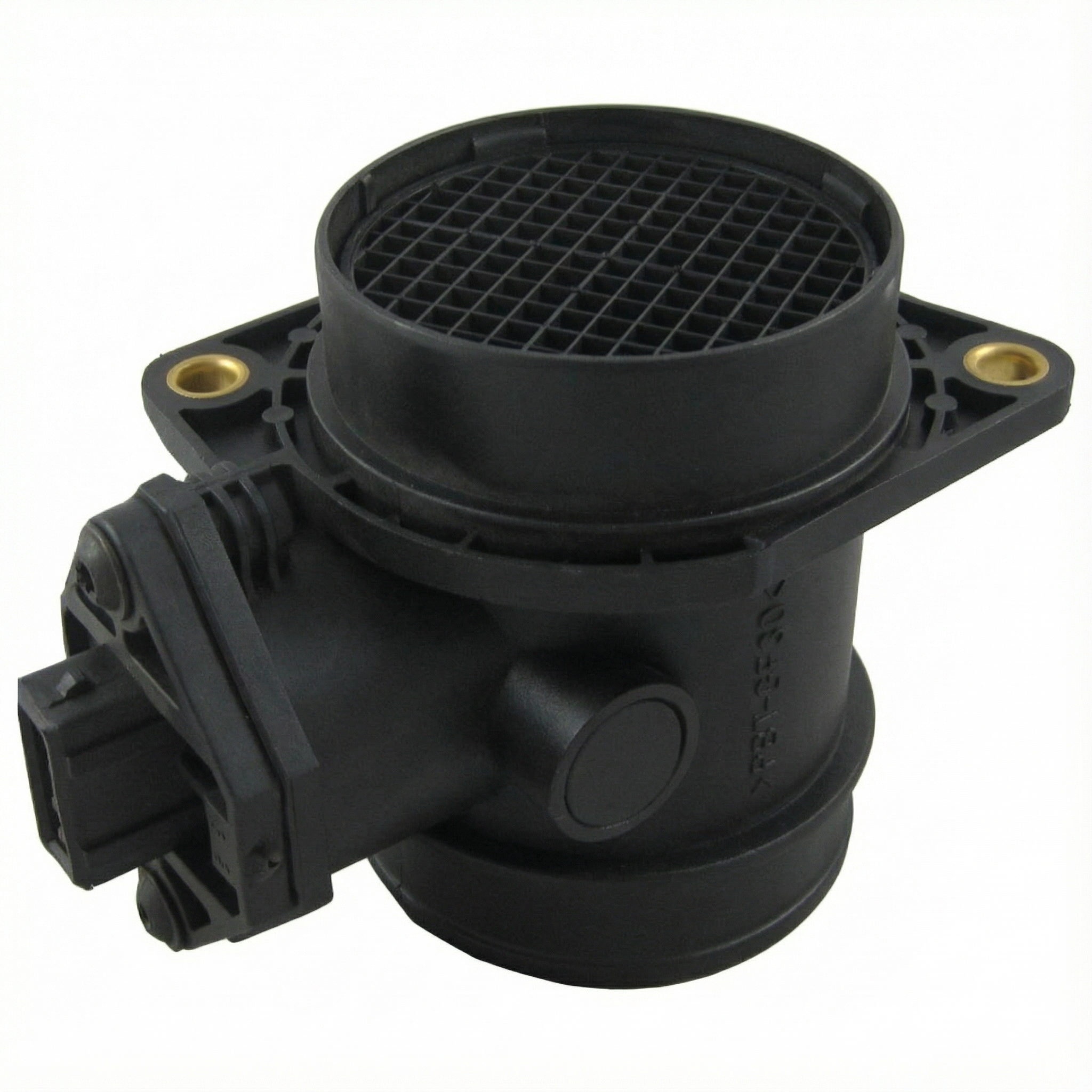
New Aftermarket Parts Available
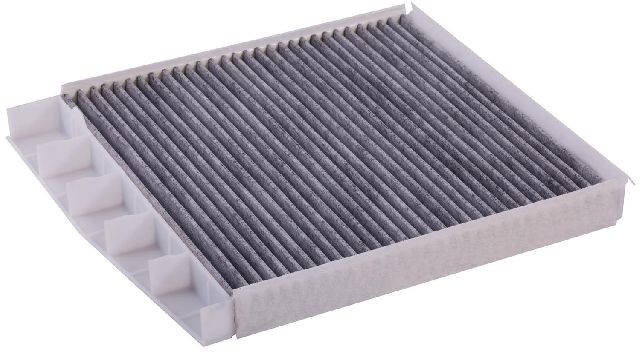
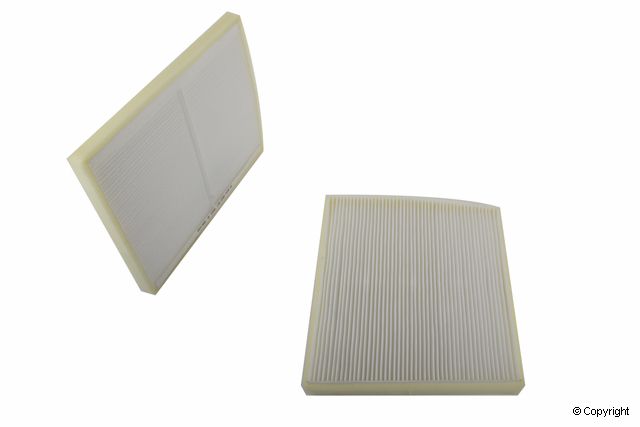
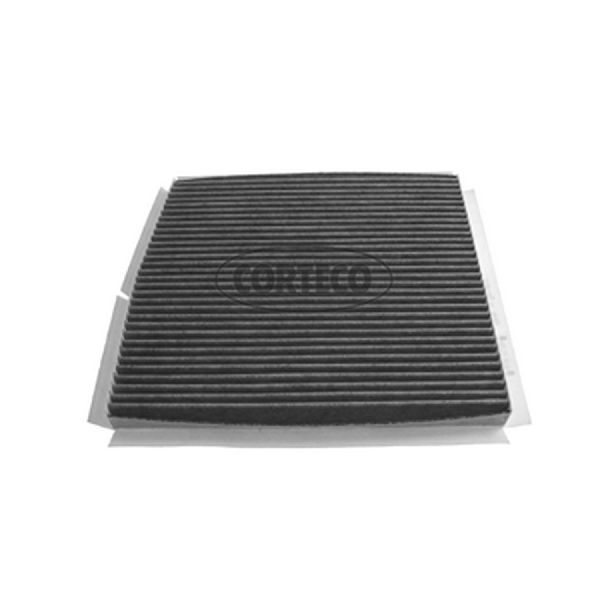



The information in this article is provided for general reference and educational purposes only. Vehicle specifications, procedures, and part compatibility can vary by production date, trim level, and region. Always consult your vehicle's factory service manual and verify part numbers before purchasing or performing repairs. Safety-critical components such as airbags, seat belts, and braking systems should be installed by a qualified professional.
- Volvo XC90:
- 🎬 Helpful Videos
- 🛍️ Shop This Part
- What's Unique About the 2003-2014 Volvo XC90
- Symptoms You May Notice
- Most Likely Causes
- Rare But Worth Checking
- Diagnosis Steps
- Parts You'll Likely Need
- Related Codes That Often Appear With This One
- Platform-Specific Known Issues
- Mechanic-Grade Diagnostic Values
- Hidden / Shadow Codes Worth Checking
- Scan Tool Commands That Help
- Wiring & Ground Locations
- Real Owner Repair Stories
- "I Checked Everything" — The Actual Cause
- Model Year Variations Within This Range
- Diagnostic Flowchart
- Other Known Issues on This Vehicle
- Used vs. New Parts: Buying Guide for This Vehicle
- Real Owner Stories
- 2003-2014 Volvo XC90 2.5T
- Related OBD-II Codes
- Frequently Asked Questions
- 🎟️ Get 5% Off