

P1098 on 2020 GMC Acadia: Coolant Control Valve Causes and Fixes
On a 2020 GMC Acadia, code P1098 is most often caused by a software anomaly, as documented by GM in TSB #PIP5675G. The primary fix is a software update at a dealership. If the code returns, it indicates a faulty Engine Coolant Control Valve, a part known for high failure rates and frequent, lengthy backorders.
- The first and most important step for fixing P1098 on a 2020 Acadia is to check for a software update at a GM dealer, per TSB #PIP5675G.
- Per the TSB, if this is the first time the code has appeared, the standard procedure is to clear it and return the vehicle; the valve is typically only replaced if the code comes back.
- Symptoms often include the check engine light, cooling fans running at maximum speed, and a 'Reduced Acceleration' warning.
- If a software update does not fix the problem, the Engine Coolant Control Valve is the culprit and will need to be replaced, but be aware of potential long backorders for the part.
- This repair is complex and expensive, best left to a professional, as it involves draining coolant and accessing a hard-to-reach component.
What's Unique About the 2020-2020 Gmc ACADIA
For the 2020 GMC Acadia, this code is uniquely tied to a known software issue acknowledged by General Motors. The provided NHTSA Technical Service Bulletin (PIP5675G) explicitly states that P1098, often appearing with P26BB, may be due to a 'software anomaly.' This means that unlike in many other vehicles where a similar code would point directly to a mechanical failure, the first diagnostic step for this specific Acadia is to check the software version. The TSB further specifies a unique diagnostic path: if it is the first time the code has appeared, dealers are instructed to clear it and return the vehicle. Replacement is only recommended if the code returns a second time.
Diagnostic Flowchart
Tap your situation to follow the diagnostic path that matches what you're seeing on this vehicle.
Symptoms You May Notice
- Check Engine Light (MIL) is on.
- Engine cooling fans run constantly at high speed, even in cold weather or after the engine is off.
- "Reduced Acceleration, Drive with Caution" message on the driver information center.
- Engine temperature gauge reads unusually low, not at all, or shows erratic spikes.
- Poor heater performance.
- Intermittent issue that may temporarily clear after restarting the engine, especially in the early stages of failure.
- Vehicle fails to restart after an Auto Stop/Start event (as noted in TSB 24-NA-070 for some GM models).
- Replacing the Engine Coolant Control Valve before verifying the software is up-to-date. The TSB clearly indicates a software update should be the first step, especially on the first occurrence of the code.
Most Likely Causes
- Software Anomaly 🔴 High Probability GM issued TSB #PIP5675G specifically for this issue on 2020 models, indicating a known software glitch that can falsely trigger the code.
How to confirm: A GM dealership or qualified service center must check the vehicle's current software calibration against the latest available version using their diagnostic tools. Some over-the-air updates have been pushed to address this.
Typical fix: Reprogramming the Engine Control Module (ECM) with the updated software. This is often the first and only step if it's the first time the code has appeared.
Est. part cost: $0 - Faulty Engine Coolant Control Valve 🟡 Medium Probability This is a complex electro-mechanical part with plastic internal components. The failure is often mechanical, caused by small electric motor gearboxes becoming 'gummed up' with old grease mixed with plastic dust from wear, which prevents the valve from rotating to its commanded position.
How to confirm: If software is up-to-date and the code persists (or returns), a technician will use a scan tool to command the valve's position and check if it responds correctly. If it fails to respond or the position sensor reads incorrectly, the valve is faulty.
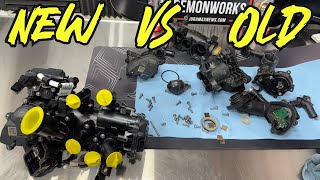
Typical fix: Replacement of the entire Engine Coolant Control Valve assembly. Due to frequent part backorders, some owners have successfully disassembled the unit to clean and lubricate the internal gearboxes as a temporary fix.
Est. part cost: $150-$300 - Wiring or Connector Issue ⚪ Low Probability
How to confirm: Visually inspect the wiring harness and connector at the Engine Coolant Control Valve for any signs of damage, corrosion, or loose pins. A technician may also perform a continuity test on the circuit.
Typical fix: Repairing the damaged wire or cleaning/replacing the connector.
Est. part cost: $5-$50
Rare But Worth Checking
- Low Coolant Level / Air in System: While not a direct cause of component failure, a significant coolant leak or improperly bled cooling system can introduce air pockets. An air pocket passing through the valve could potentially cause it to report an erroneous position, triggering a P1098 code. Always check the coolant level first.
- Engine Control Module (ECM) Failure: This is extremely rare. The ECM should only be considered as the cause after all other possibilities, including software, the valve itself, and wiring, have been exhaustively ruled out.
Diagnosis Steps
- Read the trouble codes with an OBD-II scanner.
- Check coolant level in the reservoir to rule out low coolant or air in the system.
- Check for any applicable Technical Service Bulletins (TSBs). Specifically, reference TSB #PIP5675G for the 2020 Acadia.
- Take the vehicle to a GM dealership or qualified shop to verify if the ECM software is the latest version.
- Per TSB #PIP5675G, check the vehicle's service history. If this is the first time P1098 has been set, and diagnostics find no immediate fault, the procedure is to update software if available, clear the code, and return the vehicle to the customer.
- If the code returns for a second time, the TSB then advises replacement of the Engine Coolant Control Valve.
- Before replacement, a technician should use a bi-directional scan tool to command the valve to change positions and monitor the position sensor data to confirm it is unresponsive or stuck.
- If the valve is confirmed faulty, replace the assembly. Inspect the wiring and connector for damage during the repair.
- After replacement, perform the 'Engine Coolant Control Valve Mode' relearn procedure using a scan tool to calibrate the new part.
Parts You'll Likely Need
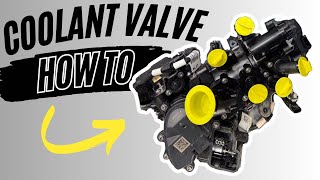
- Engine Coolant Control Valve
(OEM #24001355 (Original), 40009179 (Superseded), 40009644 (Latest Supersession))— This is the primary hardware component that fails if a software update does not resolve the P1098 code. The internal mechanisms can stick or fail, causing the performance fault. This part is known for being on national backorder for extended periods.
Trusted brands: ACDelco (GM Genuine)
OEM price range: $200-$300
Aftermarket price range: $150-$250
Related Codes That Often Appear With This One
- P26BB — This code for 'Engine Coolant Bypass Valve Control Circuit' is frequently set alongside P1098. TSB #PIP5675G explicitly mentions both codes are related to the same software anomaly and/or hardware fault.
Technical Service Bulletins (TSBs) & Recalls
- PIP5675G: States that P1098 and/or P26BB may be caused by a software anomaly and provides a specific diagnostic path: check software and clear the code on the first fault, replace the valve only if the code returns.
- 24-NA-070: A revised bulletin (Jan 2026) that formally links P1098 to a no-restart condition after an Auto Stop/Start event on some 3.0L Duramax models and directs technicians to replace the Engine Coolant Flow Control Valve.
Platform-Specific Known Issues
- A software anomaly is a primary cause for this code on the 2020 Acadia, as confirmed by GM TSB #PIP5675G.
- The TSB diagnostic procedure advises against replacing the valve on the first occurrence if diagnostics don't find a fault, instead suggesting to clear the code and return the vehicle. If the code returns a second time, replacement is recommended.
- The Engine Coolant Control Valve (part #24001355 and its successors) is notorious for being on national backorder, sometimes for months, due to high failure rates across many GM models.
Scan Tool Commands That Help
- GDS2 (or equivalent professional scanner): Engine Coolant Control Valve Mode / Learn — This bi-directional control is used to command the valve's motors to cycle through their positions. A technician watches the scan tool data to see if the valve's position sensor value increases and decreases according to the command. This confirms if the valve is physically responding or stuck. It is also used as a mandatory relearn procedure after installing a new valve to calibrate it.
- GDS2 (or equivalent professional scanner): Coolant Fill Procedure — After replacing the valve and refilling the coolant, this function helps to properly bleed air from the complex passages within the cooling system, including the new valve, which is critical to prevent air pockets that could cause future codes or overheating issues.
Real Owner Repair Stories
- GM1500Diesel Forum user 'flyfisherholms' (2021 GMC Sierra 3.0L Duramax (LM2) at 63,000 miles) — P1098 code, cooling fans running at 100% power. Restarting the engine would temporarily clear the issue, but eventually stopped working.
❌ Tried (didn't work) Waiting for the back-ordered part (5+ month wait).
✅ What actually fixed it The owner performed a DIY repair by removing the valve assembly (a 7-hour job), disassembling the motor gearbox (the one held by metal clips), cleaning out the 'gummed up' old grease from the worm gears, and re-lubricating with new white lithium grease. This resolved the code and symptoms without replacing the part. - Reddit user 'nathanjoco' (2020 Silverado 3.0 Duramax at 70,000 miles) — Error message on the dash (P1098).
❌ Tried (didn't work) Attempted to use a $150 scan tool to perform the relearn procedure but could not get it to work.
✅ What actually fixed it The owner replaced the Engine Coolant Control Valve himself. After receiving mixed information and being quoted $250 by a dealer for the relearn, he opted to not perform the scan tool relearn procedure. The truck subsequently performed without issue, including a 10-hour towing trip through mountains. This suggests that while the relearn is officially recommended, the vehicle may operate correctly without it in some cases.
OEM Part Supersession History
24001355→40009179, then 40009644— High failure rate of the original and subsequent parts led to multiple revisions. The failure is typically internal to the electro-mechanical actuators.
Heads up: Part number 40009644 is the latest known revision. It also supersedes a long list of other related part numbers including 24000390, 55508607, 55511172, 55512723, 55514504, and 40009088, indicating this valve design is used across various GM platforms.
Helpful Videos
We Have This Part in Stock



The information in this article is provided for general reference and educational purposes only. Vehicle specifications, procedures, and part compatibility can vary by production date, trim level, and region. Always consult your vehicle's factory service manual and verify part numbers before purchasing or performing repairs. Safety-critical components such as airbags, seat belts, and braking systems should be installed by a qualified professional.
- Gmc ACADIA:
- 🎬 Helpful Videos
- 🛍️ Shop This Part
- What's Unique About the 2020-2020 Gmc ACADIA
- Diagnostic Flowchart
- Symptoms You May Notice
- Most Likely Causes
- Rare But Worth Checking
- Diagnosis Steps
- Parts You'll Likely Need
- Related Codes That Often Appear With This One
- Technical Service Bulletins (TSBs) & Recalls
- Platform-Specific Known Issues
- Scan Tool Commands That Help
- Real Owner Repair Stories
- OEM Part Supersession History
- 🎟️ Get 5% Off