

P1066 on 2013-2016 Dodge Dart 1.4L Turbo: MultiAir Solenoid Fault Causes and Fixes
On a 2013-2016 Dodge Dart with the 1.4L Turbo engine, code P1066 is most often caused by low or incorrect engine oil. Before any expensive repairs, check the oil level and ensure you are using the correct full synthetic 5W-40 oil. If the oil is correct, the next most likely cause is a failure of the MultiAir actuator assembly, often called the 'brick'.
- P1066 specifically points to a problem with the Cylinder 1 oil control solenoid in the MultiAir system.
- ALWAYS check your engine oil level and verify you are using the correct full synthetic 5W-40 oil before any other repairs; this is the most common and cheapest fix.
- If the oil is correct, the next step is to check for any available PCM software updates from a dealership, as similar engines had TSBs for this exact issue.
- If oil and software are ruled out, the fault is most likely the entire MultiAir actuator ('brick'), which is an expensive and complex part to replace. The OEM part number is 68463929AA.
What's Unique About the 2013-2016 Dodge Dart
The 1.4L engine in the Dodge Dart uses a Fiat-designed MultiAir technology that replaces a traditional intake camshaft with an electro-hydraulic system. This system is critically dependent on clean, correct-viscosity engine oil to function properly. Therefore, issues that might be minor on other engines, like a slightly low oil level or using the wrong type of oil, can directly cause significant drivability problems and trigger codes like P1066 on this platform.
Symptoms You May Notice
- Rough or unstable idle
- Hesitation during acceleration
- Reduced engine power
- Engine shaking or vibrating
- Flashing or solid Check Engine Light
- Potential for engine stalling
- Audible ticking or clicking noise from the top of the engine
- Replacing only the spark plugs or ignition coils for the associated misfire (e.g., P0301) 🎬 See a real-world diagnosis of a MultiAir misfire and power loss. without addressing the root P1066 code.
Most Likely Causes
- Low, Dirty, or Incorrect Engine Oil 🔴 High Probability The MultiAir system is hydraulic and extremely sensitive to oil level, quality, and viscosity. These engines can consume oil, and the system only holds 4 quarts, so even a small loss can cause issues. Using oil that is not full synthetic 5W-40 meeting the MS-6395 or API SN specification is a very common cause of this code.
How to confirm: Check the engine oil dipstick for proper level. Verify that the oil used is a full synthetic 5W-40 that meets the manufacturer's specification. Many forum users report that simply topping off low oil resolves the code.
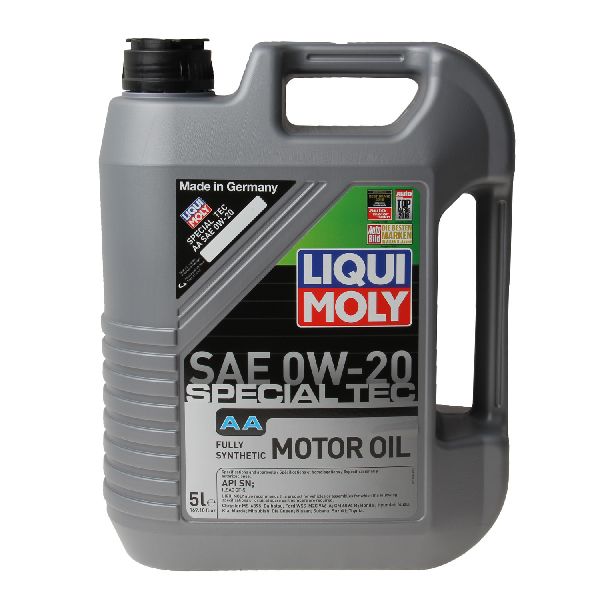
Typical fix: Perform an oil and filter change using the correct specification of full synthetic engine oil (5W-40 for the 1.4L Turbo).
Est. part cost: $50-$120 - Failed MultiAir Actuator Assembly ('Brick') 🟡 Medium Probability The oil supply solenoid for cylinder 1 is integrated into the MultiAir actuator assembly. This entire unit is a known failure point on these engines, and the solenoid is not sold separately. Failure can be gradual or sudden.
How to confirm: After confirming correct oil and software, a diagnostic scan tool can be used to actuate the solenoid. If the solenoid does not respond correctly or if other diagnostic steps are exhausted, the actuator is condemned. This is a common failure discussed in owner forums.
Typical fix: Replace the entire MultiAir actuator assembly. This is a complex and expensive repair that requires special care to prime the new unit with oil before starting the engine to prevent immediate destruction.
Est. part cost: $300-$2100 - Outdated Powertrain Control Module (PCM) Software ⚪ Low Probability Chrysler released several Technical Service Bulletins (TSBs) for similar engines to update PCM software that was overly sensitive and could set false codes. While more documented for the 2.4L engine, it's a possibility for the 1.4L as well, as the underlying technology is the same.
How to confirm: A Dodge dealership or a qualified shop with a wiTECH scan tool can check if the vehicle's PCM software is up to date by referencing its VIN.
Typical fix: Reprogram (reflash) the PCM with the latest manufacturer software.
Est. part cost: $0 if under warranty, otherwise shop labor applies.
Rare But Worth Checking
- Clogged MultiAir Oil Filter: There is a small, often-overlooked oil filter screen for the MultiAir system located under the timing cover. If this becomes clogged with sludge from infrequent oil changes, it can starve the system of oil and trigger codes. The part number is Mopar 4892746AC (or its replacement 68189847AA).
- Wiring or Connector Issue: The wiring harness to the MultiAir actuator or the pins at the PCM connector can become loose, corroded, or develop high resistance, causing an intermittent electrical connection. A case study on a platform-mate showed a loose female pin in the PCM connector was the root cause.
Diagnosis Steps
- Check the engine oil level and condition. Ensure it is full and clean.
- Verify the correct type of full synthetic engine oil is being used (5W-40 for the 1.4L Turbo). If unsure, perform an oil and filter change with the correct oil.
- Scan for other DTCs. Note if misfire codes (P0301) or other cylinder solenoid codes (P1068, P106A, P106C) are present, as this points to a systemic issue.
- If the oil level and type are correct, check with a dealership if any PCM software updates related to TSBs are available for your vehicle's VIN.
- Inspect the wiring harness and connector at the MultiAir actuator for any visible damage, looseness, or corrosion. Check for proper pin tension at the PCM connector.
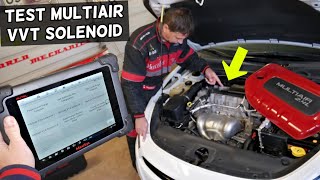
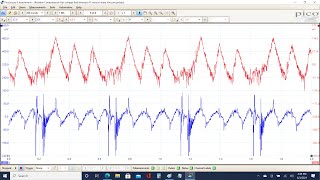
- Using an advanced bidirectional scan tool, attempt to actuate the Cylinder 1 solenoid and listen for a click. Compare its 🎬 Watch: How to test the MultiAir actuator solenoid yourself. sound and response to other cylinders.
- Consider inspecting or replacing the small MultiAir oil filter screen (Mopar P/N 4892746AC or 68189847AA) located under the timing cover, especially if oil maintenance history is unknown.
- If the solenoid fails the actuation test and wiring is confirmed to be good, the MultiAir actuator assembly ('brick') is the likely point of failure and requires replacement.
Parts You'll Likely Need
- MultiAir Actuator Assembly
(OEM #68463929AA (supersedes 4892697xx, 4893099xx))— This assembly contains the non-serviceable oil supply solenoid that causes code P1066. If the solenoid fails internally, the entire unit must be replaced.
Trusted brands: Mopar
OEM price range: $1100-$2100
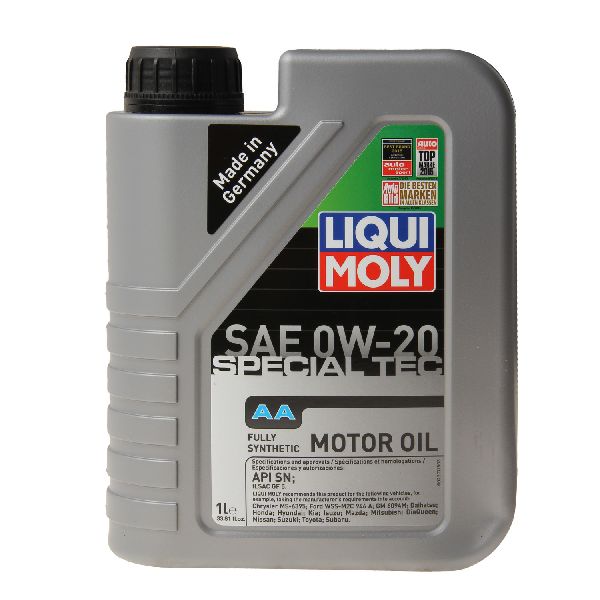
Aftermarket price range: $300-$700 - Engine Oil and Filter — The MultiAir system is highly sensitive to oil level and quality. An oil change with the correct full synthetic 5W-40 oil is a critical first diagnostic step and the most common fix.
Trusted brands: Pennzoil, Mobil 1, Valvoline
OEM price range: $70-$120
Aftermarket price range: $50-$80 - MultiAir Actuator Oil Supply Filter
(OEM #4892746AC (superseded by 68189847AA))— This small filter screen can become clogged, restricting oil flow to the MultiAir actuator. It's a recommended preventative maintenance item during other major service.
Trusted brands: Mopar
OEM price range: $25-$40
Related Codes That Often Appear With This One
- P0301 — This code indicates a misfire on cylinder 1. If the P1066 fault prevents the intake valves from operating correctly, it will directly cause a misfire in that cylinder.
- P1068, P106A, P106C — These are the same solenoid fault codes for cylinders 2, 3, and 4. Seeing multiple codes together strongly points to a systemic issue like low oil or a failing MultiAir brick.
- P0299 — Indicates a turbocharger underboost condition. While not directly caused by P1066, issues with engine performance and valve timing can sometimes lead to related boost pressure faults.
Technical Service Bulletins (TSBs) & Recalls
- 18-023-16 / 18-009-16 REV. B: Mentioned as potential software updates for similar issues on related engines. TSB 18-023-16 REV. D specifically lists P1066 as a code addressed by a PCM reflash on 2.4L engines, indicating a pattern of software fixes for this code family.
- 18-022-17 REV. A: Lists P1066 as a code that can be resolved by a PCM software update on platform-mate engines (2.4L Dart and Chrysler 200), further confirming that FCA used software updates to fix overly sensitive P106x code logic.
Platform-Specific Known Issues
- A user on dodgedart.org with a 2013 Dart 1.4L reported having P1066 and P0301. After verifying the oil was correct, the dealership replaced the MultiAir 'brick' under warranty, which resolved the issue. The user noted the repair took several days.
- On r/fiat500, a user with a 2012 Fiat 500 (same engine) and code P1066 was advised to check their oil. The user confirmed their oil was 'wayyyyyy too low' and an oil change was the required fix.
Mechanic-Grade Diagnostic Values
- MultiAir Solenoid Resistance — expected: 5 to 20 Ohms. Failure: A reading of 'OL' (open loop) or near-zero Ohms indicates a failed solenoid. Compare the reading to an adjacent cylinder to confirm.
- Oil Pressure for VVT/MultiAir Activation — expected: Must be approximately 42 psi to enable, and must not drop below 31 psi to remain enabled.. Failure: Pressure below these thresholds will cause the PCM to disable the MultiAir system and can set related codes.
Scan Tool Commands That Help
- wiTECH (or advanced bidirectional scanner): VVT Solenoid Active Test — Use with key-on, engine-off to individually command each solenoid. Listen for an audible click from the actuator. The absence of a click for cylinder 1, when others click, points to a failed solenoid or wiring issue.
- wiTECH (or advanced bidirectional scanner): MultiAir Lube Oil System Purge — This service procedure should be run after replacing the MultiAir actuator or after an oil change where air may have entered the system. It helps bleed trapped air from the hydraulic passages to prevent codes and misfires on startup.
Wiring & Ground Locations
- MultiAir Actuator Connector — On the back side of the engine, where the wiring harness connects to the MultiAir 'brick'.. This is the primary connector to inspect for damage, corrosion, or pushed-out pins. Voltage and resistance tests for the solenoid circuit are performed at this connector.
- PCM Connector — On the 1.4L engine, the PCM is located at the right rear corner of the engine compartment.. The PCM contains the driver circuits for the solenoids. A loose or corroded pin at the PCM connector can cause high resistance and mimic a failed actuator, making it a critical check if a new actuator doesn't solve the problem.
- G103 — A key ground point located on the left side of the engine compartment.. A poor engine or PCM ground can cause a host of electrical issues, including erratic module behavior that could potentially trigger false codes.
Real Owner Repair Stories
- Reddit user on r/dodgedart (2014 Dodge Dart Rallye 2.4L (similar MultiAir system)) — Stumbling during driving, completely dead cylinder at times, rough running.
❌ Tried (didn't work) Dealer diagnosis with a quote of $1900.
✅ What actually fixed it The user replaced the entire MultiAir block themselves. They noted that the special spring compressor tool (SST) was not necessary if the last two bolts are used to slowly and evenly back the actuator off the head. The total cost was around $300. - Reddit user on r/dodgedart (Dodge Dart 1.4T with ~80k miles) — Misfires in Cylinder 4 (P0304), P106B (Cylinder 4 solenoid fault), and P0420 (Catalyst efficiency).
❌ Tried (didn't work) Received quotes for $6,000+ for repair.
✅ What actually fixed it The user sourced a used cylinder head from an online junkyard and transplanted the MultiAir block from it. The total cost was $300. They confirmed the special spring compressor tool isn't needed if the block is worked up slowly and evenly using the bolts.
OEM Part Supersession History
4892697AA, 4892697AB, 4892697AC, 4892697AD, 4892697AE, 4892697AF, 4892697AG, 4893099AA, 4893099AB, 4893099AC, 4893099AD→68463929AA— Standard part evolution and revision by the manufacturer.
Heads up: The newest part number, 68463929AA, is the correct service replacement for all previous versions for the 1.4L MultiAir Turbo engine.
Diagnostic Flowchart
Other Known Issues on This Vehicle
Issues unrelated to this code that are worth knowing about as an owner of this generation:
- Manual Transmission Clutch Failure 🔴 High — Common on 2013-2015 models with the C635 manual transmission. The clutch pedal can lose pressure or stick to the floor, preventing gear changes. (Ref: A class-action lawsuit was filed regarding this issue, alleging faulty clutch master cylinders and related hydraulic components.)
- DDCT Automatic Transmission Problems 🔴 High — The Dual Dry Clutch Transmission (DDCT) available with the 1.4L Turbo is known for hesitation, jerky shifts, and outright failure of the control module or hydraulic actuator. (Ref: Multiple software updates were released, but mechanical failures are common.)
- Turbo Wastegate Actuator Failure/Rattle 🟠 Medium — The wastegate actuator arm or the internal flap can wear, causing a rattle or a P0299 underboost code. Owners often adjust the actuator rod as a temporary fix.
- Excessive Oil Consumption (2.4L Engine) 🔴 High — While this article is for the 1.4L, the 2.4L MultiAir engine also offered in the Dart is notorious for high oil consumption, often leading to engine replacement. (Ref: An extended warranty (XB1) was issued for some vehicles for this issue.)
- Electrical and Uconnect Glitches 🟡 Low — Owners report various electrical issues, including malfunctioning wipers, battery drain, and glitches with the Uconnect infotainment system that may require a hard reset or software update. (Ref: Several software updates were released by FCA for the Uconnect system.)
Used vs. New Parts: Buying Guide for This Vehicle
When a used part is the smart pick: For the MultiAir Actuator ('brick'), a used part can be a very smart choice, potentially saving thousands of dollars. Multiple owner reports confirm successfully transplanting used actuators to fix the vehicle.
Donor-vehicle mileage cap: roughly under 80000 miles for the part to have meaningful remaining life.
What to inspect on the donor part:
- Source from a vehicle with documented low mileage if possible.
- Prefer a donor vehicle that was totaled in a rear-end or side-impact collision, suggesting the engine was running fine before the accident.
- Ask the seller if they offer a short-term (e.g., 30-day) warranty in case the part is defective upon arrival.
- Inspect the part for any visible signs of external damage or extreme sludge buildup if pictures are available.
OEM-only on this vehicle (don't cheap out):
- MultiAir Actuator: While used OEM is a good option, aftermarket versions have a mixed reputation. Many forum users and technicians express a preference for used OEM over new aftermarket due to quality control concerns with some non-OEM brands.
Brands owners have reported issues with on this vehicle:
- Dorman: While Dorman produces a wide range of parts, including an aftermarket MultiAir actuator, the brand has a generally poor reputation among many technicians for quality control, with some preferring to install a used OEM part over a new Dorman part.
Real Owner Stories
Aggregated from forums and TSBs cited above. Mileages and costs reflect what owners reported in those sources.
2013 Dodge Dart 1.4L
Symptoms: Check Engine Light with codes P1066 and P0301.
What fixed it: After verifying the oil was correct, the dealership replaced the MultiAir 'brick' under warranty.
Source hint: vehicle_specific_issues: user on dodgedart.org
2012 Fiat 500 1.4L MultiAir Turbo
Symptoms: Check Engine Light with code P1066.
What fixed it: The owner discovered the engine oil was 'wayyyyyy too low' and performing an oil change resolved the issue.
Source hint: forum_citations: Reddit r/fiat500 - Thread 'Fiat 500 code P1066'
Related OBD-II Codes
Frequently Asked Questions
What is the very first thing I should check if my 2013-2016 Dart 1.4L shows a P1066 code?
What specific engine oil should I use in my Dodge Dart 1.4L Turbo?
I've heard about a 'brick' failure causing P1066. What is that and can I just replace the bad part?
Are there any software updates or TSBs from Dodge that could fix the P1066 code?
My Dart has codes P1066 and P0301 at the same time. What does this combination suggest?
Is there a special filter for the MultiAir system I should know about?
Helpful Videos
We Have This Part in Stock


The information in this article is provided for general reference and educational purposes only. Vehicle specifications, procedures, and part compatibility can vary by production date, trim level, and region. Always consult your vehicle's factory service manual and verify part numbers before purchasing or performing repairs. Safety-critical components such as airbags, seat belts, and braking systems should be installed by a qualified professional.
- Dodge Dart:
- 🎬 Helpful Videos
- 🛍️ Shop This Part
- What's Unique About the 2013-2016 Dodge Dart
- Symptoms You May Notice
- Most Likely Causes
- Rare But Worth Checking
- Diagnosis Steps
- Parts You'll Likely Need
- Related Codes That Often Appear With This One
- Technical Service Bulletins (TSBs) & Recalls
- Platform-Specific Known Issues
- Mechanic-Grade Diagnostic Values
- Scan Tool Commands That Help
- Wiring & Ground Locations
- Real Owner Repair Stories
- OEM Part Supersession History
- Diagnostic Flowchart
- Other Known Issues on This Vehicle
- Used vs. New Parts: Buying Guide for This Vehicle
- Real Owner Stories
- 2013 Dodge Dart 1.4L
- 2012 Fiat 500 1.4L MultiAir Turbo
- Related OBD-II Codes
- Frequently Asked Questions
- 🎟️ Get 5% Off