

P0933 on 2016-2022 Honda Pilot: ZF 9-Speed Transmission Pressure Sensor Guide
Code P0933 indicates a hydraulic pressure sensor performance issue in the ZF 9-speed transmission. However, this specific code is rarely reported on the 2016-2022 Pilot. The symptoms are more likely linked to well-known software glitches needing a dealer update, low/old transmission fluid, or internal valve body issues rather than a simple sensor failure.
- P0933 is a rare code for the 2016-2022 Pilot; your symptoms are more likely part of the transmission's widely known performance issues.
- Before any expensive repairs, ensure the transmission fluid is clean, at the correct level, and of the proper Honda Type 3.1 specification.
- The most likely fix for shifting problems on this transmission is a software update performed by a Honda dealership.
- Do not ignore transmission symptoms. Incorrect hydraulic pressure can quickly lead to catastrophic internal damage.
What's Unique About the 2016-2022 Honda Pilot
While P0933 is a valid code, it is not commonly documented for the 2016-2022 Honda Pilot. This vehicle uses the ZF 9HP nine-speed automatic transmission, which is known for widespread issues like harsh shifting, hesitation, and sudden loss of power. A class-action lawsuit alleged that the transmission's control modules are overly sensitive to sensor signal variations, which could theoretically trigger a P0933 code. Therefore, symptoms associated with P0933 are more likely due to the transmission's known software calibration and design issues 🎬 Watch: Common 3rd Gen Pilot problems and their solutions rather than a simple sensor failure. Many owners report drivability problems that are resolved with software updates or fluid changes, suggesting the system's logic is often the root cause.
Symptoms You May Notice
- Harsh, jerky, or delayed gear shifts
- Vehicle hesitates or has delayed acceleration
- Transmission warning light illuminated on the dashboard
- Vehicle may enter 'limp mode,' getting stuck in a single gear
- Grinding noises during shifting
- Reports of the transmission unexpectedly shifting into Neutral, requiring a full stop and restart.
- A surge, vibration, or judder felt while driving under light acceleration.
- Unusually firm shifts at low RPM or soft shifts under load.
- Replacing the entire transmission without first checking for software updates or performing a fluid service. Many of the ZF 9HP's issues are related to software and can be resolved without a costly hardware replacement.
- Assuming a faulty sensor when the root cause is degraded fluid or a clogged valve body passage affecting the pressure reading.
Most Likely Causes
- Transmission Control Module (TCM) Software Calibration Issues 🔴 High Probability The ZF 9HP transmission in Honda and Acura vehicles has received multiple software updates to correct poor shifting behavior and control logic. A class-action lawsuit specifically cited miscalibration of the control module software as a primary cause of transmission problems, making the system 'unduly sensitive to variations in signals' from sensors.
How to confirm: A Honda dealership or a professional shop with advanced scan tools (like Honda's i-HDS) can check the current software version against the latest available updates for the vehicle's VIN. TSBs like 15-086 and 20-029 address similar symptoms with software updates.
Typical fix: Updating the TCM and Powertrain Control Module (PCM) software to the latest version. This is a dealer-only or specialist repair.
Est. part cost: $0-$250 - Low, Degraded, or Incorrect Transmission Fluid 🟡 Medium Probability The ZF 9HP is extremely sensitive to fluid condition and level. It requires a specific fluid, Honda ATF Type 3.1, not the common DW-1 used in other Honda transmissions. Using the wrong fluid or letting the fluid degrade can directly impact hydraulic pressure and performance, leading to symptoms that could trigger a P0933.
How to confirm: Check the transmission fluid level and condition. The procedure for the ZF 9HP is complex, often requiring the vehicle to be level and at a specific temperature, with the engine running. The fluid should be red and clear, not brown, black, or burnt-smelling.
Typical fix: Perform a transmission fluid drain-and-fill using only the specified Honda/Acura ATF Type 3.1 or a compatible ZF Lifeguard 9 fluid. A full fluid flush is generally not recommended by Honda. A single drain and fill replaces about 3.5 quarts.
Est. part cost: $100-$200 - Faulty Hydraulic Pressure Sensor ⚪ Low Probability While this is the textbook cause for P0933, there are very few documented cases of this specific part failing on the Pilot. It's more likely to be a software or fluid issue misinterpreting the sensor's data. The sensor is located on the valve body inside the transmission, making it a labor-intensive repair.
How to confirm: A technician would use a high-level scan tool to monitor live transmission line pressure data (actual vs. desired). If the sensor readings are erratic, do not respond to changes in RPM, or are skewed high/low despite a properly functioning system, the sensor is likely faulty.
Typical fix: Replace the hydraulic pressure sensor. This requires removing the transmission pan and valve body to access the sensor.
Est. part cost: $100-$250
Rare But Worth Checking
- Internal Valve Body or Solenoid Failure: A clogged passage, a sticking pressure control solenoid, or a defect within the valve body can cause erratic hydraulic pressure, triggering this code. This is a more complex and expensive repair, often involving replacing the entire valve body assembly.
- Wiring Harness Damage or Poor Grounds: Damage to the wiring between the hydraulic pressure sensor and the TCM can cause signal issues. This is uncommon but should be checked for corrosion or loose pins at the main transmission connector. Poor grounding at the main chassis ground point, which is often a painted surface from the factory, can also cause erratic electrical behavior.
Diagnosis Steps
- Check for Technical Service Bulletins (TSBs): Ask a Honda dealer if any TSBs related to transmission software updates (like TSB 15-086 or 20-029 for similar symptoms) apply to your vehicle's VIN.
- Scan for All Codes: Use an advanced OBD-II scanner to check for any other transmission-related codes that could provide more context.
- Inspect Transmission Fluid: Follow the specific ZF 9HP procedure to check the fluid level and condition. If it is low, dark, or has a burnt smell, a fluid service with ATF Type 3.1 should be the first repair step.
- Analyze Live Data: With a capable scanner, monitor the live transmission hydraulic pressure readings (actual vs. desired). Compare the pressure across different gears and engine speeds to see if it's out of spec or erratic. A normally functioning 5V sensor circuit should read between 0.35 and 4.75 volts.
- Inspect Wiring and Grounds: Visually inspect the main transmission wiring harness connector for any signs of damage, corrosion, or loose connections. Check the main body ground near the battery; it is often on a painted surface and may benefit from being scuffed to bare metal for a better connection.
- Test Solenoid Resistance: If the valve body is accessed, test the resistance of the solenoids. Proportional solenoids for clutches B, C, D, and E should measure approximately 5.3 ohms. The dog clutch solenoids should measure approximately 11 ohms.
- Consider Internal Components: If all else fails, the issue may lie with the valve body, a specific solenoid, or the sensor itself, requiring internal transmission work by a specialist.
Parts You'll Likely Need
- Honda/Acura ATF Type 3.1 Automatic Transmission Fluid
(OEM #08200-9017A)— Correct, fresh fluid is the first and most important step in addressing any shifting issues with the ZF 9HP transmission. Using any other fluid, including Honda DW-1, is incorrect and can cause damage.
Trusted brands: Honda (OEM), Acura (OEM), ZF Lifeguard 9
OEM price range: $25-$55 per quart
Aftermarket price range: $20-$40 per quart
Related Codes That Often Appear With This One
- P0741 — Torque Converter Clutch Circuit Performance or Stuck Off. This code is commonly associated with the ZF 9HP's known torque converter judder issues, which are sometimes addressed by the same software updates and fluid changes.
- P0746 — Pressure Control Solenoid 'A' Performance or Stuck Off. This points to issues with the solenoids that control hydraulic pressure, which could be a root cause or a direct result of the issue triggering P0933.
- P0934 / P0935 — Hydraulic Pressure Sensor Circuit Low / High. These codes point to an electrical failure (short or open) in the sensor circuit, whereas P0933 points to a performance/range problem (implausible signal). Seeing them together may indicate a failing sensor or wiring issue.
Technical Service Bulletins (TSBs) & Recalls
- While no specific TSB for P0933 on the Pilot was found, TSB 15-086 was issued for other Honda models for a 'surge, vibration, or judder' and instructs technicians to update the A/T software and replace the fluid, which is the likely fix for P0933-related symptoms.
- TSB 20-029 addresses intermittent harsh upshifts on 2016-2020 Pilots by updating the TCM software and, for 2016 models, performing a PCM idle learn procedure.
- Owners of platform-mate Acura MDXs with the same transmission report that dealer software updates, issued via TSBs, fixed dangerous issues like the transmission shifting into neutral while driving.
Platform-Specific Known Issues
- The ZF 9HP transmission used in 2016-2022 Honda Pilots (Touring/Elite trims, and all trims from 2021-2022) is the subject of numerous owner complaints and a class-action lawsuit for poor performance, including harsh shifting, hesitation, and premature failure.
- Multiple software updates have been released by Honda to try and address the transmission's undesirable shifting characteristics.
- A specific dangerous issue reported by owners of the ZF 9HP is the transmission randomly shifting into neutral while driving, which can only be rectified by stopping and restarting the vehicle.
Mechanic-Grade Diagnostic Values
- ZF 9HP Proportional Solenoid Resistance (Clutches B, C, D, E) — expected: ~5.3 Ohms. Failure: A reading significantly higher or lower than 5.3 Ohms, or an open circuit (infinite resistance).
- ZF 9HP Proportional Dog Clutch Solenoid Resistance — expected: ~11 Ohms. Failure: A reading significantly higher or lower than 11 Ohms, or an open circuit.
- Typical 5V Reference Line Pressure Sensor Voltage — expected: 0.35 - 4.75 Volts. Failure: Voltage at or below 0.35V may trigger a 'Circuit Low' code (P0934), while voltage above 4.75V may trigger a 'Circuit High' code (P0935). A P0933 is for erratic readings within this range.
Scan Tool Commands That Help
- Honda i-HDS (Honda Diagnostic System): Reset PCM / Clear Adaptive Memory — After a software update, fluid change, or replacement of a transmission component like the valve body, this command clears the TCM's learned shift adaptations and forces it to relearn, which can resolve poor shift quality.
- Honda i-HDS (Honda Diagnostic System): PCM Idle Learn Procedure — Specifically required for 2016 Pilot models after a TCM software update, as per Honda TSB 20-029. This helps the engine and transmission controllers re-synchronize idle and low-speed behavior.
- Honda i-HDS (Honda Diagnostic System): Take Automatic Transmission Snapshot — For diagnosing complex judder or shifting issues, this function records live data during the event. The data can then be sent to Honda's Tech Line for expert analysis to determine if the cause is the torque converter or another internal issue.
Wiring & Ground Locations
- Transmission Ground Cable — A cable connecting the transmission case to the vehicle's chassis.. A poor ground can cause erratic sensor readings and solenoid operation. The OEM part number for the 2016-2022 Pilot with the 9-speed transmission is 32601-TZ5-A01.
- Main Chassis Ground (near battery) — The point on the vehicle body where the negative battery cable attaches.. On many Hondas of this era, this ground point is on a painted surface, which can create a poor connection. A technician-recommended fix is to remove the bolt, scuff the paint off to bare metal, and re-secure the ground cable to ensure a solid connection for all vehicle electronics, including the TCM.
- J/C C113 — Junction connector located on top of the transmission.. This is a key junction for wiring on or near the transmission. While sourced from a 2011 Pilot diagram, its location is likely similar on the 3rd generation and is a prime spot to check for corrosion or loose connections if multiple transmission-related electrical faults are present.
When the Usual Fixes Don't Work
- While P0933 directly points to a hydraulic pressure sensor, there are virtually no public forum records of Honda Pilot owners fixing the issue by replacing this sensor. The overwhelming majority of similar symptoms (harsh shifting, hesitation) on this platform are resolved with either a TCM software update performed by a dealer or one or more transmission fluid drain-and-fills using the correct Honda ATF Type 3.1 fluid. This suggests the root cause is almost always related to control logic or fluid degradation, not a hardware failure of the sensor itself.
OEM Part Supersession History
04752889AA→04752889AB, 0501326481— These part numbers are often listed together for the ZF 9HP pressure sensor, suggesting they are interchangeable or revisions of the same part.
Heads up: These sensors are used across multiple brands (Honda, Jeep, Land Rover) that use the ZF 9HP transmission.
Model Year Variations Within This Range
- 2016-2020: The ZF 9HP transmission was only equipped on upper-level trims (Touring, Elite). Lower trims (LX, EX, EX-L) used a Honda-built 6-speed automatic with different fluid (DW-1) and different common problems.
- 2021-2022: The ZF 9HP transmission became standard on all trim levels of the Honda Pilot.
Diagnostic Flowchart
Other Known Issues on This Vehicle
Issues unrelated to this code that are worth knowing about as an owner of this generation:
- Faulty Fuel Injectors 🔴 High — Common enough that Honda extended the warranty to 10 years or 150,000 miles for multiple model years, including 2016-2019 Pilots. (Ref: Warranty Extension detailed in TSBs 20-100 and 21-010. Can cause misfires (P030x) and catalyst efficiency codes (P0420/P0430).)
- Keyless Start System Error 🟠 Medium — Affects 2016-2017 models, causing a no-start condition on the first button press and storing code B12C5. (Ref: Warranty Extension to 9 years or 125,000 miles. Requires replacement of the ENGINE START/STOP switch assembly.)
- Infotainment System Glitches/Cracking 🟡 Low — Widespread complaints of the system freezing, being unresponsive, or the screen developing cracks from the edges. (Ref: No universal recall, but some owners have received goodwill repairs. Addressed in later model years with updated hardware/software.)
- Failing Fuel Pump Motor 🔴 High — Affects certain 2019 models. The fuel pump can seize, potentially causing the engine to stall while driving. (Ref: Safety Recall announced in TSB 21-039. Can cause DTC P0087 (Fuel Rail Pressure Too Low).)
- Auto Idle Stop (AIS) System Issues 🟡 Low — Common owner complaint regarding rough restarts or failure to restart, sometimes requiring a full power cycle. Often disabled by owners using third-party devices.
Used vs. New Parts: Buying Guide for This Vehicle
When a used part is the smart pick: For a complex, expensive component like the valve body, a used part from a low-mileage, verified-compatible donor vehicle can be a cost-effective option. Given the rarity of sensor failure, if a used part is considered, getting the entire valve body assembly with sensors and solenoids is often the most practical approach.
Donor-vehicle mileage cap: roughly under 60000 miles for the part to have meaningful remaining life.
What to inspect on the donor part:
- Verify the donor vehicle's VIN to confirm it had a ZF 9HP Park-by-Wire (10-solenoid) version, not the 9-solenoid version from other brands.
- Ask for the donor vehicle's service history to see if transmission fluid changes were performed.
- Inspect the electrical connector pins for any signs of corrosion, damage, or fluid intrusion.
- Look at the fluid color from the donor transmission if possible; it should be reddish, not dark brown or black.
OEM-only on this vehicle (don't cheap out):
- Transmission Control Module (TCM): A used TCM will likely be VIN-locked to the donor vehicle and require expensive dealer programming that may not even be possible. Always buy a new, programmable TCM if required.
- Transmission Fluid: Only use OEM Honda/Acura ATF Type 3.1 or the fluid directly from the transmission manufacturer, ZF Lifeguard 9. Do not use universal or other Honda fluids like DW-1.
Aftermarket brands forum-validated for this vehicle:
- Sonnax: Known for high-quality valve body repair kits and individual components ('Zip Kit').
- Precision International: Offers reliable aftermarket gaskets for the valve body and pan.
Brands owners have reported issues with on this vehicle:
- Unbranded, no-name sensors or solenoids from online marketplaces. The ZF 9HP is extremely sensitive to electronic component quality, and a cheap, out-of-spec part can cause more problems than it solves.
Real Owner Stories
Aggregated from forums and TSBs cited above. Mileages and costs reflect what owners reported in those sources.
2016-2022 Honda Pilot ZF 9HP
Symptoms: The transmission randomly shifted into neutral while driving, requiring a full stop and restart of the vehicle to re-engage a gear.
What fixed it: On platform-mate vehicles with the identical transmission, dealer-installed software updates issued via TSBs were reported to fix this dangerous issue.
Source hint: vehicle_specific_issues
2016-2020 Honda Pilot ZF 9HP
Symptoms: Intermittent harsh upshifts.
What fixed it: The dealer updated the TCM software. For 2016 models, a PCM idle learn procedure was also performed as part of the fix.
Source hint: TSB 20-029
2016-2022 Honda Pilot ZF 9HP
Symptoms: A surge, vibration, or judder felt while driving.
What fixed it: The recommended fix per a related TSB was to update the A/T (automatic transmission) software and replace the transmission fluid with the correct Type 3.1.
Source hint: TSB 15-086
Related OBD-II Codes
Frequently Asked Questions
My 2019 Pilot is shifting very harshly. Is there a TSB or recall for this?
Can I use regular Honda DW-1 transmission fluid for my 2021 Pilot's 9-speed transmission?
My Pilot suddenly shifted into Neutral while driving. What could cause such a dangerous issue?
The dealer says a software update will fix my P0933 code. Is that likely?
I have a P0933 code. Does this mean my hydraulic pressure sensor has failed?
I'm feeling a surge or judder under light acceleration in my Pilot. Could this be related to the P0933 code?
Helpful Videos


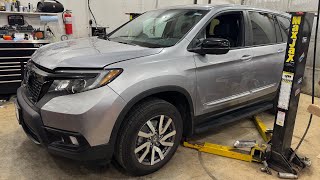
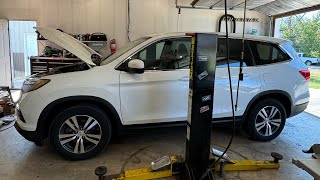

Used OEM Parts in Stock

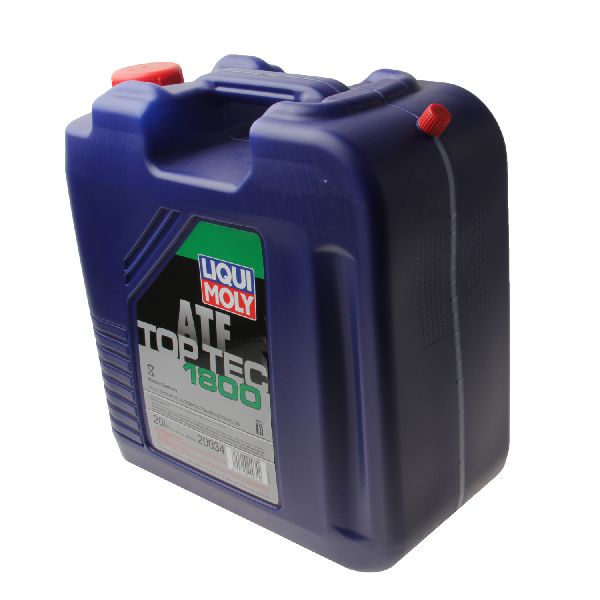
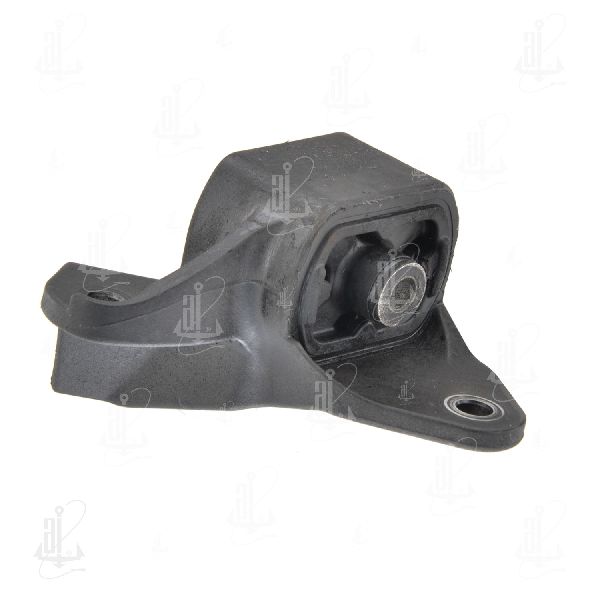
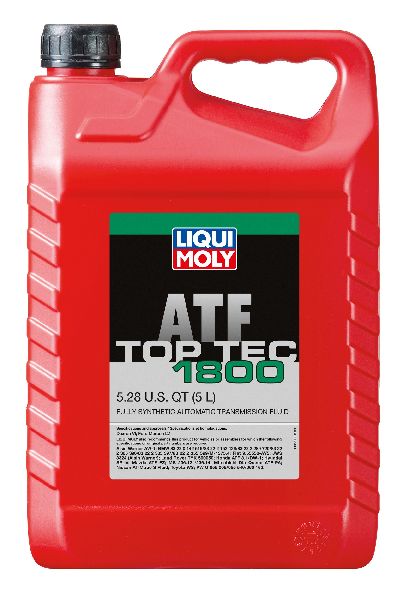
New Aftermarket Parts Available
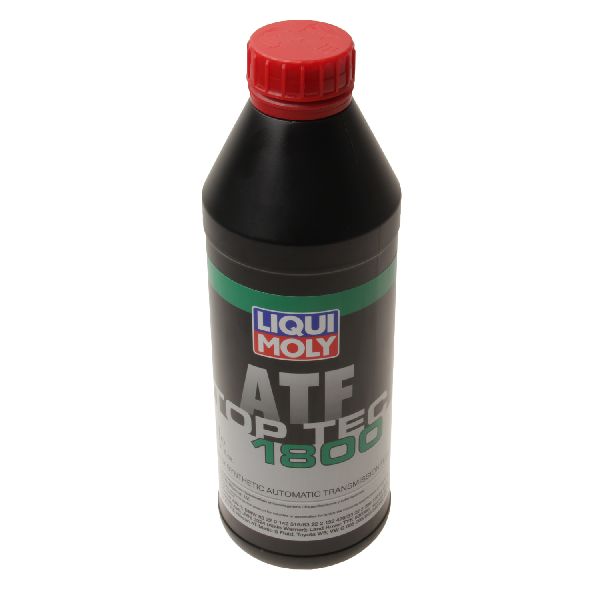
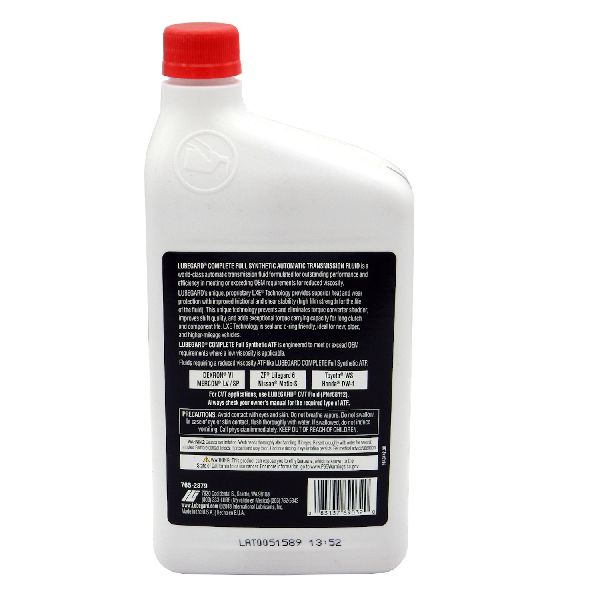


The information in this article is provided for general reference and educational purposes only. Vehicle specifications, procedures, and part compatibility can vary by production date, trim level, and region. Always consult your vehicle's factory service manual and verify part numbers before purchasing or performing repairs. Safety-critical components such as airbags, seat belts, and braking systems should be installed by a qualified professional.
- Honda Pilot:
- 🎬 Helpful Videos
- 🛍️ Shop This Part
- What's Unique About the 2016-2022 Honda Pilot
- Symptoms You May Notice
- Most Likely Causes
- Rare But Worth Checking
- Diagnosis Steps
- Parts You'll Likely Need
- Related Codes That Often Appear With This One
- Technical Service Bulletins (TSBs) & Recalls
- Platform-Specific Known Issues
- Mechanic-Grade Diagnostic Values
- Scan Tool Commands That Help
- Wiring & Ground Locations
- When the Usual Fixes Don't Work
- OEM Part Supersession History
- Model Year Variations Within This Range
- Diagnostic Flowchart
- Other Known Issues on This Vehicle
- Used vs. New Parts: Buying Guide for This Vehicle
- Real Owner Stories
- 2016-2022 Honda Pilot ZF 9HP
- 2016-2020 Honda Pilot ZF 9HP
- 2016-2022 Honda Pilot ZF 9HP
- Related OBD-II Codes
- Frequently Asked Questions
- 🎟️ Get 5% Off