

P0847 on 2016-2021 Mazda CX-3: Causes and Fixes for Transmission Pressure Sensor Faults
On a 2016-2021 Mazda CX-3, code P0847, especially with other transmission codes like P0842, P0780, and P1738, almost always points to a known issue with the internal transmission control valve body. This is well-documented in Mazda Technical Service Bulletins (TSBs). The fix typically involves replacing the entire valve body assembly, which can cost between $1,400 and $2,500 at a dealership or independent shop.
- P0847 on a 2016-2021 Mazda CX-3 is a serious transmission code that should be addressed promptly.
- This code is very frequently part of a known issue documented by Mazda and is usually accompanied by other pressure switch codes.
- The most common fix is not a simple sensor swap but the replacement of the entire transmission control valve body.
- Always check the transmission fluid level and condition first, as it's a simple and inexpensive check.
- Due to the complexity and need for post-repair programming, this is a job best left to a professional mechanic or dealership.
What's Unique About the 2016-2021 Mazda CX-3
For the 2016-2021 Mazda CX-3 and other Mazdas with the SKYACTIV-Drive 6-speed automatic (FW6A-EL), P0847 is rarely an isolated sensor failure. Mazda has issued multiple Technical Service Bulletins (TSBs), including 05-002-23, acknowledging that this code, often appearing with a cluster of others (like P0842, P0872, P0877, P0780, P1738), is typically caused by metallic contamination within the transmission's control valve body. This contamination causes the integrated pressure switches to stick. Consequently, the most common and durable repair is a replacement of the entire valve body assembly, rather than just a single, inexpensive sensor. A Reddit user noted that the solenoids are calibrated to the specific valve body and the characteristics are written into the TCM, making a complete assembly replacement the safest repair.
Diagnostic Flowchart
Tap your situation to follow the diagnostic path that matches what you're seeing on this vehicle.
Symptoms You May Notice
- Check Engine Light is on
- A/T (Automatic Transaxle) warning light is on
- TCS/DSC (Traction/Stability Control) light may be on
- Harsh or erratic shifting, especially during downshifts
- Transmission gets stuck in one gear (fail-safe or 'limp' mode)
- Delayed engagement when shifting from Park to Drive or Reverse
- Manual shift mode may be inhibited
- Replacing only one pressure switch when the entire valve body is the root cause of the contamination and failure.
- Replacing the transmission fluid without diagnosing the underlying mechanical or electrical fault. A fluid change will not un-stick a faulty switch.
- Assuming a major internal transmission failure requiring a full rebuild before properly diagnosing the valve body. One owner was quoted $8,000 for a new transmission when the issue was likely the valve body.
- Mistaking the code for a simple external sensor replacement; the pressure switches are internal to the transmission and part of the valve body assembly.
Most Likely Causes
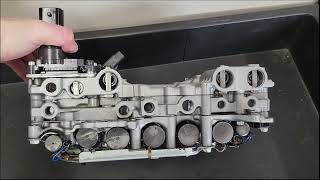
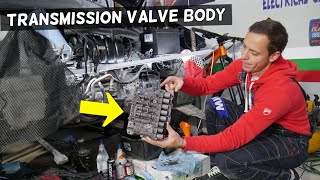
- Failed Control Valve Body Assembly 🔴 High Probability As documented in Mazda TSBs #05-002-23 and #0500215, internal contamination from normal wear can cause the integrated pressure switches to stick, a known issue on this platform. The solenoids are calibrated to the specific valve body, and this data is written to the TCM, making a complete assembly replacement the standard, most reliable repair. 🎬 Watch this walkthrough of an automatic transmission valve body replacement.
How to confirm: Confirm by checking for a group of related pressure switch codes (P0842, P0872, P0780, P1738) alongside P0847. A diagnostic scan following the TSB procedure, which may include a TCM reprogram attempt first, will lead to this conclusion. If codes return after a reprogram, the valve body is the confirmed cause.
Typical fix: Replace the entire control valve body assembly inside the transmission and perform the 'Initial Learning Procedure'.
Est. part cost: $950-$1500 - Low or Contaminated Transmission Fluid 🟡 Medium Probability While Mazda has used 'lifetime' fluid marketing, the fluid (ATF-FZ) can still degrade and become contaminated with metallic particles from normal wear, which is the direct cause of the pressure switches sticking. The dipstick is difficult to access, discouraging checks.
How to confirm: Check the transmission fluid level and condition. This is difficult as it may require removing other components to access the dipstick. Fluid should be at the correct level, reddish in color, and not smell burnt. A technician would inspect the fluid and transmission pan for excessive metallic debris.
Typical fix: Perform a transmission fluid drain and fill using the correct Mazda ATF FZ fluid. If the fluid is very dirty, it's a strong indicator of internal issues, but a fluid change alone is unlikely to fix a stuck switch.
Est. part cost: $70-$150 - Faulty Transmission Control Module (TCM) ⚪ Low Probability The TSBs mention reprogramming the TCM as a potential first step, indicating software can be a factor. In some cases, the TCM itself, which is integrated into the valve body on this transmission, can fail. However, a true TCM electronic failure is less common than the mechanical sticking of the switches or valves within the assembly.
How to confirm: This is a diagnosis of exclusion. If the valve body, wiring, and fluid are all confirmed to be good, the TCM becomes the likely suspect. A dealership scan tool (M-MDS) is needed to check for communication and software updates.
Typical fix: Reprogram the TCM. If reprogramming fails or the TCM has an internal fault, the entire valve body assembly (which includes the TCM) must be replaced.
Est. part cost: $200 (reprogram) - $1800 (replacement) - Wiring or Connector Issues ⚪ Low Probability
How to confirm: Visually inspect the transmission wiring harness for any signs of damage, corrosion, or loose connections between the transmission and the main vehicle harness. The pressure switches are internal, so this would relate to the main connector on the transmission case.
Typical fix: Repair or replace the damaged section of the wiring harness or the connector.
Est. part cost: $20-$300
Diagnosis Steps
- Scan the TCM for all stored trouble codes. Note if P0847 appears with other codes listed in TSB 05-002-23 (P0842, P0872, P0877, P0780, P1738).
- Check the transmission fluid level and condition. This is a complex check on this vehicle. The fluid should be at the correct level and not appear dark, burnt, or full of debris.
- Inspect the external transmission wiring harness and connectors for any visible damage, corrosion, or loose pins.
- Using a professional scan tool, monitor the live data for the transmission fluid pressure sensors. An unchanging high voltage on sensor 'B' would point towards a stuck switch or circuit fault.
- Follow the diagnostic procedure outlined in Mazda TSB #05-002-23. This will guide a technician to first attempt a TCM reprogram for certain VIN ranges. If the code returns, replacement of the valve body is the next step.
- If the valve body is replaced, perform the 'Initial Learning Procedure' as specified by Mazda to ensure the new component works correctly with the TCM. This procedure calibrates the TCM to the new hydraulic components and can be done with a factory scan tool or a specific manual sequence. 🎬 See what happens during the transmission initial learning procedure.
Parts You'll Likely Need
- Automatic Transmission Control Valve Body
(OEM #FZ21-21-100J)— This is the most common point of failure for this code on this vehicle, as documented by Mazda's own service bulletins. The pressure switches and TCM are integral to this assembly.
Trusted brands: Mazda (OEM)
OEM price range: $957 - $1450
Aftermarket price range: $275-$600 (Remanufactured) - Automatic Transmission Fluid (ATF)
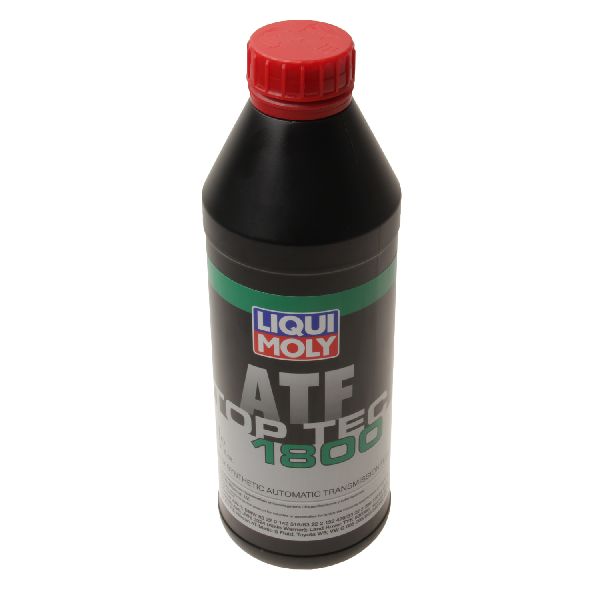
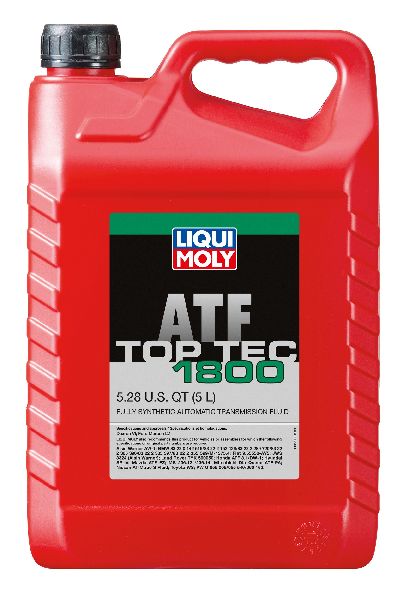
(OEM #0000-FZ-113E-01)— The transmission fluid must be drained to replace the valve body and refilled with approximately 3.5-4 quarts of the correct fluid.
Trusted brands: Mazda Genuine ATF-FZ
OEM price range: $18-$25 per quart
Aftermarket price range: $12-$20 per quart
Related Codes That Often Appear With This One
- P0842 — Relates to Oil Pressure Switch No. 1 (Pressure Switch B). Both are often triggered by the same fault within the control valve body, as noted in Mazda TSBs.
- P0872 — Relates to Oil Pressure Switch No. 3 (Pressure Switch A). Both are often triggered by the same fault within the control valve body, as noted in Mazda TSBs.
- P0877 — Relates to Oil Pressure Switch No. 4 (Pressure Switch B). Both are often triggered by the same fault within the control valve body, as noted in Mazda TSBs.
- P0780 — Indicates a 'Gear Shifting Malfunction'. This is a general code that can appear when the pressure switches are providing incorrect data, preventing proper shift commands.
- P1738 — A manufacturer-specific code for 'Automatic Transaxle Internal Malfunction'. It is frequently stored along with the pressure switch codes when the valve body fails.
Technical Service Bulletins (TSBs) & Recalls
- 05-002-23: The most current TSB, which supersedes older versions. It states that the check engine and A/T warning lights may come on with DTCs P0842, P0847, P0872, P0877, P0780, or P1738 stored in memory due to sticking oil pressure switches from contamination. It covers a wide range of Mazda vehicles with the SKYACTIV 6AT.
- 0500215: An earlier bulletin from 2015 describing the same issue with the same set of diagnostic trouble codes related to sticking oil pressure switches in the valve body.
Platform-Specific Known Issues
- A known issue, documented in TSB 05-002-23, involves contamination causing pressure switches within the control valve body to stick, triggering P0847 and other related codes.
- A Reddit user with a 2015 CX-5 experiencing P0847 and P0780 reported a successful fix with only a TCM reprogram and transmission flush, costing around $440, highlighting that this is the first step before parts replacement.
- Another owner of a 2017 CX-5 with P0847 was quoted $8,000 for a full transmission replacement by a dealer who claimed replacing just the switch would cause slippage. This highlights a common misdiagnosis or upsell attempt.
Mechanic-Grade Diagnostic Values
- Pressure Control Solenoid Resistance — expected: 5-7 ohms. Failure: Resistance outside of this range indicates a faulty solenoid.
- On/Off Solenoid Resistance — expected: 11-14 ohms. Failure: Resistance outside of this range indicates a faulty solenoid.
- DTC Detection Condition: ATF Temperature — expected: 20 °C {68 °F} or more. Failure: The TCM will not run the diagnostic for P0847 if the fluid is colder than this temperature.
Scan Tool Commands That Help
- Mazda M-MDS (or equivalent): Initial Learning Procedure — This is mandatory after replacing the control valve body, oil pressure switches, or the entire transaxle to calibrate the TCM to the new components. Failure to perform this can result in engine racing or increased shift shock.
- Mazda M-MDS (or equivalent): Module Reprogramming — This is the first diagnostic step according to Mazda TSBs for this issue. An updated TCM calibration may resolve the fault logic without parts replacement. If the code returns after reprogramming, the valve body must be replaced.
- Manual Procedure (No Scan Tool): Initial Learning Procedure (Manual) — If a factory scan tool is unavailable, a specific sequence of shifting the selector lever and pressing the start button can initiate the learning process. It involves shifting between N and M- with the ignition on and engine off, then starting the engine and shifting between M+ and M- to trigger the calibration.
Wiring & Ground Locations
- Pressure Sensor B Connector — Internal to the transmission, on the control valve body. The sensor has a two-pin connector with red and white wires that connects to the internal harness leading to the TCM.. While external harness damage is possible, the fault is almost always internal to the transmission. Knowing the wire colors can help a specialist test continuity within the valve body if it's removed for inspection.
- Main Transmission Harness Connector — On the external case of the transmission. For the FW6A-EL, this is a multi-pin connector that links the internal TCM and solenoids to the vehicle's main wiring harness and power.. In the rare event of a wiring issue, this external connector is the primary point to test for power, ground, and signal integrity between the TCM and the rest of the vehicle. Corrosion or damage here can cause various transmission codes, including P0847.
Real Owner Repair Stories
- Mazdas247 Forum (2017 Mazda CX-5, 120k miles) — Check Engine, AT, SBS, and TSC lights all came on. No noticeable performance issues initially. After restart, only CEL remained.
❌ Tried (didn't work) The owner took the car to a Mazda dealership for diagnosis. The dealer did not check the fluid.
✅ What actually fixed it The dealer diagnosed P0847 and quoted $8,000 for a new transmission, claiming that just replacing the switch ($1,000) would cause slippage due to contaminated fluid. The owner, citing the TSB, correctly identified that the likely fix is replacing the valve body/switches, not the entire transmission, highlighting a common dealer upsell or misdiagnosis for this specific code. - Reddit r/mazda (2017 Mazda 3, 115k miles) — Hard shifting and kicking during downshifts.
❌ Tried (didn't work) A reputable transmission shop was hesitant to rebuild the valve body, stating parts were hard to find.
✅ What actually fixed it A responding transmission specialist on Reddit clarified that parts are available, but the solenoids are flow-tested and matched to the TCM at the factory. Because of this, replacing the entire valve body assembly (which includes the TCM and solenoids) is the safest and most reliable repair. A dealership quoted another user $2,400 for this exact repair on a 2019 Mazda 3, which was successful.
OEM Part Supersession History
FZ01-21-2J0→FZ21-21-100J (Full Valve Body Assembly)— This part number refers to the individual pressure switch 'B'. While technically replaceable, Mazda's TSBs and repair strategy moved away from replacing individual switches due to contamination issues affecting the entire valve body. The standard repair is now the complete valve body assembly.
Heads up: Replacing only the switch may not provide a long-term fix if the contamination that caused the original failure remains in the valve body's hydraulic passages.
Model Year Variations Within This Range
- 2012-2016 (Varies by model): Mazda TSBs list specific VIN and production date cutoffs for which vehicles should receive a TCM reprogram as the first step versus proceeding directly to parts replacement. For example, TSB 05-002/15 notes different TCM file names for vehicles produced before and after March 31, 2013, for the Mazda3. While the CX-3 range is 2016-2021, this shows that software updates are tied to production dates and must be checked with a dealer tool.
Helpful Videos

Used OEM Parts in Stock


New Aftermarket Parts Available

The information in this article is provided for general reference and educational purposes only. Vehicle specifications, procedures, and part compatibility can vary by production date, trim level, and region. Always consult your vehicle's factory service manual and verify part numbers before purchasing or performing repairs. Safety-critical components such as airbags, seat belts, and braking systems should be installed by a qualified professional.
- Mazda CX-3:
- 🎬 Helpful Videos
- 🛍️ Shop This Part
- What's Unique About the 2016-2021 Mazda CX-3
- Diagnostic Flowchart
- Symptoms You May Notice
- Most Likely Causes
- Diagnosis Steps
- Parts You'll Likely Need
- Related Codes That Often Appear With This One
- Technical Service Bulletins (TSBs) & Recalls
- Platform-Specific Known Issues
- Mechanic-Grade Diagnostic Values
- Scan Tool Commands That Help
- Wiring & Ground Locations
- Real Owner Repair Stories
- OEM Part Supersession History
- Model Year Variations Within This Range
- 🎟️ Get 5% Off