

P0842 on 2020-2021 Ford Escape: Transmission Sensor Code or Deeper Electrical Fault?
On a 2020-2021 Ford Escape, P0842 is rarely a bad transmission sensor. It's almost always a symptom of a known wiring harness issue (the '14290' harness) chafing against the steering shaft. This causes a short circuit, blows fuse 44, and triggers numerous unrelated codes. The fix involves repairing and rerouting the damaged harness.
- On a 2020-2021 Escape, P0842 is a symptom of an electrical problem, not a transmission problem.
- The root cause is almost always the engine wiring harness (14290) rubbing against the steering shaft.
- Before ordering any parts, check fuse 44 and physically inspect the harness above the steering shaft u-joint.
- The fix is to repair the damaged wires and re-secure the harness so it can no longer make contact with moving parts.
- Do not replace the transmission fluid pressure sensor unless the wiring harness has been confirmed to be in perfect condition.
What's Unique About the 2020-2021 Ford ESCAPE
For this generation of Ford Escape, the P0842 code is a classic red herring. Owners and technicians might waste time and money focusing on the transmission. The real issue, as documented by Ford in Technical Service Bulletins, is a design flaw where a specific wiring harness (part family 14290) rubs against the steering shaft, eventually causing wires to short. This single point of failure can generate a cascade of seemingly unrelated trouble codes across the engine, transmission, and chassis systems, making diagnosis confusing without this specific knowledge.
Diagnostic Flowchart
Tap your situation to follow the diagnostic path that matches what you're seeing on this vehicle.
Symptoms You May Notice
- Check Engine Light (Malfunction Indicator Lamp - MIL) is on
- Engine runs rough
- Vehicle may stall
- Blown fuse (specifically fuse 44 in the engine compartment fuse box)
- Multiple other warning lights or messages may appear, such as for Hill Start Assist or Pre-Collision Assist.
- Instrument cluster lights may flicker, or the display may switch between miles and kilometers on its own.
- Loss of power steering assist warning may appear.
- Wrench light may illuminate.
- Replacing the transmission fluid pressure sensor. This is the most common misdiagnosis because the code's definition points directly to it, but it will not fix the underlying wiring problem on this vehicle.
- Replacing the transmission valve body or the entire transmission. This is an expensive and unnecessary repair that fails to address the root electrical fault.
Most Likely Causes
- Chafed Engine Wiring Harness (14290 Harness) 🔴 High Probability As documented in Ford TSBs #SSM 50116, #SSM 50245, and the superseding TSB 22-2059, the 14290 harness is routed in a way that it can contact the steering shaft u-joint. The rotation of the steering wheel rubs through the wire insulation (typically black fabric tape), causing a short circuit in the 5-volt reference (VREF) line.
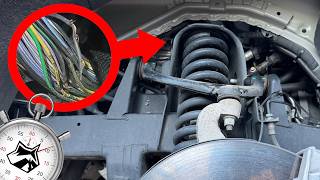
How to confirm: Visually inspect the wiring harness located directly above the steering shaft u-joint, near the upper brake pedal mount. 🎬 See this quick tip on identifying and fixing wire chafing. Look for signs of abrasion, chafing, or exposed copper wires where the harness passes over the metal joint. Also, check if fuse 44 (a 15A fuse in the engine compartment fuse box) is blown.
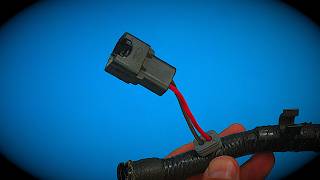
Typical fix: The damaged section of the harness must be repaired. The official Ford repair involves de-pinning the affected circuits, replacing the terminals, and sealing with heat-shrink tubing. 🎬 Watch: Professional techniques for repairing and sealing damaged wiring harnesses. The harness must then be rerouted and secured away from the steering shaft, often by using a zip tie to attach it to an adjacent, stationary harness to prevent future contact.
Est. part cost: $0-$50 (for wiring repair supplies)
Rare But Worth Checking
- Failed Transmission Fluid Pressure (TFP) Sensor: While this is the component the code directly points to, it is a very unlikely cause on this specific vehicle due to the known harness issue. One forum user in a non-US market reported a faulty sensor was the cause, but this is an outlier. Only consider this after the wiring harness has been thoroughly inspected and ruled out.
- Powertrain Control Module (PCM) Failure: A faulty PCM is extremely rare but can theoretically cause sensor circuit codes. This should be the absolute last consideration after all other possibilities are exhausted.
Diagnosis Steps
- Verify the code with a quality OBD-II scanner.
- Check for the presence of the many other codes listed in TSB #SSM 50245 and #SSM 50116. A large number of seemingly unrelated circuit codes is a strong indicator of the VREF issue.
- Check fuse 44 (15A) in the engine compartment fuse box. If it is blown, this is a key symptom of the harness short.
- Gain access to the area under the driver's side dashboard, looking up from the pedals.
- Locate the steering shaft u-joint near the upper brake pedal mount.
- Carefully inspect the wiring harness (known as the 14290 harness, often wrapped in black fabric tape) that passes over this area. Look for any signs of physical contact, rubbing, or damage where the harness is close to the rotating steering shaft.
- If damage is found, disconnect the battery.
- Repair the damaged wires using appropriate splicing and sealing techniques (e.g., solder and heat shrink, or high-quality crimp connectors).
- Securely reroute the harness away from the steering shaft using zip ties to an adjacent stationary harness or bracket to ensure it cannot make contact again.
- Replace the blown fuse 44.
- Reconnect the battery, clear all DTCs, and perform a test drive, turning the steering wheel lock-to-lock to confirm the issue is resolved.
Parts You'll Likely Need
- Engine Wiring Harness Repair Kit — Needed to properly splice and seal the wires damaged by chafing. The harness itself (e.g., LX6T-14290-NAAF) is typically repaired, not replaced.
Trusted brands: Motorcraft
OEM price range: $20-$40
Aftermarket price range: $10-$25 - 15A Mini Fuse — Fuse 44 in the engine compartment fuse box is often blown by the short circuit and will need to be replaced after the wiring is repaired.
OEM price range: $5-$10
Aftermarket price range: $2-$5 - Zip Ties — Essential for securing the repaired harness away from the steering shaft to prevent a recurrence of the problem.
OEM price range: $1-$5
Aftermarket price range: $1-$5
Related Codes That Often Appear With This One
- P06A7 — Shares the same VREF circuit that is shorted by the damaged harness.
- P0840 — Shares the same VREF circuit that is shorted by the damaged harness.
- P2122 — Shares the same VREF circuit that is shorted by the damaged harness.
- P2127 — Shares the same VREF circuit that is shorted by the damaged harness.
- P0192 — Shares the same VREF circuit that is shorted by the damaged harness.
- P0340 — Shares the same VREF circuit that is shorted by the damaged harness.
- P0365 — Shares the same VREF circuit that is shorted by the damaged harness.
- U0140 — Loss of Communication With Body Control Module, often triggered by the widespread electrical chaos from the VREF short.
Technical Service Bulletins (TSBs) & Recalls
- SSM 50245: Details symptoms (runs rough, MIL) and a long list of possible DTCs, including P0842, related to an electrical issue. [⭐ MANUFACTURER TSB — highest authority]
- SSM 50116: Specifically identifies the 14290 harness contacting the steering shaft as the cause for loss of VREF, a blown fuse 44, and numerous DTCs including P0842. It provides the diagnostic and repair procedure. [7, ⭐ MANUFACTURER TSB — highest authority]
- TSB 22-2059: This bulletin supersedes the earlier SSMs, updating the repair procedure and expanding the list of affected vehicles to include the 2021-2022 Ford Bronco Sport, confirming a shared platform issue. [⭐ MANUFACTURER TSB — highest authority]
Platform-Specific Known Issues
- A known design/routing issue with the 14290 engine harness causes it to rub against the steering shaft u-joint, leading to a short in the 5-volt reference (VREF) circuit. This is documented in Ford TSBs #SSM 50116, #SSM 50245, and the superseding TSB 22-2059.
Mechanic-Grade Diagnostic Values
- 5-Volt Reference (VREF) Circuit Voltage — expected: Approximately 5.0 volts DC with key on, engine off.. Failure: A reading near 0 volts indicates a short to ground. If fuse 44 is blown, this is the most likely cause.
Scan Tool Commands That Help
- Ford IDS (Integrated Diagnostic System): Module Programming / Self-Test — While IDS has functions like module reprogramming, the primary diagnosis for this specific issue per TSB #SSM 50116 is not a scan tool command but a physical inspection of the wiring harness for chafing.
Wiring & Ground Locations
- 14290 Harness Chafe Point — Directly above the steering shaft u-joint, near the upper brake pedal mount, under the driver's side dashboard.. This is the exact point of failure described in Ford TSBs. Rotation of the steering wheel causes the shaft to rub through the harness insulation, shorting the 5V reference (VREF) wire to ground and triggering P0842 and numerous other codes.
- C175B — This is one of the main connectors for the Powertrain Control Module (PCM).. The damaged 14290 harness connects to the PCM via this connector. Pinpoint tests of the VREF circuit would be performed at this connector if the visual inspection were inconclusive.
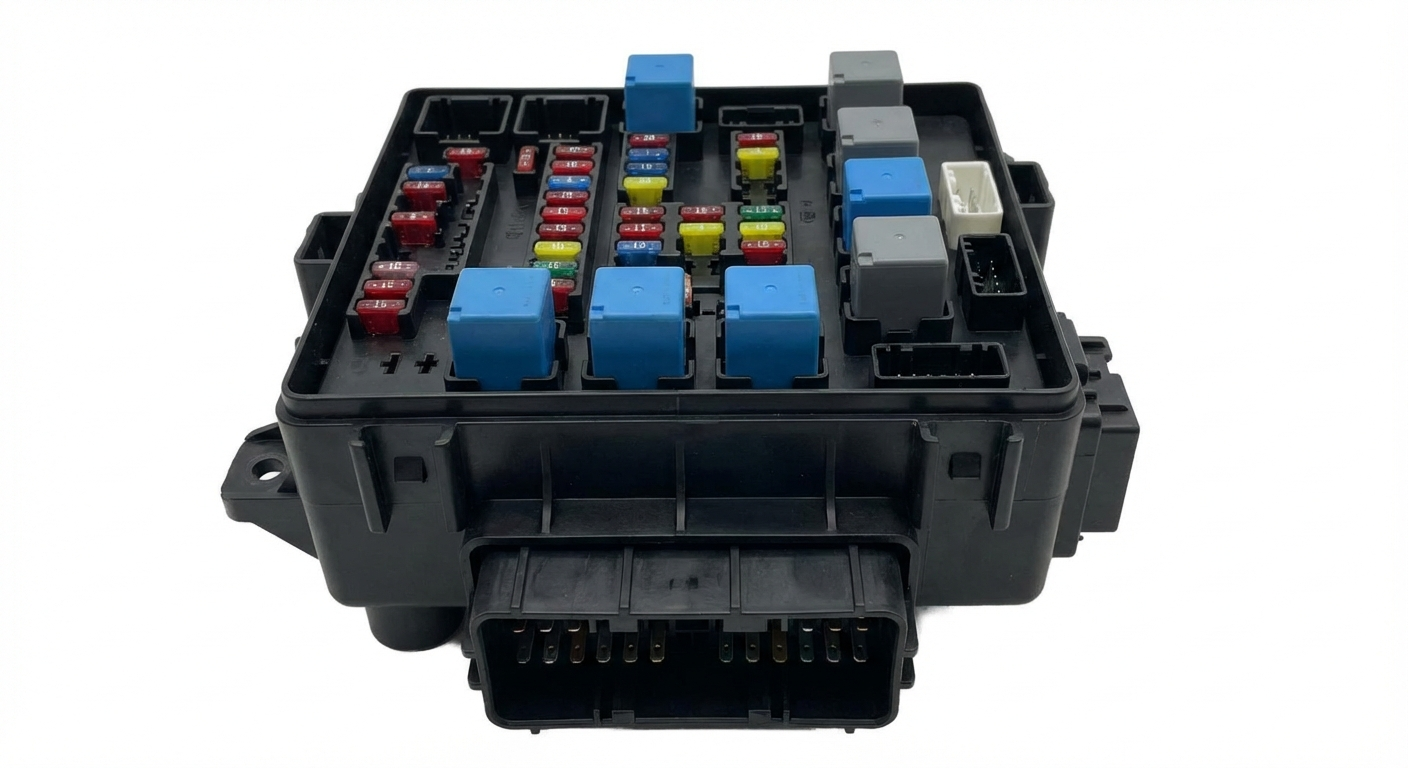
- Fuse F44 (BJB) — In the Battery Junction Box (engine compartment fuse box).. This 15A fuse protects the VREF circuit. If it is blown, it is a key indicator of the harness short described in TSB #SSM 50116.
Real Owner Repair Stories
- Reddit user Lonely_Weakness9273 (2019 Ford Escape) — Multiple errors including 'no hill assist' and 'engine system error'.
❌ Tried (didn't work) Sensor replacements.
✅ What actually fixed it The user posted an update stating, 'The entire wiring harness has to be replaced. Thank god for the bumper to bumper warranty!' This aligns perfectly with the known TSB issue for the 2020-2021 models, showing the problem exists in the same generation.
OEM Part Supersession History
LX6T-14290-NAAF (example family)→N/A - Repair, not replacement is standard procedure— The official fix per TSB #SSM 50116 is not to replace the entire harness with a new part number, but to repair the damaged wires and reroute the harness away from the steering shaft.
Heads up: While various 14290-family harnesses exist for different engine/trim combos, the primary fix is a procedure, not a part swap. Replacing the entire harness is a much larger job and often unnecessary if the damage is localized as described in the TSB.
Helpful Videos
We Have This Part in Stock



The information in this article is provided for general reference and educational purposes only. Vehicle specifications, procedures, and part compatibility can vary by production date, trim level, and region. Always consult your vehicle's factory service manual and verify part numbers before purchasing or performing repairs. Safety-critical components such as airbags, seat belts, and braking systems should be installed by a qualified professional.
- Ford ESCAPE:
- 🎬 Helpful Videos
- 🛍️ Shop This Part
- What's Unique About the 2020-2021 Ford ESCAPE
- Diagnostic Flowchart
- Symptoms You May Notice
- Most Likely Causes
- Rare But Worth Checking
- Diagnosis Steps
- Parts You'll Likely Need
- Related Codes That Often Appear With This One
- Technical Service Bulletins (TSBs) & Recalls
- Platform-Specific Known Issues
- Mechanic-Grade Diagnostic Values
- Scan Tool Commands That Help
- Wiring & Ground Locations
- Real Owner Repair Stories
- OEM Part Supersession History
- 🎟️ Get 5% Off