

P0776 on 2007-2018 Lexus ES: Transmission Solenoid Causes and Fixes
P0776 on a Lexus ES usually means the Pressure Control Solenoid 'B' (designated as SL2) has failed or is stuck off. This causes harsh shifting, slipping, or getting stuck in gears, often limited to 3rd gear. The fix typically involves replacing the solenoid inside the transmission pan, which costs around $500-$900 at a shop.
- P0776 on your Lexus ES points to a problem with the Pressure Control Solenoid 'B' (SL2), causing serious shifting problems.
- Before assuming the solenoid is bad, have the transmission fluid level and condition checked professionally, as this is a common and simpler cause.
- Ask your mechanic or dealer to check for an ECM software update, as a Lexus TSB indicates this can sometimes resolve the issue without hardware replacement.
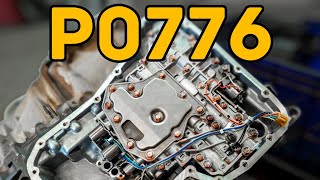
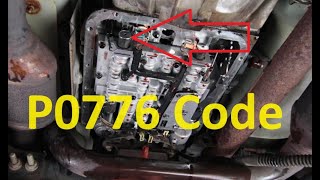
- The most probable repair is replacing the faulty solenoid, which is located inside the transmission oil pan.
- Do not ignore this code; continued driving can lead to transmission overheating and much more expensive internal damage.
What's Unique About the 2007-2018 Lexus ES
The Lexus ES models in this year range use the U660E 6-speed automatic transmission, which is shared with many other Toyota and Lexus V6 models. While generally reliable, they can be sensitive to fluid condition and electronic faults. A notable issue for this platform is that shift quality complaints and related codes can sometimes be caused by outdated software in the Engine Control Module (ECM). Toyota/Lexus released Technical Service Bulletins (e.g., TC007-07) for the related Toyota Camry, indicating a software reflash could resolve shift flare issues. If the reflash doesn't work, the TSB suggests a potential mechanical issue within the transmission. Additionally, wear in the valve body bores, particularly the secondary regulator valve bore, is a known issue that can cause hydraulic leaks and lead to solenoid performance codes.
Generation note: This guide covers the Lexus ES XV40 (2007-2012) and XV60 (2013-2018) generations. Both generations use the 2GR-FE V6 engine and the U660E automatic transmission, so the causes and fixes for P0776 are largely the same across this entire year range. The U660E was used in the ES350 until the 2018 model year.
Symptoms You May Notice
- Harsh, jerky, or delayed shifts, especially between lower gears.
- Transmission slipping, where the engine revs up but the car doesn't accelerate properly (often called 'shift flare').
- Inability to shift into higher gears (e.g., stuck in 3rd gear).
- Vehicle enters 'limp mode,' limiting speed.
- Check Engine Light and VSC (Vehicle Stability Control) light are illuminated.
- Decreased fuel efficiency.
- Hard jerk when shifting into Reverse.
- Replacing the entire transmission when only a single solenoid or a fluid change is needed. One owner on ClubLexus reported a dealer quoting nearly $10,000 for a full transmission replacement for a P0776 code.
- Performing multiple transmission flushes to try and clear a stuck solenoid, which is often ineffective if the solenoid has failed electrically or is mechanically jammed.
Most Likely Causes
- Faulty Pressure Control Solenoid 'B' (SL2) 🔴 High Probability Solenoids are electro-mechanical parts that can fail electrically (coil burnout) or mechanically (valve sticking from debris) over many cycles. The SL2 solenoid is a linear solenoid with a black connector in the U660E valve body.
How to confirm: A technician can command the solenoid on and off with a bidirectional scan tool to check its response. Resistance can also be measured with a multimeter; for the SL2 solenoid, it should be between 5.0 and 5.6 ohms at 68°F (20°C). A reading outside this range indicates a faulty solenoid.
Typical fix: Replace the faulty solenoid. This requires draining the transmission fluid, removing the transmission pan, and accessing the valve body where the solenoid is located. Given the labor, some owners opt to replace all linear solenoids at the same time as preventative maintenance.
Est. part cost: $100-$250 - Low or Dirty Transmission Fluid 🟡 Medium Probability The U660E is a 'sealed' transmission without a dipstick, which can lead to fluid level and condition being overlooked. Old, degraded fluid loses its properties and can't maintain proper hydraulic pressure. Debris from normal wear can clog the small passages and filters within the solenoids, causing them to stick.
How to confirm: The fluid level and condition must be checked via a specific overflow plug procedure while the transmission is at a specific temperature (85°C - 90°C), monitored with a scan tool. The fluid should be bright red (for Toyota WS), not dark brown, black, or smelling burnt.
Typical fix: Perform a transmission fluid drain-and-fill. A full flush is sometimes debated on high-mileage vehicles. If the fluid is very dirty, dropping the pan to clean it and replace the filter is recommended.
Est. part cost: $70-$150 for fluid and filter - Damaged Internal Wiring Harness ⚪ Low Probability The internal transmission wiring harness is constantly submerged in hot automatic transmission fluid. Over time, the insulation on the wires can become brittle, crack, and flake off, leading to short circuits. A ClubLexus forum member with multiple solenoid codes (including P0776) on their 2007 ES350 reported finding a 'pink piece' of what appeared to be wire insulation in their transmission pan.
How to confirm: During a solenoid replacement, visually inspect the wiring harness inside the pan for any signs of brittle, cracked, or exposed wires. Check for debris in the pan that looks like plastic insulation.
Typical fix: Repair the damaged section of the wire or replace the entire internal transmission wiring harness.
Est. part cost: $150-$300 for a new harness - Outdated ECM/PCM Software ⚪ Low Probability Lexus and Toyota have issued TSBs for the U660E transmission to address shift quality issues like flares or harsh shifts by updating the control module's software logic. TSB TC007-07 for the Camry and TSB L-SB-0033-11 for the RX350 are examples. An outdated calibration might misinterpret normal feedback from the transmission and set a false code, though this is less common for a 'stuck off' code.
How to confirm: A Lexus dealership or a shop with a capable scan tool (like Toyota Techstream) can check the current software calibration ID and compare it against the latest version available from Lexus.
Typical fix: Reprogram or 'reflash' the Engine Control Module (ECM) with the updated software. This is often a dealer-only procedure.
Est. part cost: $100 - $250
Rare But Worth Checking
- Contaminated or Blocked Valve Body: If the transmission fluid is heavily contaminated with metal shavings or clutch material, the tiny passages within the valve body can become blocked. This can prevent even a new solenoid from functioning correctly and may require a full valve body replacement or rebuild.
- Failing Transmission Control Module (TCM) or ECM: This is a rare cause. The module that commands the solenoid can fail internally, but all other more likely causes (solenoid, fluid, wiring) should be exhaustively ruled out first.
Diagnosis Steps
- Scan the vehicle's computer for P0776 and any other related codes. Record the freeze-frame data to see the conditions when the code was set.
- Check the transmission fluid level and condition using the proper temperature-controlled procedure. This is a critical first step.
- Inspect the external wiring and connectors to the transmission for any visible damage, corrosion, or looseness.
- Check for any available Technical Service Bulletins (TSBs). Specifically, see if an ECM software update (reflash) is available to address shifting issues.
- If fluid and software are good, use a professional scan tool to monitor live data for solenoid 'B' (SL2) and command it on and off to test its function.
- If the solenoid does not respond or tests poorly, drain the fluid, drop the transmission pan, and test the solenoid's resistance with a multimeter. It should be 5.0-5.6 Ω at 68°F (20°C).
- If the solenoid tests bad, replace it. While the pan is off, inspect for debris (metal shavings, clutch material, plastic wire insulation) and replace the transmission filter.
- If the solenoid tests good, the issue is likely in the wiring harness, the valve body, or, more rarely, the ECM itself. Inspect the internal harness carefully for damage.
Parts You'll Likely Need
- Pressure Control Solenoid 'B' (SL2)
(OEM #35220-33040)— This is the component directly identified by the code and is the most common point of failure. It is a large linear solenoid with a black connector.
Trusted brands: Toyota/Lexus (OEM), Aisin, Rostra
OEM price range: $150-$250
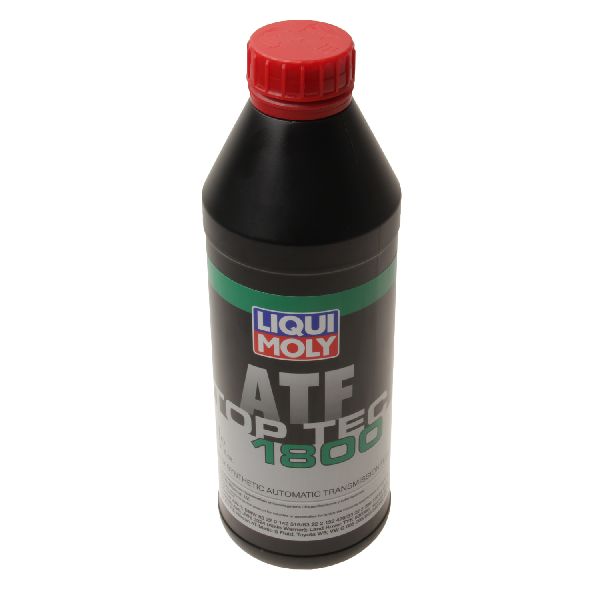
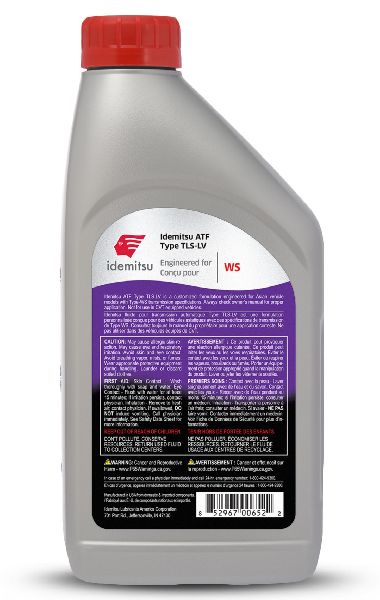
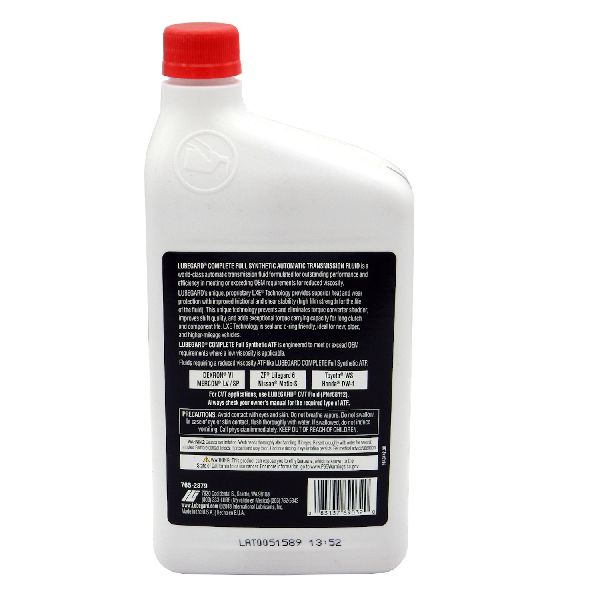
Aftermarket price range: $80-$160 - Automatic Transmission Fluid (Toyota WS)
(OEM #00289-ATFWS)— Fluid must be drained and refilled when dropping the pan. Using the correct Toyota World Standard (WS) fluid is critical for the U660E transmission. - Transmission Filter (Strainer) — Should be replaced whenever the transmission pan is removed. A clogged filter can restrict fluid flow and cause pressure issues.
- Transmission Pan Gasket — Required to reseal the transmission pan after service to prevent leaks.
Related Codes That Often Appear With This One
- P0746 — This code is for Pressure Control Solenoid 'A' (SL1). It's common to see multiple solenoid codes together (P0746, P0776, P2714, etc.) if there is a widespread electrical issue (like a harness failure), a major fluid contamination problem, or a failing ECM affecting multiple circuits.
- P2714 — This code is for Pressure Control Solenoid 'D' (SL4). Like P0746, its appearance with P0776 points towards a systemic issue rather than just a single failed part. The SL2 and SL4 solenoids are often identical parts.
Technical Service Bulletins (TSBs) & Recalls
- Toyota TSB for the related Camry V6 with U660E transmission. Calls for a reflash of the TCM to correct shift flare issues, and if that fails, replacement of the transaxle.
- Lexus service bulletin detailing the specific, temperature-sensitive procedure for checking the ATF WS fluid level on U660E/F transmissions.
Platform-Specific Known Issues
- A known Technical Service Bulletin (L-SB-0008-13) indicates that on some Lexus models, various transmission performance codes, including P0776, can be triggered by a software glitch in the ECM. A software update may fix the problem without replacing parts.
Mechanic-Grade Diagnostic Values
- Shift Solenoid SL2 Resistance — expected: 5.0 to 5.6 Ω at 20°C (68°F). Failure: A resistance reading outside of this range indicates a faulty solenoid coil.
- Shift Solenoid SL2 Bench Test — expected: The solenoid valve moves and makes an audible clicking or operating noise.. Failure: No movement or sound from the valve indicates it is mechanically stuck or electrically failed.
Hidden / Shadow Codes Worth Checking
- Check Mode: This is not a specific code, but a high-sensitivity diagnostic mode available in Toyota/Lexus vehicles. When enabled with a scan tool like Techstream, it allows fault codes that normally require two or more drive cycles to set, to be triggered immediately upon fault detection. This is useful for confirming intermittent issues without extensive road testing. (see via Accessed via a capable scan tool like Toyota Techstream. Activating this mode typically erases existing codes, so they must be recorded first.)
Scan Tool Commands That Help
- Toyota Techstream: ACTIVE TEST -> SHIFT — This function allows a technician to manually command gear shifts while driving at low speeds (under 31 mph / 50 km/h). By comparing the commanded shift on the scan tool to the actual gear the transmission is in, a technician can confirm if the SL2 solenoid is responding to commands or is stuck.
- Toyota Techstream: Reset Memory / Transmission Learning — After replacing a solenoid or performing other transmission repairs, the ECM's adaptive learning values should be reset. A specific relearn procedure, which involves driving the vehicle under certain conditions (e.g., for 20 minutes at speeds under 25 mph, with gentle stops and starts), allows the ECM to adapt to the new components and restore smooth shifting.
Wiring & Ground Locations
- Transmission Control ECU Ground — For the 2007 model year, a ground point for the Transmission Control ECU is located behind the left side of the dash, designated as A5. For the 2014 model year, a ground point is listed as H1 behind the instrument cluster. A poor ground can cause erratic electronic behavior.. A faulty or corroded ground for the ECU can cause incorrect readings and command signals to be sent to the transmission solenoids, potentially triggering false codes.
- Transmission Ground Strap — A primary ground strap connects the transmission case to the vehicle's chassis, typically on the frame rail near the transmission mount.. This strap ensures the entire transmission assembly is properly grounded. If it's loose, corroded, or broken, it can lead to a host of electrical issues, including erratic solenoid operation and communication problems with the control modules.
Real Owner Repair Stories
- YouTube user 'Fix It Angel' (2002-2006 Toyota (demonstrating a similar era Toyota transmission with P0776)) — A very hard hesitation or jerk between 1st and 2nd gear after coming to a stop.
❌ Tried (didn't work) Initial diagnosis pointed towards needing a new solenoid or transmission.
✅ What actually fixed it The problem was resolved by performing a transmission 'relearn' procedure after a battery disconnect. The fix involved driving the car for 20 minutes at a low speed (under 25 mph), stopping every 5 minutes, and gently accelerating to allow the computer to re-adapt its shift points. This solved the harsh shifting without replacing any parts.
OEM Part Supersession History
35220-33040→35220-33040 (current)— This part number has remained consistent for the specified vehicle range.
Heads up: This part is described as 'Clutch Control Solenoid Assembly No.2' and fits the 2007-2018 Lexus ES350. It is a large linear solenoid with a black connector, used for the SL2 and SL4 positions.
Model Year Variations Within This Range
- 2007-2018: The U660E transmission was used across the entire 2007-2018 ES350 model run. While the core mechanical components and solenoids related to P0776 are the same, there may be minor differences in ECM software calibrations between the XV40 (2007-2012) and XV60 (2013-2018) generations. Always verify TSB applicability by VIN.
Diagnostic Flowchart
Other Known Issues on This Vehicle
Issues unrelated to this code that are worth knowing about as an owner of this generation:
- Rupturing VVT-i Oil Line (Rubber Portion) 🔴 High — Common on 2007-2009 models. A catastrophic failure can lead to rapid oil loss and engine seizure. (Ref: Limited Service Campaign (LSC 90K) was issued to replace the rubber hose with an all-metal line.)
- Melting / Sticky Dashboard and Door Panels 🟡 Low — Very common on 2007-2008 models, especially in hot, humid climates. The material degrades, becomes sticky, and creates glare on the windshield. (Ref: Lexus initiated a Warranty Enhancement Program (ZLD) to replace affected dashboards and panels, even for out-of-warranty vehicles.)
- Water Pump Failure 🟠 Medium — A common failure item on the 2GR-FE engine, typically between 80,000 and 120,000 miles. It often presents as a slow coolant leak (pink crust) from the weep hole.
- Infotainment System / Navigation Screen Failure 🟡 Low — Reported on some 2008-2010 models where the screen can go black, disabling access to navigation, radio, and sometimes climate controls. (Ref: Sometimes correctable with a software update from a dealer.)
Used vs. New Parts: Buying Guide for This Vehicle
When a used part is the smart pick: A complete, low-mileage used valve body assembly from a reputable salvage yard can be a cost-effective alternative to replacing individual solenoids, especially if multiple solenoid codes are present or if internal valve body wear is suspected. A used transmission is generally not recommended unless the cost is extremely low and the donor vehicle history is known.
Donor-vehicle mileage cap: roughly under 75000 miles for the part to have meaningful remaining life.
What to inspect on the donor part:
- Check the color and smell of the fluid from the donor transmission; it should not be dark black or smell burnt.
- Ask for the VIN of the donor vehicle to verify mileage and check for a history of accidents.
- Inspect the electrical connector pins for corrosion or damage.
- If buying a valve body, ensure all solenoids are present and the wiring harness is intact.
OEM-only on this vehicle (don't cheap out):
- Transmission Control Module (TCM/ECM): Due to complex VIN programming and security integration, a new or professionally remanufactured and programmed unit is the only reliable option.
- Internal Wiring Harness: Aftermarket harnesses can have issues with wire gauge and connector quality. OEM is recommended for longevity in the harsh transmission fluid environment.
Aftermarket brands forum-validated for this vehicle:
- Aisin: Aisin is the original equipment manufacturer (OEM) for many Toyota/Lexus transmission components, including solenoids. Their parts are identical to the genuine Toyota part but often cost less.
- Sonnax: For internal valve body repairs like oversized valves or zip kits, Sonnax is a highly respected industry leader among professional transmission rebuilders.
Brands owners have reported issues with on this vehicle:
- Unbranded, no-name solenoids from online marketplaces should be avoided. They often have high failure rates, incorrect resistance values, and can cause more problems than they solve.
Real Owner Stories
Aggregated from forums and TSBs cited above. Mileages and costs reflect what owners reported in those sources.
2007 Lexus ES350 2GR-FE
Symptoms: Multiple solenoid codes including P0776, vehicle entering limp mode, and discovery of a 'pink piece' of material in the transmission pan.
What fixed it: The issue was identified as a failure of the internal transmission wiring harness where the insulation had become brittle and flaked off.
Source hint: ClubLexus: Transmission problems, P0746, P0776, P0796, P2714
2007 Lexus ES350 2GR-FE
Symptoms: Codes P0776 and P0746 with rough shifting specifically occurring in gears 1 through 3.
What fixed it: Replacement of the faulty transmission solenoids.
Source hint: ClubLexus: p0776 & p0746
2016 Lexus ES350 2GR-FE
Symptoms: Code P0776 triggered; owner was quoted nearly $10,000 for a full transmission replacement.
What fixed it: The context notes this as a common misdiagnosis or up-sell, suggesting that solenoid replacement or software updates are the actual intended repairs for this code.
Source hint: ClubLexus: Transmission (P0776 - pressure control solenoid B performance or stuck off)
Related OBD-II Codes
Frequently Asked Questions
Is there a Technical Service Bulletin for shifting issues on the Lexus ES or RX350?
What is the specific resistance range for the SL2 solenoid on my 2GR-FE U660E transmission?
How do I check the transmission fluid level on my 2007-2018 Lexus ES350 since it has no dipstick?
Can a software update fix P0776, or do I definitely need a new transmission?
What color should the transmission fluid be in my Lexus ES350?
I found pink plastic debris in my transmission pan; what is this?
Helpful Videos
We Have This Part in Stock

The information in this article is provided for general reference and educational purposes only. Vehicle specifications, procedures, and part compatibility can vary by production date, trim level, and region. Always consult your vehicle's factory service manual and verify part numbers before purchasing or performing repairs. Safety-critical components such as airbags, seat belts, and braking systems should be installed by a qualified professional.
- Lexus ES:
- 🎬 Helpful Videos
- 🛍️ Shop This Part
- What's Unique About the 2007-2018 Lexus ES
- Symptoms You May Notice
- Most Likely Causes
- Rare But Worth Checking
- Diagnosis Steps
- Parts You'll Likely Need
- Related Codes That Often Appear With This One
- Technical Service Bulletins (TSBs) & Recalls
- Platform-Specific Known Issues
- Mechanic-Grade Diagnostic Values
- Hidden / Shadow Codes Worth Checking
- Scan Tool Commands That Help
- Wiring & Ground Locations
- Real Owner Repair Stories
- OEM Part Supersession History
- Model Year Variations Within This Range
- Diagnostic Flowchart
- Other Known Issues on This Vehicle
- Used vs. New Parts: Buying Guide for This Vehicle
- Real Owner Stories
- 2007 Lexus ES350 2GR-FE
- 2007 Lexus ES350 2GR-FE
- 2016 Lexus ES350 2GR-FE
- Related OBD-II Codes
- Frequently Asked Questions
- 🎟️ Get 5% Off