

P0761 on 2016-2022 Honda Pilot: Shift Solenoid 'C' Causes and Fixes
This code indicates a problem with the transmission's Shift Solenoid 'C'. The most common causes are low or dirty transmission fluid, or a failed solenoid. Always check the fluid first; if it's low or dirty, a fluid service might solve the issue. Otherwise, replacing the solenoid is the likely fix. This is a known issue on both the 6-speed and the more problematic ZF 9-speed transmissions offered in this generation.
- P0761 points to a problem with Shift Solenoid 'C' in the transmission.
- Always check the transmission fluid level and condition first. Use only genuine Honda ATF-DW1 fluid.
- If the fluid is healthy, the most likely culprit is the Shift Solenoid 'C' itself, which will need to be tested and likely replaced.
- Driving with this issue can lead to poor performance and potentially severe transmission damage.
- Check for relevant TSBs, as software updates may be available to improve transmission performance and longevity.
What's Unique About the 2016-2022 Honda Pilot
The 2016-2022 Honda Pilot uses two different transmissions: a Honda-built 6-speed automatic in lower trims and a ZF-manufactured 9-speed automatic (ZF 9HP) in higher trims (Touring/Elite). The 9-speed is known across multiple automotive brands for complex software and shift quality complaints. For both transmissions, P0761 is a critical code. It's essential to use only Honda Genuine ATF (ATF-DW1 for the 6-speed, Type 3.1 for the 9-speed) as the systems are highly sensitive to fluid properties. Honda has issued service bulletins for this generation related to transmission software updates to improve shift quality and address issues like ATF deterioration, which can directly cause solenoid performance problems.
Generation note: The 2016-2022 year range covers the third generation of the Honda Pilot. Within this generation, two different automatic transmissions were used: a 6-speed automatic (LX, EX, EX-L) and a ZF 9-speed automatic (Touring, Elite). While the P0761 code applies to both, the specific location, part number, and diagnostic procedures for Shift Solenoid 'C' differ between the two transmission types.
Symptoms You May Notice
- Check Engine Light is on
- Flashing 'D' (Drive) indicator light on the dashboard
- Harsh, delayed, or erratic shifting
- Vehicle may not shift into certain gears
- Transmission gets stuck in one gear (limp mode)
- Inability to engage reverse or a shutter/delay when trying to reverse
- Reduced fuel economy
- Transmission may feel like it's slipping
- Replacing the shift solenoid without first checking the transmission fluid level, condition, and history. A simple fluid service often resolves the issue.
- Replacing the solenoid when the actual problem is a bad connection, a damaged wire in the harness, or a poor ground.
- Assuming the transmission is failing catastrophically before performing basic electrical checks on the solenoid and its circuit.
Most Likely Causes
- Low or Dirty Transmission Fluid 🔴 High Probability Honda transmissions are known to be sensitive to fluid level and condition. Degraded fluid can cause foaming and reduced hydraulic pressure, while contamination with clutch material can clog solenoid passages.
How to confirm: Check the automatic transmission fluid (ATF) level and condition with the engine warm and on a level surface. The fluid should be at the correct level and reddish, not dark brown/black, burnt-smelling, or full of debris.
Typical fix: If the fluid is low, top it off with the correct genuine Honda ATF (DW-1 for 6-speed, Type 3.1 for 9-speed) and check for leaks. If the fluid is dirty or burnt, perform a series of drain-and-fills. TSB 23-073 for the 6-speed specifically calls for a 3x flush procedure to resolve issues from fluid deterioration.
Est. part cost: $50-$150 for fluid - Failed Shift Solenoid 'C' 🟡 Medium Probability Solenoids are electro-mechanical parts that can fail electrically (coil burns out) or mechanically (valve gets stuck from debris).
How to confirm: A technician can test the solenoid's resistance with a multimeter to check for an open or shorted coil. A more definitive test is using a diagnostic scan tool (like the Honda HDS) to perform an active test on the solenoid to see if it clicks. If no click is heard, the solenoid is likely faulty.
Typical fix: Replace the faulty Shift Solenoid 'C'. This requires accessing the transmission's valve body. The location and part number differ for the 6-speed and 9-speed transmissions.
Est. part cost: $60-$250 - Wiring or Connector Issues ⚪ Low Probability
How to confirm: Visually inspect the wiring harness leading to the transmission for any signs of damage, corrosion, or loose connections at the main transmission connector. A technician can also backprobe the connector to check for correct voltage and ground signals from the TCM.
Typical fix: Repair the damaged wiring or clean/replace the corroded connector.
Est. part cost: $10-$100 for repair materials
Rare But Worth Checking
- Faulty Powertrain Control Module (PCM) or Transmission Control Module (TCM): This is rare and should only be considered after all other possibilities (fluid, solenoid, wiring) have been exhausted. A module failure usually triggers multiple, often unrelated, codes.
- Internal Transmission Mechanical Failure: If the transmission fluid contains a large amount of metal debris, it indicates a serious internal problem like a failed clutch pack, torque converter, or transmission pump, which is preventing the solenoid from functioning correctly.
Diagnosis Steps
- Check the transmission fluid level and condition. Ensure the engine is warm and the vehicle is on a level surface. Use the correct fluid type for your transmission (ATF-DW1 for 6-speed, ATF Type 3.1 for 9-speed).
- If the fluid is low, top it off and inspect for leaks. If the fluid is dark, burnt, or contains debris, perform a fluid service. For the 6-speed, consider the 3x drain-and-fill procedure outlined in TSB 23-073.
- Scan the computer for any other related trouble codes. Multiple solenoid codes strongly suggest a fluid, power supply, or ground issue.
- Inspect the wiring harness and connector for Shift Solenoid 'C' for any visible damage, corrosion, or loose pins.
- Using a professional scan tool, command the Shift Solenoid 'C' on and off to see if it operates. An audible click should be heard from the transmission case. This is a key diagnostic step.
- If the solenoid does not operate, test the electrical circuit. Check for power and ground at the solenoid connector.
- If the circuit is good, test the solenoid's internal resistance with a multimeter and compare it to the manufacturer's specifications. An out-of-spec reading (open or short) indicates a bad solenoid.
- If the solenoid and wiring test good, the problem may be a blockage in the valve body or a more significant internal transmission issue, requiring professional diagnosis.
Parts You'll Likely Need
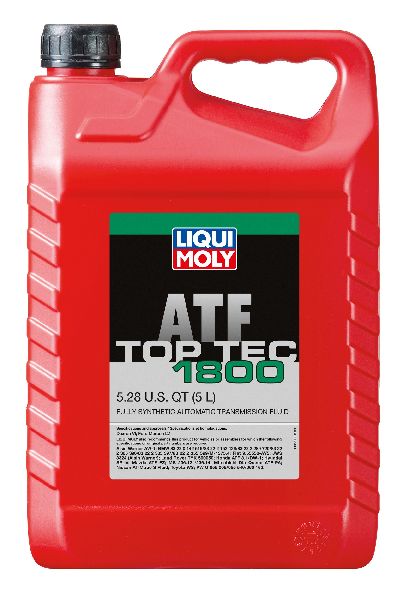
- Automatic Transmission Fluid
(OEM #08200-9008 (ATF-DW1 for 6-speed), 08200-AF02 (ATF Type 3.1 for 9-speed))— The most common cause is low or degraded fluid. A fluid change is the first and most crucial step.
Trusted brands: Honda Genuine
OEM price range: $12-$20 per quart
Aftermarket price range: N/A (Use OEM only) - Shift Solenoid 'C'
(OEM #28250-R97-004 (For 6-Speed A/T), 5191830AA (For 9-Speed A/T - Note: ZF part number, verify with Honda dealer))— If the fluid is fine, the solenoid itself is the next most likely component to have failed, either electrically or mechanically.
Trusted brands: Honda Genuine, Rostra, Beck/Arnley
OEM price range: $150-$250
Aftermarket price range: $60-$150
Related Codes That Often Appear With This One
- P0751 — Code for Shift Solenoid 'A'. Multiple solenoid codes often point to a systemic issue like low/dirty fluid or an electrical problem rather than multiple individual solenoid failures.
- P0756 — Code for Shift Solenoid 'B'. Seeing this with P0761 reinforces the likelihood of a fluid-related or electrical supply issue affecting the entire valve body.
- P0766 — Code for Shift Solenoid 'D'. When multiple solenoid codes appear together, checking the fluid and main transmission power/ground connections is the most important first step.
Technical Service Bulletins (TSBs) & Recalls
- TSB 16-008: Software update for the PCM and TCM on 2016 Pilots with the 9-speed transmission to improve shift quality and fix various drivability complaints.
- TSB 23-073: Addresses 'Transmission Temp Too Hot' message on 2016-2020 Pilots with the 6-speed transmission due to ATF deterioration, requiring a software update and a 3x ATF flush.
Platform-Specific Known Issues
- Honda issued Service Bulletin 16-008 for the 2016 Pilot with the 9-speed transmission to update PCM and TCM software, addressing symptoms like surging, hesitation, and rough/slow shifting. While not directly for P0761, poor shift logic can stress transmission components and contribute to premature wear.
- Honda also issued Service Bulletin 23-073 for 2016-2020 Pilots with the 6-speed transmission regarding a 'Transmission Temp Too Hot' message, caused by ATF deterioration. The fix involves a software update and flushing the ATF 3 times. Degraded ATF is a primary cause of solenoid performance issues like P0761.
Mechanic-Grade Diagnostic Values
- Shift Solenoid 'C' Coil Resistance — expected: 13.8 - 17.1 Ohms (Honda-specific) or 14 - 25 Ohms (general spec).. Failure: A reading of infinity (OL) indicates an open coil, while a reading near zero indicates a shorted coil. Any reading outside the specified range suggests a faulty solenoid.
- Voltage Supply at Solenoid Connector — expected: Approximately battery voltage (11.8V - 12.5V) with the key on, engine off.. Failure: No voltage suggests an open circuit in the power supply wire from the PCM/TCM or a blown fuse.
- Ground Circuit Continuity — expected: Near 0 Ohms of resistance between the solenoid's ground pin and a known good chassis ground (like the G101 point).. Failure: High resistance indicates a poor ground connection, which can cause erratic solenoid operation.
Scan Tool Commands That Help
- Honda Diagnostic System (HDS): Solenoid Test (in Miscellaneous Test Menu) — After confirming fluid is good and wiring appears intact, this bidirectional test commands the specific solenoid (e.g., Shift Solenoid Valve C) to actuate. The technician listens for an audible 'click' from the transmission case. No click confirms a failed solenoid or a complete electrical circuit failure, definitively isolating the problem.
Wiring & Ground Locations
- G101 — Typically bolted to the engine cylinder head or thermostat housing. It serves as a primary logic and power ground for the PCM and other critical engine/transmission components.. A corroded or loose G101 ground is a known Honda issue that can cause insufficient power or erratic signals to the transmission solenoids, mimicking a solenoid failure. The solenoid circuit relies on this point for a clean ground path.
- Main Chassis Ground — The main battery-to-chassis ground strap connection point on the vehicle body.. Some owners have found the factory ground point was bolted to a painted surface, creating a poor connection. Cleaning this contact point to bare metal and upgrading the ground wire has been shown to improve overall electrical system voltage and stability, which can resolve intermittent electronic issues.
- Shift Solenoid 'C' Connector — On the transmission body. For the 6-speed, it is an external connector. For the 9-speed, it is on the internal valve body. The connector for Solenoid C is often, but not always, green.. This is the primary point for testing voltage, ground, and resistance of the solenoid itself. Corrosion or bent pins in this connector are a common point of failure.
OEM Part Supersession History
28500-P6H-003→28500-P6H-013— Standard manufacturer revision for older Honda models (not for the 2016+ Pilot). This is often misidentified for this application.
Heads up: These parts are for older 4 and 5-speed transmissions and will not work on the 2016+ Pilot's 6-speed or 9-speed transmissions.
Model Year Variations Within This Range
- 2019-2022 (9-Speed Only): For the 2019 model year refresh, Honda revised the ZF 9-speed transmission with new internal hardware and software programming. This was done to address widespread complaints of rough, hesitant, or busy shifting. These later models may be less prone to shift quality issues, though the fundamental design and potential for solenoid codes remain.
- 2016-2022 (9-Speed Only): The ZF 9HP48 transmission came in two main versions used by Honda: Park By Wire (PBW) with 10 solenoids, and Park By Cable (PBC) with 9 solenoids. The valve bodies and solenoid configurations are not interchangeable. Diagnosis requires correctly identifying which version is in the vehicle.
Diagnostic Flowchart
Other Known Issues on This Vehicle
Issues unrelated to this code that are worth knowing about as an owner of this generation:
- Fuel Injector Failure 🔴 High — Common enough that Honda issued a warranty extension (10 years/150,000 miles) for certain 2016-2019 VINs. Can occur around 60,000 miles, causing misfires (P030x codes) and a flashing check engine light. (Ref: Warranty Extension (e.g., TSB 21-010))
- Auto Start/Stop System Failure 🔴 High — Widespread issue where the engine fails to restart after an auto-stop event, potentially leaving the vehicle stranded in traffic. This prompted a class-action lawsuit and multiple TSBs. (Ref: TSB 23-008, 23-009, 23-010)
- Infotainment System Glitches (Black Screen/Popping Noises) 🟠 Medium — Very common on 2016-2020 models. Symptoms include the screen going black, freezing, rebooting constantly, or loud popping/crackling from the speakers. A class-action lawsuit was filed over these issues. (Ref: TSB 20-058 (for MOST bus connector issue))
- Transmission Judder/Shudder (Torque Converter) 🟠 Medium — A well-documented issue, particularly on 6-speed models, where a judder or shudder is felt between 20-60 mph. Caused by the torque converter lock-up clutch. (Ref: TSB 23-078 (extends warranty on torque converter))
- Connecting Rod Bearing Wear 🔴 High — A manufacturing error on some 2016-2019 models could cause premature connecting rod bearing wear, leading to engine knocking and potentially catastrophic engine failure. (Ref: NHTSA Recall (check VIN))
Used vs. New Parts: Buying Guide for This Vehicle
When a used part is the smart pick: For this repair, a used part is generally not recommended. The solenoids are high-wear electronic items and the transmissions are highly sensitive to component variance. The only scenario where a used part might be considered is for a complete, low-mileage transmission assembly from a reputable salvage yard with a warranty, if the cost is significantly lower than rebuilding the original.
Donor-vehicle mileage cap: roughly under 50000 miles for the part to have meaningful remaining life.
What to inspect on the donor part:
- Verify the donor vehicle's VIN to confirm the exact transmission type (6-speed vs. 9-speed).
- Check the color and smell of the transmission fluid from the donor unit if possible. Dark, burnt fluid is a major red flag.
- Look for a service history or a CarFax report on the donor vehicle to see if transmission maintenance was performed.
- Inspect the transmission case for any cracks, damage, or signs of major leaks.
OEM-only on this vehicle (don't cheap out):
- Automatic Transmission Fluid (ATF): Absolutely critical. Use only Honda Genuine ATF-DW1 for the 6-speed and Type 3.1 for the 9-speed. Aftermarket fluids can cause irreversible damage.
- Transmission Control Module (TCM): If the module is deemed faulty, a new OEM unit is required to ensure correct software and compatibility with the vehicle's systems.
Aftermarket brands forum-validated for this vehicle:
- Beck/Arnley
- Rostra
- Standard Motor Products (SMP)
Brands owners have reported issues with on this vehicle:
- Generic, no-name solenoids from online marketplaces should be avoided. The cost savings are not worth the risk of premature failure and the high labor cost to replace them again.
Real Owner Stories
Aggregated from forums and TSBs cited above. Mileages and costs reflect what owners reported in those sources.
2017 Honda Pilot EX-L AWD
Symptoms: Owner reported transmission problems including potential shifting issues or dashboard warnings.
What fixed it: The context identifies that for 6-speed models with these symptoms, the fix often involves TSB 23-073 which requires a software update and flushing the ATF 3 times.
Source hint: Piloteers.org thread titled '2017 Pilot EXL AWD Transmission problem'
2016 Honda Pilot 9-Speed Automatic
Symptoms: Surging, hesitation, and rough or slow shifting.
What fixed it: Updated the PCM and TCM software as per the manufacturer's service bulletin.
Source hint: TSB 16-008: Software update for the PCM and TCM on 2016 Pilots
2016-2020 Honda Pilot 6-Speed Automatic
Symptoms: Transmission Temp Too Hot message and ATF deterioration leading to solenoid performance issues.
What fixed it: Software update and a 3x ATF flush procedure to remove degraded fluid.
Source hint: TSB 23-073
Related OBD-II Codes
Frequently Asked Questions
Does TSB 23-073 apply to my 2017 Honda Pilot with a 6-speed transmission?
What specific transmission fluid should I use for my 2019 Pilot to avoid solenoid issues?
My 2016 Pilot is shifting roughly; is there a software fix for the 9-speed transmission?
Can I just top off the fluid if I see a flashing 'D' indicator?
Is there a warranty extension that covers transmission-related symptoms on the 6-speed model?
Could my P0761 code be related to the fuel injector issues I've heard about?
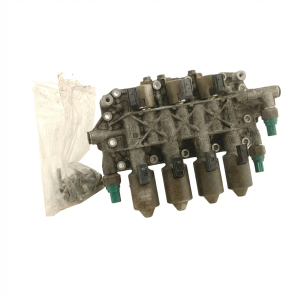
Used OEM Parts in Stock

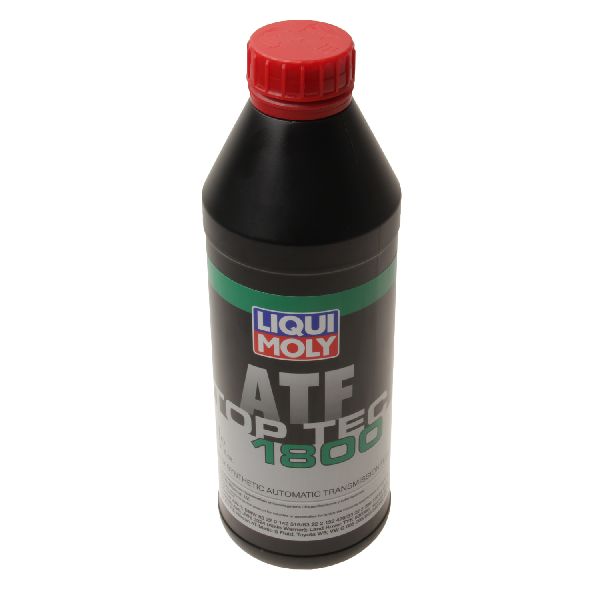
New Aftermarket Parts Available
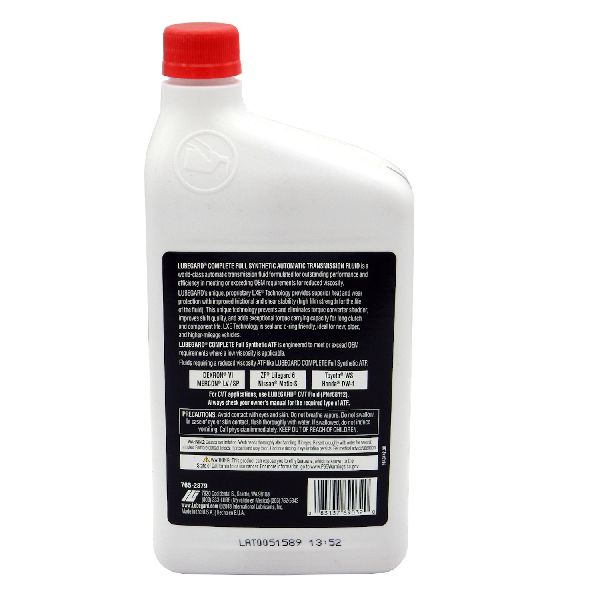
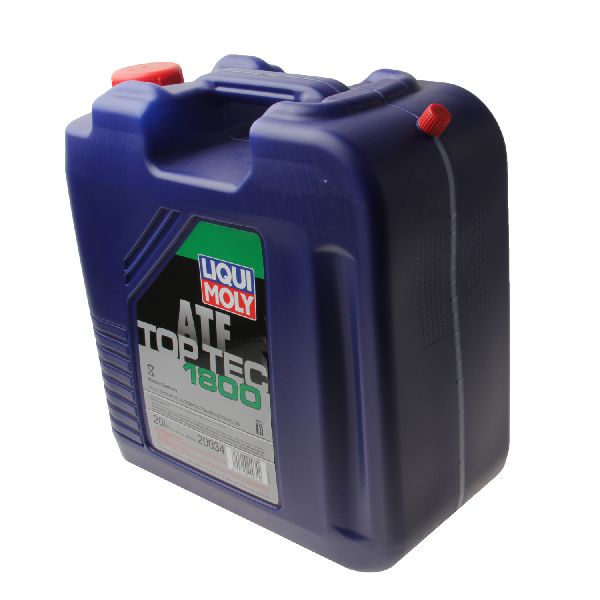


The information in this article is provided for general reference and educational purposes only. Vehicle specifications, procedures, and part compatibility can vary by production date, trim level, and region. Always consult your vehicle's factory service manual and verify part numbers before purchasing or performing repairs. Safety-critical components such as airbags, seat belts, and braking systems should be installed by a qualified professional.
- Honda Pilot:
- 🛍️ Shop This Part
- What's Unique About the 2016-2022 Honda Pilot
- Symptoms You May Notice
- Most Likely Causes
- Rare But Worth Checking
- Diagnosis Steps
- Parts You'll Likely Need
- Related Codes That Often Appear With This One
- Technical Service Bulletins (TSBs) & Recalls
- Platform-Specific Known Issues
- Mechanic-Grade Diagnostic Values
- Scan Tool Commands That Help
- Wiring & Ground Locations
- OEM Part Supersession History
- Model Year Variations Within This Range
- Diagnostic Flowchart
- Other Known Issues on This Vehicle
- Used vs. New Parts: Buying Guide for This Vehicle
- Real Owner Stories
- 2017 Honda Pilot EX-L AWD
- 2016 Honda Pilot 9-Speed Automatic
- 2016-2020 Honda Pilot 6-Speed Automatic
- Related OBD-II Codes
- Frequently Asked Questions
- 🎟️ Get 5% Off