

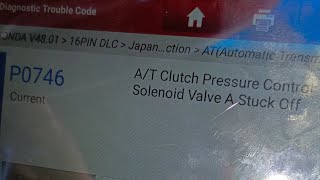
P0746 on 2016-2021 Honda Civic: CVT Pressure Control Solenoid 'A' Guide
On a 2016-2021 Honda Civic, code P0746 usually points to a problem with the CVT pressure control solenoid 'A'. The most common fixes are changing the CVT fluid or replacing the faulty solenoid itself. Expect to pay $100-$200 for a fluid service or $250-$500 for solenoid replacement at a shop.
- P0746 on a 2016-2021 Civic points to a pressure regulation problem in the CVT, most often the 'A' solenoid.
- Before attempting expensive repairs, always start by checking the CVT fluid. A simple fluid and filter change with Honda HCF-2 fluid can sometimes fix the issue.
- This is not a simple DIY fix beyond a fluid change. Solenoid replacement requires accessing the transmission's valve body and should likely be left to a professional.
- Do not ignore this code. Driving with it can lead to severe and irreversible damage to the CVT, resulting in a much more expensive repair.
What's Unique About the 2016-2021 Honda Civic

The 2016-2021 (10th Generation) Honda Civic primarily uses a Continuously Variable Transmission (CVT) instead of a traditional automatic with fixed gears. This code is specific to how the CVT's pressure control system operates. While the root cause is often a failed solenoid or dirty fluid, the diagnosis is unique to the CVT's design, focusing on the drive pulley pressure circuit rather than clutch packs found in older automatic transmissions. Honda CVTs are known to be particularly sensitive to the condition and type of fluid used, making fluid maintenance a critical aspect of preventing codes like P0746.
Symptoms You May Notice
- Check Engine Light is on
- Flashing 'D' (Drive) indicator light on the dashboard
- Harsh or delayed engagement when shifting into Drive or Reverse
- Sluggish or poor acceleration
- Vehicle may enter 'limp mode,' limiting engine power and speed
- Transmission may feel like it's slipping or shuddering
- Increased fuel consumption due to inefficient transmission operation
- Replacing the entire transmission without first diagnosing the fluid, solenoid, or valve body. Many shops may recommend a full replacement, but often a less expensive component is the true cause.
Most Likely Causes

- Low or Dirty CVT Fluid 🔴 High Probability CVTs are sensitive to fluid condition. Old, contaminated fluid can break down and form sludge, clogging the fine passages in the valve body and preventing solenoids from moving freely. Honda CVTs require a specific fluid, HCF-2, and using incorrect fluid can cause severe issues. Many owners recommend fluid changes every 30,000 miles, which is more frequent than the manufacturer's schedule, as a preventative measure.
How to confirm: Check the CVT fluid level and condition. The fluid should be translucent and not dark brown, black, or have a burnt smell. Note: The 10th Gen Civic CVT does not have a traditional dipstick; checking the level involves removing a fill plug on the side 🎬 Watch: Step-by-step guide to changing your CVT fluid. of the transmission while the vehicle is level.
Typical fix: Perform a CVT fluid drain and fill using only Honda HCF-2 fluid. A full flush is generally not recommended by Honda. Some owners perform multiple drain-and-fills to replace a higher percentage of the old fluid.
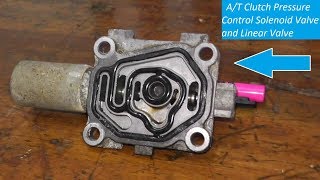
Est. part cost: $60-$100 - Failed Pressure Control Solenoid 'A' 🔴 High Probability The solenoid can fail electrically (internal coil shorts out) or mechanically (the internal plunger gets stuck) from wear or contamination over time. It is a common failure point identified directly by the P0746 code definition. 🎬 See how to diagnose the drive pulley pressure solenoid.
How to confirm: A technician can test the solenoid's resistance with a multimeter (typically looking for a range like 3-10 ohms) or use a high-end scan tool to command the solenoid on and off to check its response and monitor line pressure. This usually requires accessing the solenoid on the transmission's valve body.
Typical fix: Replace the faulty pressure control solenoid. This often involves removing the transmission pan and valve body to access the solenoid.
Est. part cost: $120-$250 - Clogged or Faulty Valve Body 🟡 Medium Probability Metal shavings or clutch material can contaminate the fluid and clog the small passages within the valve body, restricting fluid flow to and from the solenoid. This can happen even if the solenoid itself is functional.
How to confirm: This is typically diagnosed after a fluid change and solenoid replacement fail to solve the problem. Inspecting the transmission pan and draining the fluid through a strainer for excessive metal debris is a key indicator of wider internal wear.
Typical fix: The valve body may need to be removed and professionally cleaned or replaced entirely. In severe cases with significant metal debris, a full transmission replacement might be recommended.
Est. part cost: $300-$800
Rare But Worth Checking
- Wiring or Connector Issues: The wiring harness leading to the transmission can become damaged from heat or road debris, causing a short or open circuit. Check the connector at the transmission for corrosion or loose pins before replacing internal parts.
- Faulty Transmission Control Module (TCM): In rare cases, the TCM itself can fail and stop sending the correct signal to the solenoid. This is usually the last thing to suspect after all other causes, including wiring, have been ruled out.
Diagnosis Steps

- Scan for all diagnostic trouble codes. Note any other codes that appear with P0746, especially other transmission codes.
- Check the CVT fluid level and condition. This is a critical first step. The fluid must be the correct type (Honda HCF-2) and not be burnt or full of debris. If the fluid is low, top it off and check for leaks, such as from an axle seal.
- If the fluid is dirty or has not been changed in over 30,000 miles, perform a drain and fill, clear the code, and test drive the vehicle to see if the code returns.
- If the code persists, inspect the external wiring and connector to the transmission for any visible damage, corrosion, or loose connections.
- If wiring is okay, the next step is to test the pressure control solenoid 'A' itself. This involves accessing the valve body, checking the solenoid's resistance with a multimeter, and potentially testing its actuation with a 12V source 🎬 Watch: How to test and replace the pressure control solenoid. to listen for a click.
- If the solenoid is found to be faulty (out of resistance spec, or fails to actuate), replace it.
- If the solenoid tests good, the problem may lie within the valve body passages (clogging) or, in rare cases, the TCM. At this point, professional diagnosis is strongly recommended.
Parts You'll Likely Need
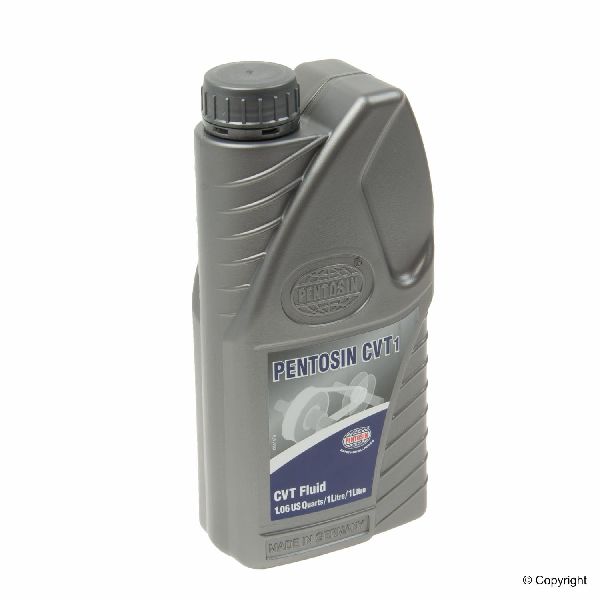
- CVT Fluid (HCF-2)
(OEM #08200-HCF2)— Dirty or low fluid is a primary cause of this code. Using the correct OEM fluid is critical for Honda CVTs.
Trusted brands: Honda (OEM)
OEM price range: $15-$25 per quart
Aftermarket price range: Not Recommended - CVT Pressure Control Solenoid 'A'
(OEM #28250-5W9-003 (Note: Verify with VIN, multiple solenoids exist))— This solenoid is the component directly identified by the code and is a common failure point. Part number verification is critical as there are multiple, similar-looking solenoids.
Trusted brands: Honda (OEM)
OEM price range: $180-$280
Aftermarket price range: $120-$250 - CVT Pan Gasket & Drain/Fill Plug Washers — These should be replaced whenever the transmission pan is removed for solenoid or valve body service to prevent leaks.
Trusted brands: Honda (OEM)
OEM price range: $20-$40
Aftermarket price range: $10-$25
Related Codes That Often Appear With This One
- P0700 — P0700 is a generic code indicating that the Transmission Control Module (TCM) has stored a fault code. It will almost always appear alongside a more specific transmission code like P0746.
- P0776 — This code relates to Pressure Control Solenoid 'B'. If both codes appear, it can point to a more widespread issue like contaminated fluid, a clogged valve body, or an electrical problem affecting multiple solenoids.
- P2821 — This code relates to Pressure Control Solenoid 'G'. A YouTube video on a 2012 Civic showed this code appearing alongside P0746, indicating a related transmission pressure control issue.
Mechanic-Grade Diagnostic Values
- Pressure Control Solenoid Resistance — expected: 3 to 10 Ohms. Failure: A reading of 0 ohms (short circuit) or infinite/OL (open circuit) indicates a failed solenoid coil.
- Live Data: Commanded vs. Actual Line Pressure — expected: Actual pressure should closely match commanded pressure (e.g., within 5 PSI).. Failure: If the scan tool commands 100 PSI but actual pressure reads 0 PSI or is significantly lower, it confirms a performance issue with the pressure control circuit.
- Solenoid Actuation Test (Bench Test) — expected: An audible 'click' should be heard when 12V is applied to the solenoid's terminals.. Failure: No click indicates the solenoid's internal plunger is mechanically stuck.
Scan Tool Commands That Help
- Honda Diagnostic System (HDS) or equivalent professional scanner: Start Clutch Pressure Control Calibration / Clear Learned Values / Reset Adaptations — This procedure is required after replacing the CVT, valve body, or individual solenoids. It forces the TCM to relearn the hydraulic characteristics of the new components to ensure proper pressure control and prevent harsh shifting.
Model Year Variations Within This Range
- 2016-2021: The 10th generation Civic received a facelift for the 2019 model year, which included cosmetic updates and changes to the infotainment system (like adding a volume knob). However, there were no significant changes to the core powertrain, including the CVT and its control system. Therefore, the causes and fixes for P0746 are consistent across the entire 2016-2021 model range.
Diagnostic Flowchart
Other Known Issues on This Vehicle
Issues unrelated to this code that are worth knowing about as an owner of this generation:
- Oil Dilution in 1.5L Turbo Engine 🔴 High — More common in 2016-2018 models, especially in cold climates with frequent short trips. Can lead to stalling or engine damage if oil level rises significantly. (Ref: Honda issued software updates and extended warranties for certain models to address the issue.)
- A/C Condenser Leaks 🟠 Medium — A very common problem across the 2016-2021 model years, causing the A/C to blow warm air. (Ref: Honda extended the warranty for the A/C condenser to 10 years with unlimited mileage for factory defects.)
- Sticky or Glitchy Infotainment System 🟡 Low — Widespread reports of the touchscreen freezing, being unresponsive, or phantom inputs ('ghost touch'). (Ref: Honda Service Bulletin 17-049 was issued to address this with a software update for 2016 models.)
- Sticky Steering Feel 🟠 Medium — Some owners report a momentary 'sticking' sensation in the steering wheel, particularly when driving straight on the highway. More prevalent on later models in the generation. (Ref: NHTSA has investigated this issue, and it led to a warranty extension on some newer Honda models, though not explicitly a recall for this generation yet.)
Used vs. New Parts: Buying Guide for This Vehicle
When a used part is the smart pick: For a component like the valve body assembly, which can be expensive new, a used part from a verified low-mileage (under 60,000 miles) donor vehicle can be a cost-effective option. Individual solenoids are often inexpensive enough new that buying used is not worth the risk.
Donor-vehicle mileage cap: roughly under 60000 miles for the part to have meaningful remaining life.
What to inspect on the donor part:
- Verify the donor vehicle's mileage and check its history for accidents, especially front-end collisions that could impact the transmission.
- If possible, inspect the fluid from the donor transmission. It should not be black, burnt, or contain visible metallic particles.
- Examine the electrical connectors on the part for any signs of corrosion, bent pins, or harness damage.
OEM-only on this vehicle (don't cheap out):
- CVT Fluid (HCF-2): The chemical properties are specific to Honda CVTs; using aftermarket fluid is a well-documented cause of transmission failure.
- Transmission Control Module (TCM): Used TCMs can have programming and security-linking issues. A new, VIN-matched OEM module is the safest choice if one is needed.
Brands owners have reported issues with on this vehicle:
- Unknown / No-Name Solenoids: Cheap aftermarket solenoids from online marketplaces often have high failure rates and may not meet OEM specifications for pressure control, leading to the code returning.
Real Owner Stories
Aggregated from forums and TSBs cited above. Mileages and costs reflect what owners reported in those sources.
2007 Honda Civic
Symptoms: delayed/hard shifts, flashing 'D' light
What fixed it: The owner was told by a mechanic that the whole transmission needed to be replaced, which the source highlights as a potential misdiagnosis scenario.
Source hint: Reddit r/hondacivic - Thread 'P0746 error civic 2007'
Documented NHTSA Reports
Honda CVT and Transmission Pressure Issues
Symptoms: Diagnostic results showing multiple codes including P0746, P0741, P0780, and P1898, often indicating the CVT drive pulley pressure control valve is stuck.
Reported Experience: An owner reported that despite normal fluid levels, the diagnosis was a complete transmission failure with codes P0741, P0746, and P0777 (NHTSA ODI #10638514). Another report (NHTSA ODI #10609124) describes a situation where transmission solenoids "A" and "B" were both reported as failed shortly after a fluid level check, specifically citing P0746 for Pressure Control Solenoid "A" Performance/Stuck Off. Furthermore, NHTSA ODI #11702634 documents a vehicle exhibiting P0746 alongside P1898, which specifically points to the CVT Drive Pulley Pressure Control Valve being stuck.
Related OBD-II Codes
Frequently Asked Questions
What specific CVT fluid does my 2016-2021 Honda Civic need to prevent code P0746?
My 'D' drive indicator is flashing on the dashboard. Is this related to the Check Engine Light for P0746?
How often should I change the CVT fluid in my Civic to avoid this issue?
My mechanic suggested a full transmission flush. Is this recommended for my Civic's CVT?
I can't find the transmission dipstick on my 2018 Civic. How do I check the fluid level?
Is it safe to buy a used valve body to fix my car?
Are other Honda models like the CR-V or Accord also affected by this P0746 problem?
Helpful Videos
Used OEM Parts in Stock


New Aftermarket Parts Available

The information in this article is provided for general reference and educational purposes only. Vehicle specifications, procedures, and part compatibility can vary by production date, trim level, and region. Always consult your vehicle's factory service manual and verify part numbers before purchasing or performing repairs. Safety-critical components such as airbags, seat belts, and braking systems should be installed by a qualified professional.
- Honda Civic:
- 🎬 Helpful Videos
- 🛍️ Shop This Part
- What's Unique About the 2016-2021 Honda Civic
- Symptoms You May Notice
- Most Likely Causes
- Rare But Worth Checking
- Diagnosis Steps
- Parts You'll Likely Need
- Related Codes That Often Appear With This One
- Mechanic-Grade Diagnostic Values
- Scan Tool Commands That Help
- Model Year Variations Within This Range
- Diagnostic Flowchart
- Other Known Issues on This Vehicle
- Used vs. New Parts: Buying Guide for This Vehicle
- Real Owner Stories
- 2007 Honda Civic
- Documented NHTSA Reports
- Honda CVT and Transmission Pressure Issues
- Related OBD-II Codes
- Frequently Asked Questions
- 🎟️ Get 5% Off