

P0741 on 2008-2015 Scion xB: Torque Converter Clutch Performance Guide
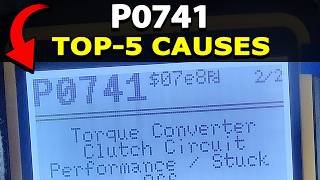
This code on a 2008-2015 Scion xB usually points to a faulty Torque Converter Clutch (TCC) solenoid, also known as Shift Solenoid SL. Replacing this solenoid involves dropping the transmission pan and costs around $150-$250 for the part. If the fluid is dirty or low, a fluid service may help, but the solenoid is the most common culprit. In some cases, the issue can be a failing torque converter or a clogged valve body.
- P0741 on your Scion xB means the torque converter clutch is failing to lock up, which hurts fuel economy and strains the transmission.
- The most probable cause is a bad Torque Converter Clutch Solenoid (also called Shift Solenoid SL), which is located inside the transmission oil pan.
- Start by checking your transmission fluid level and condition. Low or dirty fluid can cause this code.
- Avoid a costly, unnecessary transmission replacement. Insist that a mechanic diagnoses the specific solenoid first, as it's a much cheaper repair.
- Do not ignore this code. Driving for an extended period can lead to overheating and permanent damage to the torque converter or the entire transmission.
What's Unique About the 2008-2015 Scion xB

The second-generation Scion xB uses the Toyota U241E 4-speed automatic transmission. For this specific transmission, Toyota's own service documents refer to the torque converter lock-up solenoid as 'Shift Solenoid Valve SL' or sometimes 'DSL'. While the P0741 code is generic, its diagnosis on the xB is well-documented within Toyota's ecosystem. Owners report that the issue can sometimes be temporarily resolved with a transmission fluid change, but often returns, pointing towards a failing solenoid or accumulating debris in the valve body rather than a complete transmission failure. This powertrain combination is shared with several other popular Toyota vehicles, which exhibit the same P0741 failure patterns.
Symptoms You May Notice
- Check Engine Light is on
- VSC and/or TRAC OFF lights are on
- Engine RPM is higher than usual at highway speeds (fails to drop when lockup should occur)
- A noticeable drop in fuel economy
- Vehicle may shudder or vibrate when accelerating or at cruising speed
- Transmission may feel like it's slipping or shifting harshly
- In severe cases, the transmission may enter a 'limp mode,' preventing it from shifting properly and limiting vehicle speed, sometimes to below 40 MPH.
- Transmission overheating
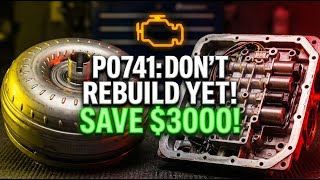
- Replacing the entire transmission. While some shops may recommend this as an easy fix, the issue is often a much cheaper component like a single solenoid. Always insist on proper diagnosis of the solenoid and valve body first. 🎬 Watch: Why you shouldn't rush into a full transmission rebuild.
Most Likely Causes


- Faulty Torque Converter Clutch (TCC) Solenoid / Shift Solenoid SL 🔴 High Probability Solenoids are electro-mechanical parts that wear out over time. Debris in the fluid from normal wear can cause them to stick or fail electronically. This is the most frequently identified point of failure for P0741 on this platform.
How to confirm: A mechanic can test the solenoid's resistance (should be 11-15 ohms) and apply 12V power to check for an audible 'click'. This requires removing the transmission oil pan to access the valve body where the solenoid is located.
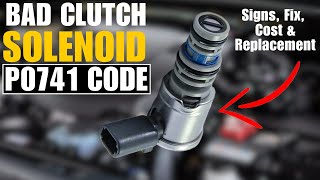
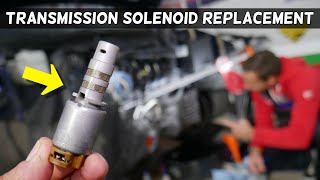
Typical fix: Replace the faulty solenoid. This is located on the valve body inside the transmission. It is often referred to as the 'lock-up' solenoid or 'SL' solenoid.
Est. part cost: $100-$250 - Low or Dirty Transmission Fluid 🟡 Medium Probability The U241E is a non-sealed transmission with a dipstick, but fluid level and condition are often neglected. Old, broken-down fluid cannot provide the necessary hydraulic pressure for the TCC to engage, and debris can clog solenoid passages. Using the incorrect fluid type can also cause this issue.
How to confirm: Check the transmission fluid dipstick for level and condition with the engine running and at operating temperature, after cycling through the gears. The fluid should be bright red and not smell burnt. Dark, brown, or gritty fluid indicates a problem.
Typical fix: Perform a transmission fluid drain-and-fill or a full fluid flush. Note: If the fluid is extremely degraded or has never been changed on a high-mileage vehicle, a flush can sometimes dislodge debris and cause more issues. A drain-and-fill is often safer. Always use Toyota Type T-IV fluid.
Est. part cost: $60-$200 for fluid and filter - Failing Torque Converter ⚪ Low Probability The internal clutch inside the torque converter can wear out, especially at higher mileage, shedding friction material that clogs the valve body and solenoid. This is a mechanical failure of the clutch itself.
How to confirm: This is usually diagnosed after confirming the fluid and solenoid are good. A mechanic may use a scan tool to monitor TCC slip speed during a test drive. Excessive metallic debris or clutch material in the transmission pan is a strong indicator of torque converter failure.
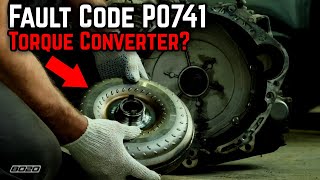
Typical fix: Replace the torque converter. This is a major repair that requires removing the transmission from the vehicle.
Est. part cost: $150-$500 for a remanufactured part, $700+ for OEM
Rare But Worth Checking
- Clogged Transmission Valve Body: Sludge and debris from old fluid or a failing torque converter can block the small passages in the valve body that direct fluid to the TCC solenoid. Sometimes the valve body can be removed and cleaned, but it may require replacement.
- Damaged Wiring or Connectors: The wiring harness leading to the transmission or the internal connector for the TCC solenoid could be damaged, corroded, or loose, causing an intermittent or open circuit.
- Faulty Engine Coolant Temperature (ECT) Sensor: The ECM uses input from the ECT sensor to determine when the engine is at operating temperature, which is a condition for TCC lock-up. A faulty sensor that reads cold all the time can prevent the ECM from ever commanding lock-up.
Diagnosis Steps

- Verify the code with a quality OBD-II scanner. Check for any other pending or stored codes.
- Check the transmission fluid level and condition while the engine is warm and running. If the fluid is low, top it off with Toyota Type T-IV fluid and check for leaks. If it is dark, burnt, or contains debris, a fluid and filter change is a good starting point.
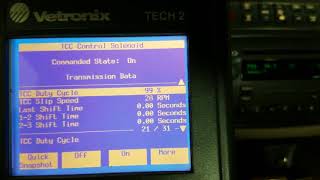
- Using an advanced scan tool (like Toyota Techstream), monitor the TCC lock-up command ('ON' or 'OFF') and the torque converter slip RPM during a test drive at highway speeds (over 40-50 MPH). If the ECM commands lock-up ('ON') but the slip RPM remains high (over 100-200 RPM), it confirms a mechanical or hydraulic issue.
- Inspect the external transmission wiring harness and connectors for any visible damage, corrosion, or loose connections.
- If the fluid and external wiring are okay, the next step is to drop the transmission oil pan to access the valve body.
- Identify and test the TCC solenoid (Shift Solenoid SL). According to Toyota service data, its resistance should be between 11 and 15 ohms when cold. You can also apply 12V directly to the solenoid terminals to listen for a distinct click, indicating mechanical operation.
- If the solenoid tests bad (out of resistance spec or doesn't click), replace it. While the pan is off, inspect it for excessive metal shavings or clutch material, which would point to a failing torque converter.
- If the solenoid tests good, the issue may be a blockage in the valve body or a failing torque converter itself. At this point, professional diagnosis is strongly recommended.
Parts You'll Likely Need
- Torque Converter Clutch Solenoid (Shift Solenoid SL)
(OEM #35240-33030)— This is the solenoid that directly controls the lock-up function. It is a common failure point due to wear or contamination.
Trusted brands: Toyota (OEM), Rostra, Dorman, TC Remanufacturing
OEM price range: $200-$350
Aftermarket price range: $50-$180 - Torque Converter
(OEM #32000-52051)— If the internal lock-up clutch has failed, the entire torque converter must be replaced. This is the fix when a new solenoid and fluid do not solve the problem.
Trusted brands: TC Remanufacturing, AISIN (often the OEM supplier), Transtar
OEM price range: $700-$900
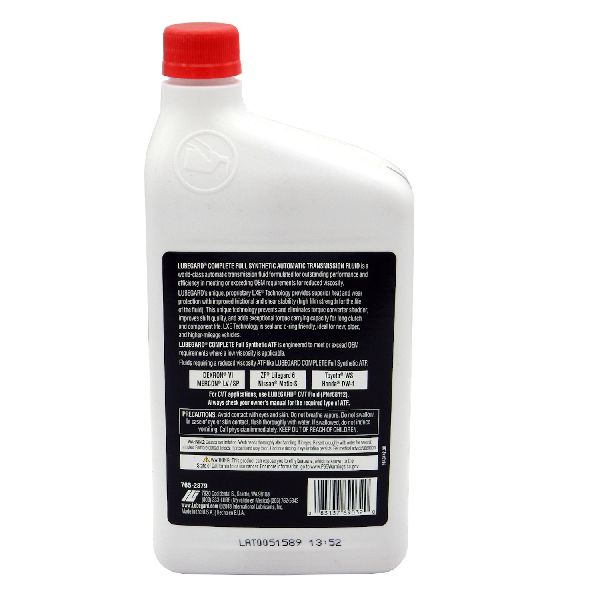
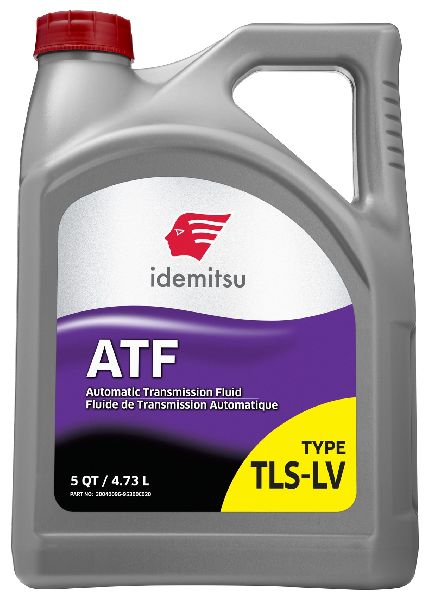
Aftermarket price range: $150-$400 - Automatic Transmission Fluid (Toyota Type T-IV)
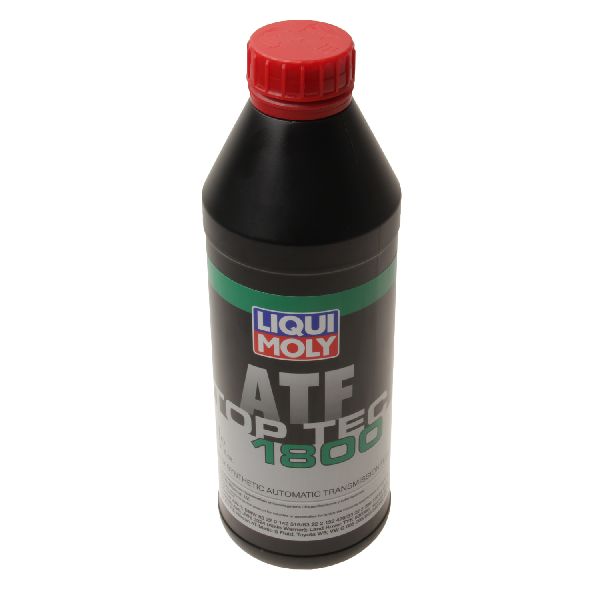
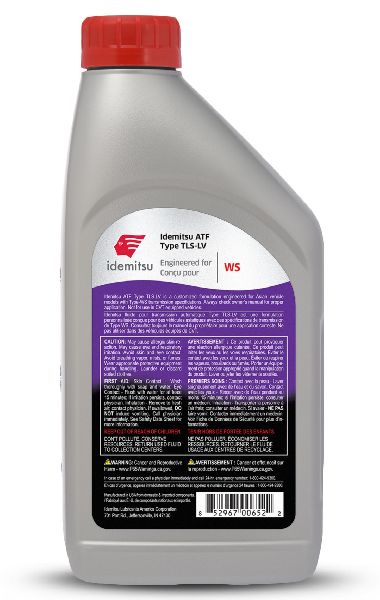
(OEM #00279-000T4)— Any service will require replacing the fluid. Using the correct OEM-spec fluid is critical for Toyota transmissions. A drain and fill requires approximately 4 quarts.
Trusted brands: Toyota, Idemitsu (TLS), AISIN (ATF-0T4)
OEM price range: $10-$15 per quart
Aftermarket price range: $8-$12 per quart - Transmission Pan Gasket
(OEM #35168-21020)— The pan gasket should be replaced whenever the transmission pan is removed to service the solenoid or valve body to prevent leaks.
Trusted brands: Toyota (OEM), Fel-Pro, Mahle
OEM price range: $20-$40
Aftermarket price range: $10-$20
Technical Service Bulletins (TSBs) & Recalls
- While no specific TSB for the Scion xB and P0741 was found, Toyota has issued TSBs for other models with similar powertrains. For example, TSB TC014-06 for the 2004-2005 Corolla with P0741 pointed to an incorrect speedometer driven gear, though this is less likely to be the cause on the xB. Hyundai also issued a TSB (23-AT-005H) for a P0741 on their 2.4L engines, which was resolved with a TCU software update, highlighting that control module logic can sometimes be a factor.
Platform-Specific Known Issues
- Owner Experience: Temporary Fix with Fluid Change: A 2012 Scion xB owner reported the P0741 code appeared at 110,000 miles. A transmission fluid change made the code disappear for about 900 miles before it returned frequently, indicating the fluid change was a temporary solution and the underlying cause (likely the solenoid) remained.
- Owner Experience: Severe Limp Mode: An owner of a 2008 Scion xB with P0741 experienced a sudden and severe limp mode where the vehicle would not exceed 40 MPH with the engine revving to 5-6k RPM. Eventually, the car would not move forward at all, requiring a tow. This highlights the potential for severe drivability issues if the problem is ignored.
Diagnostic Flowchart
Real Owner Stories
Aggregated from forums and TSBs cited above. Mileages and costs reflect what owners reported in those sources.
2012 Scion xB 2AZ-FE 2.4L — 110000 miles
Symptoms: The P0741 code appeared.
What fixed it: A transmission fluid change was performed, which made the code disappear for about 900 miles before it returned frequently. The fluid change was a temporary solution, not a permanent fix.
Source hint: Owner Experience: Temporary Fix with Fluid Change
2008 Scion xB 2AZ-FE 2.4L
Symptoms: Experienced a sudden and severe limp mode where the vehicle would not exceed 40 MPH with the engine revving to 5,000-6,000 RPM. Eventually, the car would not move forward at all.
What fixed it: The source describes the symptoms and the need for a tow but does not state what the final repair was.
Source hint: Owner Experience: Severe Limp Mode
2005 Scion tC 2AZ-FE 2.4L — 169000 miles
Symptoms: P0741 code appeared, even though the owner performed regular transmission fluid changes.
What fixed it: The owner identified the TCC lock-up solenoid as the likely culprit, as good maintenance had not prevented the failure.
Source hint: BobIsTheOilGuy.com forum post
2012 Scion xB 2AZ-FE 2.4L
Symptoms: P0741 code was present.
What fixed it: The owner was quoted a full transmission replacement, highlighting a common misdiagnosis. The actual fix was not detailed in the source.
Source hint: CarKiller.com (Ask Scotty Community)
Related OBD-II Codes
Frequently Asked Questions
What type of transmission fluid should I use for my 2008-2015 Scion xB when dealing with P0741?
Will a simple transmission fluid change permanently fix the P0741 code on my Scion xB?
Why are my VSC and TRAC OFF lights on along with the Check Engine Light for P0741?
Can I ignore the P0741 code, or will it cause serious problems for my xB?
My mechanic quoted a full transmission replacement for P0741. Is this always necessary?
How is the TCC lock-up solenoid (SL solenoid) tested on this Scion xB?
Do other Toyota vehicles with the 2.4L 2AZ-FE engine have this same P0741 problem?
Helpful Videos
We Have This Part in Stock


The information in this article is provided for general reference and educational purposes only. Vehicle specifications, procedures, and part compatibility can vary by production date, trim level, and region. Always consult your vehicle's factory service manual and verify part numbers before purchasing or performing repairs. Safety-critical components such as airbags, seat belts, and braking systems should be installed by a qualified professional.
- Scion xB:
- 🎬 Helpful Videos
- 🛍️ Shop This Part
- What's Unique About the 2008-2015 Scion xB
- Symptoms You May Notice
- Most Likely Causes
- Rare But Worth Checking
- Diagnosis Steps
- Parts You'll Likely Need
- Technical Service Bulletins (TSBs) & Recalls
- Platform-Specific Known Issues
- Diagnostic Flowchart
- Real Owner Stories
- 2012 Scion xB 2AZ-FE 2.4L — 110000 miles
- 2008 Scion xB 2AZ-FE 2.4L
- 2005 Scion tC 2AZ-FE 2.4L — 169000 miles
- 2012 Scion xB 2AZ-FE 2.4L
- Related OBD-II Codes
- Frequently Asked Questions
- 🎟️ Get 5% Off