

P0741 on 2010-2016 Mercedes-Benz E-Class: Torque Converter Clutch Fixes
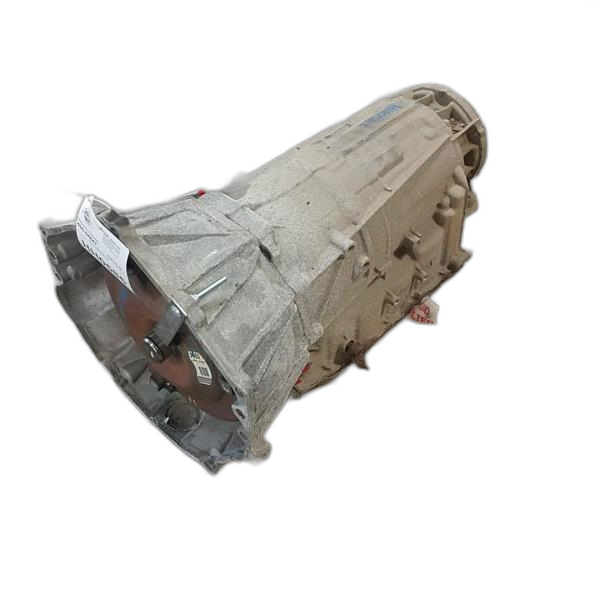
On a 2010-2016 E-Class, P0741 usually points to a problem within the 7G-Tronic (722.9) transmission, most often a faulty conductor plate/valve body assembly or a failing torque converter. This is not a simple DIY fix and requires professional diagnosis with Mercedes-specific tools. The conductor plate is a known failure point and often the root cause.
- P0741 on a W212 E-Class indicates the torque converter clutch is failing to lock up as commanded.
- The most common cause is not a simple solenoid but a failure of the entire conductor plate/TCM unit inside the transmission.
- Diagnosis and repair are complex and expensive, requiring a professional with Mercedes-specific tools and knowledge.
- Do not ignore this code; continued driving can lead to severe transmission damage and much higher repair costs.
- Always check for other transmission codes, as they can help pinpoint the exact location of the failure (e.g., speed sensor codes pointing to the conductor plate).
What's Unique About the 2010-2016 Mercedes-Benz E-Class
The 2010-2016 E-Class (W212 generation) primarily uses the 7G-Tronic (722.9) automatic transmission. While P0741 is a generic code, on this specific platform, it is frequently linked to well-documented failures of the transmission's electro-hydraulic control unit, commonly known as the conductor plate. This component, which houses the TCM and critical speed sensors (Y3/8n1, Y3/8n2, Y3/8n3), is a known weak point and often fails due to the harsh environment inside the transmission. The failure of these sensors prevents the TCM from correctly monitoring shaft speeds and controlling the TCC lock-up. Therefore, diagnosis often goes beyond a simple solenoid to include the entire conductor plate assembly, which is a theft-relevant part requiring special programming (SCN coding) upon replacement.
Symptoms You May Notice
- Check Engine Light is illuminated.
- Engine RPM is noticeably higher than normal at highway speeds.
- A significant drop in fuel economy.
- Shuddering or vibrations felt during acceleration or at steady cruising speeds, sometimes described as driving over rumble strips.
- Harsh, erratic, or delayed gear shifts.
- Transmission may enter 'limp mode', getting stuck in one gear (often 2nd gear).
- Transmission overheating warning message may appear.
- Engine stalling or nearly stalling when coming to a stop.
- Replacing only the torque converter when the actual fault lies in the conductor plate or valve body.
- Replacing the TCC solenoid individually when the underlying issue is a failing conductor plate that controls it, or contaminated fluid causing it to stick.
- Assuming a full transmission replacement is needed when a conductor plate repair or rebuild would solve the issue.
Most Likely Causes
- Faulty Conductor Plate / Valve Body Assembly 🔴 High Probability The 7G-Tronic (722.9) transmission is known for conductor plate failures. This unit integrates the TCM and speed sensors, and internal electronic failure of these sensors is extremely common, preventing correct TCC operation. The internal speed sensors (Y3/8n1, Y3/8n2, Y3/8n3) are the most frequent failure points.
How to confirm: A professional scan tool (like Mercedes STAR/XENTRY) is needed to check for specific fault codes related to the conductor plate's speed sensors (e.g., 0717, 0718, 0721, 0722, 2767, 2768). The presence of these codes alongside P0741 is a strong indication of conductor plate failure.
Typical fix: Replacement of the conductor plate. Depending on the version (VGS1, VGS2, or VGS3), the valve body may also need to be replaced. The new part must be programmed (SCN coded) to the vehicle. Alternatively, the original unit can be sent to a specialist for rebuilding, which often avoids the need for reprogramming.
Est. part cost: $500-$1200 - Worn or Failed Torque Converter 🟡 Medium Probability The internal lock-up clutch within the torque converter can wear out over time, especially if the vehicle has experienced other transmission issues or has high mileage. The clutch material degrades and can no longer hold, causing slippage that the TCM detects as a P0741 fault.
How to confirm: After ruling out all other causes (fluid, solenoids, conductor plate), a stall speed test can be performed. If the electronics and hydraulics are confirmed to be working, the torque converter is the likely culprit. A transmission specialist can analyze live data for TCC slip RPM to confirm.
Typical fix: Replacement of the torque converter, which requires removing the entire transmission from the vehicle. This is a major repair.
Est. part cost: $600-$1500 - Low or Degraded Transmission Fluid 🟡 Medium Probability The 722.9 transmission is sensitive to fluid level and condition. Low fluid reduces hydraulic pressure needed to engage the TCC. Old, degraded fluid loses its properties, can't perform correctly, and can lead to solenoid and valve body issues. Many owners extend service intervals, contributing to fluid breakdown.
How to confirm: The transmission fluid level and condition must be checked. This is a complex procedure on these vehicles as there is no dipstick; it must be checked via a specific process at a certain temperature (typically 45°C).
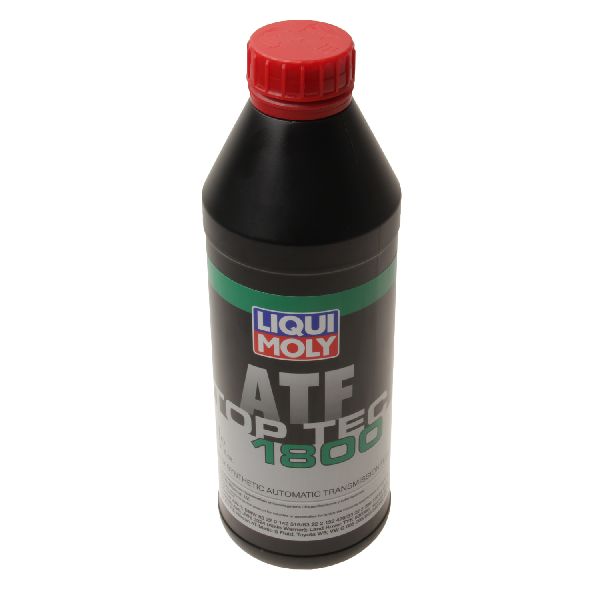
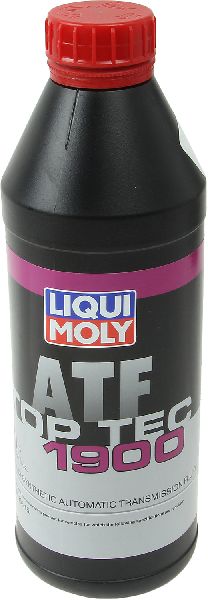
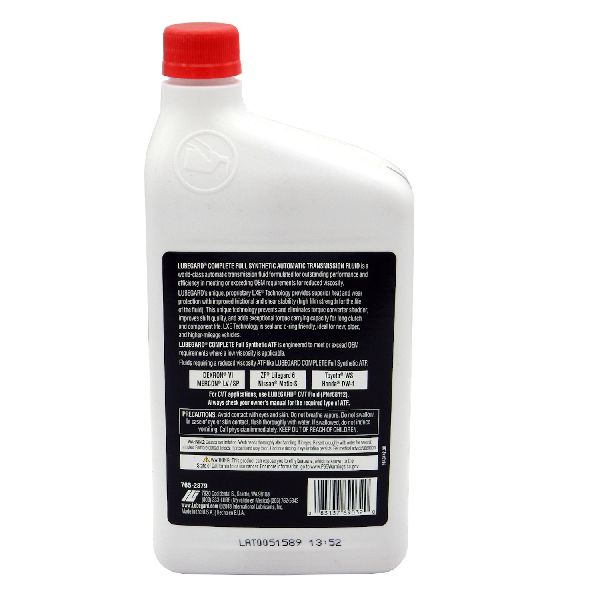
Typical fix: Perform a transmission service, which involves draining the old fluid, replacing the filter, and refilling with the correct specification of Mercedes-Benz ATF (e.g., MB 236.14 for 7G-Tronic or 236.15 for 7G-Tronic Plus). This is often done as a first step before more expensive repairs.
Est. part cost: $150-$300 - Faulty Torque Converter Clutch (TCC) Solenoid ⚪ Low Probability While the solenoid itself can fail, it's more common for the entire conductor plate/valve body assembly to be the root cause on this platform. The solenoid can stick due to contaminated fluid or have an electrical failure.
How to confirm: With the transmission pan removed, the solenoid's resistance can be tested with a multimeter. A technician can also command it on/off with a scan tool to check for a response.
Typical fix: The TCC solenoid is located on the valve body and can be replaced individually, but this is often done during a larger conductor plate or valve body service.
Est. part cost: $100-$250 for the solenoid itself, but labor is significant.
Rare But Worth Checking
- Damaged Wiring Harness or Connector: The wiring harness leading to the transmission can become damaged, and the 13-pin electrical connector is a known spot for transmission fluid to leak and wick up the harness, causing intermittent electrical issues. This should be inspected for fluid intrusion before condemning internal components.
Diagnosis Steps
- Verify the code with a professional OBD-II scanner capable of reading Mercedes-Benz specific transmission codes (e.g., XENTRY/STAR).
- Check for any other stored transmission codes, especially for speed sensors (0717, 0718, 0721, 0722, 2767, 2768), which strongly point to the conductor plate.
- Have a technician check the transmission fluid level and condition using the correct procedure at the specified temperature.
- Using a scan tool, monitor live data for TCC slip RPM while driving. A large slip (over 100 RPM) when lock-up is commanded confirms the fault.
- Inspect the transmission's main 13-pin electrical connector for fluid intrusion, corrosion, or damage.
- Drop the transmission pan and inspect the fluid and pan magnet for excessive metal shavings or clutch material, which would indicate mechanical failure of the torque converter or other internal parts.
- Inspect the valve body and conductor plate for any visible signs of damage. Identify the conductor plate version (VGS1, VGS2, or VGS3) from the number on the unit.
- Test the TCC solenoid for correct electrical resistance and command its operation with a scan tool.
- If speed sensor codes are present, the conductor plate is the primary suspect and should be repaired or replaced.
- If all electronics, wiring, and hydraulics are confirmed to be working correctly, the torque converter itself is the final point of failure and must be replaced.
Parts You'll Likely Need
- Conductor Plate (VGS/TCM)
(OEM #A0002702600 (VGS3 example, many variations exist))— This is the most common point of failure for P0741 and related codes on the 722.9 transmission. It contains the TCM and speed sensors that fail. Replacement requires VIN programming unless the original is rebuilt.
Trusted brands: Mercedes-Benz (Genuine), Bosch, Rebuilt by specialist services like ECU Testing or UpFix
OEM price range: $700-$1200
Aftermarket price range: $300-$800 (often remanufactured/rebuilt) - Torque Converter — If the internal lock-up clutch is worn out, the entire torque converter must be replaced. This is a major mechanical failure.
Trusted brands: Mercedes-Benz (Genuine), Sachs, LuK
OEM price range: $800-$1500
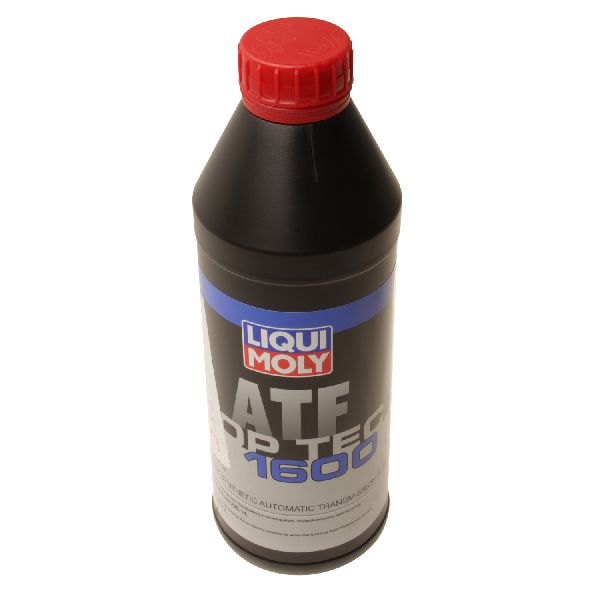
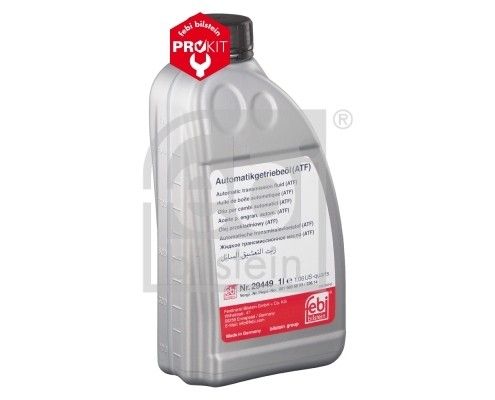
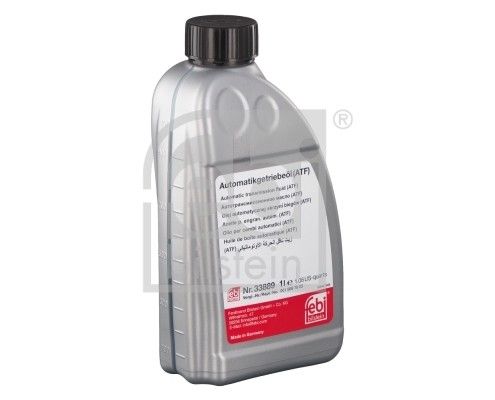
Aftermarket price range: $500-$900 - Transmission Service Kit (Fluid, Filter, Gasket) — Required for any repair that involves opening the transmission pan. Correct fluid (MB 236.14/236.15 spec) is critical for 722.9 operation.
Trusted brands: Mercedes-Benz (Genuine), Vaico, Febi, FCP Euro Kit
OEM price range: $200-$350
Aftermarket price range: $100-$200
Related Codes That Often Appear With This One
- P0717 — Input/Turbine Speed Sensor 'A' (Y3/8n1) Circuit No Signal. This sensor is located on the conductor plate, and its failure is a strong indicator that the conductor plate itself is faulty.
- P0718 — Input/Turbine Speed Sensor 'A' (Y3/8n1) Circuit Intermittent. Like P0717, this points directly to a failing speed sensor on the conductor plate.
- P2783 — Torque Converter Temperature Too High. This code often appears with P0741 because the slipping clutch generates excessive heat.
- 0721 / 0722 — Output Speed Sensor (Y3/8n3) Circuit Range/Performance or No Signal. This is another sensor integrated into the conductor plate, and its failure points to the same root cause.
- P2767 / P2768 — Input/Turbine Speed Sensor 'B' (Y3/8n2) Circuit No Signal / Intermittent. This is the internal speed sensor, also on the conductor plate, and its failure is another confirmation of a faulty plate.
Technical Service Bulletins (TSBs) & Recalls
- LI27.00-P-073123: Addresses harsh 3-2 and 5-4 downshifts on 722.9 transmissions, sometimes related to software that can be updated.
- LI27.60-P-071237: Notes a 5-4 coasting downshift quality concern on 722.9 transmissions, solvable with a software update.
Platform-Specific Known Issues
- The 7G-Tronic (722.9) transmission's conductor plate is a widely documented failure item, often requiring replacement between 60,000 and 100,000 miles.
- Fluid leaking from the main electrical connector is also common. The fluid can wick up the wiring harness and damage the TCM, even if it's located inside the transmission.
Mechanic-Grade Diagnostic Values
- Torque Converter Clutch (TCC) Solenoid Resistance — expected: ~5.0 - 6.0 Ohms. Failure: A reading significantly outside this range indicates a faulty solenoid coil.
- Live Data: TCC Slip RPM — expected: Near 0 RPM when TCC lock-up is commanded and engaged.. Failure: A consistent slip of 50-200+ RPM when lock-up is commanded indicates the clutch is not holding.
- Transmission Fluid Temperature for Level Check — expected: 45°C (113°F) for 722.9 transmissions using MB 236.14 fluid.. Failure: Checking the level at the wrong temperature will result in an inaccurate, usually low, fluid level reading.
Hidden / Shadow Codes Worth Checking
- 0741: The fault 'The torque converter lock-up clutch has excessive power consumption.' is the Mercedes-specific description stored in the VGS/TCM, which corresponds to the generic P0741. It indicates slippage rather than an electrical circuit fault. (see via Mercedes-Benz XENTRY/DAS diagnostic system.)
- 1634: Component Y3/8n4 (Fully integrated transmission control (VGS) control unit) is defective. This is a terminal diagnosis for the conductor plate itself and often accompanies other sensor or performance codes. (see via Mercedes-Benz XENTRY/DAS diagnostic system.)
Scan Tool Commands That Help
- Mercedes XENTRY/DAS: Reset of adaptation values > Torque converter — This function should be used after replacing the torque converter or valve body/conductor plate. It erases the learned values for clutch engagement, allowing the TCM to re-learn the fill times and pressures for the new hardware.
- Mercedes XENTRY/DAS: Teach-in processes > Forced adaptation — After resetting adaptations, a technician must perform a specific drive cycle to 'teach' the transmission how to shift smoothly. XENTRY guides the user through the required speed and torque ranges for each upshift and downshift to store new values.
- Mercedes XENTRY/DAS: Control Unit Update (Flashing) — In some cases, drivability issues related to TCC operation can be resolved by updating the TCM software to the latest version. This should be considered before replacing expensive hardware if no definitive component failure is found.
Wiring & Ground Locations
- Transmission 13-pin Connector (Pilot Bushing) — On the front right side of the transmission housing, where the main vehicle harness connects to the valve body.. The O-rings on this connector are a notorious failure point, allowing ATF to leak. The fluid can wick up the wiring harness into the TCM (if externally located) or cause poor pin contact, disrupting signals to and from the TCC solenoid and speed sensors.
- W16/4 - Front Left Wheelhouse Ground — Located in the engine compartment on the driver's side, under or near the auxiliary battery tray.. This is a major ground distribution point for various control modules in the engine bay. A corroded or loose connection here can cause intermittent and difficult-to-diagnose electronic faults, including erratic transmission behavior.
- Transmission Bell Housing Ground Strap — A large braided strap connecting the engine block/bell housing area to the vehicle chassis.. While not directly for the TCM, this is a primary ground path for the entire powertrain. A poor connection can create electrical noise and voltage differentials that may affect sensitive electronics like the transmission control unit.
Real Owner Repair Stories
- MBWorld.org Forums (2007 E320 Bluetec (W211, but with the same 722.9 transmission)) — Transmission stuck in limp mode, fault codes for speed sensor Y3/8n1.
❌ Tried (didn't work) The owner had previously had the conductor plate rebuilt 80,000 miles prior, which fixed the issue at that time.
✅ What actually fixed it The conductor plate failed again. The owner was quoted $2600 by a dealership for a Mercedes-rebuilt valve body assembly, which includes the conductor plate, as the final fix.
OEM Part Supersession History
A 0335456632 / A 0335456732→A 0335457332 (VGS2), then A 0034460310 / A 0002702600 (VGS3)— Hardware and internal logic improvements to address reliability issues with speed sensors and processing.
Heads up: For early VGS1 units, Mercedes often requires replacement of the entire valve body assembly, not just the conductor plate. While VGS3 is a newer design, it cannot be simply swapped into a vehicle that originally had VGS1 or VGS2 without ensuring the software and valve body are compatible. Cloning/programming is required.
Model Year Variations Within This Range
- 2010-mid 2011: These early W212 models may still have the original 7G-Tronic transmission, which uses red MB 236.14 ATF and has a 40k mile service interval.
- mid 2011-2016: These models are equipped with the 7G-Tronic Plus (Option Code A89). This version features a more advanced torque converter, supports start/stop functionality, and requires blue MB 236.15 ATF. The service interval is extended to ~77k miles. The internal changes may affect how P0741 manifests, with some sources suggesting the Plus version is less prone to harshness but still susceptible to conductor plate failure.
Diagnostic Flowchart
Other Known Issues on This Vehicle
Issues unrelated to this code that are worth knowing about as an owner of this generation:
- M276 V6 Engine - Timing Chain Tensioner Rattle 🔴 High — Common on early M276 engines, typically heard as a rattle for a few seconds on a cold start. Can lead to expensive timing chain damage if ignored. (Ref: Mercedes addressed this with updated check valves and tensioners.)
- M276/M278 Engine - Oil Leaks into Wiring Harness 🔴 High — Oil leaks from camshaft position sensors and magnets, wicking through the engine harness and potentially destroying the ECU. Affects pre-2016 engines primarily. (Ref: Preventative fix involves installing inexpensive adapter harnesses ('pigtails').)
- OM651 Diesel Engine - Timing Chain Wear 🔴 High — The timing chain is located at the rear of the engine, making replacement an engine-out job. Chains can stretch, especially on earlier models, often blamed on the start/stop system.
- M278 V8 Engine - Cylinder Wall Scuffing 🔴 High — Early M278 engines with Silitec cylinder liners can suffer from piston scuffing and scoring, leading to oil consumption and eventual engine failure. Later models (post-Q2 2015) used more robust steel liners. (Ref: Subject of some class-action lawsuits.)
- Fading Interior Wood Trim 🟡 Low — Very common across the W212 platform. The wood trim, particularly the Burl Walnut, is known to fade and discolor significantly when exposed to sunlight over time.
- COMAND Controller Knob Failure 🟡 Low — The plastic shaft inside the central COMAND controller knob is fragile and frequently breaks, causing the knob to spin freely without registering inputs.
Used vs. New Parts: Buying Guide for This Vehicle
When a used part is the smart pick: A used torque converter from a verified low-mileage donor vehicle can be a cost-effective option if the failure is confirmed to be mechanical wear of the original converter. A complete used valve body with conductor plate is generally not recommended due to the programming challenges.
Donor-vehicle mileage cap: roughly under 70000 miles for the part to have meaningful remaining life.
What to inspect on the donor part:
- For a torque converter, check the donor vehicle's history for any transmission-related complaints.
- Inspect the drain plug and mounting studs for any signs of damage or stripping.
- For a valve body/conductor plate, visually inspect for any cracks in the plastic, and ensure all solenoids are present and appear undamaged.
OEM-only on this vehicle (don't cheap out):
- Conductor Plate (TCM): This is a 'theft-relevant part' according to Mercedes-Benz. A new OEM part requires SCN coding (programming) by a dealer or authorized specialist. A used conductor plate cannot be programmed unless it is first 'virginized' by a specialist service, making it a complex alternative.
Aftermarket brands forum-validated for this vehicle:
- Sonnax: Offers improved replacement solenoids and valve body repair kits that address known wear points in the 722.9.
- Circuit Board Medics / The ECU Pro: Reputable services that can repair/rebuild your original conductor plate. This is often the best option as it avoids the need for expensive SCN coding, making the part plug-and-play upon return.
Brands owners have reported issues with on this vehicle:
- Unbranded, pre-programmed conductor plates from online marketplaces: While advertised as 'plug and play', many users report issues with incorrect software versions or immediate failure. The programming is often cloned incorrectly, leading to new fault codes or poor performance.
Real Owner Stories
Aggregated from forums and TSBs cited above. Mileages and costs reflect what owners reported in those sources.
2011 Mercedes-Benz E-Class (W212) — ~80000 miles
Symptoms: Transmission entered limp mode; owner found oil in the 13-pin connector.
What fixed it: Addressing the 722.9 connector and communication issues.
Source hint: MBWorld.org forums thread titled 'Limp mode, 722.9 connector and P0748'
2008 Mercedes-Benz E-Class (W211) — ~100000 miles
Symptoms: Owner experienced P0741 and P2783, debating whether to replace the torque converter or other components.
What fixed it: Replacement of the torque converter.
Source hint: MBWorld.org forums thread titled 'Need help: 722.9 7G-Tronic TC Lock Up Clutch Issue'
2014 Mercedes-Benz E-Class (W212) — ~75000 miles
Symptoms: Jerky shifting even after the conductor plate was replaced.
What fixed it: Proper transmission fluid service and complex diagnosis of the 722.9 system.
Source hint: MBWorld.org forums thread titled '722.9 problem'
Related OBD-II Codes
Frequently Asked Questions
My 2012 E-Class is having harsh 3-2 and 5-4 downshifts along with the P0741 code. Is there a software fix?
I'm seeing P0741 and my E-Class is stuck in 2nd gear. What is happening?
Can I just replace the TCC solenoid to fix P0741 on my W212?
How do I check the transmission fluid level on my 2014 E-Class to rule out P0741?
Which version of the conductor plate does my E-Class have?
Does the P0741 code mean I need a new transmission?
Used OEM Parts in Stock

New Aftermarket Parts Available

The information in this article is provided for general reference and educational purposes only. Vehicle specifications, procedures, and part compatibility can vary by production date, trim level, and region. Always consult your vehicle's factory service manual and verify part numbers before purchasing or performing repairs. Safety-critical components such as airbags, seat belts, and braking systems should be installed by a qualified professional.
- Mercedes-Benz E-Class:
- 🛍️ Shop This Part
- What's Unique About the 2010-2016 Mercedes-Benz E-Class
- Symptoms You May Notice
- Most Likely Causes
- Rare But Worth Checking
- Diagnosis Steps
- Parts You'll Likely Need
- Related Codes That Often Appear With This One
- Technical Service Bulletins (TSBs) & Recalls
- Platform-Specific Known Issues
- Mechanic-Grade Diagnostic Values
- Hidden / Shadow Codes Worth Checking
- Scan Tool Commands That Help
- Wiring & Ground Locations
- Real Owner Repair Stories
- OEM Part Supersession History
- Model Year Variations Within This Range
- Diagnostic Flowchart
- Other Known Issues on This Vehicle
- Used vs. New Parts: Buying Guide for This Vehicle
- Real Owner Stories
- 2011 Mercedes-Benz E-Class (W212) — ~80000 miles
- 2008 Mercedes-Benz E-Class (W211) — ~100000 miles
- 2014 Mercedes-Benz E-Class (W212) — ~75000 miles
- Related OBD-II Codes
- Frequently Asked Questions
- 🎟️ Get 5% Off