

P0735 on 2014-2015 Volkswagen Jetta: Gear 5 Incorrect Ratio Causes and Fixes
On a 2014-2015 VW Jetta, code P0735 means the transmission has detected slipping or a ratio error in 5th gear. This is often caused by low/dirty transmission fluid, but can also point to more serious internal issues like a failing mechatronic unit or worn clutches. A fluid and filter change is the first step, but be prepared for a possible transmission rebuild or replacement.
- P0735 on a 2014-2015 Jetta indicates a serious transmission issue related to 5th gear.
- The first and most important diagnostic step is to check the transmission fluid's level and condition.
- Driving with this code is risky; the transmission can go into a protective 'limp mode' at any time, creating a safety hazard.
- While a fluid change might fix it, be prepared for the possibility of a more expensive repair, such as replacing solenoids, the mechatronic unit, or the entire transmission.
What's Unique About the 2014-2015 Volkswagen Jetta
For the 2014-2015 Jetta, which is part of the A6 generation and often equipped with the Aisin 09G (also known as TF-60SN) 6-speed automatic transmission, this code is a well-documented precursor to significant transmission problems. While low fluid is a possible cause, these transmissions are particularly known for failures in the valve body, which contains the solenoids and controls hydraulic fluid flow. Owners report that once this code appears, it often leads to the transmission going into 'limp mode,' where it gets stuck in a single gear (like 3rd) to prevent further damage. The term 'mechatronic unit' is more commonly associated with VW's DSG transmissions; for the 09G automatic, the equivalent problematic component is the valve body.
Symptoms You May Notice
- Check Engine Light and/or a wrench icon on the dashboard.
- Vehicle gets stuck in one gear (limp mode).
- Harsh or delayed shifting, especially into 5th gear.
- Car jerks suddenly while driving.
- Inability to shift into 5th gear.
- Increased fuel consumption.
- Engine revs higher than usual at highway speeds, as if it won't shift into the final gear.
- Transmission overheating warning light may illuminate.
- Replacing the input or output speed sensors when no sensor-specific codes are present. The ratio error is often a mechanical or hydraulic issue, not a sensor data error.
- Replacing a single shift solenoid when the root cause is widespread wear within the valve body bores. The problem often returns with another gear ratio code.
Most Likely Causes
- Low or Dirty Transmission Fluid 🔴 High Probability Many transmissions are 'filled for life' but fluid can still degrade or leak over time, reducing hydraulic pressure needed for gear changes. The 09G transmission is sensitive to fluid level and condition.
How to confirm: Check the transmission fluid level and condition. This requires the vehicle to be level and the transmission fluid to be at a specific temperature 🎬 See how to properly check and fill ATF levels. (checked with a scan tool). The fluid should be at the correct level, pinkish-red, and not smell burnt. Dark, brown, or burnt-smelling fluid with particles in it indicates a problem.
Typical fix: Perform a transmission fluid and filter change. Use only the specified fluid, which is typically VW G 055 025 A2 or an equivalent JWS 3309 fluid. If the fluid is heavily contaminated, a full transmission flush is generally not recommended on high-mileage vehicles as it can dislodge debris and cause more issues.
Est. part cost: $100-$250 for fluid and filter kit. 🎬 Watch: Step-by-step 09G transmission fluid and filter change guide.
- Faulty Transmission Valve Body 🔴 High Probability The Aisin 09G transmission is notorious for valve body issues. Solenoid bores can wear, causing pressure loss, and solenoids themselves can fail. This is a more common failure point on this specific transmission than on many others, and often a more likely cause than a single shift solenoid when P0735 appears.
How to confirm: Requires advanced diagnostics with a VW-specific scan tool (like VCDS) to monitor solenoid duty cycles and hydraulic pressures. A mechanic may also drop the pan and see excessive metallic debris. Often diagnosed after a fluid change fails to resolve the issue.
Typical fix: Replacement of the valve body with a new or remanufactured unit. Sonnax and other companies make kits to repair and upgrade the original valve body, which can be a more durable solution. 🎬 Watch: How to recondition and upgrade your 09G solenoids.
Est. part cost: $800-$2000 for a remanufactured valve body assembly. - Failing 5th Gear Shift Solenoid (N92) 🟡 Medium Probability Solenoids are electronic components that can fail over time, leading to incorrect fluid pressure for a specific gear. For the 5th gear shift, this is often the N92 solenoid in the 09G transmission.
How to confirm: A professional mechanic can use a diagnostic scan tool to command the specific 5th gear solenoid and monitor its response. Resistance checks can also be performed on the solenoid. However, since the solenoids are part of the valve body, it is often replaced as a unit.
Typical fix: Replace the faulty shift solenoid. This is done by dropping the transmission pan and the valve body. Due to the high rate of general valve body issues, many shops recommend replacing the entire valve body assembly rather than just one solenoid.
Est. part cost: $50-$150 per solenoid, but labor to access it makes a full valve body replacement more practical. - Internal Transmission Failure 🟡 Medium Probability Wear and tear on internal components like the 5th gear clutch pack (K2 clutch), bands, or planetary gear set can cause slipping that leads to this code. This is often the end result if fluid/valve body issues are ignored.
How to confirm: This is diagnosed after ruling out fluid and electronic issues. A mechanic may drop the transmission pan and find significant metal shavings or clutch material, confirming internal damage.
Typical fix: This is the most expensive repair, requiring either a complete transmission rebuild or replacement with a new or remanufactured unit.
Est. part cost: $2500-$5000+
Rare But Worth Checking
- Faulty Input/Output Speed Sensors: While possible, a failing speed sensor will usually trigger its own specific trouble code (like P0715 or P0720) alongside P0735. If you only have P0735, the sensors are less likely to be the root cause, but not impossible.
- Wiring Issues: Damaged wiring or corroded connectors between the TCM and the transmission can cause incorrect signals, but this is less common than internal mechanical or hydraulic failures. Check the main harness connector at the transmission case for corrosion or fluid intrusion.
Diagnosis Steps
- Scan the vehicle's computer for any other transmission-related trouble codes. Address any speed sensor or solenoid-specific codes first.
- Check the transmission fluid level and condition. Ensure the vehicle is on a level surface and at the correct operating temperature (35-45°C) as specified by VW, which requires a scan tool to monitor.
- If the fluid is low, top it off with VW G 055 025 A2 or equivalent, clear the code, and test drive to see if the problem returns. If the fluid is dark, burnt, or contains debris, a fluid and filter change is necessary.
- Inspect the transmission wiring harness and connectors for any visible damage, corrosion, or loose connections.
- If the problem persists, use an advanced scan tool (VCDS) to monitor live data from the input and output speed sensors to ensure they are reading correctly while driving. Also monitor the commanded state vs. actual state of the shift solenoids.
- A professional should perform a hydraulic pressure test to check if the pressure is within spec for 5th gear engagement.
- If all external checks pass, the issue is highly likely to be the valve body or an internal clutch pack. Dropping the transmission pan to inspect for metal debris is the next step. Finding excessive debris confirms an internal failure requiring a rebuild or replacement.
Parts You'll Likely Need
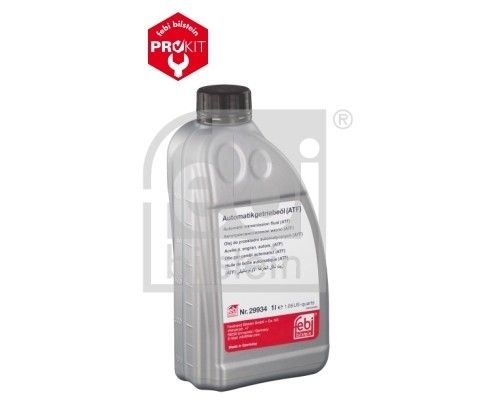
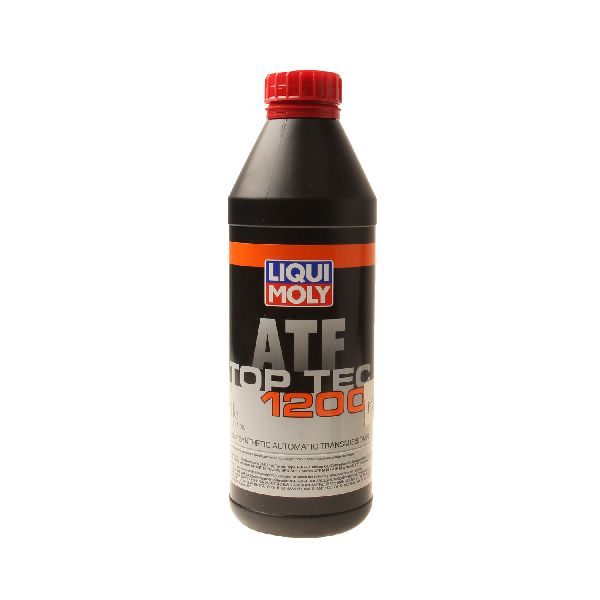
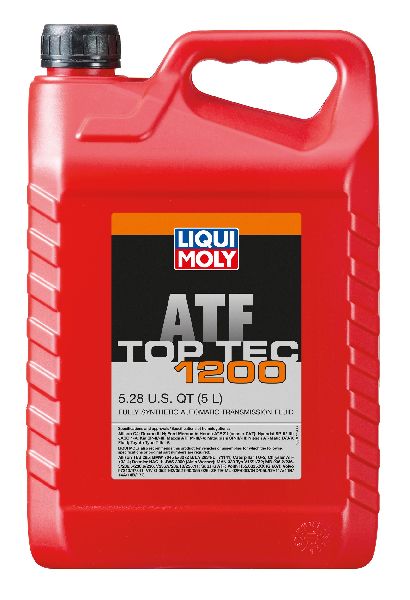
- Automatic Transmission Fluid and Filter Kit
(OEM #Fluid: G055025A2)— This is the first and most crucial step in troubleshooting. Degraded or low fluid is a primary cause of shifting problems in the 09G transmission.
Trusted brands: Vaico, Febi, Meyle, Genuine VW
OEM price range: $150-$250
Aftermarket price range: $80-$150 - Transmission Valve Body
(OEM #09G325039A (verify by VIN))— This is a very common failure point on the 09G/TF-60SN transmission that directly causes gear ratio codes. Replacing it often resolves shifting issues when fluid changes do not.
Trusted brands: Genuine VW, Sonnax (Upgrade/Repair Kits), Revmax (Remanufactured)
OEM price range: $1500-$2500
Aftermarket price range: $800-$2000
Related Codes That Often Appear With This One
- P0730 — This is a general 'Incorrect Gear Ratio' code. P0735 specifies the problem is with 5th gear, but P0730 may appear with it.
- P0731, P0732, P0733, P0734 — These are incorrect ratio codes for gears 1 through 4. If you see multiple gear ratio codes, it points towards a more widespread problem like low fluid, a failing valve body, or a major internal failure.
Platform-Specific Known Issues
- The 09G (Aisin TF-60SN) transmission used in these Jettas is known for having valve body problems that manifest as harsh shifting and gear ratio codes. The issue was widespread enough that multiple companies specialize in remanufacturing and improving these specific valve bodies.
Mechanic-Grade Diagnostic Values
- Transmission Solenoid Resistance — expected: 5.0 to 7.0 Ohms. Failure: A reading outside this range, or any continuity between a pin and the solenoid's metal housing (a short to ground).
Scan Tool Commands That Help
- VCDS (VAG-COM): Output Test (Function 03) — To individually command each solenoid, including the N92 (5th gear), to verify it clicks and is being controlled by the TCM. This helps isolate a single bad solenoid from a larger valve body or wiring issue.
- VCDS (VAG-COM): Basic Settings - Group 001 — After a repair, use this to clear the learned values for the Tiptronic and Kick-Down functions, forcing the TCM to relearn.
- VCDS (VAG-COM) or equivalent: Adaptation - Channel 00 - Reset All Factory Defaults — This is a more comprehensive reset than Basic Settings. It should be performed after replacing the valve body or transmission to erase all learned shift adaptations and start fresh. Failure to do this can cause the new parts to perform poorly.
Wiring & Ground Locations
- Main Transmission Case Connector — External connector on the 09G transmission case, where the main vehicle harness connects to the transmission's internal wiring.. This connector can be 8-pin (PN 1J0973714) or 14-pin. It is a critical point for diagnostics. Checking for corrosion, bent pins, or fluid intrusion is a key step when electrical issues are suspected. A poor connection here can interrupt signals from speed sensors or commands to solenoids.
- Transmission Case Ground — The main ground strap connecting the transmission housing directly to the vehicle's chassis/frame.. While not a specific cause for P0735 alone, a poor transmission ground can cause a host of erratic electronic behaviors, including incorrect sensor readings and faulty solenoid operation. Ensuring this connection is clean and tight is a foundational step in any electrical diagnosis.
Real Owner Repair Stories
- Reddit user /u/SuperJackson20 (VW Jetta with 09G transmission, likely 2.5L engine) — Rough shifting that started around 119,000 miles, which progressed to slipping.
❌ Tried (didn't work) A transmission fluid drain and fill.
✅ What actually fixed it The owner opted for a complete used transmission replacement, which cost under $1800. This was chosen because the transmission was neglected (first service after 100k miles) and slipping was already present. - Scribd technical document based on a real case (2005 Volkswagen Jetta with 09G transmission) — Transmission would shift normally from 1st to 3rd gear, but then shift into neutral when the fluid was hot. When cold, it shifted perfectly and threw no codes.
❌ Tried (didn't work) Reprogramming the Transmission Control Module (TCM).
✅ What actually fixed it Diagnosis identified a sticking solenoid. The fix was to remove the valve body, then disassemble and clean the specific solenoid and its bushing, rather than replacing the entire valve body assembly.
"I Checked Everything" — The Actual Cause
- A common scenario for P0735 is that a fluid and filter change fails to resolve the issue. The actual cause is often microscopic wear in the valve body's solenoid bores, which a fluid change cannot fix. This leads to internal hydraulic pressure leaks that prevent proper clutch engagement, requiring a remanufactured valve body to correct the issue.
- In rare cases where both a fluid change and a valve body replacement fail to fix a no-shift condition into 4th, 5th, or 6th gear, the cause can be a rotated steel sleeve deep inside the transmission case. This sleeve directs fluid to the K2 clutch pack. If it rotates, it blocks the fluid passage, effectively causing a shift to neutral. This requires a full transmission teardown to access and correct, and is often missed by technicians who stop diagnosis at the valve body.
OEM Part Supersession History
09G325039A (and other variants)→09G325039AX (factory remanufactured), or various aftermarket remanufactured units.— The original valve bodies had design flaws leading to premature wear in solenoid bores and subsequent shifting problems. Remanufactured units, especially from quality aftermarket suppliers, often include upgraded parts to correct these flaws.
Heads up: It is critical to match the valve body to the vehicle's exact year and configuration (e.g., cooler on case vs. remote cooler). Installing a valve body with 'large can' solenoids into a system designed for 'small can' solenoids, or vice-versa, will cause transmission failure.
Model Year Variations Within This Range
- 2014-2015: For the Jetta Sedan, there are no significant variations in the 09G transmission or its common failures between these two model years. Both fall into the 'Gen 2' valve body era. The Jetta SportWagen, however, was based on the older Mk6 platform in 2014 and was replaced by the Golf SportWagen on the new MQB platform in 2015, which had different powertrain and chassis characteristics, though both could have a 09G transmission.
Diagnostic Flowchart
Other Known Issues on This Vehicle
Issues unrelated to this code that are worth knowing about as an owner of this generation:
- Premature Water Pump / Thermostat Housing Failure 🔴 High — Very common, often failing between 60,000 and 100,000 miles. The plastic housing is prone to cracking and leaking coolant. A class action settlement exists for this issue on 1.8L/2.0L engines. (Ref: Class Action Settlement: Zhao, et al. v. Volkswagen Group of America, Inc.)
- Clogged Heater Core 🟠 Medium — Commonly occurs, leading to no heat or heat on only one side of the cabin. Often caused by sediment buildup or incorrect coolant mixing. Can sometimes be fixed by flushing, but often requires replacement.
- Timing Chain Tensioner Failure (1.8TSI / 2.0TSI EA888 Gen3) 🔴 High — While improved from earlier generations, the timing chain system can still experience issues. Tensioner failure can lead to the chain jumping time, causing catastrophic engine damage. It's a less frequent but more severe issue to be aware of at higher mileage.
Used vs. New Parts: Buying Guide for This Vehicle
When a used part is the smart pick: A complete used transmission assembly is a viable option when there is confirmed major internal damage (e.g., metal chunks in the pan) and the cost of a professional rebuild is prohibitive. It can be more cost-effective than replacing just a valve body on a very high-mileage unit that may have other worn components.
Donor-vehicle mileage cap: roughly under 80000 miles for the part to have meaningful remaining life.
What to inspect on the donor part:
- Verify the transmission code and VIN from the donor car to ensure compatibility.
- If possible, request service history, specifically looking for a fluid change around the 50k-60k mile mark.
- Inspect the main electrical connector for corrosion or damage.
- If the pan is dropped, check for a thick layer of metallic sludge or chunks of metal, which are red flags.
OEM-only on this vehicle (don't cheap out):
- Transmission Fluid: While not a 'part', using anything other than the OEM-spec VW G 055 025 A2 or a certified JWS 3309 equivalent is a major risk to the valve body and solenoids.
Aftermarket brands forum-validated for this vehicle:
- Sonnax: The gold standard for valve body *repair kits*. Their parts are designed to fix the original design flaws, not just replace worn components.
- Revmax, Street Smart Transmission, Valve Body Pro: Reputable sources for fully remanufactured valve bodies that often include Sonnax updates.
Brands owners have reported issues with on this vehicle:
- Unbranded, low-cost 'remanufactured' valve bodies from marketplaces like eBay or Amazon. These are frequently just used units that have been cleaned and are not properly rebuilt or tested; they often fail quickly.
Real Owner Stories
Aggregated from forums and TSBs cited above. Mileages and costs reflect what owners reported in those sources.
2014 Jetta SE
Symptoms: The car went into limp mode.
What fixed it: The issue was diagnosed as an internal failure that required a complete transmission replacement.
Source hint: reddit.com/r/Volkswagen/comments/192m91d/code_p0735_on_2014_jetta_se/
2014 Volkswagen Jetta SE
Symptoms: Experienced a sudden jerk, the Check Engine Light came on, and the car was stuck in 1st gear.
What fixed it: The vehicle was diagnosed with code P0735; the final repair was not specified in the source.
Source hint: reddit.com/r/MechanicAdvice/comments/192m8a4/code_p0735_on_2014_volkswagen_jetta_se/
2014 Jetta 1.8T
Symptoms: The owner experienced a P0735 code.
What fixed it: The owner chose to replace the transmission with a used unit due to the potential cost of other repairs like a valve body or torque converter replacement.
Source hint: https://www.vwvortex.com/threads/p0735-gear-5-incorrect-ratio-09g.9497521/
Related OBD-II Codes
Frequently Asked Questions
My 2014 Jetta is stuck in one gear and the check engine light is on. Is this related to the P0735 code?
I was told my Jetta's transmission is 'filled for life.' Why do I need to check the fluid for a P0735 code?
What specific transmission fluid should I use for my 2015 Jetta if I'm doing a fluid change for P0735?
Is the 09G transmission in my Jetta known for having this kind of problem?
My mechanic suggested a transmission flush for my high-mileage Jetta to fix P0735. Is this a good idea?
If the fluid is fine, what is the most likely cause of P0735 on this specific Jetta?
Helpful Videos
We Have This Part in Stock




The information in this article is provided for general reference and educational purposes only. Vehicle specifications, procedures, and part compatibility can vary by production date, trim level, and region. Always consult your vehicle's factory service manual and verify part numbers before purchasing or performing repairs. Safety-critical components such as airbags, seat belts, and braking systems should be installed by a qualified professional.
- Volkswagen Jetta:
- 🎬 Helpful Videos
- 🛍️ Shop This Part
- What's Unique About the 2014-2015 Volkswagen Jetta
- Symptoms You May Notice
- Most Likely Causes
- Rare But Worth Checking
- Diagnosis Steps
- Parts You'll Likely Need
- Related Codes That Often Appear With This One
- Platform-Specific Known Issues
- Mechanic-Grade Diagnostic Values
- Scan Tool Commands That Help
- Wiring & Ground Locations
- Real Owner Repair Stories
- "I Checked Everything" — The Actual Cause
- OEM Part Supersession History
- Model Year Variations Within This Range
- Diagnostic Flowchart
- Other Known Issues on This Vehicle
- Used vs. New Parts: Buying Guide for This Vehicle
- Real Owner Stories
- 2014 Jetta SE
- 2014 Volkswagen Jetta SE
- 2014 Jetta 1.8T
- Related OBD-II Codes
- Frequently Asked Questions
- 🎟️ Get 5% Off