

P0735 on 2016-2022 Honda Pilot: Incorrect 5th Gear Ratio Causes and Fixes
This code indicates a problem with the 5th gear in the automatic transmission. The most common starting point is checking for low or deteriorated transmission fluid. If the fluid is okay, the issue could be faulty pressure switches or solenoids, and in worst-case scenarios, internal transmission failure requiring a rebuild or replacement.
- P0735 points to a problem with 5th gear, often starting with the transmission fluid.
- Always start diagnosis by checking the transmission fluid level and condition. Use only the correct Honda-specific fluid for your transmission (6-speed vs. 9-speed).
- This code is serious and should be addressed promptly to avoid severe transmission damage.
- Before considering a costly transmission replacement, have a professional diagnose electronic components like pressure switches and solenoids.
- Check for any available software updates for the Transmission Control Module, as this can sometimes resolve shifting issues.
What's Unique About the 2016-2022 Honda Pilot
The 2016-2022 Honda Pilot used two different automatic transmissions: a 6-speed on lower trims (LX, EX, EX-L) and a 9-speed ZF-manufactured transmission on higher trims (Touring, Elite, Black Edition). Both can experience this code, but the underlying causes and fluid requirements differ. The 6-speed models were subject to service bulletin TSB 16-091 (later replaced by 17-014) for judder caused by deteriorated fluid, highlighting that fluid health is critical. The 9-speed is a more complex unit, and issues can sometimes be traced to software or control module problems in addition to fluid or mechanical faults; Honda released updates to address harsh shifting.
Symptoms You May Notice
- Check Engine Light is on
- Flashing 'D' (Drive) indicator light
- Vehicle enters 'limp mode' with reduced power
- Harsh or delayed shifting, especially into 5th gear
- Transmission slipping or inability to shift into 5th gear
- Poor acceleration and reduced fuel economy
- Engine RPM is higher than usual at highway speeds
- Unusual noises (whining, grinding) from the transmission
- Immediately replacing the torque converter. TSB 16-091 for the 2016 Pilot specifically notes that judder issues, often blamed on the torque converter, were actually caused by deteriorated fluid. Always address fluid quality first.
- Replacing the entire transmission without diagnosing electrical components. A faulty $50 pressure switch or $150 solenoid is a much cheaper and simpler fix than a $5,000+ transmission replacement.
Most Likely Causes
- Low, Dirty, or Deteriorated Transmission Fluid 🔴 High Probability Honda issued TSB 16-091 for the 2016 Pilot 6-speed, noting that fluid can deteriorate faster than expected, causing judder. This highlights the fluid's sensitivity. Owners and technicians have found that changing the fluid more frequently than the maintenance minder suggests (e.g., every 15,000-30,000 miles) can prevent many shifting problems.
How to confirm: Check the transmission fluid level and condition. The fluid should be at the correct level, pink/red in color, and not smell burnt. Dark, brown, or burnt-smelling fluid with metallic particles in it indicates a serious problem.
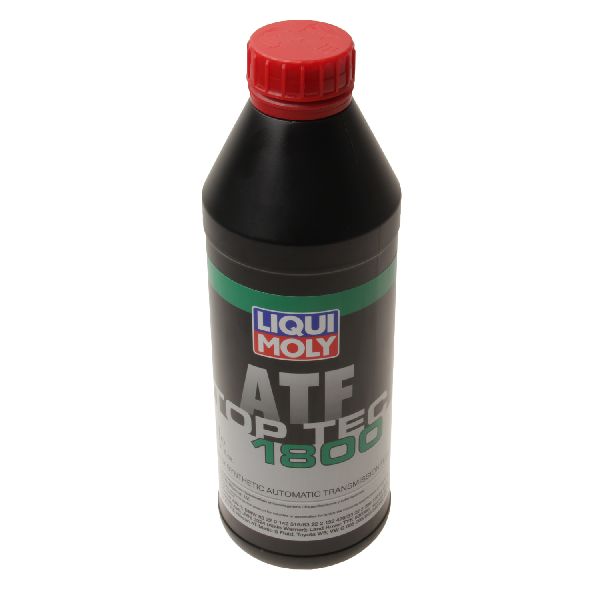
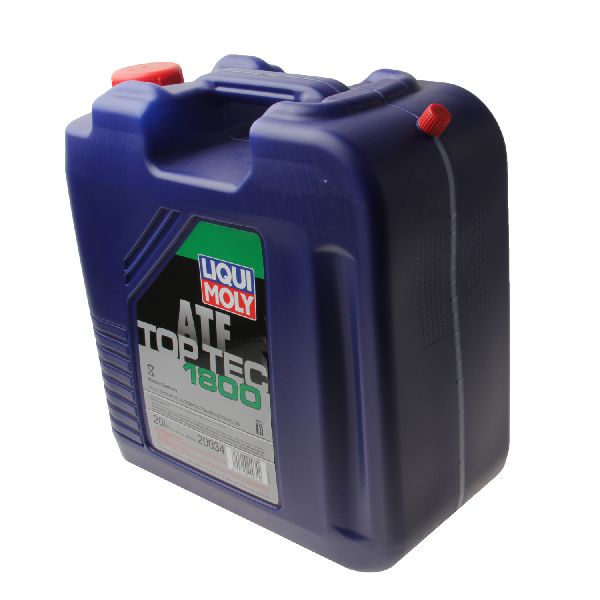
Typical fix: Perform a transmission fluid drain-and-fill. For issues related to deteriorated fluid, a full flush (draining and filling three times with a short drive cycle in between) is often recommended by Honda. Use only the correct Honda Genuine ATF: ATF-DW1 for the 6-speed and ATF Type 3.1 for the 9-speed.
Est. part cost: $50-$150 - Faulty Transmission Fluid Pressure Switch(es) 🟡 Medium Probability Honda transmissions use multiple pressure switches to confirm clutch engagement. A failing switch can send incorrect data to the TCM, leading it to believe there's a ratio error when the mechanical function is fine. These are a known high-failure-rate item on Honda V6 transmissions.
How to confirm: A diagnostic scan tool with live data capability can monitor the on/off status of the pressure switches during a test drive. A technician can also test the switches for correct electrical continuity. A common field test is to check for 5V or 12V at the switch's single-wire connector with the key on; if voltage is present, the switch itself is faulty.
Typical fix: Replace the faulty pressure switch. There are multiple switches, so correct diagnosis is key. For the 6-speed, a common replacement part is OEM #28600-R90-013.
Est. part cost: $40-$100 per switch - Failing Shift or Pressure Control Solenoids 🟡 Medium Probability
How to confirm: Solenoids can be tested for proper resistance with a multimeter. A professional scan tool can also command the solenoids to activate to check their function. A clogged or stuck solenoid can prevent proper hydraulic pressure from reaching the 5th gear clutch pack.
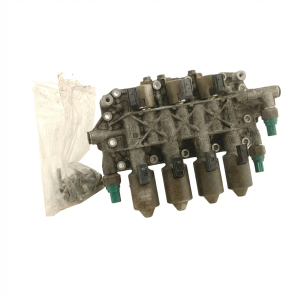
Typical fix: Replace the specific solenoid that has failed. They are often located on the valve body and may be sold individually or as a pack. For example, Shift Solenoid 'C' is a part available for the 6-speed transmission.
Est. part cost: $80-$250 per solenoid - Internal Transmission Mechanical Failure ⚪ Low Probability
How to confirm: This is diagnosed after all other possibilities (fluid, electronics, solenoids) have been ruled out. Dropping the transmission pan and finding significant metal debris or clutch material is a definitive sign of internal failure, such as a burnt 5th gear clutch pack.
Typical fix: The transmission will need to be rebuilt by a specialist or replaced entirely with a new or remanufactured unit. This is the most expensive repair.
Est. part cost: $3000-$7000+
Rare But Worth Checking
- Faulty Transmission Control Module (TCM) or Powertrain Control Module (PCM): While rare, a software glitch or internal failure in the control module can cause it to misinterpret sensor data and set a false code. Checking for available software updates from Honda is a valid diagnostic step, especially for the 9-speed transmission which has had several updates for shift quality.
- Clogged Internal Hydraulic Passages / Valve Body Issues: Debris from normal wear or deteriorated fluid can clog the small passages within the valve body, preventing hydraulic fluid from properly engaging the 5th gear clutch. This often requires removing and cleaning or replacing the valve body.
Diagnosis Steps
- Check and record any other stored DTCs. Address any sensor or solenoid-specific codes first.
- Check the transmission fluid level and condition. Ensure it is clean, at the proper level, and does not smell burnt.
- If the fluid is low, top it off and check for leaks. If the fluid is dirty or deteriorated, perform a triple drain-and-fill with the correct Honda ATF (DW-1 for 6-speed, Type 3.1 for 9-speed).
- Use an advanced scan tool to monitor live data. Compare the calculated gear ratio to the expected value (approx. 0.75:1 for 5th gear). A deviation greater than 10% indicates a fault.
- Monitor the status of the transmission pressure switches and command status of the shift solenoids via the scan tool while attempting to engage 5th gear.
- If a pressure switch is suspected, test it directly. Disconnect the single-wire connector and, with the key on, check for 5V or 12V reference voltage at the wire. If voltage is present, the switch is condemned.
- If electronic components and fluid are good, a technician may test the line pressure of the transmission's hydraulic system to see if it is within the specifications listed in the service manual.
- If electronic and hydraulic tests pass, inspect the valve body for blockages or stuck valves.
- If all else fails, the final step is to inspect for internal mechanical damage (e.g., worn 5th gear clutch pack), which requires transmission removal and teardown.
Parts You'll Likely Need
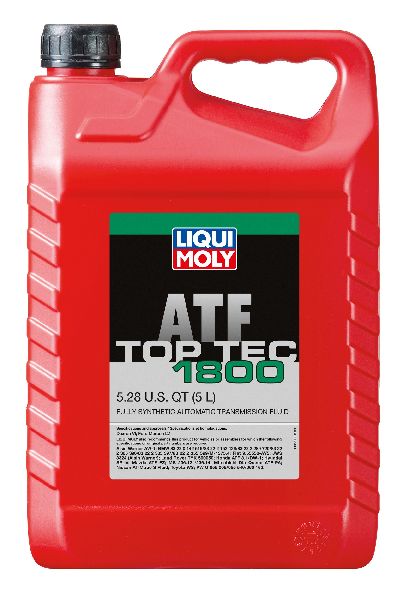
- Automatic Transmission Fluid
(OEM #08200-9008 (ATF-DW1 for 6-speed) or 08200-ATF31 (ATF Type 3.1 for 9-speed))— Low or degraded fluid is a primary cause of shifting problems and this code. Using the correct OEM fluid is critical for Honda transmissions.
Trusted brands: Honda Genuine
OEM price range: $12-$20 per quart
Aftermarket price range: $8-$15 per quart - Transmission Fluid Pressure Switch
(OEM #28600-R90-013 (Common for 6-speed))— These switches are a common failure point on Honda transmissions and can send incorrect signals to the TCM, triggering a false gear ratio code.
Trusted brands: Honda Genuine, Standard Motor Products (SMP), Dorman
OEM price range: $60-$100
Aftermarket price range: $30-$70 - Shift Solenoid
(OEM #28500-RT4-003 (Example of a control solenoid for 6-speed))— A specific shift solenoid responsible for activating the 5th gear clutch may be stuck or have failed electrically, preventing the gear from engaging correctly.
Related Codes That Often Appear With This One
- P0700 — P0700 is a general 'Transmission Control System Malfunction' code. It often appears alongside specific transmission codes like P0735 to indicate the check engine light was requested by the TCM.
- P0731, P0732, P0733, P0734, P0736 — These codes indicate incorrect ratios for other gears (1st, 2nd, 3rd, 4th, 6th). If multiple gear ratio codes are present, it points towards a systemic problem like low fluid, a failing fluid pump, a clogged filter, or a major internal failure rather than an issue isolated to the 5th gear circuit.
- P0793 — This code indicates a problem with the Intermediate Shaft Speed Sensor Circuit. A faulty sensor can prevent the TCM from correctly calculating gear ratios, leading to false codes like P0735.
- P0848, P0872 — These are codes for specific transmission fluid pressure switches (e.g., 3rd or 4th clutch). Since pressure switch failure is a common Honda issue, seeing one of these codes alongside P0735 strongly suggests an electrical fault rather than a major mechanical one.
Technical Service Bulletins (TSBs) & Recalls
- TSB 16-091: Addresses a judder from the torque converter on 2016 Pilot 6-speed models, identifying deteriorated transmission fluid as the cause, not a faulty torque converter. Recommends a fluid flush as a temporary fix pending a software update.
- TSB 17-014: Replaces and supersedes TSB 16-091, providing an updated corrective action that includes an A/T software update and an ATF replacement to resolve the judder issue on 2016-2017 6-speed models.
- TSB 17-040: Pertains to vehicles that still experience a vibration or judder after a previous software update (like TSB 15-086 on other models), indicating the next step may be torque converter replacement.
- TSB 23-008: For 9-speed models, addresses an issue where the engine fails to restart after an auto-stop event, requiring a software update.
Platform-Specific Known Issues
- Service Bulletin 16-091 was issued for 2016 Pilot models with the 6-speed transmission for a judder that was caused by deteriorated transmission fluid, not a faulty torque converter. The fix is to flush the transmission fluid.
- Service Bulletin 23-073 addresses a 'Transmission Temp Too Hot' message on 2016-2020 Pilots, caused by ATF deterioration. The fix involves a software update and flushing the ATF three times. While not directly for P0735, it highlights the importance of fluid condition and software in these transmissions.
Mechanic-Grade Diagnostic Values
- Transmission Fluid Pressure Switch Connector Voltage — expected: 5 Volts or 12 Volts DC (Key On, Engine Off). Failure: If the specified voltage is present at the harness connector when disconnected from the switch, the wiring and PCM are likely good, and the switch itself is faulty. If no voltage is present, the issue is upstream in the wiring or PCM.
- Calculated Gear Ratio (Live Scan Tool Data) — expected: Approximately 0.75 : 1 when in 5th gear. Failure: A reading that deviates more than ±10% from the expected ratio when 5th gear is commanded indicates a slip or incorrect ratio.
Scan Tool Commands That Help
- Honda Diagnostic System (HDS): Live Data Monitoring — To observe the ON/OFF status of the individual transmission pressure switches during a test drive to see if they are reporting clutch engagement correctly.
- Honda Diagnostic System (HDS): Clear DTCs — Used before a diagnostic test drive to see which codes return immediately, and after a repair to complete the verification process.
- Honda Diagnostic System (HDS): SCS Line Jumper — Mentioned in official diagnostic procedures for checking for shorts to ground in sensor circuits, such as pressure switches. It forces the system into a diagnostic mode.
Wiring & Ground Locations
- G101 — Typically found on the thermostat housing or on top of the transmission case, near the engine block.. This is a primary power and logic ground for the ECU/PCM. A corroded or loose G101 ground can cause erratic sensor readings, incorrect calculations, and false transmission codes, as the TCM relies on clean signals and stable voltage.
- PCM Connector B, Pin 25 — On the Powertrain Control Module (PCM).. In a diagnostic procedure for a related pressure switch code (P0847), this specific pin is checked for a short to ground. This demonstrates that specific pins on PCM connectors are tied to individual transmission sensors and can be tested for continuity, providing a definitive way to isolate a wiring fault from a component fault.
Real Owner Repair Stories
- JM Auto Repair YouTube Channel (2006 Honda Pilot (similar V6/transmission architecture)) — Flashing 'D' light, code P0848 for 3rd clutch pressure switch.
❌ Tried (didn't work) The video proceeds directly to diagnosis.
✅ What actually fixed it The mechanic confirmed a 5V reference at the switch connector, condemning the switch. The switch was replaced, resolving the issue. Notably, the owner supplied a used switch from a junkyard against the mechanic's recommendation for a new part. - YouTube user 'Grindin' Garage' (2005 Honda Pilot (1st Gen, similar V6/transmission architecture)) — Flashing 'D' light, code P0872 for 4th gear pressure switch, and P0700 general transmission code.
✅ What actually fixed it Replaced both the 3rd and 4th gear pressure switches. The creator noted that these switches have a high failure rate and often fail in pairs, so replacing them proactively is a good strategy. - YouTube user 'The Car Care Nut' (2019 Honda Pilot) — Multiple warning lights (check engine, transmission, blind spot), hard shifting, and code P0848.
✅ What actually fixed it The problem was diagnosed as a faulty 3rd clutch pressure switch. The video shows the location of the switches on top of the 9-speed transmission, requiring removal of the battery and air intake components for access.
OEM Part Supersession History
28600-R90-013→28600-R94-004 (Potential)— Part revision or supplier change.
Heads up: Part number 28600-R94-004 is listed for 2012-2015 Pilots but may be compatible with later 6-speed models. Always verify the correct part number with a VIN at a Honda dealership before purchasing, as multiple switches are used and they are not interchangeable.
Model Year Variations Within This Range
- 2019-2022 (Touring, Elite, Black Edition): The 9-speed automatic transmission received significant hardware and software updates for the 2019 model year refresh. This included new clutch materials, new actuators, and revised software that changes shift logic (e.g., starting in 2nd gear for smoothness). When diagnosing P0735 on a 2019+ 9-speed, checking for the latest software update is a critical first step that does not apply in the same way to 2016-2018 models or any of the 6-speed models.
Diagnostic Flowchart
Other Known Issues on This Vehicle
Issues unrelated to this code that are worth knowing about as an owner of this generation:
- Infotainment System Malfunctions 🟠 Medium — Very common across 2016-2020 models. Can manifest as screen freezing, black screens, random reboots, and popping/crackling audio. (Ref: TSB 23-047 addresses issues with the rearview camera and audio system, often related to faulty MOST bus network connectors.)
- Fuel Injector Failures 🔴 High — Common enough on early 3rd-gen models (especially 2016) to warrant a warranty extension. Can cause misfires and check engine lights (P0300-P0306, P0420, P0430). (Ref: Warranty Extension (TSB 20-100) covers fuel injectors for 10 years/150,000 miles for certain 2016 Pilots.)
- Variable Cylinder Management (VCM) Related Issues 🟠 Medium — A long-standing issue on Honda V6 engines. Can cause premature piston ring wear leading to oil consumption, fouled spark plugs, and engine vibrations. (Ref: Various software updates have been issued over the years to alter VCM behavior, but the underlying mechanical stress remains a concern for many owners.)
- Auto Start/Stop Failure (9-Speed Models) 🟡 Low — A common complaint where the engine fails to restart after an auto-stop, requiring the driver to shift to Park and press the start button. (Ref: TSB 23-008 provides a software update to fix this issue.)
- Connecting Rod Bearing Failure 🔴 High — A serious but less common issue affecting certain 2016-2019 models due to a manufacturing error, potentially leading to engine seizure. (Ref: NHTSA Recall 23V-751 was issued for this problem.)
- Transmission Judder/Shudder (6-Speed & 9-Speed) 🟠 Medium — Widespread issue. On 6-speeds, it's often due to fluid deterioration. On 9-speeds, it can be due to fluid, software, or torque converter issues. Typically felt between 20-60 mph. (Ref: TSB 16-091 and its replacement TSB 17-014 address the 6-speed. Various software updates exist for the 9-speed.)
Used vs. New Parts: Buying Guide for This Vehicle
When a used part is the smart pick: For this repair, using used parts is generally not recommended, especially for electronics. However, if a major component like the entire transmission assembly is needed and budget is the primary concern, a low-mileage unit from a reputable salvage yard could be considered. A used pressure switch or solenoid is a significant gamble, as they are known failure items.
Donor-vehicle mileage cap: roughly under 75000 miles for the part to have meaningful remaining life.
What to inspect on the donor part:
- For a full transmission: Check the fluid color and smell from the donor vehicle if possible. Pink/red and no burnt smell is ideal.
- Look for maintenance records if buying from a private party recycler.
- Inspect the donor vehicle for signs of major impact or flood damage that could have compromised the component.
- For any part, check electrical connectors for corrosion, bent pins, or cut wires.
OEM-only on this vehicle (don't cheap out):
- Automatic Transmission Fluid (Honda Genuine ATF-DW1 or Type 3.1)
- Transmission Control Module (TCM) / Powertrain Control Module (PCM) - These require VIN-specific programming.
Aftermarket brands forum-validated for this vehicle:
- Standard Motor Products (SMP) for sensors and switches
- Dorman for various transmission repair components
Brands owners have reported issues with on this vehicle:
- No-name, unbranded electronic sensors and solenoids from online marketplaces often have high defect rates and may not perform to OEM specifications.
Real Owner Stories
Aggregated from forums and TSBs cited above. Mileages and costs reflect what owners reported in those sources.
2016 Honda Pilot 6-Speed — 32000 miles
Symptoms: Transmission jutter/judder during operation.
What fixed it: Triple drain-and-fill procedure as outlined in TSB 16-091.
Source hint: Reddit r/AskMechanics: 2016 Honda Pilot - 6-Speed Transmission Jutter / Filter Change
2016 Honda Pilot Touring (9-speed)
Symptoms: P0735 along with P0793 codes; concerns over high dealer diagnosis costs and potential sensor failure.
What fixed it: Discussion involved checking fluid levels and sensors (final resolution not confirmed in snippet).
Source hint: Piloteers.org: P0735 Code on 2016 Pilot Touring (9-speed)
2016 Honda Pilot EX-L 6-speed
Symptoms: Multiple gear ratio codes including P0735; fluid changes did not resolve the issue.
What fixed it: Complete transmission replacement after the dealer diagnosed internal mechanical failure.
Source hint: Piloteers.org: 2016 Pilot EX-L Transmission Failure
Related OBD-II Codes
Frequently Asked Questions
My 2016 Pilot 6-speed has a transmission judder; does TSB 16-091 apply to me?
What is the 'triple drain-and-fill' procedure mentioned for the Honda Pilot?
Which specific transmission fluid should I use for my 2017 Honda Pilot to avoid gear ratio codes?
I'm seeing a 'Transmission Temp Too Hot' message on my 2019 Pilot; is this related to P0735?
Is there a specific part number for the pressure switches that often fail on the 6-speed Pilot?
Can a software update fix the transmission issues on my 2017 Pilot 6-speed?
Used OEM Parts in Stock

New Aftermarket Parts Available



The information in this article is provided for general reference and educational purposes only. Vehicle specifications, procedures, and part compatibility can vary by production date, trim level, and region. Always consult your vehicle's factory service manual and verify part numbers before purchasing or performing repairs. Safety-critical components such as airbags, seat belts, and braking systems should be installed by a qualified professional.
- Honda Pilot:
- 🛍️ Shop This Part
- What's Unique About the 2016-2022 Honda Pilot
- Symptoms You May Notice
- Most Likely Causes
- Rare But Worth Checking
- Diagnosis Steps
- Parts You'll Likely Need
- Related Codes That Often Appear With This One
- Technical Service Bulletins (TSBs) & Recalls
- Platform-Specific Known Issues
- Mechanic-Grade Diagnostic Values
- Scan Tool Commands That Help
- Wiring & Ground Locations
- Real Owner Repair Stories
- OEM Part Supersession History
- Model Year Variations Within This Range
- Diagnostic Flowchart
- Other Known Issues on This Vehicle
- Used vs. New Parts: Buying Guide for This Vehicle
- Real Owner Stories
- 2016 Honda Pilot 6-Speed — 32000 miles
- 2016 Honda Pilot Touring (9-speed)
- 2016 Honda Pilot EX-L 6-speed
- Related OBD-II Codes
- Frequently Asked Questions
- 🎟️ Get 5% Off