

P0735 on 2004-2011 Ford Ranger: Gear 5 Incorrect Ratio Causes and Fixes
On a 2004-2011 Ford Ranger, code P0735 almost always points to an internal transmission problem, not a simple sensor. The most common culprits are a failed solenoid block or worn servo bores in the transmission case causing hydraulic pressure loss, especially when hot. A solenoid block replacement is a moderate DIY job, but servo bore issues, a well-known pattern failure, require either specialized tools for repair or a full transmission teardown.
- P0735 on your Ranger means the transmission is slipping in 5th gear; this is a serious issue that requires prompt attention.
- Always check the transmission fluid level and condition first. Use only MERCON V fluid.
- The most likely part to have failed is the transmission solenoid block inside the oil pan.
- If a new solenoid block doesn't fix it, the cause is a deeper mechanical problem, likely worn servo bores, which requires a transmission specialist.
- Do not ignore a flashing O/D light, as continued driving can quickly turn a repairable issue into one that requires a full transmission rebuild.
What's Unique About the 2004-2011 Ford Ranger

The 5R44E and 5R55E transmissions in this generation of Ford Ranger and its platform mates (Explorer, Mountaineer) are known for specific hydraulic and mechanical weak points that directly cause the P0735 code. Unlike many other vehicles where this code might be a sensor, on the Ranger it's very frequently caused by either a failing solenoid block or, more seriously, worn servo bores in the aluminum transmission case. These worn bores allow hydraulic pressure for the overdrive band to leak, preventing it from applying correctly to engage 5th gear. This pressure loss is often more pronounced when the transmission fluid is hot and thinner, as the fluid can bypass the worn area more easily. This is a well-documented pattern failure in this specific transmission family.
Symptoms You May Notice
- Flashing 'O/D OFF' light on the gear selector
- Check Engine Light is on
- Transmission will not shift into 5th gear
- Vehicle feels stuck in a lower gear at highway speeds
- Harsh or delayed shifts, particularly after the transmission warms up
- A sudden flare in RPMs when the 4-5 shift should occur
- Transmission may enter 'limp mode', defaulting to a single gear (often 1st or 3rd)
- Loss of 2nd gear in addition to 5th, as both can be affected by the overdrive servo/band circuit
- Replacing only the input or output speed sensors. While these sensors provide the data for the TCM to detect the slip, they are rarely the root cause of an isolated P0735 code on this transmission.
- Blaming the PCM/TCM. Control module failure is very rare and should only be considered after all mechanical and hydraulic possibilities (solenoids, servo bores, fluid) have been exhaustively ruled out.
Most Likely Causes

- Faulty Transmission Solenoid Block 🔴 High Probability The solenoid block used in the 5R55E series is a known high-failure item. It's a complex electro-hydraulic unit that controls all shifting, and internal failures or sticking valves are common, leading to pressure loss for specific gears.
How to confirm: A technician can perform electronic tests on the solenoids with a scan tool. However, due to the high failure rate, it is often replaced as a primary diagnostic step after confirming fluid level and condition are good. Resistance for the shift solenoids should be between 22-48 Ohms.
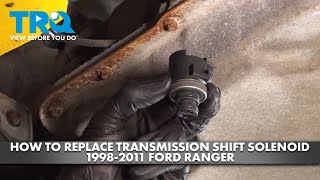
Typical fix: Replace the entire solenoid block assembly. 🎬 Watch: Step-by-step guide to replacing the transmission shift solenoids. It is located on the valve body inside the transmission oil pan. The updated Motorcraft part is recommended.
Est. part cost: $150-$300 - Worn Servo Bores in Transmission Case 🔴 High Probability The aluminum transmission case is notoriously prone to wear from the steel servo pins that actuate the overdrive and intermediate bands. This wear creates a channel for hydraulic pressure to leak past the servo piston, reducing the force needed to apply the overdrive band for 5th gear. The problem is often worse when the transmission fluid is hot and thinner, as the fluid can bypass the worn area more easily.
How to confirm: This is difficult to confirm without disassembly. It is often the default diagnosis after a new solenoid pack does not fix the issue. A transmission specialist may perform a pressure test at the servo port to confirm a leak. Symptoms like shift flares that worsen as the truck warms up are a strong indicator.
Typical fix: There are two primary repair methods. The traditional fix requires transmission removal to have a machine shop ream the worn bores and press in steel or bronze sleeves (e.g., Sonnax kit 56361J-01K). A popular alternative involves installing patented, oversized servo pistons with added O-rings (e.g., from AJ1E Superior Solutions) 🎬 Watch: How to install the AJ1E servo bore repair kit. that seal the worn area. This second method can often be performed without removing the transmission from the vehicle.
Est. part cost: $50-$200 for repair kits, but labor is very high for the sleeving method. - Low or Burnt Transmission Fluid 🟡 Medium Probability
How to confirm: Check the transmission fluid dipstick with the engine running and transmission warm. The fluid should be at the correct level, bright red, and not smell burnt. Dark, burnt-smelling fluid indicates excessive heat from slipping clutches/bands.
Typical fix: If the fluid is just low, top it off with MERCON V fluid and check for leaks (e.g., pan gasket, cooler lines). If the fluid is dirty or burnt, a fluid and filter change is necessary, but this is unlikely to fix the P0735 code, as damage has likely already occurred.
Est. part cost: $60-$120 for fluid and a filter. - Worn or Broken Overdrive Band ⚪ Low Probability
How to confirm: This can only be confirmed by disassembling the transmission. A broken band will result in a complete and sudden failure to engage 5th gear (and likely 2nd gear as well). A worn band is a consequence of prolonged slipping, often caused by the servo bore issue.
Typical fix: Requires a complete transmission rebuild to replace the internal bands.
Est. part cost: $20-$50 for the band itself, but labor is very high.
Rare But Worth Checking
- Valve Body Gasket Failure: The separator plate gaskets on the valve body can blow out or degrade, causing internal cross-leaks between hydraulic circuits. In some forum cases, users report this being a problem even after a valve body rebuild if the correct bonded gaskets were not used.
- Faulty Input/Output Speed Sensor: While a possible cause, it's less likely for an isolated P0735 code. A failing speed sensor would typically cause erratic shifting across multiple gears and may set its own specific trouble code (like P0720).
Diagnosis Steps
- Check the transmission fluid level and condition. Ensure it is filled to the proper level with clean MERCON V fluid. Note any burnt smell or dark color.
- Scan the TCM for any other pending or active trouble codes. Codes for other gear ratios (P0732, P0733) or solenoids can help pinpoint the problem.
- If fluid is good, the next logical step is to replace the transmission solenoid block. This is the most common electrical/hydraulic failure point and is accessible after dropping the pan.
- While the pan is off, inspect for excessive metal debris or clutch material in the pan, which would indicate severe internal wear requiring a rebuild.
- If a new solenoid block does not resolve the issue, the problem is almost certainly a mechanical/hydraulic leak deeper inside the transmission.
- The most likely remaining culprit is a worn overdrive servo bore. At this point, the options are to attempt an in-vehicle repair using an O-ringed servo kit or take the vehicle to a transmission specialist.
- A transmission specialist can perform a pressure test at the servo port to definitively confirm a hydraulic leak before recommending either a servo bore repair or a full transmission rebuild.
Parts You'll Likely Need

- Transmission Solenoid Block Pack
(OEM #9L2Z-7G391-A (replaces 4L2Z-7G391-AA))— This is the most common part to fail that causes P0735 and other shifting issues. The OEM Motorcraft part is an updated design that replaces earlier, less reliable versions.
Trusted brands: Motorcraft
OEM price range: $200-$350
Aftermarket price range: $150-$220 - Servo Bore Repair Kit — If the solenoid pack doesn't fix the issue, a worn servo bore is the next likely cause. These kits provide a way to fix the hydraulic leak.
Trusted brands: AJ1E Superior Solutions (O-ringed servo pins), Sonnax (Sleeve kit, e.g., 56361J-01K)
OEM price range: N/A
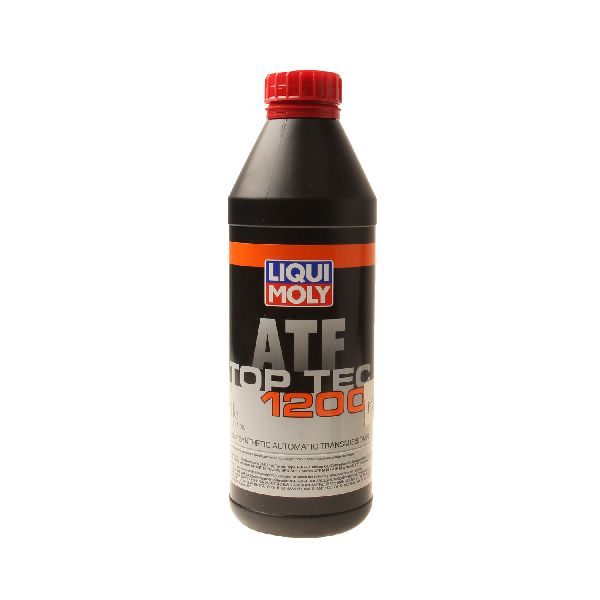
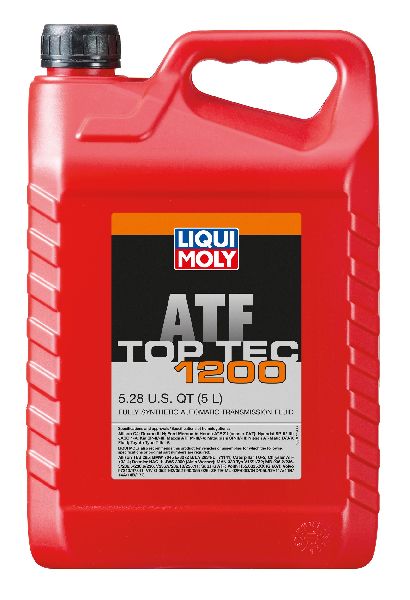
Aftermarket price range: $75-$200 (Note: Sonnax kit requires expensive specialty reaming tools) - Automatic Transmission Fluid (MERCON V)
(OEM #XT-5-QMC)— Required for any service involving dropping the pan. Low, incorrect, or degraded fluid can cause this code.
Trusted brands: Motorcraft, Valvoline, Castrol
OEM price range: $8-$12 per quart
Aftermarket price range: $7-$10 per quart
Related Codes That Often Appear With This One
- P0732 — Incorrect Gear 2 Ratio. Both 2nd and 5th gear utilize the overdrive band in the 5R55E. A problem with the overdrive servo, its bore, or the band itself will often cause ratio errors for both gears.
- P0733 & P0734 — Incorrect Gear 3 & 4 Ratio. Seeing multiple gear ratio errors points strongly toward a systemic hydraulic issue like very low fluid, a failing solenoid block, major valve body gasket leak, or multiple worn servo bores.
Technical Service Bulletins (TSBs) & Recalls
- No specific, widely-cited TSB for P0735 on the 2004-2011 Ranger 5R55E was found. TSBs for P0735 on newer Ford models (like TSB 23-2134 for the 10R80 transmission) are not applicable to this platform. The diagnosis for the 5R55E relies more on pattern failure knowledge.
- Manufacturer TSB Bulletin #TSB 25-2134 notes that P0735, along with several other gear ratio and solenoid codes, may be stored in the PCM or TCM due to axial issues.
Platform-Specific Known Issues
- A well-documented issue with the 5R44E/5R55E transmission family is the wearing of the overdrive and intermediate servo pin bores in the aluminum case, leading to hydraulic pressure loss. This wear allows pressurized fluid that is meant to apply the band to leak past the servo piston, resulting in a weak or failed gear engagement. The problem is often intermittent at first and worsens as the transmission heats up, which thins the fluid and exacerbates the leak. This is the most common root cause of P0735 when a new solenoid pack fails to solve the problem.
Mechanic-Grade Diagnostic Values

- Shift Solenoid (SSA, SSB, SSC, SSD) Resistance — expected: 22 - 48 Ohms. Failure: A reading outside this range indicates a faulty solenoid coil.
- Torque Converter Clutch (TCC) Solenoid Resistance — expected: 8.9 - 16 Ohms. Failure: A reading outside this range indicates a faulty TCC solenoid coil.
- Electronic Pressure Control (EPC) Solenoid Resistance — expected: 3.1 - 5.7 Ohms. Failure: A reading outside this range indicates a faulty EPC solenoid.
- Line Pressure at Idle (In Drive) — expected: 60 - 65 psi. Failure: Significantly lower pressure can indicate a weak pump, major leak (like a worn servo bore), or a faulty EPC solenoid.
- Line Pressure at Stall (In Drive) — expected: 225 - 240 psi. Failure: Failure to reach this pressure under load points to a significant hydraulic issue, such as pump wear or internal leaks.
Scan Tool Commands That Help
- Ford IDS, FORScan: Solenoid Command State (SSA, SSB, SSC, SSD ON/OFF) — This bidirectional control is used to manually command each shift solenoid on and off while monitoring for an audible click or change in pressure (if ports are tapped). It helps isolate a single electrically failed or mechanically stuck solenoid within the solenoid block, confirming the need for replacement.
- Ford IDS, FORScan: Output State Control - Torque Converter Clutch (TCC) — Allows a technician to command the TCC to lock and unlock. While not directly the cause of P0735, verifying TCC function is part of a complete hydraulic control system diagnosis, as TCC issues can sometimes present with similar symptoms or codes.
Wiring & Ground Locations
- G104 — Lower LH (driver's side) front of the engine compartment, on top of the frame rail.. This is a primary chassis ground point for multiple components in the engine bay. A corroded or loose G104 can cause erratic voltage and sensor readings for the Powertrain Control Module (PCM), which controls the transmission. While not a direct cause, poor grounding can lead to incorrect diagnostic codes and unpredictable electronic behavior.
- Transmission Main Connector (C175T on some diagrams) — On the passenger side of the transmission case, typically a large, round or rectangular connector.. This is the single point of connection for all electronic signals to and from the transmission, including power to the solenoids and signals from the speed sensors. Checking for voltage, ground, and signal integrity at the pins of this connector is a key step in diagnosing an electrical fault vs. an internal transmission fault.
Real Owner Repair Stories
- Ranger-Forums user 'Mcp' (2004 Ford Ranger with 5R44E) — Flashing O/D light after 20 minutes of driving, P0735 code logged. Abnormal shifting after the light appeared.
❌ Tried (didn't work) Checked fluid (new and clean), Tested all solenoids for resistance, all were within spec (24 ohms for shift, 9.9 for TCC, 4.4 for EPC). Noted the EPC solenoid felt loose in the valve body.
✅ What actually fixed it Replaced the entire valve body, transmission filter, and the low/reverse servo. The O/D light stopped flashing and shifting returned to normal. The user was unsure which of the three parts was the ultimate fix but replaced them as a set. - Reddit user on r/FordExplorer (2002 Ford Explorer (same 5R55E transmission), 250k miles) — Shift flaring between gears, a classic symptom of the worn servo bore issue.
❌ Tried (didn't work) A prior transmission rebuild at 140k miles for the same issue, which eventually failed again.
✅ What actually fixed it Installed the AJ1E O-ringed servo kit without removing the transmission. The user reported the install was 'a little bit of a pain' but took a number of hours and completely resolved the shift flaring issue. The fix was still holding two years later. - NHTSA ODI #10066314 — An owner reported that their vehicle was registering three different powertrain codes, specifically P0731, P0733, and P0735. A service technician noted that there was a TSB related to the P0733 code.
OEM Part Supersession History
4L2Z-7G391-AA→9L2Z-7G391-A— The original solenoid block was prone to failure. The updated part number represents a revised design for improved reliability.
Heads up: The 9L2Z-7G391-A part is the correct replacement for 2004-up models and is a common service part.
Model Year Variations Within This Range
- 2004-2011: The primary variation is the transmission model based on engine size. Rangers with the 4.0L SOHC V6 engine were equipped with the heavier-duty 5R55E, while models with the 3.0L Vulcan V6 used the 5R44E. While mechanically very similar and sharing the same common failures (solenoid pack, servo bores), the 5R55E has a higher torque capacity due to stronger internals like a 6-planet gear set versus the 3-planet set in the 5R44E. The bellhousings are also different and integral to the case, preventing a direct swap without changing the entire transmission.
Diagnostic Flowchart
Other Known Issues on This Vehicle
Issues unrelated to this code that are worth knowing about as an owner of this generation:
- 4.0L SOHC Timing Chain Rattle 🔴 High — Very common, especially on pre-2004 models but can occur on all years. Often presents as a brief rattle on cold startup that worsens over time. Failure of the plastic guides or hydraulic tensioners can lead to catastrophic engine damage. (Ref: No recall, but Ford did issue TSBs for earlier models and updated the tensioner and guide designs. Repair is an engine-out procedure.)
- Cracked Plastic Thermostat Housing 🟠 Medium — Extremely common failure on the 4.0L SOHC engine, leading to coolant leaks, overheating, and potential engine damage if not addressed. Aftermarket aluminum housings are a popular permanent fix.
- Rusted/Broken Leaf Spring Hangers and Shackles 🟠 Medium — Common in regions that use road salt (the 'rust belt'). The rear leaf spring mounts can rust through, causing the rear of the truck to sag or feel loose.
Used vs. New Parts: Buying Guide for This Vehicle
When a used part is the smart pick: For this specific P0735 repair, sourcing used parts is generally not recommended for the primary failure components. The only scenario where a used part might be considered is for a major structural component like the transmission case itself if it were damaged externally, but this is not a typical fix for P0735.
Donor-vehicle mileage cap: roughly under 80000 miles for the part to have meaningful remaining life.
What to inspect on the donor part:
- If considering a complete used transmission, obtain a vehicle history report for the donor vehicle to check for reported accidents or maintenance issues.
- Ask for video of the donor vehicle running and driving, if possible, to observe shifting behavior.
- When inspecting a pulled transmission, check the fluid color and smell. Bright red fluid with no burnt odor is a positive sign; dark, burnt fluid is a major red flag.
- Check the main electrical connector for any bent, corroded, or damaged pins.
OEM-only on this vehicle (don't cheap out):
- Transmission Solenoid Block: Due to the extremely high failure rate of this part, installing a used one is a significant gamble. A new, updated Motorcraft solenoid block is the most reliable fix.
Aftermarket brands forum-validated for this vehicle:
- AJ1E Superior Solutions: Widely cited in forums as providing a reliable, in-vehicle fix for the common worn servo bore issue.
- Sonnax: A well-respected brand in the transmission industry that provides high-quality repair solutions, including the servo bore sleeve kit (requires special tools) and valve body components.
Brands owners have reported issues with on this vehicle:
- Unbranded, low-cost solenoid packs from online marketplaces. Many forum users report these failing quickly or being dead-on-arrival. Sticking with the OEM Motorcraft part is highly recommended for this component.
Real Owner Stories
Aggregated from forums and TSBs cited above. Mileages and costs reflect what owners reported in those sources.
2004 Ford Ranger
Symptoms: The O/D light was blinking and the truck threw a P0735 code. The owner had already tried valve body work without success.
What fixed it: The issue was not resolved in the thread, but the diagnosis was pointing towards a deeper internal issue like blown gaskets after the valve body work failed to fix the problem.
Source hint: Ranger-Forums: O/D light blinking / P0735
2011 Ford Ranger
Symptoms: The owner received a P0735 code immediately after having the transmission rebuilt. The code appeared in isolation, without a P0732 code for 2nd gear.
What fixed it: The owner suspected the cause was a faulty valve body or solenoid issue that was not properly addressed during the rebuild.
Source hint: Ford Truck Enthusiasts: 5r55e - P0735 Code
Ford Ranger with 5R55E
Symptoms: After installing a used 5R55E transmission, the truck immediately set multiple gear ratio codes: P0733, P0734, and P0735.
What fixed it: The symptoms pointed to a systemic pressure loss or a major electrical issue within the used transmission that was installed.
Source hint: Reddit r/fordranger: P0733, P0734 and P0735
Ford Ranger with 5R44E
Symptoms: A P0735 code persisted even after trying a rebuilt valve body and confirming that the solenoids and sensors were functioning correctly.
What fixed it: The diagnostic process pointed towards a deeper internal issue within the transmission, as the common, more accessible fixes had already been attempted without success.
Source hint: Ranger-Forums: P0735
Related OBD-II Codes
Frequently Asked Questions
I replaced the solenoid block in my Ranger, but the P0735 code came back. What's the most likely problem now?
My Ranger's 'O/D OFF' light is flashing and it feels like it's stuck in a low gear on the highway. What should I check first?
Is there a way to fix the worn servo bores in my 5R55E transmission without removing it from the truck?
Why does my Ranger only seem to have trouble shifting into 5th gear when the transmission is hot?
Is there an official Ford TSB for the P0735 code on a 2004-2011 Ranger?
My truck has a P0735 code for 5th gear, but I'm also having issues with 2nd gear. Are these related?
Helpful Videos
We Have This Part in Stock

The information in this article is provided for general reference and educational purposes only. Vehicle specifications, procedures, and part compatibility can vary by production date, trim level, and region. Always consult your vehicle's factory service manual and verify part numbers before purchasing or performing repairs. Safety-critical components such as airbags, seat belts, and braking systems should be installed by a qualified professional.
- Ford Ranger:
- 🎬 Helpful Videos
- 🛍️ Shop This Part
- What's Unique About the 2004-2011 Ford Ranger
- Symptoms You May Notice
- Most Likely Causes
- Rare But Worth Checking
- Diagnosis Steps
- Parts You'll Likely Need
- Related Codes That Often Appear With This One
- Technical Service Bulletins (TSBs) & Recalls
- Platform-Specific Known Issues
- Mechanic-Grade Diagnostic Values
- Scan Tool Commands That Help
- Wiring & Ground Locations
- Real Owner Repair Stories
- OEM Part Supersession History
- Model Year Variations Within This Range
- Diagnostic Flowchart
- Other Known Issues on This Vehicle
- Used vs. New Parts: Buying Guide for This Vehicle
- Real Owner Stories
- 2004 Ford Ranger
- 2011 Ford Ranger
- Ford Ranger with 5R55E
- Ford Ranger with 5R44E
- Related OBD-II Codes
- Frequently Asked Questions
- 🎟️ Get 5% Off