

P0731 on 2018-2024 Jeep Wrangler: Gear 1 Incorrect Ratio Causes and Fixes
P0731 on a Jeep Wrangler JL most often points to low or dirty transmission fluid, or a failing valve body/mechatronic unit. Start by checking the fluid level and condition, as the ZF 8-speed is very sensitive to this. If fluid is correct, the valve body is the next most likely culprit. In some cases, especially after modifications, incorrect axle ratio programming can trigger the code.
- P0731 means the transmission is slipping in first gear.
- Always check the transmission fluid level and condition first; this is the most common and cheapest fix.
- Do not ignore this code. Driving with a slipping transmission can quickly lead to a very expensive failure.
- This code almost always requires professional diagnosis due to the complexity of the 8-speed transmission.
- If major parts have been replaced, ensure the vehicle's computer is correctly programmed for the installed hardware (e.g., axle ratio).
What's Unique About the 2018-2024 Jeep Wrangler
The 2018-2024 Jeep Wrangler (JL) uses a ZF-designed 8-speed automatic transmission (most commonly the 850RE, a version of the ZF 8HP). Unlike older transmissions where individual solenoids were common failure points, this modern unit integrates the solenoids and sensors into a complex mechatronic unit (valve body). While fluid issues are still a primary cause, hardware problems often point towards this complete assembly rather than a single, easily replaced solenoid. Furthermore, software glitches and incorrect axle ratio programming can also trigger this code, sometimes even after major repairs like a transmission replacement or axle gear swaps. 🎬 Watch this tech tip on diagnosing Wrangler P0731 codes This is a common issue for owners who modify their Jeeps with different gears and larger tires but fail to update the vehicle's computer.
Generation note: The 2018 model year is an overlap between the older JK generation (which used a 5-speed automatic) and the new JL generation (which uses an 8-speed automatic). This guide focuses on the 2018-2024 JL Wrangler. While the P0731 code's meaning is the same for both, the specific transmission hardware (ZF 8-speed vs. older units), common causes, and repair procedures are very different. JK forums frequently discuss P0731 in relation to fluid levels, speed sensors, or internal clutch pack failure.
Symptoms You May Notice
- Check Engine Light is on.
- Vehicle enters 'limp mode' (stuck in a higher gear).
- Harsh or delayed shifting into first gear.
- Sluggish or weak acceleration from a stop.
- Transmission slipping, engine RPMs flare without an increase in speed.
- Whining or spinning noise from the transmission, especially when failure is imminent.
- Decreased fuel economy.
- "Service Start/Stop System" message may appear, as transmission faults can disable this feature.
- Replacing the entire transmission when the issue was a software glitch, a failed valve body, or an incorrect pinion factor setting after modifications.
Most Likely Causes
- Low or Dirty Transmission Fluid 🔴 High Probability The ZF 8-speed transmission is highly sensitive to fluid level and quality. Low fluid causes a drop in hydraulic pressure needed to engage clutches, while dirty or burnt fluid can clog the small passages in the valve body and cause solenoids to stick.
How to confirm: Check the transmission fluid level and condition. Note that the JL Wrangler does not have a traditional dipstick. The check procedure must be done from under the vehicle with the engine running, at a specific fluid temperature (usually 30-50°C), which requires a scan tool to monitor. The fluid should be a clear, bright red/brown (Mopar ZF fluid is not bright red like traditional ATF) and not smell burnt.
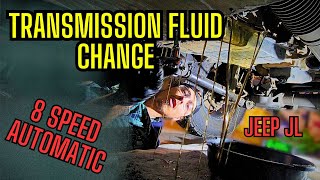
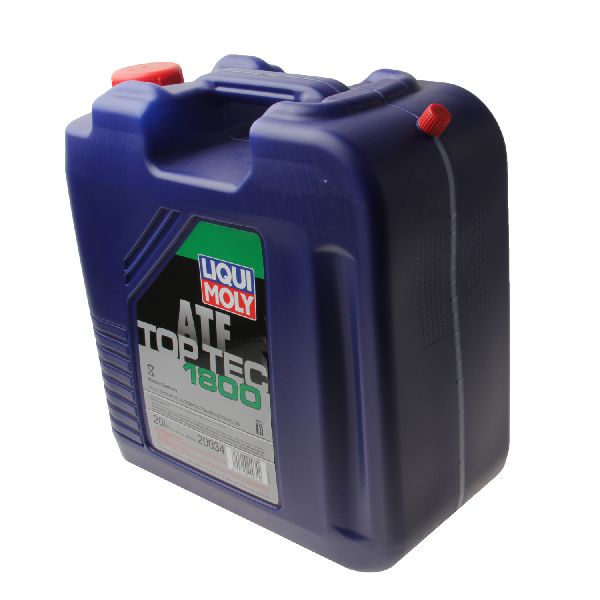
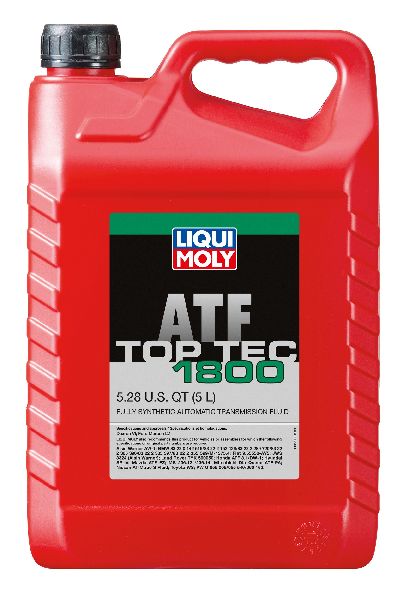
Typical fix: Perform a transmission fluid and filter service. This involves draining the old fluid, replacing the integrated pan/filter unit, and refilling with the correct type of ATF, which is Mopar ZF 8&9 Speed ATF (Part# 68218925AB) or an approved equivalent.
Est. part cost: $150-$300 - Failed Valve Body / Mechatronic Unit 🟡 Medium Probability The integrated nature of the valve body (mechatronics) means a single failed solenoid, sensor, or a crack in the valve body itself often requires the replacement of the entire unit. This is a known issue on platform-mates like the Ram 1500 which also use this transmission.
How to confirm: This requires a professional diagnosis with a scan tool that can monitor solenoid commands, clutch volume indexes (CVIs), and hydraulic pressure. A mechanic will test the solenoids and look for pressure drops that indicate an internal leak in the valve body or clutch pack.
Typical fix: Replacement of the transmission valve body assembly. A possible Mopar part number for a 2018 model is 52108213AB.
Est. part cost: $800-$1600 - Internal Transmission Mechanical Failure ⚪ Low Probability While less common than fluid or valve body issues, wear and tear can lead to failure of internal components like the underdrive (UD) piston seal, clutch packs, or planetary gear sets, preventing the transmission from holding the gear. This can be accelerated by overheating.
How to confirm: Diagnosed after all other possibilities (fluid, electronics, valve body) have been ruled out. Often confirmed by finding excessive clutch material or metal debris in the transmission pan during a fluid service.
Typical fix: Requires a complete transmission rebuild or replacement.
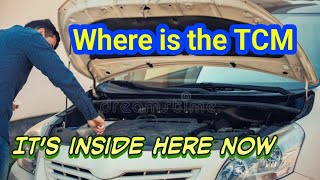
Est. part cost: $3000-$7000+ - Transmission Control Module (TCM) Software Issue ⚪ Low Probability Jeep has issued TSBs for other models with similar transmissions to update TCM software to correct shifting issues and false codes. It's possible a software update could address logic errors that incorrectly flag a gear ratio fault.
How to confirm: A Jeep dealership or a qualified shop with a wiTECH scan tool can check the current software calibration against the latest available version from FCA/Stellantis.
Typical fix: Reprogramming (flashing) the TCM with the latest manufacturer software. TSB 21-009-22 is one such update for 2022 Wranglers with the 2.0L engine and 850RE transmission.
Est. part cost: $0-$250
Rare But Worth Checking
- Incorrect Pinion Factor Programming: This is a rare but critical check, especially if the axles, gears, or the entire transmission has been replaced. If the computer's setting for the axle gear ratio doesn't match the actual hardware, it will miscalculate the expected gear ratio and set a P0731 code, often putting the vehicle into limp mode immediately. This is a very common problem for owners who re-gear their Wranglers and don't use a programmer like a Jscan or ProCal to update the computer.
Diagnosis Steps
- Check for other stored Diagnostic Trouble Codes (DTCs) that could point to a specific electrical or sensor issue.
- Verify Pinion Factor / Axle Ratio Programming: If the vehicle has been modified with different axle gears or larger tires, immediately verify that the computer has been reprogrammed with the correct settings. An incorrect setting is a guaranteed cause for this code.
- Inspect the transmission fluid level and condition. This is the most common cause and the easiest to check, but requires a specific procedure at a specific temperature. Ensure the vehicle is at the correct temperature for an accurate reading.
- If fluid is low, top it off, clear the code, and test drive. If the fluid is dark, burnt, or contains excessive debris, a fluid and filter change is necessary. Finding significant metal or clutch material in the pan points to internal failure.
- Inspect the transmission wiring harness and connectors for any visible damage, corrosion, or loose connections.
- If the basics check out, use an advanced scan tool to monitor live data, such as input/output speed sensor readings, solenoid command status, and clutch volume indexes (CVIs).
- Check for available Technical Service Bulletins (TSBs) and TCM software updates with a dealer or qualified shop.
- If a hardware fault is suspected, perform hydraulic pressure tests to check for internal leaks or a weak pump. This can help differentiate between a valve body issue and an internal clutch pack failure.
- If all else fails, internal inspection of the valve body and mechanical components is required.
Parts You'll Likely Need
- Transmission Fluid and Filter Kit
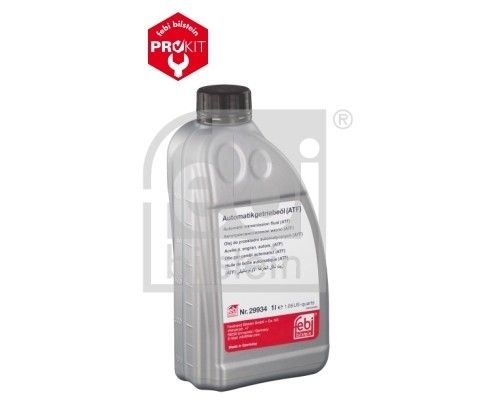
(OEM #68218925AB (Fluid, per quart))— The most common cause is low or degraded fluid. A fluid and filter service is the first line of defense. The filter is integrated into the transmission pan on the ZF 8-speed.
Trusted brands: Mopar, ZF
OEM price range: $200-$300
Aftermarket price range: $150-$250 - Transmission Valve Body (Mechatronic Unit)
(OEM #52108213AB (example for 2018 model))— This unit contains the solenoids and sensors that control shifting. It's a common failure point in ZF 8-speed transmissions that leads to pressure loss or incorrect shifting, causing the P0731 code.
Trusted brands: Mopar, ZF
OEM price range: $1200-$1800
Aftermarket price range: $800-$1200
Related Codes That Often Appear With This One
- P0868 — Indicates low transmission fluid pressure, which is a direct cause of the clutch slippage that triggers P0731.
- P0730 — A general 'Incorrect Gear Ratio' code that often appears with a more specific gear code like P0731.
- P0944 — Indicates a loss of hydraulic pump prime, which would prevent the transmission from building the pressure needed to engage any gear, leading to a P0731.
Technical Service Bulletins (TSBs) & Recalls
- S2321000008: Mentions P0731 'Gear 1 Shift Incorrect Ratio' on other Jeep models.
- 21-009-26: Links P0731-00 'Gear 1 Shift Incorrect Ratio' with shift shudder and other DTCs on other Jeep models.
Platform-Specific Known Issues
- The provided NHTSA records show that P0731 is a known issue on other Jeep vehicles (Grand Cherokee, Grand Wagoneer) that use similar powertrain components, often accompanied by shift quality complaints like shuddering.
- A common scenario for this code to appear on a Wrangler is immediately after changing the axle gear ratio without reprogramming the computer. The mismatch between the physical gears and the computer's settings instantly triggers the fault and limp mode.
Scan Tool Commands That Help
- wiTECH, Jscan, AlphaOBD: Set Pinion Factor / Axle Ratio — This is a mandatory step after changing axle gear ratios. The vehicle's computer must be told the new ratio to calculate wheel speed correctly; failure to do so will immediately trigger P0731 and cause limp mode.
- wiTECH: Restore Vehicle Configuration — This function restores all factory settings from Chrysler's servers, including the original pinion factor. It's useful if you suspect the configuration data is corrupt or want to return a modified vehicle to its stock software settings.
- Jscan: Reset Shift Adaptations — After changing tire size, this function can be used to clear the TCM's learned shift points. Owners report this can resolve issues like gear hunting or loss of 8th gear, as the transmission relearns the shift strategy for the new tire diameter.
- wiTECH or equivalent: 1st Gear Clutch Test — This is a diagnostic test to confirm if the P0731 fault is currently active. The scan tool will command the transmission and monitor sensors to verify the slip condition in a controlled test.
Wiring & Ground Locations
- Transmission Main Connector (Mechatronics Sealing Sleeve) — On the side of the transmission case, where the main vehicle harness connects to the internal mechatronics unit.. This connector's sealing sleeve is a known potential leak point on ZF 8HP transmissions. While not a primary cause of P0731, a leak can allow transmission fluid to contaminate the electrical pins, potentially causing erratic signals, communication errors between the TCM and the vehicle, and other shifting problems.
- TIPM (Totally Integrated Power Module) — The main fuse and relay box under the hood.. The 'Pinion Factor' (axle ratio setting) is stored in the TIPM (or Body Control Module on newer vehicles). All diagnostic paths for a P0731 caused by incorrect gear programming lead back to verifying or changing this setting within this module.
Real Owner Repair Stories
- JK-Forum.com user moabjk072d (2013 Jeep Wrangler (JK, but demonstrates the principle)) — Immediately went into Limp mode and threw code P0731 after pulling out of the garage.
❌ Tried (didn't work) The code appeared immediately after the physical work was done.
✅ What actually fixed it The issue is that the ECM must be reprogrammed with the new axle ratio (4.88 in this case) immediately after the swap. Another user confirmed that using an AEV ProCal to change the ratio *before* driving prevented the code from ever appearing. - Jeep Wrangler JK Forum user Twisted289 (Jeep Wrangler JK) — P0731 code and incorrect RPM readings (4000rpm @ 60mph) after re-gearing.
❌ Tried (didn't work) Driving the vehicle with the new gears but without reprogramming.
✅ What actually fixed it Using a Superchips Flashpaq F5 programmer to change the gear ratio in the computer solved the problem instantly. - Automotive Diagnostic Podcast (YouTube) (2013 Jeep Wrangler 3.6L 4x4) — P0731 code present before and after a complete transmission replacement. Vehicle would go into limp mode every time it was driven over 60 mph.
❌ Tried (didn't work) Replacing the entire automatic transmission.
✅ What actually fixed it The actual cause was incorrect pinion factor and tire size settings in the TIPM. The vehicle had been modified with different gears and tires. Using an HP Tuners scanner to input the correct axle ratio and tire circumference resolved the code without any further mechanical repairs.
When the Usual Fixes Don't Work
- In a documented case involving a 2013 Wrangler, a shop replaced the entire transmission hoping to fix a P0731 code, but the code returned immediately. The actual problem was not mechanical but was due to incorrect axle gear and tire size programming in the vehicle's computer (TIPM). This highlights that even a brand-new transmission will not fix the code if the computer's parameters don't match the vehicle's hardware.
Model Year Variations Within This Range
- 2022: Jeep issued TSB #21-009-22 specifically for 2022 Wranglers with the 2.0L engine and 850RE transmission. It addresses MIL illumination and involves reprogramming the TCM with updated software, indicating a potential software-specific issue for this model year.
Diagnostic Flowchart
Other Known Issues on This Vehicle
Issues unrelated to this code that are worth knowing about as an owner of this generation:
- Frame Weld Quality Issues 🔴 High — Primarily affects early models (2018-2019). A significant number of complaints led to an NHTSA investigation and a recall for track bar bracket welds. (Ref: NHTSA Campaign 18V-675 (FCA Recall UA5) for track bar bracket separation. General weld quality was also investigated under NHTSA PE 19-012.)
- Vague or Loose Steering / "Death Wobble" 🟠 Medium — Common complaint on 2018-2020 models with the original aluminum steering box. Less frequent on newer models with the updated steel box. (Ref: TSB 08-074-20 advises replacing the original aluminum steering gear with an updated steel version to improve steering feel and reduce wander.)
- Dual Battery System Failure 🟠 Medium — Widespread issue where the smaller auxiliary battery (for the Engine Start-Stop system) fails, often taking the main battery with it and causing various electrical gremlins or a no-start condition.
- Galvanic Corrosion on Body Panels 🟡 Low — Commonly reported issue where paint bubbles and corrosion forms on aluminum body panels (doors, hood, hinges) where they meet steel components. (Ref: Jeep has issued service bulletins to address this under warranty, but recurrence is possible.)
- Cabin Water Leaks 🟡 Low — A persistent issue for both hardtop and soft-top models, with leaks commonly occurring around the doors, A-pillars, and roof panels. (Ref: Jeep has issued service bulletins for missing foam pads on some models to address B-pillar leaks.)
Used vs. New Parts: Buying Guide for This Vehicle
When a used part is the smart pick: A complete used transmission assembly from a low-mileage, non-modified, and verified running/driving donor vehicle can be a cost-effective alternative to a full rebuild. This is most viable when significant internal hard-part damage is confirmed in the original unit.
Donor-vehicle mileage cap: roughly under 70000 miles for the part to have meaningful remaining life.
What to inspect on the donor part:
- Verify the donor vehicle's VIN to confirm it had the same engine and transmission configuration.
- Obtain a history report on the donor vehicle to check for accidents or flood damage.
- Inspect the transmission fluid from the donor unit if possible. It should not be dark black or smell burnt.
- Ensure the torque converter is properly seated and secured for transport to prevent damage to the pump.
- Get a warranty from the salvage yard, even if it's only for 30-90 days, to protect against a dead-on-arrival unit.
OEM-only on this vehicle (don't cheap out):
- Mechatronic/Valve Body Unit: This is a highly complex electronic and hydraulic part. A used unit carries a high risk of having the same wear issues (sticking solenoids, worn bores) as the part being replaced. Furthermore, it may have an immobilizer or require specific programming to the vehicle's VIN, making a new or professionally remanufactured unit a much safer choice.
- Transmission Control Module (TCM): The TCM is integrated into the mechatronic unit. Due to VIN-locking and immobilizer functions on many modern vehicles, swapping a used TCM is often not plug-and-play and can create more problems.
Aftermarket brands forum-validated for this vehicle:
- ZF: As the original equipment manufacturer, ZF-branded service parts (like the pan/filter kit) are a reliable choice.
- Raybestos: Known for producing quality transmission rebuild kits, including clutch plates and steels for the 850RE.
- PPE (Pacific Performance Engineering): Offers upgraded, cast aluminum transmission pans which can improve cooling and add rigidity.
Brands owners have reported issues with on this vehicle:
- No-name/unbranded electronic sensors or solenoids: The ZF 8-speed is very sensitive to electronic inputs. Using cheap, unverified sensors or solenoids can lead to incorrect readings, poor performance, and a quick return of the original trouble codes.
Real Owner Stories
Aggregated from forums and TSBs cited above. Mileages and costs reflect what owners reported in those sources.
2013 Jeep Wrangler
Symptoms: Immediately after performing a gear swap to 4.56 or 4.88, the vehicle triggered a P0731 code and entered limp mode.
What fixed it: Reprogramming the computer with a tool like a ProCal to match the new gear ratio.
Source hint: JK-Forum.com: 2013 wrangler with p0731 code after gear swap?
Jeep Wrangler (JK Model)
Symptoms: Experienced a P0731 code shortly after performing a transmission fluid change.
What fixed it: Correcting the fluid level, as the transmission was suspected of being under-filled.
Source hint: JK-Forum.com: Cel codes: P0731 p0944
Ram 1500 (ZF 8-speed platform mate)
Symptoms: Vehicle threw P0731 and P0734 codes, indicating incorrect ratios for 1st and 3rd gears.
What fixed it: A complete transmission rebuild due to a 'bad drum' (internal hard part failure).
Source hint: RamForum.com: P0731 and P0734 codes?
Related OBD-II Codes
Frequently Asked Questions
I just swapped my 2018-2024 Wrangler's axle gears to 4.56 and now I have a P0731 code. Did I break the transmission?
Is there a specific software update for the 2022 Jeep Wrangler with the 2.0L engine to fix shifting issues?
How do I check the transmission fluid on my JL Wrangler to see if it's causing the P0731 code?
My Wrangler is showing a 'Service Start/Stop System' message along with the P0731 code. Are they related?
Does Jeep have any technical bulletins regarding P0731 and shift shudder?
Helpful Videos

Used OEM Parts in Stock


New Aftermarket Parts Available



The information in this article is provided for general reference and educational purposes only. Vehicle specifications, procedures, and part compatibility can vary by production date, trim level, and region. Always consult your vehicle's factory service manual and verify part numbers before purchasing or performing repairs. Safety-critical components such as airbags, seat belts, and braking systems should be installed by a qualified professional.
- Jeep Wrangler:
- 🎬 Helpful Videos
- 🛍️ Shop This Part
- What's Unique About the 2018-2024 Jeep Wrangler
- Symptoms You May Notice
- Most Likely Causes
- Rare But Worth Checking
- Diagnosis Steps
- Parts You'll Likely Need
- Related Codes That Often Appear With This One
- Technical Service Bulletins (TSBs) & Recalls
- Platform-Specific Known Issues
- Scan Tool Commands That Help
- Wiring & Ground Locations
- Real Owner Repair Stories
- When the Usual Fixes Don't Work
- Model Year Variations Within This Range
- Diagnostic Flowchart
- Other Known Issues on This Vehicle
- Used vs. New Parts: Buying Guide for This Vehicle
- Real Owner Stories
- 2013 Jeep Wrangler
- Jeep Wrangler (JK Model)
- Ram 1500 (ZF 8-speed platform mate)
- Related OBD-II Codes
- Frequently Asked Questions
- 🎟️ Get 5% Off