

P0730 on 2012-2017 Hyundai Accent: Incorrect Gear Ratio Causes and Fixes
P0730 on a 2012-2017 Hyundai Accent indicates an incorrect gear ratio, usually caused by low or dirty transmission fluid. The first step is to check the fluid level and condition. This model has a sealed transmission, so checking it requires a specific procedure and is best left to a professional. Other common causes include failed shift solenoids or a faulty transmission temperature sensor.
- P0730 means the transmission is slipping. Do not ignore this code.
- The most likely cause on a 2012-2017 Accent is low or old transmission fluid.
- This vehicle has a sealed transmission, so checking the fluid is not a simple DIY task and should be done by a qualified mechanic.
- Driving with this code can quickly lead to severe and expensive transmission damage.
- A Hyundai TSB exists for this exact problem, which may ultimately recommend transmission replacement if simpler fixes don't work.
What's Unique About the 2012-2017 Hyundai Accent
The 2012-2017 Hyundai Accent (RB generation) uses a 6-speed automatic transmission (model A6GF1). Unlike newer Hyundai models that use an IVT (Intelligent Variable Transmission) and may have TSBs related to software updates, this generation's issues are more commonly mechanical or hydraulic. A crucial point for this vehicle is that it has a "sealed" transmission without a traditional dipstick, making fluid level checks more complex than on older cars. A Hyundai TSB (#19-AT-012H) specifically lists the 2012-2017 Accent (RB) for P0730, indicating a known issue of "transaxle clutch slipping more than 200 rpm in gear." Another potential issue on this platform is the transmission fluid temperature sensor, which can fail and cause erratic shifting and related codes. A faulty sensor can send incorrect data to the TCM, leading to improper shift commands and harsh shifting.
Symptoms You May Notice
- Check Engine Light is on
- Transmission slipping (engine RPMs flare up without an increase in speed)
- Harsh, jerky, or delayed shifts
- Vehicle enters "limp mode" (stuck in a single gear, usually 2nd or 3rd)
- Poor acceleration
- Worsened fuel economy
- Vehicle may not move when put in gear, or have a long delay before engagement
- Replacing the Transmission Control Module (TCM) first, when the issue is often hydraulic or mechanical.
- Assuming the transmission needs a full rebuild without first checking the fluid level and condition, which is the most common and cheapest fix.
- Replacing speed sensors when the issue is internal slippage. The sensors are accurately reporting the speed difference, they are not the cause of it.
Most Likely Causes
- Low or Dirty Transmission Fluid 🔴 High Probability The transmission is "sealed for life," which can lead to owners neglecting fluid service. Over time, fluid degrades or leaks, causing low pressure and slipping. Burnt or contaminated fluid can also clog the filter and solenoid passages.
How to confirm: A technician must put the vehicle on a lift, warm the transmission to a specific temperature (around 122-140°F / 50-60°C), and open a check/overflow plug to verify the level. The fluid's color and smell should be inspected; dark, burnt-smelling fluid indicates a problem.
Typical fix: Perform a transmission fluid drain-and-fill or flush using Hyundai-specific fluid (SP-IV). If a leak is present, the source must be repaired. A fluid and filter change is recommended if the fluid is very dirty.
Est. part cost: $50-$150 for fluid - Failed Shift Solenoids 🟡 Medium Probability Solenoids are electro-hydraulic valves that control fluid flow to engage gears. They can fail electrically or become clogged/stuck due to contaminated fluid, leading to pressure loss and shifting errors.
How to confirm: A professional scan tool can perform a solenoid test. Solenoids can also be tested for resistance with a multimeter after removing the transmission side cover and valve body. TSB 19-AT-012H advises checking for solenoid-specific DTCs first. For the A6GF1, VFS (Variable Force Solenoids) should measure approximately 5.3 Ohms, while on/off shift solenoids should be between 10-11 Ohms.
Typical fix: Replace the faulty shift solenoid(s). This requires removing the transmission side cover and the valve body to access the solenoid pack.
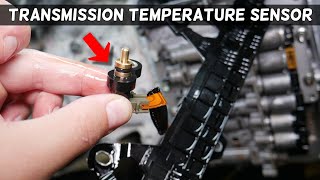
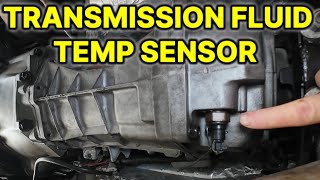
Est. part cost: $40-$100 per solenoid - Faulty Transmission Fluid Temperature Sensor 🟡 Medium Probability The transmission fluid temperature sensor can fail, sending erratic readings to the TCM. This causes the TCM to command incorrect line pressures and shift points, leading to harsh shifting, slipping, and potentially a P0730 code. On some A6GF1 transmissions, Hyundai updated the internal wiring harness to a new design that integrates the temperature sensor, requiring the entire harness to be replaced.
How to confirm: Use a scan tool to monitor the transmission fluid temperature live data. If the temperature reading is erratic, jumping up and down illogically, the sensor is faulty. This issue is often accompanied by codes P0711, P0712, or P0713. The sensor's resistance can also be tested; for example, it should be around 8.1 kΩ at 68°F (20°C) and 1.08 kΩ at 176°F (80°C).
Typical fix: Replace the transmission fluid temperature sensor. On this transmission, the sensor is located inside the side pan, attached to the valve body or integrated into the internal wiring harness. The OEM part number for the standalone sensor is 46386-3B900.
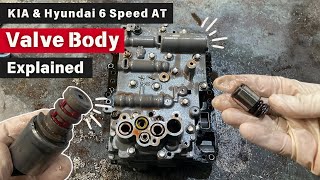
Est. part cost: $25-$75 for the sensor or harness - Faulty Transmission Valve Body 🟡 Medium Probability The valve body is the hydraulic control center. Passages can get clogged with debris from old fluid, or the body itself can warp or crack, causing pressure loss.
How to confirm: Diagnosis involves hydraulic pressure tests and visual inspection after removing the valve body. This is a job for a transmission specialist. One owner noted that a mechanic advised against trying to repair a valve body and to replace it instead.
Typical fix: Clean or replace the transmission valve body.
Est. part cost: $400-$900 - Internal Mechanical Failure ⚪ Low Probability Prolonged operation with low fluid or other issues can lead to worn-out clutch packs, damaged clutch drums, or other internal hard parts.
How to confirm: Confirmed by finding excessive metal debris in the transmission pan and fluid, and after ruling out all other external and hydraulic causes. TSB 19-AT-012H suggests that if no solenoid codes are present, the diagnostic path may lead to transmission replacement.
Typical fix: The transmission must be removed from the vehicle for a complete rebuild or replacement.
Est. part cost: $2000-$4000+
Rare But Worth Checking
- Faulty Input/Output Speed Sensors: While less common for this specific code, if the TCM receives incorrect data from the speed sensors, it can miscalculate the gear ratio. This would typically be accompanied by other sensor-specific codes (like P0715 or P0720).
- Faulty Transmission Control Module (TCM): It's rare for the module itself to fail, but it can happen. This should only be considered after all mechanical, hydraulic, and wiring issues have been definitively ruled out.
Diagnosis Steps
- Check and record any and all stored trouble codes. Note if P0730 is accompanied by any gear-specific (P0731-P0736) or sensor/solenoid codes.
- Professionally inspect the transmission fluid level and condition. This requires lifting the vehicle and following the correct procedure for a sealed transmission (warming to 50-60°C and opening the overflow plug).
- If the fluid is low, top it off, clear codes, and test drive. If the fluid is very dark or burnt, a fluid and filter change is necessary. Look for excessive metal shavings in the old fluid.
- Use a professional scan tool to monitor live data. Watch the transmission fluid temperature for erratic jumps, which would indicate a bad temperature sensor. Also monitor the input and output speed sensors while driving to confirm slippage.
- Inspect the transmission wiring harness and connectors for any damage, corrosion, or loose connections.
- If TSB 19-AT-012H applies and no solenoid codes are found, follow the shop manual procedure which may lead to internal diagnosis.
- If external components and fluid are good, proceed to internal diagnosis, which may include pressure tests and inspection of the valve body, solenoids, and temperature sensor harness. This step is best left to a transmission specialist.
Parts You'll Likely Need
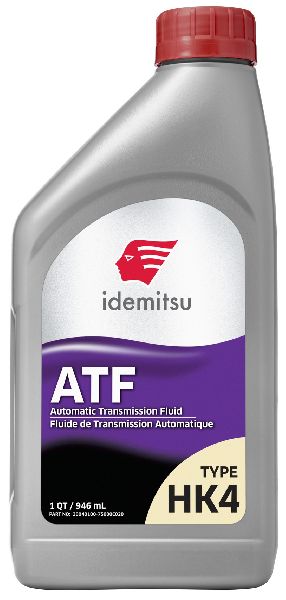
- Automatic Transmission Fluid
(OEM #00232-19045 (SP-IV))— Low or degraded fluid is the most common cause of slipping that triggers P0730. The correct fluid type (Hyundai SP-IV or compatible) is critical.
Trusted brands: Hyundai Genuine, Idemitsu, Pentosin
OEM price range: $15-$25 per quart
Aftermarket price range: $10-$20 per quart - Shift Solenoid
(OEM #46313-3B075 (example, verify by VIN))— A stuck or failed solenoid can prevent a gear from engaging properly, causing a ratio error.
Trusted brands: Hyundai Genuine, Rostra, Sonnax
OEM price range: $60-$120 per solenoid
Aftermarket price range: $40-$80 per solenoid - Transmission Fluid Temperature Sensor
(OEM #46386-3B900)— A failed sensor provides incorrect temperature data to the TCM, leading to improper line pressure calculations and shift problems that can trigger P0730.
Trusted brands: Hyundai Genuine, Standard Motor Products (SMP)
OEM price range: $40-$60
Aftermarket price range: $25-$45
Related Codes That Often Appear With This One
- P0731-P0736 — These are gear-specific incorrect ratio codes. P0730 is a general code, and it often appears alongside one of these codes, which can help pinpoint which gear's clutch circuit is having a problem.
- P0700 — This code means 'Transmission Control System Malfunction.' It's a general code that indicates the TCM has stored a fault, and it will almost always be present when a specific transmission code like P0730 is logged.
- P0711, P0712, P0713 — These codes relate to the transmission fluid temperature sensor performance. A faulty sensor can cause the erratic shifting that leads to a P0730 code.
Technical Service Bulletins (TSBs) & Recalls
- 19-AT-012H: Provides a diagnostic procedure for incorrect ratio DTCs, including P0730, on the 2012-17 Accent, which can result in transmission replacement if no solenoid faults are found.
- 24-01-018H: Mentions P0730 for newer (2020) Accents with IVT transmissions, recommending a TCU update. While not directly applicable to the 2012-2017 model's 6-speed automatic, it shows a history of Hyundai addressing this code via software on different platforms.
Platform-Specific Known Issues
- Hyundai issued Technical Service Bulletin 19-AT-012H, which includes the 2012-2017 Accent (RB) and covers P0730. The bulletin addresses diagnosing incorrect ratio DTCs that indicate clutch slipping. The procedure is to first check for any solenoid codes. If none are present, the TSB directs technicians to the shop manual for further diagnosis, which can lead to replacing the transmission if internal failure is found.
- A faulty transmission fluid temperature sensor is a known issue on the A6GF1 transmission family. This can cause erratic shifting and may trigger a P0730 code, sometimes along with P0711/P0712/P0713. Hyundai released an updated one-piece internal wiring harness that integrates the sensor, which may be required for the repair.
Mechanic-Grade Diagnostic Values
- Variable Force Solenoid (VFS) Resistance — expected: Approximately 5.1 - 5.3 Ohms. Failure: A reading significantly higher or lower than the expected range, or an open circuit (OL).
- On/Off Shift Solenoid Resistance — expected: 10 - 11 Ohms. Failure: A reading outside this range indicates a faulty solenoid coil.
- Transmission Fluid Temperature (TFT) Sensor Resistance — expected: 8.1 kΩ at 68°F (20°C), 3.8 kΩ at 104°F (40°C), 1.08 kΩ at 176°F (80°C). Failure: Readings that are drastically different at a known temperature, or an open/shorted reading. On a scan tool, the temperature may jump erratically or read a default value like 176°F constantly.
- TFT Sensor Connector Voltage (Reference) — expected: Approximately 5 Volts. Failure: No voltage indicates a wiring issue or a problem with the TCM's 5V reference circuit.
Scan Tool Commands That Help
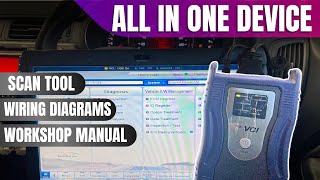
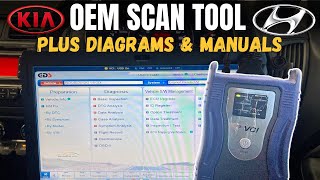
- Hyundai GDS (Global Diagnostic System): Vehicle S/W Management > Resetting Adaptive Values — After replacing transmission components like the valve body or solenoids, or performing a fluid service, this function should be used to clear the old learned shift patterns from the TCM. This allows the transmission to relearn shift points with the new components, which can resolve shifting issues.
- Hyundai GDS (Global Diagnostic System): Flight Record — For intermittent shifting problems that trigger P0730, the Flight Record function can capture data leading up to the fault. A technician can activate the trigger when the symptom occurs, and the GDS will save the data from the preceding minutes for later analysis.
- Hyundai GDS (Global Diagnostic System): DTC Guide — The GDS software includes a built-in troubleshooting guide for each specific DTC. Selecting the P0730 code within the DTC Guide will provide a step-by-step diagnostic procedure tailored to the vehicle, including component locations and specifications.
Wiring & Ground Locations
- GGG04 / GGG05 — Located on the left rear of the engine compartment.. These are primary ground points for the PCM (also referred to as ECM). A poor ground at these locations can cause erratic behavior from the control module, leading to incorrect calculations and potentially triggering transmission codes like P0730.
- Transmission Main Harness Connector — This is the main electrical pass-through connector on the transmission case where the internal harness connects to the external vehicle harness.. This connector is a critical point for checking the resistance of all internal solenoids and sensors from outside the transmission. It's also a common location for corrosion or pin damage that can interrupt signals between the TCM and transmission components, causing faults.
OEM Part Supersession History
46386-3B000→46386-3B900— Part has been updated by the manufacturer.
Heads up: The new part number (46386-3B900) is the correct replacement for the older one and should be used for service.46307-3B610 / 46307-3B620→46307-3B650— Part has been updated by the manufacturer.
Heads up: These part numbers refer to the internal transmission wiring harness, which sometimes includes the temperature sensor. 46307-3B650 is a later version. It is critical to verify the correct harness by VIN as there are variations.
Diagnostic Flowchart
Other Known Issues on This Vehicle
Issues unrelated to this code that are worth knowing about as an owner of this generation:
- Worn MDPS Steering Coupler 🟠 Medium — Very common. A clicking or clunking noise from the steering column when turning the wheel is the primary symptom. Usually appears after 50,000 miles. (Ref: TSB 17-ST-002 / Warranty Extension TXX7. The part is a small, flexible rubber star that disintegrates over time.)
- Engine Oil Consumption 🟠 Medium — Common on the 1.6L GDI engine, particularly at higher mileage. Can be caused by carbon buildup on piston rings. (Ref: TSB 23-EM-007H (describes a combustion chamber cleaning procedure) and TSB 22-EM-002H (describes oil consumption inspection guidelines).)
- ABS Module Failure / Fire Risk 🔴 High — Affects a wide range of Hyundai models including the 2012-2015 Accent. An internal leak in the ABS module can cause an electrical short, leading to a fire risk even when the car is parked. (Ref: NHTSA Recall 20V746000)
- Chafed Ignition Coil Wiring Harness 🟡 Low — A video from 1A Auto notes that the wiring harness for the ignition coils can rub against a bracket, causing shorts, misfires, and blown fuses.
- Prematurely Worn Rear Shocks 🟡 Low — Owners may experience a bouncy ride or cupped rear tires due to failing rear shock absorbers.
Used vs. New Parts: Buying Guide for This Vehicle
When a used part is the smart pick: A complete, used A6GF1 transmission assembly from a low-mileage donor vehicle can be a cost-effective alternative to a full rebuild, especially if internal hard parts have failed. Given the complexity of a rebuild, a known-good used unit is often a more practical swap for many shops and DIYers.
Donor-vehicle mileage cap: roughly under 75000 miles for the part to have meaningful remaining life.
What to inspect on the donor part:
- Verify the donor vehicle's VIN to ensure it has the exact same A6GF1 transmission model; there are many variations that look similar but are not compatible.
- Ask for a vehicle history report to check for accidents or reported maintenance issues.
- If possible, inspect the transmission fluid from the donor car. It should be reddish and not smell burnt. Dark, burnt fluid suggests internal damage.
- Check the main electrical connector for any bent pins, corrosion, or damage.
OEM-only on this vehicle (don't cheap out):
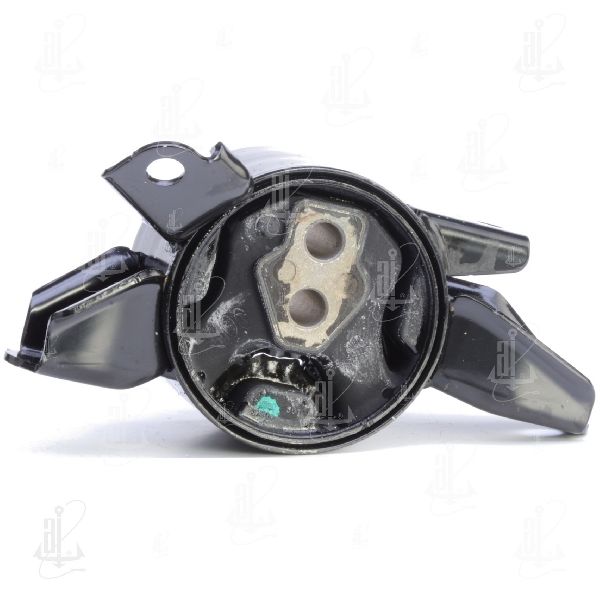
- Internal Wiring Harness: Due to multiple revisions and integration of the temperature sensor, using a genuine Hyundai harness (e.g., 46307-3B650) is critical to avoid compatibility issues.
- Transmission Control Module (TCM): If the TCM is determined to be faulty, a new OEM unit is the only reliable option, as used modules may have programming or compatibility conflicts.
Aftermarket brands forum-validated for this vehicle:
- Sonnax (For valve body repair kits and individual solenoids)
- Rostra (For replacement shift solenoids)
Brands owners have reported issues with on this vehicle:
- Unbranded, no-name solenoid kits from online marketplaces are a gamble. They often have high failure rates or incorrect resistance values, leading to repeat work.
Real Owner Stories
Aggregated from forums and TSBs cited above. Mileages and costs reflect what owners reported in those sources.
2012-2017 Hyundai Accent
Symptoms: One owner noted that their mechanic advised against trying to repair a faulty valve body and recommended replacing the entire unit instead due to pressure loss issues.
What fixed it: Replacement of the transmission valve body.
Cost: $400-$900
Source hint: Article Context - Common Causes (Faulty Transmission Valve Body)
2012-2017 Hyundai Accent
Symptoms: The transmission fluid temperature reading was erratic, jumping up and down illogically on the scan tool, causing harsh shifting and slipping.
What fixed it: Replacement of the transmission fluid temperature sensor and the updated internal wiring harness.
Cost: $25-$75
Source hint: Article Context - Vehicle Specific Issues (A6GF1 transmission family)
Related OBD-II Codes
Frequently Asked Questions
Does TSB 19-AT-012H apply to my 2012-2017 Hyundai Accent regarding the P0730 code?
My Accent is shifting harshly and the RPMs flare up. Could this be the transmission fluid temperature sensor?
How do I check the transmission fluid level on my 2015 Hyundai Accent since it doesn't have a dipstick?
What specific transmission fluid should I use for my 2012-2017 Accent to avoid P0730 codes?
What are the resistance specifications for the solenoids in the A6GF1 transmission?
If my Accent has P0730 but no solenoid-specific codes, what does the TSB suggest?
Helpful Videos

![How to Check and Fill Fluids [COMPLETE GUIDE] - Hyundai Accent (2012-2017)](https://img.youtube.com/vi/n2Y_9u6VMTU/mqdefault.jpg)

Used OEM Parts in Stock

New Aftermarket Parts Available





The information in this article is provided for general reference and educational purposes only. Vehicle specifications, procedures, and part compatibility can vary by production date, trim level, and region. Always consult your vehicle's factory service manual and verify part numbers before purchasing or performing repairs. Safety-critical components such as airbags, seat belts, and braking systems should be installed by a qualified professional.
- Hyundai Accent:
- 🎬 Helpful Videos
- 🛍️ Shop This Part
- What's Unique About the 2012-2017 Hyundai Accent
- Symptoms You May Notice
- Most Likely Causes
- Rare But Worth Checking
- Diagnosis Steps
- Parts You'll Likely Need
- Related Codes That Often Appear With This One
- Technical Service Bulletins (TSBs) & Recalls
- Platform-Specific Known Issues
- Mechanic-Grade Diagnostic Values
- Scan Tool Commands That Help
- Wiring & Ground Locations
- OEM Part Supersession History
- Diagnostic Flowchart
- Other Known Issues on This Vehicle
- Used vs. New Parts: Buying Guide for This Vehicle
- Real Owner Stories
- 2012-2017 Hyundai Accent
- 2012-2017 Hyundai Accent
- Related OBD-II Codes
- Frequently Asked Questions
- 🎟️ Get 5% Off