

P0721 on 2019 Ram 1500: Output Speed Sensor Performance Causes & Fixes
On a 2019 Ram 1500, code P0721 typically points to a faulty transmission Output Speed Sensor (OSS), its wiring, or a software issue. This can cause harsh shifting, an erratic speedometer, and limp mode. The fix often involves a TCM software update as per TSBs, checking the wiring harness for damage, or replacing the sensor itself, which is a relatively low-cost part.
- P0721 on a 2019 Ram 1500 indicates a problem with the Output Speed Sensor, leading to serious shifting problems.
- The most likely causes are a failed sensor or damaged wiring/connector.
- Always inspect the wiring harness for damage before replacing the sensor, as this is a common point of failure.
- Check for official TSBs, as a software update from a Ram dealer may be required to fully resolve the issue.
- Do not continue to drive for extended periods with these symptoms, as it can cause further transmission damage and create unsafe driving conditions.
What's Unique About the 2019-2019 Ram 1500
For the 2019 Ram 1500, which uses the 8-speed ZF automatic transmission (8HP75), this code is specifically mentioned in manufacturer Technical Service Bulletins (TSBs). TSBs #21-011-20 and #21-009-20 explicitly list P0721 and recommend a TCM software update as the remedy for a cluster of transmission codes. This indicates a known logic issue that can be fixed without hardware replacement. It's important to note that 2019 was a split year, with both the new 5th Generation Ram 1500 (DT) and the Ram 1500 Classic (DS, 4th Generation) being sold; however, both typically use an 8-speed transmission where this fault can occur.
Diagnostic Flowchart
Tap your situation to follow the diagnostic path that matches what you're seeing on this vehicle.
Generation note: The 2019 model year includes both the new 5th generation Ram 1500 (DT platform) and the continued 4th generation model, sold as the Ram 1500 Classic (DS platform). While both generations can experience this code, wiring harness routing and specific part numbers may differ. The fundamental cause, related to the output speed sensor on the 8-speed transmission, is similar across both. The TSBs specifically reference the DT platform with the 5.7L HEMI engine.
Symptoms You May Notice
- Check Engine Light or Transmission Warning Light is on.
- Harsh, erratic, or delayed shifting, sometimes described as a 'bump' or 'lurch'.
- Transmission gets stuck in a single gear (limp mode). 🎬 See how to identify and get out of limp mode.
- Incorrect or fluctuating speedometer reading.
- Sudden, unexpected downshifts while driving, especially during acceleration.
- Reduced fuel economy.
- Cruise control may be inoperative.
- Replacing the output speed sensor without first checking for TSBs. Given that FCA has issued specific software updates to fix P0721, this should be one of the first checks.
- Replacing the output speed sensor without thoroughly inspecting the wiring harness. Multiple owner accounts confirm that a wiring short or corroded connector was the actual problem, not the sensor itself.
- Confusing the Output Speed Sensor (OSS) with the Input Speed Sensor (ISS). While they work together, they are separate parts with distinct codes (P0716 for input, P0721 for output).
- Replacing the entire transmission when the issue is an inexpensive external sensor, wiring, or a software glitch.
Most Likely Causes
- Faulty Output Speed Sensor (OSS) 🔴 High Probability Sensors are exposed to heat and vibration and can fail electronically or mechanically over time. The magnetic tip can also become contaminated with metallic debris from normal wear.
How to confirm: Use a scan tool to monitor the OSS data stream while driving. Look for signal dropouts, erratic readings, or a value that doesn't correspond with vehicle speed. The sensor's resistance can also be tested with a multimeter against manufacturer specifications.
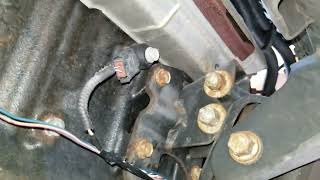
Typical fix: Replace the output speed sensor. On the 8-speed transmission in the Ram 1500, this sensor is located externally on the driver's side of the transmission housing, making it relatively easy to access and replace. 🎬 Watch this walkthrough for replacing the Ram 1500 speed sensor.
Est. part cost: $20-$50 - Damaged Wiring or Corroded Connector 🟡 Medium Probability The wiring harness runs underneath the truck and is exposed to road debris, moisture, and heat from the exhaust, which can cause chafing, breaks, or corrosion in the connector pins. Forum users have reported finding shorts in the harness or corroded PCM connectors as the root cause.
How to confirm: Visually inspect the wiring harness leading to the OSS for any signs of physical damage, melting, or chafing. Disconnect the sensor and PCM connectors and check for corroded, bent, or pushed-out pins. A multimeter can be used to check for continuity and shorts between the sensor connector and the TCM.
Typical fix: Repair the damaged section of the wire or replace the connector pigtail. Clean any corrosion from the connector pins using a contact cleaner and apply dielectric grease to prevent future issues.
Est. part cost: $10-$40 - TCM Software Requires Update 🟡 Medium Probability FCA released TSBs #21-011-20 and #21-009-20 for the 2019 Ram 1500 (DT) specifically to address P0721 and other codes via a TCM software update. The update refines shift logic and widens the acceptable sensor range.
How to confirm: A dealership or a shop with a wiTECH scan tool can check the current TCM software version against the latest available version from FCA. If the vehicle's VIN falls under the TSB and the software is outdated, an update is required.
Typical fix: Reprogram the Transmission Control Module (TCM) with the latest available software. This is a dealer-level or specialist repair.
Est. part cost: $0-$200 - Low or Dirty Transmission Fluid ⚪ Low Probability If the transmission fluid is contaminated with excessive metal shavings, it can interfere with the magnetic tip of the speed sensor, causing erratic readings. While less common, it's a critical maintenance check.
How to confirm: Check the transmission fluid level and condition. Note that the 8-speed transmission in these trucks does not have a traditional dipstick; the level must be checked via a fill plug on the transmission pan at a specific temperature. This is best done by a professional. If the fluid is dark, burnt-smelling, or contains visible debris, it is contaminated.
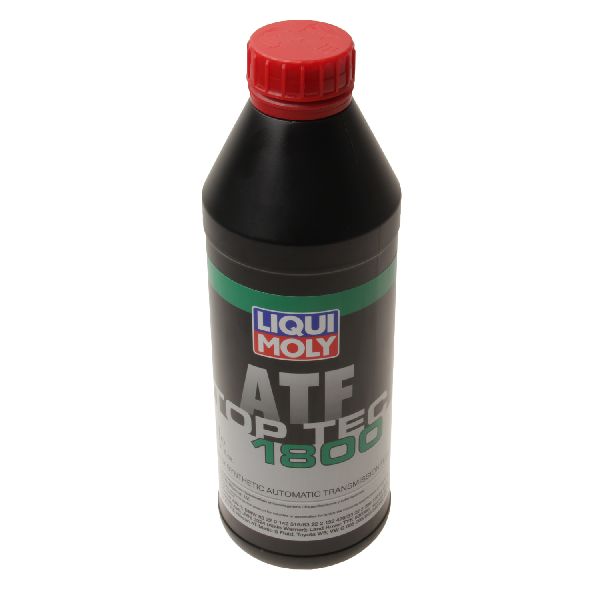
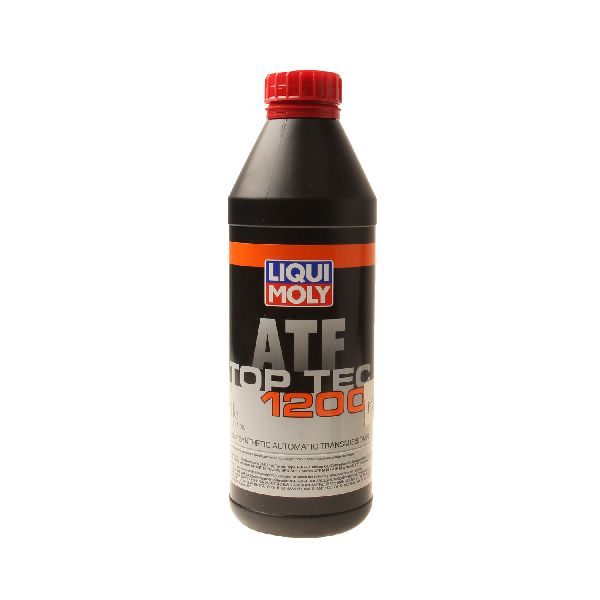
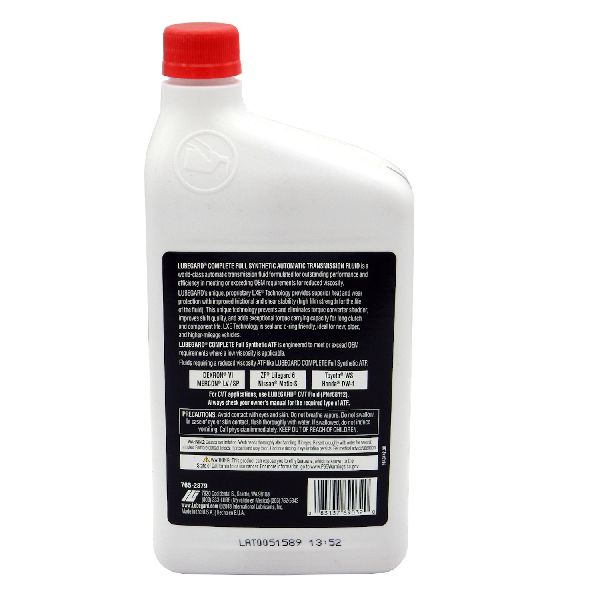
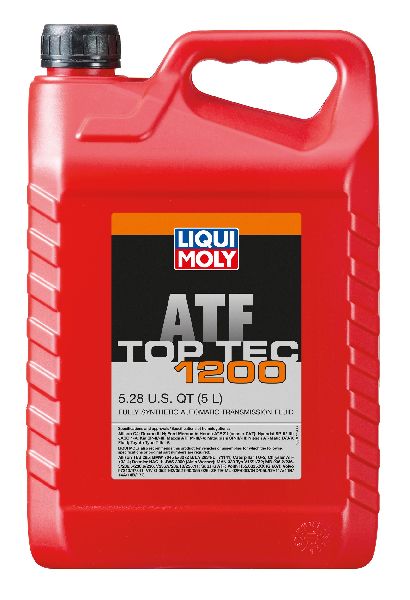
Typical fix: Perform a transmission fluid and filter change using the correct ZF Lifeguard 8 fluid or an approved equivalent.
Est. part cost: $100-$250
Rare But Worth Checking
- Faulty Powertrain/Transmission Control Module (PCM/TCM): This is uncommon, but possible. The existence of TSBs for software updates suggests logic issues are more common than outright hardware failure. However, a user on DodgeForum.com reported that condensation in the PCM connector was the ultimate cause of their P0721 issue after replacing the sensor didn't work.
- Internal Transmission Mechanical Failure: A problem with the tone ring that the sensor reads, or other internal components, can cause this code. This is usually accompanied by other, more severe symptoms like gear ratio errors or major shifting failures and is considered a last resort after all external electronics are verified.
Diagnosis Steps
- Scan for all stored diagnostic trouble codes. Note any other codes that appear with P0721, as they can provide clues. Pay special attention to codes listed in TSBs #21-011-20 and #21-009-20.
- Check for applicable TSBs. Before replacing any parts, determine if the vehicle's VIN and symptoms match an existing TSB that recommends a TCM software update. This can be the complete fix.
- Perform a thorough visual inspection of the output speed sensor's wiring harness and connector. Look for obvious signs of damage, such as chafing against the frame, melting on the exhaust, or corrosion in the connector.
- Using a capable scan tool, monitor the live data from the Output Speed Sensor while driving. The reading should be smooth and increase proportionally with vehicle speed. Compare it to the input speed and wheel speed sensor readings.
- If the signal is erratic or drops out, test the sensor's circuit. Check for proper voltage, ground, and signal integrity at the sensor's connector using a multimeter. Inspect the PCM/TCM connectors for moisture or corrosion.
- If the wiring and connector are confirmed to be good, and a software update is not applicable or does not resolve the issue, replace the Output Speed Sensor.
- Check the transmission fluid level and condition. This requires a specific procedure on the 8-speed as there is no dipstick. Contaminated fluid can cause sensor issues.
- After any repair, clear the codes and perform a test drive to see if the issue returns.
- If the code persists, the issue may be with the PCM/TCM itself or an internal transmission component, which requires professional diagnosis.
Parts You'll Likely Need
- Transmission Output Speed Sensor
(OEM #68234712AA)— This is the most common hardware component to fail, causing the P0721 code directly. However, it should only be replaced after checking for software updates and wiring issues.
Trusted brands: Mopar, Standard Motor Products (SMP), Dorman, NTK
OEM price range: $40-$70
Aftermarket price range: $20-$50
Related Codes That Often Appear With This One
- P0716 — Input Shaft Speed Sensor 1 Performance. The computer compares input and output speeds; a fault in one can trigger a fault in the other. This code is listed in TSB #21-011-20 and #21-009-20 for the 2019 Ram.
- P215C — Output Shaft Speed - Wheel Speed Correlation. This code indicates a mismatch between the transmission output speed and the speed reported by other sensors (like wheel speed sensors), directly related to a P0721 fault. This was seen in a forum post about a Ram 1500 and is also listed in the TSBs.
- P0732 — Gear 2 Incorrect Ratio. If the computer receives bad speed sensor data, it can't verify that the transmission is in the correct gear, leading to ratio error codes. A user on DodgeForum.com reported this code alongside P0721.
- P1DB6 — Vehicle Speed Signal Performance. This is another code listed in the manufacturer TSBs (#21-011-20, #21-009-20) that often appears with P0721, indicating a broader issue with how vehicle speed is being calculated or reported by the TCM.
Technical Service Bulletins (TSBs) & Recalls
- 21-011-20: Flash: Transmission Control Module (TCM) Updates - For 2019 DT Ram 1500 with 5.7L eTorque. Lists P0721 as a code fixed by a software update.
- 21-009-20: Flash: Transmission Control Module (TCM) Updates - For 2019 DT Ram 1500 with 5.7L non-eTorque. Also lists P0721 as a code fixed by a software update.
Platform-Specific Known Issues
- NHTSA Technical Service Bulletins #21-011-20 and #21-009-20 are critical for this vehicle and code. They state that for 2019 DT Ram 1500s with the 5.7L HEMI, a TCM software update is the prescribed fix for P0721 when it appears with a host of other codes. The updates also address other drivability complaints like gear hunting and rough shifts.
- A user on RamForum.com with a 2015 model (similar 8-speed) experienced recurring P0721 and P215C codes. The initial fix was replacing the entire valve body/TCM unit, as the sensor was not sold separately at the time, which solved the problem temporarily. This highlights the importance of diagnosing correctly to avoid costly repairs when a simple wiring or external sensor issue might be the cause on newer models.
- On DodgeForum.com, a user with a similar truck found the ultimate fix was not the sensor, but a short in the wiring harness that the dealer located after two days of diagnosis. Another user found condensation inside the main PCM connector, and cleaning it out resolved their shifting issues and codes.
Mechanic-Grade Diagnostic Values
- Output Speed Sensor (OSS) internal resistance — expected: Approximately 1590Ω at 72°F (22°C). Note: This value is from a 2013 Dodge with a different transmission but is a plausible reference for a 2-wire sensor.. Failure: A reading of infinity (OL) indicates an open circuit, while a reading near zero indicates a short. A value significantly outside the expected range suggests a faulty sensor.
- OSS Signal and Ground Circuit Continuity — expected: Less than 5.0 Ohms.. Failure: Resistance above 5.0 Ohms indicates an open or high resistance in the wiring harness between the sensor and the PCM/TCM.
Scan Tool Commands That Help
- wiTECH (or equivalent professional scan tool): TCM Reprogramming/Flash — This is the primary fix specified by TSBs #21-011-20 and #21-009-20 for a cluster of codes including P0721. It should be performed if the vehicle's software is outdated.
- wiTECH (or equivalent professional scan tool): Quick Learn — After replacing a transmission component or reprogramming the TCM, this function is used to reset and relearn transmission adaptive values.
- Professional Scan Tool: Active Test / Live Data Monitoring — To observe the Output Speed Sensor signal in real-time while driving. A technician can command specific functions and compare the OSS reading to other speed inputs (ISS, wheel speed) to confirm an erratic signal.
Wiring & Ground Locations
- Output Speed Sensor (OSS) — Externally on the driver's side of the 8-speed transmission housing, near the rear output shaft.. This is the primary component for code P0721. Its location is necessary for visual inspection, testing, and replacement.
- T14 (Signal) / T13 (Ground) — These are the circuit identifiers for the OSS signal and ground wires running between the sensor and the PCM. Note: These identifiers are from a 2011 service manual and should be verified on a 2019 wiring diagram if possible.. Knowing these circuit names helps a technician accurately trace and test the specific wires for opens or shorts.
- Main Chassis Grounds — There are several main grounding points in the engine bay, with common locations along each inner fender. A primary ground strap often connects the transmission case to the chassis.. A poor ground connection to the TCM or the sensor circuit can introduce electrical noise or resistance, causing erratic signals and triggering a P0721 code even with a good sensor.
Model Year Variations Within This Range
- 2019: The '2019 Ram 1500 Classic' (DS platform) could be equipped with the older 6-speed 65RFE automatic transmission, in addition to the 8-speed. The 6-speed uses a different speed sensor and diagnostic procedure than the 8-speed 8HP75 transmission found in the new-generation '2019 Ram 1500' (DT platform). It is critical to identify the correct transmission before ordering parts.
Helpful Videos
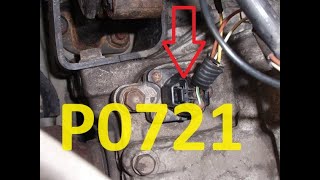
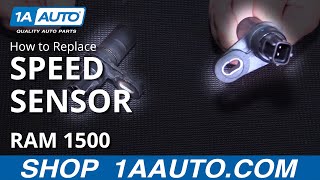
Used OEM Parts in Stock


New Aftermarket Parts Available


The information in this article is provided for general reference and educational purposes only. Vehicle specifications, procedures, and part compatibility can vary by production date, trim level, and region. Always consult your vehicle's factory service manual and verify part numbers before purchasing or performing repairs. Safety-critical components such as airbags, seat belts, and braking systems should be installed by a qualified professional.
- Ram 1500:
- 🎬 Helpful Videos
- 🛍️ Shop This Part
- What's Unique About the 2019-2019 Ram 1500
- Diagnostic Flowchart
- Symptoms You May Notice
- Most Likely Causes
- Rare But Worth Checking
- Diagnosis Steps
- Parts You'll Likely Need
- Related Codes That Often Appear With This One
- Technical Service Bulletins (TSBs) & Recalls
- Platform-Specific Known Issues
- Mechanic-Grade Diagnostic Values
- Scan Tool Commands That Help
- Wiring & Ground Locations
- Model Year Variations Within This Range
- 🎟️ Get 5% Off