

P0720 on 2016-2022 Honda HR-V: Output Speed Sensor Failure Causes and Fixes
This code almost always points to a failed transmission output speed sensor. It's a common, relatively simple fix involving a new sensor that costs between $35 (OEM) and $20-$60 (aftermarket). Expect symptoms like a check engine light, erratic shifting, and a faulty speedometer. However, be aware of a widespread CVT belt issue on this vehicle (TSB 21-047) which can cause similar symptoms and is a much more serious repair.
- P0720 on your HR-V means the computer has lost the signal from the transmission output speed sensor.
- The most common symptoms are a lit Check Engine Light, erratic shifting, and a speedometer that doesn't work.
- The most probable cause is a failed sensor, which is a relatively inexpensive part.
- Before replacing the sensor, always check its wiring and connector for damage, as this can cause the same symptoms.
- Crucially, be aware of Honda TSB 21-047 for premature CVT belt failure, a serious issue that can cause similar symptoms and requires professional diagnosis.
What's Unique About the 2016-2022 Honda HR-V

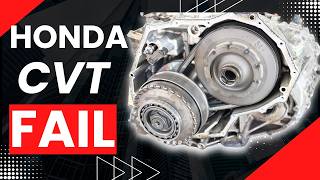
The 2016-2022 HR-V uses a Continuously Variable Transmission (CVT) that is highly dependent on accurate speed sensor data to make seamless ratio adjustments. A failure in the output speed sensor circuit can cause more noticeable and immediate drivability problems, such as harsh or erratic shifting behavior, compared to a traditional automatic transmission. Critically, this generation of HR-V is also known for premature CVT belt deterioration, covered under Honda Service Bulletin 21-047 🎬 Watch: A teardown showing why these CVT belts fail. for 2016-2020 models. While P0720 directly points to the sensor circuit, any transmission-related code on this vehicle should prompt an investigation into the overall health of the CVT, as a failing belt can cause erratic behavior before it breaks completely.
Symptoms You May Notice
- Check Engine Light is on
- Erratic, harsh, or delayed shifting
- Speedometer malfunctioning or reading 0 mph
- Cruise control not working
- Vehicle may hesitate or stall, especially when coming to a stop
- Decreased fuel economy
- Transmission warning light may be illuminated
- Sudden loss of acceleration or 'limp mode'
- Replacing the entire transmission when only the speed sensor is faulty.
- Replacing the input speed sensor instead of the output speed sensor.
- Ignoring the possibility of a wiring issue and immediately replacing the sensor.
- Failing to consider the implications of TSB 21-047 on a vehicle exhibiting transmission issues.
Most Likely Causes

- Faulty Output Speed Sensor 🔴 High Probability This is a common failure point for many modern vehicles due to heat and vibration exposure over time. The sensor is a critical electronic component that can wear out.
How to confirm: After checking for wiring issues, test the sensor's resistance with a multimeter and compare it to the manufacturer's specifications. A reading outside the specified range indicates a faulty sensor. A professional scan tool can monitor the output speed sensor's live data stream ('Cshaft SPD') for dropouts.
Typical fix: Replace the output speed sensor.
Est. part cost: $20-$60 - Damaged Wiring or Loose Connector 🟡 Medium Probability The wiring harness leading to the transmission can be exposed to road debris, moisture, and heat, which can cause corrosion or physical damage to the wires or the connector pins.
How to confirm: Visually inspect the wiring harness and the connector for the output speed sensor. Look for any signs of corrosion, frayed wires, or loose pins. Perform a continuity test on the wiring between the sensor and the PCM. Check for 5V reference and ground at the connector.
Typical fix: Repair the damaged section of the wiring harness or clean/replace the connector.
Est. part cost: $5-$50 - Internal CVT Belt Deterioration ⚪ Low Probability The 2016-2020 HR-V is subject to TSB 21-047 for premature CVT belt wear. Before the belt fails completely, it can cause erratic operation, slippage, and juddering, which could potentially trigger speed sensor-related codes like P0720 or P0721.
How to confirm: This is difficult to confirm without a dealership-level inspection as outlined in TSB 21-047. A key indicator is if the PCM software update from the TSB has been performed. If the code persists after sensor/wiring checks on a higher-mileage vehicle, this becomes a stronger possibility.
Typical fix: If diagnosed under the warranty extension (7 years/150k miles), the fix may involve a software update, inspection, and potentially a full transmission replacement. Out of warranty, this is an extremely expensive repair, often exceeding $6,000.
Est. part cost: $6000-$8000 - Low or Contaminated Transmission Fluid ⚪ Low Probability While not a direct cause of a circuit malfunction, very low or dirty fluid can cause erratic transmission behavior, overheating, and internal component issues that might affect sensor readings or trigger related codes.
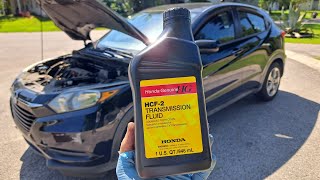
How to confirm: Check the transmission fluid level and condition according to the owner's manual. The fluid should be at the correct level and be reddish/pink, not dark brown, black, or smell burnt. Use only Honda HCF-2 fluid. 🎬 See this step-by-step CVT fluid drain and refill guide.
Typical fix: Perform a transmission fluid drain and fill with the correct Honda HCF-2 fluid. This is good maintenance but may not resolve the P0720 code if the sensor is already faulty or there is internal damage.
Est. part cost: $50-$150
Rare But Worth Checking
- Faulty Powertrain Control Module (PCM): This is extremely rare. The PCM is the vehicle's main computer, and it should only be considered after all other possibilities (sensor, wiring, fluid, internal transmission health) have been exhaustively ruled out.
Diagnosis Steps

- Check for TSBs and Recalls: Before any diagnosis, check the vehicle's VIN for open recalls or relevant TSBs, especially TSB 21-047 (CVT Belt Deterioration for 2016-2020 models).
- Scan for Codes: Use an OBD-II scanner to confirm P0720 and check for any other related codes (e.g., P0700, P0721).
- Inspect Transmission Fluid: Check the level and condition of the CVT fluid. Ensure it is clean, full, and the correct type (Honda HCF-2). Burnt or dark fluid can indicate internal transmission problems.
- Visually Inspect Wiring: Locate the output speed sensor on the transmission casing. Carefully inspect its connector and the surrounding wiring for any obvious signs of damage, corrosion, or loose connections.
- Test the Sensor Circuit: Disconnect the sensor connector. Turn the ignition to ON (engine off). Use a multimeter to check for reference voltage (approx. 5V) and a good ground at the connector pins coming from the PCM.
- Test the Sensor: If the circuit tests okay, test the sensor itself. Measure the internal resistance of the sensor and compare it to the factory specification (if available). A generic spec for this type of sensor is 560-680 Ohms. If it's out of spec, the sensor is bad.
- Check for Intermittent Faults: If the sensor and wiring seem okay, use a scan tool to monitor the output speed sensor data ('Cshaft SPD') while driving. Look for any dropouts or erratic readings that would indicate an intermittent problem.
- Consider Deeper Issues: If all tests pass but symptoms persist, especially on a higher mileage 2016-2020 vehicle, the issue may be internal to the transmission, related to the known CVT belt problems. This may require professional diagnosis.
- Replace the Sensor: If the sensor is confirmed to be faulty, replace it with a new one. Ensure you use a new O-ring.
- Clear Codes and Test Drive: After replacement, clear the diagnostic trouble codes and perform a test drive to ensure the problem is resolved. Consider performing a TCM adaptation reset.
Parts You'll Likely Need
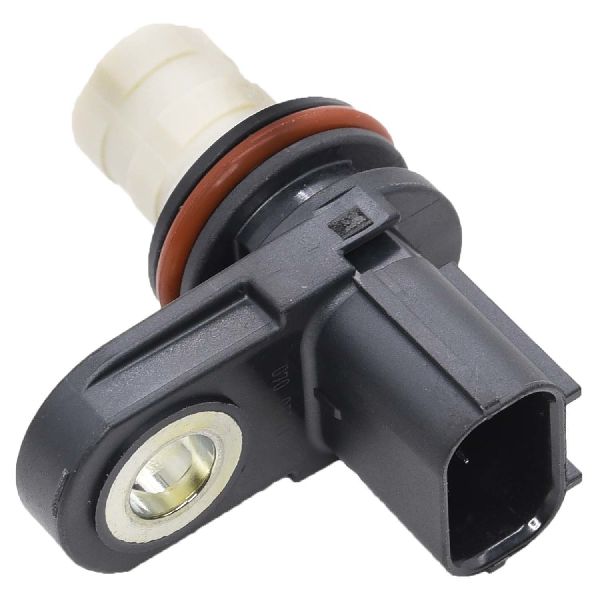
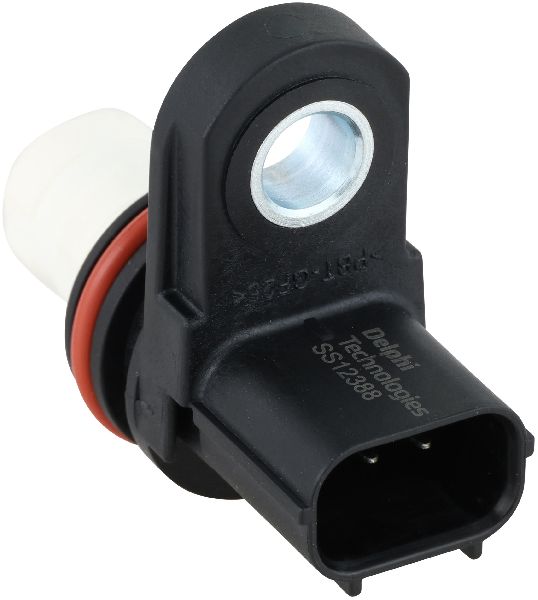
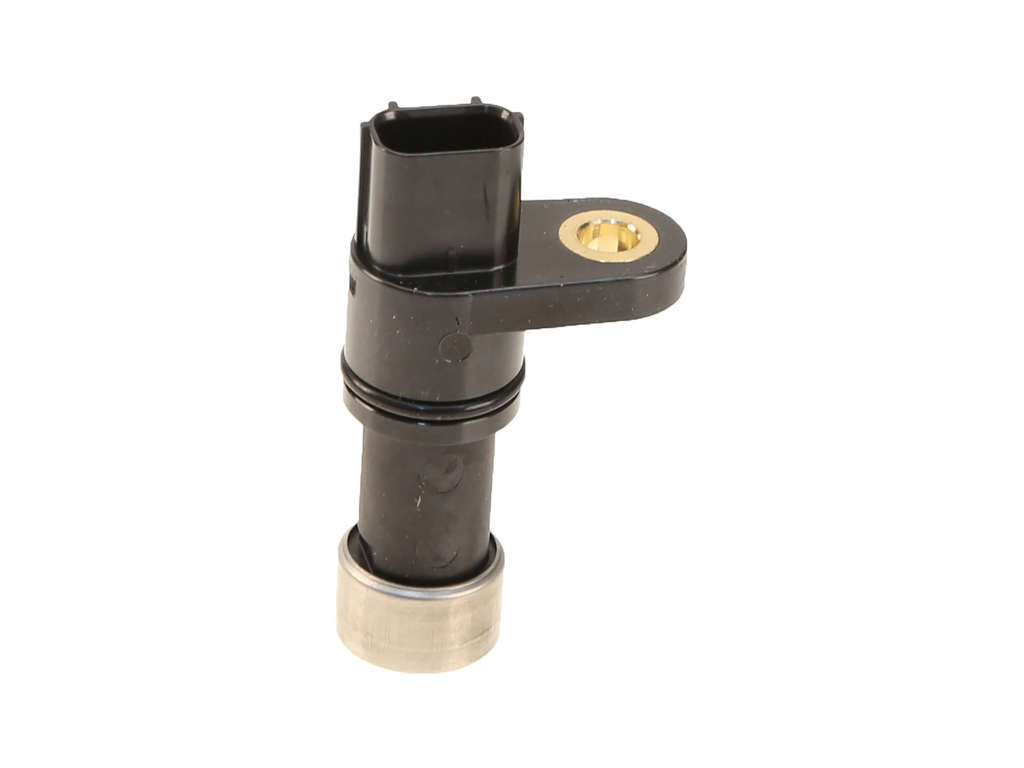
- Output Speed Sensor (Countershaft Speed Sensor)
(OEM #28820-RJ2-003)— This sensor is the most common cause of a P0720 code, failing electronically over time. This same part is used across many Honda models with CVTs, including the Fit, Civic, and Accord.
Trusted brands: Honda (Genuine), NTK, Delphi, Standard Motor Products (SMP), Beck/Arnley
OEM price range: $35-$50
Aftermarket price range: $20-$60
Related Codes That Often Appear With This One
- P0700 — P0700 is a general 'Transmission Control System Malfunction' code. It's an informational code that indicates a more specific transmission code, like P0720, has been stored.
- P0721 — P0721 indicates 'Output Speed Sensor Range/Performance'. While P0720 points to a circuit failure (like no signal), P0721 suggests the signal is irrational or erratic. Both codes point to the same sensor or wiring as the likely culprit.
- P0500 — P0500 is a generic 'Vehicle Speed Sensor Malfunction' code. Since the output speed sensor's data is used for the speedometer, a fault here can trigger both codes.
Technical Service Bulletins (TSBs) & Recalls

- TSB 21-047 / A21-047: Warranty Extension: 2016-20 HR-V CVT Premature Belt Deterioration: Extends the warranty on the CVT to 7 years/150,000 miles due to potential for the drive belt to deteriorate and break. This is the most critical TSB related to the HR-V transmission.
- TSB 21-046: Product Update: 2016-20 HR-V Software Update and CVT Inspection: Details the corrective action for the CVT belt issue, which includes a PCM software update to change CVT behavior and an inspection process to check for existing damage.
- TSB 20-116: Warranty Extension: 2016-18 HR-V ENGINE START/STOP Switch: Extends the warranty for the keyless start/stop switch to 9 years/125,000 miles due to complaints of the vehicle not starting on the first button press.
- Recall NHTSA 23V-046: Display Audio Unit Fails to Show Image: A recall for 2018-2022 HR-V models where the display audio unit may fail to boot on startup, preventing the rearview camera image from displaying. The fix is a software update.
Platform-Specific Known Issues
- Critical CVT Belt Deterioration Issue (TSB 21-047): The most significant issue for 2016-2020 HR-Vs is premature deterioration of the CVT's internal drive belt. This can lead to shuddering, hesitation, and eventual catastrophic failure where the vehicle loses all propulsion. Honda issued TSB 21-047 which involves a PCM software update to reduce stress on the belt and extends the warranty on the transmission to 7 years or 150,000 miles. The update also adds DTC P271E to better monitor the belt's health. Any P0720 on these years must be diagnosed with this TSB in mind.
Mechanic-Grade Diagnostic Values
- Output Speed Sensor (2-wire type) internal resistance — expected: 560 - 680 Ω. Failure: A reading of infinity (open circuit) or zero (short circuit), or a value significantly outside the expected range.
- Voltage at sensor connector (harness side) — expected: ~5.0V reference and < 0.1 Ω on ground pin. Failure: Missing reference voltage or high resistance on the ground pin points to a wiring or PCM issue, not a sensor failure.
- Scan Tool Live Data PID for Output Speed Sensor — expected: Value should increase smoothly and correlate with vehicle speed during a test drive.. Failure: Data reads '0' or is erratic/jumpy while the vehicle is moving.
Scan Tool Commands That Help
- Manual Procedure (No Scan Tool): Transmission Control Module (TCM) Adaptation Reset — After replacing a speed sensor or performing a transmission fluid service, this procedure can be used to clear the old learned shift points and force the TCM to relearn based on the new components and fluid. It can resolve harsh or inconsistent shifting that persists after a repair. The procedure involves a sequence of turning the ignition on, pressing the accelerator pedal for a set duration, and then driving gently.
Wiring & Ground Locations

- G201 — In the engine compartment, typically on the right (passenger) side rear area.. This is a major engine bay ground point. A corroded or loose G201 can cause a variety of sensor circuit issues, including intermittent or faulty signals from transmission sensors due to a poor ground reference.
- Output Speed Sensor Connector — On the top or side of the CVT transmission case, often located underneath the air intake box assembly.. This is the direct connection point for the sensor. It is exposed to heat and vibration, making it a common point for failure due to corrosion, spread pins, or wire fatigue right at the connector.
Model Year Variations Within This Range
- 2016-2020: These model years are explicitly covered by Honda Service Bulletin 21-047 for premature CVT belt deterioration. Diagnosis of any transmission code, including P0720, must consider this TSB as a potential underlying cause.
- 2021-2022: These model years are believed to have been manufactured with the corrective PCM software from TSB 21-047 already installed. While the mechanical components are the same as prior years, the likelihood of the CVT belt being the root cause of a P0720 is lower than on the 2016-2020 models.
Diagnostic Flowchart
Other Known Issues on This Vehicle
Issues unrelated to this code that are worth knowing about as an owner of this generation:
- CVT Premature Belt Deterioration 🔴 High — Common enough to warrant a warranty extension. Can occur after 70,000 miles, with many failures reported around 100k miles. Can lead to sudden loss of propulsion. (Ref: TSB 21-047 / Warranty Extension)
- Push-to-Start Switch Failure 🟠 Medium — Intermittent failure to start on the first press is a common complaint. Can leave the driver stranded. (Ref: TSB 20-116 / Warranty Extension)
- Display Audio / Infotainment Malfunctions 🟡 Low — Widespread complaints of freezing, lagging, Apple CarPlay/Android Auto connectivity problems, and blank screens. (Ref: Recall NHTSA 23V-046 (Rearview Camera))
- Fuel Pump Failure 🟠 Medium — A notable number of complaints for fuel pump failure leading to stalling or no-start conditions.
Used vs. New Parts: Buying Guide for This Vehicle
When a used part is the smart pick: A used part is generally not recommended for this repair. The output speed sensor is an electronic component that fails due to age, heat, and vibration. A used sensor from a donor vehicle will have an unknown amount of remaining service life and may fail soon after installation.
Donor-vehicle mileage cap: roughly under 40000 miles for the part to have meaningful remaining life.
What to inspect on the donor part:
- Verify the part number (28820-RJ2-003) matches exactly.
- Inspect the connector for any corrosion, cracks, or broken locking tabs.
- Ensure the sensor body has no visible cracks or physical damage.
- If possible, test the resistance with a multimeter before purchase; it should be within the 560-680 Ohm range.
OEM-only on this vehicle (don't cheap out):
- Transmission Fluid (Use only Honda HCF-2)
Aftermarket brands forum-validated for this vehicle:
- NTK
- Delphi
- Standard Motor Products (SMP)
- Beck/Arnley
Brands owners have reported issues with on this vehicle:
- Unbranded, no-name sensors from online marketplaces should be avoided, as their quality control and accuracy can be highly inconsistent, potentially causing persistent shifting issues even after installation.
Real Owner Stories
Aggregated from forums and TSBs cited above. Mileages and costs reflect what owners reported in those sources.
2016-2020 Honda HR-V
Symptoms: The transmission works one minute, then the next minute you potentially rain shrapnel on vehicles behind you or just lose all drive.
What fixed it: Full transmission replacement.
Cost: $6000-$8000
Source hint: Reddit r/HRV - 'If you had a CVT failure were there any signs before?'
2016-2020 Honda HR-V — ~155000 miles
Symptoms: Erratic operation, slippage, and juddering before the belt fails completely.
What fixed it: PCM software update and CVT inspection under warranty extension.
Source hint: TSB 21-047 / A21-047: Warranty Extension: 2016-20 HR-V CVT Premature Belt Deterioration
Documented NHTSA Reports
Honda Transmission Reliability
Symptoms: An owner noted that diagnostic code P0720 is often an early sign of transmission failure. In some cases, dealerships may replace the sensor even when the underlying issue is more severe.
What fixed it: While a sensor replacement is the initial step, internal transmission issues may persist.
Source hint: NHTSA ODI #10339099
Related OBD-II Codes
Frequently Asked Questions
Does TSB 21-047 apply to my 2018 Honda HR-V regarding the P0720 code?
What specific transmission fluid should I use for my HR-V to avoid sensor issues?
Is there a software update that might fix my transmission's erratic shifting?
My speedometer is reading 0 mph and the cruise control stopped working; is this related to P0720?
What is the 'Cshaft SPD' data I see on my scan tool?
How much does it cost to fix the CVT belt issue if I am past the 150,000-mile warranty extension?
Helpful Videos

We Have This Part in Stock


The information in this article is provided for general reference and educational purposes only. Vehicle specifications, procedures, and part compatibility can vary by production date, trim level, and region. Always consult your vehicle's factory service manual and verify part numbers before purchasing or performing repairs. Safety-critical components such as airbags, seat belts, and braking systems should be installed by a qualified professional.
- Honda HR-V:
- 🎬 Helpful Videos
- 🛍️ Shop This Part
- What's Unique About the 2016-2022 Honda HR-V
- Symptoms You May Notice
- Most Likely Causes
- Rare But Worth Checking
- Diagnosis Steps
- Parts You'll Likely Need
- Related Codes That Often Appear With This One
- Technical Service Bulletins (TSBs) & Recalls
- Platform-Specific Known Issues
- Mechanic-Grade Diagnostic Values
- Scan Tool Commands That Help
- Wiring & Ground Locations
- Model Year Variations Within This Range
- Diagnostic Flowchart
- Other Known Issues on This Vehicle
- Used vs. New Parts: Buying Guide for This Vehicle
- Real Owner Stories
- 2016-2020 Honda HR-V
- 2016-2020 Honda HR-V — ~155000 miles
- Documented NHTSA Reports
- Honda Transmission Reliability
- Related OBD-II Codes
- Frequently Asked Questions
- 🎟️ Get 5% Off