

P0713 on 2011-2016 Hyundai Elantra: Transmission Temperature Sensor Fault Causes and Fixes
For a 2011-2016 Hyundai Elantra with the A6GF1 6-speed automatic transmission, code P0713 almost always points to a failed internal transmission fluid temperature sensor. This sensor is integrated into the internal wiring harness (Part No. 46307-3B650). The failure causes harsh shifting, high RPMs, and can put the car in 'limp mode'. The fix involves dropping the transmission pan to replace the entire harness assembly, costing around $150-$300 for parts and 2-4 hours of labor.
- P0713 on your Elantra is an electrical fault code, not a sign of an overheating transmission.
- The most likely cause is a failed temperature sensor, which is part of the internal transmission wiring harness.
- This is a known issue with a Hyundai TSB. Do not let a shop convince you to replace the entire transmission.
- The repair involves dropping the transmission pan. It is critical to use the correct Hyundai-specific transmission fluid (SP-IV) when refilling.
- Driving with this code can cause long-term damage due to harsh shifting, so it should be addressed promptly.
What's Unique About the 2011-2016 Hyundai Elantra

The 2011-2016 Elantra (generation MD/UD) uses the A6GF1 6-speed automatic transmission, where the fluid temperature sensor is integrated into the internal wiring harness located on the valve body. This is a widely acknowledged failure point, prompting Hyundai to issue Technical Service Bulletin 14-AT-010 (which supersedes 13-AT-012), providing specific repair instructions. The TSB explicitly states not to replace the entire transaxle for this code and instead to replace the sensor/harness assembly. The part number for this harness is typically 46307-3B650, which also fits a wide range of other Hyundai and Kia vehicles.
Symptoms You May Notice
- Check Engine Light is on
- Harsh, jerky, or delayed gear shifts, especially when cold.
- Loud clunk or bang when shifting into Drive or Reverse.
- Vehicle may enter 'limp mode', stuck in a single gear (often 3rd).
- Torque converter clutch will not engage at highway speeds, causing higher RPMs.
- In some cases, a 'TCM' or transmission-specific warning light may illuminate.
- Replacing the entire transmission. The TSB from Hyundai specifically advises against this for this code.
- Assuming the transmission is actually overheating without checking the live sensor data on a scan tool. The 'Circuit High' code points to an electrical fault, not a true over-temp condition.
- Replacing only the transmission fluid. While necessary for the repair, old or dirty fluid itself does not cause a 'Circuit High' code.
Most Likely Causes

- Failed Transmission Fluid Temperature Sensor / Internal Harness 🔴 High Probability The sensor is part of an internal wiring harness (OEM Part #46307-3B650) that lives in a harsh environment of hot fluid and constant vibration, leading to eventual failure of the thermistor. Hyundai released TSB 14-AT-010 (superseding 13-AT-012 and others) acknowledging this common failure point across many models using the 6-speed automatic.
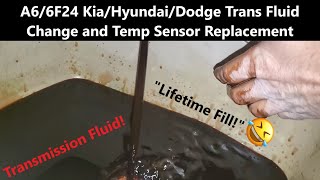
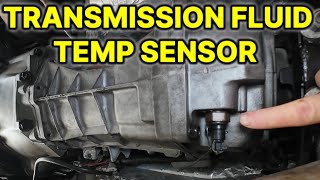
How to confirm: Use a scan tool to monitor live transmission fluid temperature data. If the reading is stuck at a very low value (like -40°C) or shows an impossibly high voltage (over 4.9V), the sensor circuit is open. A technician can perform a resistance test at the main transmission connector to isolate the fault to the internal harness 🎬 Watch: A guide on testing and replacing the temperature sensor. before disassembly.
Typical fix: Replace the internal transmission wiring harness which includes the temperature sensor. This requires draining the fluid, removing the transmission pan, and accessing the valve body.
Est. part cost: $100-$250 - Damaged Wiring or Poor Connection 🟡 Medium Probability While less common than internal failure, the external wiring leading to the transmission can be damaged by road debris, heat, or rodents. Owners have reported finding mouse droppings on top of the transmission, prompting a check of the external harness.
How to confirm: Visually inspect the wiring harness going to the transmission for any signs of breaks, corrosion, or loose pins at the main connector. A multimeter can be used to check for continuity between the TCM and the transmission connector pins.
Typical fix: Repair or replace the damaged section of the wiring harness. Check for corrosion ('green crusties') inside the main connector.
Est. part cost: $10-$100
Rare But Worth Checking
- Faulty Transmission Control Module (TCM) or Powertrain Control Module (PCM): This is very rare. Before condemning the control module, all other possibilities, especially the internal harness and external wiring, must be exhaustively ruled out. A faulty TCM/PCM will usually be accompanied by other codes and communication issues.
Diagnosis Steps
- Connect an OBD-II scanner and confirm P0713 is the active code. Note any other codes present.
- View live data for the Transmission Fluid Temperature Sensor ('TFT' or 'TOT'). A reading stuck at a default low (e.g., -40°C) or a voltage reading near 5V confirms a circuit high/open fault.
- Inspect the external wiring harness leading to the transmission for any visible damage, corrosion, or loose connections. Pay attention to the main round connector on top of the transmission.
- If external wiring is okay, the next step is to test the internal components. This involves draining the transmission fluid (via a 24mm drain plug) and removing the transmission pan to gain access.
- Visually inspect the internal wiring harness and sensor for any obvious damage.
- Using a multimeter, test the resistance of the temperature sensor. An open circuit (infinite resistance) confirms a failed sensor. Per service data, resistance should be around 2.51 kΩ at 20°C (68°F) and decrease as temperature rises.
- If the sensor and harness are confirmed to be the issue, replace the internal wiring harness assembly (Part #46307-3B650).
- Reinstall the transmission pan with a new gasket, refill with approximately 5 quarts of Hyundai-specific SP-IV automatic transmission fluid, and perform a fluid level check at operating temperature (122-140°F).
- Using a capable scan tool like the Hyundai GDS, perform the 'Reset Auto T/A Values' or 'Reset Adaptive Values' function to clear the old learned shift patterns.
- Clear the code with the scanner and perform two key-on/key-off driving cycles to confirm the repair and ensure the code does not return.
Parts You'll Likely Need

- Transmission Wire Harness (with integrated Temperature Sensor)
(OEM #46307-3B650)— This is the most common failure point for this code on this vehicle, as confirmed by owner experiences and Hyundai's own TSB. The sensor is integrated and not sold separately. This part number supersedes 46307-3B610 and 46307-3B620.
Trusted brands: Hyundai (Genuine OE)
OEM price range: $140-$200
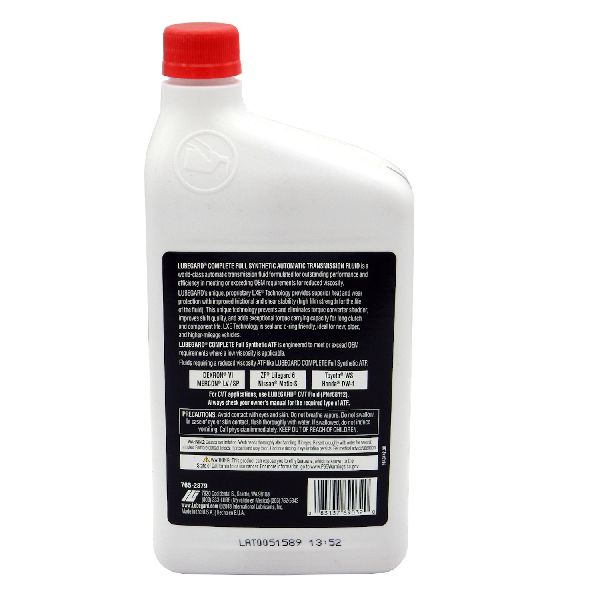
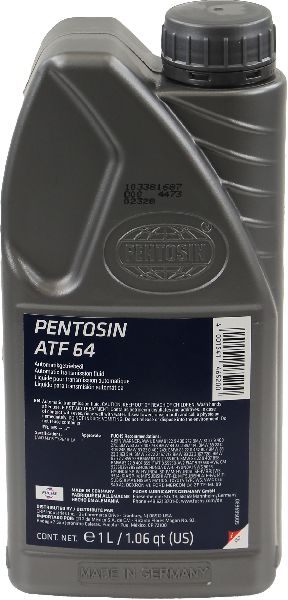
Aftermarket price range: $80-$150 - Automatic Transmission Fluid (ATF)
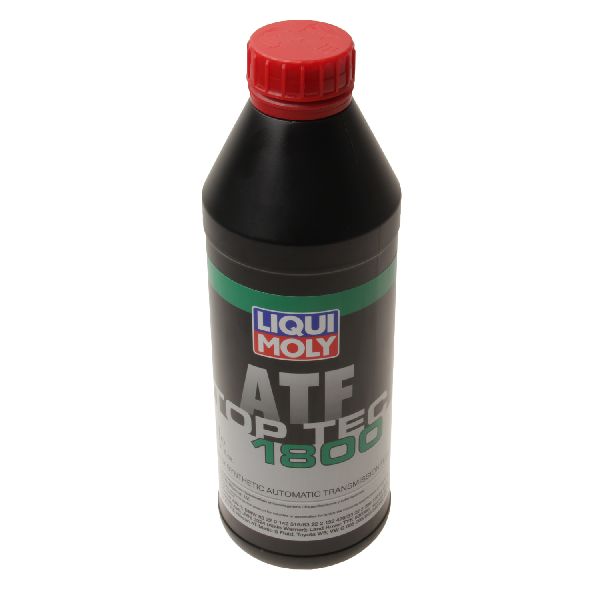
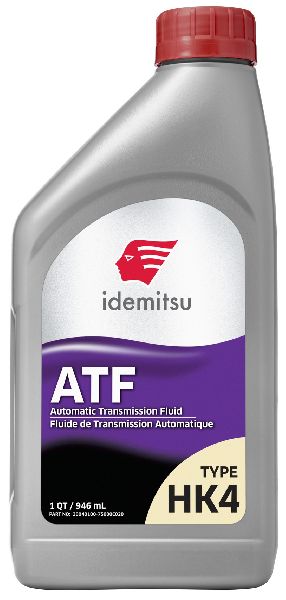
(OEM #00232-19045 (SP-IV))— The fluid must be drained to access the internal harness and must be replaced with fluid that meets Hyundai's SP-IV specification. The system requires about 5 quarts for a drain and fill.
Trusted brands: Hyundai/Kia (Genuine OE SP-IV), Idemitsu TLS-LV, ENEOS ECO ATF
OEM price range: $15-$25 per quart
Aftermarket price range: $10-$18 per quart - Transmission Pan Gasket
(OEM #45285-3B700)— The pan gasket should always be replaced when the pan is removed to prevent leaks. Some models may use RTV sealant instead of a pre-formed gasket.
Trusted brands: Hyundai (Genuine OE), Fel-Pro
OEM price range: $20-$40
Aftermarket price range: $10-$25
Related Codes That Often Appear With This One
- P0711 — P0711 ('Sensor Rationality') indicates the sensor's readings are illogical or not changing as expected. Both P0711 and P0713 can be triggered by a failing sensor and are covered by the same Hyundai TSB (14-AT-010).
- P0712 — P0712 ('Circuit Low') is the opposite of P0713, indicating a short to ground. If there is an intermittent wiring issue, both codes could potentially appear at different times.
Technical Service Bulletins (TSBs) & Recalls
- 14-AT-010 / 13-AT-012: ATM OIL TEMPERATURE SENSOR DTC P0711, P0712 & P0713 - This TSB provides the specific diagnostic and repair procedure for this code, confirming it's a known issue and advising replacement of the internal harness (P/N 46307-3B650). It explicitly states not to replace the entire transaxle.
Platform-Specific Known Issues
- A known issue documented in Hyundai Technical Service Bulletin 14-AT-010 (superseding 13-AT-012) addresses DTCs P0711, P0712, and P0713, pointing to a common failure of the internal oil temperature sensor/harness.
Mechanic-Grade Diagnostic Values
- Transmission Fluid Temperature Sensor Resistance — expected: Approx. 2.51 kΩ at 20°C (68°F), 1.11 kΩ at 40°C (104°F), 0.32 kΩ at 80°C (176°F), and 0.18 kΩ at 100°C (212°F).. Failure: An infinite resistance reading (Open Loop) or a value that does not change with temperature indicates a failed sensor. A scan tool will typically show a fixed low temperature like -40°C.
- TFT Sensor Circuit Voltage (at sensor connector) — expected: A 5V reference signal should be present from the PCM on one pin with the key on, engine off. The signal return voltage will vary with temperature.. Failure: A reading near 5V on the signal wire indicates an open circuit, which triggers code P0713. No 5V reference signal could indicate a wiring issue or a faulty PCM.
Scan Tool Commands That Help

- Hyundai GDS (Global Diagnostic System): Reset Auto T/A Values / Resetting adaptive values — After replacing the transmission wiring harness or valve body, this function should be used to clear the transmission's learned shift adaptations. This ensures the TCM relearns shift points with the new, correctly functioning components and prevents lingering harsh shift complaints.
- Hyundai GDS (Global Diagnostic System): Flight Record / Data Analysis — For intermittent faults, the Flight Record function can be used to capture sensor data over a drive cycle. If the P0713 is intermittent, this can help capture the exact moment the sensor signal drops out, confirming a wiring or sensor issue without having to witness it in the shop.
Wiring & Ground Locations
- PCM/TCM Location — For the 2011-2016 Elantra, the Transmission Control Module (TCM) functions are integrated into the Powertrain Control Module (PCM). The PCM is located under the dash on the driver's side.. If external wiring needs to be tested for continuity from the transmission back to the control unit, technicians need to know they are looking for the PCM, not a separate TCM box.
- TCM Ground Circuit — The ground circuit for the TCM can be tested by measuring resistance between the appropriate pins on the TCM harness connector and a clean chassis ground.. While a bad ground is not a common cause for a 'Circuit High' code (which is usually an open circuit), verifying good grounds is a fundamental step in any electrical diagnosis to rule out complex issues.
Real Owner Repair Stories
- YouTube channel 'The mech a nic' (Hyundai Elantra (year not specified, but in the 2011-2016 range)) — Check engine light with codes P0713 and P0711, very hard shifting, loud clunk when putting into Drive or Reverse.
❌ Tried (didn't work) The owner was concerned about a potential wiring issue due to mouse droppings found on top of the transmission, but this was not the cause.
✅ What actually fixed it The internal transmission wiring harness, which includes the temperature sensor, was replaced. The mechanic confirmed on a scan tool that the temperature was reading -34°F before the repair and a normal ambient temperature after installing the new harness but before adding fluid. After reassembly and a test drive, the hard shifting was gone. - NHTSA ODI #11329064 — An owner of a related Hyundai model reported that while changing gears, the engine would shake badly. Upon diagnosis, the check engine light revealed code P0713 for a bad transmission temperature sensor.
OEM Part Supersession History
46307-3B610, 46307-3B620→46307-3B650— The design was updated. Notably, for earlier models (2009-2012) that had a separate temperature sensor, the recommended upgrade is to use the later integrated harness (46307-3B650) which has the sensor built-in.
Model Year Variations Within This Range
- 2011-2012 vs 2013-2016: Model years 2012 and earlier used a stand-alone temperature sensor that was separate from the internal wiring harness. From 2013 onwards, the sensor was integrated directly into the harness. However, the updated integrated harness (46307-3B650) is the correct service part for all years in this range and is considered an upgrade for the earlier models.
- 2014-2016: In 2014, a 2.0L engine producing 173 horsepower became available in higher-end versions of the sedan. While this engine is also paired with a 6-speed automatic (the A6MF1, a slightly stronger variant), the P0713 fault and repair procedure involving the internal harness remain the same as the A6GF1 used with the 1.8L engine.
Diagnostic Flowchart
Other Known Issues on This Vehicle
Issues unrelated to this code that are worth knowing about as an owner of this generation:
- Engine Ticking / Piston Slap (1.8L Nu Engine) 🔴 High — Widespread issue, particularly noticeble on cold starts. Can lead to excessive oil consumption and eventual engine failure. This was the subject of a class-action lawsuit (Brown v. Hyundai). (Ref: Warranty Extension Program (TXXK) and related TSBs (e.g., 22-EM-007H) were issued as part of a legal settlement, extending the warranty on the engine short block for qualifying vehicles.)
- Steering Column Click/Clunk (MDPS Coupler Failure) 🟠 Medium — Extremely common. A clicking or clunking noise develops in the steering column, most noticeable when turning the wheel at low speeds or when stopped. Caused by the disintegration of a small, inexpensive rubber coupler in the Motor-Driven Power Steering (MDPS) assembly. (Ref: Hyundai issued a warranty extension (TXX7) covering the coupler for 10 years/100,000 miles. The replacement part is an improved design (P/N 56315-2K000-FFF).)
- Premature Brake Wear 🟡 Low — Frequently reported by owners. The original equipment brake pads and rotors may wear out faster than expected, sometimes in under 20,000 miles. This is often attributed to the soft compound of the factory brake pads.
Used vs. New Parts: Buying Guide for This Vehicle
When a used part is the smart pick: A used part is NOT recommended for this repair. The internal wiring harness is a known high-failure-rate item due to heat and vibration. A used harness from a junkyard has unknown remaining life and may fail soon after installation, forcing you to repeat the labor-intensive repair.
What to inspect on the donor part:
- Not applicable as a used part is not advised.
OEM-only on this vehicle (don't cheap out):
- Transmission Wire Harness (46307-3B650)
Aftermarket brands forum-validated for this vehicle:
- While some aftermarket harnesses are available, Genuine Hyundai OE is the most reliable choice given the history of this part and the labor involved in replacing it. No specific aftermarket brands have a strong positive reputation that outweighs the risk.
Brands owners have reported issues with on this vehicle:
- Unnamed, low-cost harnesses from online marketplaces should be avoided. The quality of the wiring, connectors, and thermistor is critical for longevity, and these parts often use substandard materials that cannot withstand the transmission environment.
Real Owner Stories
Aggregated from forums and TSBs cited above. Mileages and costs reflect what owners reported in those sources.
Hyundai Elantra
Symptoms: Hard shifting and a scan tool reading of -34 degrees.
What fixed it: Replacement of the internal transmission wiring harness after dropping the side pan.
Source hint: YouTube - The mech a nic - P0713 P0711 hyundai elantra transmission temperature sensor ( hard shifting)
Hyundai Sonata (Cross-Model Reference)
Symptoms: Engine shakes badly while changing gears and the check engine light came on.
What fixed it: Diagnosis confirmed code P0713 for a bad transmission temperature sensor (NHTSA ODI #11329064).
Related OBD-II Codes
Frequently Asked Questions
Is the P0713 code a known, common problem on the 2011-2016 Elantra?
My mechanic says I need a new transmission temperature sensor. What is the correct part number for my Elantra?
My dealer quoted a full transmission replacement for a P0713 code. Is this necessary?
I'm experiencing harsh, jerky shifts when my Elantra is cold. Is this a symptom of P0713?
My OBD-II scanner is showing a transmission fluid temperature of -40°C. Does this confirm the sensor has failed?
After replacing the internal harness for P0713, is there a special procedure I need to follow?
I have a 2012 Kia Forte. Could it have the same P0713 issue as the Elantra?
Helpful Videos

We Have This Part in Stock


The information in this article is provided for general reference and educational purposes only. Vehicle specifications, procedures, and part compatibility can vary by production date, trim level, and region. Always consult your vehicle's factory service manual and verify part numbers before purchasing or performing repairs. Safety-critical components such as airbags, seat belts, and braking systems should be installed by a qualified professional.
- Hyundai Elantra:
- 🎬 Helpful Videos
- 🛍️ Shop This Part
- What's Unique About the 2011-2016 Hyundai Elantra
- Symptoms You May Notice
- Most Likely Causes
- Rare But Worth Checking
- Diagnosis Steps
- Parts You'll Likely Need
- Related Codes That Often Appear With This One
- Technical Service Bulletins (TSBs) & Recalls
- Platform-Specific Known Issues
- Mechanic-Grade Diagnostic Values
- Scan Tool Commands That Help
- Wiring & Ground Locations
- Real Owner Repair Stories
- OEM Part Supersession History
- Model Year Variations Within This Range
- Diagnostic Flowchart
- Other Known Issues on This Vehicle
- Used vs. New Parts: Buying Guide for This Vehicle
- Real Owner Stories
- Hyundai Elantra
- Hyundai Sonata (Cross-Model Reference)
- Related OBD-II Codes
- Frequently Asked Questions
- 🎟️ Get 5% Off