

P0707 on 2011 Jeep Compass: Transmission Range Sensor Circuit Low Causes and Fixes
On a 2011 Jeep Compass, code P0707 is most often caused by a faulty transmission range sensor or a wiring issue between the sensor and the computer. This can prevent the vehicle from starting or cause it to enter limp mode. The issue is common on the Jatco JF011E CVT transmission shared with the Jeep Patriot and Dodge Caliber.
- P0707 means the transmission range sensor signal is too low, which can prevent your Jeep from starting or cause it to enter a 'limp mode'.
- Do not continue to drive the vehicle, as it is a safety risk.
- The most likely cause is a failed transmission range sensor, located on the outside of the Jatco CVT transmission.
- Before replacing the sensor, always inspect the wiring and connector for corrosion or damage, as this is a common point of failure on this platform.
- This issue is extremely common on the 2011 Compass and its platform mates, the Jeep Patriot and Dodge Caliber.
What's Unique About the 2011-2011 Jeep Compass
The 2011 Jeep Compass (MK generation) uses a Jatco JF011E Continuously Variable Transmission (CVT), which it shares with the Jeep Patriot and Dodge Caliber. The external sensors and wiring on this CVT are highly susceptible to road debris, moisture, and corrosion from road salt, especially in rust-belt states. It is critical to inspect the wiring harness leading to the transmission range sensor for any chafing, breaks, or corrosion at the connector before replacing the sensor itself, as this is a frequent point of failure.
Symptoms You May Notice
- Check Engine Light is on
- Transmission goes into "limp-home" mode (stuck in one gear).
- Vehicle will not start, or will only start in Park or Neutral.
- Incorrect or no gear selection displayed on the dashboard.
- Harsh or delayed shifting between gears.
- Reverse lights may not work.
- Flashing transmission warning light on the instrument cluster.
- Vehicle may stall when selecting Drive or Reverse.
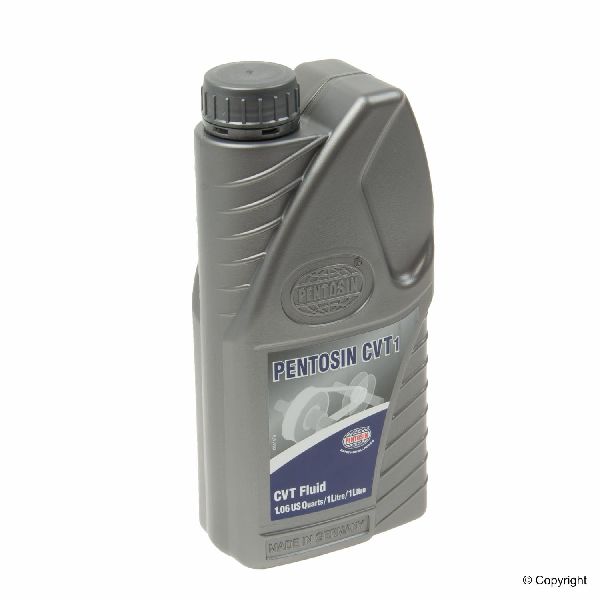
- Replacing the transmission fluid. While old or incorrect fluid (this CVT requires Mopar CVTF+4) can cause overheating and shifting issues, it will not directly cause a P0707 electrical circuit code.
- Replacing the battery. While a weak battery can cause various electrical gremlins, it's not a primary cause for a specific low-voltage fault on this sensor circuit.
Most Likely Causes
- Faulty Transmission Range Sensor (TRS) 🔴 High Probability The sensor is mounted on the transmission, where it's exposed to heat, vibration, moisture, and road salt, which leads to internal failure. It is a widely-known common failure item on the Jatco CVT used in the Compass and its platform mates.
How to confirm: After confirming wiring is intact, use a scan tool to monitor the TRS voltage. A reading below 0.5V confirms the low circuit condition. Alternatively, test the sensor's output voltage with a multimeter while an assistant moves the gear shifter. If the voltage does not change correctly or stays low, the sensor is bad.
Typical fix: Replace the transmission range sensor.
Est. part cost: $40-$150 - Damaged Wiring or Corroded Connector 🟡 Medium Probability The wiring harness to the transmission is located underneath the vehicle, making it highly susceptible to damage from road debris, moisture causing corrosion in the connector pins (often appearing as a green tinge), or chafing against chassis components.
How to confirm: Visually inspect the entire wiring harness from the TRS to the TCM for breaks, chafing, or melted sections. Unplug the connector and check for green or white corrosion on the pins. Perform a continuity test on the signal wire between the sensor connector and the TCM connector; high resistance indicates a wiring fault.
Typical fix: Repair the damaged section of wire or clean the connector with electrical contact cleaner and apply dielectric grease. If corrosion is severe, the connector pigtail may need to be replaced.
Est. part cost: $10-$50 for repair materials - Misadjusted Shift Linkage ⚪ Low Probability While less common for this specific code, the cable linking the gear shifter to the transmission can stretch or the retaining bolts can loosen, causing a mismatch between the shifter position and the sensor's reading.
How to confirm: Check if the gear indicator on the dash matches the selected gear. If not, inspect the shift cable and linkage at the transmission to see if it's loose or out of alignment. The P0707 code points more directly to an electrical circuit fault rather than a mechanical linkage issue.
Typical fix: Adjust the shift linkage cable according to the service manual procedure.
Est. part cost: $0-$20
Rare But Worth Checking
- Faulty Transmission Control Module (TCM): This is rare and should only be considered after the sensor and wiring have been definitively ruled out. A faulty TCM can misinterpret a good sensor signal or have an internal short on the input circuit. If repeated sensor and wiring repairs fail to resolve the code, a programmed, VIN-matched replacement TCM may be the solution.
Diagnosis Steps
- Scan the vehicle's computer for any other stored trouble codes.
- Check the transmission fluid level and condition. The fluid should be Mopar CVTF+4. Burnt or dirty fluid can indicate larger internal problems but won't cause P0707 directly.
- Visually inspect the transmission range sensor, its connector, and the wiring harness for any obvious signs of damage, corrosion, or loose connections. Pay close attention to where the harness may rub against the frame or other components.
- With the key on and engine off, use a scan tool to monitor the transmission range sensor live data (e.g., "TRS A Voltage"). As you move the shifter through all gears, the voltage should change accordingly. A value stuck below 0.5V confirms the fault.
- If a scan tool is unavailable, use a multimeter to backprobe the sensor's signal wire. The voltage should change as the gear is changed. A constant low or zero voltage reading points to a fault.
- Verify the sensor is receiving a proper reference voltage (typically 5V) and has a good ground connection at its connector.
- If wiring, power, and ground are good but the signal is incorrect, the transmission range sensor is the likely culprit and should be replaced.
- If a new sensor does not resolve the issue, perform a continuity test on the signal wire in the harness between the sensor connector and the TCM connector to rule out an intermittent open or short. If the wiring is good, the problem may be with the TCM itself.
Parts You'll Likely Need
- Transmission Range Sensor / Neutral Safety Switch
(OEM #5189839AA)— This sensor is the most common failure point for code P0707, as it is an electronic component exposed to the elements and a known issue on this platform.
Trusted brands: Mopar, Duralast, Rostra Precision Controls, NTK
OEM price range: $80-$150
Aftermarket price range: $40-$90
Related Codes That Often Appear With This One
- P0705 — P0705 indicates a general malfunction in the TRS circuit, while P0707 points specifically to a low voltage condition. They can appear together if the fault is intermittent or complex.
- P0708 — This code means the circuit voltage is too high. Seeing P0707 and P0708 intermittently strongly suggests a chafed wire that is shorting to both ground and a power source.
- P0706 — This code indicates a range/performance issue with the TRS circuit. It is also extremely common on the Jeep Patriot platform mate and often points to the same root causes.
Technical Service Bulletins (TSBs) & Recalls
- 0814123: Mentions P0707 - Transmission Range Sensor A Circuit Low as a potential fault code related to transmission issues, including limp-home mode, on newer Jeeps, showing a pattern of this fault type for the brand.
- 21-007-13 REV. C: A TSB for other Jeep models that involves flash reprogramming the TCM to fix shift quality issues, demonstrating that software updates are a common repair strategy for transmission problems.
Platform-Specific Known Issues
- The TSB #0814123, while for a newer model, indicates a history of transmission sensor circuit issues on Jeep vehicles, including 'Transmission Range Sensor A Circuit Low'.
- The Jatco JF011E CVT transmission used in this vehicle is shared with the Jeep Patriot and Dodge Caliber, both of which suffer from the same high rate of P0706/P0707 failures due to the sensor and wiring.
- A YouTube video by 'Anderson's Garage' titled 'how to change BOTH transmission filters on CVT jeep Patriot & Compass' provides a detailed walkthrough of servicing this specific transmission, which can be helpful for accessing components in this area.
Mechanic-Grade Diagnostic Values
- Transmission Range Sensor (TRS) 'A' Circuit Voltage — expected: A specific voltage between 0.5V and 4.5V that changes with each gear position.. Failure: A persistent voltage reading below 0.5V for more than 3-5 seconds.
- TRS Reference Voltage at Sensor Connector — expected: Typically 5V or 12V, depending on the specific system variant.. Failure: No voltage or significantly lower voltage, indicating a wiring or TCM issue.
- System Voltage at TCM — expected: Between 9.0 and 16.0 volts.. Failure: Voltage outside this range can cause the TCM to set various codes, including P0707.
Scan Tool Commands That Help
- Chrysler wiTECH or capable aftermarket scanner (e.g., Autel): TCM Initialization — This function is required after replacing the Transmission Control Module (TCM) or the entire CVT assembly to program the vehicle's VIN and configuration into the new module. Failure to do so can result in a 'Calibration Mismatch' code (P167A) and a no-shift condition.
- Chrysler wiTECH or capable aftermarket scanner (e.g., Autel): Quick Learn — Recommended after replacing major transmission components or sometimes after a battery disconnect to help the TCM relearn adaptive shift points for smoother operation. While not always required for a TRS replacement, it can resolve harsh shifting complaints that may accompany other transmission work.
Wiring & Ground Locations
- TCM Location — On the 2011 Compass, the Transmission Control Module (TCM) is located in the left kick panel, inside the cabin.. This is the destination for the TRS signal wire. The connector at the TCM should be inspected for corrosion or backed-out pins if the sensor and external wiring test good.
- G102 / G103 — Located on top of the transmission housing.. These are primary ground points for transmission-related components. A loose or corroded ground here can cause erratic behavior and low voltage codes for various sensors, including the TRS.
- G305 — Located in the left kick panel area.. This is a key interior ground point near the TCM. A fault at this ground could potentially affect the TCM's operation and its sensor readings.
Real Owner Repair Stories
- Dodge Caliber Forums (caliberforumz.com) (2007 Dodge Caliber (shares engine, CVT, and electronics with 2011 Jeep Compass)) — Car would not start, check engine light on with code P0707.
❌ Tried (didn't work) Initial diagnosis pointed to a bad starter or battery, which were ruled out.
✅ What actually fixed it The wiring harness for the transmission range sensor had corroded and broken. Specifically, the user found a wire had broken off right at the connector plug for the sensor. Splicing the wire and re-securing the connection resolved the P0707 code and the no-start condition.
OEM Part Supersession History
Unknown→5189839AA (also listed as 05189839AA)— Standard part lifecycle update. No specific design change is officially noted, but this part number is the current replacement for all 2007-2017 Compass/Patriot/Caliber models with the CVT.
Diagnostic Flowchart
Other Known Issues on This Vehicle
Issues unrelated to this code that are worth knowing about as an owner of this generation:
- CVT Transmission Overheating and Failure 🔴 High — Common, especially during high-speed, long-distance driving or in high ambient temperatures. Failures often reported between 40,000 and 90,000 miles. (Ref: No specific recall, but it is a widely documented problem leading to class-action lawsuits against the transmission manufacturer, Jatco.)
- Front and Rear Subframe Corrosion 🔴 High — Very common in 'salt belt' states, leading to severe rust that can cause the subframe to crack or break. Chrysler issued a 10-year extended warranty (X69) for this issue on some model years. (Ref: Warranty Extension X69 for crossmember corrosion on some model years.)
- Suspension Component Failure (Control Arms, Tie Rods) 🟠 Medium — Premature wear of front lower control arms, bushings, and tie rod ends is frequently reported, leading to clunking noises and alignment issues.
- Water Leaks into Cabin 🟡 Low — Commonly reported issue, often from a clogged sunroof drain or poor seals around the doors or liftgate, which can lead to wet carpets and potential electrical issues.
Used vs. New Parts: Buying Guide for This Vehicle
When a used part is the smart pick: For this specific repair, buying a used Transmission Range Sensor is NOT recommended. It is an external electronic part highly prone to failure from heat, moisture, and vibration. The cost savings are minimal compared to the risk of installing a part that may fail soon after.
What to inspect on the donor part:
- Not applicable as used part is not recommended.
OEM-only on this vehicle (don't cheap out):
- While not strictly OEM-only, using a Mopar sensor (5189839AA) is the safest bet for compatibility and longevity. If considering aftermarket, stick to reputable electronics brands.
Aftermarket brands forum-validated for this vehicle:
- Rostra Precision Controls (often cited as a reliable aftermarket manufacturer for transmission components).
- NTK
Brands owners have reported issues with on this vehicle:
- Generic, unbranded sensors from online marketplaces should be avoided, as their internal electronics and weather sealing may be of poor quality, leading to premature failure.
Real Owner Stories
Aggregated from forums and TSBs cited above. Mileages and costs reflect what owners reported in those sources.
2011 Jeep Compass
Symptoms: Vehicle experienced limp mode, a misfire, and a flashing Electronic Throttle Control (ETC) light along with the traction light and check engine light.
What fixed it: The owner was advised that multiple simultaneous unrelated DTCs could point to a failing Powertrain Control Module (PCM).
Source hint: Car Talk Community - 2011 Jeep Compass Limp Mode+misfire+flashing ETC light...
2011 Jeep Compass CVT — ~65000 miles
Symptoms: Classic CVT overheating symptoms, including whining at speed.
What fixed it: Servicing the transmission by changing both transmission filters as detailed in technical walkthroughs for the Jatco JF011E.
Source hint: Reddit r/MechanicAdvice - 2011 Jeep Compass CVT Transmission
Related OBD-II Codes
Frequently Asked Questions
Does TSB #0814123 apply to my 2011 Jeep Compass regarding the P0707 code?
What specific transmission fluid should I use if I'm checking for issues related to P0707?
Is the P0707 code common on other vehicles similar to the Compass?
Could my P0707 code be caused by a software issue instead of a bad sensor?
Why is the Transmission Range Sensor (TRS) so prone to failure on the 2011 Compass?
Can a physical problem with my gear shifter cause the P0707 code?
We Have This Part in Stock


The information in this article is provided for general reference and educational purposes only. Vehicle specifications, procedures, and part compatibility can vary by production date, trim level, and region. Always consult your vehicle's factory service manual and verify part numbers before purchasing or performing repairs. Safety-critical components such as airbags, seat belts, and braking systems should be installed by a qualified professional.
- Jeep Compass:
- 🛍️ Shop This Part
- What's Unique About the 2011-2011 Jeep Compass
- Symptoms You May Notice
- Most Likely Causes
- Rare But Worth Checking
- Diagnosis Steps
- Parts You'll Likely Need
- Related Codes That Often Appear With This One
- Technical Service Bulletins (TSBs) & Recalls
- Platform-Specific Known Issues
- Mechanic-Grade Diagnostic Values
- Scan Tool Commands That Help
- Wiring & Ground Locations
- Real Owner Repair Stories
- OEM Part Supersession History
- Diagnostic Flowchart
- Other Known Issues on This Vehicle
- Used vs. New Parts: Buying Guide for This Vehicle
- Real Owner Stories
- 2011 Jeep Compass
- 2011 Jeep Compass CVT — ~65000 miles
- Related OBD-II Codes
- Frequently Asked Questions
- 🎟️ Get 5% Off