

P0700 on 2003-2009 Kia Sorento: Transmission Control System Malfunction Guide
P0700 on a 2003-2009 Kia Sorento means the transmission has a problem. It's a general code, so you must use a scanner that can read transmission codes to find the specific issue. Common causes are faulty speed sensors, shift solenoids, or on models with the Jatco RE5R05A transmission, a failed TCM.
- P0700 is a general alert from your transmission; it's not the root problem.
- You MUST use a scanner that can read transmission codes to find the specific issue (e.g., P07xx).
- The most likely culprits are bad transmission speed sensors or a faulty shift solenoid.
- Always check your transmission fluid level and condition first, as low or dirty fluid can cause many problems.
- Driving with this code can lead to severe transmission damage, so it's best to get it diagnosed promptly.
What's Unique About the 2003-2009 Kia Sorento

The first-generation Kia Sorento (2003-2009) is a body-on-frame SUV known for its robustness. However, its automatic transmissions can be a source of issues leading to the P0700 code. A key distinction exists within this generation: models from 2007-2009, particularly those with the 3.8L V6 engine, used the Jatco RE5R05A 5-speed automatic transmission. This specific transmission, also used in various Nissan and Infiniti vehicles, is known for issues where the TCM, which is integrated into the valve body inside the transmission pan, can fail. Earlier models (2003-2006) with the 3.5L V6 used a different 4-speed or 5-speed automatic that does not share this specific failure mode. Owners have reported intermittent shifting problems, such as getting stuck in a higher gear (often 3rd or 4th), which may not always be easily replicated by technicians. These issues often point towards problems with electronic components like speed sensors, solenoids, or the TCM itself.
Symptoms You May Notice
- Check Engine Light is on
- Transmission may be stuck in one gear (limp mode)
- Harsh or erratic shifting
- Delayed engagement when shifting into Drive or Reverse
- Vehicle hesitation or stalling
- Reduced fuel economy
- Inability to shift into manual mode or flashing 'Sport Mode' light
- Replacing the Engine Control Module (ECM) without checking for TCM codes.
- Assuming the transmission needs to be rebuilt immediately without diagnosing the specific electronic fault codes from the TCM.
- Replacing individual solenoids when the root cause is a failing TCM or a contaminated valve body.
Most Likely Causes

- Faulty Input or Output Speed Sensor 🔴 High Probability Transmission speed sensors are a common failure point on many vehicles, including this generation of Sorento. They are electronic components that can fail over time due to heat and vibration, leading to erratic shifting and speedometer issues.
How to confirm: Scan the TCM for specific speed sensor codes (e.g., P0715-P0723). A mechanic can monitor the sensor data with a scan tool while driving to check for erratic or missing signals. A sensor showing zero or intermittent dropouts while the vehicle is moving indicates a failure.
Typical fix: Replace the faulty speed sensor. There are typically two: an input (turbine) speed sensor and an output speed sensor. They are often replaced together. On some Sorento transmissions, this requires removing the valve body.
Est. part cost: $90-$250 - Failed Shift Solenoid 🟡 Medium Probability Solenoids are electro-mechanical valves that control fluid flow to engage gears. They can fail electrically or become clogged with contaminated fluid, a common issue in automatic transmissions.
How to confirm: Scan the TCM for specific solenoid codes (e.g., P0750-P0774). A mechanic can test the resistance of the solenoid and check for power at the connector. For many Kia transmissions, on/off solenoids should have a resistance of about 10 ohms, while PWM solenoids should be around 5 ohms.
Typical fix: Replace the faulty shift solenoid. This requires removing the transmission oil pan and sometimes the valve body. Solenoids are often replaced as a pack.
Est. part cost: $50-$150 per solenoid - Faulty Transmission Control Module (TCM) 🟡 Medium Probability On Sorentos equipped with the Jatco RE5R05A transmission (common with the 3.8L V6 from 2007-2009), the TCM is located inside the transmission on the valve body. This placement makes it susceptible to failure from heat and contaminated fluid. Coolant contamination from a leaking radiator is a known issue that can destroy the TCM on these units.
How to confirm: If the scan tool cannot communicate with the TCM (may show code U1000), or if all sensors and wiring test good but problems persist, the TCM may be at fault. This requires professional diagnosis. Voltage at the TCM should be stable between 12V-14.5V; fluctuations can indicate a power supply or ground issue.
Typical fix: Replace the integrated TCM/valve body assembly. This is a complex job that involves draining the fluid and removing the transmission pan. The replacement may require VIN programming.
Est. part cost: $500-$1200+ - Low or Dirty Transmission Fluid 🟡 Medium Probability Neglecting transmission service intervals can lead to fluid breakdown and contamination, causing shifting problems and overheating. Using the incorrect fluid type (e.g., universal ATF instead of the specified Kia Red-1, Matic J/S, or equivalent) can also cause issues.
How to confirm: Check the transmission fluid level and condition using the dipstick (if equipped). The fluid should be bright red and not smell burnt. If it is dark, brown, or has metal particles, it indicates a problem.
Typical fix: Perform a transmission fluid and filter change. If the fluid is severely contaminated, a full flush may be recommended by a professional. Ensure the correct OEM-spec fluid is used.
Est. part cost: $50-$100 for fluid and filter
Rare But Worth Checking
- Wiring Harness Damage: Check the wiring harness leading to the transmission for any signs of chafing, corrosion, or damage, especially near hot exhaust components or where the harness may rub against the chassis. The internal harness can also fail due to heat and fluid exposure.
- Internal Transmission Failure: If the transmission fluid contains significant metal shavings, it could indicate a serious internal mechanical problem like a failing clutch pack or torque converter, which would require a transmission rebuild or replacement.
- Corroded TCM Connector or Poor Ground: A poor ground connection or corrosion at the main transmission harness connector can cause a wide range of erratic electronic issues, including a P0700 code. Cleaning the connectors and ensuring a solid ground path is a crucial diagnostic step.
- Faulty Brake Light Switch: A malfunctioning brake light switch can send incorrect signals to the control modules, sometimes causing shifting issues or preventing the vehicle from shifting out of Park. This can occasionally be a contributing factor, though less common for a P0700. On some Kia models, a failed rubber stopper on the brake pedal arm can cause the switch to remain activated, draining the battery.
Diagnosis Steps
- Obtain a scan tool capable of reading transmission-specific codes. A basic OBD-II reader will likely only show P0700.
- Read and record all fault codes from the Transmission Control Module (TCM). Prioritize diagnosis based on the specific codes found.
- Check the level and condition of the automatic transmission fluid. The fluid should be at the correct level, bright red, and free of debris or a burnt smell. Verify the correct fluid type is being used (e.g., Kia Red-1, Matic J/S).
- Inspect the main transmission wiring harness and connectors for damage, corrosion, or loose connections.
- Based on the specific TCM codes, test the component indicated (e.g., test the resistance of a shift solenoid or monitor the output of a speed sensor with live data).
- If communication with the TCM is not possible, or if U-series codes are present, inspect the TCM power and ground circuits before condemning the module.
- If fluid and external electronic components are good, the issue may be internal to the transmission, such as the valve body, integrated TCM, or clutch packs, which requires professional diagnosis.
Parts You'll Likely Need

- Automatic Transmission Speed Sensor (Input/Output)
(OEM #42620-39200)— These sensors are a frequent failure point and are critical for proper shift timing. A fault in one will trigger a P0700 code.
Trusted brands: Standard Motor Products, Duralast, Genuine Hyundai/Kia
OEM price range: $90-$140
Aftermarket price range: $40-$90 - Shift Solenoid — Shift solenoids control the flow of fluid for gear changes and can stick or fail electrically, leading to shifting problems and a P0700 code.
Trusted brands: Rostra, Mopar
OEM price range: $100-$200
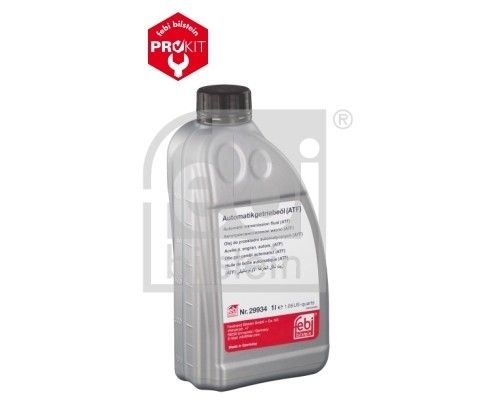
Aftermarket price range: $50-$150 - Transmission Fluid and Filter Kit — Low or dirty fluid is a common cause of transmission issues. A fluid and filter service is a primary maintenance step and a potential fix.
OEM price range: $80-$150
Aftermarket price range: $50-$100 - TCM / Valve Body Assembly — For Sorentos with the Jatco RE5R05A transmission, the TCM is integrated with the valve body and is a known failure point, causing P0700 and communication codes.
Related Codes That Often Appear With This One
- P0715 - P0723 — These codes relate to input/output speed sensor circuits, a common cause for the P0700 light.
- P0750 - P0774 — These codes point to issues with the various shift solenoids that control gear changes.
- P0741 — This code points to a problem with the Torque Converter Clutch (TCC) solenoid circuit, which can be triggered alongside P0700.
- U1000 — This CAN communication code often appears when the ECM cannot communicate with the TCM, pointing towards a faulty TCM or wiring issue, especially on models with the Jatco RE5R05A transmission.
- P0748 — This code indicates a pressure control solenoid electrical fault; in other Kia models, this has been reported alongside P0700 as a sign of a failed transaxle control module (NHTSA ODI #11080071).
Platform-Specific Known Issues
- Jatco RE5R05A TCM Failure: Models equipped with the 3.8L V6 often use the Jatco RE5R05A 5-speed transmission. A very common failure on these units is the Transmission Control Module (TCM), which is located inside the transmission, bolted to the valve body. This internal location exposes it to heat and potential fluid contamination, leading to failure. Symptoms often include getting stuck in one gear, harsh shifting, and communication codes like U1000 along with P0700. The fix is typically to replace the entire valve body/TCM assembly.
- Coolant Contamination via Radiator: A known issue on vehicles with the Jatco RE5R05A, including the Sorento, is the failure of the internal transmission cooler inside the radiator. This allows engine coolant to mix with the automatic transmission fluid, a condition sometimes called the 'Strawberry Milkshake of Death' (SMOD). This contaminated fluid quickly destroys the transmission's internal components, especially the sensitive electronics in the TCM. If this occurs, both the radiator and the transmission (or at least a very thorough flush and component replacement) are required.
Mechanic-Grade Diagnostic Values
- Shift Solenoid Resistance (On/Off Type) — expected: Approx. 10 Ohms. Failure: No reading (open circuit) or a reading significantly different from 10 Ohms indicates a faulty solenoid.
- Shift Solenoid Resistance (PWM Type) — expected: Approx. 5 Ohms (e.g., 4.9 Ohms). Failure: No reading (open circuit) or a reading significantly different from 5 Ohms indicates a faulty solenoid.
- TCM Voltage — expected: 12V - 14.5V with engine running. Failure: Voltage that is too low, too high, or fluctuating can indicate a problem with the battery, alternator, or wiring, which can cause the TCM to malfunction and set a P0700 code.
- Transmission Fluid Temperature — expected: Normal operating range is 80°C–110°C (176°F–230°F). Failure: Temperatures consistently over 120°C (248°F) indicate an overheating condition that can damage fluid and internal components.
Scan Tool Commands That Help

- Advanced Scan Tool (e.g., Kia GDS, iCarsoft CR MAX): TCM Activation Test / Solenoid Actuation — After retrieving codes, this function allows a technician to command individual solenoids to activate. This helps verify if a specific solenoid is mechanically stuck or electrically non-responsive, isolating the fault between the solenoid itself, the wiring, or the TCM.
- Advanced Scan Tool (e.g., Kia GDS, iCarsoft CR MAX): ECM-TCM Communication Test — If U-series codes (e.g., U1000) are present along with P0700, this test checks the integrity of the CAN bus communication between the engine and transmission modules. A 'Failed' result points to a wiring harness, connector, or module communication fault rather than a mechanical transmission problem.
Wiring & Ground Locations
- Transmission Ground — Bolted to the transmission case itself, connecting to the chassis.. A poor or corroded transmission ground is a common cause of erratic electronic behavior, including incorrect sensor readings and faulty solenoid operation, which can trigger a P0700. Ensuring this connection is clean and tight is a critical diagnostic step.
- Main Fuse Panel Ground — Typically a silver bolt near the interior fuse panel (under the driver's side dash) where multiple ground wires converge.. The TCM receives power and ground through circuits that are often routed through the main interior fuse panel area. A loose or corroded ground bolt here can cause intermittent power loss to the TCM, leading to a P0700 code and communication errors.
OEM Part Supersession History
42620-39200 (Input or Output Sensor)→42621-39200 (Input or Output Sensor)— These two part numbers are often sold as a set for the input and output speed sensors. While functionally similar, they are distinct parts for their respective locations. Some aftermarket kits bundle them together. There are also other related part numbers like 42620-39100 and 42621-39052 depending on the specific transmission model and year.
Heads up: It is crucial to verify the correct part number for the specific sensor (input vs. output) and transmission type (e.g., F4A42, F4A51, A5HF1) as they are not always interchangeable despite looking similar.
Model Year Variations Within This Range
- 2003-2006: Primarily used a 3.5L V6 engine with a 4-speed or 5-speed automatic transmission (e.g., Aisin A5HF1). The TCM is typically located externally, not inside the transmission. Common causes are more likely to be external sensors, wiring, or traditional solenoid failure.
- 2007-2009: Often equipped with a 3.8L V6 and the Jatco RE5R05A 5-speed automatic transmission. This model is uniquely prone to failure of the integrated TCM/valve body assembly located inside the transmission pan. It is also susceptible to coolant contamination from the radiator, which destroys the internal electronics.
Diagnostic Flowchart
Used vs. New Parts: Buying Guide for This Vehicle
When a used part is the smart pick: For major external components like the transmission case or a complete wiring harness if it's in good condition. A used transmission assembly can be an option, but it's high-risk without a known history.
Donor-vehicle mileage cap: roughly under 120000 miles for the part to have meaningful remaining life.
What to inspect on the donor part:
- For a complete transmission, check the fluid on the donor vehicle's dipstick. If it's dark, burnt, or contains metal, avoid it.
- Inspect wiring harnesses for any signs of brittleness, cracking, or previous repairs.
- If buying a Jatco RE5R05A, ask if the radiator has been replaced, as this is the source of the common coolant contamination failure.
OEM-only on this vehicle (don't cheap out):
- Transmission Control Module (TCM): While remanufactured units are available, a used TCM from a salvage yard is very risky as it may have hidden damage or require programming that is difficult to perform.
Aftermarket brands forum-validated for this vehicle:
- Rostra (Solenoids)
- Standard Motor Products (Sensors)
- Duralast (Sensors, Solenoids)
Brands owners have reported issues with on this vehicle:
- Unbranded, no-name electronic sensors and solenoids from online marketplaces often have high failure rates and may not meet OEM specifications.
Real Owner Stories
Aggregated from forums and TSBs cited above. Mileages and costs reflect what owners reported in those sources.
2007 Sorento
Symptoms: The vehicle had P0700 and P0741 codes.
What fixed it: A repair shop suggested replacing the entire valve body assembly to resolve the issue.
Source hint: Kia-Forums.com
Sorento (unspecified year)
Symptoms: The vehicle showed a P0700 error, became sluggish, and then would return to normal after a few minutes. The check engine light would later turn off. A related case involved P0700 appearing with a P1121 code.
What fixed it: In the case where P0700 appeared with P1121, the owner solved the problem by replacing the throttle position sensor.
Source hint: Kia Sorento Club (Russian)
2007 Sorento
Symptoms: The vehicle had harsh shifting and a P0700 code. When the check engine light was on, the transmission shifted perfectly, but when the light was off, the harsh shifting returned.
What fixed it: The source describes this as a complex electronic issue, suggesting the TCM was entering a different operational mode, but does not state the final repair.
Source hint: KiaClubTr.com (Turkish)
Kia Owner Report
Symptoms: An owner reported that the check engine light would come on and off intermittently. Diagnostic scans revealed fault codes P0700 and P0748.
What fixed it: NHTSA ODI #11080071 notes that these codes indicated a fault with the transaxle or a failed transaxle control module.
Source hint: NHTSA ODI #11080071
Related OBD-II Codes
Frequently Asked Questions
My 2007 Sorento has the 3.8L V6. Is it prone to any specific transmission problems that cause a P0700 code?
What is the 'Strawberry Milkshake of Death' and does it affect my 2003-2009 Sorento?
My mechanic says the TCM is bad. How much does that typically cost to fix on this Sorento?
What kind of transmission fluid should I use for my Sorento to avoid problems like P0700?
My scanner only shows P0700. How do I find out what the actual transmission problem is?
My Sorento is stuck in one gear and the Check Engine Light is on. What's a likely cause?
Helpful Videos

We Have This Part in Stock

The information in this article is provided for general reference and educational purposes only. Vehicle specifications, procedures, and part compatibility can vary by production date, trim level, and region. Always consult your vehicle's factory service manual and verify part numbers before purchasing or performing repairs. Safety-critical components such as airbags, seat belts, and braking systems should be installed by a qualified professional.
- Kia Sorento:
- 🎬 Helpful Videos
- 🛍️ Shop This Part
- What's Unique About the 2003-2009 Kia Sorento
- Symptoms You May Notice
- Most Likely Causes
- Rare But Worth Checking
- Diagnosis Steps
- Parts You'll Likely Need
- Related Codes That Often Appear With This One
- Platform-Specific Known Issues
- Mechanic-Grade Diagnostic Values
- Scan Tool Commands That Help
- Wiring & Ground Locations
- OEM Part Supersession History
- Model Year Variations Within This Range
- Diagnostic Flowchart
- Used vs. New Parts: Buying Guide for This Vehicle
- Real Owner Stories
- 2007 Sorento
- Sorento (unspecified year)
- 2007 Sorento
- Kia Owner Report
- Related OBD-II Codes
- Frequently Asked Questions
- 🎟️ Get 5% Off