

P0700 on 2002-2008 Dodge Ram 1500 4.7L: Transmission Fault Causes and Fixes
P0700 is a general alert from your transmission's computer. It means a more specific fault code is stored. On this Ram, the most common causes are a failed transmission solenoid pack or faulty input/output speed sensors. You must use a scanner capable of reading transmission codes to find the real problem before buying parts.
- P0700 is not the real problem; it's a message that the transmission computer has found a fault.
- You MUST use a scanner that can read transmission codes to diagnose the issue correctly.
- For the 2002-2008 Ram 1500 4.7L, the most likely culprits are the transmission solenoid pack or the input/output speed sensors.
- Always check the transmission fluid level and condition first, as it's a simple check that can sometimes solve the problem.
- Do not drive extensively with this code, as you risk causing more severe and costly damage to the transmission.
What's Unique About the 2002-2008 Dodge Ram 1500
The 2002-2008 Ram 1500 with the 4.7L V8 uses the 45RFE or 545RFE automatic transmission. These transmissions are well-known for issues with the solenoid pack (also called a solenoid block), which is mounted to the valve body. Heat and age cause the solenoid pack's internal electronics and circuit board to fail, making it the most common trigger for a P0700 code on this specific truck. Input and output speed sensor failures are also very common and can cause similar symptoms, often triggering limp mode.
Symptoms You May Notice
- Check Engine Light is on
- Vehicle is stuck in one gear (limp mode)
- Harsh or erratic shifting
- Delayed gear engagement
- Speedometer not working correctly (if output speed sensor fails)
- Reduced fuel economy
- Vehicle stalls when coming to a stop or at low speeds. [NHTSA ODI #10351889]
- Replacing the Powertrain Control Module (PCM) without first scanning the Transmission Control Module (TCM) for specific codes.
- Clearing the P0700 code without reading the underlying specific codes, which results in the problem quickly returning.
- Replacing only one speed sensor when the other is also near the end of its service life.
- Assuming a transmission replacement is needed when the issue is often a serviceable electronic component like the solenoid pack or a sensor.
Most Likely Causes
- Faulty Transmission Solenoid Pack 🔴 High Probability The solenoid pack on the 45RFE/545RFE transmission is a known high-failure item. It's a sealed unit where internal circuit boards can delaminate or short out from heat and age, causing various shifting problems. This is the most common cause of P0700 accompanied by codes like P0750, P0755, etc.
How to confirm: Scan the TCM for specific solenoid codes (e.g., P0740, P0750, P0755, P0760). A service document notes that a code like P0750 is strictly an electrical fault within the solenoid assembly. A bidirectional scanner can attempt to command individual solenoids to check for response.
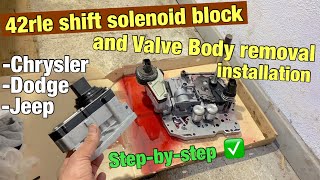
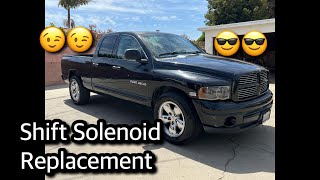
Typical fix: Drop the transmission pan and valve body to replace the entire solenoid pack assembly. 🎬 Watch this step-by-step Dodge Ram solenoid pack replacement guide This is a well-documented DIY job for those with moderate mechanical skill. It's critical to also replace both transmission filters (sump and spin-on) and use only Mopar ATF+4 fluid.
Est. part cost: $250-$550 - Failed Input or Output Speed Sensor 🔴 High Probability These sensors are exposed to heat and can fail with age. Their magnetic tips can also become covered in metallic debris from normal wear, disrupting the signal. They are a very common failure point on this platform.
How to confirm: Scan the TCM for specific speed sensor codes (e.g., P0717, P0720). The sensors can be tested with a multimeter for resistance; a good sensor should read between 1,600 to 2,300 ohms at room temperature (approx. 76°F). An intermittent sensor may still read within range when cool.
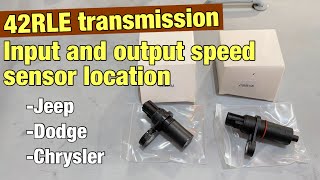
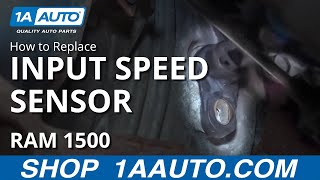
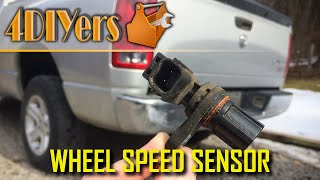
Typical fix: Unplug the sensor, remove a single bolt, and replace the sensor. They are located on the driver's side of the transmission. Many owners replace both at the same time as they are often the same part number (Mopar P/N 4799061AB).
Est. part cost: $20-$60 per sensor - Low or Burnt Transmission Fluid 🟡 Medium Probability This transmission requires Mopar ATF+4 fluid. Using the wrong fluid type or neglecting fluid changes leads to breakdown, which can cause overheating, poor hydraulic pressure, and solenoid/valve body issues.
How to confirm: Check the transmission fluid dipstick with the engine running and transmission in neutral. The fluid should be bright red and clear. If it's dark brown, black, or smells burnt, it is degraded and needs to be changed.
Typical fix: Perform a transmission fluid and filter change. A pan drop and filter change is often recommended over a high-pressure flush on high-mileage transmissions.
Est. part cost: $75-$150 for fluid and filters - Damaged Wiring or Connectors ⚪ Low Probability
How to confirm: Visually inspect the main 23-pin wiring harness connector leading to the transmission on the driver's side for corrosion, fluid contamination, or physical damage. Also check the wiring to the speed sensors. A poor ground connection from the engine/transmission to the firewall can also cause various electrical faults.
Typical fix: Repair or replace the damaged section of the wiring harness or clean the connectors with electrical contact cleaner. Ensure the main engine-to-firewall ground strap is clean and secure.
Est. part cost: $10-$200 depending on the extent of damage
Rare But Worth Checking
- Failed Transmission Control Module (TCM): While less common, the TCM itself (which is integrated into the PCM on this truck) can fail. This is usually suspected only after all other possibilities have been ruled out. If P0700 returns immediately after a reset with no other specific transmission codes present, the TCM is a likely cause.
- Worn Valve Body: The aluminum valve body that the solenoid pack bolts to can wear over time, causing valves to stick or hydraulic pressure to leak internally. In some cases, even a new solenoid pack won't fix shifting issues if the valve body itself is faulty. This is a known issue for code P1776, which often accompanies P0700.
- Internal Transmission Failure: If the transmission fluid is full of metal shavings, it indicates a severe mechanical failure like burnt clutches or a failing torque converter. A forum member reported codes P0734 and P0735 (incorrect gear ratio) along with P0700, which ultimately led to a transmission rebuild.
- Faulty Transfer Case Motor (4x4 Models): In at least one documented case, a P0700 code was attributed by a mechanic to a failing transfer case motor and a possible snap ring issue. [NHTSA ODI #11492165]
Diagnosis Steps
- Connect an OBD-II scanner capable of reading manufacturer-specific codes to the diagnostic port.
- Scan for codes in both the Engine Control Module (PCM) and the Transmission Control Module (TCM). Do not proceed without the specific TCM codes.
- Record the P0700 code from the PCM and, more importantly, all specific codes (P07xx, P08xx, etc.) from the TCM.
- Check the transmission fluid level and condition with the engine running and transmission in neutral. The fluid must be Mopar ATF+4, at the correct level, and bright red.
- Based on the specific TCM codes, proceed with diagnosis. For solenoid codes (P0750, P0755, etc.), the primary suspect is the solenoid pack.
- For speed sensor codes (P0717, P0720), test or replace the specific sensor on the driver's side of the transmission.
- Inspect the main transmission wiring harness and connector for any visible damage, corrosion, or loose pins. Also check the engine-to-firewall ground strap for integrity.
- If replacing internal parts like the solenoid pack, drop the transmission pan and inspect the magnet for excessive metal debris, which would indicate a more serious mechanical failure requiring a rebuild.
Parts You'll Likely Need
- Transmission Solenoid Block Pack
(OEM #5170877AF (for 1999-2003 black connector, requires plate update), 52119435AF (for 2004+ white/gray connector))— This is the most common point of failure on the 45RFE/545RFE transmission that triggers a P0700 code via other specific solenoid codes.
Trusted brands: Mopar, Standard Motor Products (SMP), Rostra
OEM price range: $400-$550
Aftermarket price range: $250-$400 - Transmission Input/Output Speed Sensor
(OEM #4799061AB (or 04799061AB))— A very common and simple-to-fix cause of limp mode and shifting issues. The input and output sensors are the same part number and are often replaced in pairs.
Trusted brands: Mopar, NTK, Delphi, Standard Motor Products
OEM price range: $40-$60
Aftermarket price range: $20-$40 - Transmission Filter Kit (with Gasket) — Required when replacing the solenoid pack or performing a fluid service. These transmissions have two filters (a spin-on cooler return filter and a flat sump filter) that should be changed.
Trusted brands: Mopar, Wix, ATP
OEM price range: $50-$80
Aftermarket price range: $30-$50 - Mopar ATF+4 Automatic Transmission Fluid
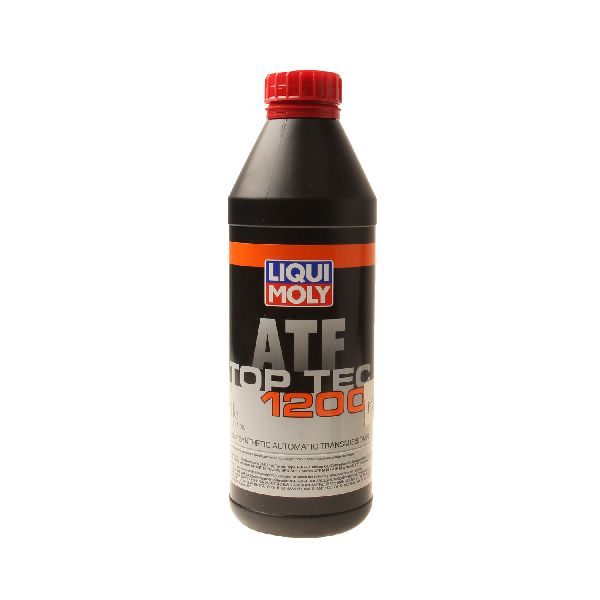
(OEM #MS-9602)— This is the only specified fluid for the 45RFE/545RFE transmission. Using other fluid types can cause shifting problems and damage.
Related Codes That Often Appear With This One
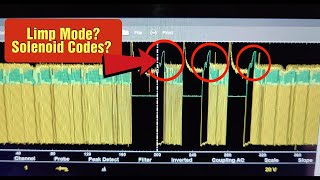
- P0750, P0755, P0760 — These codes point to specific faults within the shift solenoid circuits ('A', 'B', 'C'). Their presence alongside P0700 is a very strong indicator of a failed solenoid pack.
- P0715-P0723 — These codes indicate faults with the input or output speed sensor circuits, pointing directly to a sensor failure as the root cause.
- P0841, P0876 — These codes relate to transmission fluid pressure sensor/switch circuits. While they can indicate a sensor issue, they are often caused by a faulty solenoid pack (which contains the pressure switches) or internal hydraulic leaks.
- P0740 — This code points to a fault in the Torque Converter Clutch (TCC) solenoid circuit. This solenoid is part of the main solenoid pack, so this code also strongly suggests the pack needs replacement.
- P1776 — This code indicates the Solenoid Switch Valve is stuck in the Low/Reverse position. It's a very common code on this transmission family and is often caused by a worn valve body bore, though it can also be triggered by a faulty solenoid pack.
Technical Service Bulletins (TSBs) & Recalls
- S2321000006: While for a different Dodge model, this TSB confirms the definition of P0700 as 'Transmission Control System (MIL Request)', validating its role as an informational code for the brand.
Platform-Specific Known Issues
- The integrated solenoid pack on the 45RFE/545RFE transmission is a well-documented weak point, frequently causing codes like P0750, P0755, and P0760, which in turn trigger the P0700. Replacement of the entire block is the standard repair.
- Early models (pre-2004) came with a black electrical connector on the solenoid pack. The updated replacement part has a white or gray connector and may require replacing the TRS cam plate inside the transmission at the same time.
Mechanic-Grade Diagnostic Values
- Transmission Input/Output Speed Sensor Resistance — expected: 1,600 - 2,300 Ohms (Ω) at 76°F (24.5°C). Failure: A reading outside this range, or an open/infinite reading, indicates a faulty sensor.
- Transmission Solenoid Coil Resistance (most solenoids) — expected: 1.0 - 3.0 Ohms (Ω). Failure: A reading outside this range indicates a faulty coil within the solenoid pack.
- Pressure Control Solenoid Resistance — expected: 2.5 - 5.0 Ohms (Ω). Failure: A reading outside this range indicates a fault with the pressure control solenoid.
- Input Speed Sensor Supply Voltage — expected: Approximately 9 Volts. Failure: No voltage or significantly lower voltage could indicate a wiring or TCM issue.
Scan Tool Commands That Help
- DRB III or equivalent advanced scanner: TCM Quick Learn — This procedure is required after replacing the transmission, valve body, or solenoid pack. It forces the TCM to relearn clutch volume indexes (CVIs) for smooth shifting. Failure to perform a quick learn can result in harsh or erratic shifts after a repair.
- Advanced bidirectional scanner: Solenoid Actuation Test — To individually command each shift solenoid on and off while monitoring for an audible click or pressure changes. This can help isolate a single failed solenoid within the pack before removal, confirming the pack is the issue.
Wiring & Ground Locations
- Engine to Firewall Ground Strap — A braided ground strap connecting the rear of the passenger side cylinder head to a stud on the firewall/bulkhead.. A corroded or loose ground strap can cause a host of intermittent and difficult-to-diagnose electrical problems, including low voltage to the TCM, which can trigger a P0700 and other false codes.
- Transmission Main Connector (C1) — A large, 23-pin round connector on the driver's side of the transmission case.. This is the single point of connection for all electronic signals to and from the transmission. Corrosion or pushed-out pins in this connector can interrupt communication for any sensor or solenoid, leading to a P0700 code.
- Main Ground to Engine Block — A primary ground cable runs from the negative battery terminal to a 15mm bolt on the driver's side of the engine block.. This is a critical ground path for the entire powertrain. A poor connection here can affect all electronic modules, including the PCM/TCM.
Real Owner Repair Stories
- DodgeForum.com user (2004 Dodge Ram 1500 5.7L Hemi (545RFE transmission)) — Codes P0700, P0841, P0740, P0750 and limp mode. The issue would sometimes reset on restart.
❌ Tried (didn't work) Replacing the line pressure sensor, Replacing the input and output speed sensors
✅ What actually fixed it The user replaced the solenoid pack, which initially did not fix the problem. They began to suspect they received a bad solenoid pack from the dealership, as the P0750 code points directly to an electrical fault in the solenoid assembly. - DodgeForum.com user (2002 Dodge Caravan (demonstrates sensor failure pattern)) — Codes P0700 and P1684 (battery disconnected).
❌ Tried (didn't work) Initial suspicion of alternator or battery issues due to dimming lights.
✅ What actually fixed it Replacing the output speed sensor resolved the P0700 code and the transmission issues. The part cost was minimal ($15).
OEM Part Supersession History
5170877AF (and earlier versions AA, AB, AC, AD)→68353383AC— Updated design for improved reliability and reduced operational noise.
Heads up: The early black connector solenoid pack (used 1999-2003) must be updated to the later white connector style. This update requires replacing the transmission range sensor plate (also called a detent plate) at the same time to ensure compatibility.4799758 (4-pin design)→4799758AF (3-pin design)— Updated design for the line pressure sensor/transducer.
Heads up: The newer 3-pin sensor is designed to replace the older 4-pin design. They are interchangeable.
Model Year Variations Within This Range
- 2002-2003: These models typically used the 45RFE transmission with a black electrical connector on the solenoid pack. When replacing this solenoid pack, it must be updated to the newer white connector style, which also requires replacing the TRS/detent plate inside the transmission.
- 2004-2008: These models typically used the 545RFE transmission with an updated white connector solenoid pack. A direct replacement with another white connector pack does not require changing the TRS/detent plate.
Diagnostic Flowchart
Other Known Issues on This Vehicle
Issues unrelated to this code that are worth knowing about as an owner of this generation:
- Cracked Dashboard 🟠 Medium — Extremely common across all 3rd generation Rams. The plastic becomes brittle from UV exposure and temperature cycles, leading to spiderweb cracks and large pieces breaking off, especially around vents. (Ref: No recall was ever issued, despite widespread owner complaints.)
- 4.7L V8 Engine Sludge Buildup 🔴 High — A known issue for this engine, often attributed to insufficient oil cooling, long oil change intervals, or potential PCV system issues. Can lead to blocked oil passages, timing chain guide failure, and catastrophic engine damage if not managed.
- Broken Exhaust Manifold Bolts 🟠 Medium — The bolts securing the exhaust manifolds to the cylinder heads are prone to breaking, causing an exhaust leak recognized by a ticking sound, especially when the engine is cold.
- Heater Core Clogging 🟠 Medium — The heater core can become clogged with sediment from the cooling system, resulting in a loss of heat to the cabin. Flushing the core can sometimes resolve it, but replacement is often necessary.
- Front Wheel Bearing Failure 🟠 Medium — These trucks are known for premature front wheel bearing wear, sometimes failing as early as 75,000 miles and requiring multiple replacements. Symptoms include a squeaking or grinding noise while driving.
Used vs. New Parts: Buying Guide for This Vehicle
When a used part is the smart pick: A used part is generally not recommended for the primary electronic failure points (solenoid pack, sensors) due to their high failure rate and the labor involved in replacement. A complete used transmission assembly from a verified low-mileage donor vehicle can be a cost-effective alternative to a full rebuild if a major mechanical failure is confirmed.
Donor-vehicle mileage cap: roughly under 80000 miles for the part to have meaningful remaining life.
What to inspect on the donor part:
- Check the color and smell of the transmission fluid from the donor vehicle. It should be reddish and not smell burnt.
- Ask for a vehicle history report to verify mileage and check for accident history.
- Inspect the transmission case for cracks or damage.
- If possible, get a warranty from the salvage yard.
OEM-only on this vehicle (don't cheap out):
- Transmission Solenoid Pack: While some aftermarket brands exist, the OEM Mopar unit is widely considered the most reliable option to avoid repeat failures. The cost savings of aftermarket may not be worth the risk of doing the job twice.
- Mopar ATF+4 Fluid: Do not substitute. This is the only fluid engineered for this transmission's clutch materials and hydraulic system.
Aftermarket brands forum-validated for this vehicle:
- Rostra (for solenoid packs, often cited as a reliable alternative to OEM)
- NTK / Delphi (for input/output speed sensors)
- Wix / ATP (for transmission filter kits)
Brands owners have reported issues with on this vehicle:
- Unbranded, 'white box' solenoid packs and sensors from online marketplaces are a significant gamble and frequently lead to premature failure.
Real Owner Stories
Aggregated from forums and TSBs cited above. Mileages and costs reflect what owners reported in those sources.
2002-2008 Dodge Ram 1500 4.7L V8
Symptoms: Vehicle experienced a bucking sensation and eventually gear failure while throwing codes P0734 and P0735 along with P0700.
What fixed it: The owner identified it as gear failure after the bucking sensation.
Source hint: RamForum.com: 'Transmission Issues (p0700)'
2002-2008 Dodge Ram 1500 4.7L V8
Symptoms: Vehicle entered limp mode. Changing fluid and filters provided only a temporary fix before codes P0841 and P0736 appeared.
What fixed it: The issues pointed toward a pressure sensor or solenoid issue.
Source hint: DodgeForum.com: 'TCM code p0700 transmission control module'
2002-2008 Dodge Ram 1500 4.7L V8 — 215000 miles
Symptoms: Check engine light showed P0700 and P0740 (Torque Converter Clutch Circuit), though the truck was still shifting fine.
What fixed it: Diagnosis suggested the torque converter was likely failing.
Source hint: RamForum.com: 'Error code p0700. At dead end need help!'
2006 Dodge Durango 4.7L V8
Symptoms: P0700 and P0750 codes appeared on the 545RFE transmission.
What fixed it: Confirmed as a strictly electrical fault pointing to the solenoid pack.
Source hint: DodgeForum.com: 'P0700 and P0750 on '06 4.7L with 545RFE'
Related OBD-II Codes
Frequently Asked Questions
My 2006 Dodge Ram 4.7L has P0700 and P0750; is this a mechanical failure?
What specific transmission fluid should I use for my 2002-2008 Dodge Ram 1500 to avoid P0700 codes?
I'm replacing the solenoid pack on my early model Ram; do I need any other parts?
Can a bad ground cause transmission codes on this truck?
How can I test the speed sensors on my Ram 1500 before buying new ones?
Does TSB S2321000006 mean my transmission is blown?
Helpful Videos
We Have This Part in Stock

The information in this article is provided for general reference and educational purposes only. Vehicle specifications, procedures, and part compatibility can vary by production date, trim level, and region. Always consult your vehicle's factory service manual and verify part numbers before purchasing or performing repairs. Safety-critical components such as airbags, seat belts, and braking systems should be installed by a qualified professional.
- Dodge Ram 1500:
- 🎬 Helpful Videos
- 🛍️ Shop This Part
- What's Unique About the 2002-2008 Dodge Ram 1500
- Symptoms You May Notice
- Most Likely Causes
- Rare But Worth Checking
- Diagnosis Steps
- Parts You'll Likely Need
- Related Codes That Often Appear With This One
- Technical Service Bulletins (TSBs) & Recalls
- Platform-Specific Known Issues
- Mechanic-Grade Diagnostic Values
- Scan Tool Commands That Help
- Wiring & Ground Locations
- Real Owner Repair Stories
- OEM Part Supersession History
- Model Year Variations Within This Range
- Diagnostic Flowchart
- Other Known Issues on This Vehicle
- Used vs. New Parts: Buying Guide for This Vehicle
- Real Owner Stories
- 2002-2008 Dodge Ram 1500 4.7L V8
- 2002-2008 Dodge Ram 1500 4.7L V8
- 2002-2008 Dodge Ram 1500 4.7L V8 — 215000 miles
- 2006 Dodge Durango 4.7L V8
- Related OBD-II Codes
- Frequently Asked Questions
- 🎟️ Get 5% Off