

P0700 on 2012-2020 Chevrolet Sonic: Transmission Control System Malfunction Causes and Fixes
P0700 on a Chevy Sonic means the transmission has a problem. It's a general code, so you must scan the Transmission Control Module (TCM) for more specific codes. The most common culprits are a faulty TCM, low transmission fluid, or bad shift solenoids. The TCM is a known weak point on these cars.
- P0700 is a general alert that a transmission fault exists; it is not the root cause.
- You MUST use a scanner that can read codes from the Transmission Control Module (TCM) to find the specific problem.
- The most likely causes on a Sonic are a faulty TCM, low/dirty transmission fluid, or a bad shift solenoid.
- Owners of 2012 Sonics with the 1.8L engine should verify if their vehicle was affected by Safety Recall 14234 for a potentially fracturing transmission turbine shaft.
- Due to the complexity, professional diagnosis is strongly recommended to avoid replacing unnecessary parts.
What's Unique About the 2012-2020 Chevrolet Sonic
The Chevrolet Sonic, which uses a GM 6-speed automatic transmission (like the 6T30), can be prone to transmission issues. While the P0700 code is generic, on the Sonic it frequently points toward problems with the Transmission Control Module (TCM) itself, which is located inside the transmission and is a widely documented failure point. Additionally, early 2012 models with the 1.8L engine were subject to a serious safety recall (NHTSA Campaign Number: 14V234, GM Recall: 14234) for a fracturing transmission turbine shaft, which could trigger a P0700 code along with severe shifting problems or a loss of propulsion.
Symptoms You May Notice
- Check Engine Light is on
- Harsh, erratic, or delayed shifting
- Vehicle gets stuck in one gear (limp mode)
- Loud clunking sound when shifting into gear
- Inability to shift into Drive or Reverse
- Poor acceleration or sluggish performance
- Decreased fuel economy
- Gear position indicator on the dashboard may be blank or incorrect
- Traction control light may also illuminate
- Replacing the Engine Control Module (ECM) without checking for specific TCM codes first.
- Replacing the entire transmission when the issue is a less expensive external component like a wiring harness or a faulty but serviceable sensor.
- Replacing shift solenoids when the root cause is a failing TCM that is providing bad commands.
Most Likely Causes
- Faulty Transmission Control Module (TCM) 🔴 High Probability The TCM, integrated with the valve body inside the transmission on the 6T30/6T40, is a notorious failure point on many GM vehicles of this era, including the Sonic and its platform-mate, the Cruze. It is susceptible to internal electronic failure, leading to a wide range of shifting and communication errors.
How to confirm: A diagnostic scan tool will show communication loss codes (like U0101) or internal processor fault codes stored in conjunction with P0700. A technician will test power, ground, and CAN bus communication lines at the transmission connector before condemning the module.
Typical fix: Replace the Transmission Control Module/valve body assembly. This is a complex job that requires removing the transmission side cover. The new module must be programmed to the vehicle's VIN using a tool like GM's Techline Connect (TIS2Web) with a J2534 interface.
Est. part cost: $250-$600 - Low or Dirty Transmission Fluid 🟡 Medium Probability The 6T30/6T40 transmission is sensitive to fluid level and condition. The fluid degrades over time, and leaks can develop. Many owners recommend a drain-and-fill every 30,000 miles for longevity.
How to confirm: These transmissions do not have a traditional dipstick. The fluid level must be checked via a level-check plug on the side of the transmission case while the engine is running and the fluid is at operating temperature. The fluid should be bright red and not smell burnt.
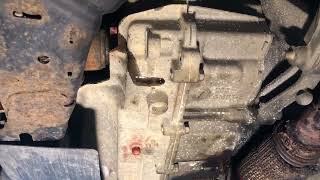
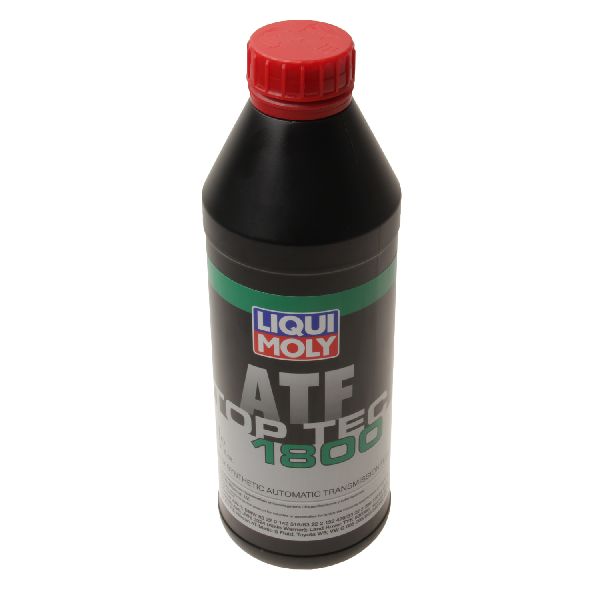
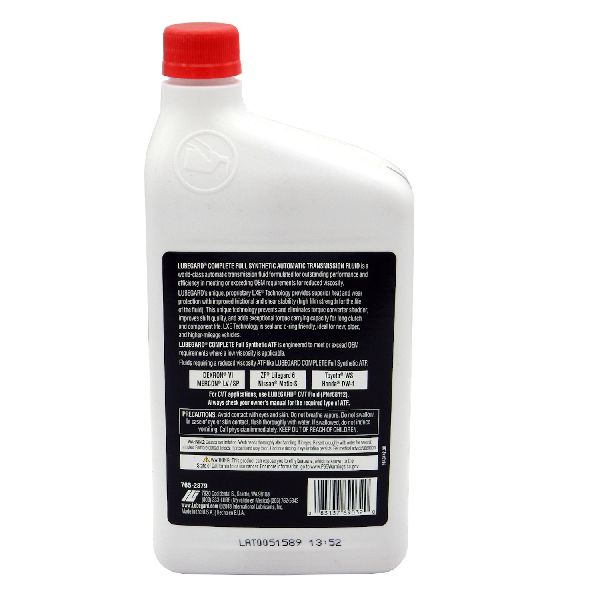
Typical fix: Perform a transmission fluid drain and fill. Use only the specified fluid, ACDelco DEXRON-VI. 🎬 Watch: How to check, change, and add transmission fluid A full flush is generally not recommended by GM.
Est. part cost: $50-$200 - Faulty Shift Solenoid(s) 🟡 Medium Probability Solenoids are electro-mechanical valves that control fluid flow to engage gears. They can fail electrically or become clogged with debris from aging fluid, causing specific shift problems.
How to confirm: A TCM-specific scan will often point to a specific solenoid circuit fault (e.g., P0796 for Pressure Control Solenoid 'C', or P0751 for Shift Solenoid 'A'). Solenoids can be tested with a multimeter for resistance. Solenoids are part of the TCM/valve body assembly and are not always serviced separately.
Typical fix: In some cases, individual solenoids can be replaced, but it often requires replacing the entire TCM/valve body assembly. After replacement, a 'Service Fast Learn' procedure may be needed at a dealership or with a high-level scan tool.
Est. part cost: $40-$100 per solenoid, or part of the TCM assembly - Damaged Wiring or Connectors ⚪ Low Probability Wires in the engine bay are exposed to heat and vibration. GM issued TSB #PIP4990D advising technicians to check for chafed wiring on top of the transmission and inspect terminal pin fit at the transmission connector before replacing the TCM.
How to confirm: Visually inspect the wiring harness leading to the main transmission connector for any signs of chafing, melting, or corrosion. Check fuses related to the TCM. Perform continuity and voltage drop tests on suspect wires, especially power and ground circuits to the TCM.
Typical fix: Repair the damaged section of the wiring harness or replace the affected connector. Protect the harness from further damage.
Est. part cost: $20-$150 - Faulty Transmission Range Sensor (Neutral Safety Switch) ⚪ Low Probability This sensor tells the TCM which gear has been selected (P, R, N, D). If it fails, the TCM won't know the driver's intent, causing shifting issues, a no-start condition, or a blank gear indicator.
How to confirm: Observe if the gear indicator on the dash matches the physical gear selector. A scan tool can show the live data from the range sensor to see if it's reading correctly as you move the shifter.
Typical fix: Replace the transmission range sensor. On the 6T30/40, this sensor is often part of the internal mode switch located on the valve body.
Est. part cost: $50-$150
Rare But Worth Checking
- Internal Mechanical Transmission Failure: This is a worst-case scenario. A fractured turbine shaft was a specific issue for 2012 models under recall 14234. Other issues could include worn clutches or a failed torque converter, often indicated by shuddering or metal shavings in the transmission fluid.
- Poor Ground Connections: Poor ground connections at G104, G105, G106, and G107 can cause intermittent communication loss with the TCM, triggering U-codes and P0700. GM issued TSBs PIC5574A and PIP4990D highlighting the need to inspect these grounds for looseness or contamination before replacing modules.
Diagnosis Steps
- Connect an OBD-II scanner capable of reading transmission codes to the vehicle's diagnostic port.
- Retrieve all codes from both the ECM and, most importantly, the TCM. The P07xx and U-series codes found in the TCM are key to the diagnosis.
- Check the transmission fluid level and condition using the side check plug procedure. The fluid should be at the correct level with the engine running and warm. 🎬 See this walkthrough for checking fluid levels correctly
- Inspect the transmission wiring harness and the main connector for visible damage, corrosion, or loose connections. Check all related fuses in the underhood fuse block.
- Inspect key ground locations, specifically G105 (under battery tray), G106, and G107 (on engine block) for corrosion or looseness, as highlighted in GM service bulletins.
- If communication codes (U-codes) are present or the TCM is unresponsive, test the power (Pins 1, 12, 13) and ground (Pin 2) circuits at the 14-pin TCM connector to rule out a wiring problem.
- Based on the specific TCM codes, test the implicated components. This may involve checking the resistance of shift solenoids.
- If all external components and wiring test correctly, the TCM itself is the most likely cause of the fault.
Parts You'll Likely Need
- Transmission Control Module (TCM)
(OEM #24256524 (Gen 1, check specific VIN for compatibility))— This is the most common failure point for P0700 on the Sonic. It is located inside the transmission and requires programming upon replacement. 🎬 Watch: How to program a used TCM module
Trusted brands: ACDelco (OEM), Dorman, Various Remanufacturers
OEM price range: $450-$650
Aftermarket price range: $250-$450 - Automatic Transmission Fluid
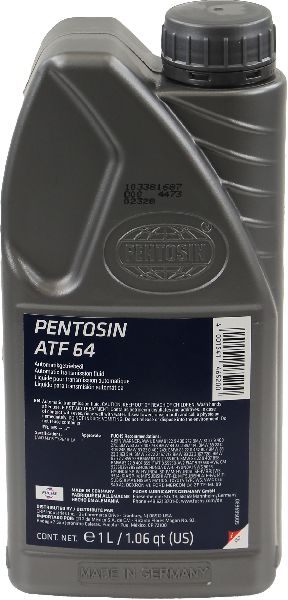
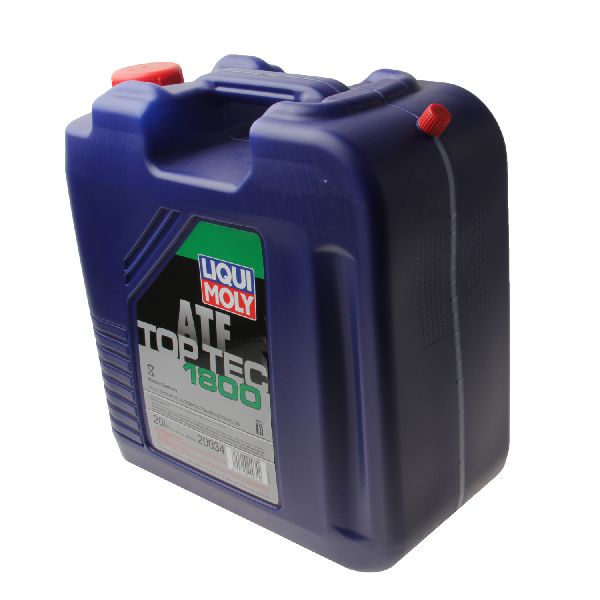
(OEM #10-9395 (ACDelco DEXRON-VI))— Low or degraded fluid is a primary cause of transmission overheating and shifting issues. Required for any internal transmission service.
Trusted brands: ACDelco, Valvoline, Castrol
OEM price range: $10-$15 per quart
Aftermarket price range: $8-$12 per quart - Transmission Shift Solenoid — Individual solenoids can fail, leading to problems with specific gear engagements. Often replaced as part of the TCM/Valve Body assembly.
Trusted brands: ACDelco, Bosch, ATP
OEM price range: $60-$120
Aftermarket price range: $30-$80
Related Codes That Often Appear With This One
- P0796 — This code for 'Pressure Control Solenoid 'C' Stuck Off' is a specific fault that frequently accompanies P0700 on these transmissions, pointing to a solenoid or TCM issue.
- U0101 — If the cause is a faulty TCM or wiring issue, this code for 'Lost Communication with TCM' is very common. P0700 is set as a direct result of the TCM going offline.
- P0601 — This code indicates an 'Internal Control Module Memory Check Sum Error' and strongly points to a failed TCM when seen with P0700.
Technical Service Bulletins (TSBs) & Recalls
- GM Recall 14234 / NHTSA 14V-234 - Transmission Turbine Shaft Fracture
- GM TSB 14371A - Extended coverage for leaking water pump on 1.4L engines.
- GM TSB PIP5197 - Details on PCV system issues causing codes like P0171.
Platform-Specific Known Issues
- GM Safety Recall 14234 (NHTSA 14V-234): Affects certain 2012 Chevrolet Sonic vehicles with the 1.8L engine and 6-speed automatic transmission. The transmission turbine shaft may fracture, causing a loss of power.
Mechanic-Grade Diagnostic Values
- Pressure Control Solenoids (PCS) 2, 3, 4, 5 & TCC Solenoid Resistance — expected: 3 - 5 Ohms. Failure: A reading outside this range indicates a faulty solenoid.
- Shift Solenoid 1 (On/Off type) Resistance — expected: 16 - 20 Ohms. Failure: A reading outside this range indicates a faulty solenoid.
- TCM Ground Circuit Voltage Drop — expected: < 10 Ohms to chassis ground. Failure: Resistance higher than 10 Ohms indicates a poor ground connection that can cause communication errors like U0101.
- Transmission Fluid Temperature (TFT) for 'Service Fast Learn' — expected: 70-100°C (158-212°F). Failure: The procedure will not initiate or may abort if the fluid is not within this temperature range.
Scan Tool Commands That Help
- GDS2 / Tech2 / High-End Aftermarket: Service Fast Learn Adapts — This procedure is mandatory after replacing the TCM/valve body assembly, updating TCM software, or performing any internal transmission repair. It allows the TCM to learn the hydraulic characteristics of the clutches to ensure smooth shifting. Failure to perform it can result in poor shift quality and new DTCs being set.
- GDS2 / Tech2 / High-End Aftermarket: Solenoid Valve Characterization Data Upload/Download — When replacing the TCM, the solenoid characterization data from the original module should be downloaded and transferred to the new module. If the original module is non-communicative, this data can be retrieved from a GM online database using the VIN. This ensures the new TCM precisely controls the specific solenoids installed.
- GDS2 / Tech2 / High-End Aftermarket: Output Controls - Solenoid Commands — To diagnose a suspected faulty solenoid, a technician can use the scan tool to command individual solenoids on or off while monitoring transmission data to see if the command results in the expected hydraulic/mechanical action. This helps isolate a specific bad solenoid.
Wiring & Ground Locations
- G105 — On the frame rail, directly under the battery tray. The tray must be removed for access.. This is a primary ground point. GM TSB PIC5574A specifically calls out inspecting this ground for paint or weld slag on the stud, which can cause intermittent no-crank or communication code issues, including those that trigger P0700.
- G106 / G107 — G106 is on the left rear of the engine block. G107 is on the lower left rear of the engine block.. These are critical engine block grounds for the powertrain system, including the TCM. TSB #PIP4990D specifically instructs technicians to check these grounds for looseness or corrosion when diagnosing TCM communication codes like U0101, which is a common companion to P0700.
- TCM Connector (X1) — The 14-pin or 16-way main connector at the transmission case. The TCM itself is inside the side cover.. This is the single point for all power, ground, and communication signals to the TCM. A dealership diagnostic for U0101 involves testing for battery voltage at pins 1, 12, and 13, and checking for good ground (less than 10 ohms) at pin 2.
- Chassis Ground Studs — On the chassis frame rail beneath the battery tray, in front of the transmission mount.. The main battery negative cable and the engine block ground strap attach to two separate studs in this location. Some owners report that corrosion or the separated design creates a weak point. Cleaning these connections and combining them onto a single stud is a common DIY improvement to prevent intermittent electrical issues.
Real Owner Repair Stories
- Reddit user in r/ChevySonic (2016 Chevrolet Sonic) — Gear indicator on dash would disappear, power locks would cycle constantly, harsh shifting from Park to Drive.
❌ Tried (didn't work) Initial diagnosis at dealership.
✅ What actually fixed it The owner declined expensive dealership repairs and purchased the TCM/valve body assembly, gaskets, and plates themselves. The root cause was confirmed to be a faulty TCM causing communication loss code U0101 and the resulting P0700. The fix was replacing the TCM/valve body assembly and having it programmed. - Sonic Owners Forum user 'Thewrenchartist' (2012 Sonic 1.8L Automatic) — Blown transmission.
✅ What actually fixed it The owner replaced the entire transmission from a 2012 model with one from a 2015 model. Another user in the thread confirmed that transmissions from different years (e.g., a 2014 trans in a 2012 car) can be compatible despite potential TCM hardware and software differences, indicating a degree of interchangeability. - NHTSA ODI #10825980 — An owner reported that after clearing engine codes, the check engine light returned a week later with codes P0700, P0300, and P0717. Despite changing spark plugs and using fuel treatments, the symptoms persisted.
OEM Part Supersession History
24256524→24041956— Standard part revision and update by the manufacturer.
Heads up: The original part number 24256524 is for the Gen 1 6T30/6T40 TCM. The superseding part number should be compatible, but it is always critical to verify the correct part for your specific VIN before ordering, as multiple revisions exist.
Model Year Variations Within This Range
- 2012-2016 vs 2017-2020: The Sonic received a major refresh for the 2017 model year, which included new front and rear fascia, a new hood, and updated interior technology like a standard 7-inch MyLink screen. While the core 6-speed automatic transmission remained the same, TCM part numbers and software calibrations may differ between the pre-facelift (Gen 1) and post-facelift (Gen 2) models. Reliability is generally considered better on 2015 and newer models due to refinements and fewer recalls.
- 2012-2020: Forum users report successfully swapping transmissions between different model years (e.g., a 2015 transmission into a 2012 vehicle) without issue, suggesting a high degree of mechanical compatibility for the transmission assembly itself across the generation.
Diagnostic Flowchart
Other Known Issues on This Vehicle
Issues unrelated to this code that are worth knowing about as an owner of this generation:
- PCV System Failure (1.4L Turbo) 🔴 High — Very common. A failed check valve in the intake manifold or a ruptured diaphragm in the valve cover can cause oil consumption, rough idle, and lean codes (P0171). (Ref: TSB PIP5197)
- Coolant Leaks 🔴 High — Extremely common. Leaks frequently develop from the water pump (especially on 1.4L), plastic thermostat housing, and coolant reservoir tank due to thermal stress. (Ref: TSB 14371A (Extended coverage for water pump))
- Valve Cover and Oil Cooler Leaks 🟠 Medium — Common at higher mileage. The valve cover gasket and oil cooler seals can degrade, causing oil leaks onto the engine and exhaust.
- Turbocharger Failure (1.4L Turbo) 🟠 Medium — Occurs with some frequency, often due to oil starvation from clogged lines or other engine issues. Symptoms include loss of power, noise, and oil consumption.
- Noisy Front Sway Bar End Links 🟡 Low — A very common issue causing popping or clunking noises from the front suspension over bumps. Not a safety concern but can be annoying.
Used vs. New Parts: Buying Guide for This Vehicle
When a used part is the smart pick: A used transmission assembly from a low-mileage donor car can be a cost-effective choice if the entire transmission needs replacement, as they have been shown to be interchangeable across model years. However, for the common TCM failure, a used TCM is a significant gamble.
Donor-vehicle mileage cap: roughly under 75000 miles for the part to have meaningful remaining life.
What to inspect on the donor part:
- Check the color and smell of the transmission fluid from the donor car if possible. It should be reddish and not smell burnt.
- Ask for the VIN of the donor car to check its service history or for any reported accidents.
- Visually inspect the transmission case for cracks or damage and the electrical connector for bent or corroded pins.
OEM-only on this vehicle (don't cheap out):
- Transmission Control Module (TCM): While remanufactured units from reputable brands like Dorman are available, the safest bet is a new OEM ACDelco part. Used TCMs are risky because they may have the same internal flaws as the one that failed, and they will still require expensive dealer programming.
Aftermarket brands forum-validated for this vehicle:
- ACDelco (OEM for new parts)
- Dorman (For remanufactured TCMs, though OEM is preferred)
- Valvoline, Castrol (For DEXRON-VI transmission fluid)
Brands owners have reported issues with on this vehicle:
- Unbranded, no-name TCMs from online marketplaces. These often fail quickly or are not programmable, leading to wasted time and money.
Real Owner Stories
Aggregated from forums and TSBs cited above. Mileages and costs reflect what owners reported in those sources.
2012 Chevrolet Sonic
Symptoms: Check engine light on, traction control light on, and the vehicle has no reverse gear.
What fixed it: Diagnosis pointed toward a failed Transmission Control Module (TCM).
Source hint: https://www.sonicownersforum.com/threads/traction-control-engine-light-on-p0700.27986/
2013 Chevrolet Sonic — ~150000 miles
Symptoms: Intermittent P2534 and P0700 codes on a high-mileage vehicle.
What fixed it: The owner traced the issue to a wiring harness that was rubbing against an aftermarket part, causing a short.
Source hint: https://www.reddit.com/r/MechanicAdvice/comments/16u0w6a/intermittent_p2534_and_p0700_2013_chevrolet_sonic/
Chevrolet Sonic
Symptoms: P0700 and P2534 codes appearing after a solenoid replacement.
What fixed it: The issue was identified as a wiring problem rather than a mechanical transmission failure.
Source hint: https://www.sonicownersforum.com/threads/code-p0700-and-p2534.33139/
Related OBD-II Codes
Frequently Asked Questions
Does the transmission turbine shaft recall apply to my 2012 Chevrolet Sonic?
My 2013 Sonic has P0700 and P2534; could this be a wiring issue?
Can I just replace the fluid to fix P0700 on my 6T40 transmission?
Is there a specific ground I should check for transmission communication codes?
Do I need to program the new TCM if I replace it myself?
Why is my traction control light on at the same time as the P0700 code?
Helpful Videos

Used OEM Parts in Stock


New Aftermarket Parts Available


The information in this article is provided for general reference and educational purposes only. Vehicle specifications, procedures, and part compatibility can vary by production date, trim level, and region. Always consult your vehicle's factory service manual and verify part numbers before purchasing or performing repairs. Safety-critical components such as airbags, seat belts, and braking systems should be installed by a qualified professional.
- Chevrolet Sonic:
- 🎬 Helpful Videos
- 🛍️ Shop This Part
- What's Unique About the 2012-2020 Chevrolet Sonic
- Symptoms You May Notice
- Most Likely Causes
- Rare But Worth Checking
- Diagnosis Steps
- Parts You'll Likely Need
- Related Codes That Often Appear With This One
- Technical Service Bulletins (TSBs) & Recalls
- Platform-Specific Known Issues
- Mechanic-Grade Diagnostic Values
- Scan Tool Commands That Help
- Wiring & Ground Locations
- Real Owner Repair Stories
- OEM Part Supersession History
- Model Year Variations Within This Range
- Diagnostic Flowchart
- Other Known Issues on This Vehicle
- Used vs. New Parts: Buying Guide for This Vehicle
- Real Owner Stories
- 2012 Chevrolet Sonic
- 2013 Chevrolet Sonic — ~150000 miles
- Chevrolet Sonic
- Related OBD-II Codes
- Frequently Asked Questions
- 🎟️ Get 5% Off