

P0606 on 2008-2010 Dodge Journey 2.4L: PCM Failure Causes and Fixes
This code indicates a serious internal failure of the Powertrain Control Module (PCM). While a faulty PCM is the most likely cause, first rule out a weak battery, bad alternator, or corroded ground wires, as these are common and cheaper fixes. The ground system on these vehicles is a known weak point. PCM replacement will cost several hundred dollars and requires professional programming to your vehicle's VIN.
- P0606 is a critical code indicating a PCM processor fault, which can cause your vehicle to stall without warning.
- Before spending money on a new PCM, you MUST first verify the health of your battery and charging system, and inspect all PCM power and ground connections for corrosion.
- Replacing the PCM is not a simple DIY task; the new unit must be professionally programmed to your vehicle's VIN.
- If the code appeared immediately after a battery change or the battery going dead, perform a hard reset by disconnecting the battery for 30 minutes before further diagnosis.
What's Unique About the 2008-2010 Dodge Journey
The 2008-2010 Dodge Journey with the 2.4L engine shares its platform (Chrysler JS) and powertrain with vehicles like the Dodge Avenger and Caliber, which are also known to exhibit similar PCM-related issues, including P0606. A widely cited weakness on this platform is the factory grounding system; owners frequently report that cleaning and upgrading ground connections can resolve a host of electrical issues. The main ground stud on the driver's side strut tower is a key location to inspect for corrosion. While no specific TSB for P0606 on this exact model/year is prominent, Chrysler has issued software updates for other models to fix this code, suggesting a reflash should be considered before condemning the hardware.
Symptoms You May Notice
- Check Engine Light is on
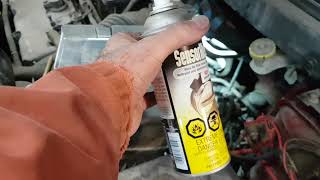
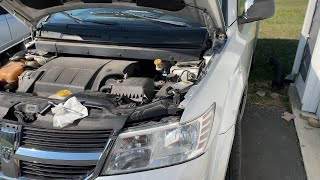
- Engine stalls randomly, especially at idle or while driving 🎬 See this simple fix for a stalling Dodge Journey engine.
- Vehicle will not start or has intermittent starting problems
- Erratic or harsh automatic transmission shifting
- Noticeable loss of power or engine performance
- Engine misfiring or stuttering
- Reduced fuel economy
- Instrument cluster gauges behaving erratically or going dead
- Immediately replacing the PCM without first testing the battery, alternator, and all power/ground connections. These simpler electrical issues are a frequent underlying cause and are much cheaper to fix.
Most Likely Causes
- Powertrain Control Module (PCM) Failure 🔴 High Probability This code specifically points to an internal processor error, and multiple sources confirm that PCM failure is a common issue for this code on these vehicles. The PCM is located in the driver's side front wheel well, where it is vulnerable to moisture and physical damage from road debris, which can contribute to premature failure.
How to confirm: This is diagnosed by exclusion. If all other potential causes (power, grounds, software) have been thoroughly checked and ruled out by a professional, the PCM is condemned.
Typical fix: Replace the Powertrain Control Module. The new unit must be programmed to the vehicle's VIN.
Est. part cost: $200-$500 for a refurbished unit, $600+ for a new OEM unit - Weak Battery or Failing Alternator 🟡 Medium Probability All modern control modules are highly sensitive to voltage. Low or unstable voltage from a dying battery or a faulty alternator can cause the PCM's self-test to fail, incorrectly logging a P0606 code.
How to confirm: Test the battery with the engine off; it should be ~12.6 volts. With the engine running, test the alternator output at the battery terminals; it should be stable between 13.5 and 14.5 volts.
Typical fix: Replace the weak battery and/or the failing alternator. Clean all battery terminal connections.
Est. part cost: $150-$250 for a battery, $200-$400 for an alternator - Poor PCM Power or Ground Connections 🟡 Medium Probability The Journey platform is noted by owners to have a weak factory grounding system. A corroded or loose ground wire, particularly the main ground stud on the driver's side strut tower or engine-to-chassis straps, can create high resistance and starve the module of stable power.
How to confirm: Visually inspect the main engine-to-chassis ground straps and the wiring harness connectors at the PCM. Perform a voltage drop test on the power and ground circuits to check for high resistance. Cleaning the main ground points is a common first step.
Typical fix: Clean the corroded ground points until they are on bare, shiny metal. Repair or replace any damaged wires or connectors in the PCM harness. Some owners proactively add redundant ground wires.
Est. part cost: $5-$50 for cleaning supplies or wiring repair - PCM Software Glitch ⚪ Low Probability Dodge has issued software updates (reflashes) to fix P0606 on other models, indicating that software anomalies can trigger this code. It's possible an update exists or that a reset could clear a temporary glitch.
How to confirm: A dealership or a properly equipped independent shop can check for and apply any available PCM software updates for your vehicle's VIN using a tool like wiTECH.
Typical fix: Perform a PCM software update (reflash).
Est. part cost: $0 if covered by a campaign, otherwise $100-$200 for labor
Rare But Worth Checking
- Shorted External Component: In rare cases, a sensor or actuator connected to the PCM can short out internally, sending stray voltage back to the PCM and causing it to malfunction and set a P0606 code. Diagnosing this involves unplugging components one by one to see if the code clears.
Diagnosis Steps
- Scan for any other trouble codes. If other codes are present, especially voltage or communication codes (P0562, U-codes), diagnose and fix them first, as they could be the root cause of the P0606.
- Perform a full battery and charging system test. Ensure the battery holds a charge (~12.6V) and the alternator provides a stable voltage of 13.5-14.5V when the engine is running.
- Clean and tighten the battery terminals. Inspect and thoroughly clean the main ground connections, especially the primary ground stud on the driver's side strut tower and any engine-to-chassis straps.
- Visually inspect the PCM connectors and wiring harness for any signs of corrosion, moisture, or physical damage, paying attention to its location in the wheel well.
- Perform a voltage drop test on the PCM's main power and ground circuits to ensure there is no excessive resistance.
- If all wiring and power inputs are good, try a hard reset. Disconnect the negative battery terminal for at least 30 minutes to clear the module's memory. Reconnect and see if the code returns.
- Contact a Dodge dealership or qualified repair shop to check if a PCM software update is available for your vehicle's VIN.
- If all previous steps fail to resolve the issue, the PCM is almost certainly faulty and requires replacement and programming.
Parts You'll Likely Need
- Powertrain Control Module (PCM)
(OEM #05150472AA, 05187271AD, 05187269AG (Note: Part numbers are VIN-specific, these are examples for 2009 models))— This is the most common direct cause for a P0606 code after all external electrical factors have been ruled out.
Trusted brands: Mopar (OEM), Cardone, Standard Motor Products, Flagship One, Solo Auto Electronics
OEM price range: $600-$900
Aftermarket price range: $200-$500 (Refurbished/Programmed)
Related Codes That Often Appear With This One
- P0562 - System Voltage Low (If a failing battery or alternator is the root cause)
- U-series codes (e.g., U0100, U0140) - Lost Communication With Other Modules (Indicating a broader network or power issue)
Platform-Specific Known Issues
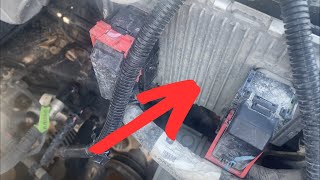
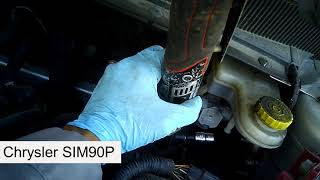
- The PCM is located in the driver's side front wheel well, behind the fender liner. 🎬 Watch: How to locate, remove, and program the PCM. This location makes it highly susceptible to water intrusion, corrosion, and impact damage from road debris, which can lead to premature failure.
- Owners on forums frequently point to the factory ground system as a significant weak point. A popular and often effective fix for various electrical gremlins is to clean the main ground points and add supplemental ground wires between the engine block, chassis, and battery negative terminal.
Technical Service Bulletins (TSBs) & Recalls
- TSB Bulletin #18-069-15 REV A — A manufacturer service bulletin notes that P0606 - Internal Control Processor may be present alongside harsh shifts felt after acceleration/deceleration driving maneuvers from a stop.
- TSB Bulletin #18-069-15 — This bulletin describes symptoms including harsh shifts generated by backing out of the accelerator pedal and the presence of code P0606, as well as accuracy improvements for the Automatic Oil Change Indicator (AOCI) system.
Mechanic-Grade Diagnostic Values
- PCM Power Supply Voltage (Key On) — expected: Greater than 10.4 volts. Failure: Voltage below 10.4V can prevent proper module operation and set faults.
- 5-Volt Sensor Reference Circuit — expected: Approx. 5.0 Volts. Failure: Voltage significantly above or below 5.0V, or no voltage, indicates a short or open in the harness or a fault within the PCM.
- Sensor Ground Circuit Resistance — expected: Below 5.0 Ohms to chassis ground. Failure: Resistance above 5.0 Ohms indicates a poor ground connection, which can cause erratic sensor readings and trigger various codes, including P0606.
- Signal Circuit Resistance to Ground — expected: Above 100 Ohms. Failure: Resistance below 100 Ohms indicates a short to ground in the signal wire.
Hidden / Shadow Codes Worth Checking
- P0633: SKIM Key Not Programmed in PCM (see via This code may appear in history after installing a remanufactured PCM (like from Cardone) that only requires VIN and mileage entry. It typically does not illuminate the Check Engine Light and will clear after drive cycles are completed.)
Scan Tool Commands That Help
- wiTECH or equivalent bidirectional scan tool: VIN Programming / VIN Write — This function is required after installing a new or used replacement PCM to write the vehicle's VIN into the module. Without this, the vehicle will not start due to security mismatches (SKIM).
- wiTECH or equivalent bidirectional scan tool: PCM Software Update / Reflash — Used to check for and apply updated software from the manufacturer. This should be attempted before condemning the PCM, as software glitches can sometimes trigger a P0606 code.
Wiring & Ground Locations
- Main Ground Stud (Driver's Side) — Located on the driver's side strut tower in the engine bay. The negative battery cable connects here.. This is the central grounding point for the vehicle's electrical system. Corrosion or looseness here can cause widespread voltage issues, tricking the PCM into setting a P0606.
- Engine Block Ground (Starter) — A bolt on the engine block, near the starter motor, where a ground wire attaches. On the 2.4L, this is below the airbox.. This is the primary ground for the starter but is part of the overall engine ground path. A poor connection here can cause no-start issues and electrical noise that may affect the PCM. Some owners add a redundant ground cable from this point directly to the main ground junction on the driver's side strut tower.
- PCM Connectors — Located in the driver's side front wheel well, behind the fender liner. [Pass 2]. These are the direct power, ground, and data interfaces for the PCM. They are vulnerable to water and corrosion in this location, and must be inspected for pushed-out pins, corrosion, or damage.
- Passenger Strut Tower Grounds — Ground studs located on the passenger side strut tower, near the ABS module and coolant reservoir.. While not the primary PCM ground, these points ground other critical modules like the ABS. A failure here can introduce noise onto the CAN bus network, potentially causing communication errors that could be misinterpreted by the PCM.
Real Owner Repair Stories
- Dodge Journey Forum user (2012 Dodge Journey 2.4L) — Engine stalling, ETC light, codes P0642 (Sensor Reference Voltage 'A' Circuit Low) and a TPS correlation code.
❌ Tried (didn't work) Initial diagnosis pointed towards multiple sensors or the PCM itself.
✅ What actually fixed it The owner traced the P0642 code and found the 5V reference wire insulation had cracked and frayed right at the oil pressure sensor connector due to a sharp bend. Wiggling this wire would cause the engine to stall. Replacing the pigtail connector for the oil pressure sensor resolved all issues, including the stalling and the associated codes. - YouTube creator Rick Bolt (2009 Dodge Journey) — Intermittent no-start, no-crank condition. A common issue where the vehicle starts fine at the shop but fails randomly for the owner.
❌ Tried (didn't work) Taking it to a shop was ineffective as the problem was too intermittent to diagnose.
✅ What actually fixed it The owner added a new, redundant 4-foot ground cable directly from the engine block ground point (near the starter) to the main ground junction on the driver's side strut tower. This bypasses potentially weak points in the factory ground path and provided a solid ground for the starter and engine block, resolving the no-start issue.
OEM Part Supersession History
Hardware Part Number (e.g., 05150301AE)→Software Part Number (e.g., 68054123AC)— Chrysler/Dodge PCMs often have a hardware part number on the main label, but the true, current part number is the software part number found on a smaller, separate sticker, often labeled 'Authorized Software Update'.
Heads up: Ordering a PCM using the main hardware number may result in receiving a module with outdated software that is not correct for the vehicle. Always use the software part number from the 'Authorized Software Update' sticker if one is present on the original PCM.
Model Year Variations Within This Range
- 2008-2010: The 2.4L I4 engine was standard, with an optional 3.5L V6. The platform was largely unchanged during this period before a major facelift in 2011.
Diagnostic Flowchart
Other Known Issues on This Vehicle
Issues unrelated to this code that are worth knowing about as an owner of this generation:
- Premature Brake and Rotor Wear 🔴 High — Extremely common on 2009-2010 models, with owners reporting replacement needed as early as 10,000-15,000 miles. (Ref: Chrysler extended the warranty to 3yr/36k miles in response to complaints but did not issue a full recall.)
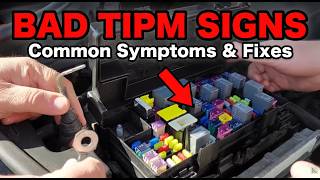
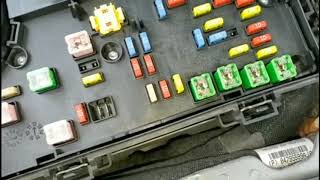
- Totally Integrated Power Module (TIPM) Failure 🔴 High — Common across 2009-2010 models, causing a wide range of bizarre electrical problems like the fuel pump not shutting off, wipers/lights turning on by themselves, or a no-start condition.
- Ignition Switch Moving Out of 'Run' Position 🔴 High — Affects 2009-2010 models. A jarring event can cause the key to move, shutting off the engine while driving and disabling safety systems. (Ref: Recall NHTSA ID: 14V373000)
- Power Steering Hose Rupture in Cold Weather 🟠 Medium — Affects 2009-2016 models. Hoses can rupture at startup in cold temperatures, causing a sudden loss of power steering assist. (Ref: Recall NHTSA ID: 16V273000 (Chrysler recall S08))
- Stiff or Erratic Transmission Shifting 🟠 Medium — Reported by some owners, characterized by clunking sounds or delayed shifts. The cause is often difficult to diagnose.
Used vs. New Parts: Buying Guide for This Vehicle
When a used part is the smart pick: A used PCM from a junkyard is generally NOT a smart choice for this repair. While cheap, it will still require professional programming to match your vehicle's VIN and security key (SKIM system). There is a high risk the used module is also faulty or incompatible. A 'remanufactured' or 'pre-programmed' unit from a reputable specialist is a much better value, as they test the board and pre-load your VIN, making installation easier.
Donor-vehicle mileage cap: roughly under 120000 miles for the part to have meaningful remaining life.
What to inspect on the donor part:
- Verify the part number EXACTLY, paying attention to the software update sticker, not just the main hardware number.
- Inspect the donor vehicle for signs of flood or fire damage.
- Check the connectors on the donor PCM for any corrosion, bent pins, or physical damage.
- If possible, get the VIN of the donor vehicle to aid in programming questions.
OEM-only on this vehicle (don't cheap out):
- While aftermarket PCMs exist, an OEM Mopar unit (new or from a dealer) or a remanufactured unit from a highly-rated specialist (like Flagship One, Solo Auto) is the safest bet. Cheap, unverified 'used' modules are a significant gamble.
Aftermarket brands forum-validated for this vehicle:
- Cardone (often requires VIN/mileage entry with a scan tool)
- Flagship One (often sold pre-programmed)
- Solo Auto Electronics (often sold pre-programmed)
Brands owners have reported issues with on this vehicle:
- Unbranded, 'as-is' units from online marketplaces with no warranty or programming support.
Real Owner Stories
Aggregated from forums and TSBs cited above. Mileages and costs reflect what owners reported in those sources.
2009 Dodge Journey 2.4L
Symptoms: Owner experienced electrical system issues and investigated the grounding system as a primary suspect for various electrical gremlins.
What fixed it: Cleaned the main ground points to bare, shiny metal and added supplemental ground wires between the engine block, chassis, and battery negative terminal.
Source hint: dodgejourneyforum.com thread titled 'Electrical system FYI: Ground system'
2009 Dodge Journey 2.4L
Symptoms: No-start condition and electrical issues requiring diagnostic help to differentiate between TIPM and PCM failure.
What fixed it: Diagnostic focus on the Totally Integrated Power Module (TIPM) which can present symptoms similar to PCM failure.
Source hint: dodgejourneyforum.com thread titled 'Failed TIPM diagnostic help?'
Related OBD-II Codes
Frequently Asked Questions
Where is the PCM located on my 2008-2010 Dodge Journey, and why does it fail?
Is there a recall for the engine stalling or shutting off while driving on my 2009 Dodge Journey?
I'm seeing P0606 along with erratic electrical behavior; could the TIPM be the problem?
Can a bad ground cause a P0606 code on this vehicle?
Will I need to program a new PCM if I replace it myself?
Is there a software update to fix the P0606 code?
Helpful Videos
We Have This Part in Stock



The information in this article is provided for general reference and educational purposes only. Vehicle specifications, procedures, and part compatibility can vary by production date, trim level, and region. Always consult your vehicle's factory service manual and verify part numbers before purchasing or performing repairs. Safety-critical components such as airbags, seat belts, and braking systems should be installed by a qualified professional.
- Dodge Journey:
- 🎬 Helpful Videos
- 🛍️ Shop This Part
- What's Unique About the 2008-2010 Dodge Journey
- Symptoms You May Notice
- Most Likely Causes
- Rare But Worth Checking
- Diagnosis Steps
- Parts You'll Likely Need
- Related Codes That Often Appear With This One
- Platform-Specific Known Issues
- Technical Service Bulletins (TSBs) & Recalls
- Mechanic-Grade Diagnostic Values
- Hidden / Shadow Codes Worth Checking
- Scan Tool Commands That Help
- Wiring & Ground Locations
- Real Owner Repair Stories
- OEM Part Supersession History
- Model Year Variations Within This Range
- Diagnostic Flowchart
- Other Known Issues on This Vehicle
- Used vs. New Parts: Buying Guide for This Vehicle
- Real Owner Stories
- 2009 Dodge Journey 2.4L
- 2009 Dodge Journey 2.4L
- Related OBD-II Codes
- Frequently Asked Questions
- 🎟️ Get 5% Off