

P0604 on 2015-2019 Ford Transit: Internal Memory Error Causes and Fixes
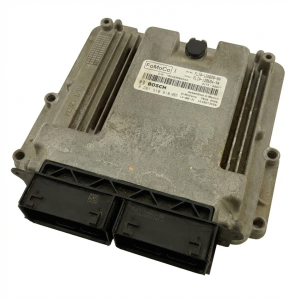
P0604 on a Ford Transit indicates a critical memory error in the main engine computer (PCM). Before condemning the expensive PCM, first check for a weak battery, loose connections, or bad grounds, as these are the most common triggers. Water intrusion into the PCM connectors is also a known issue on this platform. PCM replacement is a last resort.
- P0604 is a critical fault. Do not drive the vehicle, as it may stall at any time.
- Always start diagnosis by thoroughly testing the battery and charging system; this is the most common cause.
- On a Ford Transit, it is crucial to inspect the PCM and its connectors for water damage due to a known design flaw.
- Inspect and clean all major power and ground connections before considering more complex issues.
- Do not replace the PCM unless you are certain all other potential causes (especially water damage) have been eliminated.
- PCM replacement requires vehicle-specific programming by a dealer or qualified shop with the correct tools like Ford IDS/FDRS.
What's Unique About the 2015-2019 Ford Transit
For the 2015-2019 Ford Transit, the P0604 code is often linked to external factors rather than primary PCM failure. A significant vehicle-specific issue is the PCM's location in the engine bay, which makes it susceptible to water ingress from rain or washing, leading to corrosion on the connectors and pins. Forum discussions among Transit owners confirm that water damage to the ECU/PCM is a known design flaw. Therefore, the diagnostic approach must prioritize checking for water damage and verifying all power and ground connections before considering PCM replacement.
Symptoms You May Notice
- Check Engine Light illuminated
- Engine is hard to start or will not start at all
- Intermittent stalling, sometimes while driving
- Rough idle or engine misfires
- Erratic or harsh automatic transmission shifting
- Noticeable decrease in fuel economy
- Inability to communicate with the PCM using an OBD-II scanner
- Mileage display shows dashes ('------') instead of numbers
- Replacing the PCM without first thoroughly testing the battery, alternator, and all related power and ground wiring. Many expensive PCMs are replaced when the actual fault was a simple, inexpensive electrical issue.
- Overlooking water intrusion as a root cause. On the Transit, failing to check for and mitigate water damage on the PCM connectors will likely lead to a repeat failure, even with a new PCM.
Most Likely Causes
- Low Battery Voltage or Charging System Fault 🔴 High Probability Control modules are sensitive to voltage. An aging battery, failing alternator, or corroded terminals can cause voltage drops or spikes that corrupt the PCM's memory, triggering a P0604 code without the PCM itself being faulty. This is a common trigger after a jump-start or battery replacement.
How to confirm: Test the battery and charging system. Ensure battery voltage is above 12.4V with the engine off and between 13.5V-14.8V with the engine running. Check for voltage drops during cranking; a dip below 9.5V can trigger this code.
Typical fix: Recharge or replace the battery. Clean or replace corroded battery terminals and cables. Replace the alternator if its output is incorrect.
Est. part cost: $150-$400 - Poor Power or Ground Connections to the PCM 🟡 Medium Probability Vibrations and exposure to the elements, especially water, can cause main power or ground connections for the engine computer to become loose or corroded over time. Forum users report that earth clamps in the engine bay near the ECU are susceptible to rusting and corrosion due to water exposure.
How to confirm: Visually inspect the main wiring harness to the PCM for damage. With the battery disconnected, unplug the PCM connectors and check for corrosion, water intrusion, or bent pins. Perform a voltage drop test on the PCM power and ground circuits; resistance should be near zero.
Typical fix: Clean and tighten all ground connections, especially the main engine-to-chassis and battery-to-chassis grounds. Repair any damaged wiring or corroded connector pins. Some owners fabricate shields to protect the PCM from water.
Est. part cost: $0-$100 - Water Intrusion into PCM or Connectors 🟡 Medium Probability The PCM on the Ford Transit is located in the engine bay in an area where water can drain onto it from the windscreen scuttle panel, a known design flaw. This leads to corrosion on the PCM housing and, more critically, inside the electrical connectors, causing short circuits and communication errors.
How to confirm: After removing the headlight for access, visually inspect the PCM and its connectors for white or green powdery corrosion, rust, or signs of moisture. Disconnect the connectors (with battery disconnected) and check for wetness or corroded pins.
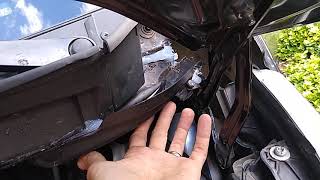
Typical fix: Thoroughly dry the PCM and connectors. Clean corroded pins carefully with an electrical contact cleaner. If damage is severe, the connector or PCM may need replacement. Owners often create a plastic shield to deflect water away from the PCM as a preventative measure. 🎬 See this simple fix for water in the engine bay
Est. part cost: $10-$1200 - Faulty Powertrain Control Module (PCM) ⚪ Low Probability While less common than external electrical issues, the PCM can fail internally due to age, heat cycles, or voltage spikes, causing a permanent RAM error.
How to confirm: This is a diagnosis of exclusion. If the battery, charging system, and all power/ground/water intrusion issues are ruled out, and the code returns immediately after being cleared, the PCM is likely faulty.
Typical fix: Replace the Powertrain Control Module. The new module must be programmed specifically to the vehicle's VIN and configuration using dealer-level software like Ford's IDS or FDRS.
Est. part cost: $600-$1200
Rare But Worth Checking
- PCM Software Glitch: Sometimes, the issue is not with the hardware but with the software running on it. Manufacturers may release updates to fix bugs that can erroneously set a P0604 code. Before replacing the PCM, check with a Ford dealer if any software updates (reflashes) are available for your vehicle's calibration.
- Aftermarket Tuning: Improperly installed or faulty aftermarket performance tuners that flash the PCM can corrupt its memory and trigger a P0604 code. If you have a tuner, returning the PCM to the stock program may resolve the issue.
Diagnosis Steps
- Scan for all DTCs. Note any other codes, especially power-related (P06xx), communication (U-series), or relay codes (P068A).
- Clear the codes and attempt to start the engine. See if the P0604 code returns immediately. If it does, it suggests a hard fault.
- Perform a complete battery and charging system test. Check the battery's state of health, look for loose or corroded terminals, and verify the alternator output is stable and within the 13.5V-14.8V range.
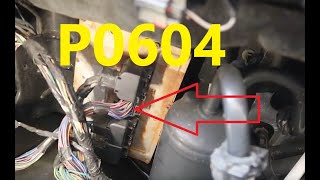
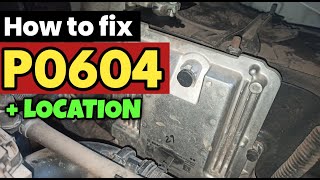
- Inspect for Water Intrusion. The PCM is located in the engine bay, typically in front of the driver's side wheel well or near the headlight. Remove the headlight for better access. Visually inspect the PCM, its connectors, and nearby ground points for signs of water damage, rust, or corrosion.
- Inspect all power and ground connections. With the battery disconnected, unplug the PCM and look for any signs of water intrusion, corrosion, or damaged pins. Follow the main battery cables to their chassis and engine block connections and ensure they are clean, tight, and free of corrosion.
- Check for available TSBs or software updates. A Ford dealer or a well-equipped independent shop can check if a PCM reflash is available to address software bugs that might cause a false P0604.
- If all the above steps check out and the code persists, the PCM is the most likely culprit and requires replacement and programming.
Parts You'll Likely Need
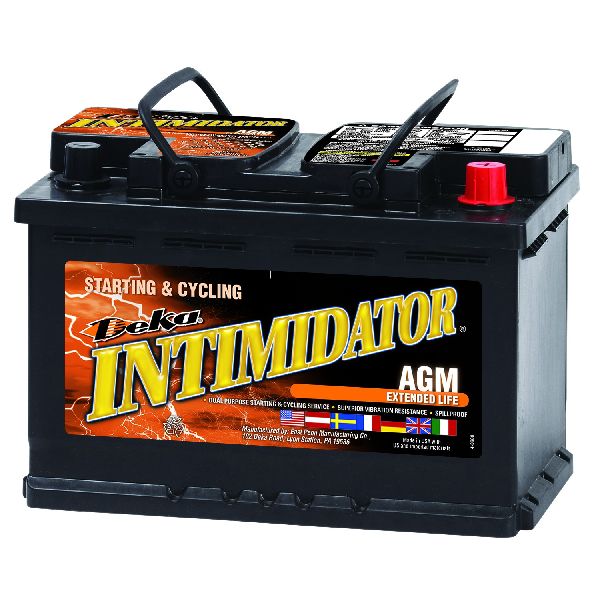
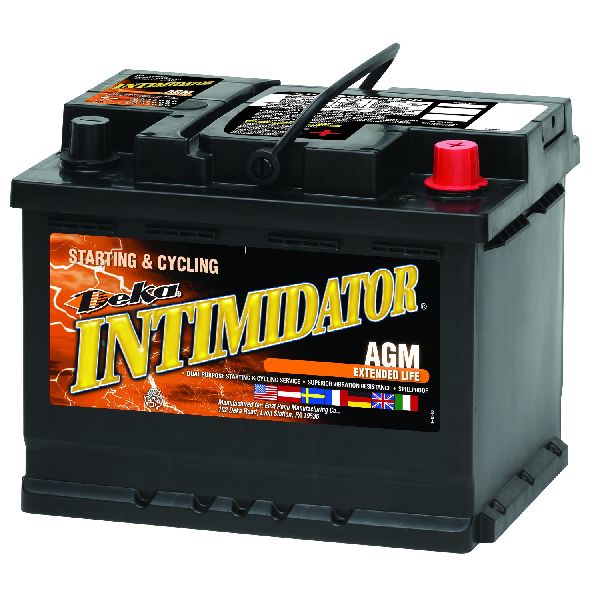
- Battery — A weak or failing battery is a primary cause of voltage instability that can trigger a P0604 code.
Trusted brands: Motorcraft, Interstate, Deka
OEM price range: $180-$250
Aftermarket price range: $150-$220 - Powertrain Control Module (PCM)
(OEM #Example: FL3A-12A650-BEB (Part numbers are VIN-specific, always verify))— This is the fix if all external electrical and water intrusion factors have been ruled out and the module has an internal hardware failure. It is the least likely cause and the most expensive fix.
Trusted brands: Motorcraft (OEM), Flagship One (Remanufactured), FS1 (Remanufactured)
OEM price range: $800-$1200
Aftermarket price range: $400-$900 (Remanufactured)
Related Codes That Often Appear With This One
- P0603 — This code relates to 'Keep Alive Memory (KAM) Error'. It often appears with P0604 and points towards power supply issues, as KAM is lost when battery power is disconnected or unstable.
- U-codes (e.g., U0100, U1040) — Network communication codes may appear if the PCM is malfunctioning and unable to communicate correctly with other modules on the vehicle's network. This can also be a symptom of water damage causing shorts in the wiring.
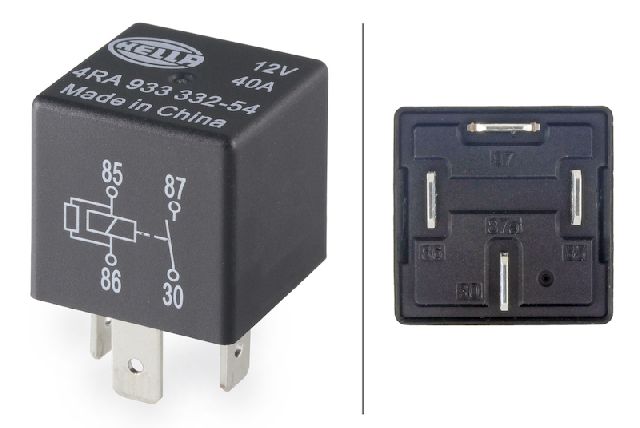
- P068A — Indicates 'PCM/ECM Power Relay De-Energized Too Early'. This code directly points to a problem with the PCM's power supply or relay control, which can be a root cause for the P0604 memory error.
Platform-Specific Known Issues
- Water Ingress onto PCM: A widely reported design flaw on Ford Transits is that water from the windscreen scuttle panel area drains directly onto the PCM and its electrical connectors located in the engine bay. This causes corrosion and electrical faults, including P0604.
Mechanic-Grade Diagnostic Values
- PCM Ground Circuit Resistance — expected: < 0.1 Ω. Failure: A reading higher than 0.1 Ω indicates excessive resistance in the ground path, which can cause intermittent power loss to the module.
- System Voltage During Cranking — expected: > 9.5 V. Failure: Voltage dropping below 9.5V while the starter is engaged can cause the PCM's RAM to reset or corrupt, triggering a P0604 code.
- Alternator AC Ripple Voltage — expected: < 0.5 V AC. Failure: A reading above 0.5V AC indicates failing diodes in the alternator. This AC 'noise' on the DC circuit can corrupt sensitive electronic modules like the PCM.
Scan Tool Commands That Help
- Ford IDS / FDRS: Programmable Module Installation (PMI) — This is the primary function used when replacing a PCM. It guides the technician through retrieving configuration data from the old module (if possible) and writing it, along with vehicle-specific 'As-Built' data, to the new module.
- Ford IDS / FDRS: Parameter Reset (PATS Function) — This function is required after PCM replacement to synchronize the Passive Anti-Theft System (PATS) between the keys, instrument cluster, and the new PCM. Without this, the vehicle will not start.
- Ford IDS / FDRS or High-End Aftermarket Scanner: Reset PCM KAM (Keep Alive Memory) — This function clears the adaptive learning tables stored in the PCM's RAM. It is useful after certain repairs or if you suspect corrupted adaptive values are causing issues. It can be a temporary fix for some glitches but will not fix a hardware RAM fault.
Wiring & Ground Locations
- C175B, C175E, C175T — These are the three main multi-pin electrical connectors that plug into the Powertrain Control Module (PCM) in the engine bay.. Water intrusion from the windscreen scuttle panel often corrodes the pins within these specific connectors. A technician needs these identifiers to find the correct wiring diagrams for testing power, ground, and communication pins going into the PCM.
- PCM Power and Ground Feeds — Multiple pins on the C175B, C175E, and C175T connectors.. Unlike having a single power and ground, the PCM has multiple feeds. A forum report for a similar Ford platform notes there can be two constant battery lives and two ignition-switched lives. Losing any one of these due to a corroded pin or wire can cause intermittent memory errors like P0604.
Real Owner Repair Stories
- Ford Transit Forum user (Ford Transit (year not specified)) — Starting problems, P1608 (watchdog malfunction) code stored.
❌ Tried (didn't work) Initial diagnosis was unclear.
✅ What actually fixed it The final resolution required two separate fixes: repairing a loose connection that caused a short to ground, AND having the PCM repaired/reprogrammed by a specialist for £260. This indicates the wiring fault likely caused permanent corruption in the PCM that a simple wiring fix alone could not resolve. - iCarsoft Case Study (2013 Ford F-150 (different vehicle, but same OEM system)) — P0604 appeared immediately after reconnecting a new battery.
❌ Tried (didn't work) Clearing the code was likely attempted but it would have returned.
✅ What actually fixed it A technician found the charging system voltage was spiking to 15.5V, which was high enough to corrupt the PCM's RAM. Replacing the faulty alternator and clearing the codes permanently resolved the P0604 issue.
When the Usual Fixes Don't Work
- While Pass 2 correctly identifies that external factors are the most common cause, it's critical to understand that these external factors can cause permanent damage to the PCM. A real-world repair story for a Transit showed that even after a short-to-ground was located and fixed, the P0604 (and related codes) would not clear until the PCM itself was sent out for repair and reprogramming. This counters the assumption that fixing the external cause (like a bad wire or water) will always make the code go away. Sometimes, the external fault has already broken the internal component.
OEM Part Supersession History
Varies by VIN→Varies by VIN— Software updates and hardware revisions.
Heads up: PCM part numbers are extremely specific to the vehicle's VIN, engine, transmission, and emissions calibration. For example, a 2018 3.5L Transit may use part number GA8A-12A650-EB. Using a PCM from another vehicle, even an identical model, will not work without professional reprogramming. Always verify the part number against the VIN.
Model Year Variations Within This Range
- 2019+: For module programming on 2019 and newer Ford models, the Ford Diagnostic and Repair System (FDRS) software is required instead of the older Integrated Diagnostic System (IDS). A technician must have the correct software and a compatible J2534 interface for these later model years.
Diagnostic Flowchart
Used vs. New Parts: Buying Guide for This Vehicle
When a used part is the smart pick: A used PCM from a junkyard can be a cost-effective option, potentially saving hundreds of dollars compared to a new OEM unit, but only if you have access to a technician skilled in reprogramming used modules.
Donor-vehicle mileage cap: roughly under 120000 miles for the part to have meaningful remaining life.
What to inspect on the donor part:
- Source the PCM from a vehicle in a dry, southern state to minimize the risk of internal corrosion.
- Before purchasing, get the engineering number and tear tag code (e.g., 'FMF0') from your original PCM and ensure the donor module is an exact match.
- Visually inspect the donor PCM's connectors for any bent, broken, or corroded pins.
OEM-only on this vehicle (don't cheap out):
- Powertrain Control Module (PCM)
Aftermarket brands forum-validated for this vehicle:
- Flagship One (Remanufactured)
- Auto Computer Performance (Remanufactured)
Brands owners have reported issues with on this vehicle:
- Unbranded, non-programmed PCMs from online marketplaces should be avoided as they often cannot be programmed correctly to the vehicle.
Real Owner Stories
Aggregated from forums and TSBs cited above. Mileages and costs reflect what owners reported in those sources.
2015-2019 Ford Transit
Symptoms: Owner found the ECU/PCM was wet due to water draining onto it in the engine bay.
What fixed it: As a preventative measure, the owner created a DIY shield for the PCM by cutting up a plastic container to deflect water.
Source hint: Ford Transit Forum: 'Water pouring to ECU'
Related OBD-II Codes
Frequently Asked Questions
Where is the PCM located on my 2015-2019 Transit, and why is its location a problem?
I just replaced the battery in my Transit and now the Check Engine Light is on with a P0604 code. Are these events related?
My instrument cluster's mileage display is just showing dashes ('------'). Is this connected to the P0604 code?
I found signs of water on my Transit's PCM. What is the recommended fix to prevent this from happening again?
Can I just buy a used PCM from a junkyard and install it in my Transit to fix the P0604 code?
Before I spend over $1000 on a new PCM, what are the most common and cheaper things to check first on my Ford Transit?
Is it possible that a software bug is causing this P0604 code, and can a Ford dealer fix it?
Helpful Videos


Used OEM Parts in Stock



New Aftermarket Parts Available


The information in this article is provided for general reference and educational purposes only. Vehicle specifications, procedures, and part compatibility can vary by production date, trim level, and region. Always consult your vehicle's factory service manual and verify part numbers before purchasing or performing repairs. Safety-critical components such as airbags, seat belts, and braking systems should be installed by a qualified professional.
- Ford Transit:
- 🎬 Helpful Videos
- 🛍️ Shop This Part
- What's Unique About the 2015-2019 Ford Transit
- Symptoms You May Notice
- Most Likely Causes
- Rare But Worth Checking
- Diagnosis Steps
- Parts You'll Likely Need
- Related Codes That Often Appear With This One
- Platform-Specific Known Issues
- Mechanic-Grade Diagnostic Values
- Scan Tool Commands That Help
- Wiring & Ground Locations
- Real Owner Repair Stories
- When the Usual Fixes Don't Work
- OEM Part Supersession History
- Model Year Variations Within This Range
- Diagnostic Flowchart
- Used vs. New Parts: Buying Guide for This Vehicle
- Real Owner Stories
- 2015-2019 Ford Transit
- Related OBD-II Codes
- Frequently Asked Questions
- 🎟️ Get 5% Off