

P0562 on 2003-2012 Saab 9-3: System Voltage Low Causes and Fixes
On a 2003-2012 Saab 9-3, code P0562 is most often caused by a failing alternator or an old battery. A failing alternator is the most probable cause, especially if you see multiple, seemingly unrelated warning lights creating a 'Christmas tree' effect on the dash. Expect to pay $250-$500 for a replacement alternator.
- P0562 on a Saab 9-3 indicates a serious low voltage problem that should be addressed immediately to avoid stalling or being stranded.
- The most likely culprits are a failing alternator or an old battery. A simple voltage test with a multimeter can quickly help you determine which is at fault.
- A key symptom is a sudden flurry of multiple, unrelated warning lights on the dashboard.
- Always test the charging system and battery before replacing parts. A bad alternator can ruin a new battery.
- Check battery terminals and main ground connections, as corrosion or looseness can mimic the symptoms of a failed component.
What's Unique About the 2003-2012 Saab 9-3
The second-generation Saab 9-3 (2003-2012) is built on General Motors' Epsilon platform, sharing its electrical architecture with other GM vehicles like the Opel Vectra C and Cadillac BLS. When system voltage drops, these cars are known for displaying a cascade of seemingly unrelated warning lights for systems like ABS, TCS, and airbags as individual control modules shut down due to insufficient power. This dramatic 'Christmas tree' light show on the dashboard is a hallmark symptom for this platform when experiencing low voltage, often pointing directly to a failing alternator before other symptoms become severe.
Generation note: This guide covers the entire second generation (YS3F) of the Saab 9-3, which includes the pre-facelift models (2003-2007) and facelift models (2008-2012). The underlying electrical system, GM Epsilon platform architecture, and common causes for P0562 are largely the same across this generation.
Symptoms You May Notice
- Multiple warning lights appearing at once (e.g., ABS, TCS, Airbag, Battery Light), often described as a 'Christmas tree' dash.
- "Battery Not Charging. Make a Safe Stop" or similar message on the Saab Information Display (SID).
- Dimming or flickering headlights and interior lights, especially at idle.
- Erratic behavior from electrical accessories like the radio, power windows, or wipers.
- Engine stalling, especially when shifting into gear or at idle.
- Slow or no-crank starting condition, often just a 'click'.
- Transmission may enter 'Limp Home' mode, with a message appearing in the display.
- Whining noise from the engine bay, indicating a failing alternator bearing.
- Replacing the battery when the alternator is the actual cause. If the alternator is bad, a new battery will quickly be drained and the problem will return within a day or two.
- Replacing individual electronic modules (e.g., ABS, TCM) that are throwing codes, when the root cause is simply low system voltage affecting all of them.
Most Likely Causes
- Failing Alternator 🔴 High Probability Alternator failure is a very common issue on the 9-3 as it ages, with the original Valeo or Bosch units often failing after 100,000 miles. Forum discussions on SaabCentral.com and Saabnet.com are filled with owner experiences confirming it's the primary culprit for P0562.
How to confirm: With the engine running, use a multimeter to measure the voltage across the battery terminals. A healthy alternator should produce between 13.5 and 14.5 volts. A reading below 13 volts, especially with accessories on, indicates the alternator is not charging properly.
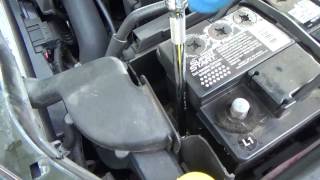
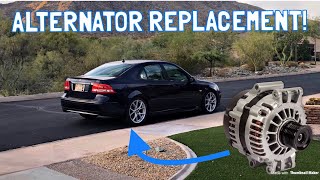
Typical fix: Replace the alternator. It's also wise to replace the serpentine belt at the same time. 🎬 See this step-by-step 2.0T alternator replacement walkthrough. Many owners opt for a remanufactured Valeo or Bosch unit.
Est. part cost: $200-$450 - Failing or Discharged Battery 🔴 High Probability Car batteries have a finite lifespan, typically 3-5 years. The complex, voltage-sensitive electronics on the 9-3 will quickly trigger a P0562 code if an aging battery can't hold a proper charge above 12.4V. A deeply discharged battery can also be permanently damaged and fail to accept a full charge from a new alternator.
How to confirm: Test the battery voltage with the engine off; a healthy battery should read about 12.6 volts. A reading below 12.4V suggests a weak battery. For a definitive test, use a battery load tester, which can identify a battery that holds surface charge but fails under load. Many auto parts stores do this for free.
Typical fix: Replace the battery. Ensure the new battery meets the manufacturer's specifications for Cold Cranking Amps (CCA) and size (Group H6/48 is common).
Est. part cost: $150-$250 - Corroded or Loose Battery Terminals/Cables 🟡 Medium Probability Connections can loosen over time due to vibration or develop corrosion (white or greenish powder), creating high resistance that prevents proper charging and power delivery.
How to confirm: Visually inspect the battery terminals for corrosion. Physically try to twist the terminals; they should not move. Follow the main positive and negative cables to their connection points (starter, fuse block, chassis ground) and check for tightness and corrosion.
Typical fix: Disconnect the battery (negative first), clean the terminals and cable ends with a wire brush, reconnect them securely (positive first), and apply dielectric grease to prevent future corrosion.
Est. part cost: $5-$10 - Poor Ground Connections ⚪ Low Probability A GM TSB (PIT5562) highlights poor grounds as a cause for widespread electrical issues on this platform. On the 9-3, the main battery ground cable connects to a point labeled G2 on the driver's side structural member, which can corrode. The engine-to-chassis ground strap can also fray or break.
How to confirm: Perform a voltage drop test on the ground side. Place one multimeter probe on the negative battery post and the other on a clean metal part of the engine block while the engine is running. A reading above 0.2-0.3 volts indicates a poor ground connection. Also inspect the G2 ground point by the battery for corrosion.
Typical fix: Clean the contact points of the ground strap and the G2 chassis ground with a wire brush or replace the strap if it's frayed or corroded.
Est. part cost: $15-$40
Rare But Worth Checking
- Parasitic Battery Drain: If the battery dies overnight but the charging system tests fine, a module may not be 'sleeping' correctly. On the 9-3, a known culprit is a faulty Ignition Switch Module (ISM), which keeps the Column Integration Module (CIM) awake, causing a significant drain. This issue is frequently discussed on Saab forums. Diagnosis involves a methodical fuse-pulling process to isolate the draining circuit after letting the car sit for at least 25 minutes to allow all modules to enter sleep mode. 🎬 Watch: How to perform a parasitic current draw test.
- Faulty Engine Control Module (ECM): This is very rare. The ECM itself could have a faulty internal voltage regulator, causing it to misread the system voltage and set a false P0562 code. All other possibilities (alternator, battery, wiring, grounds) should be exhaustively ruled out before condemning the ECM. A poor ground connection at the ECM mounting bolt can also cause this.
- Oil Leak Dripping on Alternator: The 2.0T engine can be prone to oil leaks from the valve cover or other components located above the alternator. Dripping oil can cause the serpentine belt to slip or degrade, and can also penetrate the alternator itself, leading to premature failure. If replacing the alternator, it is critical to inspect for and repair any oil leaks above it.
Diagnosis Steps
- Read All Fault Codes: Use a Saab-compatible scanner (like a Tech 2) to check for P0562 and any other accompanying codes, especially communication (U-codes) and from other modules like the TCM or ABS.
- Inspect Battery Terminals: Visually check for corrosion (white/green powder) and ensure the battery cable terminals are tight. Clean if necessary.
- Test Battery Voltage (Engine Off): Use a multimeter to measure the voltage directly at the battery posts. A fully charged battery should be around 12.6V. A reading below 12.4V indicates a discharged or weak battery.
- Perform a Battery Load Test: This is the most reliable way to confirm battery health. A battery can show 12.6V but fail under load. Many auto parts stores offer this service for free.
- Test Charging System (Engine Running): Start the engine. Measure the voltage at the battery posts again. It should be between 13.5V and 14.5V.
- Test Under Load: With the engine still running, turn on all major accessories (headlights, A/C, rear defroster). The voltage should remain above 13.2V. If it drops significantly, the alternator is likely failing.
- Inspect Grounds and Wiring: Check the main ground strap from the engine to the chassis for corrosion or damage. Specifically locate and inspect grounding point G2 on the driver's side inner fender near the battery. Inspect the main power cable from the alternator to the battery/fuse block for any signs of damage or corrosion.
Parts You'll Likely Need
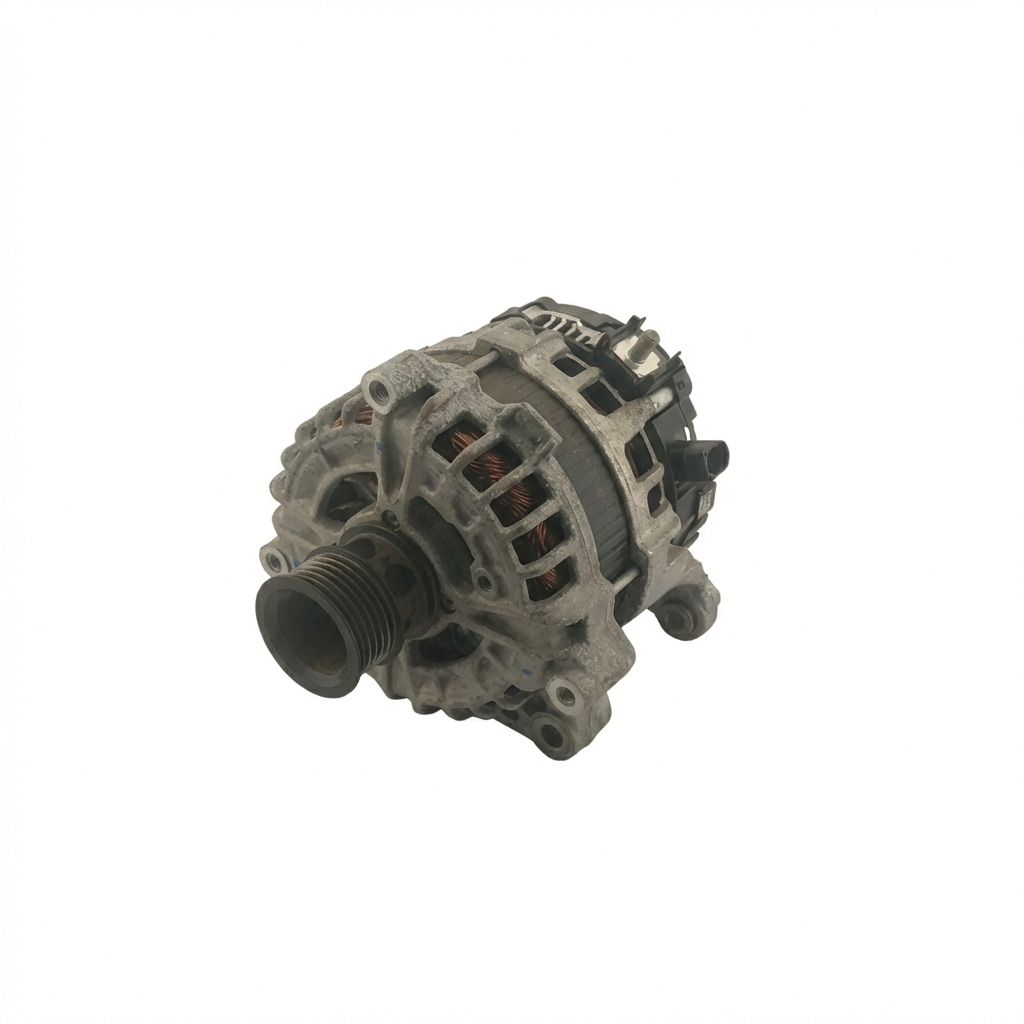
- Alternator
(OEM #Valeo: 440654, TG12C052; Bosch: 0986048297; GM/Saab: 93190828, 12762730)— This is the most common component to fail and cause a persistent low voltage condition while the vehicle is running. The original units are typically 120A or 140A.
Trusted brands: Valeo (OEM), Bosch (OEM), Denso
OEM price range: $400-$600
Aftermarket price range: $200-$450 - Battery — Batteries are a wear item with a 3-5 year lifespan. An old battery can fail to hold a charge, or have an internal short (dead cell) that causes voltage to plummet under load, triggering P0562 even with a good alternator.
Trusted brands: ACDelco, Duralast, Interstate
OEM price range: $200-$300
Aftermarket price range: $150-$250
Related Codes That Often Appear With This One
- P0600 — This code indicates a Serial Communication Link Malfunction. It often appears with P0562 because low voltage disrupts communication between the various control modules on the CAN bus network.
- U-codes (e.g., U0100, U0121) — These are communication codes indicating a loss of communication with specific modules (like the ECM or ABS module). They are frequently a symptom of the low voltage condition caused by P0562, not a separate problem. The modules shut down to protect themselves when voltage is too low.
Technical Service Bulletins (TSBs) & Recalls
- GM PIT5562: While not Saab-specific, this TSB for the GM platform addresses multiple electrical issues, including stalls and no-starts, caused by improperly hardened ground bolts that fail to provide proper clamping force. It lists specific ground locations (G101, G102, etc.) and the bizarre symptoms that can result from a poor connection at each one, corroborating the importance of checking grounds.
Platform-Specific Known Issues
- Ignition Switch Module (ISM) Parasitic Drain: A well-documented issue on the 9-3 is a failure of the ISM, the module where the key is inserted. When it fails, it may not signal the Column Integration Module (CIM) to go to 'sleep' after the key is removed. This leaves modules active and can drain a healthy battery in 1-3 days, causing a P0562 on the next startup attempt. Owners on Saabnet.com have traced significant current draw (200mA to 2A) to the fuse for the ISM/CIM.
- Alternator Replacement Access: Replacing the alternator on the 2.0L petrol (B207) engine is an awkward job due to tight access. It is located on the front-right side of the engine, underneath the ECU. The process often involves removing the air intake pipework and engine ECU, and sometimes requires unbolting an engine mount and slightly shifting the engine forward to create enough clearance to remove the alternator.
Mechanic-Grade Diagnostic Values
- Voltage Drop: Alternator B+ post to Positive Battery Post (Engine running, high load) — expected: < 0.2 Volts. Failure: A reading > 0.2V indicates high resistance in the main power cable or connections.
- Voltage Drop: Alternator Case to Negative Battery Post (Engine running, high load) — expected: < 0.2 Volts. Failure: A reading > 0.2V indicates a poor engine-to-chassis ground strap or battery ground connection (G2).
- Parasitic Draw (Engine off, all doors closed, key out, after 25 min sleep period) — expected: < 40 milliamps (0.040 A). Failure: A reading > 40mA indicates a module or component is not entering sleep mode and is draining the battery.
- Alternator AC Voltage Leakage (Engine running) — expected: < 0.5 Volts AC. Failure: A reading > 0.5V AC indicates failing diodes within the alternator's rectifier, which can cause numerous electrical issues.
Scan Tool Commands That Help
- Saab Tech 2: Read All Modules DTCs — Essential for P0562 diagnosis. Low voltage will cause many modules (TCM, ABS, CIM, etc.) to store communication (U-codes) or low-voltage faults. Seeing faults across the entire network confirms a systemic voltage issue rather than a single module failure.
- Saab Tech 2: View Live Data (ECM/TCM) — Monitor 'System Voltage' or 'Battery Voltage' as seen by the specific control module. This can help determine if the ECM is reading the voltage correctly compared to a manual multimeter test at the battery, which can help diagnose a rare ECM fault.
Wiring & Ground Locations
- G2 — On the side of the left-hand structural member (driver's side inner fender), near the connector bracket, just behind the battery.. This is the primary chassis ground point for the battery. Corrosion or looseness here creates high resistance for the entire vehicle's electrical system, directly causing low voltage conditions and P0562.
- G25 — On the gearbox/transmission housing. The main, heavy-gauge negative battery cable connects here on many models.. This is the main ground point for the engine and transmission assembly. A poor connection here affects the starter's ability to crank and the alternator's ability to charge, as the alternator is grounded through the engine block.
- G7 — Varies by engine: Can be on the engine control module's top right attachment lug, or on the support bracket under the intake manifold.. This is a critical ground point for the engine management system. A poor connection here can cause the ECM to misread sensor data, including its own voltage supply, potentially setting a false P0562.
- Alternator Exciter Wire Connector — A small electrical connector on the side or back of the alternator, separate from the main B+ power stud.. This connector provides the signal from the ECM that tells the alternator to start charging. If this connector is loose, corroded, or the wire is broken, the alternator will not produce any output, even if it is brand new. This is a common point of failure after an alternator replacement if not seated correctly.
Real Owner Repair Stories
- Reddit user /u/EuphoricFlight6249 (2007 Saab 9-3) — Initial issue was every warning light and SID message appearing at once ('Christmas tree' dash). After repair, 'Battery not charging. Make a safe stop.' message persisted despite good voltage.
❌ Tried (didn't work) The user replaced the alternator, battery, serpentine belt, and tensioner pulley.
✅ What actually fixed it The issue appeared to resolve itself after several drive cycles. The hypothesis was that the new battery was discharged enough from the old failing alternator that it took some time and driving for the system to stabilize and clear the persistent warning light, even though voltage readings were good (14.11V at idle). The user also noted unplugging and replugging the small connector on the alternator temporarily cleared the light once.
OEM Part Supersession History
93169260→12759595, 32015489— Standard part evolution and supplier changes over the vehicle's production run.
Heads up: While many alternators are physically interchangeable, amperage ratings (120A, 130A, 140A) and pulley types (5-groove vs 6-groove) can vary by engine (2.0T, 2.8T V6, 1.9 TiD) and model year. Always verify the correct amperage and pulley for the specific vehicle to avoid charging issues or belt problems.
Model Year Variations Within This Range
- 2003-2006 (Pre-facelift): These models most commonly used Bosch or Valeo alternators, typically rated at 120A for the 2.0T petrol engine. Electrical systems are slightly less complex than later models but still highly susceptible to the 'Christmas tree' effect from low voltage.
- 2007-2012 (Facelift): Later models, especially those with the 2.8T V6 or 1.9 TiD/TTiD diesel engines, often came with higher output 130A or 140A alternators, sometimes from Denso in addition to Bosch/Valeo. The electrical demands are higher due to more features, making a stable voltage even more critical.
Diagnostic Flowchart
Used vs. New Parts: Buying Guide for This Vehicle
When a used part is the smart pick: A used alternator can be a cost-effective option if sourced from a low-mileage, accident-damaged vehicle. However, given that the alternator is a very common failure point and a wear item, it carries significant risk. It is generally not recommended unless the budget is extremely tight.
Donor-vehicle mileage cap: roughly under 75000 miles for the part to have meaningful remaining life.
What to inspect on the donor part:
- Check the date code on the alternator sticker if possible.
- Inspect the pulley for smoothness and lack of play in the bearing.
- Look for signs of oil contamination from a leaking engine.
- Ensure the plastic housing of the electrical connector is not cracked or brittle.
Aftermarket brands forum-validated for this vehicle:
- Valeo (OEM supplier)
- Bosch (OEM supplier)
- Denso (OEM supplier on some models)
Brands owners have reported issues with on this vehicle:
- Unknown or 'white-box' remanufactured units from online marketplaces without a strong warranty. Forum discussions frequently mention premature failure of cheap, no-name alternators, making the job more expensive in the long run due to repeated labor.
Real Owner Stories
Aggregated from forums and TSBs cited above. Mileages and costs reflect what owners reported in those sources.
Saab 9-3
Symptoms: The car was running badly, the dashboard lit up 'like a Christmas tree', and then it would not start, only producing a 'click'.
What fixed it: The initial diagnosis pointed to a failed alternator after the serpentine belt was found to be missing.
Source hint: Reddit r/saab: Electrical weirdness...help
Saab 9-3 — ~110000 miles
Symptoms: Intermittent battery light, dimming headlights, and a whining noise from the engine bay, with charging voltage dropping below 13V.
What fixed it: Replaced the failing alternator and the serpentine belt at the same time.
Cost: $200-$450
Source hint: Forum discussions on SaabCentral.com and Saabnet.com
Saab 9-3
Symptoms: A persistent, significant parasitic battery drain (measured at 2A) was causing a no-start condition and triggering P0562 after the car sat for a day or two.
What fixed it: The drain was traced to the fuse for the Ignition Switch Module (ISM) and Column Integration Module (CIM), indicating a faulty ISM was preventing the car's electronics from going to sleep.
Source hint: Saabnet.com: Parasitic draw issues
Related OBD-II Codes
Frequently Asked Questions
My Saab 9-3 dash just lit up like a 'Christmas tree' with ABS, TCS, and battery lights. Is this a symptom of P0562?
My battery is new but it keeps dying after a few days. What could be causing this on my 9-3?
I need to replace the alternator on my 2.0L 9-3. Is it a straightforward job?
I measured my charging voltage and it's 13.1V with the engine running. Is that acceptable?
I've heard about a GM TSB for bad grounds causing electrical problems. Does this apply to my Saab?
My battery tests good with a multimeter (12.6V engine off), but the car still sometimes has a no-crank 'click'. What's the next step?
Helpful Videos
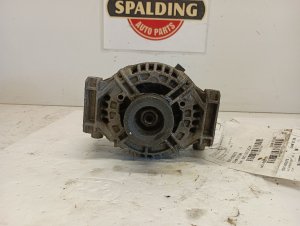
We Have This Part in Stock



The information in this article is provided for general reference and educational purposes only. Vehicle specifications, procedures, and part compatibility can vary by production date, trim level, and region. Always consult your vehicle's factory service manual and verify part numbers before purchasing or performing repairs. Safety-critical components such as airbags, seat belts, and braking systems should be installed by a qualified professional.
- Saab 9-3:
- 🎬 Helpful Videos
- 🛍️ Shop This Part
- What's Unique About the 2003-2012 Saab 9-3
- Symptoms You May Notice
- Most Likely Causes
- Rare But Worth Checking
- Diagnosis Steps
- Parts You'll Likely Need
- Related Codes That Often Appear With This One
- Technical Service Bulletins (TSBs) & Recalls
- Platform-Specific Known Issues
- Mechanic-Grade Diagnostic Values
- Scan Tool Commands That Help
- Wiring & Ground Locations
- Real Owner Repair Stories
- OEM Part Supersession History
- Model Year Variations Within This Range
- Diagnostic Flowchart
- Used vs. New Parts: Buying Guide for This Vehicle
- Real Owner Stories
- Saab 9-3
- Saab 9-3 — ~110000 miles
- Saab 9-3
- Related OBD-II Codes
- Frequently Asked Questions
- 🎟️ Get 5% Off