

P0562 on 2004-2011 Mazda RX-8: System Voltage Low Causes and Fixes
P0562 on a Mazda RX-8 indicates low system voltage. The most common causes are a failing alternator, a weak battery, or corroded battery terminals. A key symptom is the engine stumbling or nearly stalling when electrical accessories like lights or power steering are used.
- P0562 on an RX-8 means the system voltage is too low.
- Pay close attention to how the engine behaves when you use electrical items like power steering or headlights; a stumble is a classic RX-8 symptom for this code.
- Before buying parts, use a multimeter to test the battery (engine off) and the alternator (engine on).
- Always inspect and clean the battery terminals and main ground connections, as corrosion is a known issue on these cars.
- If you replace the alternator, be sure to buy the correct part for your car's model year (Series 1: 2004-2008, Series 2: 2009-2011).
What's Unique About the 2004-2011 Mazda RX-8
The Mazda RX-8 is highly sensitive to system voltage. Owners frequently report that a primary symptom of a P0562 code is a significant engine stumble or idle drop whenever an electrical load is applied. This can happen when turning the steering wheel (engaging the electric power steering), turning on headlights, using the power windows, or even using the turn signals. This is often the first noticeable sign of a failing alternator or a compromised battery connection before the car fails to start. One owner on RX8Club.com described it as the car feeling like it's "going to stall" whenever anything electrical is used.
Generation note: The 2004-2011 range covers the entire first generation (SE3P) of the RX-8, which is split into two series. Series 1 (S1) covers model years 2004-2008, and Series 2 (S2) covers 2009-2011. While the causes for P0562 are the same, the alternator part numbers are different between the two series. The charging system is critical on all years due to the high demands of the electric power steering and ignition system.
Symptoms You May Notice
- Engine stumbles, hesitates, or nearly stalls when electrical accessories (headlights, power steering, windows, fan) are used.
- Check Engine Light and/or Battery Warning Light are on.
- Dimming or flickering headlights and interior lights.
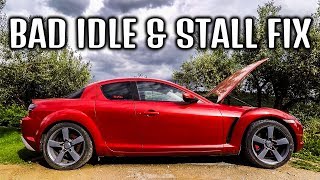
- Slow or difficult engine cranking, especially after sitting. 🎬 Watch how to fix stalling after disconnecting your battery
- Engine stalls at idle.
- Erratic behavior from electronic components like the radio or power locks.
- Power steering feels heavy or cuts out intermittently.
- Replacing the battery when the alternator is the actual cause. If a new battery fixes the problem temporarily but the code returns, the alternator is likely not charging the new battery properly.
- Replacing the alternator when the main battery cables or ground connections are corroded and causing high resistance. Always clean and check connections first.
- Using cheap, aftermarket remanufactured alternators which are known to have a high failure rate on this vehicle, leading to repeat repairs.
Most Likely Causes
- Failing Alternator 🔴 High Probability The alternator is the most frequently cited point of failure for this code on the RX-8. The voltage regulator is internal to the alternator and is a common failure point. The alternator must work hard to supply the electric power steering and the high-energy ignition system, leading to wear. Aftermarket remanufactured alternators from chain parts stores are reported to have a high failure rate on this platform.
How to confirm: With the engine running, use a multimeter to test the voltage across the battery terminals. A healthy alternator should produce between 13.5 and 14.7 volts. If the voltage is below 13.2V or drops significantly when you turn on accessories like headlights and the A/C, the alternator is likely failing. Many auto parts stores can also perform a bench test on the alternator if you remove it.
Typical fix: Replace the alternator, preferably with an OEM remanufactured unit or a quality brand like Denso.
Est. part cost: $200-$450 - Weak or Old Battery 🟡 Medium Probability Batteries have a finite lifespan of 3-5 years. An old battery may not be able to hold a sufficient charge to keep system voltage stable, especially during high-load situations like starting. The RX-8's engine bay heat can also contribute to shorter battery life.
How to confirm: Test the battery voltage with the engine off; a healthy battery should read at least 12.4V-12.6V. Anything below 12V indicates a discharged or failing battery. Most auto parts stores can perform a load test, which is the most definitive way to confirm a battery's health. A battery that reads below 10V is typically considered bad and should not be charged.
Typical fix: Replace the battery.
Est. part cost: $150-$250 - Corroded or Loose Battery Terminals and Cables 🟡 Medium Probability RX-8 forums frequently mention issues with heavy corrosion on the battery terminals, particularly the positive side. This is sometimes attributed to the use of dissimilar metals in the factory clamps, which can accelerate galvanic corrosion and create high resistance. Poor connections at the alternator or main chassis ground are also common points of failure.
How to confirm: Visually inspect the battery terminals, cable ends, and main ground connections for any white or greenish powder (corrosion). Ensure the clamps are tight and cannot be moved by hand. Check the main power cable at the alternator and the ground strap from the engine to the chassis for tightness and corrosion. High resistance in these cables can also be a cause.
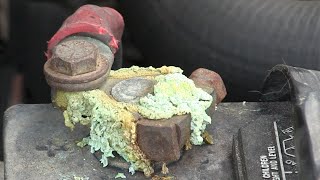
Typical fix: Disconnect the battery (negative first) and thoroughly clean the terminals and clamps with a wire brush 🎬 Watch this guide on how to clean battery terminals and a baking soda/water solution. If the clamps or cable ends are severely corroded or damaged, they must be replaced.
Est. part cost: $5-$50
Rare But Worth Checking
- Slipping or Worn Serpentine Belt: A loose or glazed belt can slip on the alternator pulley, preventing it from spinning at the correct speed to generate sufficient voltage. This is an easy and inexpensive item to check before replacing major components.
- Parasitic Electrical Drain: A module or component that doesn't shut off correctly when the car is off can drain the battery overnight, causing a P0562 on the next startup. A common culprit mentioned in forums is a trunk light that stays on or a faulty alternator with an internal short. A parasitic draw test with a multimeter can identify the problematic circuit; the maximum acceptable draw for an RX-8 is 20 mA.
- Damaged Alternator Wiring Harness: The two-wire control connector at the alternator can become damaged from heat and vibration, causing a poor connection and preventing the PCM from properly commanding the alternator to charge. This should be inspected closely when diagnosing a charging issue.
- Failing Powertrain Control Module (PCM): This is very rare, but the PCM itself can fail and incorrectly report a voltage issue. This should only be considered after all other possibilities have been exhaustively ruled out.
Diagnosis Steps
- Read the code with an OBD-II scanner to confirm P0562 is present. Note any other codes, as some charging system faults may log codes without illuminating the CEL.
- With the engine off, measure the battery voltage using a multimeter. It should be 12.4V-12.6V. If it's low, charge the battery fully and re-test. If it won't hold a charge or is below 10V, have it load-tested and replace if it fails.
- Inspect the battery terminals, cable ends, and chassis ground points for corrosion and tightness. Pay special attention to the positive terminal clamp and the main engine-to-chassis ground strap. Clean and tighten as necessary.
- Inspect the main 120A fuse in the under-hood fuse block. Check for corrosion on the bolts and ensure they are tight, as high resistance here can cause a significant voltage drop.
- Start the engine. Measure the voltage at the battery terminals. It should be between 13.5V and 14.7V.
- With the engine still running, turn on all major electrical accessories (headlights, high beams, A/C on max, rear defroster, turn steering wheel). The voltage should remain stable and above 13.2V. If it drops significantly, the alternator is the primary suspect.
- Inspect the serpentine belt for proper tension, cracks, or glazing. Ensure it is not slipping on the alternator pulley.
- If the above checks out, inspect the wiring harness and the two-wire control connector at the back of the alternator for any signs of melting, corrosion, or damage.
- If the battery drains overnight, perform a parasitic draw test. The total draw should not exceed 20 mA. If the draw is high, one potential culprit is an internal short in the alternator itself; feel the alternator to see if it's warm after the car has been off for an extended period.
Parts You'll Likely Need
- Alternator (Series 1, 2004-2008)
(OEM #N3H1-18-300B)— This is the most common failure part for P0562 on 2004-2008 models. The internal voltage regulator often fails. The OEM part is remanufactured.
Trusted brands: Mazda (OEM Remanufactured), Denso, Duralast (High failure rate reported by owners), WAI Global
OEM price range: $350-$450
Aftermarket price range: $200-$300 - Alternator (Series 2, 2009-2011)
(OEM #N3R1-18-300)— This is the most common failure part for P0562 on 2009-2011 models. The internal voltage regulator often fails.
Trusted brands: Mazda (OEM Remanufactured), Denso, ACDelco
OEM price range: $300-$400
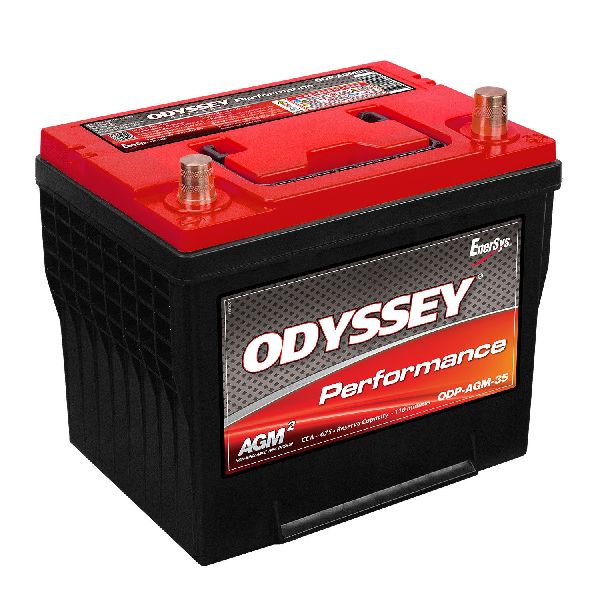
Aftermarket price range: $180-$280 - AGM Battery (Group Size 35) — A weak or dead battery is a frequent cause. Upgrading to an Absorbed Glass Mat (AGM) battery can provide better vibration resistance and prevent acid leaks that cause terminal corrosion.
Trusted brands: Interstate, DieHard, Optima
Aftermarket price range: $180-$250 - Positive Battery Terminal Clamp
(OEM #F151-67-TB1)— The factory terminal clamp is prone to corrosion, which can cause high resistance and trigger this code. Replacing it with a new OEM or quality aftermarket clamp is a common fix.
Trusted brands: Mazda (OEM)
OEM price range: $20-$40
Aftermarket price range: $10-$20 - Main Fuse, 120A
(OEM #F151-67-099)— This main bolt-in fuse in the engine bay fuse block can fail or its connections can become corroded/loose, creating high resistance in the charging circuit.
Trusted brands: Mazda (OEM)
OEM price range: $10-$20
Technical Service Bulletins (TSBs) & Recalls
- TSB 01-008/18: A general Mazda bulletin regarding battery testing and maintenance procedures. It lists potential causes for a weak battery, including high electrical load, excessive parasitic draw, and generator output voltage signal circuit issues, all of which can relate to a P0562 code.
- TSB 01-015/08: While this TSB is for a 'Crank No Start' condition (engine flooding), its procedures are relevant. It instructs technicians to disconnect the secondary air injection pump to protect the catalytic converter from unburnt fuel, a risk when dealing with electrical and starting issues.
Platform-Specific Known Issues
- source — In a thread titled 'P0562 System voltage low?', a user described the classic symptom: 'operating literally ANYTHING electrical causes the idle/car to wobble like its going to stall.' Even after replacing the alternator which only slightly improved the issue (from stalling to nearly stalling), the problem persisted. Another user suggested the battery leads themselves could be damaged, highlighting the importance of checking the entire circuit, not just the main components.
- NVRAM / KAM Reset Procedure: After disconnecting the battery or replacing charging system components, the RX-8's ECU can have an unstable idle as it relearns fuel trims. A common procedure shared on forums to reset the Keep Alive Memory (KAM) involves disconnecting the battery, pulling the 'ROOM' fuse, holding the brake pedal down for a minute, then reconnecting everything and performing the '20-brake-stomp' reset to re-calibrate the eccentric shaft position sensor. This can resolve idle instability that might be confused with a voltage issue.
Mechanic-Grade Diagnostic Values
- Charging Voltage (Engine Running, No Load) — expected: 13.5V - 14.7V DC. Failure: Voltage below 13.2V or above 15.0V
- Charging Voltage (Engine Running, Heavy Electrical Load) — expected: Should remain above 13.2V. Failure: Voltage drops significantly, approaching battery voltage (12.6V or less)
- Battery Voltage (Engine Off, Rested) — expected: 12.4V - 12.6V DC. Failure: Voltage below 12.4V indicates a discharged or weak battery
- Parasitic Draw (Dark Current) — expected: Less than 20 mA. Failure: A sustained current draw above 20 mA indicates a component is not shutting down properly.
- PCM Low Voltage Trigger Threshold — expected: N/A. Failure: PCM will set P0562 when system voltage drops below approx. 9V-10V for a set period.
Hidden / Shadow Codes Worth Checking
- N/A (Informational): While no specific 'shadow codes' are commonly documented for this fault, it is noted by owners that charging system issues can sometimes store a fault code in the PCM without illuminating the Check Engine Light, though the battery warning light will typically be on. A full scan is always recommended. (see via OBD-II Scanner capable of reading all manufacturer-specific codes.)
Scan Tool Commands That Help
- Mazda M-MDS (or equivalent professional scanner): Alternator Control / Charging System Test — The RX-8 alternator is controlled by the PCM via a two-wire connector. While specific command names are not public, a dealer-level tool can monitor the communication between the PCM and alternator and may have active tests to verify the control circuit is functioning, which is useful if a new alternator does not resolve the low voltage issue.
Wiring & Ground Locations
- Alternator Control Connector — A small two-pin plug on the alternator housing, separate from the main power cable.. This connector is critical for operation. It contains two wires controlled by the PCM: a Brown/Red (BR/R) wire from the PCM to the alternator's exciter, and a White/Green (W/G) wire from the alternator to the PCM to signal that it is turning. Damage to these wires or the connector will prevent the alternator from charging, even if the unit is good.
- Main Fuse (120A) — Located in the main fuse block in the engine compartment, bolted in place.. This is the primary connection between the alternator/battery and the vehicle's main electrical systems. The bolts securing this fuse can loosen or corrode, creating high resistance and causing a system-wide voltage drop that triggers P0562.
- Main Engine Ground — A thick ground strap connecting the engine block to the vehicle's chassis/frame.. A corroded or loose main engine ground is a common cause of various electrical issues, including improper charging. It provides the return path for the alternator's current.
- PCM Power Supply Pin — Pin 4C (12V from ETB Relay) on the PCM connector.. This is where the PCM measures the system voltage. A voltage drop test directly at this pin can confirm if the PCM is seeing the same low voltage measured at the battery, ruling out a faulty PCM reading.
Real Owner Repair Stories
- Reddit user in r/RX8 (2004 Mazda RX-8) — Alternator went bad, replaced it. The new one was defective. A second new one worked for a while, then started spiking voltage to 17V when accelerating, causing power steering failure.
❌ Tried (didn't work) Replaced alternator with a Duralast Gold from AutoZone., Replaced the defective Duralast Gold with another one, which also failed.
✅ What actually fixed it After multiple failures with aftermarket parts, another user reported the final fix was installing a factory remanufactured alternator directly from Mazda. The original poster then sourced a used OEM alternator to solve the problem. - Reddit user in r/RX8 (Mazda Miata (similar electrical system behavior)) — Severe parasitic battery drain (2.5-3.5 amps) that would kill a battery quickly and prevent the car from running properly.
❌ Tried (didn't work) Checking every fuse and relay., Replacing batteries multiple times over several years.
✅ What actually fixed it The alternator had failed internally in a way that it was drawing power when the car was off. The fix was confirmed by feeling the alternator body, which was warm even after the car had been sitting for a long time. Replacing the alternator resolved the parasitic draw. - RX8Club.com user (2004 Mazda RX-8) — Battery light remained on after replacing both the alternator and the battery.
❌ Tried (didn't work) Replacing alternator., Replacing battery.
✅ What actually fixed it The battery light remained on for approximately 30 miles of driving after the parts were replaced, and then went off on its own. This suggests the PCM may require several drive cycles to re-evaluate the charging system and clear the warning light after a repair.
"I Checked Everything" — The Actual Cause
- A common scenario for P0562 is when the alternator and battery both pass standard bench tests, but the problem persists. One root cause is a high-resistance connection at the main 120A fuse in the engine bay fuse block, caused by corrosion or loose bolts, which standard tests on the components themselves will miss.
- Another case is an alternator with an internal short. It may pass an output test at the parts store, but when installed, it creates a significant parasitic draw that drains the battery when the car is off. This can sometimes be identified by feeling a warm alternator body long after the engine has been shut down.
Model Year Variations Within This Range
- 2009-2011 (Series 2): Series 2 RX-8s use a different alternator (P/N N3R1-18-300) than Series 1 models. While the maximum amperage output is the same (100A), there are internal differences in the components or voltage regulator. Additionally, Series 2 cars were equipped with a larger battery from the factory compared to Series 1.
Diagnostic Flowchart
Other Known Issues on This Vehicle
Issues unrelated to this code that are worth knowing about as an owner of this generation:
- Premature Apex Seal / Engine Wear 🔴 High — Common between 80,000-120,000 miles, but can occur earlier with poor maintenance. Symptoms include difficulty starting when hot and loss of power.
- Ignition Coil Failure 🔴 High — Very common, often recommended for replacement every 30,000 miles. Weak coils lead to misfires, poor performance, and can cause catalytic converter and engine damage if ignored.
- Engine Flooding 🟠 Medium — Common on earlier (S1) models, especially if the car is started and shut off before reaching operating temperature. Requires a specific 'de-flooding' procedure to resolve. (Ref: TSB 01-015/08 provides a procedure for 'Crank No Start' conditions.)
- High Oil Consumption 🟡 Low — This is by design to lubricate apex seals. Owners must check oil levels frequently (e.g., at every fuel fill-up). Normal consumption is around 1 quart per 1,000-1,500 miles. Neglecting to top off oil is a primary cause of engine failure.
- Weak Starter Motor (S1 Models) 🟠 Medium — 2004-2005 models had a slower, weaker starter motor. Upgrading to the later, faster starter (or the S2 starter) improves starting, especially with marginal compression, and helps prevent flooding.
- Catalytic Converter Failure 🟠 Medium — Often a consequence of failing ignition coils, which allow unburnt fuel into the exhaust, causing the catalytic converter to overheat and clog.
Used vs. New Parts: Buying Guide for This Vehicle
When a used part is the smart pick: A used OEM alternator from a low-mileage donor car is often considered a smarter choice than a new aftermarket unit from a chain auto parts store. Forum members report high failure rates with some aftermarket brands, whereas a used, original Mazda/Denso part is often more reliable.
Donor-vehicle mileage cap: roughly under 80000 miles for the part to have meaningful remaining life.
What to inspect on the donor part:
- Verify the mileage of the donor vehicle if possible; lower is always better.
- Spin the alternator pulley by hand; it should spin smoothly with no grinding or roughness, which would indicate bad bearings.
- Inspect the housing for heavy corrosion or physical damage.
- Ensure the plastic two-wire control connector is not cracked or broken.
OEM-only on this vehicle (don't cheap out):
- Alternator: Due to the high reported failure rate of common aftermarket brands on this specific vehicle, sourcing an OEM remanufactured unit from Mazda or a known-good used OEM unit is strongly recommended.
Aftermarket brands forum-validated for this vehicle:
- Denso (Often the original equipment manufacturer for Mazda)
Brands owners have reported issues with on this vehicle:
- Duralast: Multiple owners have reported repeated, premature failures with this brand of alternator on the RX-8.
Real Owner Stories
Aggregated from forums and TSBs cited above. Mileages and costs reflect what owners reported in those sources.
2004-2011 Mazda RX-8 13B-MSP
Symptoms: Operating literally ANYTHING electrical causes the idle/car to wobble like its going to stall. The problem persisted even after replacing the alternator, which only slightly improved the issue from stalling to nearly stalling.
What fixed it: The diagnosis pointed toward checking the entire circuit, specifically suggesting that the battery leads themselves could be damaged or the wiring harness/two-wire control connector at the back of the alternator could be faulty.
Source hint: RX8Club.com thread titled 'P0562 System voltage low?'
Related OBD-II Codes
Frequently Asked Questions
Why does my RX-8 stumble or nearly stall whenever I use the power windows or turn on the headlights?
Should I use a generic remanufactured alternator from a local parts store for my RX-8?
Does TSB 01-015/08 regarding engine flooding relate to my P0562 code?
Why is my RX-8's idle unstable after I disconnected the battery to clean the terminals?
Is there a specific fuse I should check for P0562 on the RX-8?
Can the RX-8's electric power steering cause this code?
Helpful Videos
Used OEM Parts in Stock


New Aftermarket Parts Available


The information in this article is provided for general reference and educational purposes only. Vehicle specifications, procedures, and part compatibility can vary by production date, trim level, and region. Always consult your vehicle's factory service manual and verify part numbers before purchasing or performing repairs. Safety-critical components such as airbags, seat belts, and braking systems should be installed by a qualified professional.
- Mazda RX-8:
- 🎬 Helpful Videos
- 🛍️ Shop This Part
- What's Unique About the 2004-2011 Mazda RX-8
- Symptoms You May Notice
- Most Likely Causes
- Rare But Worth Checking
- Diagnosis Steps
- Parts You'll Likely Need
- Technical Service Bulletins (TSBs) & Recalls
- Platform-Specific Known Issues
- Mechanic-Grade Diagnostic Values
- Hidden / Shadow Codes Worth Checking
- Scan Tool Commands That Help
- Wiring & Ground Locations
- Real Owner Repair Stories
- "I Checked Everything" — The Actual Cause
- Model Year Variations Within This Range
- Diagnostic Flowchart
- Other Known Issues on This Vehicle
- Used vs. New Parts: Buying Guide for This Vehicle
- Real Owner Stories
- 2004-2011 Mazda RX-8 13B-MSP
- Related OBD-II Codes
- Frequently Asked Questions
- 🎟️ Get 5% Off