

P0524 on 2007-2009 Suzuki XL-7 3.6L: Engine Oil Pressure Too Low Causes and Fixes
This code means the engine oil pressure is critically low. On this specific Suzuki, it's often caused by a bad oil pressure sensor, but can also indicate a failing oil pump or stretched timing chains, a known issue with this GM engine. Do not drive until fixed. A mechanical pressure test is required to differentiate a sensor fault from a true low-pressure condition.
- P0524 is a critical code indicating dangerously low oil pressure. Do not drive the vehicle until it is diagnosed.
- The first and easiest step is to check the engine oil level and condition. Low or old oil is a common cause.
- On this specific vehicle, the code can be caused by a simple bad oil pressure sensor, but it's crucial to rule out a true low-pressure condition with a mechanical gauge.
- This Suzuki uses a GM 3.6L V6 engine known for timing chain problems, which can be a root cause of this oil pressure code. Be aware of any engine rattling noises.
What's Unique About the 2007-2009 Suzuki XL-7
The 2007-2009 Suzuki XL-7 uses a General Motors (GM) 3.6L V6 engine, code LY7. This engine is widely known for having issues with timing chains stretching prematurely, often exacerbated by extended oil change intervals or low oil levels. While P0524 can be a simple sensor failure, it can also be an early warning sign of this more severe timing chain problem. Metal debris and plastic from the worn chain guides can clog the oil pump pickup screen and other small oil passages, leading to oil starvation and the P0524 code. A tiny, often-missed filter screen (GM Part #12585328) located directly under the oil pressure sensor is also notorious for getting clogged with sludge, which gives the sensor a false low-pressure reading.
Symptoms You May Notice
- Oil pressure warning light on the dashboard.
- Check Engine Light is on.
- Engine making unusual noises, such as ticking, rattling, or knocking.
- Reduced engine power and sluggish performance.
- Engine may stall or run rough.
- Flickering oil light, especially at idle or when the engine is warm.
- Replacing the oil pump without first confirming actual low pressure with a mechanical gauge. The issue is more often the sensor.
- Replacing the ECM. While a faulty computer is a theoretical possibility, it is extremely rare for this code.
- Replacing the timing chains for a P0524 code without first ruling out the simpler causes like the sensor, oil level, and oil quality.
- Replacing only the oil pressure sensor but not the small, clog-prone filter screen underneath it, leading to the code's return.
Most Likely Causes
- Low Engine Oil Level 🔴 High Probability All engines consume some oil, and leaks can develop over time. The LY7 engine can consume up to a quart of oil every 2000 miles and be considered 'normal' by GM, making it easy to run low between changes. This is the simplest and most common reason for low oil pressure.
How to confirm: Check the engine oil dipstick when the engine is cool and on a level surface. The level should be between the 'Full' and 'Add' marks.
Typical fix: Top up the oil to the correct level using the manufacturer-recommended viscosity (SAE 5W-30 is preferred for this engine) that meets GM dexos1 Gen 2 specifications. Inspect for oil leaks.
Est. part cost: $10-$50 - Faulty Oil Pressure Sensor 🟡 Medium Probability Sensors can fail over time, sending incorrect low-pressure readings to the ECM even when the pressure is normal. They can also leak oil through the sensor body itself into the connector, causing a bad reading.
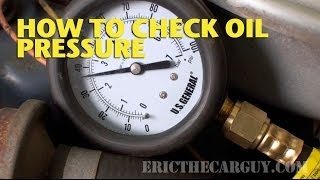
How to confirm: After verifying the oil level is correct, use a mechanical oil pressure gauge to test the actual engine oil pressure. The sensor is located on the engine block, near the oil filter housing. If the mechanical gauge shows good pressure (e.g., above 12-15 PSI at hot idle) but the dashboard gauge/light indicates low pressure, the sensor is bad.
Typical fix: Replace the oil pressure sensor and its connector if it is oil-fouled. The OEM part number is a GM/ACDelco part, 12673134. 🎬 See this walkthrough on how to replace the oil pressure sensor. It is critical to also replace the small filter screen underneath the sensor at the same time.
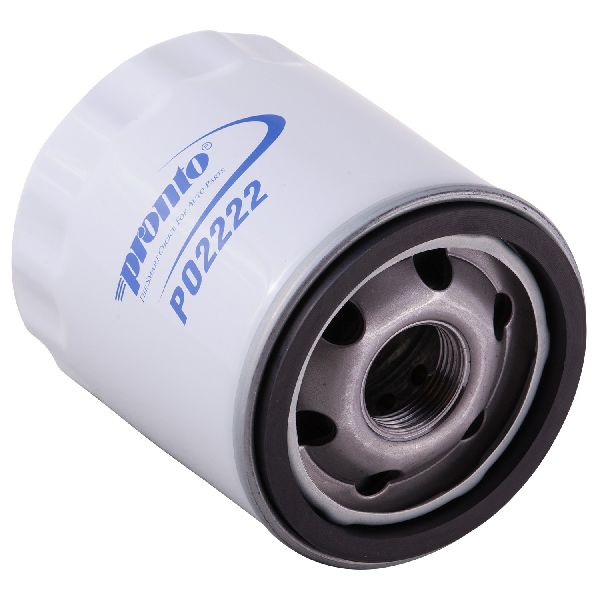
Est. part cost: $25-$75 - Incorrect or Degraded Oil / Clogged Oil Filter 🟡 Medium Probability Using oil of the wrong viscosity (e.g., too thin) or a low-quality/incorrect cartridge-style oil filter can lead to inadequate pressure. The LY7 engine is sensitive to oil quality and maintenance intervals. A Suzuki TSB warns against using incorrect or poor-quality filters, as it can cause engine damage.
How to confirm: Check service records or inspect the oil's condition. If the oil is very dark, thick with sludge, or its history is unknown, it should be changed. Ensure the correct filter (e.g., ACDelco PF48) is used.
Typical fix: Perform an oil and filter change using a high-quality filter and full synthetic SAE 5W-30 oil meeting GM dexos1 specifications. The oil capacity is 5.5 quarts with a filter change.
Est. part cost: $50-$100 - Stretched Timing Chains ⚪ Low Probability The GM 3.6L LY7 engine is widely known for premature timing chain wear. Debris from worn chain guides can clog the oil pump pickup screen or oil passages, leading to starvation and low pressure. One owner reported a dealer blaming low oil pressure for a second timing chain failure.
How to confirm: This is often accompanied by rattling noises on startup and other timing-related codes (P0008, P0016, P0017, etc.). Diagnosis requires checking camshaft deviation with a scan tool or physically inspecting the chains, which is labor-intensive.
Typical fix: Replace all three timing chains, tensioners, and guides. This is a very labor-intensive job. Suzuki issued a TSB (SI-0012R) and created service kits for this repair. 🎬 Watch: Detailed guide on changing GM 3.6L timing chains and setting timing.
Est. part cost: $400-$800
Rare But Worth Checking
- Failing Oil Pump: While less common than sensor or oil level issues, a worn or failing oil pump will cause a genuine and critical low oil pressure condition. The internal pressure relief valve can also stick open, causing low pressure. This requires dropping the oil pan for inspection and replacement.
- Worn Internal Engine Bearings: On very high-mileage engines, excessive clearance in the crankshaft or camshaft bearings can cause a drop in overall oil pressure. This usually presents with knocking noises and is a sign of a worn-out engine requiring a rebuild or replacement. One owner with low pressure reported having replaced all crankshaft bearings to no avail.
Diagnosis Steps
- Immediately check the engine oil level using the dipstick. If low, top it off with SAE 5W-30 oil and see if the light and code go away.
- Inspect the oil's condition. If it is old, dirty, or has the wrong viscosity, perform an oil and filter change with SAE 5W-30 synthetic oil and a quality filter like an ACDelco PF48.
- Visually inspect the oil pressure sensor and its electrical connector for damage or oil leaks. The sensor is located on the engine block.
- CRITICAL STEP: Connect a mechanical oil pressure gauge to the engine. Start the engine and compare the reading to the manufacturer's specifications (General GM spec is >12 PSI at 1,000 RPM, >20 PSI at 2,000 RPM, and >24 PSI at 4,000 RPM). This will determine if you have a real low-pressure problem or a sensor/electrical issue.
- If mechanical pressure is good, the oil pressure sensor and the filter screen underneath it are the likely culprits and should be replaced.
- If mechanical pressure is low, the problem is more serious. The next steps involve inspecting the oil pump pickup tube for blockage (requires removing the oil pan) and inspecting the oil pump itself.
- If rattling noises are present or other timing codes exist (P0008, P0017, etc.), inspect the timing chains for stretching and wear.
Parts You'll Likely Need
- Engine Oil Pressure Sensor (Switch)
(OEM #ACDelco 12673134)— This is a common failure point and will trigger a P0524 code even if the engine's oil pressure is perfectly fine.
Trusted brands: ACDelco, Standard Motor Products (PS310), Delphi
OEM price range: $40-$60
Aftermarket price range: $20-$45 - Engine Oil and Filter
(OEM #ACDelco PF48 (Filter))— Low, old, or incorrect oil is a primary cause of low oil pressure. Regular changes with the correct oil (5.5 quarts of 5W-30) are critical for this engine.
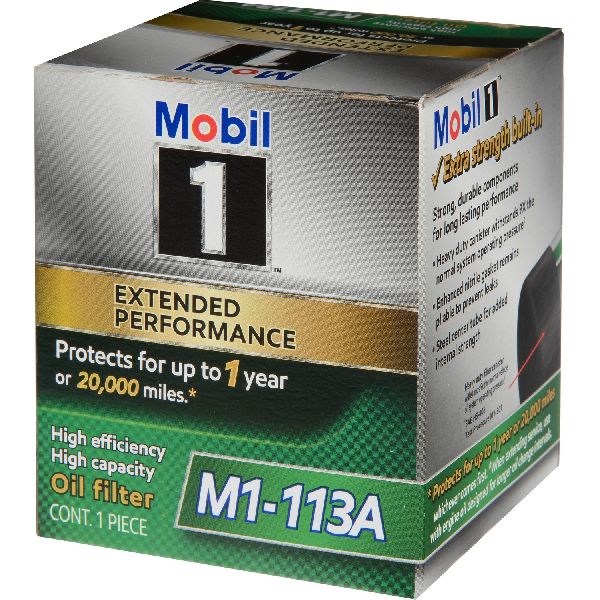
Trusted brands: Mobil 1, Pennzoil Platinum, ACDelco, Wix
OEM price range: $70-$100
Aftermarket price range: $50-$80 - Timing Chain Kit
(OEM #12799-78810 or 12700-78810)— Due to the known issue of stretched timing chains on the 3.6L LY7 engine, this is a significant potential repair if the code is accompanied by rattling or timing correlation codes.
Trusted brands: ACDelco, Cloyes
OEM price range: $500-$700
Aftermarket price range: $300-$500
Related Codes That Often Appear With This One
- P0008 — Indicates an engine timing issue, often seen with stretched timing chains on the LY7 engine, which can be a root cause of oil pressure problems due to debris.
- P0016, P0017, P0018, P0019 — These are all crankshaft/camshaft correlation codes that point directly to stretched timing chains, a known issue on this platform that can lead to P0524.
- P0521, P0522, P0523 — These codes are all related to the oil pressure sensor circuit performance, range, or high/low input, and can appear alongside P0524 as part of an electrical fault with the sensor or its wiring.
Technical Service Bulletins (TSBs) & Recalls
- SI-0012R: Details the availability of service kits for timing chain repairs on the 3.6L LY7 engine.
- PIP4786C: A GM TSB that notes the issue of the filter screen under the oil pressure sensor getting clogged on the 3.6L engine, causing false readings.
Platform-Specific Known Issues
- The 3.6L V6 engine in the 2007-2009 XL-7 is a GM engine notorious for premature timing chain stretching. This is a major, well-documented issue that can lead to low oil pressure and catastrophic engine failure if not addressed. Suzuki issued TSB SI-0012R to address this, providing part numbers for comprehensive repair kits. Owners on forums like CarComplaints.com frequently report this issue, with repair costs reaching $3,000 at dealerships.
Mechanic-Grade Diagnostic Values
- Oil Pressure Sensor Resistance — expected: Approximately 45 ohms at 40 PSI and 90 ohms at 80 PSI.. Failure: Readings that are wildly inconsistent, bouncing around, or show an open/shorted circuit. A reading of 0 ohms with the engine off indicates the wire is grounded.
- Mechanical Oil Pressure (Hot Idle) — expected: Greater than 12-14 PSI.. Failure: Pressure below 12 PSI indicates a true mechanical low-pressure condition (e.g., worn pump, clogged pickup, worn bearings).
- Mechanical Oil Pressure (at 2,000 RPM) — expected: Greater than 20 PSI.. Failure: Pressure that does not rise with RPM suggests a significant lubrication system fault.
Scan Tool Commands That Help
- GM Tech 2: Status Indicators Test — To command the instrument panel cluster's oil pressure light/gauge to activate, verifying the cluster itself is working. Path: Body > Instrument Panel Cluster > Special Functions > Status Indicators Test.
- GM Tech 2: Dash Lamps Test — An alternative path to command the oil pressure warning lamp on, confirming the bulb and its circuit from the ECM are functional. Path: Powertrain > Special Functions > Engine Output Controls > Dash Lamps.
Wiring & Ground Locations
- Engine Oil Pressure (EOP) Switch — On the left side of the engine block, near the starter motor.. This is the sensor that triggers the P0524 code. Its wiring and connector are common points of failure due to heat and oil contamination.
- G103 — At the left side of the engine compartment.. This is a primary engine bay ground. A poor connection here can cause erratic behavior from various engine sensors, including the oil pressure sensor.
- G105 — At the lower right rear of the engine.. This ground is located directly on the engine block. A loose or corroded connection here can directly impact sensor readings that use the block for a ground reference.
- ECM (Engine Control Module) — Mounted on top of the battery cover.. This is the computer that receives the signal from the oil pressure sensor. Knowing its location is necessary for any circuit testing at the computer's pins.
Real Owner Repair Stories
- Reddit user in r/Justrolledintotheshop (2012 GMC Acadia with 3.6L V6 (same engine family) at 102,000 miles) — Low oil pressure message on the dashboard information center (DIC) and active timing chain trouble codes.
❌ Tried (didn't work) The shop initially quoted a $2,800 timing chain job based on the codes.
✅ What actually fixed it Upon opening the engine, it was found to be completely filled with thick sludge from severely neglected oil changes (owner claimed 7k mile intervals at a quick-lube shop). The sludge had clogged all oil passages, starving the engine of oil. The only fix was a complete engine replacement at a cost of $7,500.
OEM Part Supersession History
12596951, 12621234→12673134— Part consolidation and potential design improvements for reliability.
Diagnostic Flowchart
Other Known Issues on This Vehicle
Issues unrelated to this code that are worth knowing about as an owner of this generation:
- Premature Timing Chain Wear 🔴 High — Very common, often appearing between 70,000 and 120,000 miles. Exacerbated by not adhering to strict oil change intervals. (Ref: Suzuki TSB SI-0012R)
- Water Pump Failure 🟠 Medium — Commonly reported failure item, leading to coolant leaks and potential overheating.
- Catalytic Converter Failure 🟠 Medium — Failure can occur, leading to loss of power and check engine lights. Replacement can be very expensive.
- Power Steering Pump/Hose Leaks 🟡 Low — Some owners report noises or leaks from the power steering system. (Ref: While not for the XL-7, related Suzuki models had recalls for power steering issues, indicating a potential area of weakness for the brand/era.)
- Fuel Pump Module Cracking 🔴 High — Affects vehicles sold or registered in hot weather states (AZ, CA, NV, TX). (Ref: NHTSA Recall #13V072000)
Used vs. New Parts: Buying Guide for This Vehicle
When a used part is the smart pick: For this repair, used parts are generally not recommended. The key failure components (sensors, timing chains, oil pump) are wear items. A used engine assembly from a low-mileage, verified-running donor vehicle could be a cost-effective solution if the original engine has suffered catastrophic failure.
Donor-vehicle mileage cap: roughly under 80000 miles for the part to have meaningful remaining life.
What to inspect on the donor part:
- For a complete engine, ask for video of it running before it was pulled.
- Remove the oil fill cap and look for any signs of thick, black sludge, which indicates poor maintenance.
- Check for service history (CarFax, etc.) if available to verify maintenance intervals.
- Avoid engines from vehicles with significant front-end collision damage.
OEM-only on this vehicle (don't cheap out):
- Engine Oil Pressure Sensor: Many forum and technician reports state that aftermarket sensors for this GM application have a very high rate of premature failure. Using an OEM ACDelco sensor (12673134) is strongly advised to prevent having to do the job twice.
Aftermarket brands forum-validated for this vehicle:
- Timing Chain Kit: Cloyes is a well-regarded aftermarket manufacturer for timing components and is often recommended as a quality alternative to OEM.
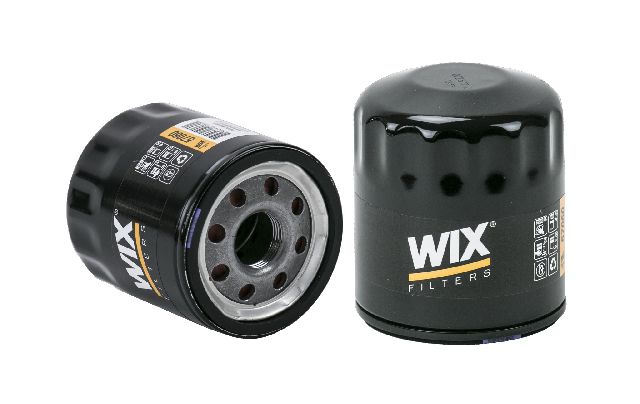
- Oil Filter: Wix, NAPA Gold (made by Wix), and ACDelco are consistently recommended for this engine.
Brands owners have reported issues with on this vehicle:
- Unbranded/white-box oil pressure sensors from online marketplaces are frequently cited as failing quickly.
Real Owner Stories
Aggregated from forums and TSBs cited above. Mileages and costs reflect what owners reported in those sources.
2008 Suzuki XL-7 3.6L V6 — ~95000 miles
Symptoms: Rattling noises from the engine, accompanied by timing-related check engine codes like P0008 and P0017.
What fixed it: Replacement of the timing chains, tensioners, and guides.
Cost: $3000-$3000
Source hint: CarComplaints.com - 2008 Suzuki XL7 Engine Problems
2008 Suzuki XL-7 3.6L V6
Symptoms: A second timing chain failure occurred after a previous replacement. The dealership blamed the repeat failure on low oil pressure.
What fixed it: The source describes the problem and the dealer's diagnosis, but not the final repair.
Source hint: CarComplaints.com - 2008 Suzuki XL7 Engine Problems
Related OBD-II Codes
Frequently Asked Questions
My 2008 XL-7 is making a rattling noise on startup along with the P0524 code. What's the likely cause?
I'm replacing the oil pressure sensor on my Suzuki XL-7. Is there anything else I should replace at the same time?
How much oil does the 3.6L V6 in the 2007-2009 XL-7 take, and what kind should I use?
My mechanic says my timing chains are stretched. Is this a common problem on the Suzuki XL-7?
I have a P0524 code, but my oil level is full. What's the most important diagnostic step for my XL-7?
Are other GM vehicles with the 3.6L engine known to have this P0524 issue?
Helpful Videos
We Have This Part in Stock



The information in this article is provided for general reference and educational purposes only. Vehicle specifications, procedures, and part compatibility can vary by production date, trim level, and region. Always consult your vehicle's factory service manual and verify part numbers before purchasing or performing repairs. Safety-critical components such as airbags, seat belts, and braking systems should be installed by a qualified professional.
- Suzuki XL-7:
- 🎬 Helpful Videos
- 🛍️ Shop This Part
- What's Unique About the 2007-2009 Suzuki XL-7
- Symptoms You May Notice
- Most Likely Causes
- Rare But Worth Checking
- Diagnosis Steps
- Parts You'll Likely Need
- Related Codes That Often Appear With This One
- Technical Service Bulletins (TSBs) & Recalls
- Platform-Specific Known Issues
- Mechanic-Grade Diagnostic Values
- Scan Tool Commands That Help
- Wiring & Ground Locations
- Real Owner Repair Stories
- OEM Part Supersession History
- Diagnostic Flowchart
- Other Known Issues on This Vehicle
- Used vs. New Parts: Buying Guide for This Vehicle
- Real Owner Stories
- 2008 Suzuki XL-7 3.6L V6 — ~95000 miles
- 2008 Suzuki XL-7 3.6L V6
- Related OBD-II Codes
- Frequently Asked Questions
- 🎟️ Get 5% Off