

P0524 on 2013-2019 Subaru Outback 2.5L: Engine Oil Pressure Too Low Causes and Fixes
P0524 means your engine's oil pressure is critically low. Stop driving immediately. The most common causes are a very low oil level or a faulty, often leaking, oil pressure switch. Always check the oil level first before assuming a part has failed. A mechanical pressure test is the only way to confirm true low pressure versus a sensor fault.
- P0524 is a critical code. Stop the engine immediately to prevent catastrophic damage.
- The first and most important step is to check the engine oil level on a level surface.
- On these Outbacks, a faulty and often leaking oil pressure switch is a very common cause.
- A mechanical oil pressure test is the only way to be certain if you have a real low-pressure problem or just a bad sensor.
- The location of the sensor is different for 2013-2014 models (harder, under alternator) and 2015-2019 models (easier, below oil filter).
What's Unique About the 2013-2019 Subaru Outback
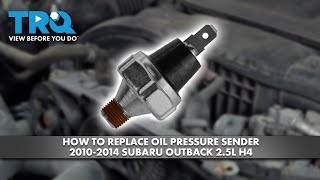
On this generation of Subaru Outback with the FB25B engine, the P0524 code is frequently tied to the oil pressure switch itself, but not always for electrical failure. A very common issue is the switch developing a physical oil leak through the body of the sensor, which can cause both a loss of oil and a false reading. Additionally, the location of this switch differs between the two vehicle generations covered. For 2013-2014 models, it is located under the alternator, 🎬 See this walkthrough for replacing the sensor on 2010-2014 models. making it more difficult to access. For 2015-2019 models, it was moved to a more accessible spot below the oil filter housing.
Generation note: This range covers the end of the 4th generation (2013-2014) and the full 5th generation (2015-2019) Outback. The primary difference related to this code is the location of the oil pressure switch. On 2013-2014 models, it is under the alternator. On 2015-2019 models, it is just below the oil filter housing, making it much easier to access. The FB25B engine was used across this entire range.
Symptoms You May Notice
- Illuminated red oil pressure warning light on the dashboard.
- Check Engine Light is on.
- Engine making unusual noises like knocking, ticking, or grinding.
- Reduced engine power or sluggish performance.
- Visible oil leak from the front of the engine, specifically from the oil pressure switch.
- Engine may produce smoke.
- Replacing the oil pump before verifying the actual oil pressure with a mechanical gauge. The oil pressure switch is a much more common and cheaper failure point.
- Ignoring the warning light, assuming it's just a faulty sensor. This is a dangerous gamble that can lead to complete engine seizure.
- Over-tightening the new oil pressure switch during replacement, which can crack the cylinder head, leading to a much more severe oil leak and expensive repair.
Most Likely Causes
- Insufficient Engine Oil Level 🔴 High Probability The FB25B engine, particularly in the earlier years (2011-2014), is known for potential oil consumption issues due to piston ring design. Subaru issued a TSB regarding this, and if the level is not checked regularly, it can drop low enough to cause a loss of oil pressure, especially during cornering or on inclines.
How to confirm: Park the vehicle on a level surface, wait at least 5 minutes for the oil to settle, then check the engine oil dipstick. The level should be between the 'low' and 'full' marks. The low oil warning light is designed to illuminate when the level is approximately 1.1 quarts below full.
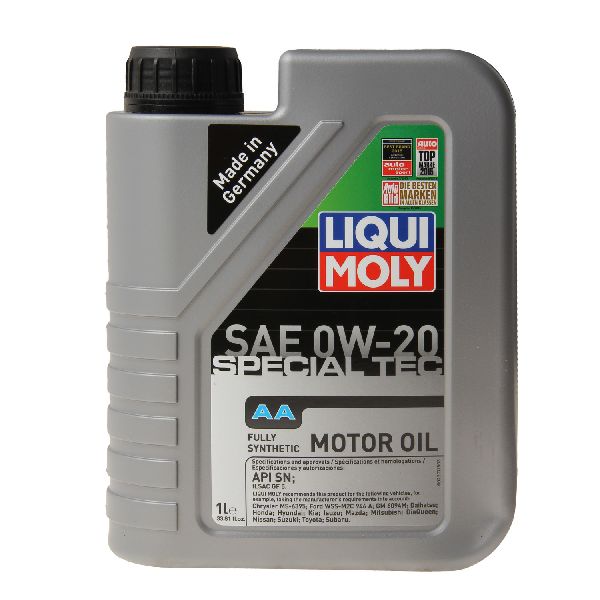
Typical fix: Top up the engine with the manufacturer-specified oil (typically 0W-20 synthetic) to the full mark. Investigate the cause of the oil loss (consumption or leaks). If consumption is high (over 1/3 quart in 1200 miles), consult a dealer about potential TSB-related repairs.
Est. part cost: $10-$50 - Faulty Oil Pressure Switch (Sensor) 🔴 High Probability The oil pressure switch on these models is a very common failure point. It can fail electrically, sending a false low-pressure signal, or it can develop a physical leak through the plastic body of the sensor itself, which is a well-documented issue in owner forums.
How to confirm: Visually inspect the switch for oil seepage. If there is no leak and the oil level is correct, the next step is to test the actual oil pressure with a mechanical gauge. If the mechanical gauge shows good pressure (e.g., >10-15 PSI at hot idle), the switch is faulty.
Typical fix: Replace the oil pressure switch. A thread sealant should be used on the new switch's threads, and it should be tightened carefully to avoid cracking the cylinder head—just past hand-tight is often sufficient. The OEM part number is 25240AA060.
Est. part cost: $20-$70 - Wrong or Degraded Engine Oil 🟡 Medium Probability Using an oil viscosity that is too thin (e.g., 0W-16 instead of the specified 0W-20) or using oil that is heavily diluted with fuel or worn out can lead to a loss of pressure, especially when the engine is hot. The FB25B engine is sensitive to oil quality.
How to confirm: Check service records or determine the type of oil currently in the engine. If the oil is old, dark, or smells of gasoline, it should be changed.
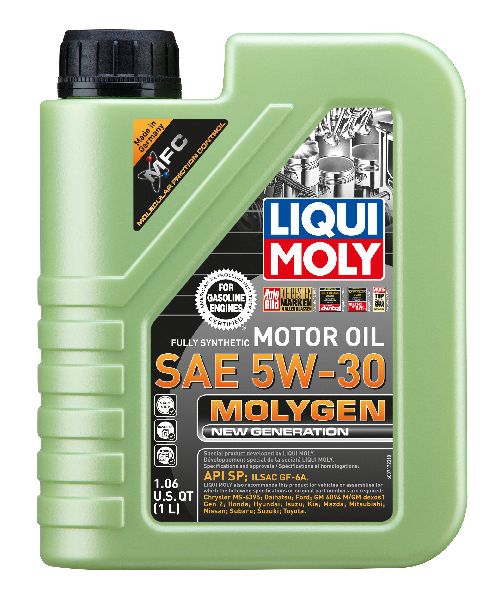
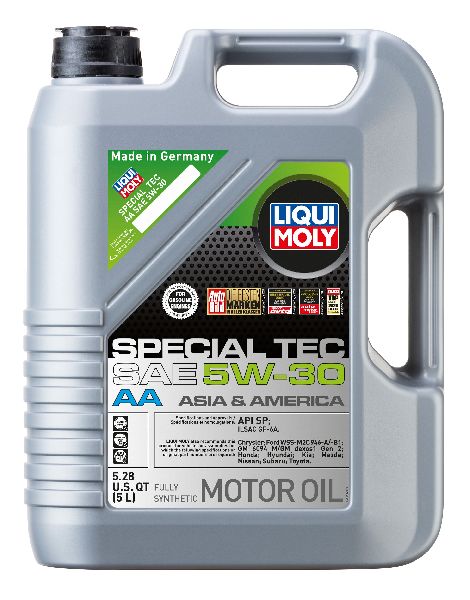
Typical fix: Perform an oil and filter change using a high-quality oil that meets Subaru's specifications (0W-20) and a quality oil filter. Some owners report slightly reduced oil consumption by using a high-quality 5W-30 oil, though this deviates from the manufacturer's primary recommendation.
Est. part cost: $40-$90
Rare But Worth Checking
- Failing Oil Pump: While not as common as sensor issues, a worn or failing oil pump is a potential cause of true low oil pressure and is extremely serious. This would be confirmed by a low reading on a mechanical pressure test across various RPMs.
- Clogged Oil Pickup Tube or Passages: If oil changes have been neglected, sludge can build up and clog the oil pump's pickup tube screen or internal oil passages, restricting flow and causing a pressure drop.
- Worn Internal Engine Components: In very high-mileage engines, excessive wear on components like crankshaft bearings can increase clearances to the point where the oil pump can no longer maintain adequate pressure. This would be accompanied by engine knocking noises and confirmed by a failed mechanical pressure test.
Diagnosis Steps
- STOP THE ENGINE IMMEDIATELY. Do not continue to run or drive the vehicle.
- Park on a level surface and check the engine oil level using the dipstick after waiting at least 5 minutes. If it is low, top it off with the correct oil (0W-20) and re-evaluate.
- If the oil level is correct, visually inspect the oil pressure switch for any signs of oil leakage. On 2013-2014 models, this requires looking under the alternator; on 2015-2019 models, it is below the oil filter.
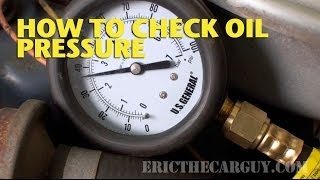
- CRITICAL STEP: Connect a mechanical oil pressure gauge to the engine (in place of the switch) 🎬 Watch: A pro guide on how to test actual oil pressure. to verify the actual oil pressure.
- Start the engine and let it warm up to 80°C (176°F). Per Subaru TSB 02-187-21, check the pressure at both idle and 3,000 RPM. A general good reading is 10-15 PSI at hot idle and 30-65 PSI at 2,500 RPM.
- If the mechanical gauge shows normal oil pressure, the oil pressure switch is faulty and must be replaced.
- If the mechanical gauge confirms low oil pressure, the problem is internal to the engine. Further diagnosis is needed to check the oil pump, oil pickup tube, and internal engine bearings. This requires professional service.
Parts You'll Likely Need
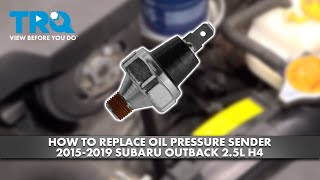
- Engine Oil Pressure Switch
(OEM #25240AA060)— This is the most common point of failure for this code on this vehicle, either due to an internal electrical fault or a physical oil leak through the sensor housing.
Trusted brands: Subaru (OEM), Standard Motor Products, NTK
OEM price range: $40-$70
Aftermarket price range: $20-$40 - Engine Oil and Filter — Required if the cause is low oil level, or if the oil is old, contaminated, or the wrong viscosity. A fresh oil and filter change is a good practice when addressing any oil pressure issue.
Trusted brands: Subaru (OEM) 0W-20, Mobil 1, Castrol
OEM price range: $60-$100
Aftermarket price range: $40-$90
Related Codes That Often Appear With This One
- P0520 — P0520 refers to a malfunction in the oil pressure sensor/switch circuit itself (e.g., a short or open). It often points directly to a bad sensor or wiring, whereas P0524 indicates the pressure reading was too low, which could be mechanical or electrical.
- P0521 — P0521 indicates the oil pressure sensor's performance is out of its expected range, but not necessarily at the critical low level of P0524. It can be a precursor to a failing sensor.
Technical Service Bulletins (TSBs) & Recalls
- TSB 02-187-21: Outlines the updated service procedure for checking engine oil pressure, requiring measurement at both idle and 3,000 RPM with the engine at operating temperature (80°C).
- TSB 02-157-14R: Addresses excessive oil consumption in certain FB engines, extending the powertrain warranty to 8 years/100,000 miles and defining excessive consumption as more than 1/3 quart per 1,200 miles.
- TSB 16-107-17R: Details the CVT warranty extension program, increasing coverage to 10 years/100,000 miles for a wide range of models due to customer satisfaction concerns.
Platform-Specific Known Issues
- source — A user on r/subaru notes that leaking oil pressure switches are common across all generations. They highlight that using cheap, aftermarket switches can lead to repeat failures in a short time, and that proper installation without over-tightening is critical to prevent damage to the cylinder head.
- Multiple owners on forums like r/SubaruForester and BobIsTheOilGuy discuss the FB engine's tendency to consume oil. One user notes their dealer's threshold for a warranty claim was consuming more than 1 quart per 3,500 miles. This chronic consumption is a direct precursor to the P0524 code if the oil level is not checked regularly.
Mechanic-Grade Diagnostic Values
- Engine Oil Pressure at Idle (Hot) — expected: > 10 PSI (0.7 kgf/cm2, 69 kPa). Failure: Pressure below 10 PSI indicates a mechanical oil pressure issue.
- Engine Oil Pressure at 3,000 RPM (Hot) — expected: > 29 PSI (2.0 kgf/cm2, 200 kPa). Failure: Pressure below this specification indicates a mechanical issue with the pump or excessive bearing clearance.
- Oil Pressure Switch Continuity (Engine Off) — expected: Short circuit (continuity to ground, ~0 ohms).. Failure: An open circuit (no continuity) with the engine off indicates a failed switch.
- Oil Pressure Switch Continuity (Engine Running, Normal Pressure) — expected: Open circuit (no continuity to ground).. Failure: A continued short circuit (continuity) with the engine running and good mechanical pressure indicates a failed switch.
Wiring & Ground Locations
- E11 - Oil Pressure Switch Connector — On the front of the engine. For 2013-2014, it is under the alternator. For 2015-2019, it is below the oil filter housing. It is a single-wire connector.. This is the direct connection to the oil pressure switch. The single wire sends the ground signal to the ECU/instrument cluster. Oil leaking into this connector can cause a false signal. The connector body is often black or gray.
- Engine Harness Ground Points — On the passenger's side of the engine bay (USDM), the main engine harness has several ground points that are bundled together under electrical tape.. A TSB for other models (07-96-15) highlights that corrosion or damage to these grounds can cause various electrical issues. While not specific to P0524, a poor ground for the ECU could affect how it interprets sensor signals.
- Engine Harness Chafe Points — The main engine harness runs along the passenger side frame rail and across the front of the engine.. Oil leaks from the pressure switch or other components can saturate the harness, making the insulation brittle and prone to cracking, which can lead to shorts or open circuits for the oil pressure switch wire.
Real Owner Repair Stories
- SubaruOutback.org forum user (2013 Subaru Outback 2.5i, ~100k miles) — Oil light came on, code P0524 was stored. Oil level was full.
❌ Tried (didn't work) The user first replaced the oil pressure switch (OEM part), but the light and code returned shortly after.
✅ What actually fixed it The user realized they had recently used a non-OEM, cheap oil filter. After replacing it with a genuine Subaru (Tokyo Roki) oil filter and performing an oil change, the code and warning light did not return. The theory is the aftermarket filter's bypass valve was faulty or had the wrong specification, causing a momentary pressure drop sufficient to trigger the code. - Reddit user r/subaru (2015 Subaru Outback) — Oil pressure light flickering at idle, no codes initially, then P0524 appeared.
❌ Tried (didn't work) Topping up oil, which was only slightly low.
✅ What actually fixed it The oil pressure switch was found to be leaking oil through the body of the sensor itself. Replacing the switch (Part No. 25240AA060) resolved both the leak and the P0524 code. The user emphasized using an OEM part, as they had heard of aftermarket switches failing quickly.
Model Year Variations Within This Range
- 2013-2014: The oil pressure switch is located on the front of the engine block, underneath the alternator. Access requires removing the alternator, making replacement more labor-intensive (approx. 1-1.5 hours).
- 2015-2019: The oil pressure switch was relocated to a much more accessible position on the front of the engine, just below the top-mounted oil filter housing. Replacement is significantly easier and faster (approx. 0.5 hours).
- 2014+: Starting in 2014, the FB25B engine received revisions including new pistons that raised the compression ratio from 10.0:1 to 10.3:1 and redesigned cylinder heads. While not directly related to the P0524 code's cause, it's a notable change within the vehicle range.
Diagnostic Flowchart
Other Known Issues on This Vehicle
Issues unrelated to this code that are worth knowing about as an owner of this generation:
- Excessive Oil Consumption 🔴 High — Common on earlier FB engines (approx. 2011-2015). Can start around 45,000-100,000 miles. Caused by defective piston rings. (Ref: TSB 02-157-14R was issued, extending the warranty to 8 years/100,000 miles for this specific issue on affected models.)
- CVT Transmission Issues 🔴 High — Affects a wide range of models from 2010-2019. Symptoms include shuddering, hesitation, or outright failure, sometimes as early as 60,000 miles. (Ref: Subaru extended the CVT warranty to 10 years/100,000 miles for many affected vehicles due to customer complaints (TSB 16-107-17R and others).)
- Spontaneously Cracking Windshields 🟠 Medium — Very common across multiple modern Subaru models, including the Outback. Cracks can appear without any obvious impact, often starting from the edges. (Ref: A class-action lawsuit resulted in an extended warranty (8 years/100,000 miles) for this issue on certain models and years.)
- Weak OEM Battery / Parasitic Drain 🟡 Low — Owners frequently report premature failure of the original factory battery, sometimes within 1-2 years. This is often attributed to a weak battery combined with parasitic drain from onboard electronics.
Used vs. New Parts: Buying Guide for This Vehicle
When a used part is the smart pick: For this specific repair, using a used part is not recommended. The primary failure component, the oil pressure switch, is an inexpensive wear-and-tear item. A used switch carries the same risk of failure as the one being replaced and offers no significant cost savings.
What to inspect on the donor part:
- Not applicable as used parts are not advised for this repair.
OEM-only on this vehicle (don't cheap out):
- Engine Oil Filter: Many forum users report that using non-OEM oil filters can lead to P0524 codes, possibly due to incorrect bypass valve specifications. Sticking to the genuine Subaru (blue, made by Tokyo Roki) or a high-quality equivalent is strongly recommended.
- Engine Oil Pressure Switch: While not strictly OEM-only, owner experiences suggest that cheap, unbranded aftermarket switches have a high failure rate. It is highly recommended to use the genuine Subaru part (25240AA060) or a reputable aftermarket brand to avoid repeat repairs.
Aftermarket brands forum-validated for this vehicle:
- Standard Motor Products (SMP)
- NTK/NGK
Brands owners have reported issues with on this vehicle:
- Unbranded, 'white-box' parts from online marketplaces are frequently reported to leak or fail electrically soon after installation.
Real Owner Stories
Aggregated from forums and TSBs cited above. Mileages and costs reflect what owners reported in those sources.
2013-2019 Subaru Outback 2.5L
Symptoms: A leaking oil pressure switch, which is a common issue across all generations.
What fixed it: Replacing the oil pressure switch. The owner noted that using cheap, aftermarket switches can lead to repeat failures and that proper installation without over-tightening is critical to prevent cracking the cylinder head.
Source hint: Forum Report: Repeated Oil Pressure Switch Leak from r/subaru
2013 Subaru Outback 2.5L
Symptoms: Chronic engine oil consumption, which is a direct precursor to the P0524 code if the oil level is not checked regularly.
What fixed it: The owner noted that the dealer's threshold for a warranty claim under the TSB was consuming more than 1 quart per 3,500 miles, implying a TSB-related repair for the piston rings was the ultimate fix.
Source hint: Owner Experience: Oil Consumption Leading to P0524 from r/SubaruForester and BobIsTheOilGuy
2013-2019 Subaru Outback 2.5L
Symptoms: The oil pressure light came on even though the engine oil level was full.
What fixed it: The issue was resolved by replacing the faulty oil pressure sensor.
Source hint: Reddit r/subaruoutback
Related OBD-II Codes
Frequently Asked Questions
My 2014 Outback is burning a lot of oil. Does the TSB for excessive oil consumption (02-157-14R) still apply?
I think my oil pressure switch is leaking on my Outback. Is there a specific part number, and any tips for replacing it?
Where is the oil pressure switch located on my 2016 Subaru Outback?
My FB25B engine is consuming oil. Can I use a thicker oil like 5W-30 instead of the recommended 0W-20?
My oil level is full, but the P0524 code and oil light are on. Why is it critical to test with a mechanical gauge?
What is the correct procedure for checking the actual oil pressure on my Outback according to Subaru?
Helpful Videos
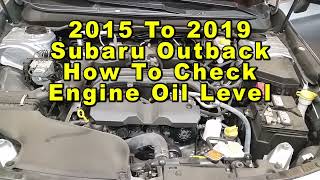
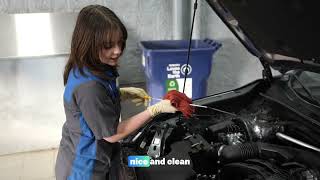
We Have This Part in Stock

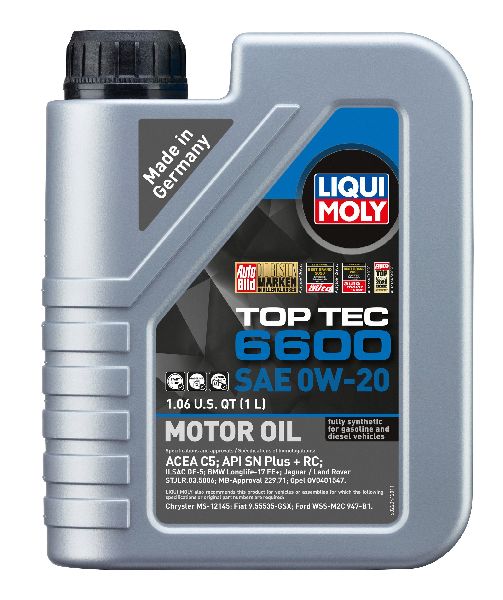
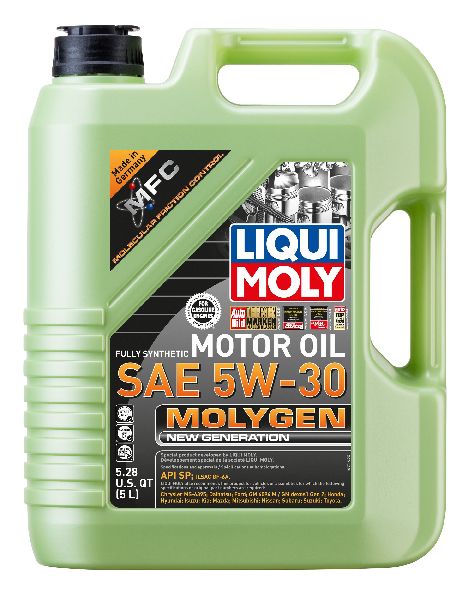

The information in this article is provided for general reference and educational purposes only. Vehicle specifications, procedures, and part compatibility can vary by production date, trim level, and region. Always consult your vehicle's factory service manual and verify part numbers before purchasing or performing repairs. Safety-critical components such as airbags, seat belts, and braking systems should be installed by a qualified professional.
- Subaru Outback:
- 🎬 Helpful Videos
- 🛍️ Shop This Part
- What's Unique About the 2013-2019 Subaru Outback
- Symptoms You May Notice
- Most Likely Causes
- Rare But Worth Checking
- Diagnosis Steps
- Parts You'll Likely Need
- Related Codes That Often Appear With This One
- Technical Service Bulletins (TSBs) & Recalls
- Platform-Specific Known Issues
- Mechanic-Grade Diagnostic Values
- Wiring & Ground Locations
- Real Owner Repair Stories
- Model Year Variations Within This Range
- Diagnostic Flowchart
- Other Known Issues on This Vehicle
- Used vs. New Parts: Buying Guide for This Vehicle
- Real Owner Stories
- 2013-2019 Subaru Outback 2.5L
- 2013 Subaru Outback 2.5L
- 2013-2019 Subaru Outback 2.5L
- Related OBD-II Codes
- Frequently Asked Questions
- 🎟️ Get 5% Off