

P0524 on 2010-2015 Chevrolet Camaro 3.6L V6: Engine Oil Pressure Too Low Causes and Fixes
P0524 indicates critically low oil pressure and requires you to stop the engine immediately. On the 3.6L V6 Camaro, this is very frequently caused by a faulty oil pressure sensor or a tiny, clogged filter screen located directly beneath it. The parts are inexpensive (~$40 for both), but labor is high due to the sensor's extremely difficult-to-access location at the rear of the engine, under the intake manifold.
- P0524 is a CRITICAL code. Stop driving immediately to prevent catastrophic engine failure.
- The first and most important diagnostic step is to check the oil level, then have a mechanic verify the true oil pressure with a mechanical gauge.
- On the Camaro 3.6L V6, the most likely cause is not a failed engine, but a faulty oil pressure sensor and/or a clogged filter screen located underneath it.
- The repair itself involves inexpensive parts but is considered difficult (DIY 5/5) due to the sensor's very poor accessibility, resulting in high labor costs at a shop.
- Always use a high-quality full synthetic 5W-30 oil meeting the Dexos specification and a correct, quality oil filter to prevent sludge buildup.
What's Unique About the 2010-2015 Chevrolet Camaro

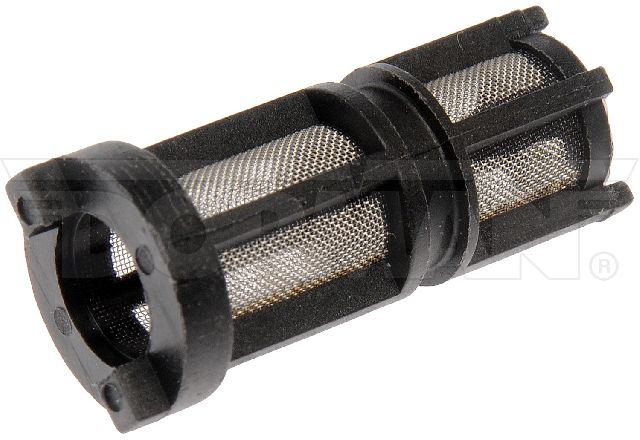
The 3.6L V6 engine family (LLT and LFX) used in the 5th Generation Camaro is known for specific issues that can trigger a P0524 code. A very common culprit is a small, thimble-sized filter screen located in the engine block directly beneath the oil pressure sensor. This screen is notorious for getting clogged with oil sludge, which restricts oil flow to the sensor and causes a false low-pressure reading. The sensor's location, tucked away at the rear of the engine block below the intake manifold, makes what should be a simple repair a labor-intensive and frustrating job that many owners report on forums like Camaro5.
Generation note: The 2010-2015 year range covers the 5th Generation Camaro, but includes two different versions of the 3.6L V6 engine: the LLT from 2010-2011 and the updated LFX from 2012-2015. The causes and fixes for P0524 are largely the same for both engines as they share the same basic architecture and oiling system design, including the problematic sensor and screen location.
Symptoms You May Notice
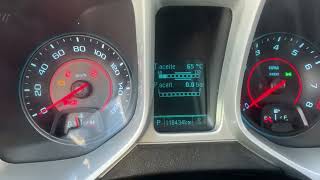
- "Low Oil Pressure - Shut Off Engine" message on the Driver Information Center (DIC)
- Illuminated Check Engine Light
- Red oil pressure warning light illuminated
- Oil pressure gauge on the instrument cluster reading zero or very low
- Engine shutting off automatically, especially after a remote start
- Abnormal engine noises, such as ticking, knocking, or grinding (indicates true low pressure)
- Replacing the oil pump without first verifying actual oil pressure with a mechanical gauge. The issue is far more likely to be a faulty sensor or clogged screen.
- Replacing the entire engine or assuming the worst before checking the simple, common causes like the oil level, sensor, and sensor screen.
- Ignoring the small filter screen (Part #12585328) when replacing only the oil pressure sensor, leading to a quick return of the P0524 code.
Most Likely Causes

- Clogged Oil Pressure Sensor Filter Screen 🔴 High Probability This tiny screen (GM Part #12585328) is a known weak point in many GM engines, including the 3.6L family. It easily gets clogged with oil sludge or debris, starving the sensor of an accurate reading. This is documented in GM TSB PIP4786C, which advises inspecting this screen for sludge before replacing any parts.
How to confirm: The screen is located underneath the oil pressure sensor. It must be removed for inspection. If it is clogged with dark, sludgy material, it is the likely cause.
Typical fix: Replace the filter screen when replacing the oil pressure sensor. Cleaning is possible but replacement is cheap and recommended.
Est. part cost: $5-$15 - Faulty Engine Oil Pressure Sensor 🔴 High Probability The sensor is a common failure item on many GM vehicles of this era. It can fail internally, sending an incorrect low voltage signal to the ECM, or leak oil into its own electrical connector. Forum users on Camaro5 frequently report replacing the sensor to fix false low-pressure warnings.
How to confirm: After confirming actual oil pressure is good with a mechanical gauge, the sensor is the next logical point of failure. A scan tool may show erratic or fixed low readings from the sensor. Disconnecting a failed sensor may cause the gauge to change behavior, confirming a sensor fault.
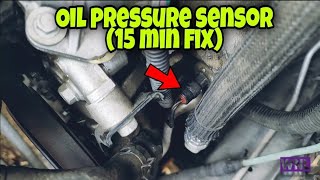
Typical fix: Replace the engine oil pressure sensor. This is a difficult job due to poor access, often requiring removal of the intake manifold. 🎬 Watch: Step-by-step V6 Camaro oil pressure sensor replacement
Est. part cost: $25-$60 - Low Engine Oil Level 🟡 Medium Probability This is not a vehicle-specific issue but is a primary and simple check. The 3.6L engine can have higher-than-average oil consumption, which GM considers normal up to 1 quart per 2,000 miles, making this a more frequent possibility.
How to confirm: Check the engine oil level using the dipstick. Ensure the vehicle is on level ground and the engine has been off for several minutes.
Typical fix: Top off the oil to the correct level using a full synthetic 5W-30 oil that meets GM's Dexos specification. Find and repair any oil leaks.
Est. part cost: $10-$40 - Incorrect or Low-Quality Oil Filter 🟡 Medium Probability The LFX engine (2012-2015) in particular is sensitive to the oil filter's bypass valve pressure. Using a filter with the wrong bypass rating can cause pressure deviations. The LFX requires a cartridge-style filter like the ACDelco PF2135, not the canister-style PF48 used on V8 models.
How to confirm: Check the part number of the installed filter against the manufacturer's specification for your specific engine (LLT vs. LFX).
Typical fix: Replace the oil filter with a correct, high-quality filter specified for the engine.
Est. part cost: $10-$20 - Failing Oil Pump or Clogged Pickup Tube ⚪ Low Probability
How to confirm: This is confirmed when a mechanical oil pressure gauge shows true low pressure, even with the correct oil level. The oil pan must be removed to inspect the pump and pickup tube screen for sludge or debris.
Typical fix: Replace the engine oil pump and clean the oil pickup tube screen. This is a major repair.
Est. part cost: $150-$400
Rare But Worth Checking
- Stretched Timing Chains: The 3.6L LLT/LFX engines are notorious for premature timing chain wear, especially the 2010-2012 models. Debris from failing plastic chain guides can clog the oil pump pickup tube, leading to oil starvation and a P0524 code. This is a severe issue often preceded by rattling noises on startup and other timing-related codes (P0008, P0017, etc.).
- Worn Internal Engine Bearings: In high-mileage or poorly maintained engines, excessive clearance in the main and rod bearings can cause a systemic loss of oil pressure. This is a catastrophic failure requiring an engine rebuild or replacement.
Diagnosis Steps

- IMMEDIATELY and safely pull over and shut off the engine.
- Check the engine oil level using the dipstick. If low, top it off with the correct oil and see if the warning disappears. Check for obvious, major oil leaks.
- CRITICAL: Connect a mechanical oil pressure gauge to the engine to verify the actual oil pressure. This is the most important step to differentiate a real emergency from a sensor fault.
- If mechanical pressure is good: The problem is in the sensing system. Proceed to replace the oil pressure sensor and the small filter screen underneath it. This will likely require removing the intake manifold for access.
- If mechanical pressure is low: The problem is mechanical. This is a true low-pressure situation. The oil pan needs to be removed to inspect the oil pump, oil pickup tube for clogging, and potentially inspect engine bearings for wear. This requires professional service.
- Inspect the oil filter to ensure it is the correct part number and not a low-quality brand.
- Scan for other DTCs. If codes like P0008 or P0017 are present, suspect a failing timing chain as the root cause of oil debris and/or pressure loss.
Parts You'll Likely Need

- Engine Oil Pressure Sensor
(OEM #12673134)— This is the most common part to fail and send false 'low pressure' signals to the computer. It supersedes older part numbers like 12621234 and 12616646. Always use a genuine ACDelco part, 🎬 Watch: 5th Gen Camaro oil pressure sensor location and swap as aftermarket sensors are reported to fail frequently.
Trusted brands: ACDelco (Recommended), Delphi, Standard Motor Products (SMP)
OEM price range: $40-$60
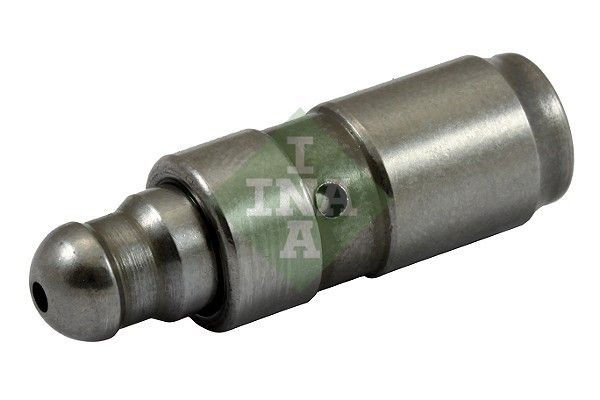
Aftermarket price range: $25-$45 - Valve Lifter Oil Filter (Sensor Screen)
(OEM #12585328)— This small screen, located under the sensor, is a known failure point for clogging with sludge or debris, causing a false low-pressure reading. It is mentioned in TSB PIP4786C as a primary inspection point. It is always recommended to replace this inexpensive part when replacing the sensor.
Trusted brands: ACDelco / GM Genuine Parts
OEM price range: $5-$15
Aftermarket price range: $3-$10
Related Codes That Often Appear With This One
- P0521 — This code for 'Engine Oil Pressure Sensor Performance' often precedes or accompanies P0524 as the sensor begins to fail or the screen clogs, causing erratic readings that are out of expected range but not yet critically low.
- P0523 — This code for 'Engine Oil Pressure Sensor Circuit High' can occur if the sensor fails in a way that sends a constant high voltage signal. It's part of the same family of oil pressure sensor circuit codes.
- P0008 — This code, 'Engine Positions System Performance Bank 1,' is a hallmark of the stretched timing chain issue on the 3.6L V6. If you see P0524 along with P0008, it strongly suggests the low oil pressure is a symptom of a larger, more severe timing system problem.
Technical Service Bulletins (TSBs) & Recalls
- Low Oil Pressure Message/Light - Inspect Valve Lifter Oil Filter: GM bulletin for various engines, including V8s with similar systems, advising technicians to inspect the small oil filter screen for debris/sludge before replacing other parts when a low oil pressure DTC is present.
- Engine Positions System Performance (DTC P0008, P0009, P0016, P0017, P0018, P0019): A well-known TSB addressing premature timing chain wear on the 3.6L V6 engine family. While not directly for P0524, it documents the root cause of a problem (timing chain failure) that can lead to P0524 via debris clogging the oil system.
Platform-Specific Known Issues
- The location of the oil pressure sensor is extremely difficult to access, making replacement a high-labor job. It is on the driver's side, below the oil filter housing, requiring removal of the air intake assembly for access.
- A small, inexpensive filter screen under the sensor is a primary cause of false P0524 codes due to clogging.
Mechanic-Grade Diagnostic Values
- Mechanical Oil Pressure (Hot Idle) — expected: 20-30 PSI. Failure: Sustained reading below 15 PSI indicates a true low-pressure condition.
- Mechanical Oil Pressure (Hot, at ~1,500-2,000 RPM) — expected: 45-55 PSI. Failure: Pressure does not rise significantly with RPM.
- Oil Pressure Sensor Signal Voltage (Key On, Engine Off) — expected: ~0.5 Volts. Failure: Voltage is 0V, 5V, or significantly different, indicating a sensor or wiring fault.
- Oil Pressure Sensor Signal Voltage (Engine Running) — expected: Voltage should rise smoothly from idle (~1.5-2.5V) as RPM increases.. Failure: Voltage is static, erratic, or does not correspond to mechanically measured pressure.
- Oil Pressure Sensor Tightening Torque — expected: 20 N.m (15 lb ft). Failure: Over-tightening can damage the sensor or threads; under-tightening can cause leaks.
Scan Tool Commands That Help
- GDS2 / Tech2: Engine Data Display -> Engine Oil Pressure Sensor (PID) — This is not a bidirectional command, but the primary use of a dealer-level scan tool for P0524. The live data value from the sensor should be monitored and compared directly to the reading from a mechanical gauge to determine if the sensor is reading accurately.
Wiring & Ground Locations
- Oil Pressure Sensor Connector — At the oil pressure sensor, located at the top rear of the engine block, underneath the intake manifold.. This 3-wire connector provides the sensor with a 5V reference, a low reference (ground), and sends the pressure signal back to the ECM. Check for oil contamination from a leaking sensor, corrosion, or damaged pins.
- G107 — On the left rear of the engine for the 3.6L V6.. This is a primary engine ground. A poor connection here can cause erratic behavior from multiple engine sensors, including the oil pressure sensor, leading to false readings.
- G103 — Located in the right front of the engine compartment.. This is a major engine compartment ground point. While less direct than G107, ensuring all major grounds are clean and tight is a crucial step in diagnosing any electrical fault.
- ECM (Engine Control Module) — In the right front of the engine compartment.. The oil pressure sensor signal wire terminates here. In rare cases of persistent electrical issues after replacing the sensor and checking its connector, the wiring must be checked for continuity back to the ECM connector.
Real Owner Repair Stories
- Camaro5 Forums (Synthesized from multiple threads) (2011 Chevrolet Camaro 3.6L LLT, ~80,000 miles) — Sudden "Low Oil Pressure - Shut Off Engine" warning on the DIC, oil pressure gauge dropped to zero, Check Engine Light with code P0524.
❌ Tried (didn't work) Checking oil level (was full and clean)., Initially considering an oil pump failure.
✅ What actually fixed it Following forum advice, the owner replaced both the oil pressure sensor (ACDelco P/N 12673134) and the small filter screen underneath it (P/N 12585328). The repair required removing the upper intake manifold to access the sensor at the back of the engine. After replacement, the code was cleared and did not return, and the oil pressure gauge read normally. The old screen was reported to be partially clogged with sludge.
OEM Part Supersession History
12621234, 12616646→12673134— Updated design for improved reliability and accuracy.
Heads up: The newer part number (12673134) is the correct and recommended replacement for all years in this range. Using old stock of the previous numbers is not advised.
Model Year Variations Within This Range
- 2010-2011 (LLT Engine): Features an aluminum intake manifold and separate cast iron exhaust manifolds. This allows for the use of aftermarket long-tube headers, which is not possible on the LFX. The ECU is made by Bosch.
- 2012-2015 (LFX Engine): Features a lighter composite plastic intake manifold (improves heat resistance) and integrated exhaust manifolds cast directly into the cylinder heads. Also has slightly larger intake valves and a different high-pressure fuel pump. The ECU is made by Delphi. The procedure to remove the intake manifold for the P0524 repair differs slightly from the LLT due to these changes.
Diagnostic Flowchart
Other Known Issues on This Vehicle
Issues unrelated to this code that are worth knowing about as an owner of this generation:
- Premature Timing Chain Stretch 🔴 High — Very common, especially on 2010-2012 LLT engines, but still occurs on LFX. Often appears between 70,000 and 120,000 miles. Triggers codes P0008, P0017. (Ref: TSB #12-06-01-009F)
- Intake Valve Carbon Buildup 🟠 Medium — Common on all direct-injection (SIDI) engines like the LLT and LFX. Can cause misfires, rough idle, and reduced performance over 50,000+ miles.
- Excessive Oil Consumption 🟠 Medium — Considered 'normal' by GM up to 1 quart per 2,000 miles, but can be alarming to owners. Caused by PCV system design and piston rings.
- Key Stuck in Ignition 🟡 Low — A common annoyance where the key cannot be removed from the ignition. Often related to the shifter position sensor or a weak battery. (Ref: Multiple TSBs address this, including fixes for the shifter assembly.)
- Torque Converter Shudder 🟠 Medium — Affects automatic transmission models, causing a shudder or vibration at low speeds (around 40-50 mph). (Ref: TSBs were issued recommending a fluid flush or torque converter replacement.)
Used vs. New Parts: Buying Guide for This Vehicle
When a used part is the smart pick: For this specific repair (P0524), using used parts is NEVER recommended. The primary failure components are a low-cost electronic sensor and a very inexpensive filter screen. The repair cost is dominated by labor, so installing a new, high-quality part is essential to avoid a repeat failure and paying for the same labor twice.
What to inspect on the donor part:
- Not applicable. Do not use used parts for this repair.
OEM-only on this vehicle (don't cheap out):
- Engine Oil Pressure Sensor
- Valve Lifter Oil Filter (Sensor Screen)
Aftermarket brands forum-validated for this vehicle:
- ACDelco (OEM, highly recommended for the sensor)
- Delphi (Often the original equipment manufacturer for GM, a solid second choice for the sensor)
Brands owners have reported issues with on this vehicle:
- Unbranded or generic 'white-box' sensors from online marketplaces.
- Store-brand sensors with a reputation for premature failure.
Real Owner Stories
Aggregated from forums and TSBs cited above. Mileages and costs reflect what owners reported in those sources.
2011 Chevrolet Camaro V6
Symptoms: The oil pressure gauge was dropping to zero while driving.
What fixed it: Replacement of the oil pressure sensor.
Cost: $270-$270
Source hint: Camaro5: Replacement of Oil Pressure Sensor
2013 Chevrolet Camaro RS 3.6L V6
Symptoms: Low oil pressure warning triggered; owner performed a DIY replacement by removing the air intake to reach the back of the engine.
What fixed it: Replacement of the oil pressure sensor.
Source hint: YouTube: Oil Pressure Sensor on 2013 Camaro Rs
2010-2015 Chevrolet Camaro 3.6L V6
Symptoms: Low oil pressure message/light on the DIC; inspection revealed a tiny screen clogged with oil sludge.
What fixed it: Replacing the small filter screen (GM Part #12585328) located underneath the oil pressure sensor.
Source hint: GM TSB PIP4786C
Related OBD-II Codes
Frequently Asked Questions
Does GM TSB PIP4786C apply to my 3.6L Camaro if I have a low oil pressure message?
What specific oil filter should I use for my 2012-2015 Camaro LFX V6 to avoid pressure issues?
Is it true that I have to remove the intake manifold just to change the oil pressure sensor?
Can a failing timing chain cause a P0524 code on the 3.6L engine?
How much oil consumption is considered 'normal' for the 3.6L LLT/LFX engine?
What is the torque specification for the oil pressure sensor on the Camaro V6?
Helpful Videos

![How to Fix P0524 Engine Code in 4 Minutes [2 DIY Methods / Only $6.99]](https://img.youtube.com/vi/qOfaymDQMXM/mqdefault.jpg)
Used OEM Parts in Stock

New Aftermarket Parts Available


The information in this article is provided for general reference and educational purposes only. Vehicle specifications, procedures, and part compatibility can vary by production date, trim level, and region. Always consult your vehicle's factory service manual and verify part numbers before purchasing or performing repairs. Safety-critical components such as airbags, seat belts, and braking systems should be installed by a qualified professional.
- Chevrolet Camaro:
- 🎬 Helpful Videos
- 🛍️ Shop This Part
- What's Unique About the 2010-2015 Chevrolet Camaro
- Symptoms You May Notice
- Most Likely Causes
- Rare But Worth Checking
- Diagnosis Steps
- Parts You'll Likely Need
- Related Codes That Often Appear With This One
- Technical Service Bulletins (TSBs) & Recalls
- Platform-Specific Known Issues
- Mechanic-Grade Diagnostic Values
- Scan Tool Commands That Help
- Wiring & Ground Locations
- Real Owner Repair Stories
- OEM Part Supersession History
- Model Year Variations Within This Range
- Diagnostic Flowchart
- Other Known Issues on This Vehicle
- Used vs. New Parts: Buying Guide for This Vehicle
- Real Owner Stories
- 2011 Chevrolet Camaro V6
- 2013 Chevrolet Camaro RS 3.6L V6
- 2010-2015 Chevrolet Camaro 3.6L V6
- Related OBD-II Codes
- Frequently Asked Questions
- 🎟️ Get 5% Off