

P0524 on 2009-2016 Audi A4 2.0T: Engine Oil Pressure Too Low Causes and Fixes
P0524 on a 2009-2016 Audi A4 means the engine oil pressure is dangerously low. The most common cause is a low oil level, often due to the notorious oil consumption issue in 2009-2012 models subject to a class-action lawsuit. The next most likely cause is a faulty oil pressure sensor. Immediately check your oil level and do not drive the car, as continued operation can cause catastrophic engine failure.
- P0524 is a CRITICAL code. Stop driving immediately to avoid engine destruction.
- First, check your oil level. On 2009-2012 models, high oil consumption is the most likely reason your oil is low.
- If the oil level is correct, the next most probable cause is one or both of the oil pressure sensors have failed.
- NEVER assume it's just a sensor. Always confirm the actual oil pressure with a mechanical gauge before proceeding with expensive repairs or continuing to drive.
- Severe issues like a failed oil pump or seized balance shafts are possible, especially if you find debris in the oil.
What's Unique About the 2009-2016 Audi A4

The EA888 engine in the B8 platform (2009-2012) is infamous for excessive oil consumption due to a design flaw in the original piston rings, making low oil level a highly probable trigger for P0524. This issue was so widespread it led to a class-action lawsuit and a specific Technical Service Bulletin (TSB 2027731). This engine also uses a two-stage oil pressure system with two separate pressure sensors (a brown low-pressure switch and a blue high-pressure switch), both of which can fail and cause a false warning. 🎬 Watch: How to fix an intermittent oil pressure warning Differentiating between a simple sensor fault and a genuine, engine-destroying low pressure condition is the primary diagnostic challenge.
Generation note: This range covers the Audi A4 B8 (2009-2012) and B8.5 (2013-2016) generations. The B8 models use the EA888 Gen 2 engine and are highly susceptible to severe oil consumption issues that can lead to P0524. The B8.5 models use an updated EA888 Gen 3 engine where the oil consumption problem was largely resolved, making a faulty sensor or other mechanical issue a more likely cause on those model years.
Symptoms You May Notice

- Red oil pressure warning light on the instrument cluster, often with a "Shut off engine" or "Oil Pressure Low" message.
- Check Engine Light is on.
- Engine making unusual noises, such as knocking, rattling, or ticking, especially at low RPM.
- Reduced engine power or vehicle entering 'limp mode'.
- Engine overheating.
- Engine stalls or shuts down automatically.
- Immediately replacing the oil pump without verifying actual oil pressure with a mechanical gauge. The issue is more often a low oil level or a bad sensor.
- Replacing only one of the two oil pressure sensors when the other is also failing or intermittent.
- Confusing the low oil level warning with the low oil pressure warning. They are two distinct issues, though one can cause the other.
Most Likely Causes

- Insufficient Engine Oil Level 🔴 High Probability Pre-facelift B8 models (2009-2012) with the EA888 Gen 2 engine are known for excessive oil consumption due to faulty piston ring design. It is common for these engines to consume over a quart of oil every 1,000 miles. This was the subject of a class-action lawsuit (Rieger, et al., v. Volkswagen Group of America, Inc.) and TSB 2027731.
How to confirm: Immediately and safely stop the car on level ground, wait a few minutes for the oil to settle, and check the oil level using the MMI system (or dipstick if retrofitted). If the level is at or below the minimum mark, this is the likely cause.
Typical fix: Top up the engine oil to the correct level using an approved VW 502 00 specification oil (typically 5W-40). The long-term fix for oil consumption is a multi-stage process outlined in TSB 2027731, which may include a new PCV valve and software update, and ultimately requires replacing the pistons and piston rings with the updated design—an expensive engine-out repair.
Est. part cost: $15-$30 for oil top-up, $4000-$8000+ for piston/ring replacement at a dealer. - Faulty Oil Pressure Sensor (Switch) 🟡 Medium Probability The EA888 engine has two oil pressure sensors near the oil filter housing: a brown, low-pressure switch for idle, and a blue, high-pressure switch for higher RPMs. These sensors can fail, leak internally through the connector, or send incorrect low-pressure signals to the ECM even when the pressure is normal.
How to confirm: After confirming the oil level is correct, the most crucial step is to test the actual oil pressure using a mechanical gauge. If the mechanical gauge shows normal pressure (e.g., >15-20 PSI at hot idle) while the car reports a low pressure warning, the sensor is faulty.
Typical fix: Replace the faulty oil pressure sensor(s). It is often recommended to replace both at the same time. The repair is straightforward for a DIYer with a 24mm deep socket, 🎬 See this walkthrough on fixing Audi 2.0T oil pressure issues though the lower (blue) sensor can be tight to access.
Est. part cost: $20-$50 per sensor. - Clogged or Failing Oil Filter / Housing Valve ⚪ Low Probability Using a low-quality oil filter can cause it to collapse or clog, restricting oil flow. Additionally, inside the oil filter housing is a small plastic check valve with O-rings that can fail, allowing the housing to drain when the engine is off and causing a momentary pressure drop on startup or false warnings.
How to confirm: This is diagnosed after confirming the oil level and sensors are good. An inspection of the oil filter during an oil change may reveal collapse. The check valve can be inspected when the filter is removed.
Typical fix: Replace the oil filter with a high-quality OEM or equivalent brand (e.g., Mann, Mahle). If the housing valve is the issue, the small valve assembly can be replaced separately from the entire housing.
Est. part cost: $15-$25 for a filter, $15-$25 for the check valve.
Rare But Worth Checking
- Failing Oil Pump or Clogged Pickup Tube: If a mechanical pressure test confirms that oil pressure is genuinely low, the oil pump may be failing or its pickup tube in the oil pan may be clogged with sludge or debris. This is a serious mechanical failure requiring the oil pan to be removed for inspection. Debris is often a sign of another failure, such as from the balance shafts or timing chain guides.
- Balance Shaft Failure: A known catastrophic failure on EA888 Gen 1 and Gen 2 engines. The bearings for the balance shafts can wear and seize, often due to oil starvation or debris from other failures, causing a sudden and complete loss of oil pressure. This is often accompanied by metallic debris in the oil and requires a full engine teardown or replacement.
Diagnosis Steps

- IMMEDIATELY stop the vehicle and turn off the engine to prevent damage.
- Check the engine oil level using the MMI system. If low, top up with VW 502 00 approved 5W-40 oil and see if the warning disappears.
- If the oil level is correct, DO NOT continue driving. The vehicle must be towed or diagnosed on-site.
- Connect an OBD-II scanner to check for other related codes, such as P164D or timing codes. 🎬 Watch: Two simple DIY methods to fix the P0524 code
- The critical next step: Connect a mechanical oil pressure gauge to the engine (typically at the port for the upper, brown sensor) to measure the actual oil pressure.
- Start the engine and let it warm up. Check pressure at idle and ~2,500 RPM. If mechanical pressure is within spec (e.g., >20 PSI at hot idle, rising with RPM), the problem is electrical.
- If pressure is normal, replace the oil pressure sensors (both brown and blue are recommended). A 24mm deep socket is required. Inspect the sensor connectors and wiring for oil contamination or damage.
- While the oil filter is out, inspect the small check valve inside the housing for damage.
- If mechanical pressure is LOW, a serious internal engine problem exists. The next steps involve dropping the oil pan to inspect the oil pump pickup tube for blockages and checking for debris (plastic from guides or metal from bearings).
- If the pickup tube is clear but pressure is still low, the oil pump itself is the likely culprit.
- If significant debris is found, further engine teardown is required to inspect balance shafts, bearings, and timing components.
Parts You'll Likely Need
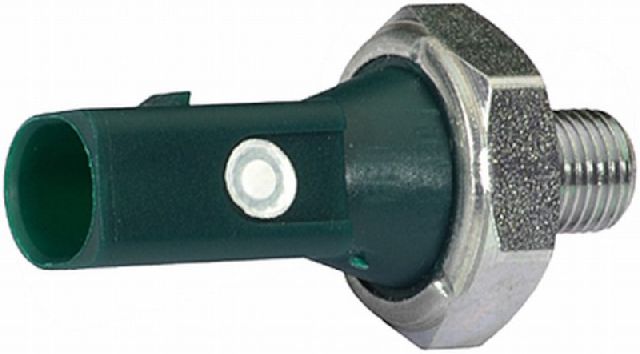
- Engine Oil Pressure Sensor / Switch
(OEM #06L919081 (Green/Blue, High Pressure) or 06K919081 (Blue, High Pressure), 038919081K (Brown, Low Pressure). Note: Part numbers superseded, always verify with VIN.)— These sensors are a common failure point and send false low-pressure readings. Replacing them is a key diagnostic step after verifying the oil level is correct.
Trusted brands: Genuine VW/Audi, Bosch, HELLA, Febi Bilstein
OEM price range: $40-$60
Aftermarket price range: $20-$40 - Engine Oil (VW 502 00 Spec) — The most common cause of P0524 is simply a low oil level, especially on 2009-2012 models with oil consumption issues.
Trusted brands: Liqui Moly, Castrol EDGE, Mobil 1, Motul
OEM price range: $10-$15 per quart
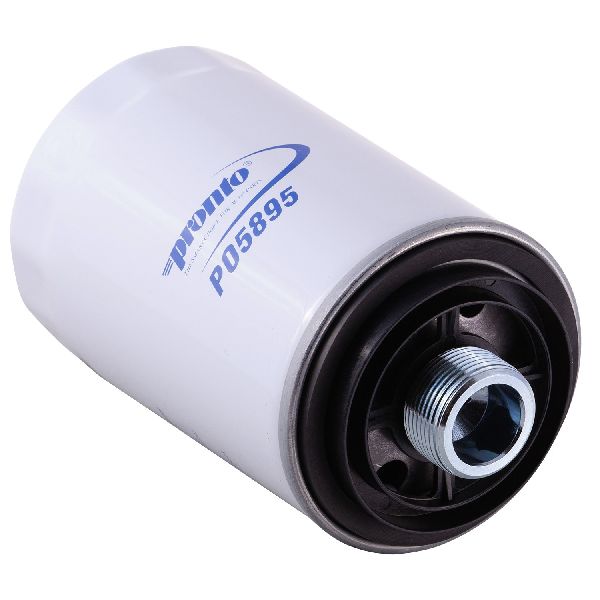
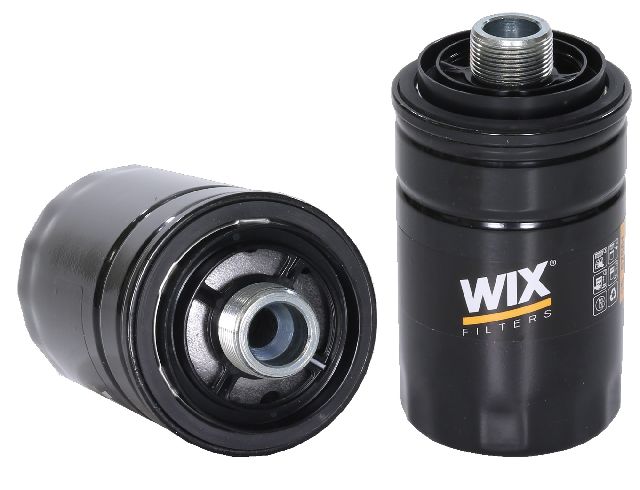
Aftermarket price range: $8-$12 per quart - Oil Filter
(OEM #06J115403Q (or similar))— A low-quality or collapsed filter can restrict oil flow, causing a genuine low-pressure condition. It's a cheap and easy item to replace as part of diagnosis.
Related Codes That Often Appear With This One
- P0341 — Camshaft Position Sensor 'A' Circuit Range/Performance. The camshaft adjusters and timing chain tensioner are hydraulically operated by oil pressure. If oil pressure is low, the camshafts may not phase correctly, leading to timing-related fault codes.
- P164D — Reduced Oil Pressure Switch Malfunction. This is another Audi-specific code that points directly to a problem in the oil pressure monitoring circuit, often the switch itself or its associated wiring.
Technical Service Bulletins (TSBs) & Recalls
- Engine oil consumption too high, 2.0L TFSI (EA888): This TSB outlines the official dealer procedure for addressing customer complaints of excessive oil consumption on 2009-2011 models. The first stage involves replacing the crankcase pressure regulating valve (PCV), updating the ECM software, and replacing the front crankshaft seal. If consumption is still high, the second stage involves replacing pistons and rings.
Platform-Specific Known Issues
- Excessive Oil Consumption: 2009-2012 models with the EA888 Gen 2 engine were part of a class-action lawsuit for a piston ring defect that causes high oil consumption. The only permanent fix is piston replacement.
- Balance Shaft Failure: The oil screens on the balance shafts of Gen 1/Gen 2 EA888 engines can disintegrate, sending plastic debris through the oiling system, or the shafts themselves can seize, causing catastrophic oil pressure loss.
Mechanic-Grade Diagnostic Values
- Engine Oil Pressure at Hot Idle (Oil temp >80°C) — expected: 1.2 - 2.1 bar (17 - 29 psi). Failure: Pressure below 1.2 bar (17 psi) indicates a mechanical issue or a stuck low-pressure mode.
- Engine Oil Pressure at 2,000 RPM — expected: 1.6 - 2.1 bar (23 - 32 psi). Failure: Pressure not rising from idle or staying below this range suggests a problem.
- Engine Oil Pressure at ~3,700 RPM — expected: 3.0 - 4.0 bar (43 - 58 psi). Failure: Failure to reach this pressure range indicates the high-pressure stage is not engaging or the pump cannot meet demand.
- Low Pressure Switch (Brown) Trip Point — expected: Switches state between 0.55 - 0.85 bar (8 - 12 psi). Failure: The red warning light will trigger if pressure drops below this threshold when the ECM expects it to be closed.
- N428 Oil Pressure Regulation Valve Coil Resistance — expected: ~5 - 10 ohms (based on typical solenoid values). Failure: A reading of 0 ohms indicates a short, an open circuit (infinite resistance) indicates a broken winding, and a significantly higher reading (e.g., 30 ohms) suggests a faulty valve.
Hidden / Shadow Codes Worth Checking
- P164E00: Oil Pressure Regulation Valve Electrical Error. This is an Audi-specific code that points directly to an electrical fault (open or short) in the N428 solenoid that controls the two-stage oil pump. (see via VCDS (VAG-COM), ODIS, or other professional-grade European scan tools.)
Scan Tool Commands That Help
- Manual Diagnosis (No Scan Tool): Disconnect the N428 Oil Pressure Regulation Valve — If a mechanical gauge confirms low oil pressure at idle, disconnecting the N428 valve forces the oil pump to default to its high-pressure stage. If pressure rises significantly after disconnecting it, it confirms the pump is capable of making pressure but there is likely a severe internal leak (like worn bearings or balance shafts) or the valve itself is stuck in low-pressure mode. This will set a P164E00 fault code.
Wiring & Ground Locations
- F1 / F22 — The oil pressure switches (brown for low pressure, blue/green for high pressure) are located on the oil filter housing module at the front of the engine.. These are the primary sensors that trigger the P0524 code. Their wiring and connectors are common points of failure due to heat and oil contamination.
- N428 — The Oil Pressure Regulation Valve is bolted to the front edge of the cylinder block, below the accessory bracket.. A failure of this valve or its wiring can cause the pump to be stuck in the low-pressure stage, leading to a P0524 code under load.
- G12 / G18 — Engine compartment ground points. G12 is at the left rear of the engine compartment (firewall area). G18 is on the engine block near the ignition coils.. A poor ground connection for the engine sensors or the ECU can cause incorrect readings, potentially leading to false P0524 warnings.
- J218 (Combi-processor) — The instrument cluster itself. The oil pressure switch (F1) signal wire connects to the 32-pin connector (T32) at the cluster.. In rare cases of electrical faults where sensors and wiring check out, the issue could lie within the instrument cluster's processing of the signal.
Real Owner Repair Stories
- YouTube user 'The Motor Oil's Garage' (Audi A4 2.0T (Likely B8)) — Started with a high-RPM oil pressure warning. After replacing the pump and N428 valve, it changed to a low-RPM warning at 1500 RPM with an EPC light.
❌ Tried (didn't work) Replacing the oil pump, Replacing both oil pressure sensors, Replacing the N428 oil pressure regulating valve
✅ What actually fixed it Replacing the intake camshaft and the camshaft bridge (support bracket). The ultimate cause was determined to be excessive wear on the original camshaft journals, creating a large internal oil leak that the pump could not overcome, especially when the cam phaser tried to actuate. - YouTube user 'Fabricobble' (2011 Audi A4 2.0T) — Extremely low oil pressure at hot idle, warning light on.
❌ Tried (didn't work) Replacing the oil pump with a used, known-good unit., Using thicker 20W-50 oil with STP additive, which only provided a marginal improvement.
✅ What actually fixed it As a diagnostic step and temporary fix, the user disconnected the N428 oil pressure regulation valve. This forced the pump into high-pressure mode, raising the hot idle pressure from near-zero to a more acceptable 15-17 PSI. This confirmed the pump worked but a severe mechanical issue (suspected balance shafts or bearings) was causing the pressure loss. - AudiWorld Forums user (Audi A4) — Low oil pressure warning light, fault code recurs intermittently.
❌ Tried (didn't work) Replacing the oil pressure sensor twice.
✅ What actually fixed it The user reported that mechanical pressure was confirmed to be fine and the sensor was tested and switching correctly. The fault remained, pointing towards an electrical issue in the wiring harness or the ECU's monitoring circuit, as the car could be driven long distances without mechanical failure. The final fix was not posted, but the diagnosis ruled out all common mechanical causes.
When the Usual Fixes Don't Work
- In one documented case, a technician replaced the oil pump, both pressure sensors, and the pressure regulation valve, but the low oil pressure warnings continued, changing symptoms with each part replaced. The actual root cause was a worn intake camshaft creating a massive internal oil leak, a diagnosis that was only reached after all common bottom-end components were eliminated. This shows that on the EA888, a top-end issue can masquerade as a primary lubrication system failure.
OEM Part Supersession History
06H115243F→06H115243L— This is the oil pressure control valve. Revisions are common to improve reliability or material composition.
Heads up: Always verify the correct part number with the vehicle's VIN, as multiple revisions may exist for different engine codes and production dates.
Model Year Variations Within This Range
- 2009-2012 (B8, EA888 Gen 2): These engines are highly prone to oil consumption from piston ring failure, making 'low oil level' the primary cause of P0524. They also feature an earlier design timing chain tensioner which is a known failure point. The oil pump is a variable displacement gear-type pump.
- 2013-2016 (B8.5, EA888 Gen 3): The engine was significantly redesigned with a new block, a new cylinder head with an integrated exhaust manifold, and dual (direct + port) injection. The oil consumption issue was fixed. The timing chain, guides, and tensioner were updated to a more robust design. While the two-stage oil pressure system concept is similar, the components and control logic may differ, making sensor or valve failures relatively more likely causes for P0524 than simple oil loss.
Diagnostic Flowchart
Other Known Issues on This Vehicle
Issues unrelated to this code that are worth knowing about as an owner of this generation:
- Timing Chain Tensioner Failure 🔴 High — Common on pre-2013 EA888 Gen 2 engines, typically between 60,000-100,000 miles. The original tensioner design is prone to failure, which can cause the chain to jump, leading to catastrophic engine damage. (Ref: No recall, but updated parts are available. Visual inspection of the tensioner version is the only way to confirm if it has been updated.)
- Excessive Oil Consumption 🔴 High — Extremely common on 2009-2012 EA888 Gen 2 engines due to flawed piston ring design. Can start as early as 30,000-50,000 miles and often consumes over 1 quart per 1,000 miles. This was the subject of a class-action lawsuit. (Ref: TSB 2027731 outlines a multi-stage repair, culminating in piston/ring replacement. A class-action settlement provided warranty extensions and reimbursement for some owners.)
- Water Pump / Thermostat Failure 🟠 Medium — Common failure item, often occurring between 70,000-90,000 miles. The original water pump has a plastic housing that can crack and leak coolant, leading to overheating.
- PCV Valve Failure 🟠 Medium — The Positive Crankcase Ventilation (PCV) valve diaphragm can tear, typically after 60,000 miles. This leads to excessive crankcase vacuum, a high-pitched squealing noise, rough idle, increased oil consumption, and potential oil seal damage. (Ref: TSB 2027731 includes replacing the PCV as a first step for oil consumption issues.)
- Intake Manifold Runner Flap Failure 🟡 Low — The plastic intake manifold can fail, either due to the runner position sensor failing or the flap mechanism breaking. This typically sets a check engine light (P2015) and can cause a slight loss of power. (Ref: A warranty extension was offered for this component on some vehicles.)
Used vs. New Parts: Buying Guide for This Vehicle
When a used part is the smart pick: For major, non-wear structural components like the oil pan (if not cracked or warped) or an engine wiring harness. A complete balance shaft assembly from a verified low-mileage (<60k miles) donor vehicle that suffered non-engine-related damage could also be considered.
Donor-vehicle mileage cap: roughly under 60000 miles for the part to have meaningful remaining life.
What to inspect on the donor part:
- Inspect oil pan and pickup tube for any sludge or metallic debris, which indicates a catastrophic failure.
- For a used balance shaft module, check for any noticeable play or roughness when turning the shafts by hand.
- Ensure all electrical connectors on used parts are free of corrosion, oil saturation, or broken locking tabs.
OEM-only on this vehicle (don't cheap out):
- Engine Oil Pressure Sensors/Switches (Critical function, low cost, aftermarket sensors have high failure rates)
- N428 Oil Pressure Regulation Valve (Critical electronic component)
- Internal engine bearings and seals
- Timing chain tensioner
Aftermarket brands forum-validated for this vehicle:
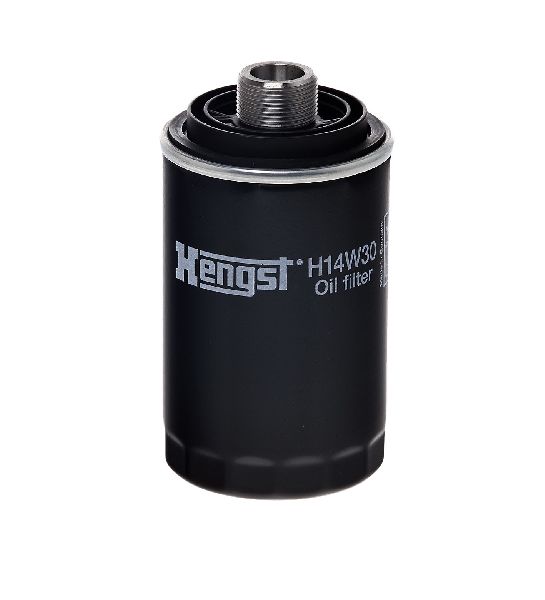
- Oil Filters: Mann, Mahle, Hengst
- Engine Oil (VW 502 00): Liqui Moly, Castrol, Motul, Mobil 1
Brands owners have reported issues with on this vehicle:
- Unnamed or 'white-box' electronic sensors (e.g., oil pressure switches) from online marketplaces are a significant gamble and often fail prematurely.
Real Owner Stories
Aggregated from forums and TSBs cited above. Mileages and costs reflect what owners reported in those sources.
Audi A4 B8 2.0T
Symptoms: Owner experienced code P0524 and the corresponding oil pressure light, leading them to perform diagnostic steps like sensor replacement and mechanical pressure testing.
What fixed it: The issue was ultimately traced to a balance shaft failure, which caused a true loss of oil pressure.
Source hint: Audizine: B8 A4 P0524 Discussion
Audi A4 2.0T
Symptoms: Owner reported getting a low oil pressure warning specifically at highway speeds, even when the oil pressure was believed to be okay.
What fixed it: Community discussion pointed towards a faulty oil pressure sensor as the likely cause, rather than a failing oil pump, for intermittent warnings when actual pressure is normal.
Source hint: Reddit r/Audi: Getting a low oil pressure warning when oil pressure is ok
Related OBD-II Codes
Frequently Asked Questions
My 2011 Audi A4 is burning a lot of oil. Is this related to the P0524 code and is there a fix?
Is it safe to drive my A4 with the red oil pressure light on, even for a short distance?
My oil level is full, but I still get the P0524 warning. What's the most likely cause on this car?
How do I know if I have a bad sensor or a real low oil pressure problem?
Could a balance shaft failure cause the P0524 code on my 2.0T engine?
What specific type of oil should I use to top up my A4 if the level is low?
Helpful Videos
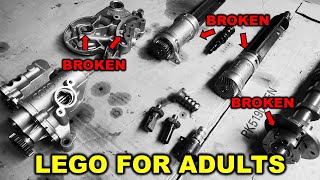
![How to Fix P0524 Engine Code in 4 Minutes [2 DIY Methods / Only $6.99]](https://img.youtube.com/vi/qOfaymDQMXM/mqdefault.jpg)
We Have This Part in Stock


The information in this article is provided for general reference and educational purposes only. Vehicle specifications, procedures, and part compatibility can vary by production date, trim level, and region. Always consult your vehicle's factory service manual and verify part numbers before purchasing or performing repairs. Safety-critical components such as airbags, seat belts, and braking systems should be installed by a qualified professional.
- Audi A4:
- 🎬 Helpful Videos
- 🛍️ Shop This Part
- What's Unique About the 2009-2016 Audi A4
- Symptoms You May Notice
- Most Likely Causes
- Rare But Worth Checking
- Diagnosis Steps
- Parts You'll Likely Need
- Related Codes That Often Appear With This One
- Technical Service Bulletins (TSBs) & Recalls
- Platform-Specific Known Issues
- Mechanic-Grade Diagnostic Values
- Hidden / Shadow Codes Worth Checking
- Scan Tool Commands That Help
- Wiring & Ground Locations
- Real Owner Repair Stories
- When the Usual Fixes Don't Work
- OEM Part Supersession History
- Model Year Variations Within This Range
- Diagnostic Flowchart
- Other Known Issues on This Vehicle
- Used vs. New Parts: Buying Guide for This Vehicle
- Real Owner Stories
- Audi A4 B8 2.0T
- Audi A4 2.0T
- Related OBD-II Codes
- Frequently Asked Questions
- 🎟️ Get 5% Off