

P0521 on 2017-2020 Genesis G80 3.8L: Oil Pressure Sensor Causes and Fixes
On the 2017-2020 Genesis G80 3.8L, code P0521 is almost always caused by a failing oil pressure sensor. The sensor is located under the intake manifold, making it a very labor-intensive repair. Expect a shop to charge between $1,700 and $2,600 for the replacement, though some independent shop quotes have been reported as low as $1,100.
- P0521 on your G80 3.8L is a serious warning. Do not drive the vehicle until it is diagnosed.
- The most likely cause is a failed oil pressure sensor (Part #94751-3C000), which is a known issue on this engine.
- Crucially, the sensor is located under the intake manifold, making it an expensive repair ($1100-$2900).
- Before authorizing this costly repair, insist on a mechanical oil pressure test to confirm the problem is the sensor and not a more severe engine issue.
- Always start with the basics: check your oil level and ensure you are using a high-quality OEM oil filter.
What's Unique About the 2017-2020 Genesis G80
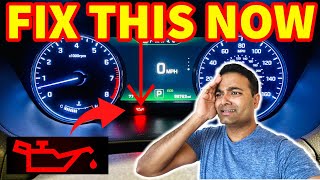
This code is a well-documented and common issue on the Genesis G80 with the 3.8L V6 engine, also affecting its platform mates. The key challenge is that the specific oil pressure sensor that typically fails is buried deep in the engine valley, underneath the entire intake manifold system. This turns what would be a simple sensor swap on many other vehicles into a significant, multi-hour labor job, resulting in surprisingly high repair costs for a sensor issue. Many owners report the issue starting with the oil light flickering only at idle RPMs (around 500-600 RPM) and disappearing as soon as the engine speed increases.
Generation note: This issue is not unique to the 2017-2020 G80. It is also widely reported on the predecessor, the 2015-2016 Hyundai Genesis with the same 3.8L V6 engine, exhibiting the exact same symptoms and requiring the same difficult repair.
Symptoms You May Notice
- Oil pressure warning light flickering or staying on, especially at idle or low RPMs.
- Check Engine Light is on.
- Oil pressure light turns off when engine RPMs are increased above idle.
- In rare cases of actual low pressure, you may hear engine ticking, tapping, or knocking noises.
- Replacing the more accessible oil pressure sensor near the oil filter housing. On this engine, there are two sensors, and the one that typically causes the P0521 code is the one located under the intake manifold. The sensor by the filter housing is often part number 94750-37100.
Most Likely Causes
- Faulty Engine Oil Pressure Sensor 🔴 High Probability This is a widely reported failure item on this specific engine platform. The sensor is located in a high-heat area under the intake manifold and fails over time, sending erratic voltage signals. Forum discussions and mechanic videos confirm this is the most common culprit for a flickering oil light at idle. Some failed sensors have been found with engine oil inside the electrical connector.
How to confirm: After confirming oil level is correct, the definitive test is to compare the sensor's electronic reading with a mechanical oil pressure gauge. If the mechanical gauge shows stable, correct pressure (Hyundai specifies at least 15 PSI at 1000 RPM) while the dash light is on, the sensor is bad.
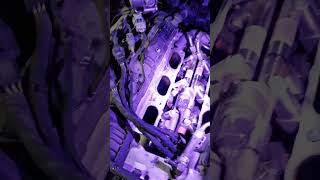
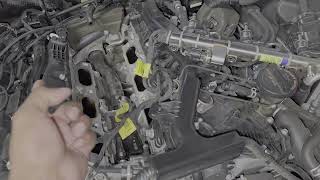
Typical fix: Replace the oil pressure sensor located under the intake manifold. This is a labor-intensive job requiring removal of the upper and lower intake plenums and replacement of associated intake gaskets.
Est. part cost: $150-$250 - Low or Incorrect Engine Oil 🟡 Medium Probability
How to confirm: Check the engine oil level using the dipstick. Ensure the oil is at the full mark and that the correct viscosity oil (5W-30 for GDI engines) was used during the last oil change. Using poor quality oil can also contribute to problems.
Typical fix: Top off the oil to the correct level or perform a complete oil and filter change with the manufacturer-specified oil type and a high-quality OEM filter.
Est. part cost: $50-$100 - Clogged or Incorrect Oil Filter ⚪ Low Probability Some Kia/Hyundai Technical Service Bulletins for other codes have noted that low-quality aftermarket oil filters can cause oil pressure issues, sometimes due to internal components becoming dislodged.
How to confirm: Inspect the oil filter to see if it is a low-quality aftermarket brand or if it appears damaged. Some non-OEM filters can cause pressure issues.
Typical fix: Replace the oil filter with a genuine Hyundai/Genesis OEM filter and perform an oil change.
Est. part cost: $15-$30
Rare But Worth Checking
- Engine Sludge or Blockage: If oil changes have been neglected, sludge can build up and restrict oil passages, causing a real drop in pressure. This would be confirmed during a mechanical pressure test and subsequent oil pan inspection.
- Failing Oil Pump: This is an uncommon but serious mechanical failure. If a mechanical gauge confirms that oil pressure is truly low across all RPM ranges, the oil pump may be at fault. A GM TSB for a similar code noted a sticking oil pressure relief valve in the pump assembly as a potential cause.
- Worn Engine Components: On very high-mileage engines, wear on internal components like crankshaft bearings can lead to a loss of oil pressure. This is a worst-case scenario and would likely be accompanied by engine knocking noises.
Diagnosis Steps
- Check Engine Oil Level and Condition: Pull the dipstick. Is the oil level full? Is the oil clean or dark and sludgy? If low, top it off and see if the light goes out. If dirty, an oil change is your first step.
- Scan for Codes: Use an OBD-II scanner to confirm P0521 is the primary code and check for any other related DTCs.
- Perform a Mechanical Oil Pressure Test: This is the most critical step. A technician will connect a mechanical pressure gauge to the engine. Start the engine and compare the gauge's reading to the manufacturer's specifications. The spec is at least 15 PSI at 1000 RPM.
- Analyze Test Results: If the mechanical gauge shows good, steady pressure (e.g., 20 PSI at idle) while the dash light is on, the oil pressure sensor has failed and needs replacement. If the mechanical gauge shows low or fluctuating pressure, you have a more serious mechanical issue (like a bad oil pump or sludge) that requires further engine diagnosis.
- Inspect Sensor Wiring: Before beginning the labor-intensive sensor replacement, visually inspect the wiring harness and connector for any signs of damage, corrosion, or oil contamination, although this is difficult given the sensor's location. A failed sensor may leak oil into the electrical connector itself.
Parts You'll Likely Need
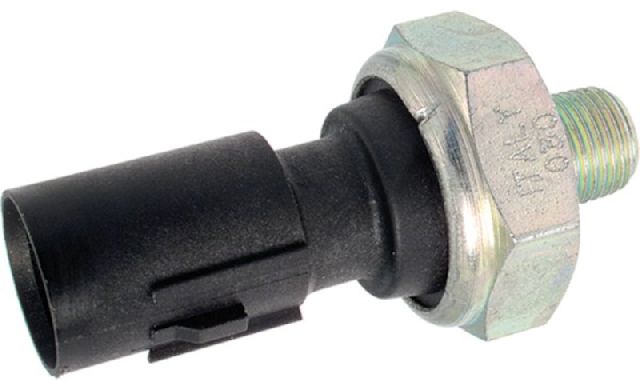
- Engine Oil Pressure Sensor (Switch)
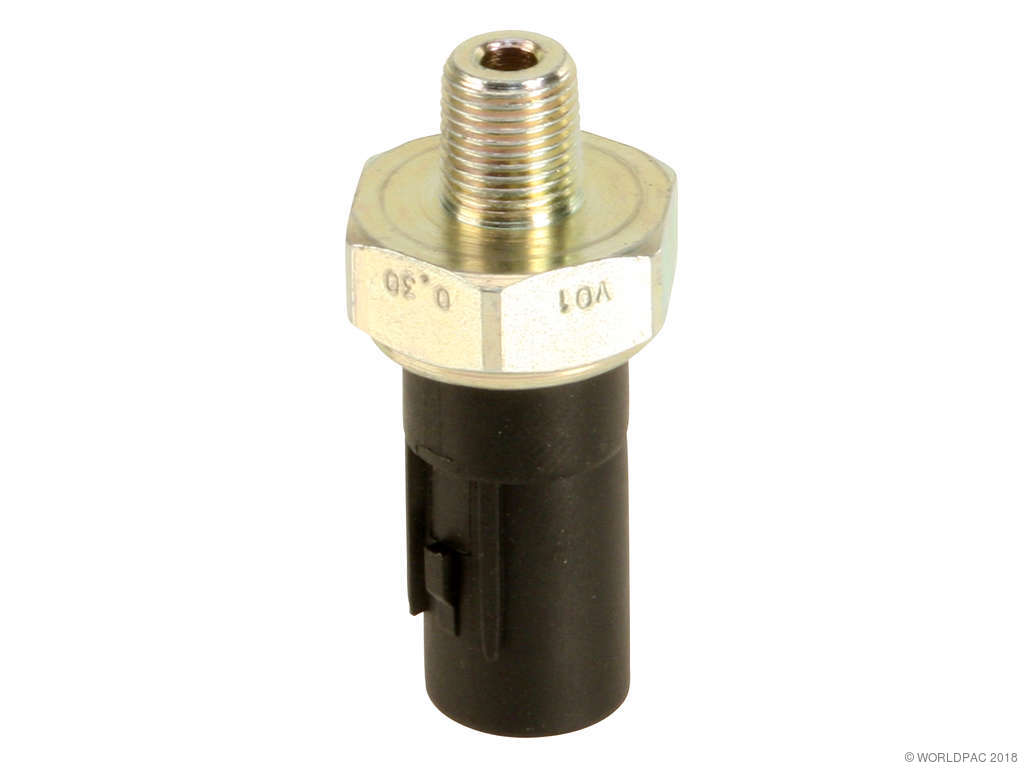
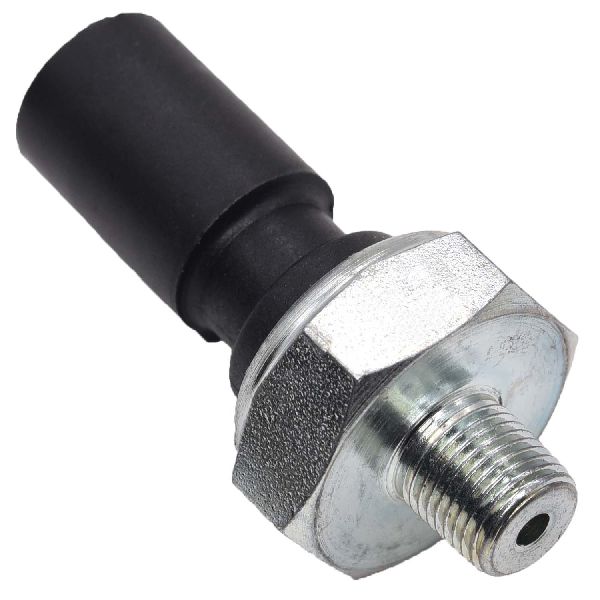
(OEM #94751-3C000)— This is the most common failure point for code P0521 on this engine. It fails electronically and sends incorrect readings to the ECM. Note: This is the sensor located under the intake manifold, not the one by the oil filter.
Trusted brands: Hyundai/Genesis OE
OEM price range: $150-$225
Aftermarket price range: $80-$150 - Intake Manifold Gasket (Plenum Gasket)
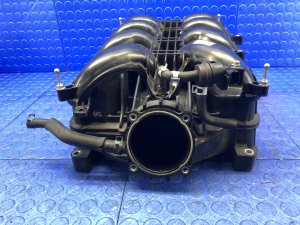
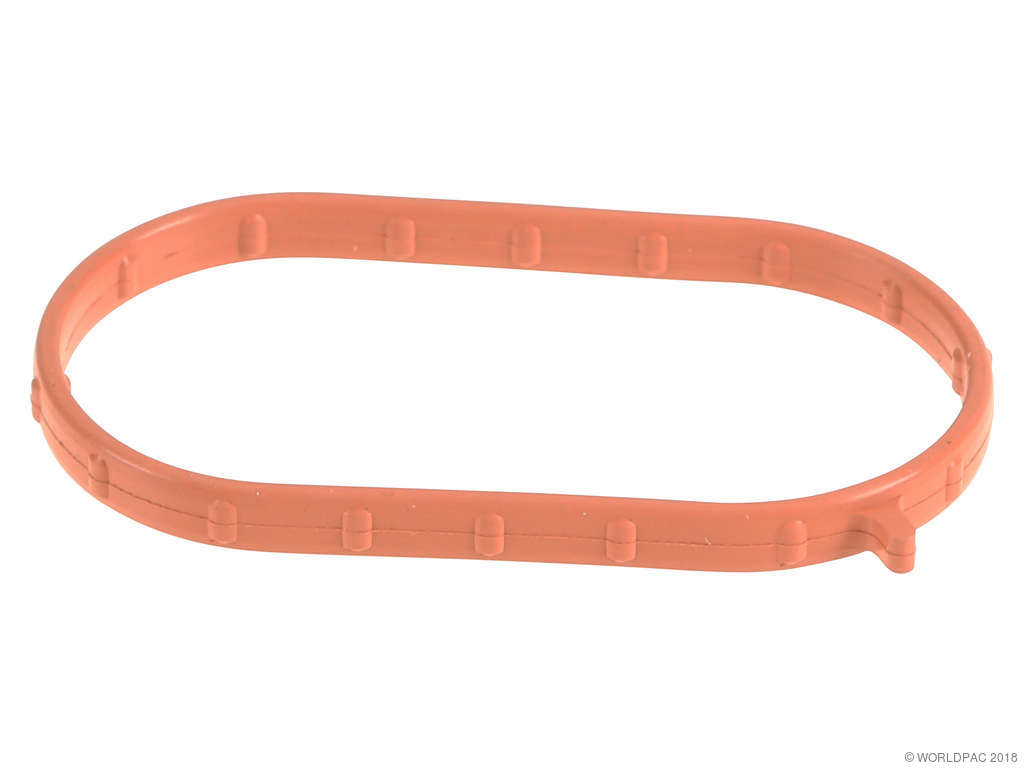
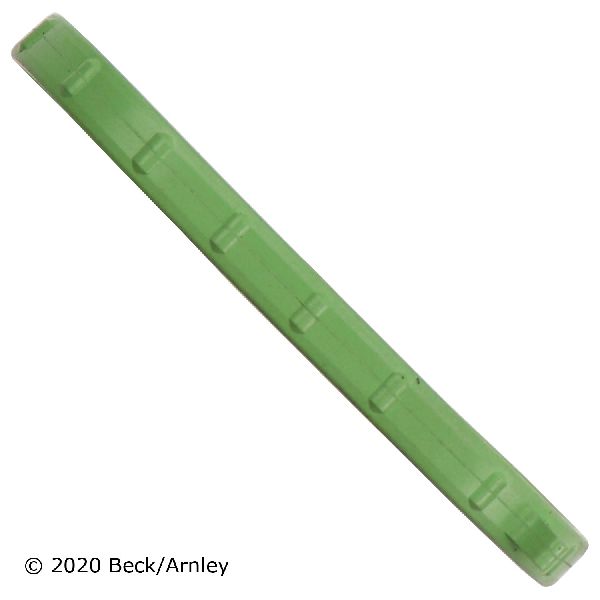
(OEM #29215-3L100)— This is a required one-time-use gasket that must be replaced when the upper intake manifold is removed to access the oil pressure sensor.
Trusted brands: Hyundai/Genesis OE, Fel-Pro
OEM price range: $100-$140
Aftermarket price range: $50-$80 - Intake Manifold Gasket (Lower)
(OEM #28411-3L100)— These are required one-time-use gaskets (6 required) that must be replaced when the lower intake runners are removed to access the oil pressure sensor.
Trusted brands: Hyundai/Genesis OE, Fel-Pro
OEM price range: $20-$30 each
Aftermarket price range: $10-$15 each
Platform-Specific Known Issues
- The oil pressure sensor that commonly fails with code P0521 is located under the intake manifold, making replacement a very labor-intensive and expensive repair, often quoted at over $2,000 by dealerships.
- A Reddit user on r/genesisg80 shared a repair quote totaling $1,145.82, which included 4 hours of labor and the necessary OEM sensor and gaskets.
- Another user on the same subreddit reported a dealer quote of $2,900 for the same job, while another paid $2,700 including spark plugs and injector cleaning, highlighting the wide variation in cost.
- A user on r/GenesisMotors with a 2018 G80 reported a repair cost of $2,500 at a Genesis dealership.
Mechanic-Grade Diagnostic Values
- Mechanical Oil Pressure at 1000 RPM — expected: Minimum 15 PSI. Failure: Pressure significantly below 15 PSI indicates a mechanical engine issue, not a sensor fault.
- Oil Pressure Sensor Signal Voltage (Ignition ON, Engine OFF) — expected: ~0.5 Volts (representing 0 Bar/PSI). Failure: A reading significantly different, such as 0.3V as seen in one diagnosis, indicates a miscalibrated or faulty sensor.
- Oil Pressure Sensor Signal Voltage (Engine Running) — expected: Voltage should rise from ~0.5V with increasing engine RPM. A reading of 2.5V corresponds to approximately 5 Bar (72 PSI) of pressure.. Failure: Voltage staying fixed at 0.5V at idle (when mechanical pressure is confirmed good) indicates the sensor is not reading the pressure.
Scan Tool Commands That Help
- Professional Scan Tool (e.g., Autel, Snap-on): Engine Live Data (Data Stream) — Note: Many scan tools, including some professional ones, may NOT display an 'Engine Oil Pressure' PID for this vehicle. A technician confirmed its absence on their tool, forcing a manual test of the sensor's voltage signal wire. Do not rely solely on the absence of a data PID to rule out a sensor issue.
Wiring & Ground Locations
- Oil Pressure Sensor Connector — On the sensor itself, located deep in the engine valley beneath the lower intake manifold runners.. The sensor has a 4-pin connector carrying 5V reference, ground, oil pressure signal, and oil temperature signal. A recall in Korea for earlier models cited 'poor airtightness of the OPTS connector' as the cause of failure, meaning the connector seal can fail, allowing moisture or oil contamination to disrupt the signal. Failed sensors have also been found to leak oil directly into the connector.
Real Owner Repair Stories
- YouTube channel 'Mike Churn' (2015 Hyundai Genesis 3.8L V6) — Oil light on at idle, goes away with increased RPM.
❌ Tried (didn't work) Attempting to use a socket and swivel as suggested by the service manual did not work for removing the sensor.
✅ What actually fixed it The sensor was replaced after gaining access by removing the intake manifolds. A 24mm wrench had to be ground down on its sides to fit onto the sensor for removal. After replacement, the oil light did not return. The job took the owner approximately 5 hours. - YouTube channel 'Hyundai Tech' (Genesis G80 Sport (3.3T, but same diagnostic principle)) — Oil light on in the cluster at idle (around 600 RPM).
✅ What actually fixed it Diagnosis confirmed the sensor was faulty. A mechanical gauge showed good oil pressure (20 PSI at idle) while the light was on. The sensor's voltage reading was incorrect (0.3V at KOEO instead of 0.5V). The final fix was recommending a new oil pressure sensor. - YouTube channel 'Tavarish Vids' (Hyundai Genesis Sedan) — Oil light on at idle, goes away when RPMs increase.
✅ What actually fixed it The oil pressure switch was replaced. The original sensor broke upon removal and the electrical connector was full of oil, indicating internal failure of the sensor seal. A new factory sensor resolved the issue.
"I Checked Everything" — The Actual Cause
- The equivalent for this code is 'Mechanical Gauge Reads Good, But Light is On'. In a detailed diagnostic video, a technician connected a mechanical oil pressure gauge and confirmed a healthy 20 PSI at idle. However, the dashboard oil light was still illuminated, and the sensor was sending an incorrect voltage signal. This definitively proved the fault was with the sensor itself and not a dangerous lack of actual oil pressure, justifying the labor-intensive sensor replacement.
Model Year Variations Within This Range
- 2017-2020: The Genesis G80 received a cosmetic refresh for the 2018 model year, which also introduced the 3.3T Sport model. However, the base 3.8L Lambda II V6 engine and the location of the problematic oil pressure sensor remained unchanged throughout the 2017-2020 model years. The issue is consistent across this entire generation.
Diagnostic Flowchart
Other Known Issues on This Vehicle
Issues unrelated to this code that are worth knowing about as an owner of this generation:
- GDI Carbon Buildup 🟠 Medium — Common on most GDI engines, typically becomes noticeable after 60,000-100,000 miles. Can cause rough idle, misfires, and loss of power.
- ABS Module Failure / Fire Risk 🔴 High — Subject to a major safety recall (NHTSA 20V-568). An electrical short can occur in the ABS module, potentially causing an engine compartment fire while parked or driving. (Ref: Hyundai Recall 195 / NHTSA Campaign ID: 20V568000)
- Sunroof Creaking/Rattling 🟡 Low — A very common complaint among owners, especially in colder weather. The noise comes from the sunroof assembly. (Ref: TSB 19-BD-004H (describes a fix using foam pads))
- 3G Telematics Sunset 🟡 Low — Affects 2017, 2018, and some early 2019 models. The 3G modem used for Genesis Connected Services (like remote start, crash support) became obsolete, and Genesis did not offer an upgrade path, rendering the features useless.
- Driveshaft "Flutter" Noise 🟡 Low — Some owners of earlier models (including the Hyundai Genesis predecessor) reported a fluttering or rattling noise from the driveshaft area at low speeds (around 28-35 mph), especially when the vehicle is cold. (Ref: TSB 20-DR-002H (describes a fix for the predecessor model))
Used vs. New Parts: Buying Guide for This Vehicle
When a used part is the smart pick: For this specific repair, using used parts is generally not recommended for the electronic sensor. However, obtaining used, non-wear components like the upper or lower intake manifold assemblies from a low-mileage donor vehicle could be a cost-effective option if the originals were damaged during removal.
Donor-vehicle mileage cap: roughly under 60000 miles for the part to have meaningful remaining life.
What to inspect on the donor part:
- For intake manifolds, check for cracks, stripped bolt holes, or heavy carbon buildup.
- Verify the donor vehicle was not in a front-end collision that could have stressed the plastic components.
- Ensure all threaded inserts and hose connections are intact.
OEM-only on this vehicle (don't cheap out):
- Engine Oil Pressure Sensor (94751-3C000): Given the 4-6 hours of labor required for access, the cost savings of a used or unverified aftermarket sensor are not worth the significant risk of premature failure and having to repeat the entire job. The OEM part is the most reliable choice.
Aftermarket brands forum-validated for this vehicle:
- Intake Gaskets: Fel-Pro is a widely trusted aftermarket brand for gaskets and offers kits for this engine (e.g., MS 97086) that are considered a reliable alternative to OEM.
Brands owners have reported issues with on this vehicle:
- Unbranded/white-box oil pressure sensors from online marketplaces. The sensor's accuracy is critical, and quality control on no-name electronics is a major gamble for a part this difficult to access.
Real Owner Stories
Aggregated from forums and TSBs cited above. Mileages and costs reflect what owners reported in those sources.
2018 Genesis G80 3.8L V6
Symptoms: The oil light appeared at idle shortly after purchasing the vehicle and paying it off.
What fixed it: Replacement of the oil pressure sensor.
Cost: $2,500
Source hint: Reddit r/genesisg80 - Thread: "2018 just bought and paid off"
2017-2020 Genesis G80 3.8L V6
Symptoms: Flickering oil light at idle; owner sought an independent shop quote for the repair.
What fixed it: Replacement of the oil pressure sensor and required gaskets (Part #s 947513C000, 292153L100, 284113L100).
Cost: $1,145.82
Source hint: Reddit r/genesisg80 - Thread: "Replace oil sensor"
2017-2020 Genesis G80 3.8L V6
Symptoms: Oil pressure sensor failure requiring intake manifold removal.
What fixed it: Replacement of the oil pressure sensor, spark plugs, and fuel injector cleaning.
Cost: $2,700
Source hint: Reddit r/genesisg80 - Thread: "Replace oil sensor"
Related OBD-II Codes
Frequently Asked Questions
Is there a safety recall for my 2017-2020 Genesis G80 regarding engine fires?
My oil light flickers only when I'm stopped at a red light but goes away when I drive. Is this common on the 3.8L V6?
What is the specific part number for the oil pressure sensor and gaskets needed for this repair?
Why is the repair quote for a simple sensor replacement so high on my G80?
Does the 2017-2020 Genesis G80 have issues with the Genesis Connected Services?
Can a non-OEM oil filter cause oil pressure codes on my Genesis?
Helpful Videos
Used OEM Parts in Stock

New Aftermarket Parts Available


The information in this article is provided for general reference and educational purposes only. Vehicle specifications, procedures, and part compatibility can vary by production date, trim level, and region. Always consult your vehicle's factory service manual and verify part numbers before purchasing or performing repairs. Safety-critical components such as airbags, seat belts, and braking systems should be installed by a qualified professional.
- Genesis G80:
- 🎬 Helpful Videos
- 🛍️ Shop This Part
- What's Unique About the 2017-2020 Genesis G80
- Symptoms You May Notice
- Most Likely Causes
- Rare But Worth Checking
- Diagnosis Steps
- Parts You'll Likely Need
- Platform-Specific Known Issues
- Mechanic-Grade Diagnostic Values
- Scan Tool Commands That Help
- Wiring & Ground Locations
- Real Owner Repair Stories
- "I Checked Everything" — The Actual Cause
- Model Year Variations Within This Range
- Diagnostic Flowchart
- Other Known Issues on This Vehicle
- Used vs. New Parts: Buying Guide for This Vehicle
- Real Owner Stories
- 2018 Genesis G80 3.8L V6
- 2017-2020 Genesis G80 3.8L V6
- 2017-2020 Genesis G80 3.8L V6
- Related OBD-II Codes
- Frequently Asked Questions
- 🎟️ Get 5% Off