

P0520 on 2016-2020 Kia Sorento 3.3L V6: Engine Oil Pressure Sensor Circuit Causes and Fixes
This code indicates a malfunction in the engine oil pressure sensor circuit. The most common cause is a faulty oil pressure sensor that leaks oil into its electrical connector. It's a critical warning that should be addressed immediately to rule out a true low oil pressure condition, which can cause catastrophic engine damage.
- P0520 on a 2016-2020 Sorento 3.3L is most likely caused by a faulty oil pressure switch that is leaking oil.
- Kia issued a warranty extension (15yr/150k miles) for this specific part on 2016-2018 models (TSB ENG237).
- Always verify actual oil pressure with a mechanical gauge before assuming the sensor is the only problem.
- Replacement is labor-intensive as the sensor is located under the intake manifold.
- Do not ignore this code, as it could be masking a true low oil pressure condition that can destroy the engine.
What's Unique About the 2016-2020 Kia Sorento
For the 2016-2018 Kia Sorento with the 3.3L V6, the oil pressure switch is a well-documented, high-failure part. Kia issued Technical Service Bulletin (TSB) ENG237 and extended the warranty on this specific part to 15 years or 150,000 miles (under warranty extension WTY026) due to a common tendency for the switch to leak oil. This leak can not only cause the sensor to fail but can also be misdiagnosed as a more severe rear main seal leak because the oil drips from the engine valley down the back of the engine and onto the transmission bellhousing. Therefore, when a P0520 code appears on this vehicle, a leaking sensor is a very high-probability cause.
Symptoms You May Notice
- Check Engine Light is on
- Red oil pressure warning light on the dashboard may be on or flickering, especially at idle.
- Engine may enter a reduced power 'limp mode'
- Inaccurate or zero reading on the oil pressure gauge (if equipped)
- In cases of actual low oil pressure, you may hear engine ticking, knocking, or rattling sounds.
- Replacing the PCM without ruling out a bad sensor or wiring.
- Mistaking a leaking oil pressure switch for a rear main seal leak. TSB ENG237 specifically warns technicians about this, as oil can drip down the back of the engine block from the valley.
- Replacing the oil pump when the issue is purely electrical with the sensor or its circuit.
Most Likely Causes
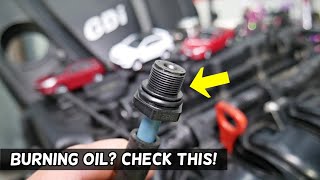
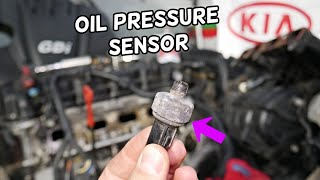
- Faulty Engine Oil Pressure Sensor (Switch) 🔴 High Probability This specific part is known to fail by leaking oil internally through the sensor body and into its electrical connector. Kia has extended the warranty for this issue on 2016-2018 models under TSB ENG237, indicating a high failure rate. An oil-fouled connector disrupts the electrical signal, causing the P0520 code.
How to confirm: Visually inspect the oil pressure sensor and its electrical connector for any signs of oil leakage. The sensor is located in the engine valley, under the upper and lower intake manifolds, so a borescope/videoscope is the recommended tool for inspection without major disassembly. If oil is present in the connector or on the sensor body, the sensor has failed and must be replaced.
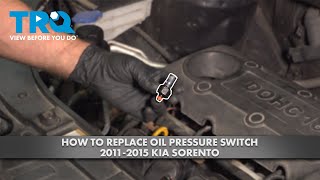
Typical fix: Replace the engine oil pressure sensor. The intake manifold must be removed to access it, making it a labor-intensive job. Thoroughly clean any oil out of the electrical connector pigtail with electrical contact cleaner before installing the new sensor. The new OEM sensor's threads are typically pre-coated with threadlocker.
Est. part cost: $25-$70 - Damaged Wiring or Poor Connection 🟡 Medium Probability The sensor's location in a high-heat area of the engine valley can make wiring insulation brittle over time. Vibration can also cause connections to become loose. The wiring harness for the sensor runs along the intake manifold, and if it's not properly secured, it can chafe or break.
How to confirm: After unplugging the sensor, inspect the connector and wiring harness for corrosion, broken or loose pins, or cracked insulation. Check for continuity and voltage at the connector using a multimeter. Wiggle the wiring harness while monitoring the signal to see if it causes a change.
Typical fix: Repair the damaged section of wire with solder and heat-shrink tubing or replace the connector pigtail if the connector itself is damaged.
Est. part cost: $10-$30 - Low Engine Oil Level or Incorrect Oil ⚪ Low Probability While P0520 is a circuit code, extremely low oil levels or using oil of the wrong viscosity (e.g., too thick or too thin) can cause erratic pressure readings, especially at idle, which the PCM might interpret as a circuit fault. This can be a precursor to the oil light flickering.
How to confirm: Check the engine oil level using the dipstick. Ensure it is between the 'Full' and 'Low' marks. Verify that the oil viscosity used (e.g., 5W-30) matches the manufacturer's recommendation in the owner's manual.
Typical fix: Top off or change the engine oil and replace the oil filter using the correct type of oil.
Est. part cost: $40-$90
Rare But Worth Checking
- Failing Oil Pump or Clogged Passages: While rare, a mechanical failure within the lubrication system can cause genuine low oil pressure, which might trigger a circuit code under certain conditions. This is a much more serious issue and is often accompanied by engine noise. This should be verified with a mechanical pressure test.
- Faulty Powertrain Control Module (PCM): This is extremely unlikely and should be considered a last resort. The PCM should only be suspected after all other possibilities, including the sensor, wiring, and actual oil pressure, have been thoroughly tested and ruled out.
Diagnosis Steps
- Check the engine oil level and condition. Top off if low.
- Scan the vehicle for any other trouble codes that could provide more context, such as P0521 or P0522.
- Using a borescope or by removing the intake manifold, visually inspect the oil pressure sensor and its electrical connector for signs of oil leakage. The sensor is in the engine valley.
- If oil is found in the connector or on the sensor body, the sensor is faulty and must be replaced. This is the most common failure.
- If no oil is present, inspect the wiring harness for damage, corrosion, or loose pins. Test for proper voltage and ground at the connector.
- If wiring appears okay, the next critical step is to test the actual engine oil pressure using a mechanical gauge. This involves removing the sensor and screwing the gauge into its port.
- Compare the mechanical gauge reading to the manufacturer's specifications. If the pressure is good, the problem is confirmed to be electrical (sensor or wiring). If the pressure is low, there is a serious mechanical engine problem (e.g., oil pump, clogged pickup tube) that needs immediate attention.
Parts You'll Likely Need
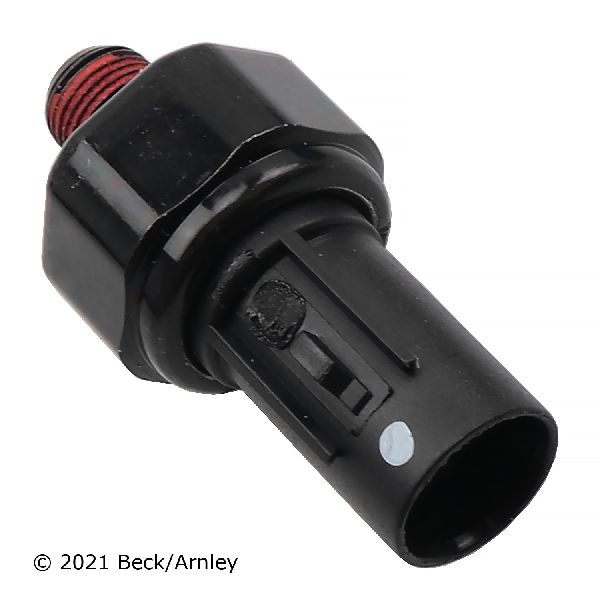
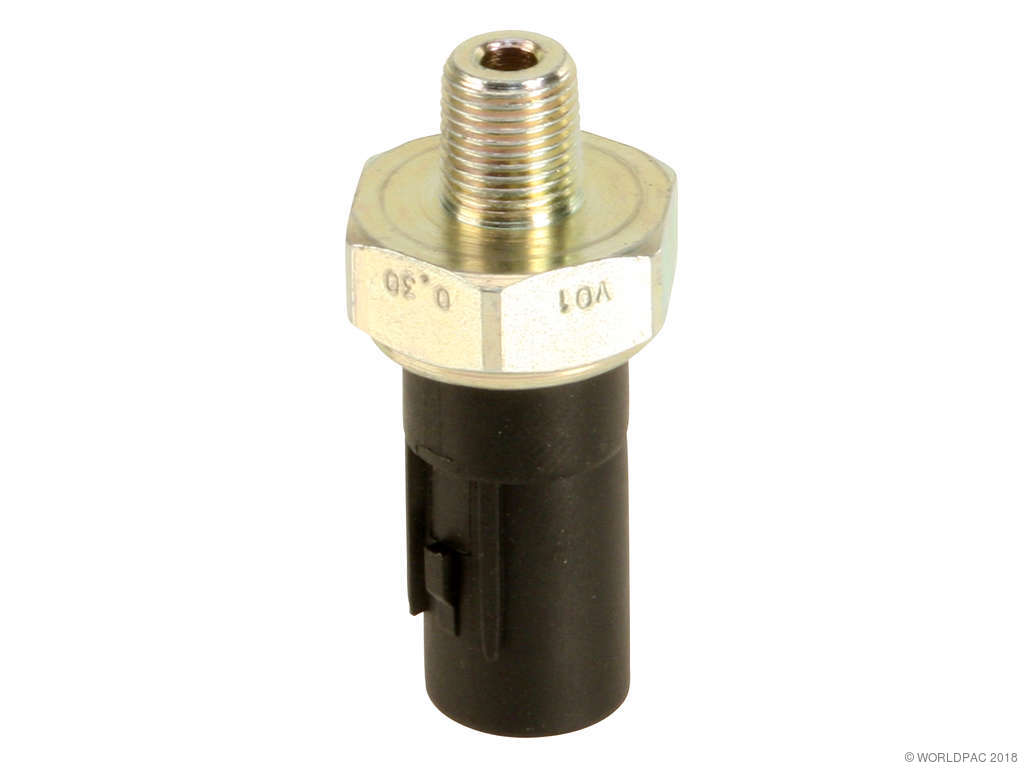
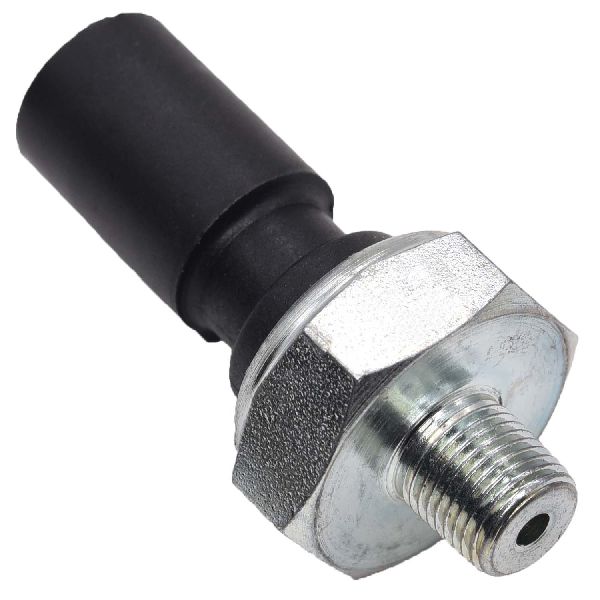
- Engine Oil Pressure Switch
(OEM #94750-3M000)— This is the most common point of failure for this code on this engine, often leaking oil internally. A warranty extension (WTY026) was issued for this part on 2016-2018 models. Some parts catalogs may show older, superseded numbers like 94750-37000 or 94750-37100, but 94750-3M000 is often cited for the 3.3L V6.
Trusted brands: Kia (OEM), Hyundai (OEM), Beck/Arnley, Standard Motor Products (SMP)
OEM price range: $40-$70
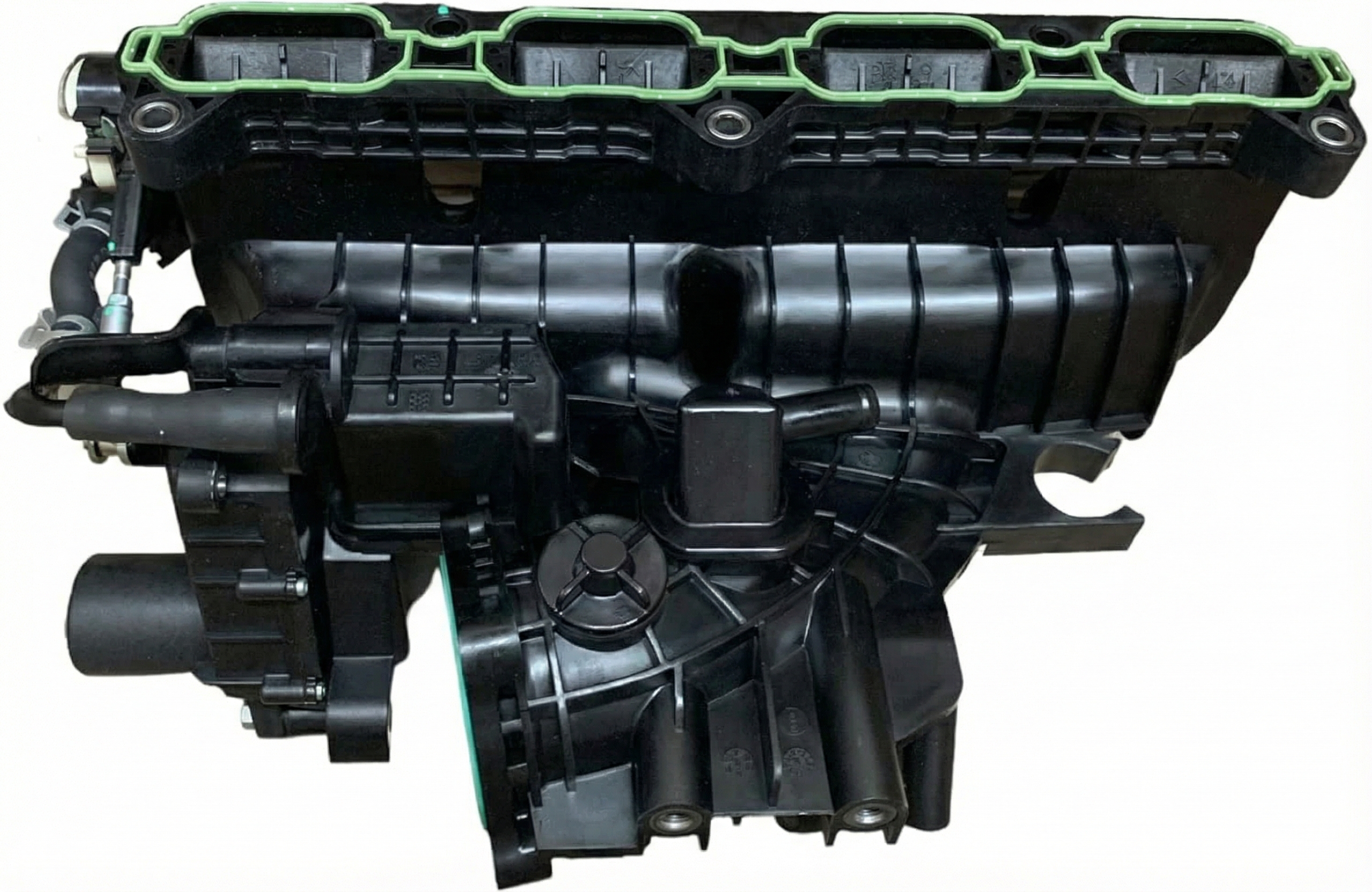
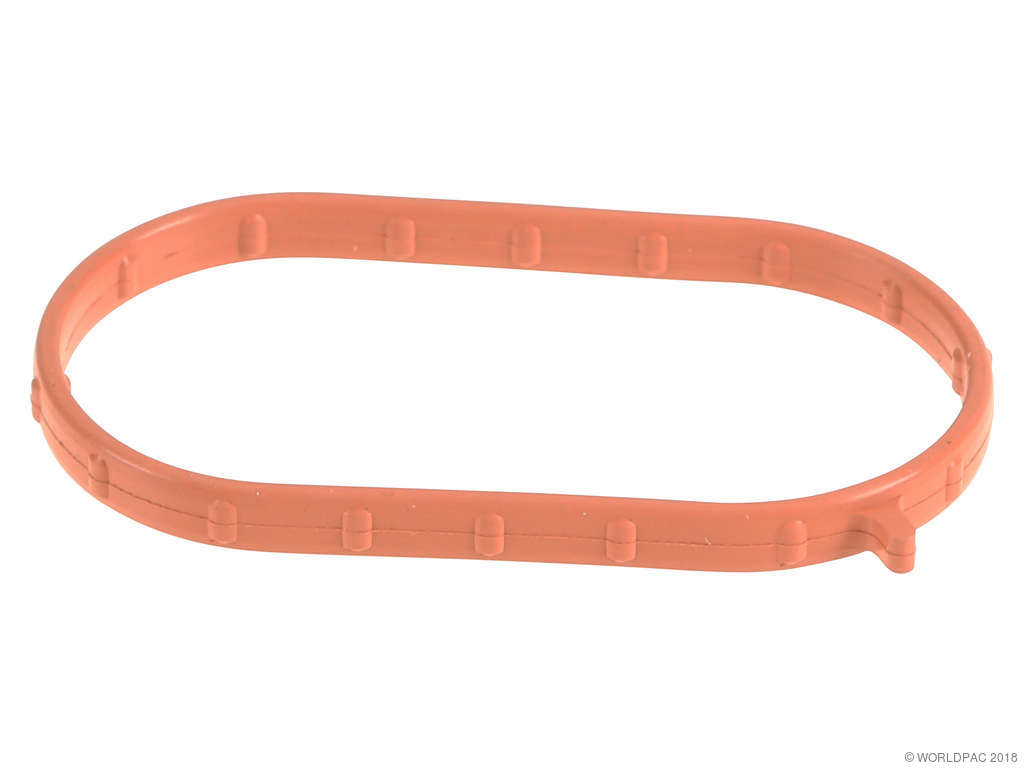
Aftermarket price range: $25-$50 - Intake Manifold Gaskets — The upper and lower intake manifolds must be removed to access the oil pressure sensor. It is best practice to replace the gaskets during reassembly to prevent vacuum leaks.
Trusted brands: Kia (OEM), Fel-Pro, Mahle
OEM price range: $50-$80
Aftermarket price range: $20-$40
Related Codes That Often Appear With This One
- P0521 — This code indicates 'Engine Oil Pressure Sensor/Switch Range/Performance', suggesting the sensor's readings are illogical but the circuit isn't completely failed. It often appears alongside P0520 as the sensor begins to fail.
- P0522 — Indicates the 'Engine Oil Pressure Sensor/Switch Circuit Low Voltage', which can be caused by the same leaking sensor shorting the circuit.
- P0300-P0306 — If the engine has suffered damage from a true low oil pressure condition, it can lead to internal friction, wear, and eventually misfires. A code like P0303 would indicate a misfire in cylinder 3.
Technical Service Bulletins (TSBs) & Recalls
- ENG237 (Rev 1): 'OIL PRESSURE SWITCH (OPS) REPLACEMENT' - Details the warranty extension (WTY026) and inspection/replacement procedure for the leaking oil pressure switch on 2016-2018 Sorento 3.3L models, among others. It provides instructions for using a videoscope for diagnosis and warns against misdiagnosing the leak.
Platform-Specific Known Issues
- Warranty Extension (WTY026) / TSB ENG237: Kia extended the warranty for the oil pressure switch on 2016-2018 Sorento 3.3L models to 15 years/150,000 miles due to a high rate of oil leaks from the switch.
- Difficult Access: The oil pressure switch is located under the upper and lower intake manifolds, making replacement a labor-intensive job with a DIY difficulty of 4/5. This is the primary driver of the high repair cost.
- Misdiagnosis as Rear Main Seal: TSB ENG237 explicitly warns technicians that oil leaking from the switch in the engine valley can run down the back of the engine and be mistaken for a much more expensive rear main seal leak.
Mechanic-Grade Diagnostic Values
- Mechanical Oil Pressure (Minimum) — expected: ~12-14 PSI at warm idle (approx. 1200 RPM). Failure: Pressure significantly below this value indicates a mechanical lubrication issue (e.g., oil pump), not a sensor fault.
- Oil Pressure Switch Continuity (Engine Off) — expected: Less than 1.0 Ohm (continuity to ground). Failure: An open circuit (infinite resistance) indicates a failed switch.
- Oil Pressure Switch Continuity (Engine Running) — expected: OL / Infinite Resistance (Open circuit). Failure: Continuity (low resistance) while the engine is running and has oil pressure indicates a failed switch that is stuck closed.
Scan Tool Commands That Help
- Kia GDS (Global Diagnostic System): Actuation Test — While there is no direct command for the oil pressure switch itself (it's an input-only sensor), the GDS actuation test menu can be used to command other related components like the oil control valve or fuel pump relay to verify their function and rule out other system issues.
- Kia GDS (Global Diagnostic System): Vehicle S/W Management > Resetting adaptive values — After replacing the sensor or repairing wiring, it can be beneficial to reset the ECU's learned adaptive values to ensure it's operating with fresh data.
Wiring & Ground Locations
- Oil Pressure Switch Connector — In the engine valley, beneath the upper and lower intake manifolds, connected to the oil pressure switch.. This is the single-pin connector that is the primary point of failure due to oil contamination from the leaking switch. A replacement pigtail may be needed if it is saturated with oil.
- 91860-C6020 — Engine bay, provides the main ground path for various engine components.. This is the part number for the main 'Wiring Assembly-Engine Ground' for 2015-2018 models. A corroded or loose connection on this primary ground could cause various electrical issues, including erratic sensor readings.
- 91865-C6010 — Engine bay, provides the ground path for the transmission.. This is the part number for the 'Wiring Assembly T M Gnd' (Transmission Ground) for 2016-2018 models. While less likely to cause this specific code, ensuring all major grounds are clean and secure is a critical step in diagnosing any electrical fault.
Real Owner Repair Stories
- Reddit r/MechanicAdvice user report (2017-2018 Kia Sorento V6) — Oil pressure warning light on the dashboard.
❌ Tried (didn't work) The user did not report trying other fixes first, but took it for professional diagnosis.
✅ What actually fixed it The oil pressure sensor/switch was replaced. The user confirmed the high labor cost (~$700 in 2018) was due to the location requiring the intake manifold to be removed.
OEM Part Supersession History
94750-37000→94750-37100— Part revision, likely to address the leaking issue.94750-37100→94751-3C000 (Likely for 2019+ models)— Potential part redesign for the 2019 model year refresh.
Heads up: The 2019-2020 Sorento 3.3L may use part number 94751-3C000, which is different from the part covered under the warranty extension for 2016-2018 models. It is critical to verify the correct part number by VIN for 2019+ models.
Model Year Variations Within This Range
- 2016-2018: These model years are explicitly covered by TSB ENG237 and the associated warranty extension (WTY026) for the leaking oil pressure switch. The failing part is typically from the 94750-37xxx family.
- 2019-2020: These model years are NOT covered by TSB ENG237. Evidence suggests they may use a different, potentially redesigned, oil pressure switch (such as PN 94751-3C000), which would explain their exclusion from the warranty extension. The root cause is likely the same (faulty switch), but the specific part number and warranty coverage differ.
Diagnostic Flowchart
Other Known Issues on This Vehicle
Issues unrelated to this code that are worth knowing about as an owner of this generation:
- Intake Valve Carbon Buildup (GDI Engine) 🟠 Medium — Common on GDI engines, symptoms like rough idle and hesitation can appear between 60,000-100,000 miles. Requires periodic cleaning.
- Engine Failure / Rod Bearing Failure 🔴 High — While more prominent on the 2.4L 4-cylinder, the 3.3L V6 has also had reports of engine failure. A 2017 recall was issued for some 3.3L engines due to improperly heat-treated crankshafts. (Ref: NHTSA Recall 17V224000 (for 2017 MY Crankshaft))
- Excessive Oil Consumption 🟠 Medium — Some owners report oil consumption greater than 1 quart per 1,000 miles, which can be a symptom of underlying issues like carbon buildup or piston ring problems. (Ref: TSB ENG222 (describes oil consumption testing procedure))
- Headlight / Taillight Failure 🟡 Low — A recall (SC331) was issued for 2024-2025 models for a software issue causing light failure, but owners of earlier models (2016+) have also reported premature headlight burnout. (Ref: Recall SC331 (for 2024-25 MY), TSB SC149 (for 2011-12 MY))
- Sticking Steering Wheel 🟠 Medium — Reported in 2016-2018 models where the steering wheel sticks in the straight-ahead position, requiring extra force to initiate a turn. The fix often involves replacing the electric steering gear.
Used vs. New Parts: Buying Guide for This Vehicle
When a used part is the smart pick: For this specific repair, sourcing used parts is generally not recommended. However, if the electrical connector pigtail is damaged or heavily contaminated with oil, a used pigtail from a junkyard is a viable and cost-effective option.
Donor-vehicle mileage cap: roughly under 120000 miles for the part to have meaningful remaining life.
What to inspect on the donor part:
- For a pigtail connector: ensure the locking tab is intact, there are no signs of corrosion on the pins, and the wires are not brittle or cracked.
OEM-only on this vehicle (don't cheap out):
- Engine Oil Pressure Switch: Due to the extremely high failure rate of the original part, which prompted a warranty extension, using a used switch is highly inadvisable. An OEM or a reputable aftermarket new part is the only reliable choice.
- Intake Manifold Gaskets: These are single-use seals and must always be replaced with new parts to prevent vacuum leaks.
Aftermarket brands forum-validated for this vehicle:
- Beck/Arnley
- Standard Motor Products (SMP)
Real Owner Stories
Aggregated from forums and TSBs cited above. Mileages and costs reflect what owners reported in those sources.
2017 Kia Sorento V6
Symptoms: The oil pressure switch failed and required the intake manifold and fuel injectors to be removed for access.
What fixed it: Replacement of the oil pressure switch.
Cost: $500-$1000
Source hint: Reddit r/kia: A thread titled 'What's the cost of replacing oil pressure switch?'
2017 Kia Cadenza 3.3L V6
Symptoms: Oil light appearing at idle; described as a very common failure for this specific engine.
What fixed it: Replacement of the oil pressure sensor.
Source hint: Reddit r/kia: In a thread about a 2017 Kia Cadenza with the same 3.3L V6 engine
Related OBD-II Codes
Frequently Asked Questions
Is there a warranty extension for the oil pressure switch on my 2017 Kia Sorento 3.3L?
My mechanic says I have a rear main seal leak, but I also have code P0520. Could they be related?
Why is the labor cost so high to replace a simple sensor on the 3.3L V6?
Can I check if the sensor is leaking without taking the whole engine apart?
What happens if oil gets into the electrical connector of the oil pressure sensor?
Does this oil pressure issue affect the Hyundai Santa Fe as well?
Helpful Videos

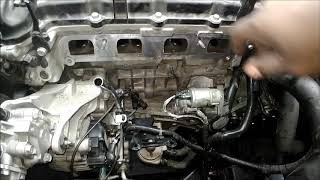
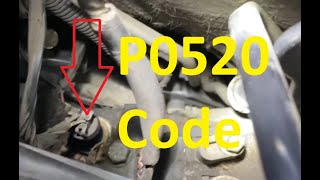
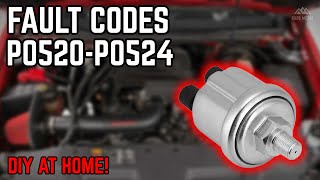
Used OEM Parts in Stock

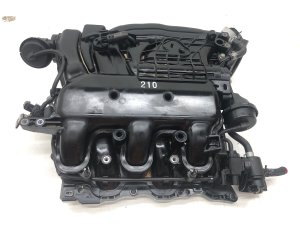



New Aftermarket Parts Available


The information in this article is provided for general reference and educational purposes only. Vehicle specifications, procedures, and part compatibility can vary by production date, trim level, and region. Always consult your vehicle's factory service manual and verify part numbers before purchasing or performing repairs. Safety-critical components such as airbags, seat belts, and braking systems should be installed by a qualified professional.
- Kia Sorento:
- 🎬 Helpful Videos
- 🛍️ Shop This Part
- What's Unique About the 2016-2020 Kia Sorento
- Symptoms You May Notice
- Most Likely Causes
- Rare But Worth Checking
- Diagnosis Steps
- Parts You'll Likely Need
- Related Codes That Often Appear With This One
- Technical Service Bulletins (TSBs) & Recalls
- Platform-Specific Known Issues
- Mechanic-Grade Diagnostic Values
- Scan Tool Commands That Help
- Wiring & Ground Locations
- Real Owner Repair Stories
- OEM Part Supersession History
- Model Year Variations Within This Range
- Diagnostic Flowchart
- Other Known Issues on This Vehicle
- Used vs. New Parts: Buying Guide for This Vehicle
- Real Owner Stories
- 2017 Kia Sorento V6
- 2017 Kia Cadenza 3.3L V6
- Related OBD-II Codes
- Frequently Asked Questions
- 🎟️ Get 5% Off