

P0520 on 2013-2017 Dodge Viper: Engine Oil Pressure Sensor Circuit Fixes
On the 2013-2017 Viper, code P0520 is almost always caused by a faulty original engine oil pressure sensor. A manufacturer Technical Service Bulletin (TSB #18-034-14 REV. A) advises replacing it with a revised part (Mopar #5149064AB). This is a straightforward DIY fix for many, with the part costing around $40-$60. The issue is extremely common across the entire Dodge/Chrysler/Jeep/Ram lineup from this era.
- For a 2013-2017 Viper, P0520 is very likely a failed oil pressure sensor.
- A manufacturer TSB (#18-034-14 REV. A) exists for this exact problem, confirming the fix is a revised sensor (Mopar #5149064AB).
- Always check your oil level first as a basic precaution.
- The replacement part is relatively inexpensive and the repair is accessible for a DIY mechanic with basic tools. Stick with the OEM Mopar part for best results.
- Do not ignore this code, as it renders your oil pressure monitoring system useless.
What's Unique About the 2013-2017 Dodge Viper
This is a well-documented issue on the Gen V Viper and many other Chrysler products from the same era. The original equipment oil pressure sensor is known to fail. The manufacturer, Dodge/Chrysler, issued a Technical Service Bulletin (TSB #18-034-14 REV. A) specifically to address this code by replacing the original sensor with an updated, more reliable part. The TSB covers an astonishing range of engines, from 2.0L 4-cylinders to the Viper's 8.4L V10, confirming a widespread part defect rather than a Viper-specific engine problem.
Symptoms You May Notice
- Check Engine Light is on
- Oil pressure warning light is on or flashing
- Oil pressure gauge reads zero, an erratic value, or is stuck at maximum (often 99 PSI)
- Engine may enter a reduced power 'limp mode'
- In some cases, the remote start feature may be disabled by the PCM as a precaution.
- Replacing the oil pump before verifying the sensor and circuit are good.
- Assuming a major engine problem exists without first performing a simple oil level check or replacing the known-faulty sensor.
- Using a cheap aftermarket sensor which may not communicate correctly with the Mopar PCM, leading to the code returning.
Most Likely Causes
- Faulty Engine Oil Pressure Sensor 🔴 High Probability The original factory sensor is a known failure point, as acknowledged by the manufacturer in TSB #18-034-14 REV. A. The fix is a revised part. This issue is rampant across the Mopar family.
How to confirm: After confirming oil level is correct, check the sensor's electrical connector for oil leaking through the sensor body, a common failure mode. Given the TSB and widespread reports, replacing the sensor is the most common and effective first step. Many owners on forums for Ram, Charger, and Jeep vehicles report that using cheaper, aftermarket sensors often fails to resolve the code, making the OEM Mopar part the recommended choice.
Typical fix: Replace the engine oil pressure sensor with the revised OEM part, Mopar #5149064AB. 🎬 Watch a step-by-step walkthrough replacing the sensor on a Chrysler engine
Est. part cost: $40-$60 - Wiring or Connector Issue 🟡 Medium Probability The sensor is located on the engine block, low on the driver's side, and is subject to high heat and vibration, which can degrade wiring and connectors over time.
How to confirm: Visually inspect the wiring harness and connector for cracks, corrosion, or oil contamination. Wiggle the connector with the engine running to see if the gauge reading flickers. Check for a solid 5V reference, good ground, and a clear signal wire at the pigtail.
Typical fix: Clean the connector terminals with electrical contact cleaner. If wiring is damaged, repair the affected section with solder and heat shrink.
Est. part cost: $1-$20 - Low Engine Oil Level or Incorrect Oil ⚪ Low Probability This is a universal cause, not specific to the Viper. If oil pressure is genuinely low, the sensor will report an out-of-range value, triggering the circuit code. Using an oil viscosity that is too thick or too thin can also cause incorrect readings.
How to confirm: Check the engine oil level using the dipstick and verify the correct oil viscosity is being used per the owner's manual (e.g., Pennzoil Platinum SAE 0W-40 for the Viper).
Typical fix: Top off or change the engine oil with the correct grade.
Est. part cost: $80-$150
Rare But Worth Checking
- Failing Oil Pump: While rare, if a mechanical oil pressure test shows genuinely low pressure and the oil level is correct, this could indicate a more serious mechanical issue with the oil pump or internal engine components.
- Faulty Powertrain Control Module (PCM): This is extremely unlikely and should only be considered after all other possibilities (sensor, wiring, actual oil pressure) have been definitively ruled out.
Diagnosis Steps
- Check the engine oil level and condition with the dipstick. If low, top it off and see if the code clears.
- Visually inspect the oil pressure sensor's electrical connector for damage, corrosion, or oil saturation. On the 8.4L V10, the sensor is located on the driver's side of the engine block, above the oil filter.
- Inspect the wiring harness leading to the sensor for any signs of cracking, melting, or fraying.
- Given the high probability of sensor failure on this model, if the oil level is correct and there's no obvious wiring damage, the most cost-effective next step is to replace the sensor with the revised Mopar part (#5149064AB).
- If the code persists after replacing the sensor, test the circuit for the correct reference voltage (usually 5V) and ground at the connector.
- If the circuit is good and the sensor is new, perform a mechanical oil pressure test with a gauge to verify the engine's actual oil pressure. This will confirm or rule out a mechanical engine problem.
Parts You'll Likely Need
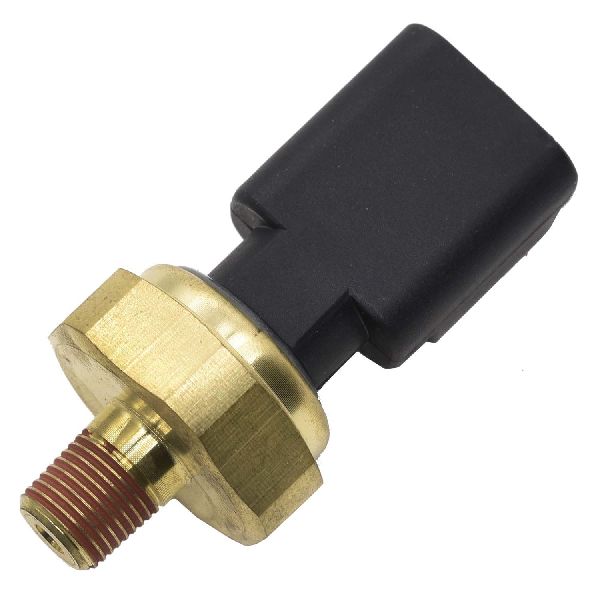
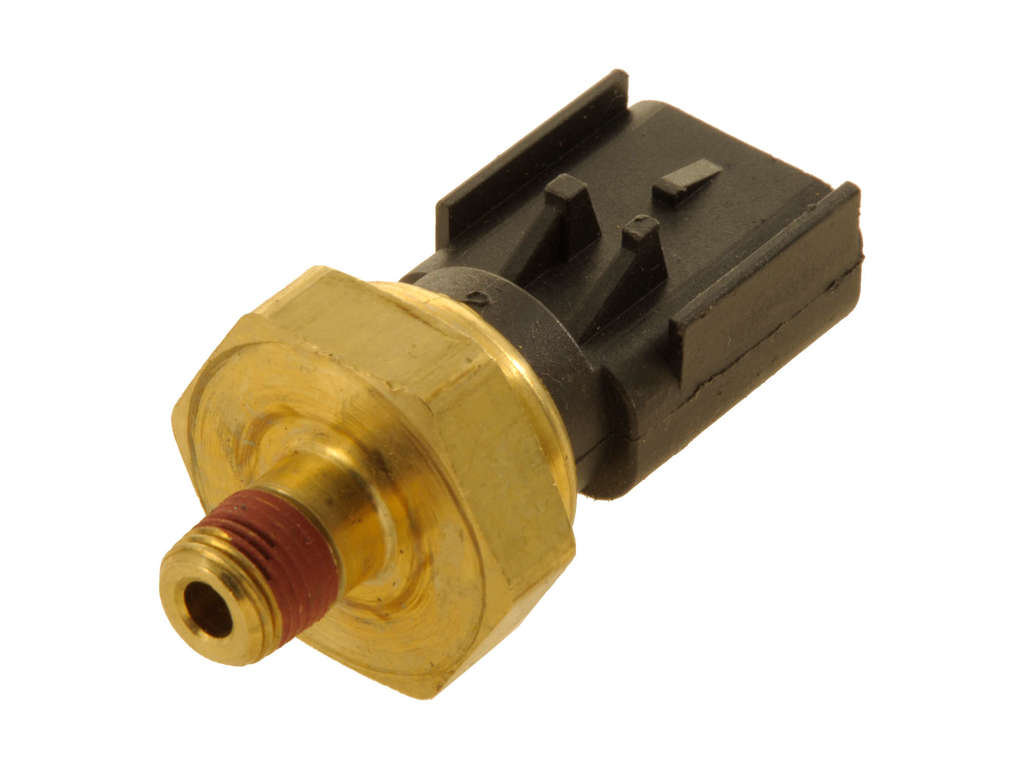
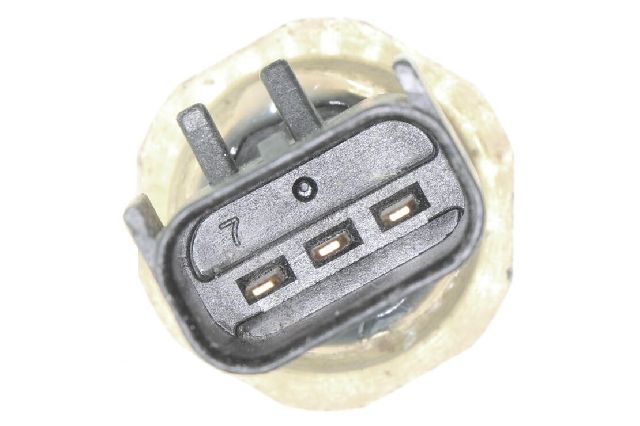
- Engine Oil Pressure Sensor
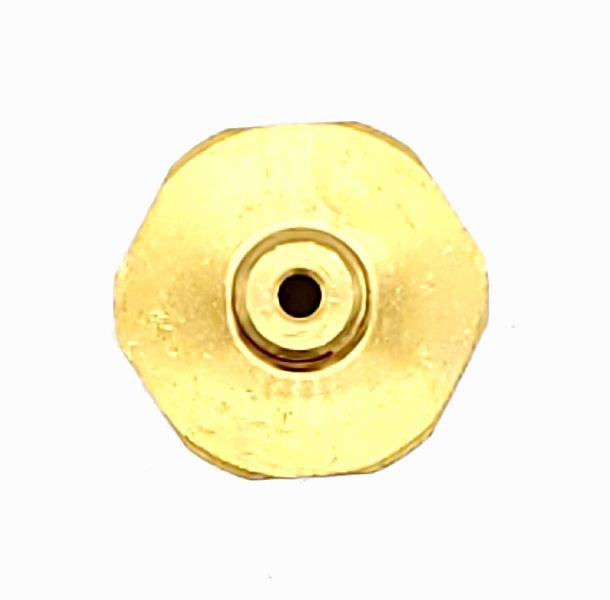
(OEM #5149064AB)— This is the revised part number that supersedes the original, failure-prone sensors (including 5149064AA, 56028807AB, and 5093908AA) as recommended by the manufacturer's TSB.
Trusted brands: Mopar
OEM price range: $40-$60
Aftermarket price range: $25-$50
Related Codes That Often Appear With This One
- P0521 — P0521 indicates 'Engine Oil Pressure Sensor/Switch Range/Performance'. If the faulty sensor is sending erratic but not completely failed signals, both codes can appear.
- P0524 — P0524 indicates 'Engine Oil Pressure Too Low'. This can be triggered along with P0520 if the sensor fails in a way that makes the PCM believe the pressure is dangerously low, even if it's just a circuit fault.
Technical Service Bulletins (TSBs) & Recalls
- Bulletin #18-034-14 REV. A (2014-07-15): P0520- Engine Oil Pressure Sensor Circuit. Involves replacing the oil pressure sensor with a revised part. Applies to nearly all 2013-2014 Chrysler-family engines, including the 8.4L Viper V10.
Platform-Specific Known Issues
- A Technical Service Bulletin (TSB #18-034-14 REV. A) was issued for 2013-2014 Vipers (and a huge list of other Chrysler/Dodge/Jeep/Ram vehicles) for this exact code. The bulletin's sole purpose is to instruct technicians to replace the original oil pressure sensor with a revised part for any vehicle built on or before March 12, 2014. 🎬 See how to access and replace a Mopar oil pressure sensor
Mechanic-Grade Diagnostic Values
- Sensor Circuit Integrity Test (Key On, Engine Off) — expected: With the sensor disconnected and a jumper wire connecting the Signal circuit and Ground circuit in the harness connector, the voltage reading on a scan tool should drop to less than 0.5V.. Failure: If the voltage does not drop, it indicates an open or high resistance in the signal or ground circuit back to the PCM.
- Sensor Reference Voltage (Key On, Engine Off) — expected: Approximately 5.0V between the 5V supply pin and the ground pin at the sensor connector.. Failure: No voltage or significantly low voltage indicates a problem with the PCM or the wiring from the PCM.
- Sensor Signal Voltage (Key On, Engine Off) — expected: Approximately 4.5V on the signal wire with the sensor connected. A typical sensor operates in the ~0.5V (low pressure) to ~4.5V (high pressure) range.. Failure: A reading of 0V or a constant 5V indicates a failed sensor or a circuit fault.
Scan Tool Commands That Help
- wiTECH or equivalent professional scan tool: Live Data > Engine Oil Pressure Sensor Voltage — This is used to monitor the sensor's reported voltage in real-time during diagnostic tests, such as wiggling the harness or jumping connector pins, to confirm circuit integrity and sensor functionality.
Wiring & Ground Locations
- Engine Oil Pressure Sensor — On the driver's side of the 8.4L V10 engine block, located behind the bottom of the alternator. Access may require a deep socket.. This is the primary component in the P0520 circuit. Its location subjects it to heat and vibration, contributing to failure. Knowing its precise location is critical for inspection and replacement.
- Sensor Electrical Ground Path — The sensor body grounds through its threads to the engine block. The circuit itself uses a dedicated ground wire back to the Powertrain Control Module (PCM).. A poor connection at the threads or a fault in the PCM ground wire can cause erratic readings and trigger P0520. The primary engine-to-chassis ground strap must also be secure.
- (G6) Engine Oil Pressure Signal Circuit — This is the specific wire in the harness running from the sensor connector to the PCM.. This is the signal wire a technician would test for voltage, opens, or shorts when diagnosing a persistent P0520 code after sensor replacement.
Real Owner Repair Stories
- RamForum.com user (2014 Ram 1500 (5.7L Hemi, uses same sensor family)) — Check engine light with P0520, oil pressure gauge reading a constant 99 PSI.
❌ Tried (didn't work) Calling the dealer, who told them it would take a week to fix.
✅ What actually fixed it The owner purchased an OEM Mopar sensor from an online parts supplier for about $15 and replaced it themselves. The problem was resolved immediately.
OEM Part Supersession History
5093908AA→5149064AA— Part revision by manufacturer.56028807AB→5149064AA— Part revision by manufacturer.5149064AA→5149064AB— Part revision to address widespread failures, as documented in TSB 18-034-14 REV. A.
Heads up: The older part numbers are the failure-prone units and should not be used.
Model Year Variations Within This Range
- 2013-2014 (specifically before March 12, 2014): These model years are explicitly covered by TSB #18-034-14 REV. A, which instructs dealers to replace the original sensor with the revised part. Vehicles built after this date likely received the revised part from the factory, but the failure can still occur, and the fix remains the same (using part #5149064AB).
Diagnostic Flowchart
Other Known Issues on This Vehicle
Issues unrelated to this code that are worth knowing about as an owner of this generation:
- Engine Debris Contamination & Oil Consumption (R28/R29) 🔴 High — Affected a specific batch of 2013-2014 models. R28 involved inspecting for engine debris that could cause failure; R29 addressed oil consumption under high-G cornering. (Ref: Customer Satisfaction Notification R28 & R29)
- Differential Cooler Line Leaks 🟠 Medium — Leaks can develop at the crimp points where rubber hoses meet the metal lines on the differential cooler. More common on earlier Gen V models but can occur on any.
- Clutch Slave Cylinder Failure 🟠 Medium — Proximity of hydraulic lines to headers can cause fluid to boil, especially under track use, leading to seal failure and a pedal that goes to the floor.
- Coolant Crossover Tube O-Ring Leak 🟡 Low — O-rings on the aluminum coolant crossover tube at the front of the engine can harden from heat cycles and cause minor coolant weeping.
Used vs. New Parts: Buying Guide for This Vehicle
When a used part is the smart pick: Never. The original part is a known high-failure component, and the cost of a new, revised OEM part is very low. A used sensor is highly likely to either be faulty already or fail shortly after installation.
OEM-only on this vehicle (don't cheap out):
- Engine Oil Pressure Sensor
Brands owners have reported issues with on this vehicle:
- All non-Mopar brands. Multiple owner forums for various Dodge/Chrysler/Jeep vehicles strongly advise against using aftermarket sensors for this specific issue, as they often do not work correctly with the PCM and lead to the code returning.
Real Owner Stories
Aggregated from forums and TSBs cited above. Mileages and costs reflect what owners reported in those sources.
2013-2014 Dodge Viper 8.4L V10
Symptoms: The oil pressure sensor failed on a vehicle built before March 12, 2014, triggering a P0520 code as described in the manufacturer's technical bulletin.
What fixed it: Replacement of the original oil pressure sensor with a revised part as per TSB #18-034-14 REV. A.
Source hint: TSB #18-034-14 REV. A (2014-07-15)
2013-2017 Dodge Viper 8.4L V10
Symptoms: Oil pressure reading 99 PSI because that is as high as the gauge can go when the transmitter fails.
What fixed it: Replacement of the oil pressure transmitter/sensor.
Source hint: Reddit r/ram_trucks - 'P0520 oil pressure reading 99' (2022)
Gen 5 Dodge Viper 8.4L V10
Symptoms: P0520 Oil Pressure Sensor Failure; noted as a common issue across the Dodge/FCA lineup including the Gen 5 Viper.
What fixed it: Replacement with an OEM Mopar sensor, as aftermarket sensors were reported to be hit or miss.
Source hint: RamForum.com - 'P0520 Oil Pressue Sensor Failure' (2018)
Related OBD-II Codes
Frequently Asked Questions
Does TSB #18-034-14 REV. A apply to my 2013 Dodge Viper?
What is the specific Mopar part number I need to fix the P0520 code on my Gen V Viper?
My Viper's oil pressure gauge is stuck at 99 PSI. Is this a mechanical engine failure?
Can I use an aftermarket oil pressure sensor from a local auto parts store?
Where is the oil pressure sensor located on the 8.4L V10 engine?
Will a P0520 code affect my Viper's remote start or performance?
Is the P0520 issue related to the R28 or R29 engine recalls?
Helpful Videos
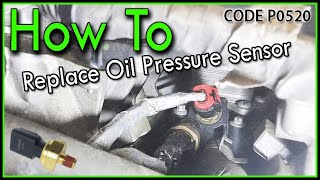
We Have This Part in Stock


The information in this article is provided for general reference and educational purposes only. Vehicle specifications, procedures, and part compatibility can vary by production date, trim level, and region. Always consult your vehicle's factory service manual and verify part numbers before purchasing or performing repairs. Safety-critical components such as airbags, seat belts, and braking systems should be installed by a qualified professional.
- Dodge Viper:
- 🎬 Helpful Videos
- 🛍️ Shop This Part
- What's Unique About the 2013-2017 Dodge Viper
- Symptoms You May Notice
- Most Likely Causes
- Rare But Worth Checking
- Diagnosis Steps
- Parts You'll Likely Need
- Related Codes That Often Appear With This One
- Technical Service Bulletins (TSBs) & Recalls
- Platform-Specific Known Issues
- Mechanic-Grade Diagnostic Values
- Scan Tool Commands That Help
- Wiring & Ground Locations
- Real Owner Repair Stories
- OEM Part Supersession History
- Model Year Variations Within This Range
- Diagnostic Flowchart
- Other Known Issues on This Vehicle
- Used vs. New Parts: Buying Guide for This Vehicle
- Real Owner Stories
- 2013-2014 Dodge Viper 8.4L V10
- 2013-2017 Dodge Viper 8.4L V10
- Gen 5 Dodge Viper 8.4L V10
- Related OBD-II Codes
- Frequently Asked Questions
- 🎟️ Get 5% Off