

P0520 on 2011-2019 Dodge Journey 3.6L: Engine Oil Pressure Sensor Circuit Causes and Fixes
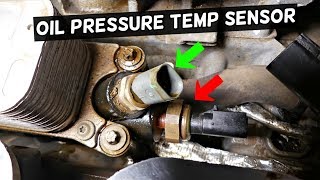
On a 3.6L Pentastar V6, P0520 almost always means the oil pressure sensor has failed. The sensor is located under the intake manifold, making it a labor-intensive job. It's highly recommended to replace the entire oil filter housing assembly at the same time, as it's also a common failure point. Many owners opt for an upgraded aluminum housing over the OEM plastic. Expect a shop repair to cost between $500 and $900.
- P0520 on the Dodge Journey 3.6L is almost always a failed oil pressure sensor.
- Do not drive the vehicle until you have confirmed it is a sensor issue and not actual low oil pressure.
- The sensor is very difficult to access; the repair requires removing the intake manifolds.
- Due to the high labor involved and the high failure rate of the housing, you should always replace the entire oil filter/cooler housing assembly, not just the sensor.
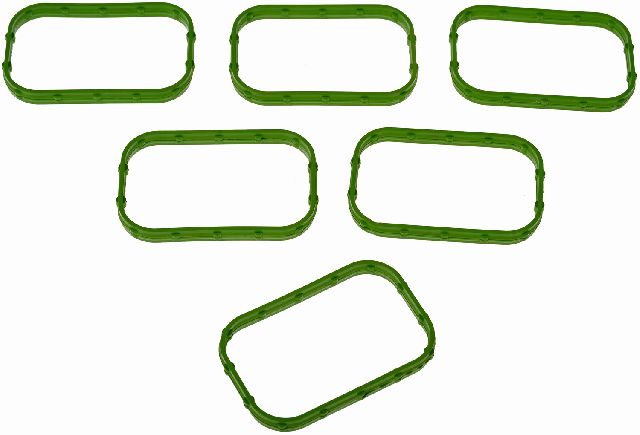
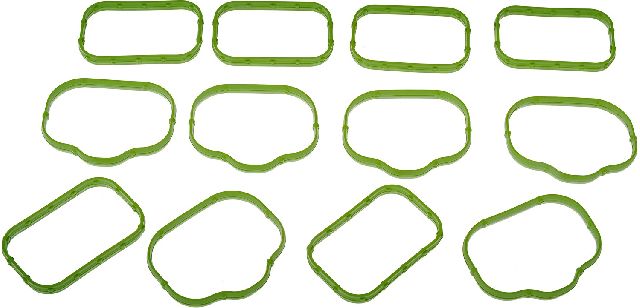
- Always replace the intake manifold gaskets during this repair to prevent future vacuum leaks.
What's Unique About the 2011-2019 Dodge Journey

The 3.6L Pentastar V6 engine, used across many Chrysler, Dodge, and Jeep vehicles, has a well-documented history with this specific code. The issue is primarily due to the design and location of its oil pressure sensor. The sensor is integrated into the oil filter and cooler housing, which sits deep in the engine valley between the cylinder heads, underneath the upper and lower intake manifolds. This location subjects the sensor and the plastic housing to extreme heat cycles, leading to premature failure of the sensor and cracking of the plastic housing. A Technical Service Bulletin (TSB 18-034-14 REV. A) was issued for 2013-2014 models, including the Journey, specifically to address a high rate of sensor failures causing P0520.
Symptoms You May Notice
- Check Engine Light is on
- Oil pressure warning light may be on or flickering
- Oil pressure gauge reads erratically, stuck at zero, or stuck at maximum (e.g., 99 PSI).
- In rare cases of actual low pressure from a major housing leak, you may hear engine knocking or rattling noises.
- Replacing only the oil pressure sensor without also replacing the failure-prone oil filter housing assembly. The high labor cost means you should replace both while the intake is off to prevent a future leak.
- Replacing the oil pump when the issue is electrical (the sensor/circuit) and not a mechanical pressure problem.
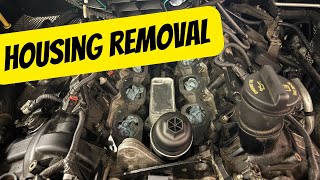
- Assuming the engine has no oil pressure without first verifying with a mechanical gauge. The P0520 code specifically points to a circuit malfunction, not confirmed low pressure. 🎬 Watch: How to replace the sensor without removing the upper intake
Most Likely Causes

- Failed Engine Oil Pressure Sensor 🔴 High Probability The sensor is in a high-heat area under the intake manifold, leading to a high failure rate. A TSB (18-034-14 REV. A) was issued for 2013-2014 models for this exact issue, mandating replacement with a revised part. The sensor can also fail by leaking oil through its body and into the electrical connector, disrupting the signal.
How to confirm: After confirming the oil level is correct, the most definitive test is to compare the sensor's reading to a mechanical oil pressure gauge. A voltage reading at the sensor that is out of the specified range (e.g., near 4.5V-5V or 0V) also points to a bad sensor. A gauge stuck at max PSI is a classic symptom of sensor failure.
Typical fix: Replace the oil pressure sensor. However, due to the difficult location, it is standard practice to replace the entire oil filter/cooler housing assembly at the same time. The TSB specifies replacing the original sensor with a revised part (Mopar P/N 5149062AB).
Est. part cost: $25-$60 for the sensor only; $120-$250 for the complete housing assembly. - Cracked or Leaking Oil Filter Housing 🟡 Medium Probability The oil filter housing is made of plastic and sits in the hot engine valley. It is notoriously prone to developing cracks from heat cycles, which cause oil leaks and can affect pressure readings. This is a well-documented failure on the 3.6L Pentastar engine.
How to confirm: Visually inspect the top of the engine, in the valley under the intake manifold, for signs of pooled oil or active leaks. This often requires a flashlight and a mirror and is best done after the intake manifold is removed.
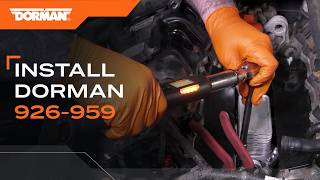
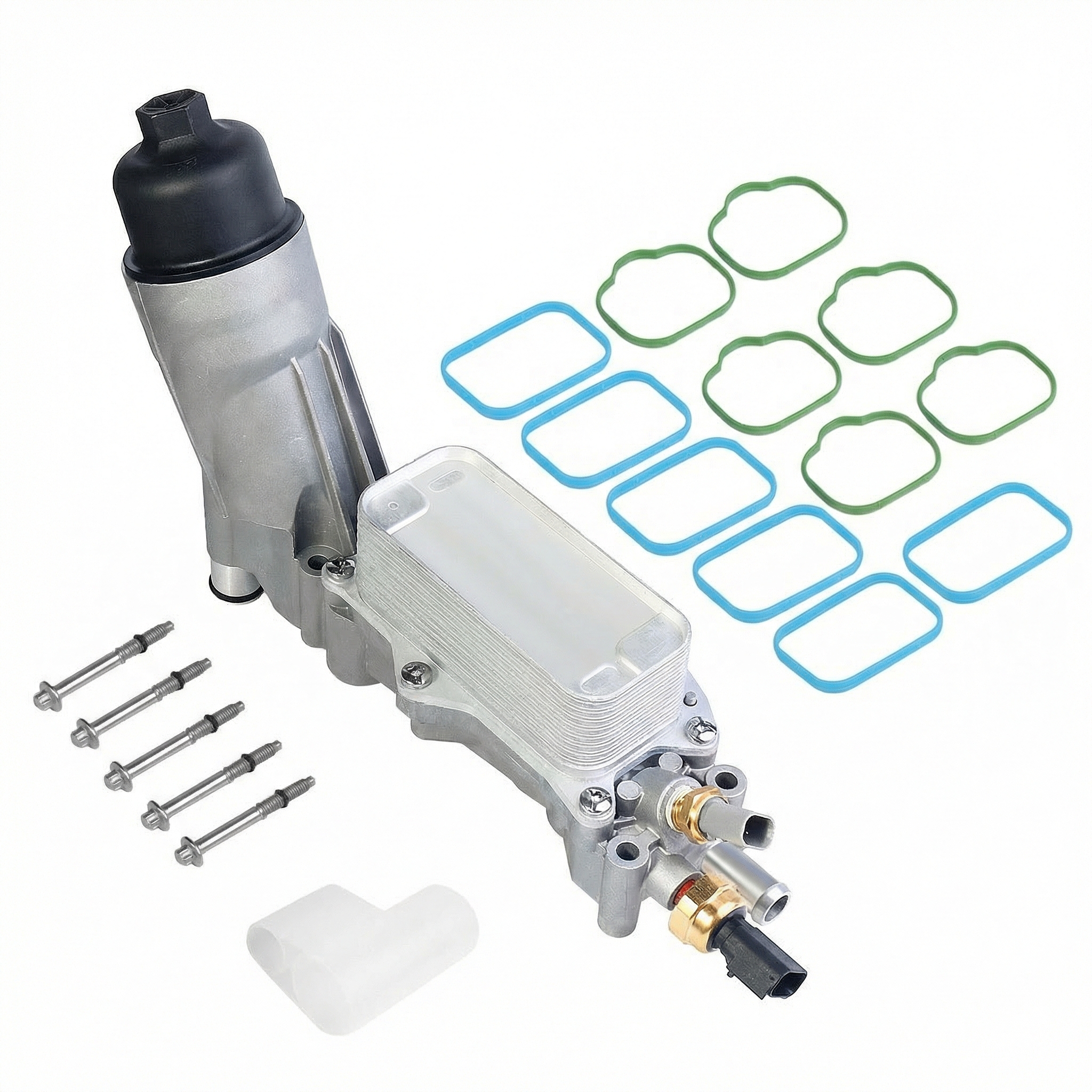
Typical fix: Replace the entire oil filter/cooler housing assembly with a new unit. It is strongly recommended to use an OEM or a high-quality aftermarket part, with many owners opting for more durable aluminum versions (e.g., Dorman 926-876 or 926-959). 🎬 See how to install the upgraded Dorman aluminum housing
Est. part cost: $120-$250 - Low Engine Oil Level or Incorrect Oil 🟡 Medium Probability
How to confirm: Check the engine oil dipstick to verify the oil is at the correct level. Check vehicle records or oil cap to ensure the correct viscosity oil (e.g., 5W-20) is being used.
Typical fix: Top off or change the engine oil and replace the oil filter.
Est. part cost: $40-$80 - Damaged Wiring or Connector ⚪ Low Probability The wiring harness is subjected to the same high heat as the sensor, which can make insulation brittle and connectors fragile over time. Oil leaking from a failed sensor or the housing above can also contaminate the connector.
How to confirm: Once the intake is removed, inspect the wiring and connector leading to the oil pressure sensor for any signs of damage, corrosion, or oil saturation. If the connector is full of oil, the sensor has failed internally. Test for 5V reference, ground, and signal continuity with a multimeter.
Typical fix: Repair the damaged section of the wiring harness or replace the connector pigtail. Clean the connector with electrical contact cleaner if contaminated with oil.
Est. part cost: $15-$40
Rare But Worth Checking
- Failing Oil Pump: This is a mechanical failure and is much less common than a sensor circuit fault for P0520. It would typically be accompanied by other codes (like P06DE or P06DD) and audible engine noise.
- Faulty Powertrain Control Module (PCM): This is extremely rare. The PCM should only be considered after all other possibilities, including the sensor, housing, and wiring, have been definitively ruled out.
Diagnosis Steps

- Check the engine oil level and condition. Top off or change if necessary. This is the simplest first step.
- Scan the PCM for any other related trouble codes. Note if codes like P0521, P0522, or P0523 are present.
- Observe the oil pressure gauge on the dashboard or with a scan tool. A reading stuck at max PSI (like 96 or 99) or zero is a strong indicator of a failed sensor.
- If possible, connect a mechanical oil pressure gauge to verify the engine's actual oil pressure. This is the most crucial step to rule out a serious mechanical failure.
- If actual oil pressure is good, the fault lies within the sensor's circuit.
- Remove the upper and lower intake manifolds to gain access to the oil filter housing assembly in the engine valley.
- Visually inspect the oil pressure sensor connector and wiring for any damage, corrosion, or oil saturation.
- Inspect the oil filter housing and surrounding area for signs of pooled oil, which indicate a cracked housing.
- Given the high labor cost to access this area, it is highly recommended to replace the entire oil filter housing assembly, which includes a new oil pressure sensor and oil temperature sensor, even if only the sensor is confirmed to be bad.
Parts You'll Likely Need

- Engine Oil Filter Housing / Oil Cooler Assembly
(OEM #5184294AE (2011-2013), 68105583AF (or later revisions for 2014+))— This is the primary point of failure. The assembly includes the failure-prone sensor, and the plastic housing itself is known to crack and leak. Replacing the whole unit is the most reliable repair. The OEM part for 2011-2013 models is 5184294AE, which supersedes several previous numbers. The part for 2014+ models is 68105583AF or a later revision.
Trusted brands: Mopar, Dorman (including aluminum upgrade 926-876 or 926-959), Fel-Pro
OEM price range: $180-$250
Aftermarket price range: $120-$180 - Upper and Lower Intake Manifold Gaskets
(OEM #Mopar P/N 5184562AC (Upper), 5184331AC (Lower))— These gaskets must be replaced anytime the intake manifolds are removed to prevent vacuum leaks. They are not reusable.
Trusted brands: Mopar, Fel-Pro, Mahle
OEM price range: $40-$60
Aftermarket price range: $20-$40
Related Codes That Often Appear With This One
- P0521 — Indicates 'Engine Oil Pressure Sensor/Switch Performance', meaning the reading is erratic or out of its expected range, which often happens as the sensor fails.
- P0522 — Indicates 'Engine Oil Pressure Sensor/Switch Circuit Low', pointing to a short or a sensor that has failed in the low-pressure reading range.
- P0523 — Indicates 'Engine Oil Pressure Sensor/Switch Circuit High', pointing to an open circuit or a sensor that has failed in the high-pressure reading range (e.g., stuck at 99 PSI).
- P0196 — Indicates 'Engine Oil Temperature Sensor Range/Performance'. The oil filter housing also contains the oil temperature sensor, so damage during the P0520 repair or a faulty housing can trigger this code.
Technical Service Bulletins (TSBs) & Recalls
- TSB #18-034-14 REV. A: Released July 15, 2014, this TSB applies to 2013-2014 Journeys (among many other models) and directs technicians to replace the original oil pressure sensor with a revised part to resolve a P0520 code.
Platform-Specific Known Issues
- The 3.6L Pentastar engine is widely known for the plastic oil filter/cooler housing assembly cracking, leading to significant oil leaks into the engine valley. This often triggers the P0520 code as the integrated sensor fails or is affected by the leak.
- A Technical Service Bulletin (TSB #18-034-14 REV. A) was issued for 2013-2014 models for this exact issue.
Mechanic-Grade Diagnostic Values
- Sensor Signal Voltage (Key On, Engine Off) — expected: ~0.5 Volts. Failure: A static voltage near 4.5V or 5.0V indicates a failed sensor or an open/short in the signal circuit.
- Sensor 5-Volt Reference — expected: 5.0 Volts at Pin 1 (often Brown/Orange wire) of the sensor connector with key on.. Failure: No voltage or significantly low voltage points to a wiring issue or a fault in the PCM's 5V supply circuit.
- Circuit Resistance (Ground or Supply) — expected: Below 5.0 Ohms. Failure: Resistance higher than 5.0 Ohms indicates excessive resistance in the circuit that needs to be repaired.
- Jumper Wire Test (Signal to Ground) — expected: Voltage should drop from ~4.5V to less than 0.5V.. Failure: If voltage does not drop, the issue is in the wiring or PCM, not the sensor.
Scan Tool Commands That Help
- Professional Scan Tool (e.g., wiTECH): Live Data Monitoring for 'Engine Oil Pressure Sensor Voltage' — Used to observe the sensor's voltage output in real-time. With the key on and engine off, a reading stuck near 4.5-5.0V is a classic sign of a failed sensor, confirming the electrical fault before disassembly.
Wiring & Ground Locations
- Oil Pressure Sensor Connector — On the oil filter/cooler housing, in the engine valley, under the lower intake manifold.. This 3-pin connector is the primary test point. It is highly susceptible to oil contamination from a leaking housing, which causes the P0520 code. Pinout is typically: Pin 1: 5V Reference (Brown/Orange), Pin 2: Signal (Violet/Gray), Pin 3: Ground (Dark Blue/Dark Green).
- G101 — Located at the left (driver's) end of the dash.. This is a primary interior ground point for multiple engine performance circuits. While less likely to be the cause than sensor failure, a poor connection here can cause erratic sensor readings and intermittent codes.
- Engine Ground Strap — One key ground runs from the passenger side engine mount to the ground stud on the passenger strut tower. Another (P/N 68269039AA for later models) runs from the shock tower to the motor mount.. A weak or corroded main engine ground can cause a variety of floating ground issues, leading to incorrect readings from engine sensors, including the oil pressure sensor.
Real Owner Repair Stories
- YouTube user 'Goody's Garage Time' (2014 Dodge Journey SXT 3.6L) — Check engine light with codes P0520 and P0522. Oil pressure gauge stuck at 96 PSI.
❌ Tried (didn't work) The owner had previously replaced the entire oil cooler assembly with a metal aftermarket unit, but the generic sensors it came with failed after about 4 months.
✅ What actually fixed it The owner replaced only the failed oil pressure sensor with a new Mopar sensor (P/N 05149062AB). He demonstrated a shortcut method to access the sensor from the side without removing the intake manifolds, using a special 27mm socket. - American Muscle Forum Reviewer (Dodge Challenger with 3.6L Pentastar) — P0520 code present.
❌ Tried (didn't work) Replaced the entire oil filter housing with an aftermarket assembly that included a new, non-OEM sensor.
✅ What actually fixed it The P0520 code remained after the repair. The owner concluded that the aftermarket sensor included with the housing was faulty and that an OEM Mopar sensor was required to fix the code, necessitating a second teardown.
OEM Part Supersession History
Multiple for 2011-2013 (e.g., 5184294AC, 5184294AD)→5184294AE— Revisions to address leaking and material issues in the early design.
Heads up: This early design uses a different oil filter and cap than the 2014+ models.Multiple for 2014+ (e.g., 68105583AA through 68105583AE)→68105583AF (and later revisions)— Minor revisions to the plastic housing. The design was fundamentally changed from the pre-2014 version, eliminating the center bypass valve tower in the filter cavity.
Heads up: Not directly interchangeable with 2011-2013 models without ensuring filter compatibility. However, many upgrade to this later style.Original Oil Pressure Sensor (Pre-TSB)→5149062AB (or 5149062AA)— TSB 18-034-14 REV. A was issued due to a high failure rate of the original sensor, causing P0520.
Model Year Variations Within This Range
- 2011-2013: Uses the first-generation oil filter housing (e.g., P/N 5184294AE). This design has a prominent center tower inside the filter cavity that incorporates a bypass valve, which is prone to breaking. The oil filter and cap are specific to this design.
- 2014-2019: Uses a redesigned oil filter housing (e.g., P/N 68105583AF). This version has a different shape, is slightly taller, and eliminates the fragile center tower for the bypass valve. It requires a different, shorter oil filter (Mopar MO-349) and a different filter cap. The Dorman aluminum upgrade for these years is P/N 926-959, whereas the upgrade for earlier models is 926-876.
Diagnostic Flowchart
Other Known Issues on This Vehicle
Issues unrelated to this code that are worth knowing about as an owner of this generation:
- Rocker Arm Bearing Failure ('Pentastar Tick') 🔴 High — Widespread across all 3.6L Pentastar engines, can occur as early as 50,000 miles. Often presents as a distinct ticking noise from the valve covers. (Ref: No specific TSB, but it is a widely documented design flaw and the subject of class-action lawsuits.)
- 62TE Automatic Transmission Problems 🟠 Medium — Common issues include harsh shifting, shuddering, slipping between gears, or going into limp mode. Problems can arise from worn clutch packs or faulty solenoids.
- Uconnect 8.4" Infotainment System Failure 🟠 Medium — Commonly affects models with the 8.4-inch screen. Symptoms include a black/unresponsive screen, 'ghost touches' where the system acts on its own, or loss of HVAC controls. (Ref: No recall, but the primary cause is often screen delamination, where the screen layers separate.)
- Left Cylinder Head Defect (2011-2013 models) 🔴 High — Primarily affected 2011-2013 model year 3.6L engines, causing misfires on Bank 2 (cylinders 2, 4, 6) and a P030X code. (Ref: TSB 09-002-14 and an extended warranty (X56) were issued to address this specific manufacturing defect.)
- Premature Brake Wear 🟡 Low — Many owners report faster-than-average wear on brake pads and rotors.
- Electrical and Wiring Problems 🟡 Low — General electrical issues, including problems with the Totally Integrated Power Module (TIPM), starting issues, and faulty key fobs are reported by owners.
Used vs. New Parts: Buying Guide for This Vehicle
When a used part is the smart pick: For this specific repair, obtaining a used oil filter housing assembly from a junkyard is strongly discouraged. The original plastic part is a known high-failure item due to heat-cycle fatigue, and a used part carries the same inherent risk of cracking and leaking, potentially very soon after the labor-intensive installation.
What to inspect on the donor part:
- Not applicable, as a used part is not recommended.
OEM-only on this vehicle (don't cheap out):
- Engine Oil Pressure Sensor: Even when buying a new aftermarket housing, many experienced owners and mechanics recommend discarding the included sensors and installing a new, genuine Mopar oil pressure sensor (P/N 5149062AB) to prevent premature failure and a repeat of the repair.
Aftermarket brands forum-validated for this vehicle:
- Dorman (Aluminum Housings): The Dorman aluminum oil filter housing (P/N 926-876 for 2011-2013 style, 926-959 for 2014+ style) is widely regarded as a permanent upgrade over the failure-prone OEM plastic unit.
- Fel-Pro (Gaskets): If the chosen housing does not come with high-quality gaskets, Fel-Pro is a trusted brand for the required intake manifold and housing gaskets.
Brands owners have reported issues with on this vehicle:
- Unbranded/Generic Sensors: Sensors included with some complete aftermarket housing kits have a reputation for failing within months, leading to the P0520 code returning.
Real Owner Stories
Aggregated from forums and TSBs cited above. Mileages and costs reflect what owners reported in those sources.
2012 Dodge Journey 3.6L V6
Symptoms: The owner reported a recurring P0520 code and sought advice on the difficulty of the repair, noting the requirement to remove the intake manifold.
What fixed it: The discussion confirmed the need for oil pressure switch replacement, requiring intake manifold removal.
Source hint: Dodge Journey Forum: 2012 Journey - OBDII code P0520 (Oil Pressure Switch)
2012 Dodge Journey 3.6L V6
Symptoms: The owner experienced a P0520 code; forum administrators warned that the vehicle should not be driven until mechanical failure was ruled out.
What fixed it: Proper diagnosis to rule out mechanical failure followed by sensor/switch repair.
Source hint: DodgeForum.com: 2012 Journey - OBDII code P0520 (Oil Pressure Switch)
2013-2014 Dodge Journey 3.6L V6
Symptoms: Oil pressure gauge reading 100 PSI with the engine off, setting code P0520.
What fixed it: Replacement of the oil pressure sensor with a revised part (Mopar P/N 5149062AB) as per TSB 18-034-14 REV. A.
Source hint: Dodge Journey Forum: I'm guessing there are issues with the oil pressure sensor on the V6
2011-2021 Jeep Grand Cherokee 3.6L
Symptoms: Oil pressure gauge stuck at 96 PSI.
What fixed it: Oil pressure switch/sensor repair (shared issue with Dodge Journey 3.6L).
Source hint: Reddit r/Jeep: P0520 / Oil Pressure Switch/Sensor Repair Estimate
Related OBD-II Codes
Frequently Asked Questions
Does TSB 18-034-14 REV. A apply to my 2014 Dodge Journey 3.6L?
Why is my oil pressure gauge stuck at 99 PSI even when the engine is off?
Can I just replace the sensor, or do I need the whole housing assembly?
Is there a more durable alternative to the plastic OEM oil filter housing?
Is it safe to drive my Journey with a P0520 code?
How can I confirm if the sensor has failed internally without a scan tool?
Helpful Videos
Used OEM Parts in Stock



New Aftermarket Parts Available


The information in this article is provided for general reference and educational purposes only. Vehicle specifications, procedures, and part compatibility can vary by production date, trim level, and region. Always consult your vehicle's factory service manual and verify part numbers before purchasing or performing repairs. Safety-critical components such as airbags, seat belts, and braking systems should be installed by a qualified professional.
- Dodge Journey:
- 🎬 Helpful Videos
- 🛍️ Shop This Part
- What's Unique About the 2011-2019 Dodge Journey
- Symptoms You May Notice
- Most Likely Causes
- Rare But Worth Checking
- Diagnosis Steps
- Parts You'll Likely Need
- Related Codes That Often Appear With This One
- Technical Service Bulletins (TSBs) & Recalls
- Platform-Specific Known Issues
- Mechanic-Grade Diagnostic Values
- Scan Tool Commands That Help
- Wiring & Ground Locations
- Real Owner Repair Stories
- OEM Part Supersession History
- Model Year Variations Within This Range
- Diagnostic Flowchart
- Other Known Issues on This Vehicle
- Used vs. New Parts: Buying Guide for This Vehicle
- Real Owner Stories
- 2012 Dodge Journey 3.6L V6
- 2012 Dodge Journey 3.6L V6
- 2013-2014 Dodge Journey 3.6L V6
- 2011-2021 Jeep Grand Cherokee 3.6L
- Related OBD-II Codes
- Frequently Asked Questions
- 🎟️ Get 5% Off